 Apply Now

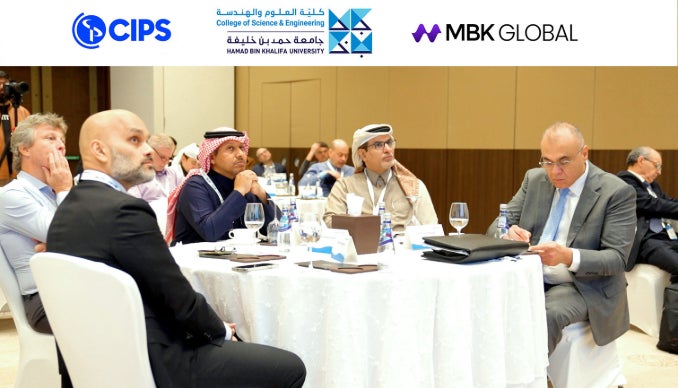
The College of Science and Engineering (CSE) at Hamad Bin Khalifa University (HBKU) hosted the Qatar Smart Manufacturing Forum bringing together leaders from industry, government, and academia. Discussions focused on the role smart and additive manufacturing (AM) can play in strengthening the country’s industrial competitiveness, resilience, and innovation capacity.
Share:
Related News
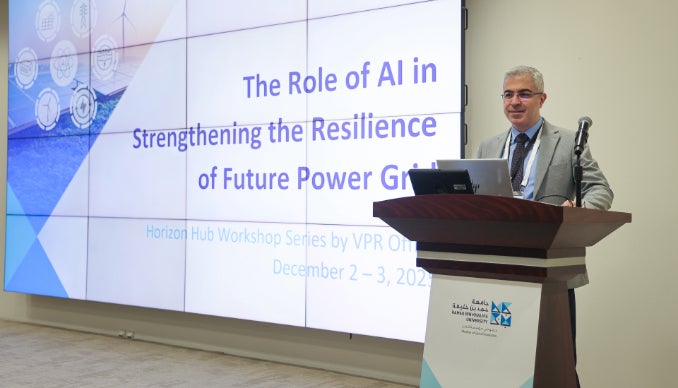
Experts Examine Important AI Solutions in Building Resilient and Sustainable Power Systems
28
Jan
2026
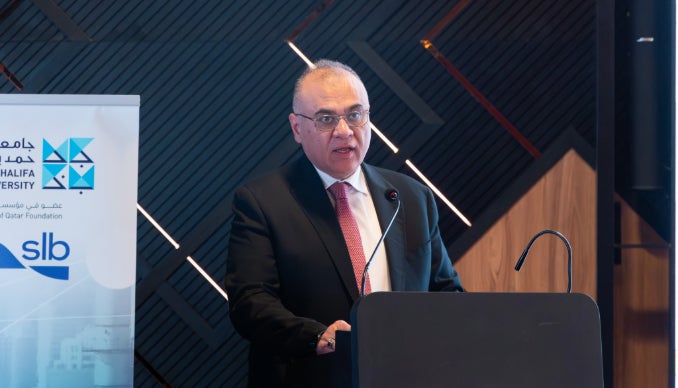
Hamad Bin Khalifa University Symposium Explores Flow Assurance to Accelerate Energy Transition and Sustainability
18
Jan
2026
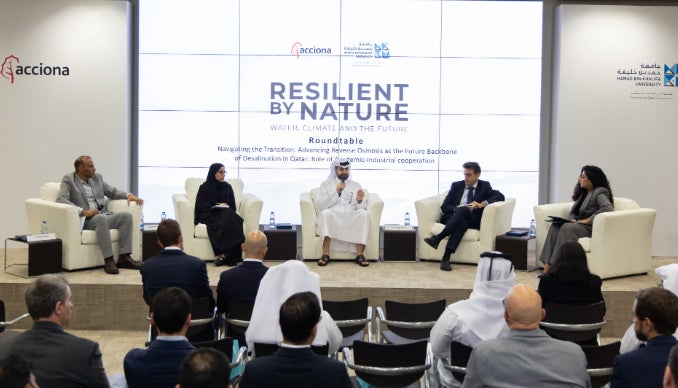

Research on AI and Satellite Imaging Accepted at 2025 Computer Vision and Pattern Recognition Conference
02
Oct
2025

Iranian threats to the close of Strait of Hormuz pose more than just a challenge to the global economy and wider energy security, warns the College of Law's Dr. Ahmed Al-Sulaiti. They may also be a breach of international law. Find out why here.
Share:
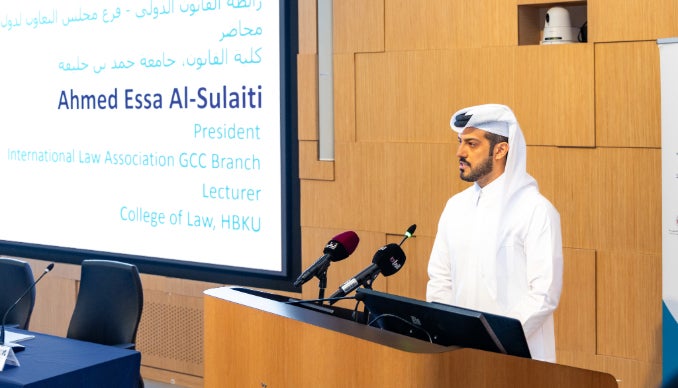

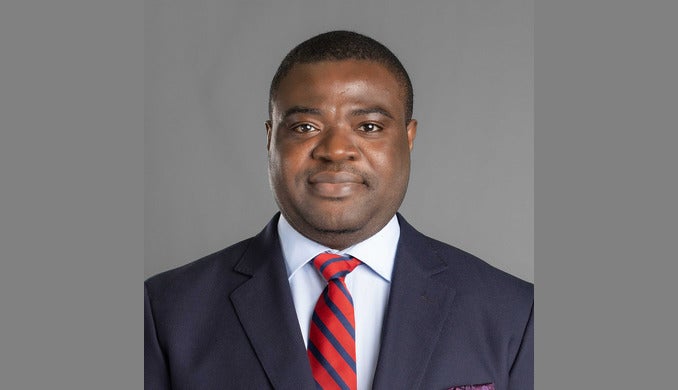

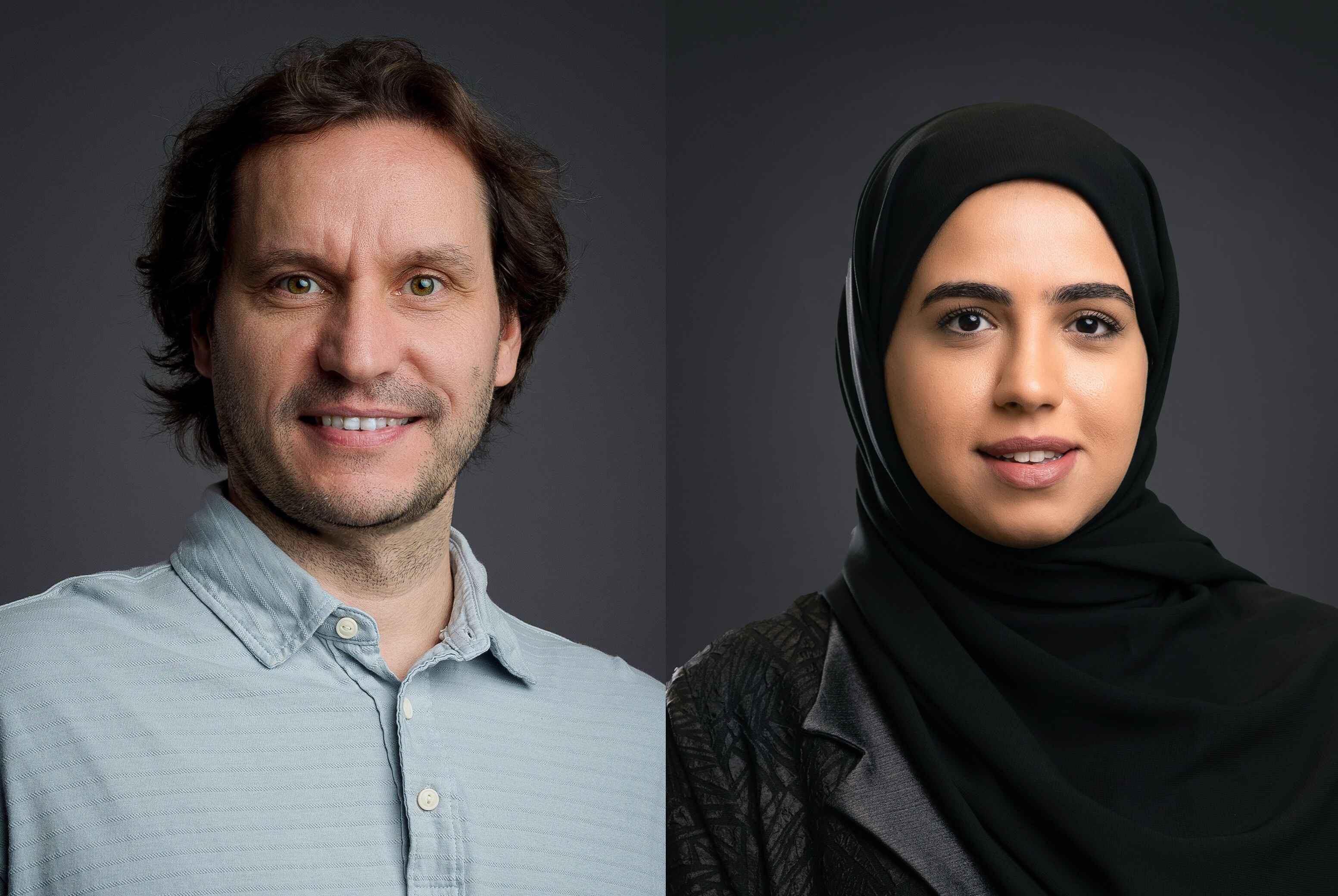
As the CSE's Dr. Azzam Abu-Rayash and Aisha Al-Naama see it , modern cities often erode heritage, displace communities, and replace culturally rooted, communal ways of living. In doing so, they also foster alienation, weaken social bonds, and disconnect people from memory, meaning, and nature.
Share:
Related News


Sustainable Urban Cooling in Doha: Integrating Green, Blue, and Smart Infrastructure
03
Sep
2025


HBKU Research Explores Impact of Women-only Running Groups on Qatar’s Sporting Landscape
18
May
2025

Qatar’s ‘Awqaf Index’: Revitalizing Islamic Endowments for a Sustainable Future
11
Mar
2025

Sport and Politics Don't Mix? Double Standards and Calls for Boycotts Loom in World Sport
04
Aug
2024
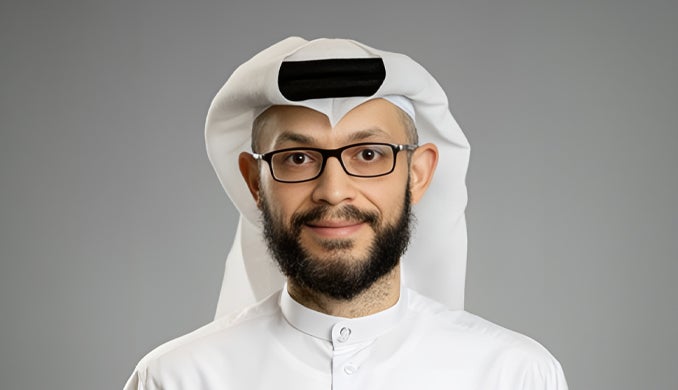
The closure of the Strait of Hormuz has exposed the fragility of Gulf – East Asia energy interdependence, notably between Qatar and Japan, writes the CPP’s Dr. Evren Tok. In response, both countries are evolving their relationship to build a more resilient framework for a stable future.
Share:



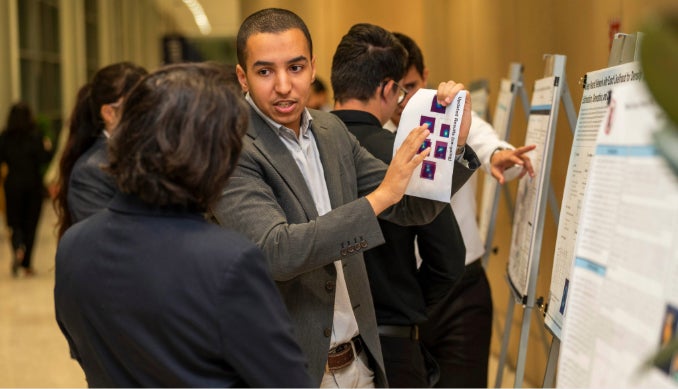
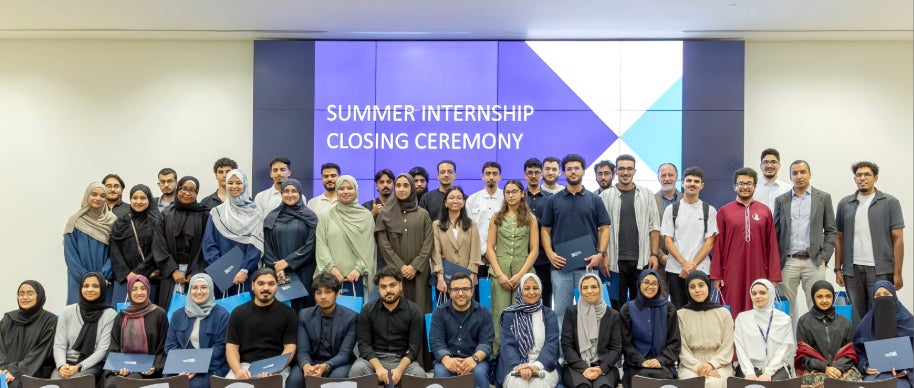
As part of its commitment to building national digital and technology capacity, the Qatar Computing Research Institute (QCRI) at Hamad Bin Khalifa University (HBKU) has opened applications for its Summer Internship Program.
Share:
Related News
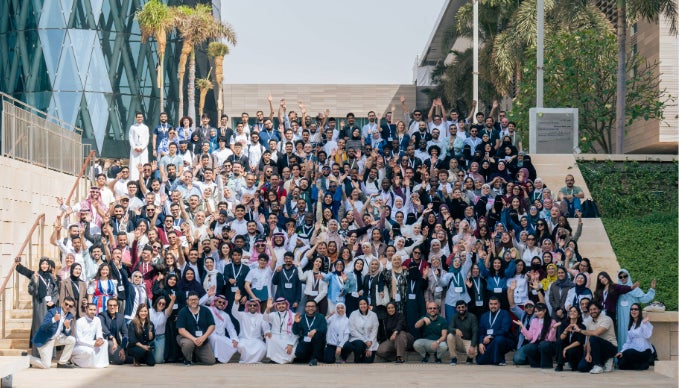
Hamad Bin Khalifa University and Global Partners Advance Regional AI Landscape at MenaML Winter School
09
Apr
2026
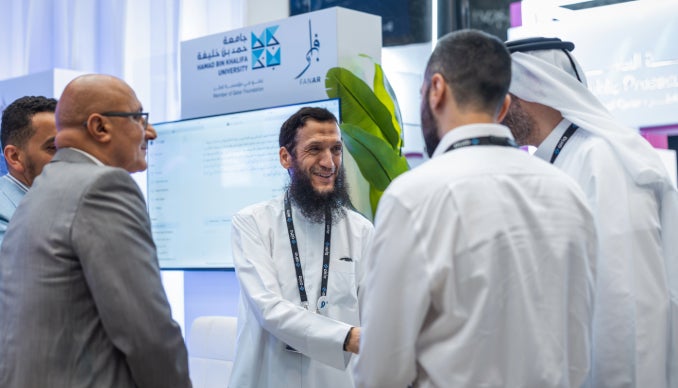
Hamad Bin Khalifa University Releases Enhanced Flagship Generative AI Platform
12
Feb
2026
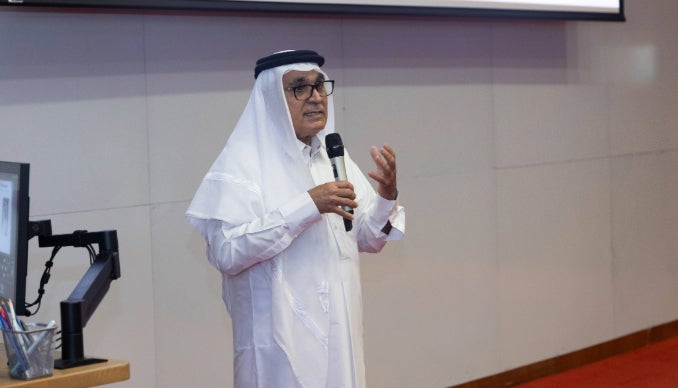
Hamad Bin Khalifa University and Boeing Convene Global Leaders to Advance Safe and Sustainable AI
09
Feb
2026

Hamad Bin Khalifa University Spotlights Innovation and Expertise at World Summit AI 2025
25
Dec
2025
Research on AI and Satellite Imaging Accepted at 2025 Computer Vision and Pattern Recognition Conference
02
Oct
2025

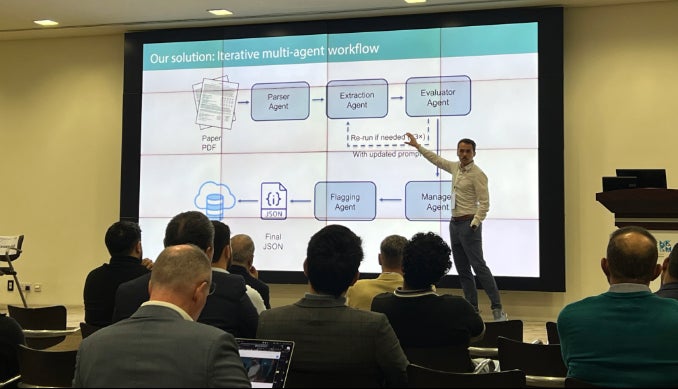
Hamad Bin Khalifa University (HBKU) hosted a symposium examining how artificial intelligence (AI) is transforming scientific discovery. Held as part of the Horizon Hub Workshop Series and supported by the Office of the Vice President for Research, the event was organized by the University’s AI4Science Taskforce. Convening leading researchers, academics, and practitioners, the symposium explored how AI-driven methods are reshaping scientific inquiry while strengthening ties within Qatar's growing research community and beyond.
Share:
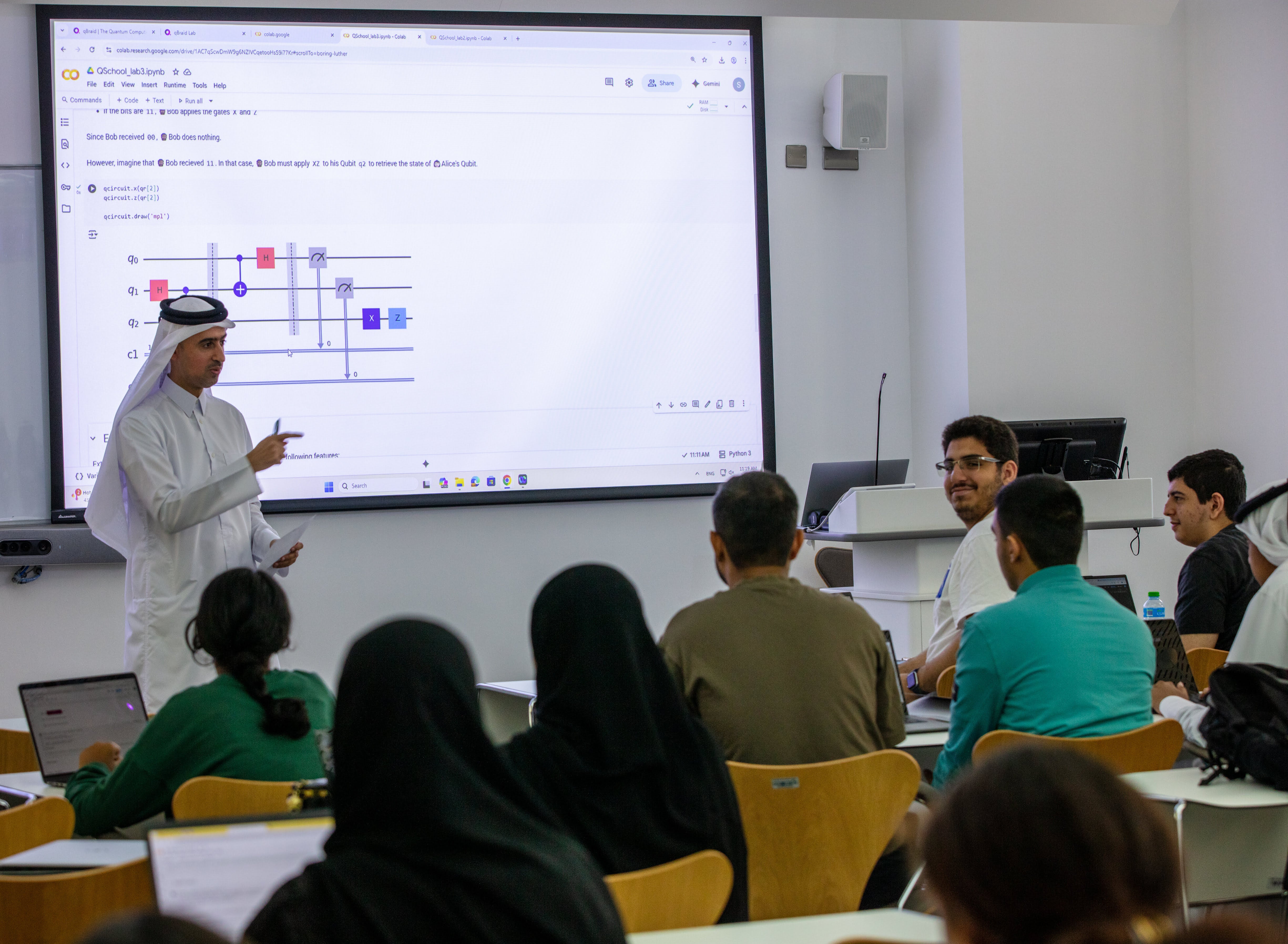
Researchers from Hamad Bin Khalifa University’s (HBKU) Qatar Computing Research Institute (QCRI) and Google DeepMind jointly organized the second Middle East and North Africa (MENA) Machine Learning Winter School (MenaML) at King Abdullah University of Science and Technology (KAUST), Thuwal, Saudi Arabia.
Share:
Related News
Hamad Bin Khalifa University’s Qatar Computing Research Institute Accepting Applications for Summer Internship Program
09
Apr
2026
Hamad Bin Khalifa University Releases Enhanced Flagship Generative AI Platform
12
Feb
2026
Hamad Bin Khalifa University and Boeing Convene Global Leaders to Advance Safe and Sustainable AI
09
Feb
2026
Hamad Bin Khalifa University Spotlights Innovation and Expertise at World Summit AI 2025
25
Dec
2025
Research on AI and Satellite Imaging Accepted at 2025 Computer Vision and Pattern Recognition Conference
02
Oct
2025
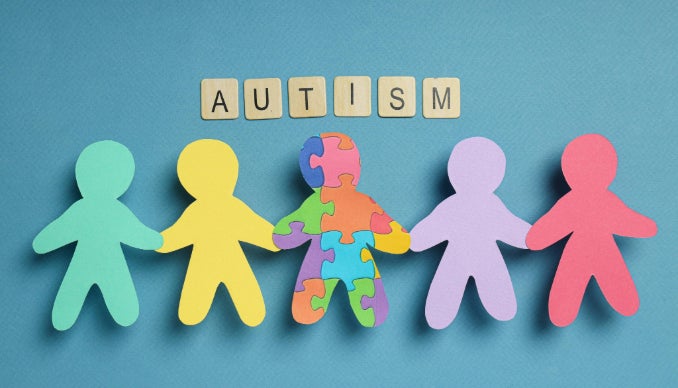
While autism touches millions of lives worldwide, public understanding often lags far behind scientific knowledge. Viewed for decades as primarily a childhood condition and something to be addressed in the early years, it was widely thought autism might eventually be outgrown. This misconception created a ‘lost generation’ of autistic adults who have navigated life without understanding themselves, without access to appropriate support, and often carrying the weight of wondering why everything feels harder for them than for others.
Share:
Related News








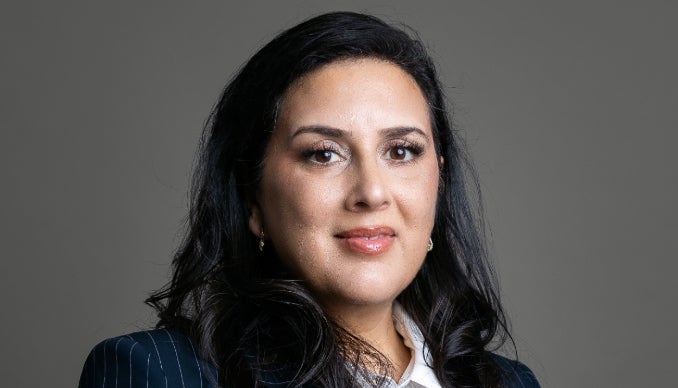
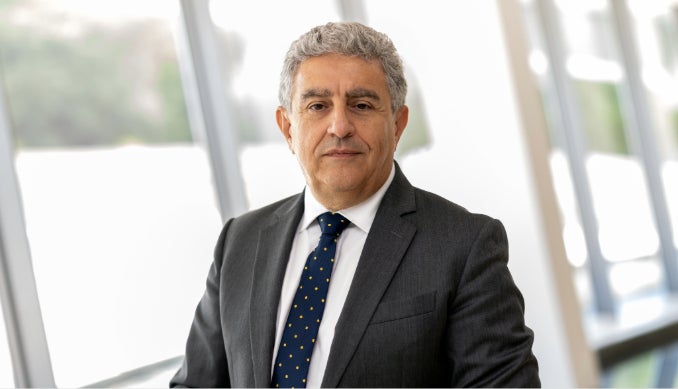
Qatar’s signing of the United Nations Convention Against Cybercrime largely aligns with the State’s pre-existing legal framework. Writing for Gulf Times , the College of Law’s Dean Susan L. Karamanian nevertheless anticipates further legislative alignment and conversations about protecting critical cyber infrastructure while preserving competing values.
Share:
Related News
Iran’s Closure of the Strait of Hormuz: A Threat to the International Legal Order and Global Energy Security?
26
Mar
2026

Investment Governance for Sustainable Development: Building the Foundations of a Knowledge-Based Economy
17
Feb
2026
From Vision to Resilience: A Strategic Blueprint for Africa’s Green Transition
18
Jan
2026