Apply Now

Fanar 2.0 strengthens Arabic-language AI through deeper intelligence and advanced bilingual reasoning
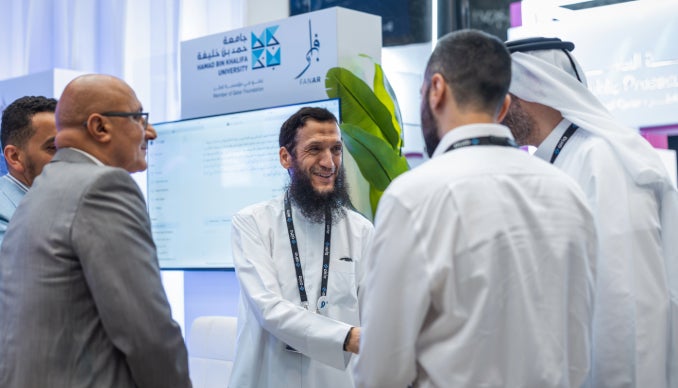
Aligned with Qatar’s priority of advancing and safeguarding the Arabic language, culture and heritage, Hamad Bin Khalifa University (HBKU) recently unveiled the upgraded version of Qatar’s first Arabic generative AI platform, Fanar 2.0.
Launched at the World Summit AI, Fanar 2.0, developed by Qatar Computing Research Institute (QCRI), is a platform with capabilities extending beyond Arabic generative AI to a national, sovereign model and data protection, with development and oversight led by local expertise in line with national priorities.
The new version, among many modifications, brings together a more powerful Arabic language model, deep focus on Arabic with broad dialect support, increased context and model size, as well as advanced reasoning capabilities to boost its strategic thinking and complex decision-making. Fanar 2.0 also features enhanced Arabic content creation, authentic poetry, and culturally intelligent image and video AI, delivered through a modern, simple, and intuitive user experience.
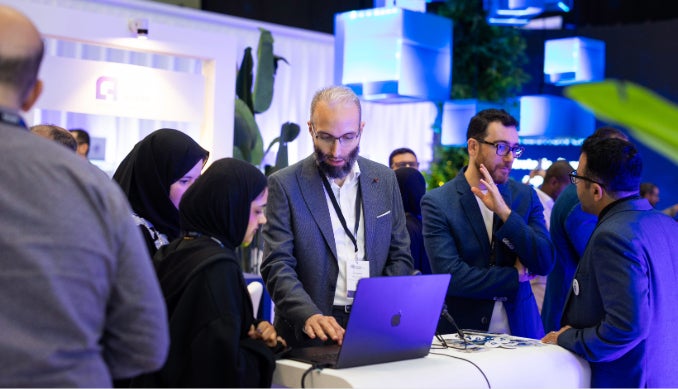
Dr. Ahmed Elmagarmid, Executive Director, QCRI, remarked: “With 2.0, we are expanding Fanar’s impact across the Arab world, supporting Arabic-language innovation, advancing ethical AI adoption, and enabling knowledge creation that resonates regionally and globally. This update underlines HBKU’s position as an impact-driven institution, committed to advancing national priorities and future-focused solutions.”
Beyond its technical advancements, Fanar represents a strategic asset for Qatar and the Arab world, addressing existing gaps in global AI systems. The platform reflects HBKU’s commitment to translating research excellence into real-world impact, amplifying digital sovereignty, enabling Arabic knowledge production, and empowering institutions, researchers, and innovators across the region to engage with AI on their own terms.
Through HBKU’s leadership and QCRI’s research expertise, Fanar 2.0 demonstrates how locally grounded, yet globally relevant AI can shape inclusive digital futures.
Share:
Related News
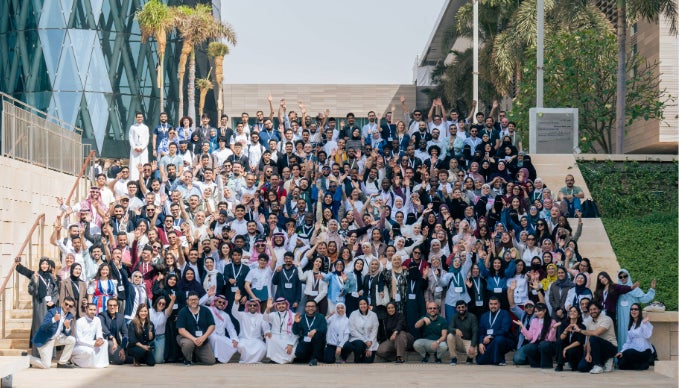
Hamad Bin Khalifa University and Global Partners Advance Regional AI Landscape at MenaML Winter School
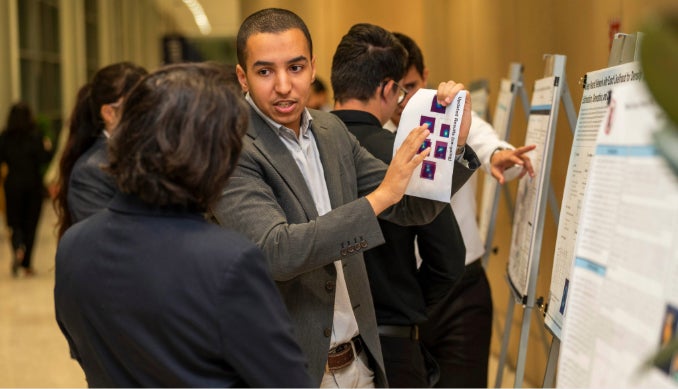
Hamad Bin Khalifa University’s Qatar Computing Research Institute Accepting Applications for Summer Internship Program
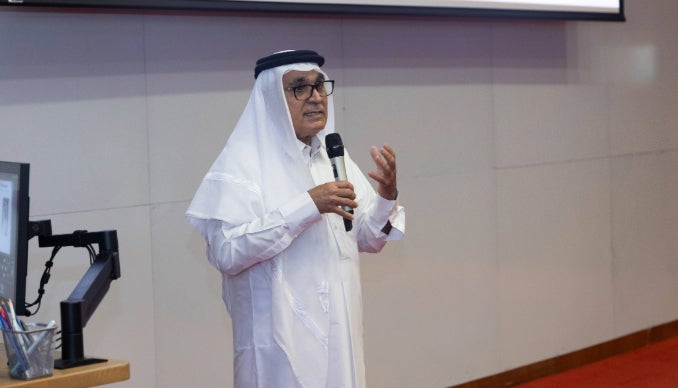
Hamad Bin Khalifa University and Boeing Convene Global Leaders to Advance Safe and Sustainable AI

Hamad Bin Khalifa University Spotlights Innovation and Expertise at World Summit AI 2025