Apply Now


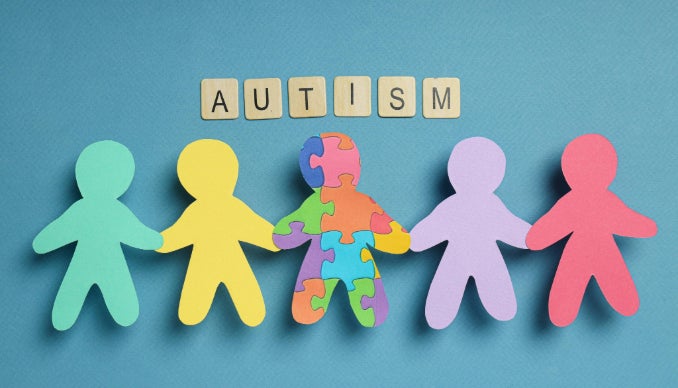
Autism is a developmental condition that causes significant challenges in social interaction and communication, along with stereotypical and intense, change-resistant behaviors. Autism is a spectrum disorder that exists in varying degrees of severity and commonly coexists with a broad range of conditions, including intellectual disability, gastrointestinal issues, epilepsy, and sleep problems.
In Islam, fasting during Ramadan is obligatory only for those who are physically and mentally capable. Individuals who are ill, vulnerable, or unable to tolerate fasting without harm are exempt. As autism presents in variable forms and severities, individuals who are physically incapable of fasting, as well as those with significant cognitive impairments who are unable to understand the obligation of fasting, are not required to fast. However, those with mild symptoms of autism who are capable of fasting without perceived harm are required to do so. For these individuals, Ramadan practices can be particularly challenging and may require additional family and community support. Nevertheless, fasting may also bring several benefits.
Challenges Faced
Ramadan often brings significant changes to daily routines, including altered meal times, sleep schedules, and increased religious and social activities. For people with autism, these sudden changes can trigger anxiety and emotional overwhelm. Some may find it more difficult to cope with hunger, thirst, and fatigue, which can intensify sensory sensitivities and exacerbate their symptoms. Others may also have difficulty recognizing or communicating discomfort, increasing the risk of physical or psychological strain. Crowded prayer spaces, loud environments, and frequent social gatherings can be overwhelming, making traditional forms of participation in Ramadan especially challenging.
Support Strategies
People with autism often find it difficult to cope with sudden changes in daily routines. Therefore, families and caregivers are encouraged to begin preparations weeks before Ramadan to give them more time to adjust. The following strategies may be helpful:
- Gradual adjustments: Slowly modify daily routines, sleep schedules, and meal times to align with Ramadan practices before the month begins.
- Food and nutrition: Introduce traditional or unfamiliar foods gradually, allowing time to adapt to new tastes and textures and reducing the likelihood of food refusal during Ramadan.
- Sensory management: Designate quiet, low-stimulus areas at home to help reduce anxiety and sensory overload associated with social gatherings and group prayers.
Flexibility remains essential, and continuous monitoring of physical and emotional well-being is crucial. Fasting should be discontinued if significant distress or genuine health concerns arise. Maintaining safety and well-being is a fundamental principle in Islamic teachings.
Benefits of Fasting
Previous studies have demonstrated several health benefits of intermittent fasting and time-restricted feeding, practices similar to fasting during Ramadan. These may be particularly helpful for those who often experience gastrointestinal issues, inflammation, emotional regulation difficulties, and resistance to routine changes. Potential benefits include:
- Improved Metabolic and Digestive Regulation
Many individuals with autism experience digestive issues such as irregular bowel habits, bloating, or food sensitivities. Research has highlighted the importance of the gut–brain axis, whereby gut disturbances can influence brain function and behaviour, particularly in autism. Fasting can promote digestive rest, reduce insulin resistance, and improve metabolic function, potentially leading to better digestive health and improved behavioural outcomes. - Reduced Inflammation and Enhanced Cellular Repair
Studies suggest that fasting can reduce systemic inflammation and promote cellular repair processes, including the removal and recycling of damaged cells. These effects may improve overall cellular function and reduce the accumulation of harmful substances, which could support brain health and behavioural regulation. - Enhanced Self-Control and Adaptive Behaviour
Fasting may help foster self-regulation skills such as patience, impulse control, and emotional awareness. It can also assist in reducing rigidity by encouraging adaptation to new schedules, eating patterns, and routines, thereby supporting greater behavioural flexibility. - Psychological Well-Being and Sense of Achievement
Participation in Ramadan fasting and religious practices can enhance feelings of family and community inclusion and increase self-esteem and confidence. This can be particularly meaningful for individuals with autism who value a sense of accomplishment and may motivate them to learn new skills that support their growth and greater independence.
Ramadan observance requires a personalized approach that balances religious obligations with physical and mental well-being. While fasting may introduce distinct challenges due to routine changes, sensory challenges, and communication difficulties, appropriate preparation, flexibility, and family support can help mitigate these challenges. Importantly, Islamic teachings emphasize compassion and the preservation of health, allowing exemptions where fasting could cause harm. For those with autism who are able to participate safely, Ramadan can offer not only spiritual fulfilment but also potential health and behavioural benefits. Ultimately, Ramadan observance can be viewed as a valuable annual practice offering opportunities to restore physical health while supporting skill development and long-term personal growth.
Dr. Abeer Al-Shammari is a Scientist at the Neurological Disorders Research Center of the Qatar Biomedical Research Institute.
Share: