Apply Now
Event featured experts and policymakers to discuss sustainable approach to combatting water security challenges
Hamad Bin Khalifa University’s (HBKU), in collaboration with ACCIONA, concluded the Resilience Through Desalination symposium, which examined the evolving role of seawater reverse osmosis (SWRO) in supporting robust, sustainable water systems in arid regions.
Hosted by the College of Science and Engineering (CSE) at HBKU’s Researchery, the event highlighted the partnership between both entities, integrating scholarly insight with practical experience to strengthen teaching, advance sustainability, and support national infrastructure priorities. It gathered academics, industry experts, members of the diplomatic community and students.
Addressing the region’s reliance on SWRO, the symposium served as a platform for strategic and technical exchange among stakeholders to discuss ways of enhancing desalination performance through innovation, sustainable operations, and capacity-building.
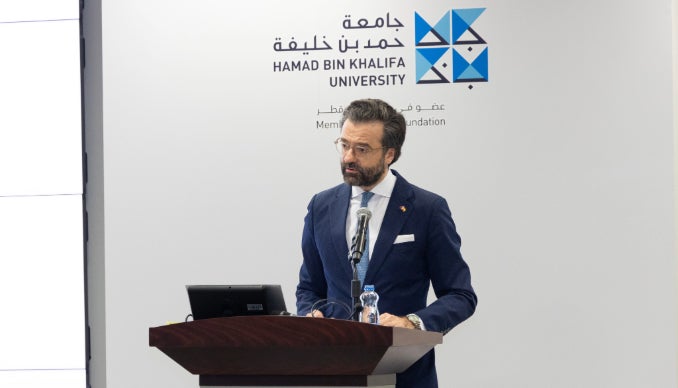
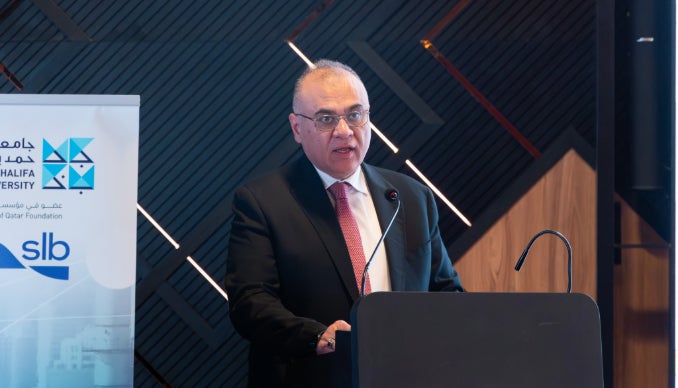
Opening remarks were delivered by His Excellency Dr. Álvaro Renedo Zalba, Ambassador of Spain to Qatar, and Dr. Eyad Ahmad Masad, Vice President for Research, HBKU. The first keynote session addressed water resilience by integrating research and capacity building. Subsequent speakers also examined water and energy interdependencies, the role of national research institutions and the impact of industry leadership.
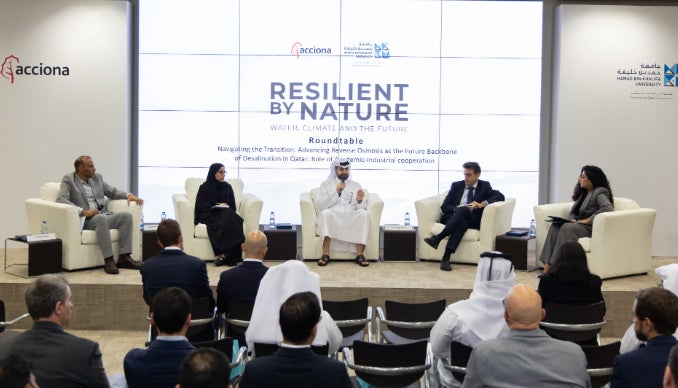
Additionally, a strategic roundtable explored the future of reverse osmosis desalination in Qatar. It featured experts including Dr. Dhabia Al Mohannadi, Associate Professor, College of Science and Engineering; Dr. Ahmed Abdala, Professor, CSE; Eng. Saoud Salatt, Head of Planning & Development Water Resources, Kahramaa; and Eng. Julio De la Rosa Jurado, Business Development Director, ACCIONA.
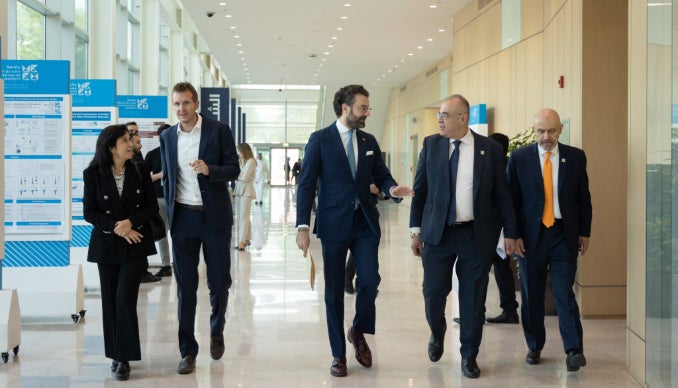
Commenting on the symposium, Dr. Peter Desmond, Assistant Professor in Sustainable Development, CSE, stated: “Desalination is central to our research and teaching agenda because water security is an existential challenge, not an option. Our collaboration with ACCIONA includes a co-created graduate module for MSc and PhD students enrolled in Sustainable Environment and Energy programs desalination technologies. Developed by HBKU’s Urban Water Management Lab and ACCIONA Agua, the module trains home-grown graduates as the next generation of desalination plant designers and operators. By aligning teaching with real plant contexts, we bring together academic diligence and industry innovation to deliver sustainable, future-focused solutions.”
The symposium underscores HBKU's commitment to driving partnerships and advancing climate adaptation, public health, and sustainable development strategies tailored to the needs of arid regions.
Share:
Related News

Hamad Bin Khalifa University and Quantum Computing Inc. Expand Global Quantum Adoption Through New Framework Agreement

Hamad Bin Khalifa University Earns Scale-Up Grant for AI Scholar MaternaCare Project

Hamad Bin Khalifa University and Smithsonian Science Advance STEM Learning in Qatar
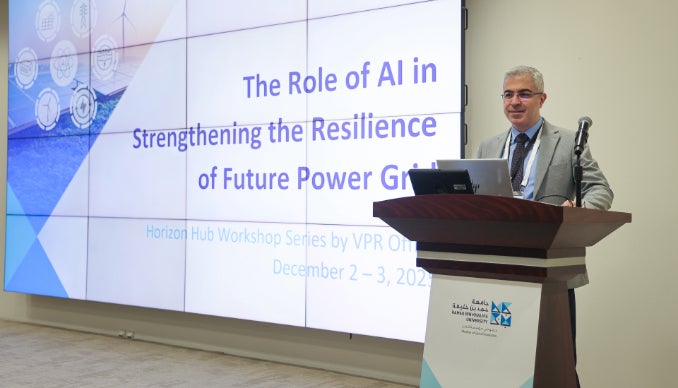
Experts Examine Important AI Solutions in Building Resilient and Sustainable Power Systems