
 Apply Now
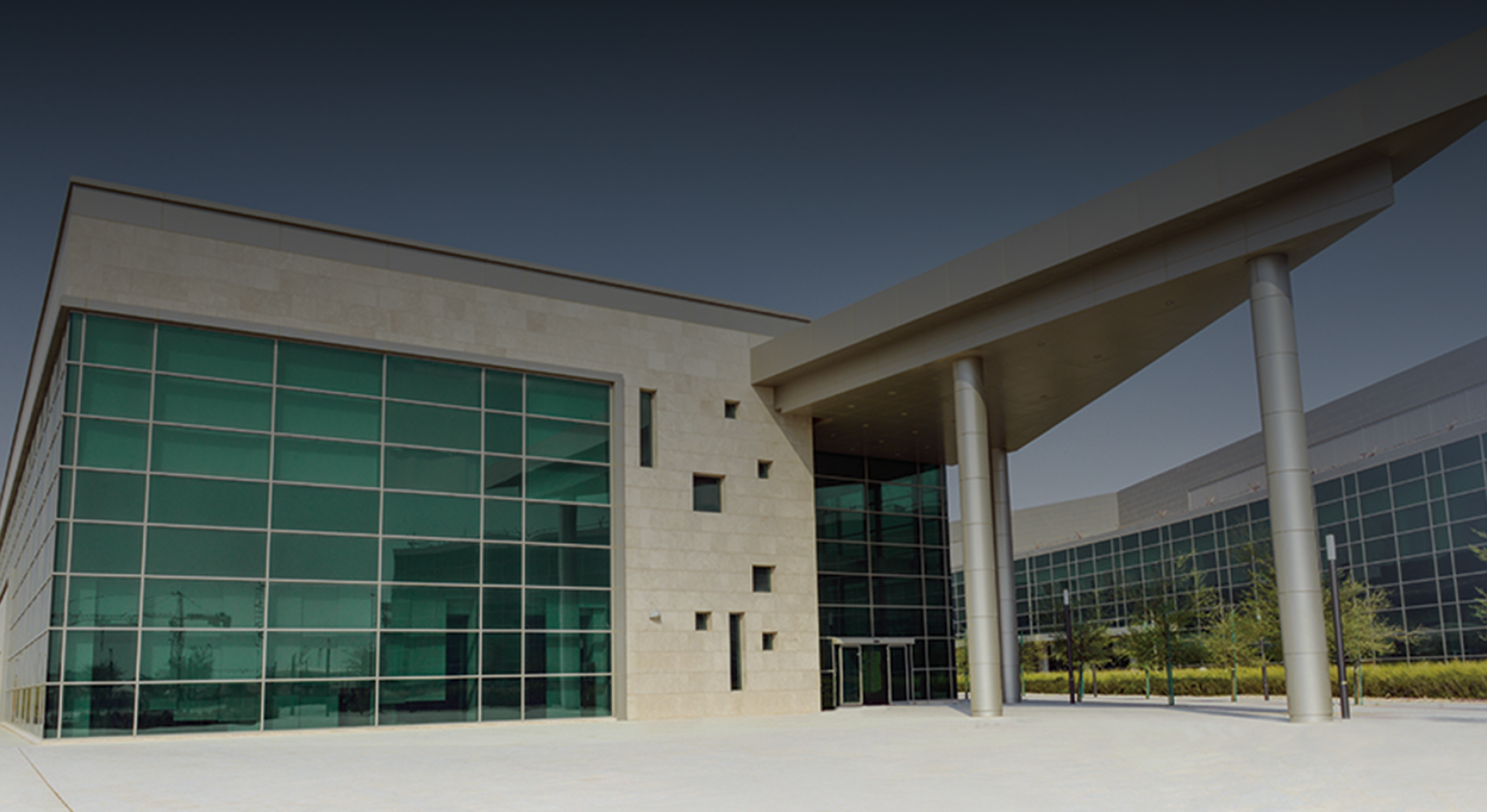
Research at QCRI
Ensuring that the Arabic language flourishes in the digital world is a priority area of QCRI’s research. We are dedicated to promoting the Arabic language in the information age. Some of our current research projects address the challenges related to lack of content and equally important, extracting that content, analyzing and transforming it.
Founded in 2018, the Research Engineering Group was established with the vision of becoming an innovation hub that generates transformative solutions addressing real-world challenges of both local and global significance. Our mission is to transform QCRI research outcomes into robust, commercially viable products.
We are living in a time of a paradigm shift towards cyber security attacks on targets such as critical infrastructure, governments and sensitive data.
QCRI’s Qatar Center for Artificial intelligence Group research expertise transcends the data science stack - from data extraction and cleaning to analytics, retrieval, inference and prediction.

News and Insights
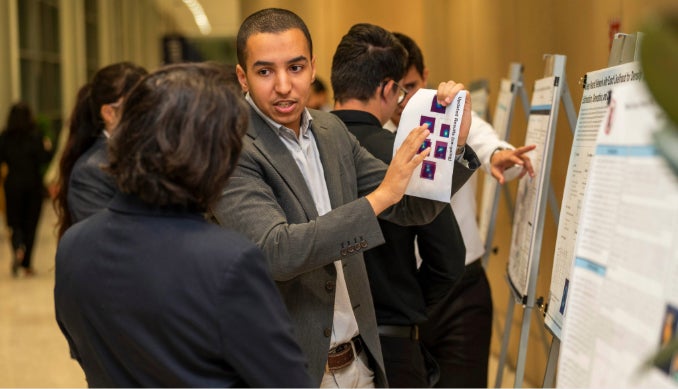
Hamad Bin Khalifa University’s Qatar Computing Research Institute Accepting Applications for Summer Internship Program
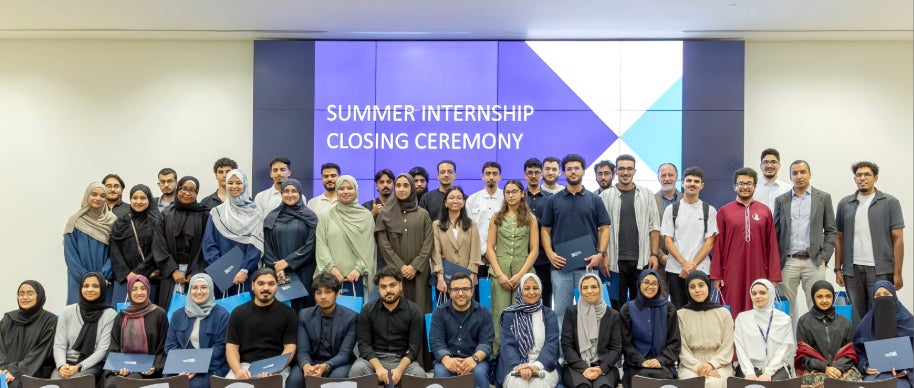
As part of its commitment to building national digital and technology capacity, the Qatar Computing Research Institute (QCRI) at Hamad Bin Khalifa University (HBKU) has opened applications for its Summer Internship Program.
Designed to cultivate the next generation of innovators and r
Hamad Bin Khalifa University’s Qatar Computing Research Institute Accepting Applications for Summer Internship Program
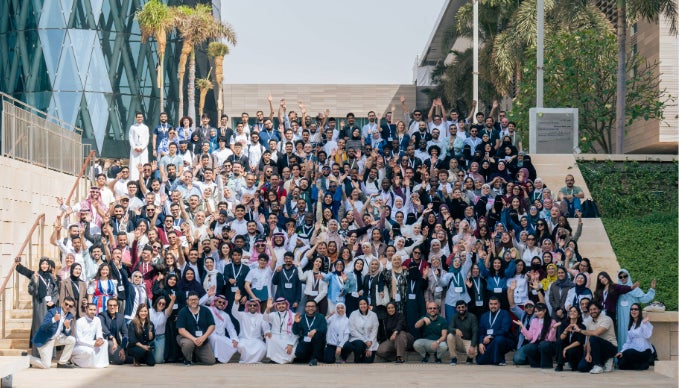
Hamad Bin Khalifa University and Global Partners Advance Regional AI Landscape at MenaML Winter School
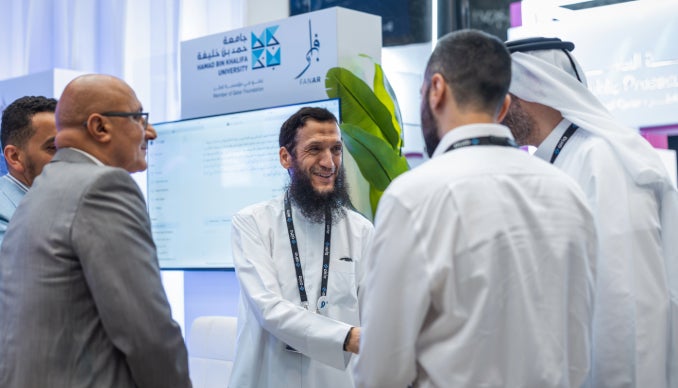
Hamad Bin Khalifa University Releases Enhanced Flagship Generative AI Platform
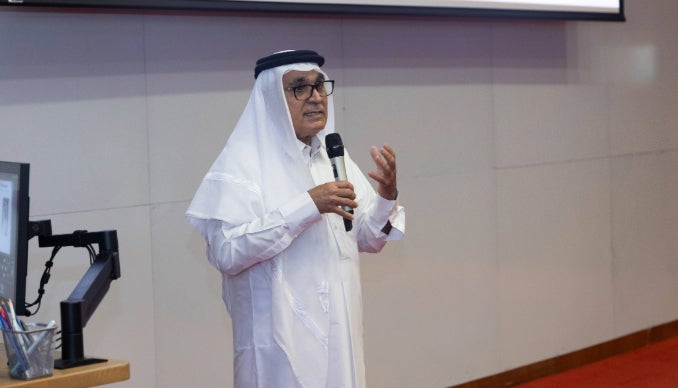
Hamad Bin Khalifa University and Boeing Convene Global Leaders to Advance Safe and Sustainable AI

Technology Finally Kills the Thayer Method of Teaching: Troubling Times for Educators

Hamad Bin Khalifa University Spotlights Innovation and Expertise at World Summit AI 2025
Events




Testimonials
A cornerstone of Qatar’s National Vision is to transform into a knowledge-based economy; growing our national computing and technology capacity is crucial to make this vision reality.
Dr. Ahmed Elmagarmid
Executive Director