Apply Now

The global investment landscape is entering a decisive period of transformation, with states rethinking how international investment agreements (IIAs), domestic regulatory frameworks, and facilitation mechanisms can advance sustainable development. At the same time, investors increasingly prioritize jurisdictions that offer predictability, transparency, and a clear commitment to long-term development and innovation.
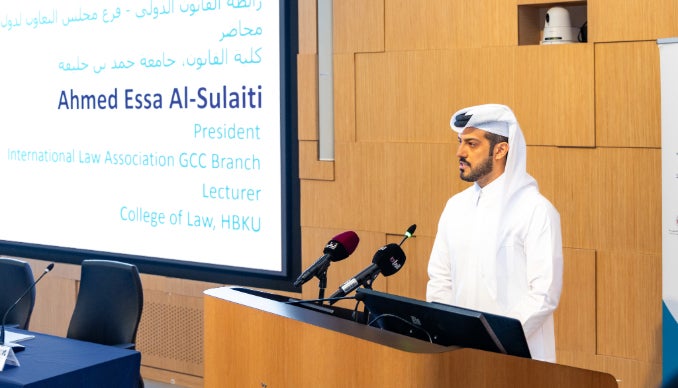
For Qatar, these discussions could not be more timely. Guided by Qatar National Vision 2030 and the Third National Development Strategy (2024–2030), the State is accelerating its transition toward a resilient, diversified, and knowledge-based economy. Long treated as a technical legal field, investment governance has become central to national development strategy. The recent conference organized by Hamad Bin Khalifa University’s (HBKU) UNESCO Chair on Environmental Law and Sustainable Development, in collaboration with the International Law Association (ILA) GCC Branch and others, provided a strategic forum for reflecting how modern investment frameworks can support transformation.
From Capital Inflows to Development Outcomes
A central message emerging from the dialogue is that investment matters not simply because it brings capital, but because it enables structural transformation. Traditional models of investment protection were not designed with sustainability, innovation, or human development in mind. They focused primarily on shielding investors from political risks. However, to achieve the United Nations’ Sustainable Development Goals (SDGs) and build economies capable of producing and attracting cutting-edge knowledge and technology, countries require investment regimes that do far more.
Modern IIAs and facilitation instruments now seek to align investment flows with national development priorities. Doing so helps countries to channel Foreign Direct Investment (FDI) into high-value sectors, promote responsible and sustainable business conduct, and more. For Qatar, these elements are aspirational and necessary. A knowledge-based economy depends on the ability to attract investors who bring not only capital but talent, technology, and global partnerships. The SDGs provide a coherent policy lens for guiding that transformation, particularly innovation (SDG 9), human capital (SDG 4), sustainable industry (SDG 12), and strong institutions (SDG 16).
Instruments for Innovation and Competitiveness
Over the past decade, treaty practice has shifted significantly. Governments now draft IIAs with the explicit objective of balancing investor confidence and sovereign policy space - two elements essential for the sustainability of a knowledge-driven economy. Key trends include explicit recognition of the right to regulate, whereby governments maintain flexibility to introduce policies relating to public health, environment, data, innovation, and digital transformation. Sustainability and responsible-business clauses further align investment with national and global development goals.
For Qatar, these treaty innovations are directly relevant. As the country expands its advanced technology sectors - from AI and cybersecurity to biotechnology and creative industries - investors increasingly seek legal environments that are predictable, transparent, and innovation-friendly. Modern IIAs strengthen Qatar’s credibility in this regard, signalling a regulatory environment that is balanced yet forward-looking.
Intellectual Property Rights: The Currency of a Knowledge Economy
A defining feature of today’s global economy is that intangible assets - data, algorithms, patents, trademarks, copyright - now constitute more than 90% of enterprise value worldwide. For countries aspiring to build competitive knowledge economies, intellectual property rights (IPRs) are central to national development strategy. To this end, discussions highlighted critical roles for IPRs in modern investment governance.
IPRS should be leveraged for attracting innovation-intensive FDI. Pharmaceutical, biotech, digital technology, gaming, and media companies require robust and predictable IP regimes. Qatar’s recent accession to the Patent Cooperation Treaty, the Madrid Protocol, and WIPO’s digital treaties signals to global innovators that the country offers modern, internationally aligned IP protection.
A strong IP framework in turn encourages investment in local research partnerships, joint ventures, and innovation ecosystems. Doing so also supports universities and research centers in commercializing their outputs, a vital step for building domestic capacity. For a developing knowledge ecosystem, IP protection must coexist with policymaking space, including Trade-Related Aspects of Intellectual Property Rights (TRIPS) flexibilities, public-health exceptions, and measures supporting domestic innovators.
Qatar’s approach to strengthening IP rights while retaining regulatory autonomy reflects international best practice. Indeed, as the country advances toward a knowledge-based economy, IPRs will increasingly function as the infrastructure of innovation, shaping investment patterns and enabling technological upgrading.
While treaties set the framework, investors ultimately judge a country by the quality of its institutions. The WTO’s Investment Facilitation for Development (IFD) Agreement provides a practical roadmap for improving transparency, enhancing procedural efficiency, reducing administrative barriers, and strengthening coordination across government entities.
For Qatar, where institutions like Invest Qatar already play a strong facilitative role, aligning with IFD principles can further reinforce investor confidence, particularly in advanced sectors that rely on speed, clarity, and regulatory predictability. A knowledge-based economy cannot flourish without efficient regulatory systems that make it easy for investors to innovate, operate, and reinvest.
A Strategic Moment
Across all discussions, the message was clear: investment governance is no longer about managing risk, it is about shaping development outcomes. Modern IIAs, investment facilitation mechanisms, and innovation-focused IP frameworks together form the architecture of future growth.
As President of the ILA–GCC Branch, I am encouraged by the depth of engagement and the strong shared commitment to ensuring that investment contributes meaningfully to sustainable development. Qatar’s leadership in this space reflects a broader regional ambition: to build economies that are competitive, diversified, and anchored in knowledge, innovation, and resilience.
The pathway to the SDGs and to Qatar National Vision 2030 runs directly through modern, balanced, and forward-looking investment governance.
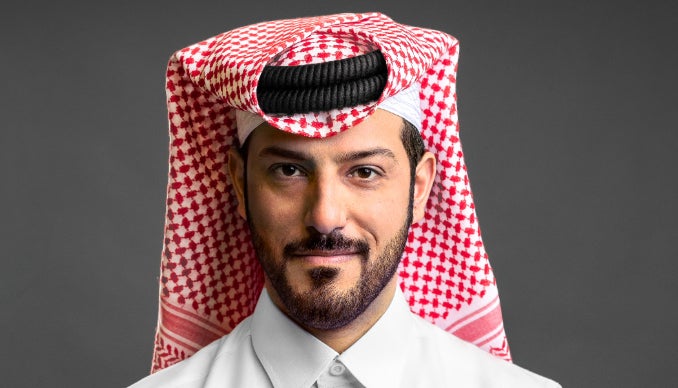
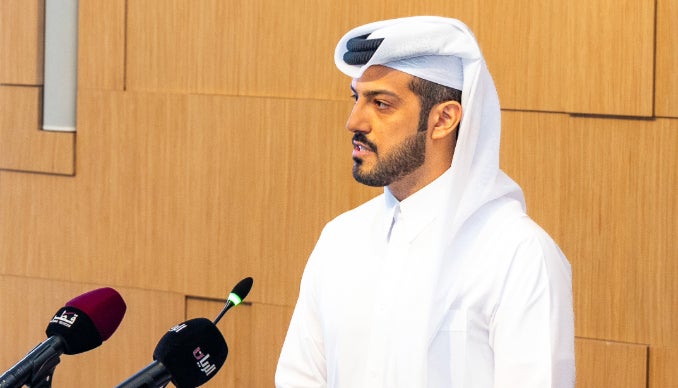
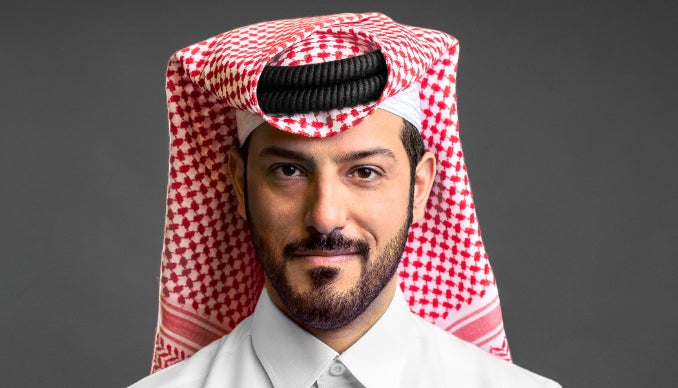
Dr. Ahmed Essa Al-Sulaiti is a lecturer at Hamad Bin Khalifa University’s College of Law. A lawyer admitted before the Qatar Appellate Court, he is also President of the International Law Association – GCC Branch.
Share:
Related News
Qatar’s Engagement with WIPO and the Evolution of Global Intellectual Property Governance

Iran’s Closure of the Strait of Hormuz: A Threat to the International Legal Order and Global Energy Security?