Apply Now
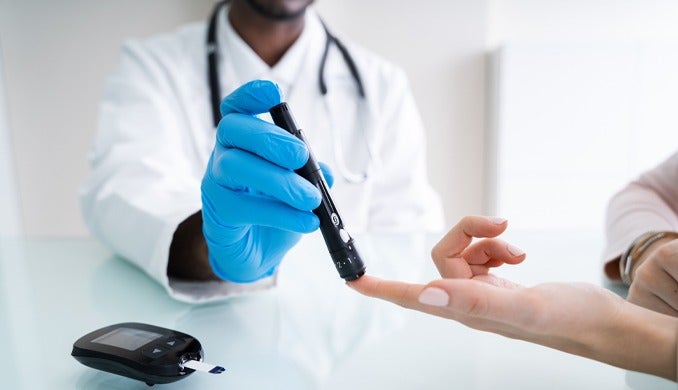
Ramadan is a sacred and spiritually uplifting month centered on reflection, discipline, gratitude, and devotion through fasting from Fajr to Maghrib. For individuals living with diabetes, observing the fast represents both a profound personal commitment and significant physiological adjustment. This daily period without food or drink alters meal timing, sleep patterns, and activity levels, all of which influence glucose control. Supporting individuals in fasting safely requires an approach that respects both health and the spiritual importance of this blessed month.
Diabetes is a heterogeneous condition. Individuals differ in insulin sensitivity, glucose regulation, metabolic flexibility, and response to therapy. Modern personalized care recognizes this variability and tailors management to each person’s medical history, risk profile, and lifestyle.
Personalized Risk Assessment
Structured risk assessment is a cornerstone for safe fasting. The International Diabetes Federation-DAR Academy (IDF-DAR) guidelines recommend that individuals intending to fast undergo a comprehensive pre-Ramadan evaluation to minimize the risks of hypoglycaemia and hyperglycaemia. Ideally conducted 6–8 weeks before Ramadan, this assessment allows time for optimization of glycaemic control, medication review, and structured education.
Risk evaluation considers diabetes type and duration, recent glycaemic control, history of hypoglycaemia or acute metabolic events, presence of comorbidities such as cardiovascular or renal disease, pregnancy status, age, and the type of glucose-lowering therapy used. Based on these factors, individuals are stratified into low, moderate, or high-risk categories to guide clinical recommendations. Those at higher risk may be advised not to fast, while others may fast with careful monitoring and individualized treatment regulation. This structured approach supports shared decision-making, ensuring fasting is undertaken responsibly and in alignment with both medical evidence and religious values.
Monitoring, Treatment Optimization, and Technology Integration
Personalized care during Ramadan extends beyond assessment to individualized monitoring, medication adjustment, and nutrition planning while benefiting from technological advances.
Continuous glucose monitoring (CGM), using small wearable sensors, provides real-time tracking of glucose levels throughout the day and night. During fasting hours, this allows early detection of glucose fluctuations and timely intervention when needed. Access to continuous glucose data helps individuals better understand how their bodies respond to meals at Suhoor and Iftar, strengthening safe management.
Artificial intelligence further enhances this process by identifying glucose patterns and trends that may not be immediately visible. By analyzing longitudinal glucose data, digital tools assist healthcare providers in refining treatment strategies and improving overall glycaemic stability.
Nutrition remains equally important. When caloric intake is concentrated within limited hours, inter-individual variability in glycaemic responses becomes more pronounced. Studies demonstrate that responses to identical meals can differ significantly between individuals. Integrating glucose monitoring with data-driven analysis enables tailored dietary guidance that minimizes postprandial excursions after meals, reducing metabolic stress during fasting.
Medication optimization is also critical. Adjusting dose and timing to align with fasting hours helps reduce daytime hypoglycaemia and post-Iftar hyperglycaemia.
Responsible Implementation
Despite these advances, responsible implementation remains essential. Data-driven tools and digital technologies are designed to support and not replace clinical judgment. By helping clinicians anticipate metabolic changes, optimize therapeutic strategies, and reduce risk, these approaches support individuals living with diabetes in maintaining glycaemic stability while fasting during Ramadan. Ultimately, the goal is not only metabolic control, but also the preservation of health, well-being, and quality of life during this sacred month.
Neyla Al Akl is Senior Research Associate at the Qatar Biomedical Research Institute’s Diabetes Research Center.
Share: