Apply Now
Quantum Transformers
Quantum Transformers represent a new research direction at the convergence of quantum computing and classical Transformer architectures, aiming to overcome fundamental limitations of purely classical learning systems in real-world environments. Classical Transformers excel under controlled conditions, yet their performance and trustworthiness often degrade in the presence of noise, drift, missing data, domain shifts, and strict resource constraints. At the same time, quantum computing introduces powerful primitives, such as quantum feature spaces, quantum optimization, and simulation-inspired dynamics, while also facing practical challenges, including noisy hardware, limited qubit availability, and sampling overhead. This research explores quantum-aware Transformer methodologies and deployment-first engineering practices that strategically combine quantum and classical capabilities to enable robust, scalable, and reproducible learning systems. It advances three tightly integrated thrusts: scalable representation learning and global mixing, developing efficient long-context models for multivariate time series and multimodal sensing through compute-aware alternatives to standard attention, context-aware fusion of heterogeneous sensors, and physics or measurement informed embeddings that enhance stability and interpretability; quantum-enhanced learning, reasoning, and optimization, investigating hybrid quantum, classical pipelines that leverage quantum feature mapping, quantum optimization, and simulation-inspired modules to accelerate difficult inference and search tasks, improve generalization in high-dimensional regimes, and reduce labeling requirements where possible; and trust, verification, and deployment-first evaluation, establishing rigorous protocols that include leakage-resistant data splits, stress testing under noise, missingness, and adversarial corruption, calibrated uncertainty estimation, and operational profiling of latency, memory, and energy proxies alongside parameter-efficient adaptation. Collectively, this work aims to move Quantum Transformers from conceptual promise toward validated, trustworthy systems capable of delivering measurable impact in real-world scientific and engineering applications.
Funding





Quantum Reinforcement Learning
Reinforcement learning (RL) underpins many modern decision-making systems, from robotics and resource scheduling to adaptive control and autonomous agents. However, as problem complexity grows, classical RL can become bottlenecked by high-dimensional state spaces, expensive policy evaluation, and slow exploration in large action spaces. This project investigates Quantum Reinforcement Learning (QRL) as a principled route to accelerate or enhance RL pipelines by leveraging quantum representations and quantum-assisted optimization, while remaining compatible with near-term (NISQ) hardware through hybrid quantum–classical training loops.
We will develop and benchmark quantum-enhanced RL agents that integrate parameterized quantum circuits (PQCs) as policy and/or value-function approximators, and explore quantum subroutines for components such as feature embedding, policy search, and exploration. The work will emphasize theoretical soundness, clearly specifying what is quantum, what remains classical, and how learning signals (returns, advantages, gradients) are estimated under realistic constraints such as finite sampling (“shots”) and device noise. We will evaluate performance using reproducible benchmarks and establish practical guidelines for when quantum components can provide measurable benefits (e.g., sample efficiency, expressivity under parameter constraints, robustness, or computational advantages in specific regimes).
The project aims to deliver (i) a coherent QRL framework suitable for real devices, (ii) open, reusable benchmarking code and protocols, and (iii) a set of well-characterized use cases, such as control, scheduling, and resource allocation, where QRL is most likely to offer value for next-generation intelligent systems.
Funding



Esteemed leaders and decision makers from across Qatar’s business community gathered at Education City for the second meeting of Hamad Bin Khalifa University’s (HBKU) Industry and Government Advisory Board (IGAB).
Share:
Related News

Hamad Bin Khalifa University Study Reveals Organizational Gaps, Identifies Strategic Opportunities in Women's Sports

Hamad Bin Khalifa University Partners with Swiss Health Tech Xaidi to Support Qatar’s National Autism Plan
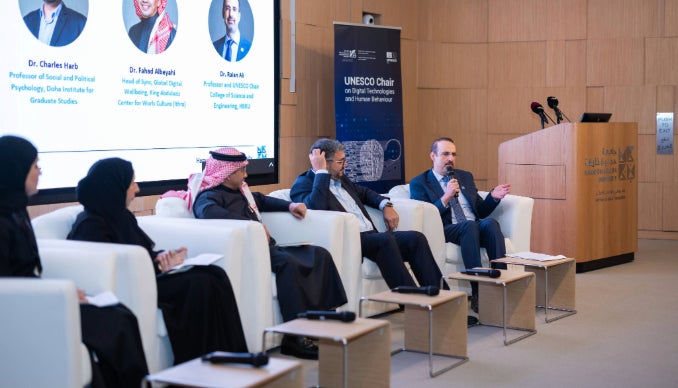
UNESCO Chair on Digital Technologies and Human Behavior Launched at Hamad Bin Khalifa University
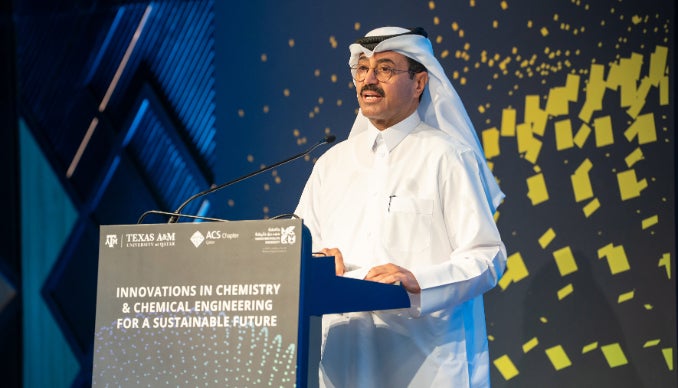
HBKU, TAMUQ and ACS Host Conference on Innovations in Chemistry and Chemical Engineering for a Sustainable Future

bNovate Technologies Partners with HBKU in Groundbreaking SMART-Distribution Project to Enhance Qatar’s Water Security
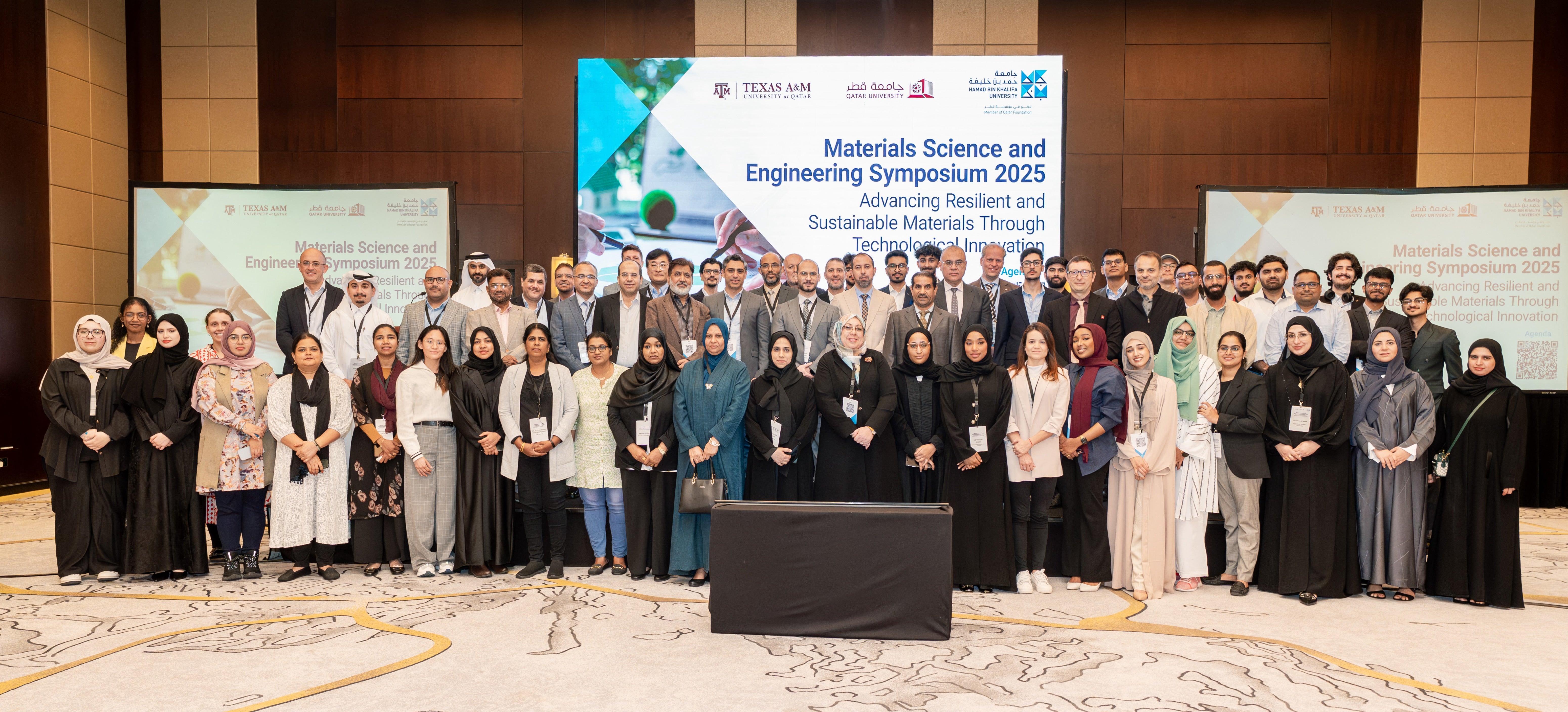
HBKU Co-Hosts the 14th Materials Science and Engineering Symposium (MSES-2025)

As the College of Islamic Studies' Dr.Mamdouh Sakr sees it, returning Islamic manuscripts to their countries of origin is about more than righting historical wrongs. Doing so also revitalizes distinct cultural and religious intellectual traditions in academic discourse. Find out more here.
Share:

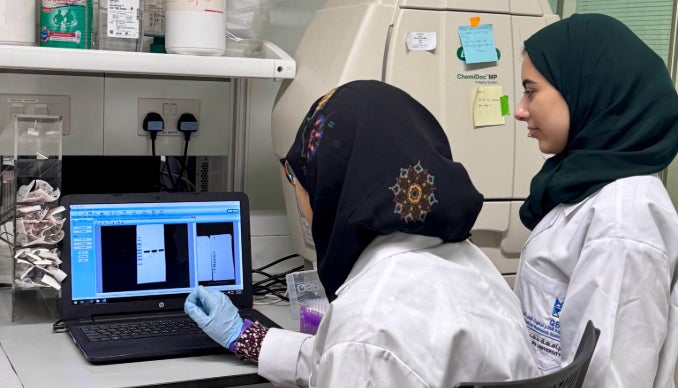
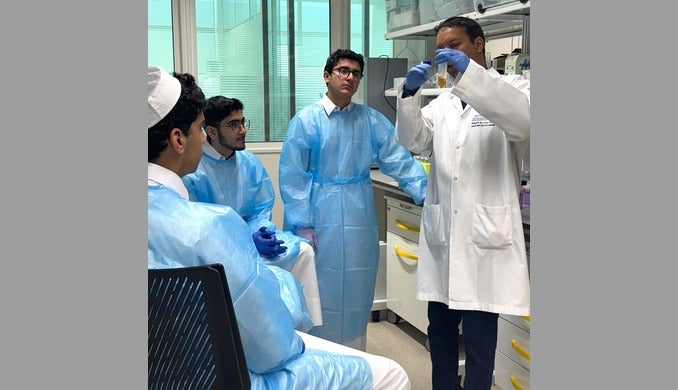
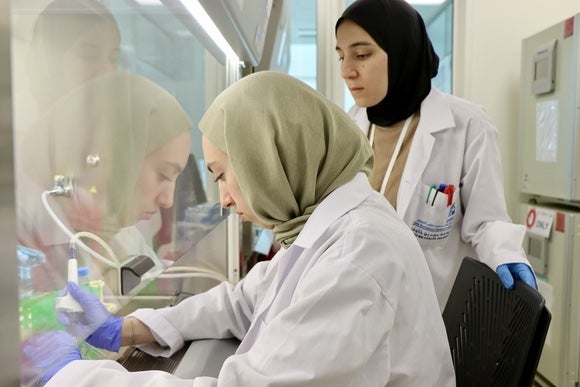
Hamad Bin Khalifa University’s (HBKU) Qatar Biomedical Research Institute (QBRI) has opened applications for its 10th Summer Research Program (SRP), offering undergraduate students the opportunity to engage in cutting-edge, faculty-led research.
Share:
Related News

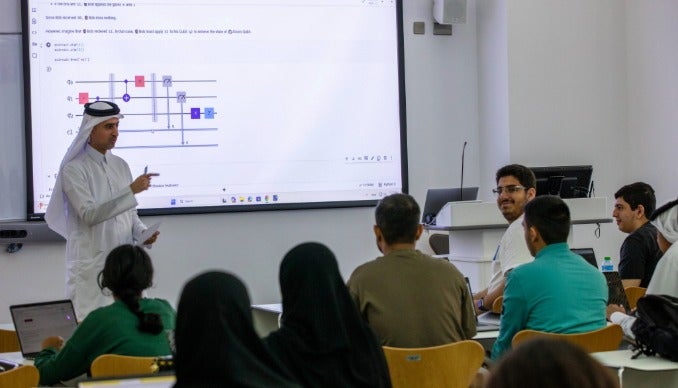

QBRI Partners with PHCC and QCRI to Combat Prediabetes Through New Screening Tool
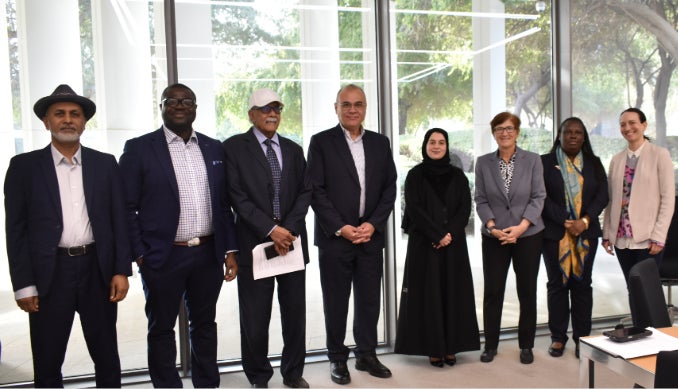
Recognizing the rising use of generative artificial intelligence (GenAI) in a wide range of aspects of the law, the College of Law recently hosted a timely lecture to address this fast-emerging trend.
Share:
Related News
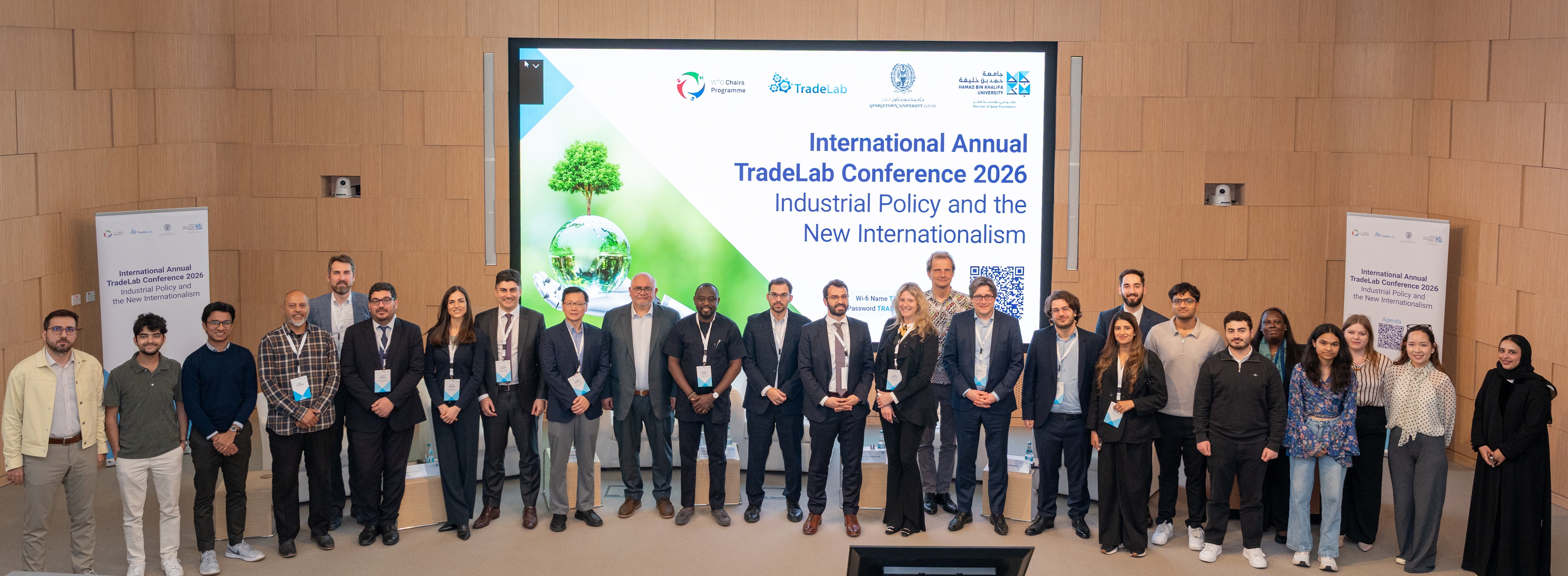
Hamad Bin Khalifa University Advances Legal and Policy Dialogue on Industrial Strategies and Achieving Twin Transition
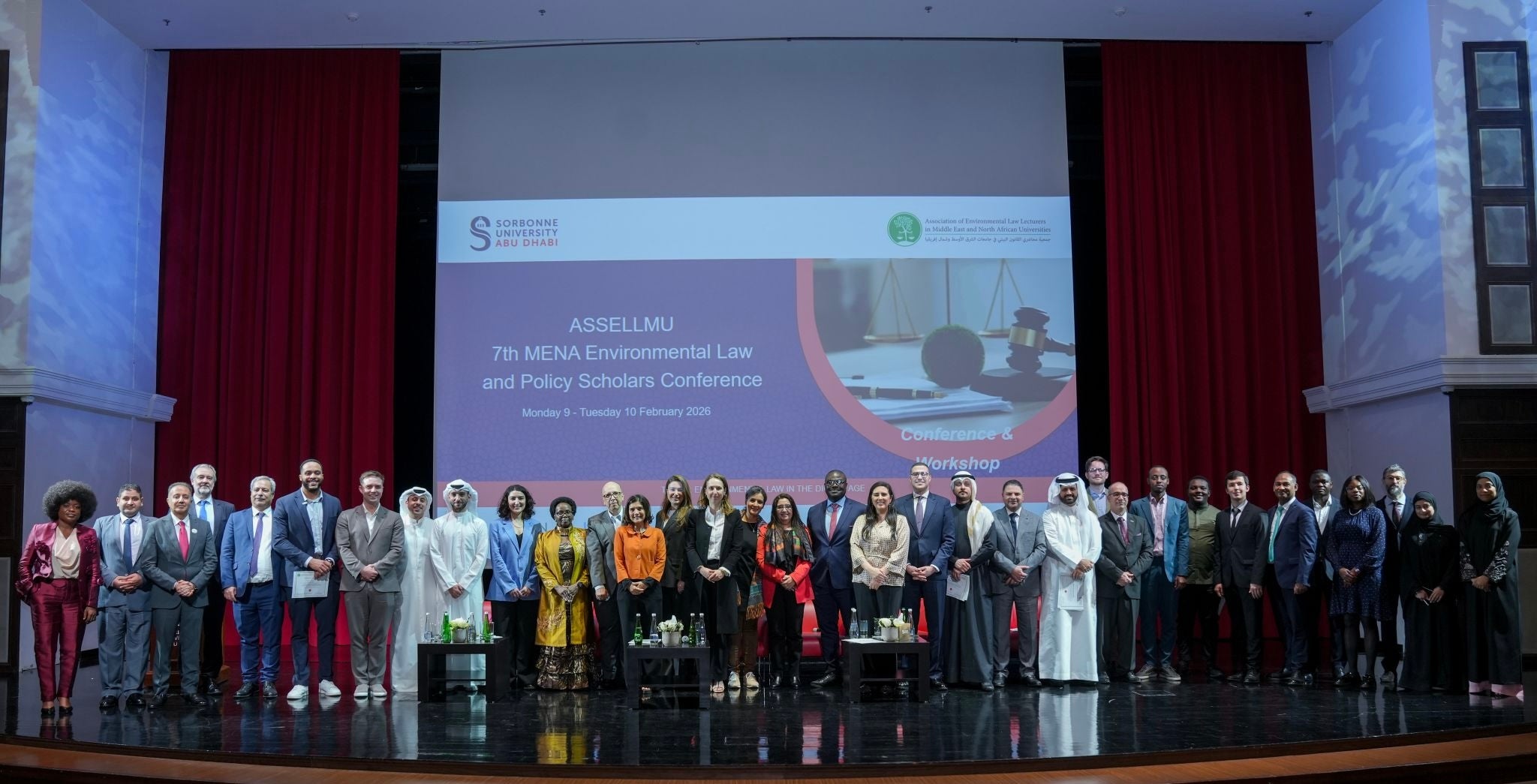
Hamad Bin Khalifa University and Partners Advance Environmental Law, Digital Transformation at Regional Conference

Hamad Bin Khalifa University’s UNESCO Chair Equips Legal Practitioners for Energy Transition Age
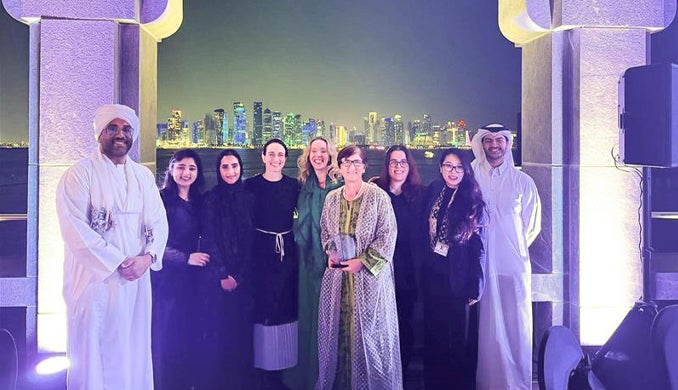
Hamad Bin Khalifa University’s College of Law Receives Decennial Award for Excellence in Legal Education
College of Law Faculty Appointed Vice President of Asian Society of International Law
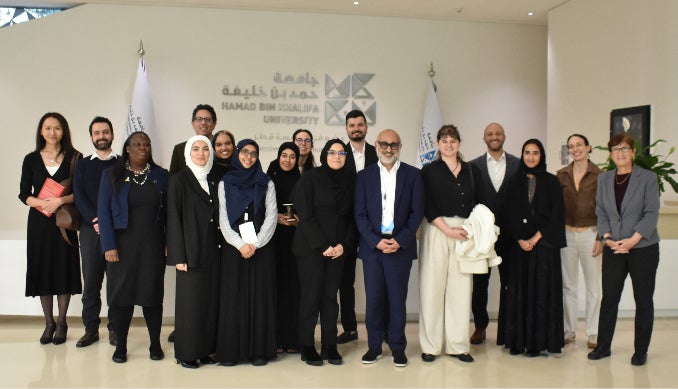
Hamad Bin Khalifa University Symposium Examines International Legal System Amid Global Conflicts

College of Law Lecture Explores Legal Strategies for Protecting Cultural Heritage

Ramadan allows us to flourish in many ways, some that we can conceive, others we cannot. The holy month provides opportunities to consider how best to spend our time, channel greater energy into devotion to God, and critical self-reflection, and strengthen self-control faculties. In doing so, we may consider Ramadan as a moment for reducing our screentime. But should our efforts to make our engagement with tech healthier focus on decreasing use or avoiding altogether?
Beyond Marshmallows
Share:

Globalization and growing consumerism are reshaping how Muslims observe Ramadan. Yet, as College of Islamic Studies' Naeema Halim reminds us, the core practices of the holy month predate - and have endured despite - commercialization.
Share:
As the College of Islamic Studies’ Dr. Fahad Habib Khan sees it, Ramadan is a structured intervention in self-regulation that places individuals in contact with desire and trains them to relate to it differently. Viewed through these lenses, Nafs-control is pro-agency rather than anti-pleasure.
Share:
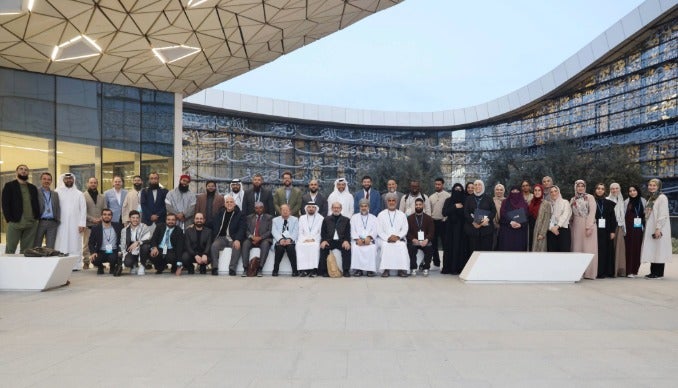
Leading scholars and experts convened at Hamad Bin Khalifa University (HBKU) to advance the practical application of Islamic psychology within mental health service delivery.
Share:
Related News

Qur’anic Botanic Garden and Herfah Program Revive Traditional Craft with New Dye Plants Garden
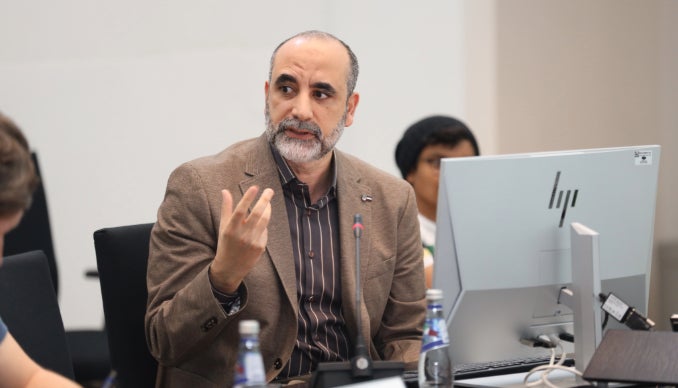
Hamad Bin Khalifa University’s International Islamic Bioethics Association Holds Inaugural Meeting
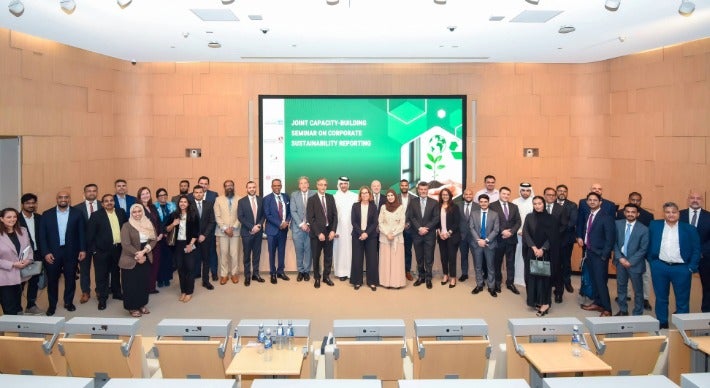
HBKU’s CIS Hosts Second High-Level Seminar on Corporate Sustainability Reporting
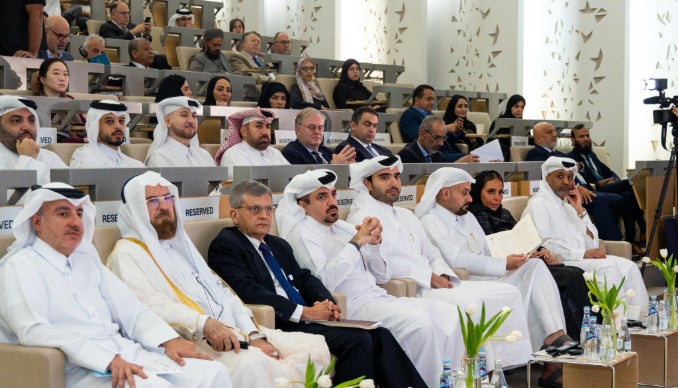
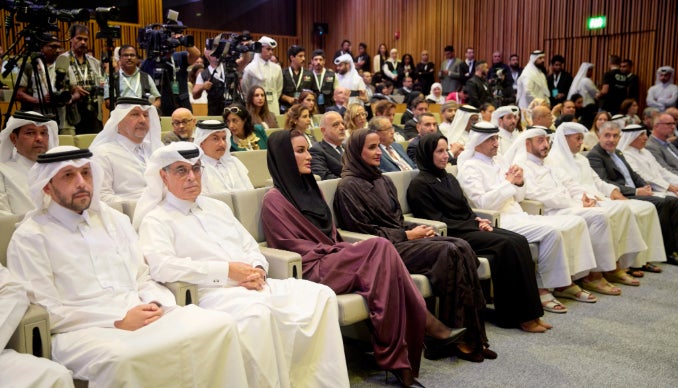
Her Highness Sheikha Moza bint Nasser Attends Hamad Bin Khalifa University’s Conference on AI Ethics