Apply Now

Hamad Bin Khalifa University workshop explores scalable AI applications, policy pathways, and digital innovations to optimize energy systems
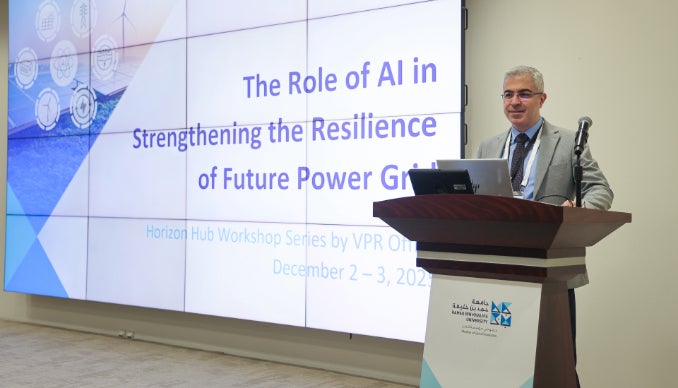
Hamad Bin Khalifa University’s (HBKU) College of Science and Engineering hosted a timely cross-sector workshop bringing together leading experts and stakeholders to examine the rapidly evolving global energy sector amid mounting demand and sustainability challenges.
‘The Role of AI in Strengthening the Resilience of Future Power Grid’ workshop explored the advanced adoption of practical artificial intelligence (AI) applications that are already delivering results, optimising grid operations, unlocking energy savings, and increasing energy market efficiency. The discussion likewise highlighted imperative policy considerations at the regional and domestic levels to enable integration and acceptance of AI-driven solutions in energy systems.
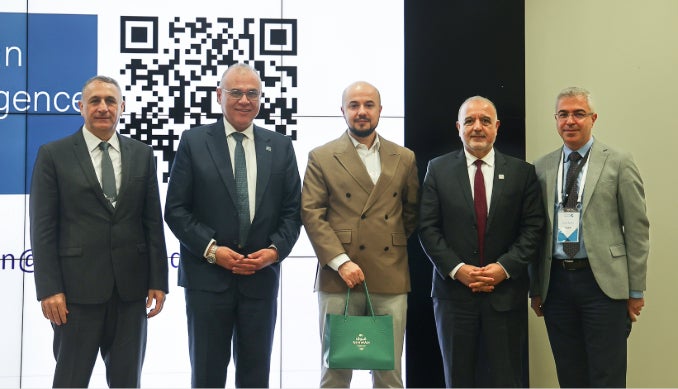
The gathering’s programme spanned focused technical sessions, addressing key priority themes in AI-enabled power systems, grid resilience, and digital innovation. Discussions shed light on advanced electricity load forecasting, technology and policy for resilient distribution networks, intelligent monitoring and digital twin applications, as well as power system stability. These topics spotlight HBKU’s continuous concern of advancing applied research, informing policy, and developing scalable solutions that support the modernisation, resilience, and sustainability of national and regional energy systems.
“Accurate forecasting is crucial to a stable and truly sustainable energy future. By leveraging AI to synchronize weather volatility, historical demand, and real-time grid performance, we are not just predicting energy needs, but significantly optimizing the use of Qatar’s national resources,” Dr. Eyad Ahmad Masad, Vice President of Research, HBKU, noted. “AI is a transformative force that can upgrade electricity systems, enhance operational resilience, and accelerate the transition to cleaner energy. Hosting this workshop once again shows HBKU’s role as a driver for innovation, one that shapes forward-looking solutions and policies that are vital to addressing national and global priorities alike.”
By promoting engagements on pressing issues, the university serves as an integrative platform to help build sustainable cities in the face of global environmental challenges and climate change.
Share:
Related News

Hamad Bin Khalifa University and Quantum Computing Inc. Expand Global Quantum Adoption Through New Framework Agreement

Hamad Bin Khalifa University Earns Scale-Up Grant for AI Scholar MaternaCare Project

Hamad Bin Khalifa University and Smithsonian Science Advance STEM Learning in Qatar