 Apply Now
Entity:
College of Science and Engineering
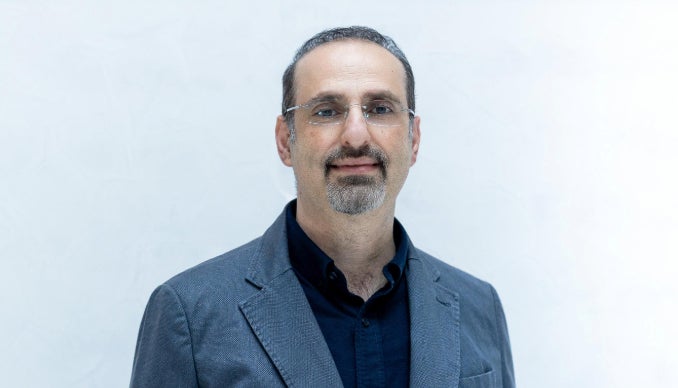
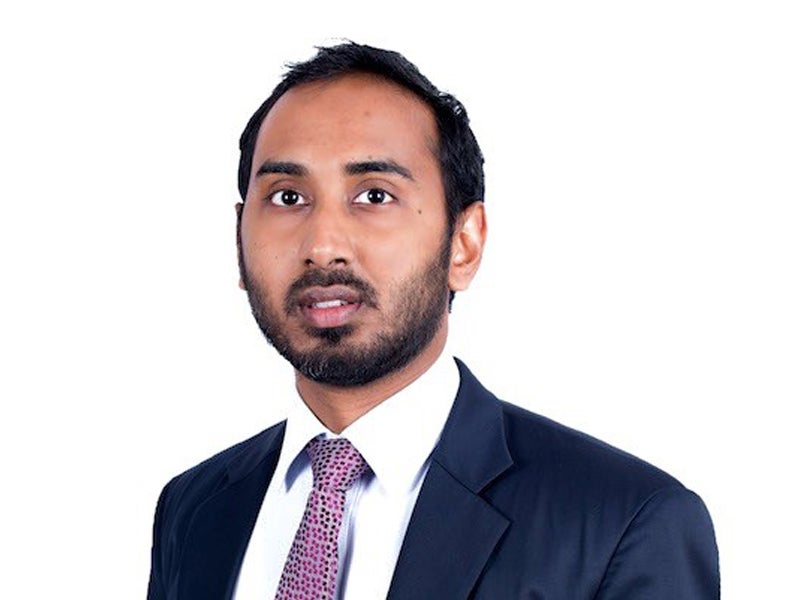
Hamad Bin Khalifa University (HBKU) has been awarded a UNESCO Chair on Digital Technologies and Human Behavior, with the College of Science and Engineering's (CSE) Dr. Raian Ali appointed as Chairholder from June 2025 to June 2029.
UNESCO’s Chairs Programme represents the organization’s most significant intersectoral activity in higher education. The designation is in recognition of HBKU’s excellence, building on the existing UNESCO Chairs on Environmental Law and Sustainable Development.
Share:
Related News
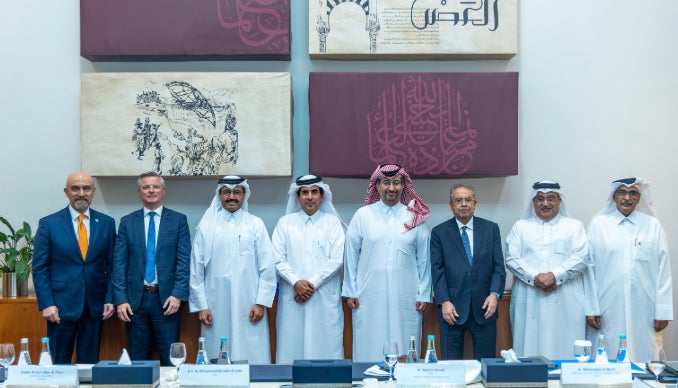
Hamad Bin Khalifa University’s College of Science and Engineering Hosts 2nd Industry and Government Advisory Board Meeting
26
Feb
2026

Hamad Bin Khalifa University Study Reveals Organizational Gaps, Identifies Strategic Opportunities in Women's Sports
11
Feb
2026
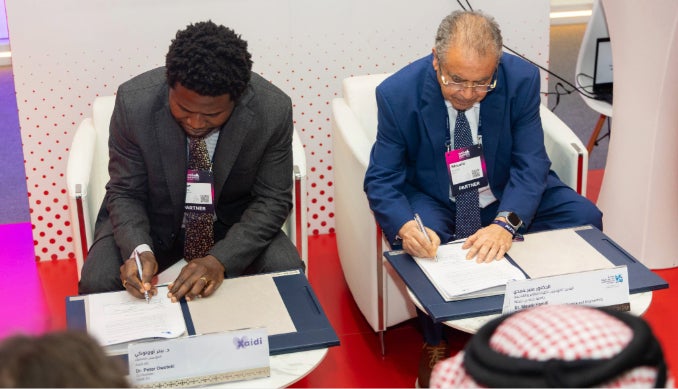
Hamad Bin Khalifa University Partners with Swiss Health Tech Xaidi to Support Qatar’s National Autism Plan
08
Feb
2026
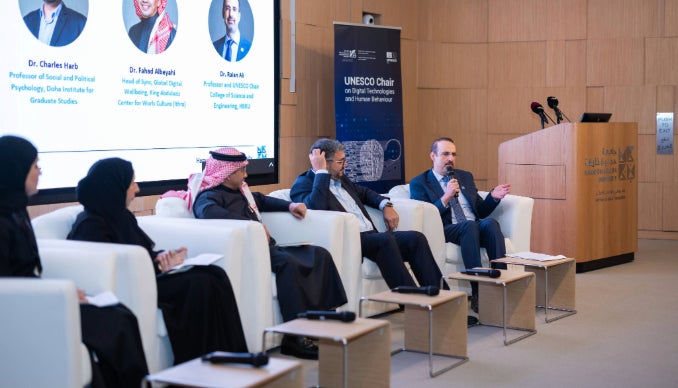
UNESCO Chair on Digital Technologies and Human Behavior Launched at Hamad Bin Khalifa University
04
Feb
2026
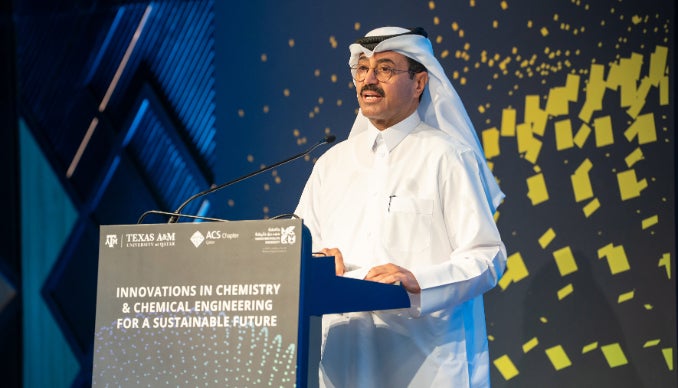
HBKU, TAMUQ and ACS Host Conference on Innovations in Chemistry and Chemical Engineering for a Sustainable Future
20
Oct
2025

bNovate Technologies Partners with HBKU in Groundbreaking SMART-Distribution Project to Enhance Qatar’s Water Security
14
Jul
2025
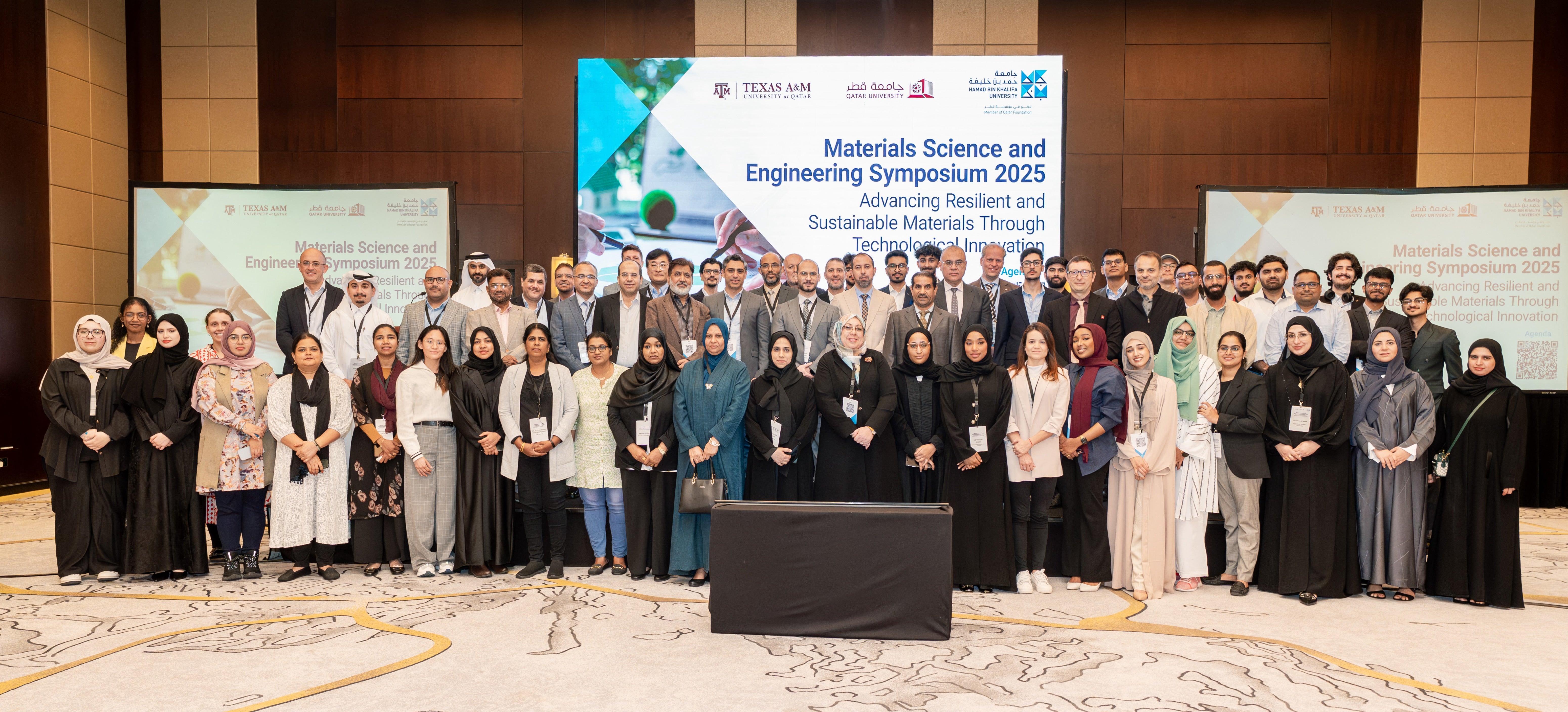
HBKU Co-Hosts the 14th Materials Science and Engineering Symposium (MSES-2025)
17
Apr
2025
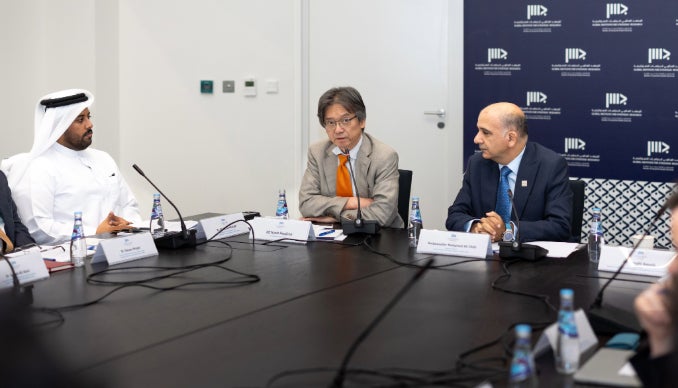
The Global Institute for Strategic Research (GISR) at Hamad Bin Khalifa University (HBKU) concluded a symposium examining the growing prominence of narrative construction and the critical role of digital archiving in preserving authentic records of war atrocities.
Share:
Entity:
College of Science and Engineering
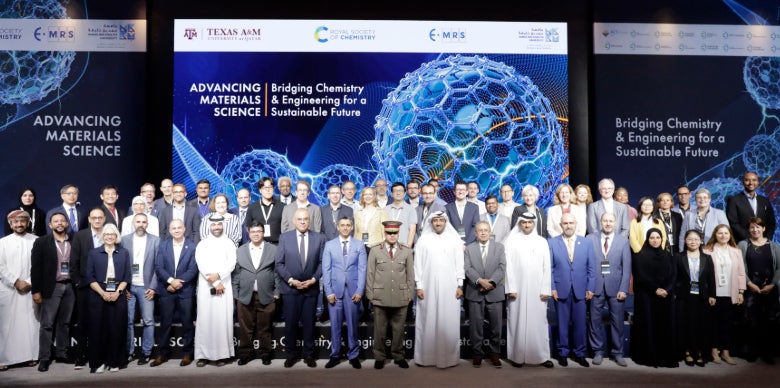
Hamad Bin Khalifa University (HBKU) and Texas A&M University at Qatar (TAMUQ), in collaboration with the Royal Society of Chemistry (RSC) and European Materials Research Society (E-MRS), are hosting Advancing Materials Science: Bridging Chemistry and Engineering for a Sustainable Future conference.
Share:
Related News
Entity:
Qatar Computing Research Institute
Qatar Biomedical Research Institute
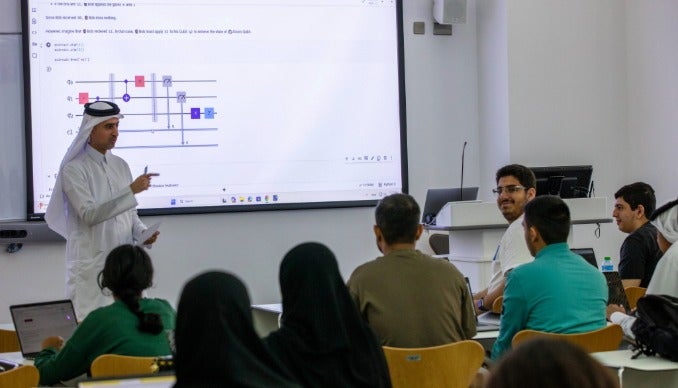
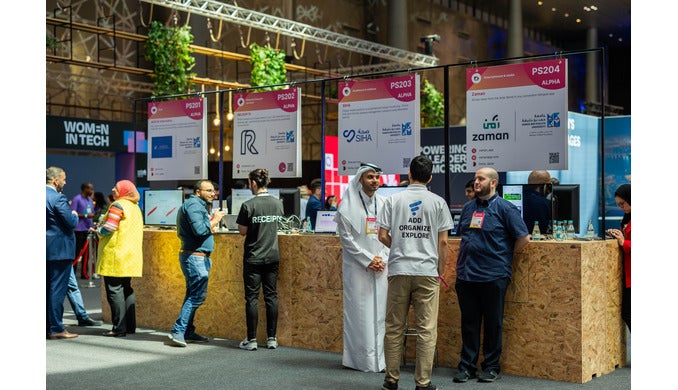
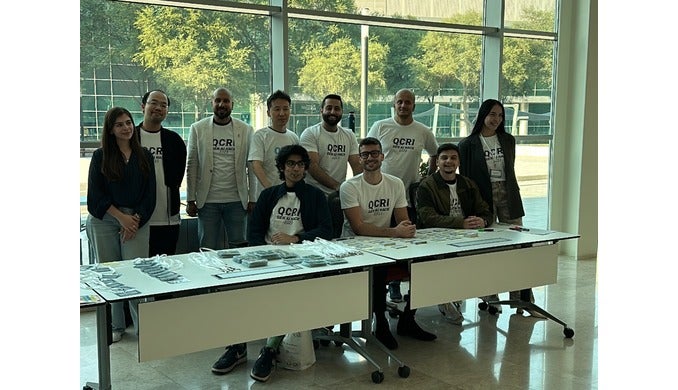
Hamad Bin Khalifa University (HBKU) held a series of summer research programs, interactive programs and activities designed to nurture academic excellence, innovation, and interdisciplinary collaboration among students and early-career researchers.
Share:
Related News
HBKU’s QCRI Conducts Largest Study on Electrocardiogram Genetics Involving Middle Eastern Populations
19
Jun
2025

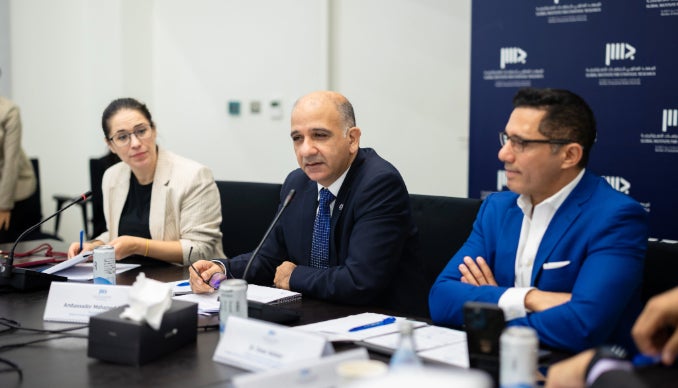
The Global Institute for Strategic Research (GISR) at Hamad Bin Khalifa University (HBKU) concluded a high-level policy roundtable examining the implications of the Ukraine war for the Gulf region.
Share:
Entity:
College of Science and Engineering

Rapid global urbanization has resulted in substantial growth in the construction industry. This increase indicates the rising demand for infrastructure and housing as populations continue to expand.
Share:
Related News

Sustainable Urban Cooling in Doha: Integrating Green, Blue, and Smart Infrastructure
03
Sep
2025


HBKU Research Explores Impact of Women-only Running Groups on Qatar’s Sporting Landscape
18
May
2025

Qatar’s ‘Awqaf Index’: Revitalizing Islamic Endowments for a Sustainable Future
11
Mar
2025

Sport and Politics Don't Mix? Double Standards and Calls for Boycotts Loom in World Sport
04
Aug
2024

Qatar’s Innovative Solutions for Combating Desertification and Enhancing Sustainability
10
Jun
2024
Entity:
College of Islamic Studies
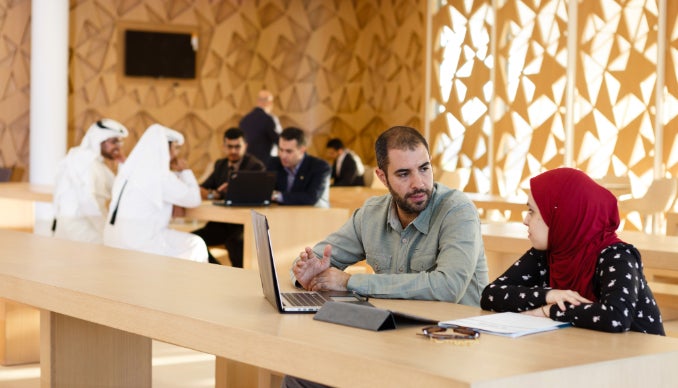
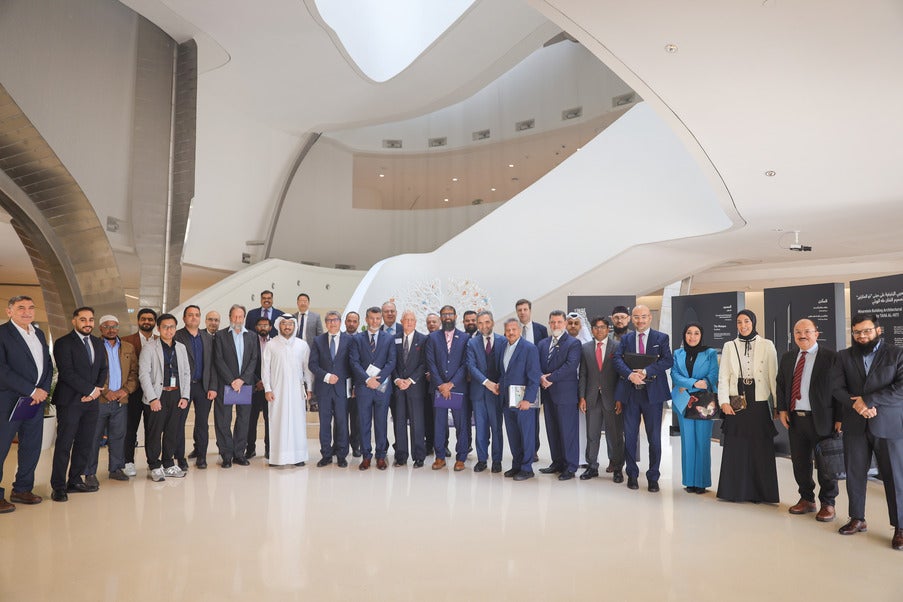
The College of Islamic Studies (CIS) at Hamad Bin Khalifa University (HBKU), participated as an academic partner in the 2025 IFN Qatar Dialogues. Recognized as one of the most prominent events in the field of Islamic finance, the event serves as a distinguished platform for knowledge exchange and collaboration among regulators and financial institutions.
Share:


Entity:
College of Law
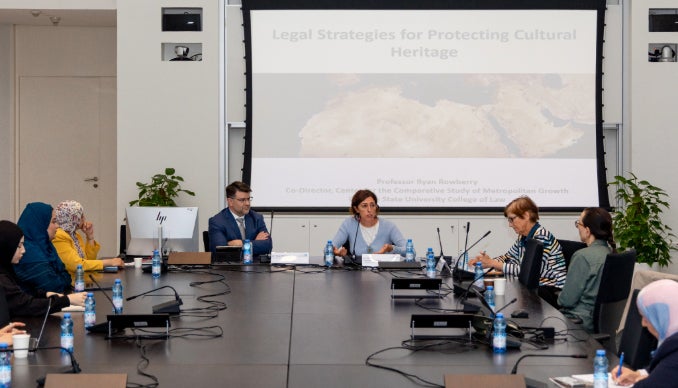
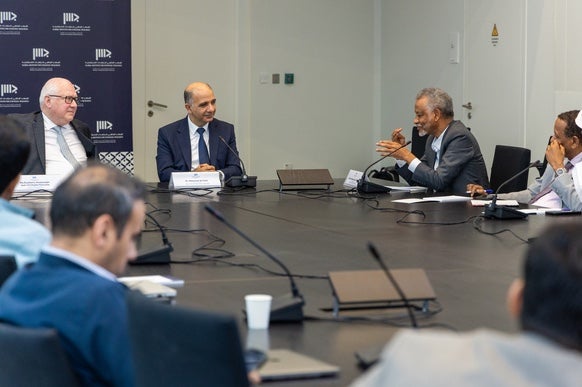
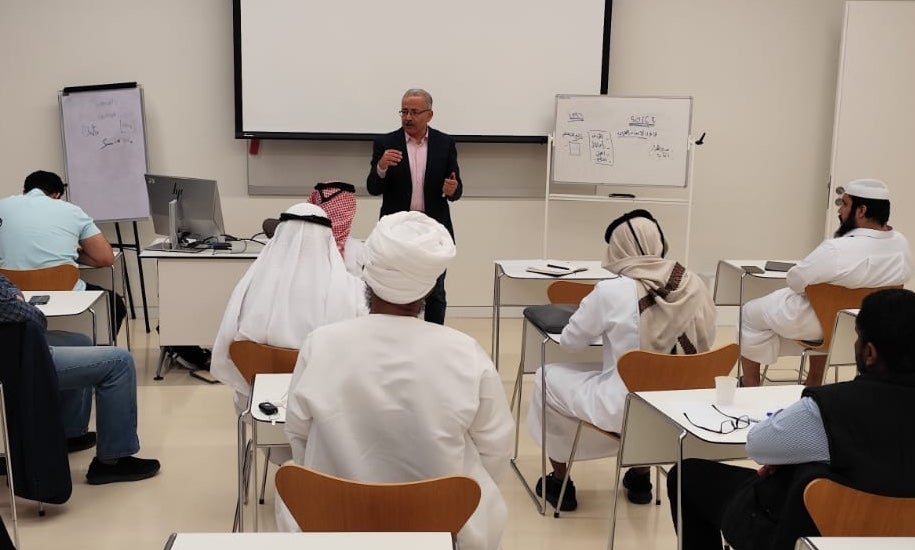
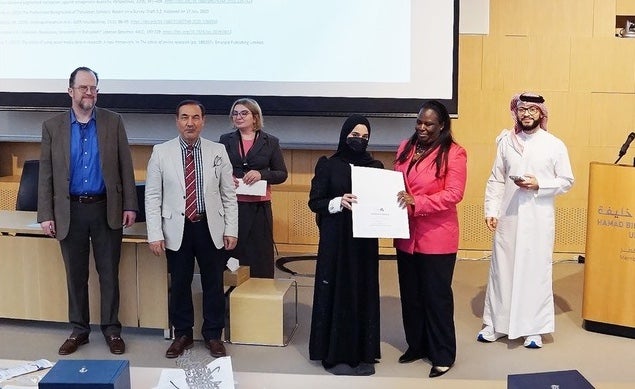
The College of Law hosted U.S. scholar Dr. Ryan Rowberry for an insightful session titled ‘Legal Strategies for Protecting Cultural Heritage.’ The event, held in partnership with the U.S Embassy in Qatar, examined legal frameworks that can be adopted to safeguard historic and cultural resources.
Share:
Related News
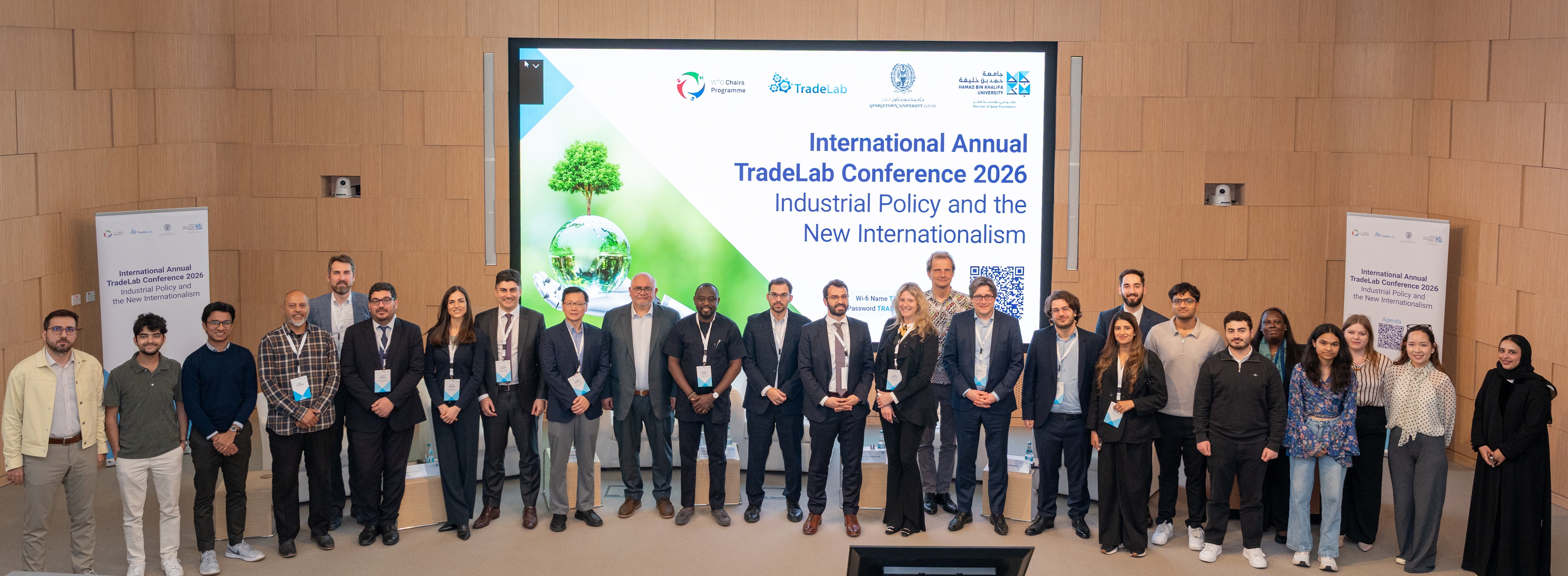
Hamad Bin Khalifa University Advances Legal and Policy Dialogue on Industrial Strategies and Achieving Twin Transition
30
Mar
2026
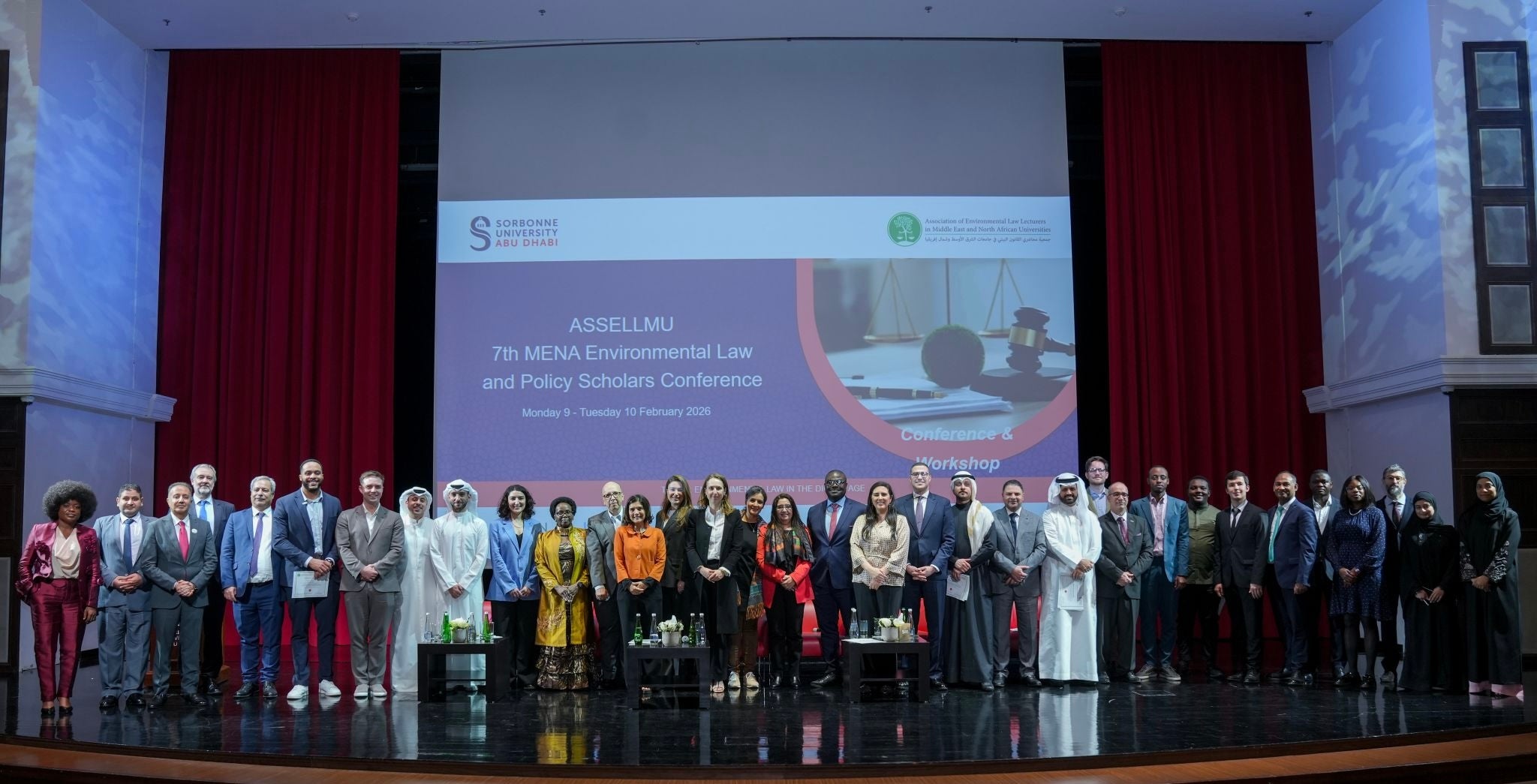
Hamad Bin Khalifa University and Partners Advance Environmental Law, Digital Transformation at Regional Conference
24
Mar
2026

Hamad Bin Khalifa University’s UNESCO Chair Equips Legal Practitioners for Energy Transition Age
12
Mar
2026
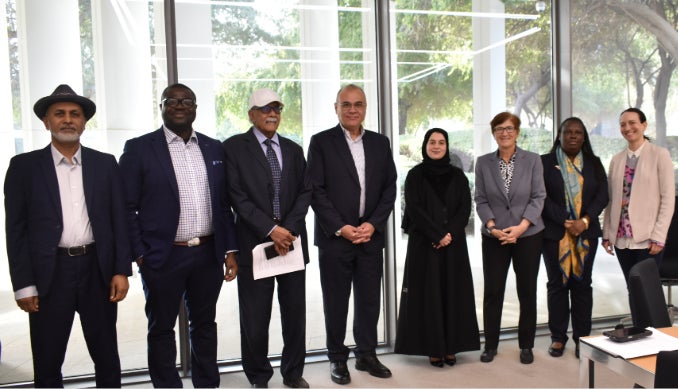
College of Law Annual Clinton W. Francis Lecture Examines Legal Professionalism in the Age of AI
24
Feb
2026
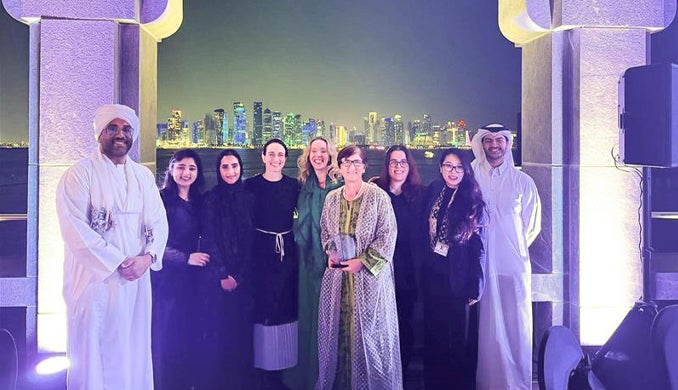
Hamad Bin Khalifa University’s College of Law Receives Decennial Award for Excellence in Legal Education
02
Feb
2026
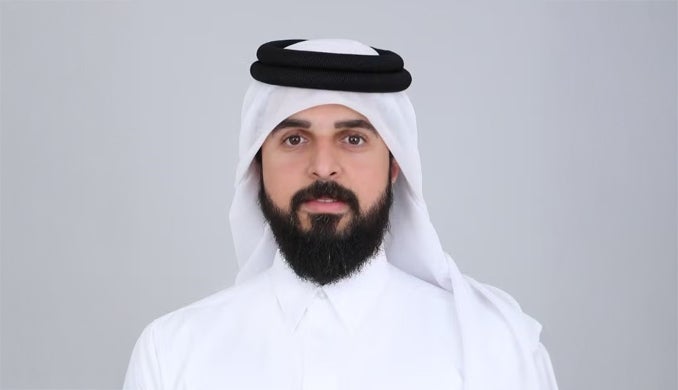
College of Law Faculty Appointed Vice President of Asian Society of International Law
18
Jan
2026
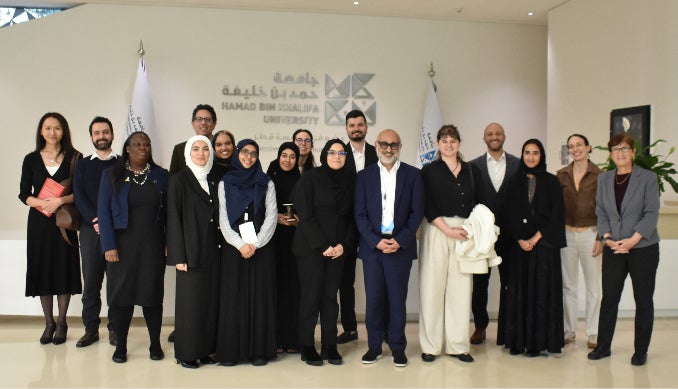
Hamad Bin Khalifa University Symposium Examines International Legal System Amid Global Conflicts
15
Jan
2026
Entity:
College of Islamic Studies
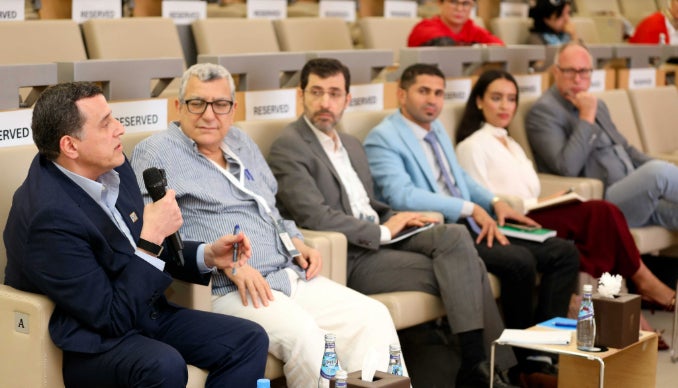
The College of Islamic Studies (CIS) has highlighted several informative publications addressing the growing impact of artificial intelligence (AI) in our daily lives. In a seminar, titled Seminal Texts in AI Ethics: Author Reflections and Dialogues, hosted by the Research Center for Islamic Legislation and Ethics (CILE), leading scholars debated the philosophical, moral, and ethical applications of AI as well as its implications for humanity.
Share: