Apply Now

Gathering highlights growth of Islamic financial markets and contributions to sustainable development

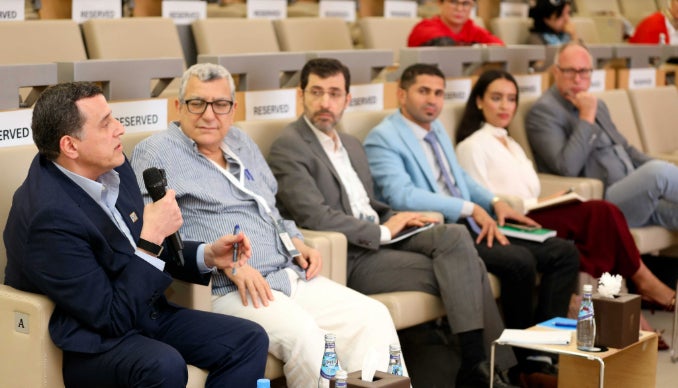
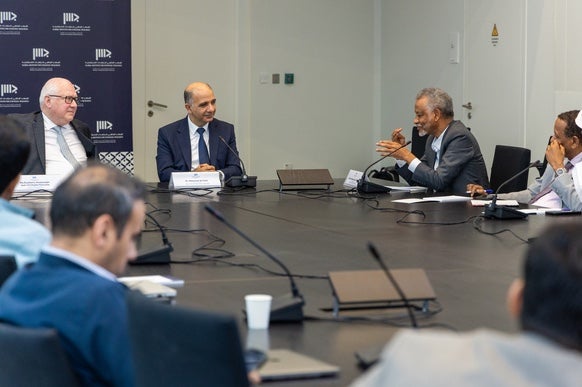
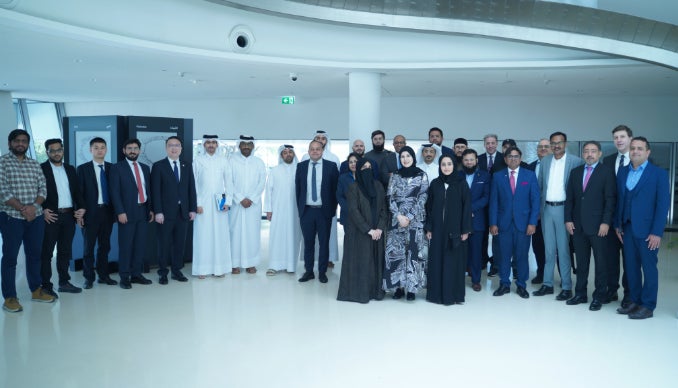
The College of Islamic Studies (CIS) at Hamad Bin Khalifa University (HBKU), participated as an academic partner in the 2025 IFN Qatar Dialogues. Recognized as one of the most prominent events in the field of Islamic finance, the event serves as a distinguished platform for knowledge exchange and collaboration among regulators and financial institutions.
Dr. Dalal Aassouli, Assistant Professor of Islamic and Sustainable Finance at CIS, HBKU, engaged with other leading experts and industry practitioners who discussed the Qatari Islamic finance landscape, aiming to explore ways to harness the country’s latent potential across various sectors of the Islamic finance economy, including banking, Takaful, capital markets, and fintech.
Presentations covered promoting entrepreneurship in Qatar by adopting Shariah-compliant finance, and integrating Islamic investment products and asset management into future economic planning. Additionally, speakers dissected the performance of the country’s Islamic financial institutions in the previous year by exploring the intersection of banking, technology and Shariah-compliant financial markets in Qatar. They also examined factors accelerating the sector’s growth and how the Third National Development Strategy (2024–2030) impacts Islamic banking and capital markets in Qatar.
The recent introduction of digital assets and Sukuk frameworks highlights Qatar’s commitment to integrating Islamic finance with global standards, strengthening its position as a key player in the Islamic finance industry.
Commenting on the growth of Islamic finance and its integration into global financial markets, Dr. Aassouli said; “Qatar is making its mark as Islamic finance enters a new phase, defined not only by regional strength but global scale, sustainability and strategic integration. We are proud to partner with the organizers to convey this important dialogue. This aligns with our strategy of fostering innovation, while embedding ethical Islamic practices that can unlock opportunities in the future of Islamic finance.”
Through its portfolio of Islamic finance graduate programs and research agenda, CIS continues to explore the principles of Islamic economics and finance in light of contemporary global developments.
Share:
Related News
Hamad Bin Khalifa University Partners with QFFD and UNHCR for World Refugee Day Gathering
MoPH and HBKU Launch National Survey on Developmental Disabilities Diagnostics, Interventions
Hamad Bin Khalifa University Hosts 10th CEOs and Islamic Finance Leaders Roundtable