 Apply Now
Entity:
College of Science and Engineering
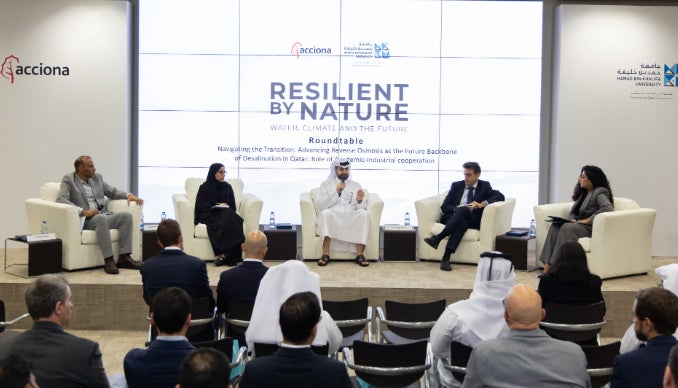
Hamad Bin Khalifa University’s (HBKU), in collaboration with ACCIONA, concluded the Resilience Through Desalination symposium, which examined the evolving role of seawater reverse osmosis (SWRO) in supporting robust, sustainable water systems in arid regions.
Share:
Related News
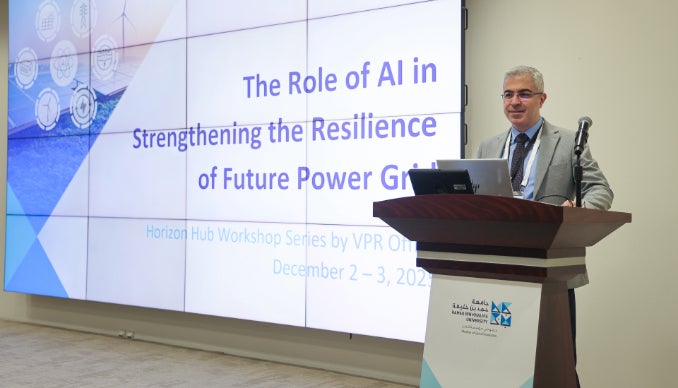
Experts Examine Important AI Solutions in Building Resilient and Sustainable Power Systems
28
Jan
2026
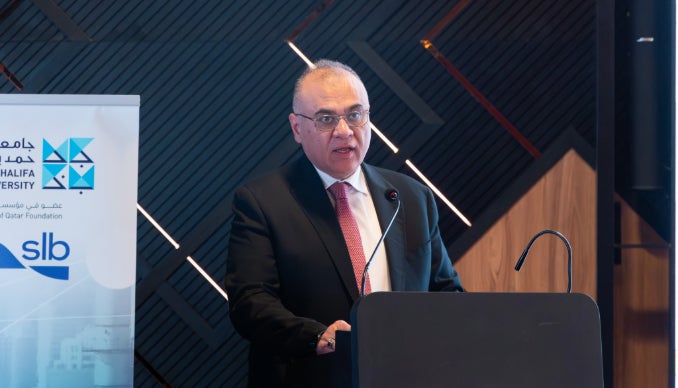
Hamad Bin Khalifa University Symposium Explores Flow Assurance to Accelerate Energy Transition and Sustainability
18
Jan
2026
Research on AI and Satellite Imaging Accepted at 2025 Computer Vision and Pattern Recognition Conference
02
Oct
2025
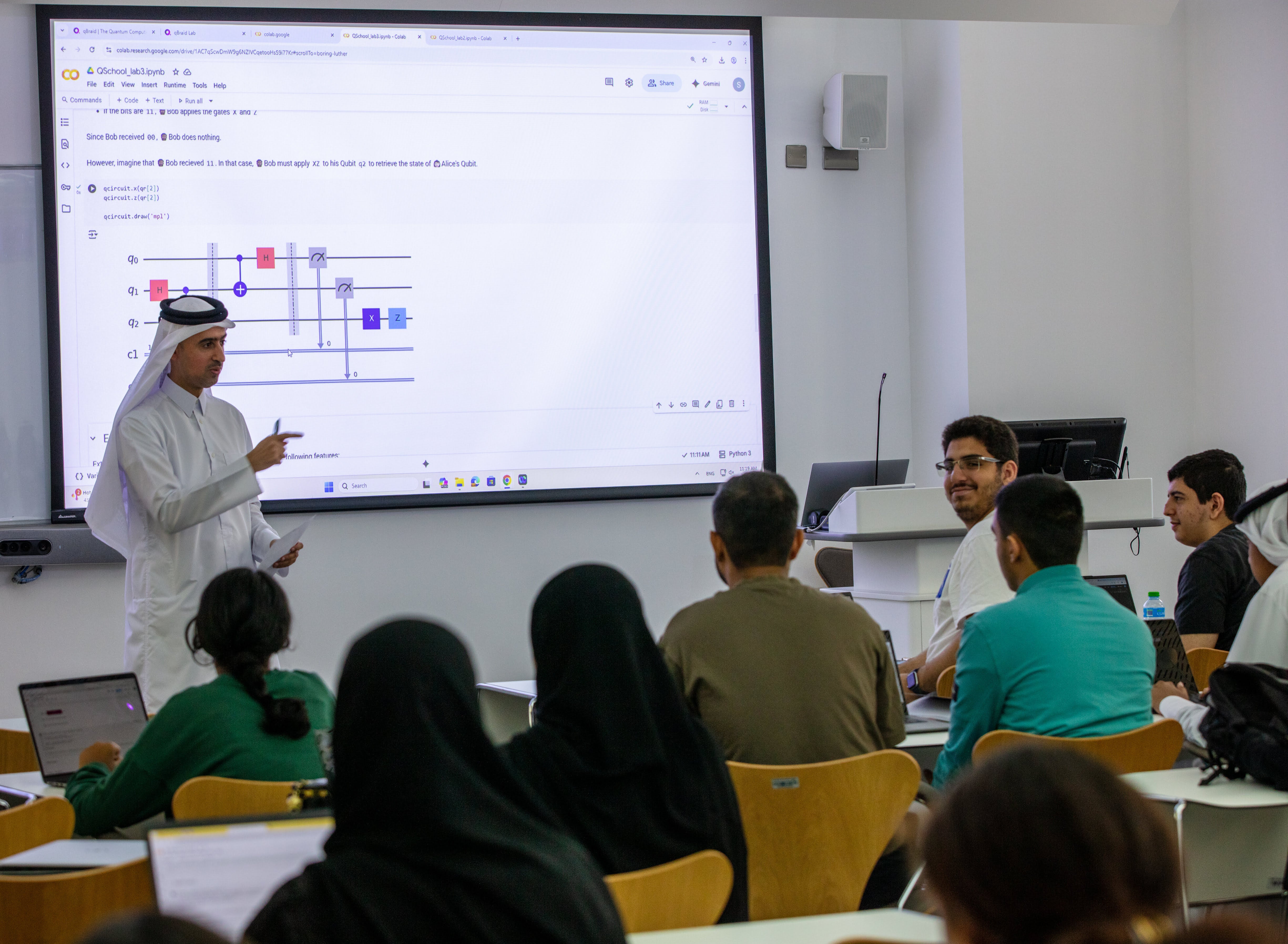
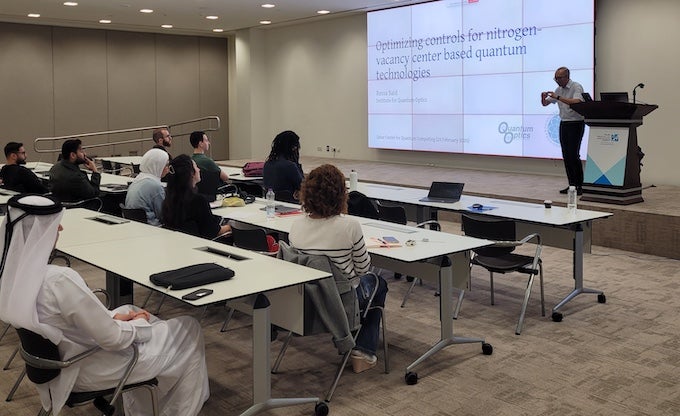
QC2 and Ulm University Host Pioneering Quantum Workshop on Sensing and NV Experiments
03
Jun
2025
Entity:
Qatar Biomedical Research Institute
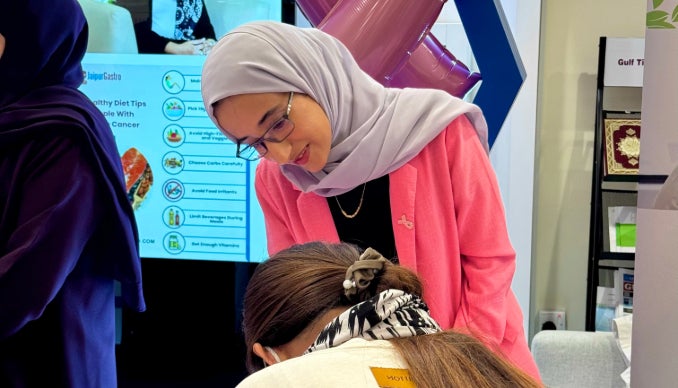
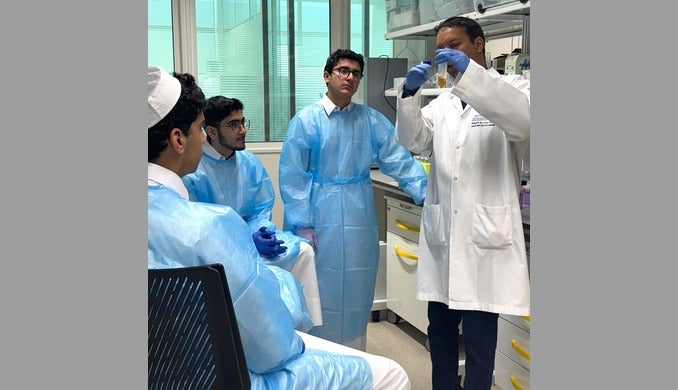
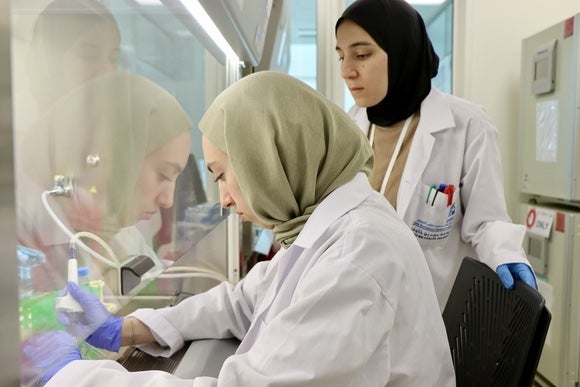
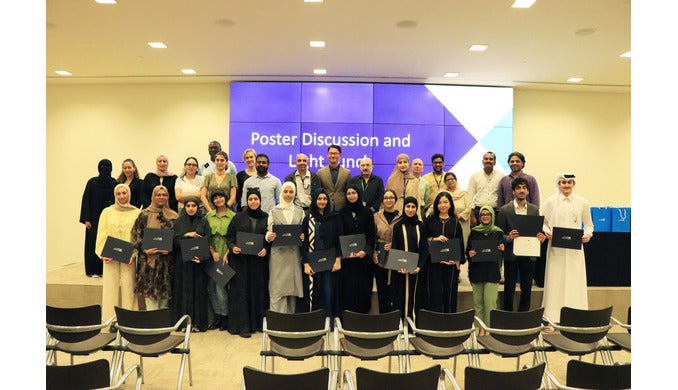
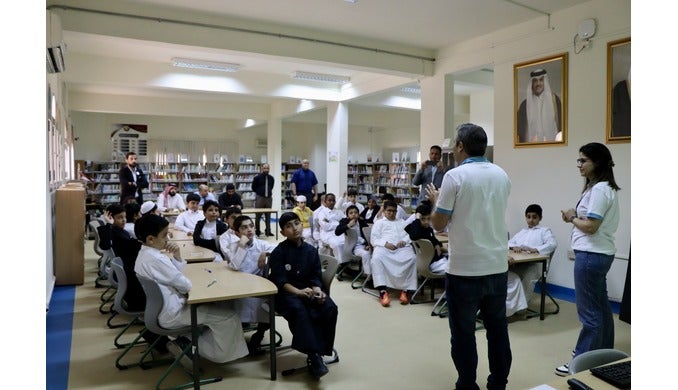
Hamad Bin Khalifa University’s (HBKU) Qatar Biomedical Research Institute (QBRI) commemorated Breast Cancer Awareness Month with a series of initiatives highlighting the vital role of early detection, community engagement, and innovative research in the fight against breast cancer.
Share:

Entity:
College of Law
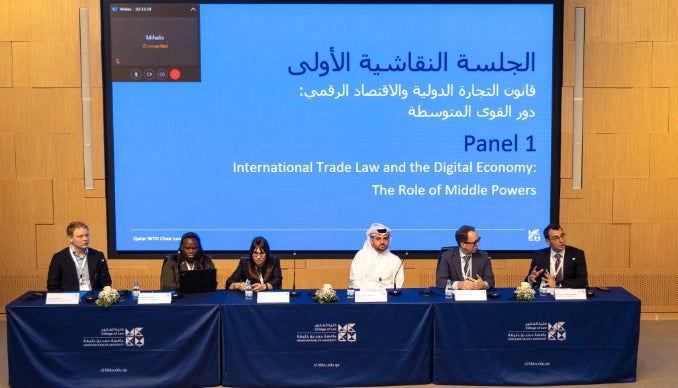
Hamad Bin Khalifa University (HBKU) has launched the Qatar World Trade Organization (WTO) Chair. The commencement of this initiative follows the selection earlier this year of the College of Law’s Dr. Georgios Dimitropoulos, Professor of Law and Associate Dean for Research, as chairholder.
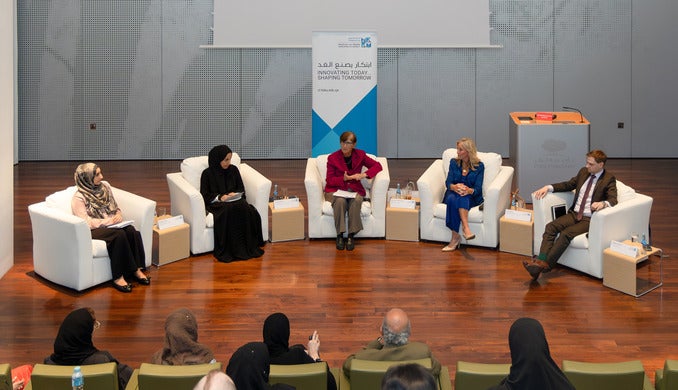
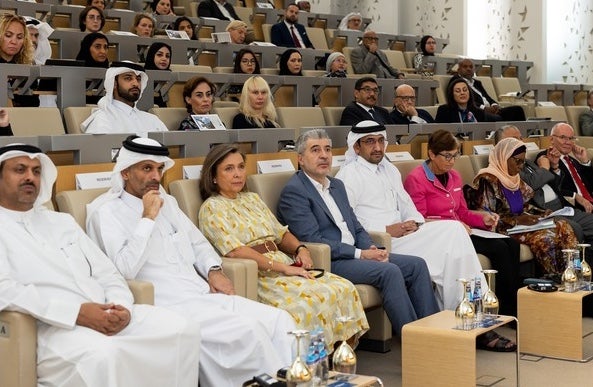
The launch, held at the Minaretein Building, Education City, under the theme Navigating Challenges and Opportunities in the Digital and Industrial Economy. The event underscores its commitment to shape global debates on trade, digital transformation, and industrial policymaking.
Share:
Related News
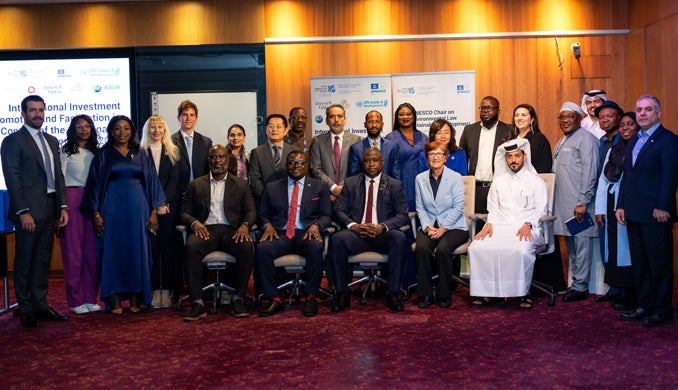
HBKU Hosts Global Conference on Investment Promotion and Sustainable Development
11
Dec
2025
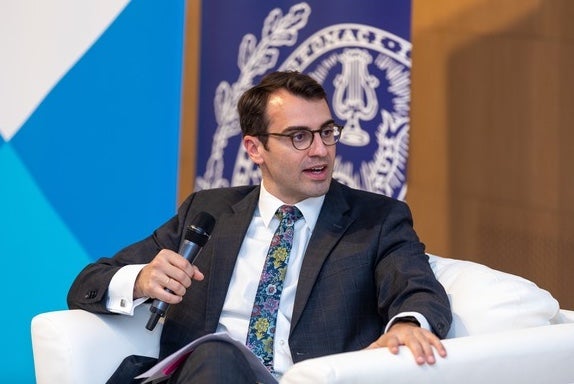
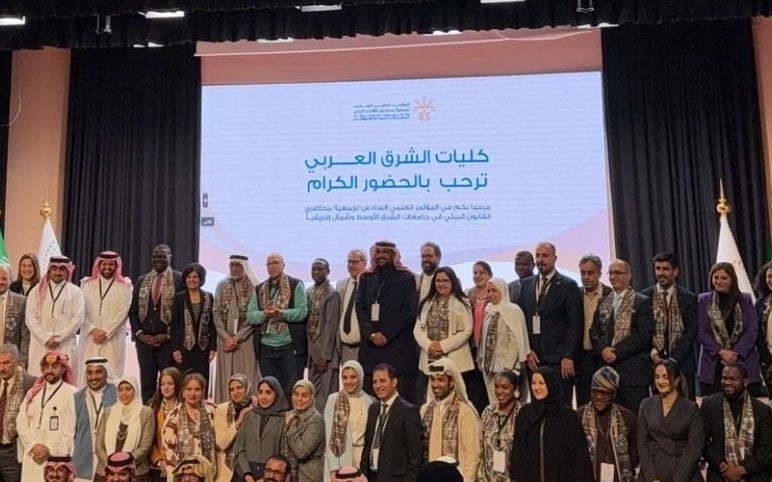
HBKU UNESCO Chair on Environmental Law Supports Regional Dialogue at 6th MENA Environmental Law and Policy Scholars’ Conference
27
Mar
2025

HBKU’s College of Law and Geneva Graduate Institute Discuss Reorienting International Economic Law in the Digital Era
22
Jan
2025
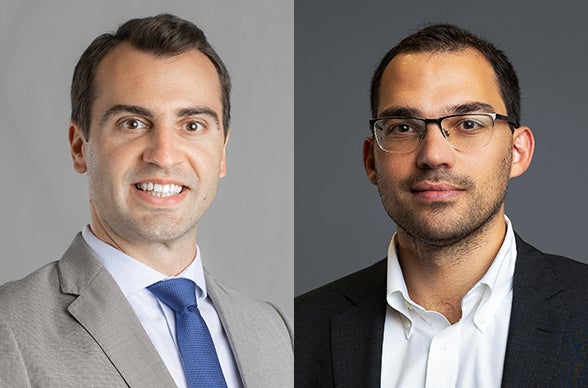
HBKU’s College of Law and Georgetown University in Qatar Launch Joint TradeLab Clinic
09
Oct
2024
Entity:
College of Health and Life Sciences
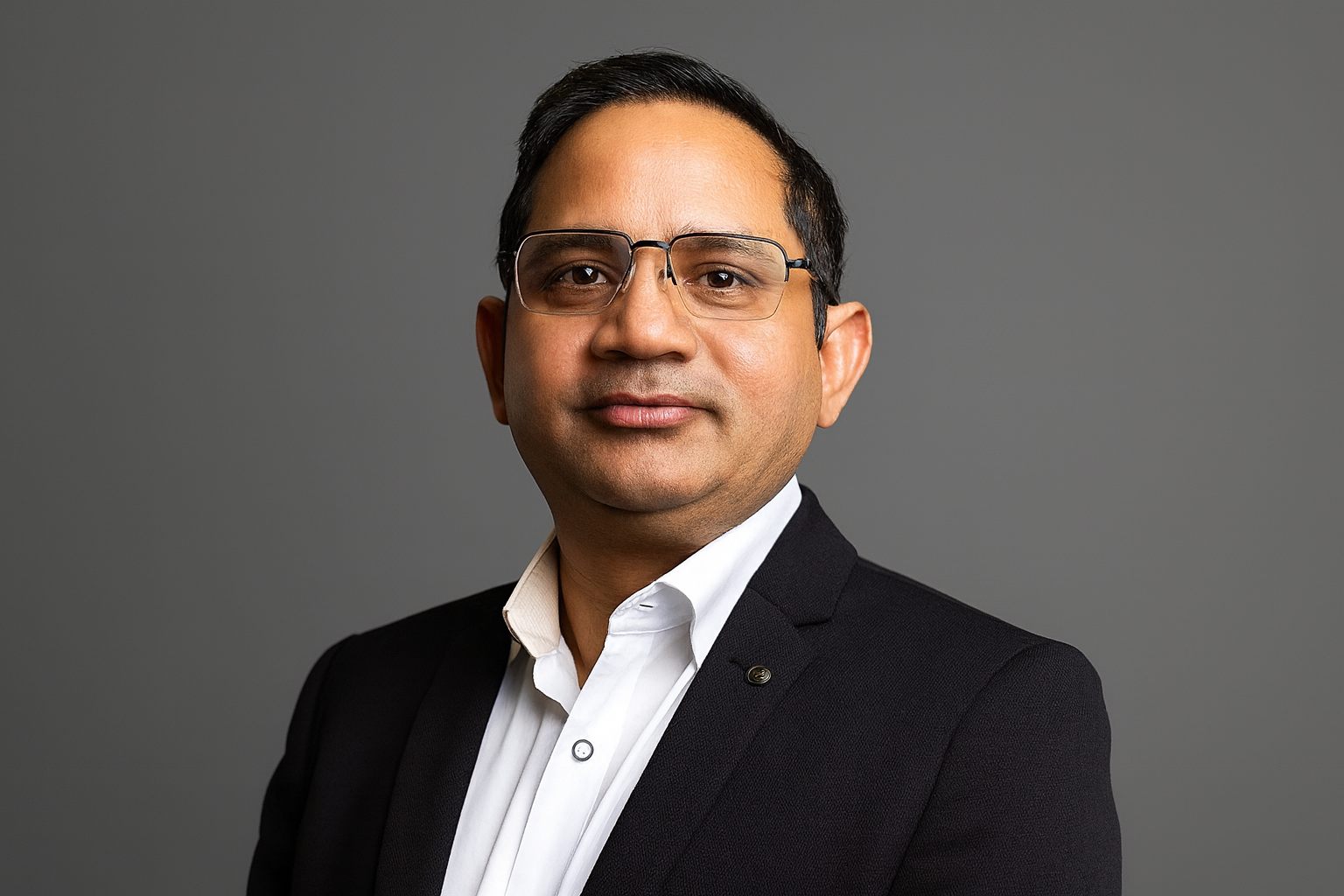
As the CHLS' Dr. Mohammad Farhan sees it, AI's most valuable contribution to medicine will not come from replacing scientists but through augmenting human intelligence. That's currently a more achievable and modest outcome than those emanating from Silicon Valley. Read more here.
Share:
Related News
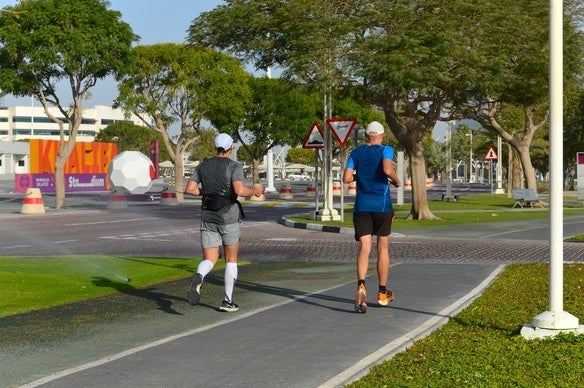
Physical Activity and Sedentary Behaviors During Ramadan: A Framework Linked to Health
10
Mar
2025
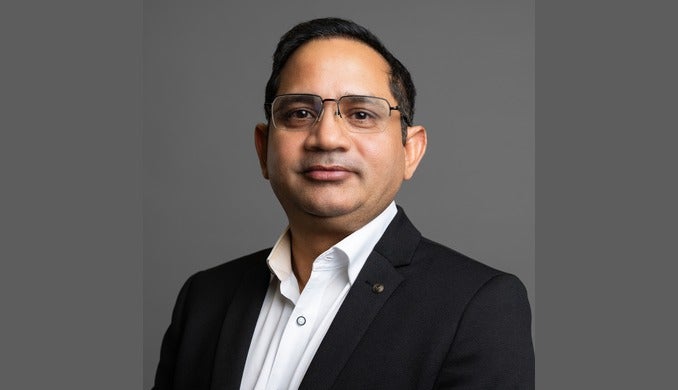
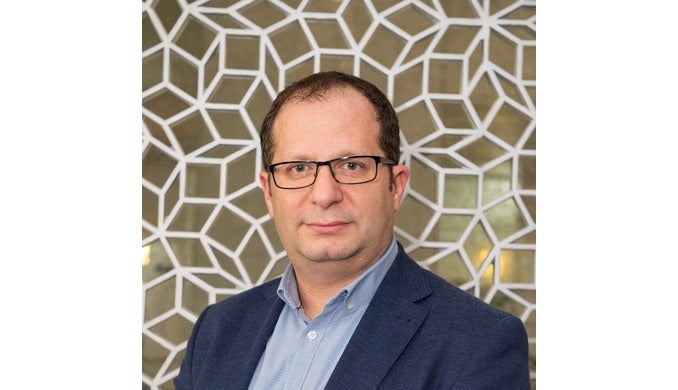
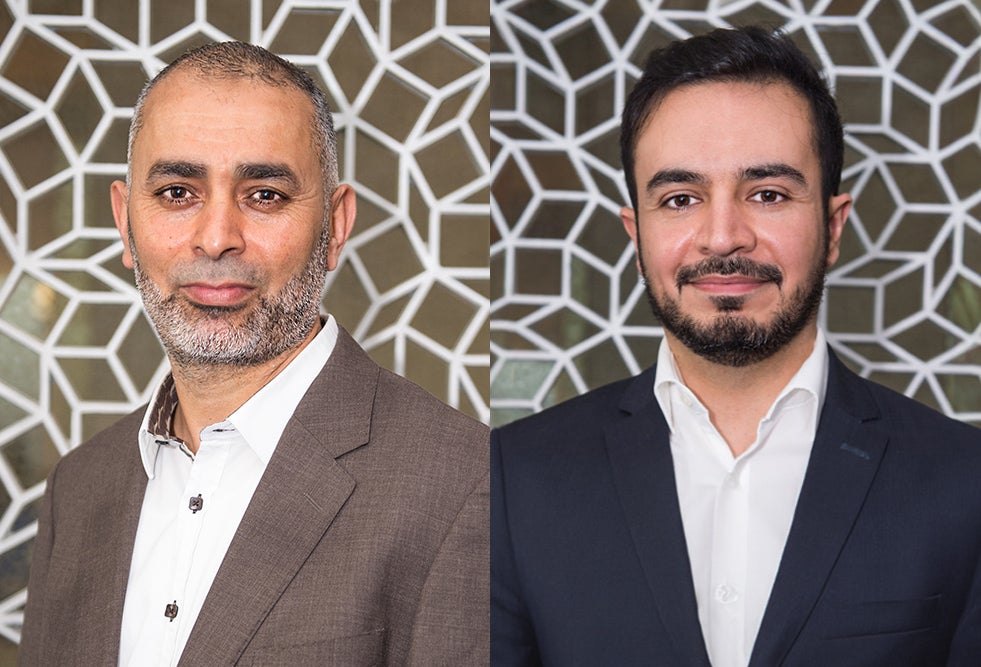
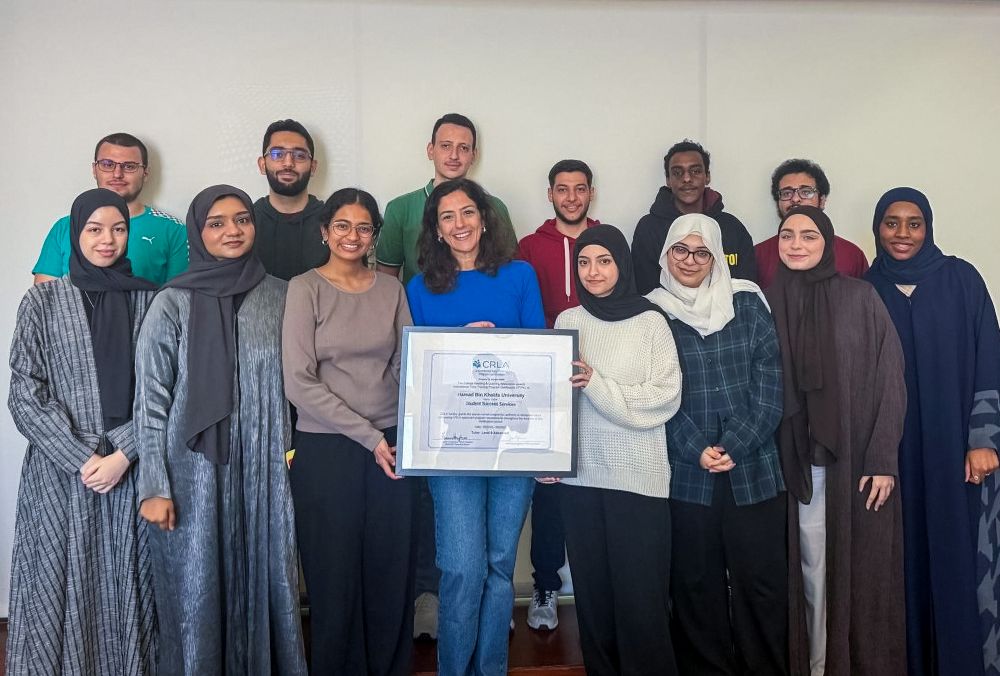
Hamad Bin Khalifa University’s (HBKU) Student Success Services unit has been awarded Level 1 and Level 2 certified tutor training programs by the College Reading and Learning Association (CRLA).
With almost 1,300 members and over 2,000 certified training programs worldwide, CRLA’s International Tutor Training Program Certification (ITTPC) licenses projects that have demonstrated excellence in developing, designing, and implementing effective training procedures.
Share: