 Apply Now

Not for now, according to the College of Humanities and Social Sciences George Mikros. As things stand, relevant technologies are unable to reflect the depth and humanity that underpin the work of great writers. Doing so will eventually present as many dilemmas as possibilities.
Share:
Related News
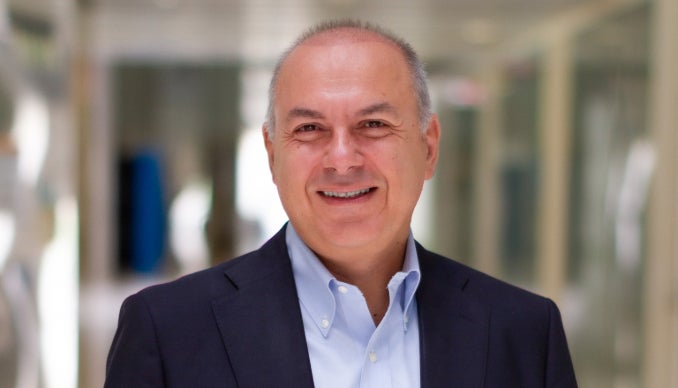
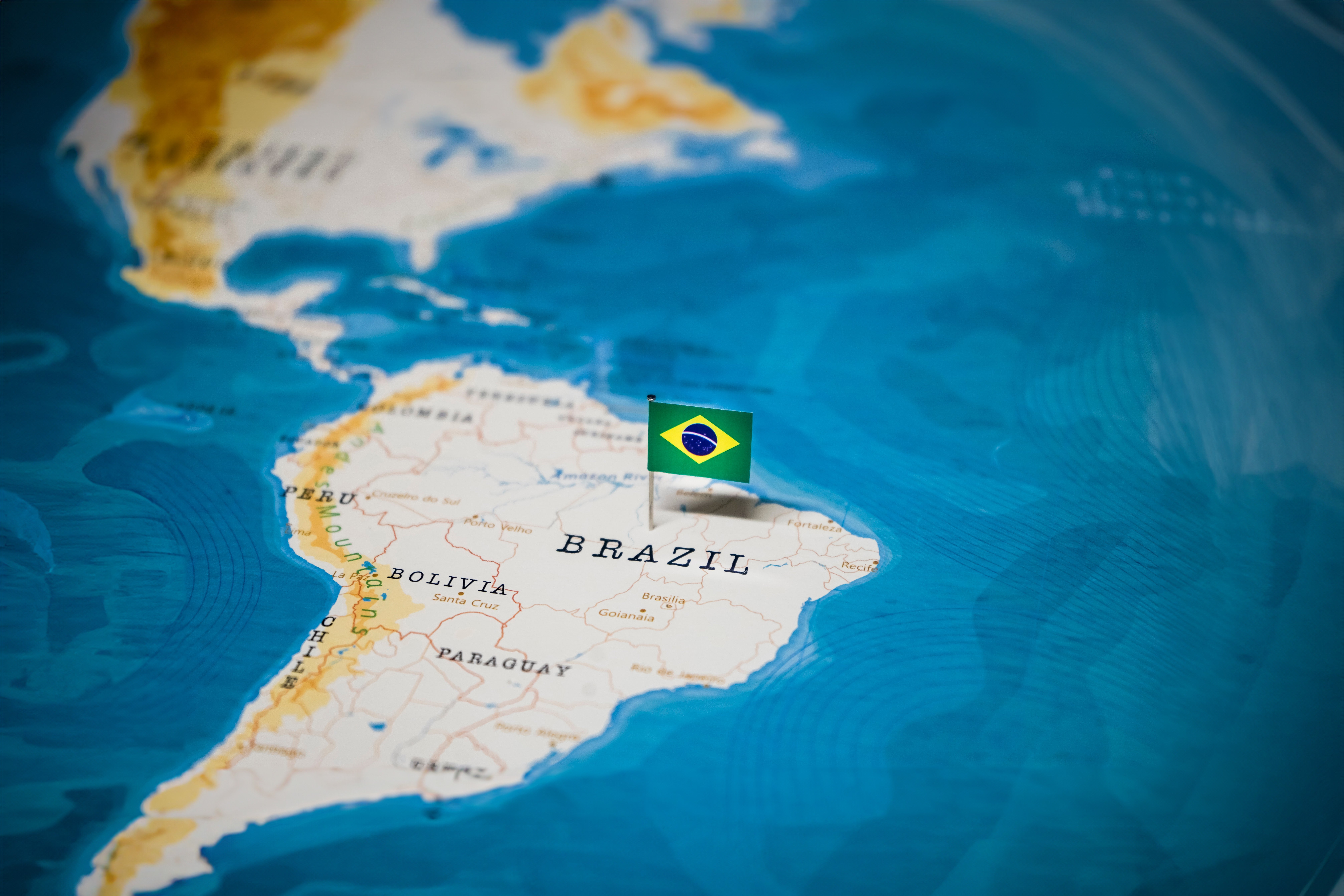
Brazil's policies have a far-reaching impact – transcending borders and influencing various aspects of governance, economics, and more.
This discussion will provide valuable insights into the policies that extend beyond Brazil's borders, their drivers, and how they impact the global landscape.
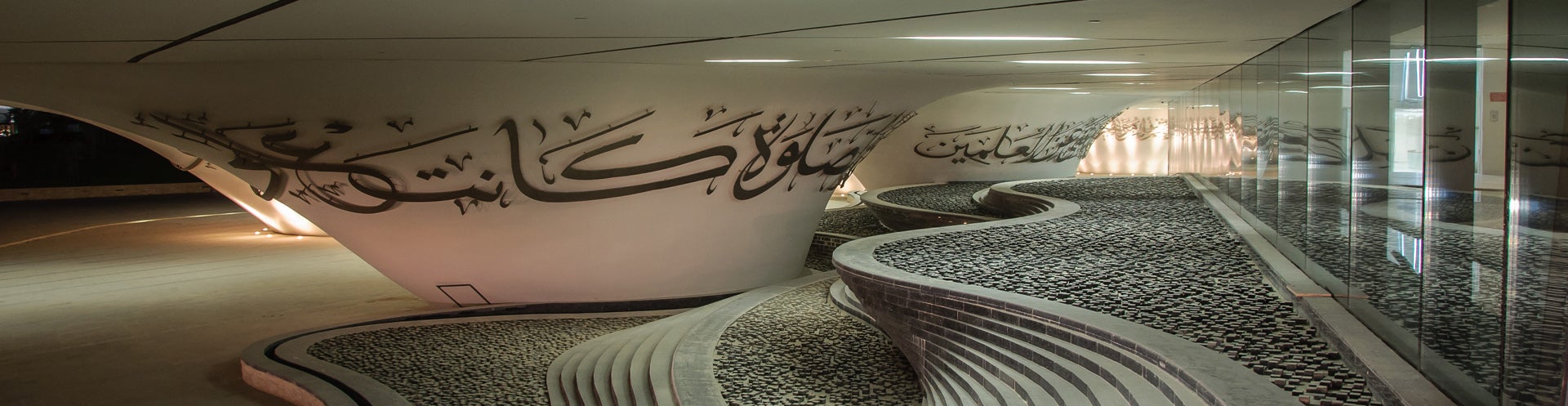
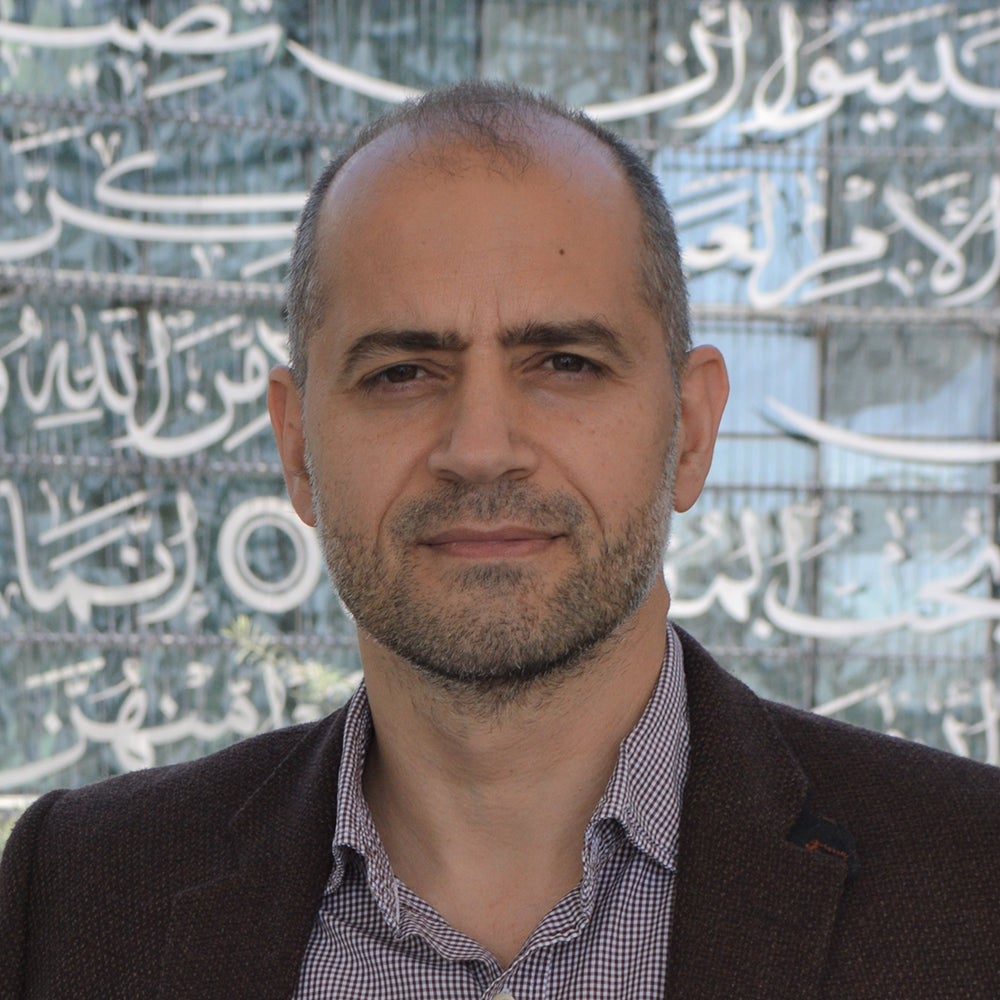
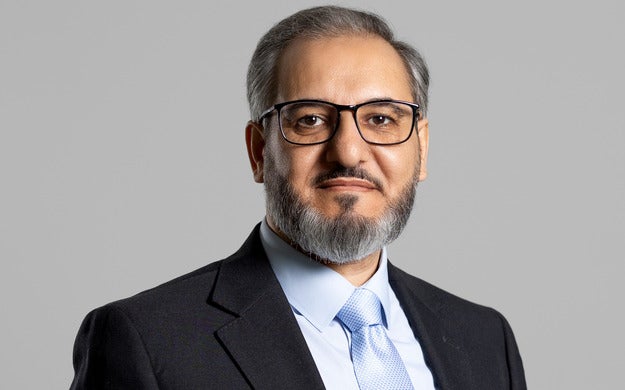
Interest is growing in the concept of Universal Basic Income (UBI), which entails the state providing its citizens with a fixed monthly amount for the rest of their lives. In this article, the College of Islamic Studies' Abdulazeem Abozaid makes the case that UBI is compatible with Islam, subject to conditions and controls.
Share:
Related News
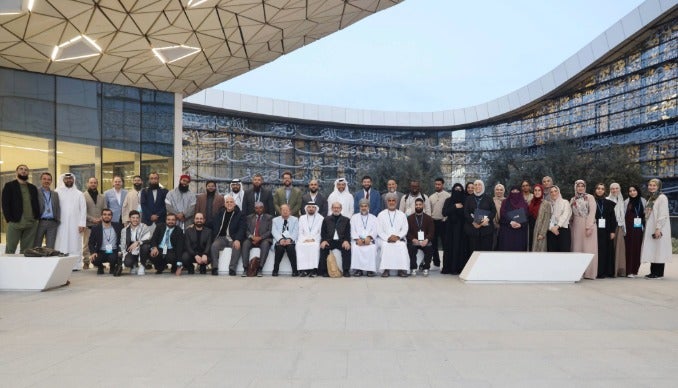
Hamad Bin Khalifa University Symposium Positions Islamic Psychology As Essential Part of Mental Health Systems

Qur’anic Botanic Garden and Herfah Program Revive Traditional Craft with New Dye Plants Garden
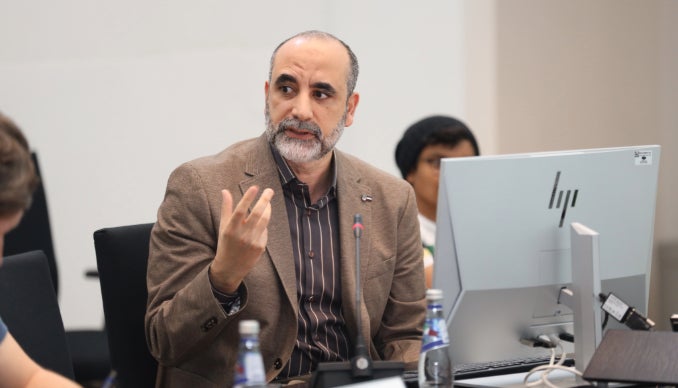
Hamad Bin Khalifa University’s International Islamic Bioethics Association Holds Inaugural Meeting
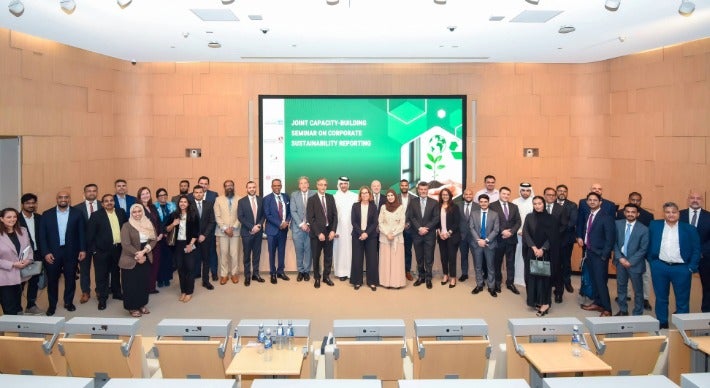
HBKU’s CIS Hosts Second High-Level Seminar on Corporate Sustainability Reporting
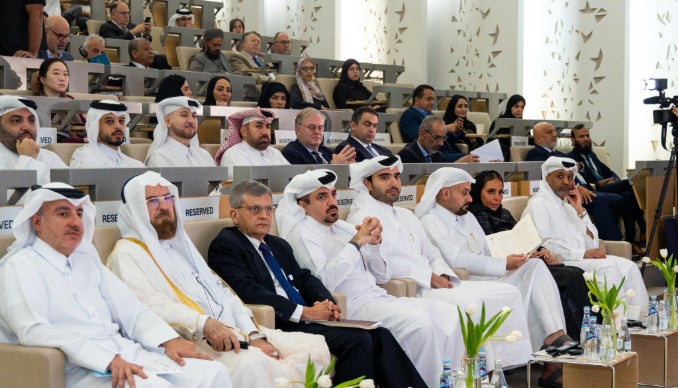
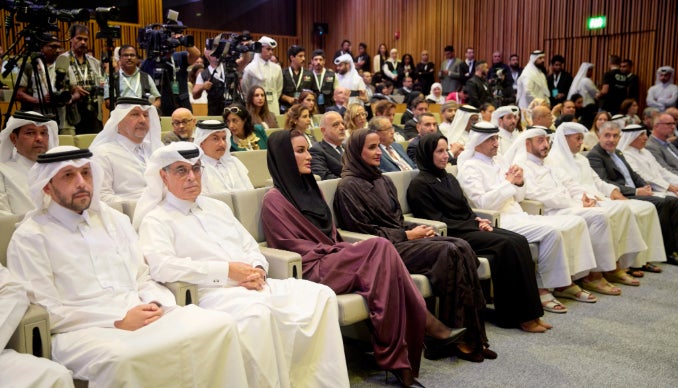
Her Highness Sheikha Moza bint Nasser Attends Hamad Bin Khalifa University’s Conference on AI Ethics
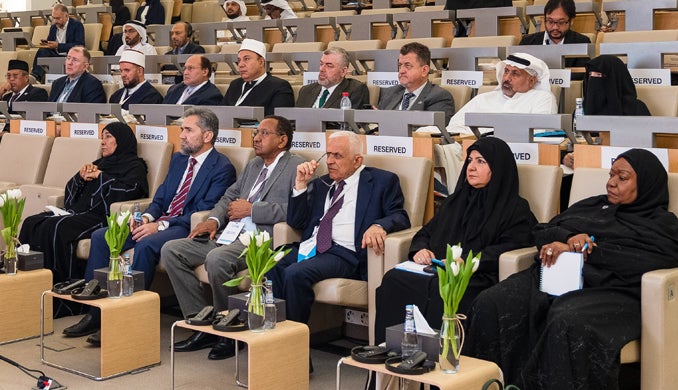
HBKU’s Sīrah of the Prophet Conference Discusses Peace and War Through an Islamic Lens

PANEL SPEAKER
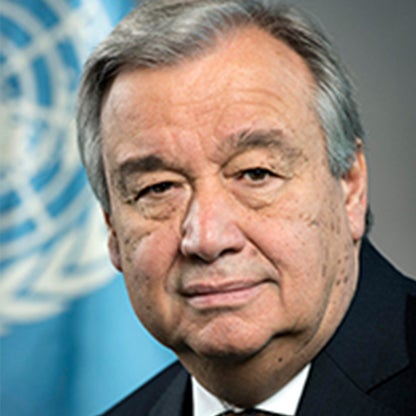
António Guterres
UN Secretary-General
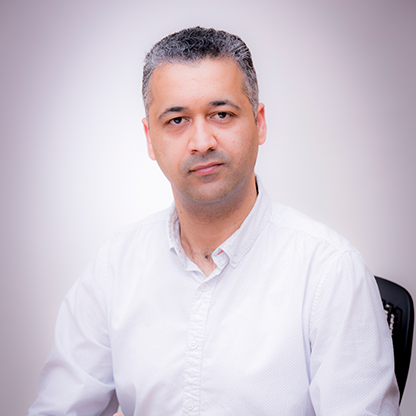
Dr. Issam Hmila
Postdoctoral Researcher
Educational Qualifications
PhD in Biology
MSc in Biochemistry
Entity
Qatar Biomedical Research Institute
Division
Neurological Disorders Research Center
Biography
Dr. Issam Hmila obtained his PhD in Biology between the Vrije Universiteit Brussel, Belgium, and the University of Tunis El Manar, Tunisia in 2010. He obtained an interuniversity diploma in advanced bioinformatics knowledge from the University-Paris Cité, France. He has also completed various courses in biostatistics, immunology, drug design, and discovery from international institutes.
His projects focus on the construction of combinatory libraries, phage display screening, and the engineering of nanobodies for immunotherapy. He was hired as an assistant professor at the Pasteur Institute in 2012, where he developed aptamers and new tools for detecting respiratory viruses of clinical importance in collaboration with the University of Minnesota, USA, and Uppsala University, Sweden.
In 2017, he joined the Neurological Disorders Research Center at Qatar Biomedical Research Institute, where he conducted his research to develop new tools for therapy against Parkinson's and Alzheimer's diseases based on nanobodies and aptamers. His work focuses on the generation of cortical neurons from induced pluripotent stem cells and the evaluation by global transcriptomic, proteomic, and integrated omics, environmental pollutants, and new drugs with potential Alzheimer's disease modulation.
PhD in Biology
University of Tunis-El Manar, Tunisia
2010
MSc in Biochemistry
University of Tunis-El Manar, Tunisia
2004
- Drug design and discovery
- Nanobody and aptamer development and engineering
- Evaluating the impact of pollutants on brain health
- Develop diagnostic and therapeutic tools
Postdoctoral Researcher
Qatar Biomedical Research Institute, Hamad bin Khalifa University
2017 - Present
Invited Scientist
College of Veterinary Medicine, University of Minnesota, United States
2014 - 2015
Assistant Professor
Institute Pasteur of Tunis, University of Tunis-El Manar, Tunisia
2012 - 2017
Postdoctoral Researcher
Institute Pasteur of Tunis, University of Tunis-El Manar, Tunisia
2010 - 2012
- First place in 2023 QBRI/HBKU research in Focus Day.
- Intern collaborative project, by Institute Pasteur of Tunis (Tunisia).
- 2013 early career MENA scientists research grant project (USA).