Apply Now

Two-day workshop addressed the intersection of technology, law, and financial frameworks in the energy field

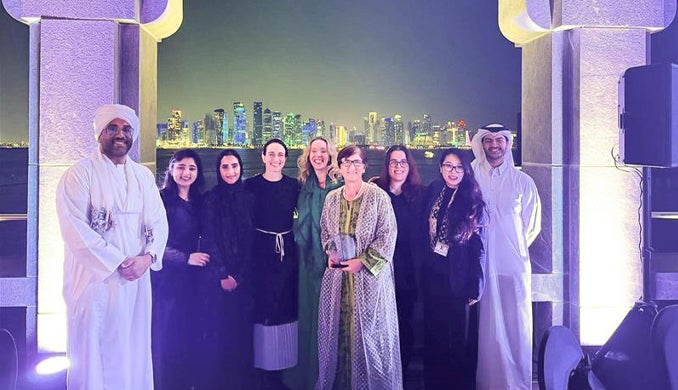
The UNESCO Chair on Environmental Law and Sustainable Development at Hamad Bin Khalifa University’s (HBKU) College of Law hosted an Energy Legal Lab for in-house lawyers working within governments and national energy companies across Gulf Cooperation Council (GCC) countries.
Held under the theme ‘GCC Lawyers in the Age of Transition,’ the workshop convened scholars, educators, and practitioners to explore the evolving energy landscape. The two-day program was organized in partnership with the International Bar Association’s (IBA) Oil and Gas Law Committee and Academic Advisory Group, Tulane Energy Law and Policy Center, the World Bank’s ESMAP Green Hydrogen Program, and the Global Carbon Council.
Through expert-led lectures and practical sessions, participants explored how artificial intelligence (AI) is transforming legal services; strategies for effective dispute resolution; due diligence; managing environment, social and governance (ESG) risks; and best practices for financing and structuring bankable projects in clean hydrogen, carbon capture, utilization, storage (CCUS), and renewable energy.
Participants identified strategies to integrate sustainability considerations into the design, financing and implementation of energy investments and projects within their respective entities and jurisdictions.
Commenting on the workshop, Dr. Damilola Olawuyi, SAN, Professor, College of Law, and UNESCO Chairholder on Environmental Law and Sustainable Development, said: “Goal 7 of the United Nations Sustainable Development Goals (SDGs) aims to enhance access to affordable, reliable, and sustainable energy for all. Achieving this will require equipping lawyers who draft and negotiate high-stake energy agreements with the latest insights on emerging risks, complexities, and solutions. We are very proud at the UNESCO Chair to collaborate with GCC-based stakeholders to strengthen knowledge exchange and promote best practices in this important field.”
Susan L. Karamanian, Dean, College of Law, added: “This Energy Legal Lab enables HBKU to collaborate with general counsels and other practitioners in the energy sector to explore the rapidly evolving landscape of corporate risk management in the age of transition. Such dialogue consolidates regional partnership and enriches our understanding and teaching.”
The UNESCO Chair on Environmental Law and Sustainable Development will continue to convene discussions through workshops, conferences and training programs aimed at clarifying the legal dimensions of sustainability across key sectors.
Share:
Related News
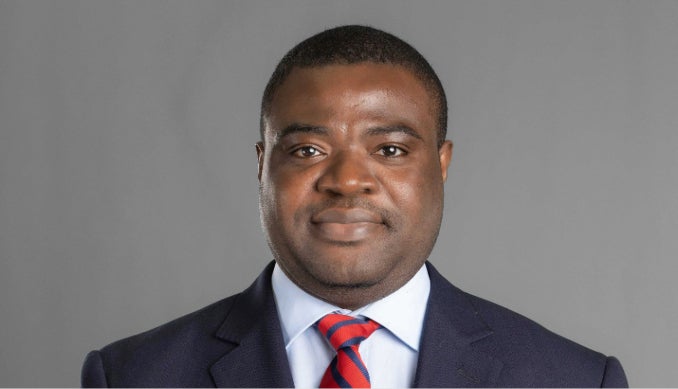
UNESCO Renews Chair on Environmental Law and Sustainable Development at Hamad Bin Khalifa University

Hamad Bin Khalifa University Convenes Experts on Regional Energy Interconnectivity and Sustainable Development
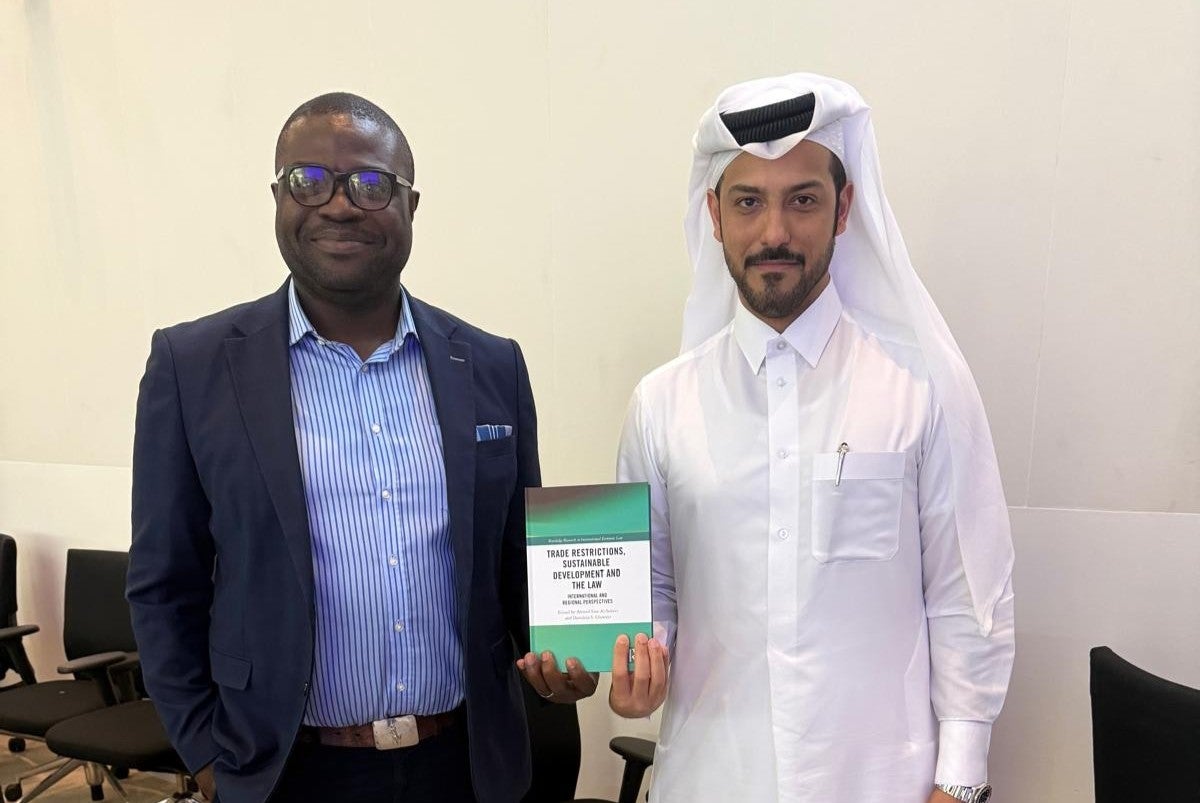
College of Law Faculty Launch Book on Trade Restrictions and Sustainable Development
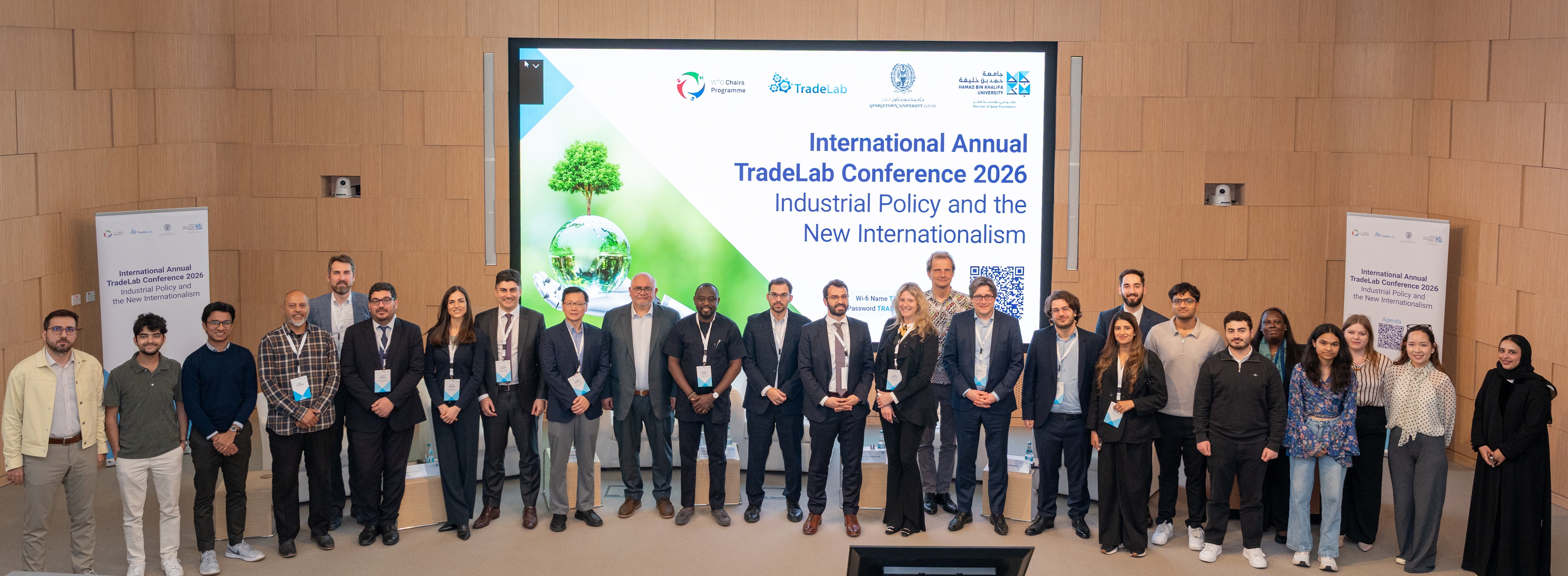
Hamad Bin Khalifa University Advances Legal and Policy Dialogue on Industrial Strategies and Achieving Twin Transition
Hamad Bin Khalifa University and Partners Advance Environmental Law, Digital Transformation at Regional Conference
College of Law Annual Clinton W. Francis Lecture Examines Legal Professionalism in the Age of AI