Apply Now

Entity:
College of Science and Engineering
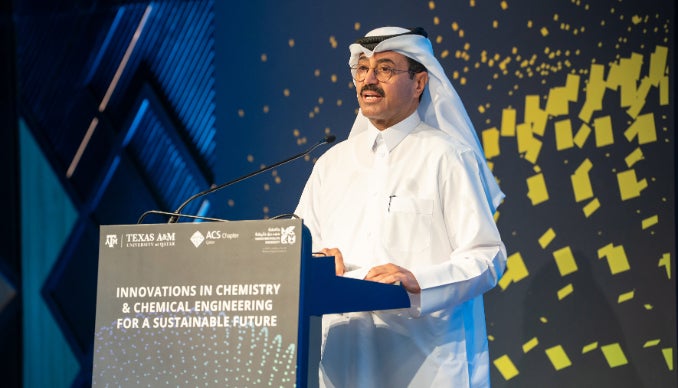
Hamad Bin Khalifa University (HBKU) and Texas A&M University at Qatar (TAMUQ), in partnership with the Qatar Chapter of the American Chemical Society (ACS), jointly hosted a two-day conference on “Innovations in Chemistry and Chemical Engineering for a Sustainable Future.”
Share:
Related News
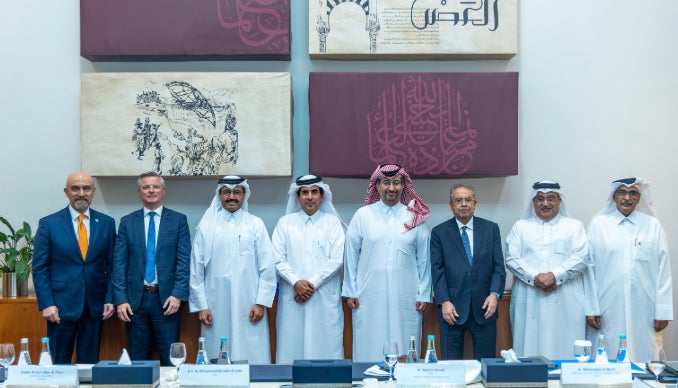
Hamad Bin Khalifa University’s College of Science and Engineering Hosts 2nd Industry and Government Advisory Board Meeting
26
Feb
2026

Hamad Bin Khalifa University Study Reveals Organizational Gaps, Identifies Strategic Opportunities in Women's Sports
11
Feb
2026
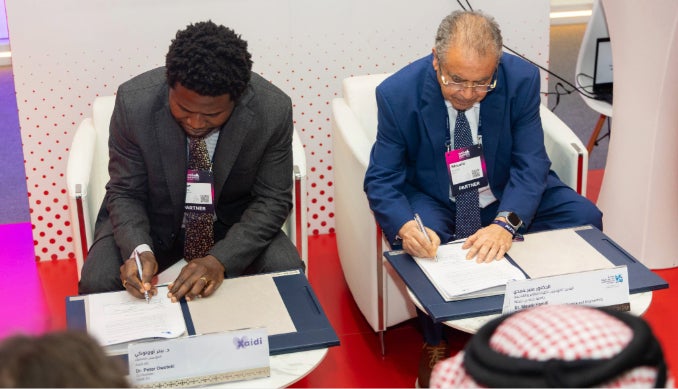
Hamad Bin Khalifa University Partners with Swiss Health Tech Xaidi to Support Qatar’s National Autism Plan
08
Feb
2026
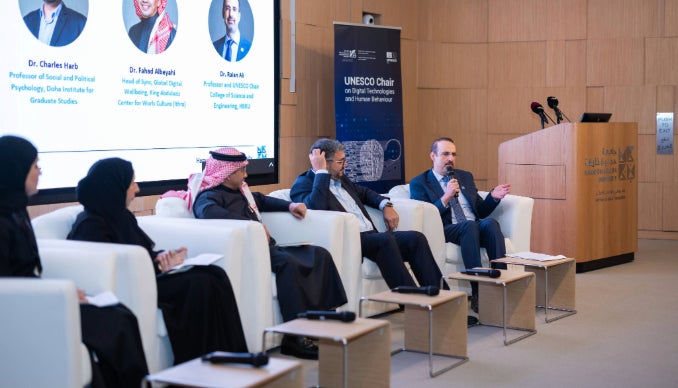
UNESCO Chair on Digital Technologies and Human Behavior Launched at Hamad Bin Khalifa University
04
Feb
2026

bNovate Technologies Partners with HBKU in Groundbreaking SMART-Distribution Project to Enhance Qatar’s Water Security
14
Jul
2025
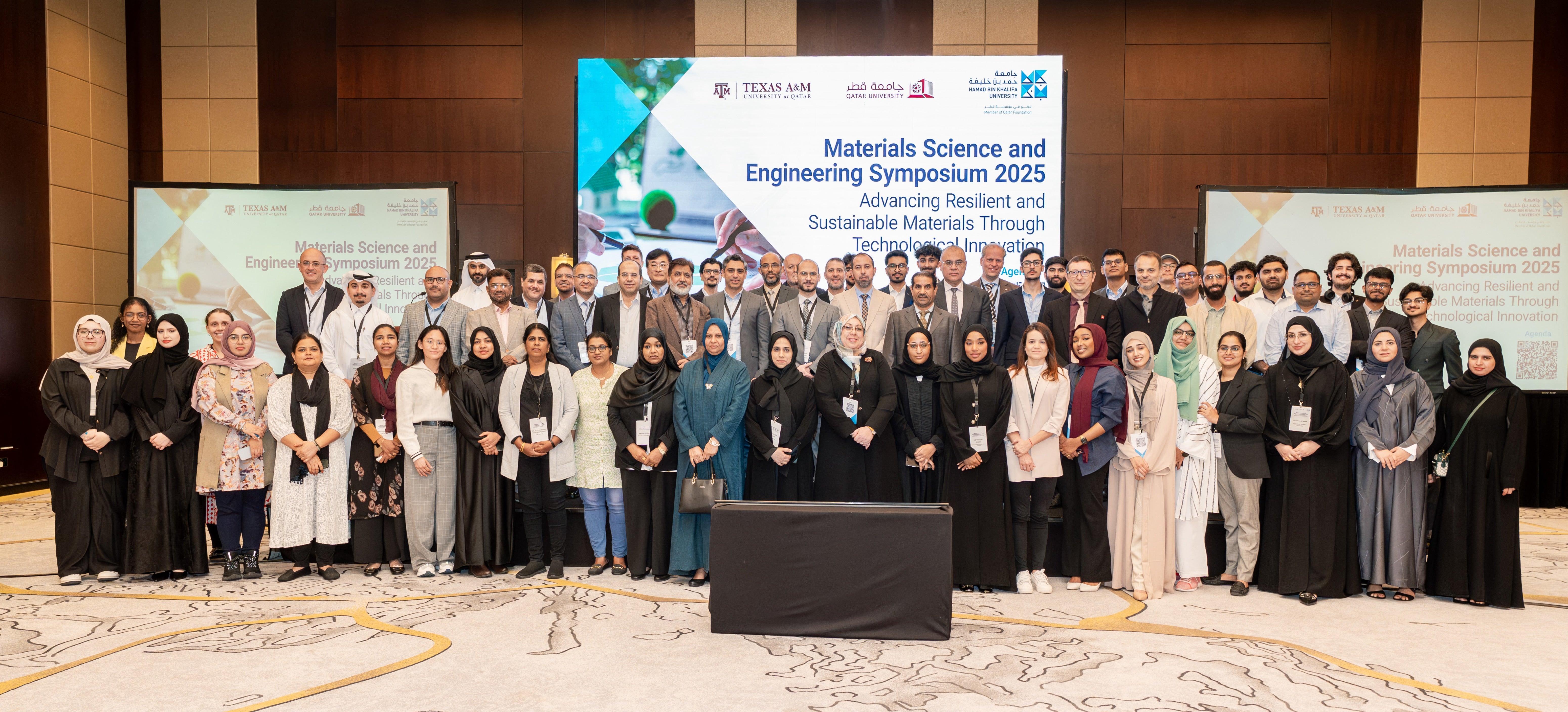
HBKU Co-Hosts the 14th Materials Science and Engineering Symposium (MSES-2025)
17
Apr
2025
Entity:
College of Public Policy
College of Law
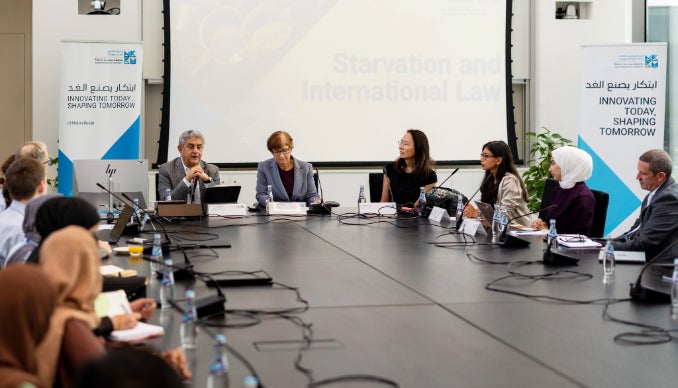
The College of Law and the College of Public Policy co-hosted an insightful panel on ‘Starvation and International Law’, addressing the weaponization of starvation in war, with an emphasis on the ongoing famine in Gaza.
Share:
Related News
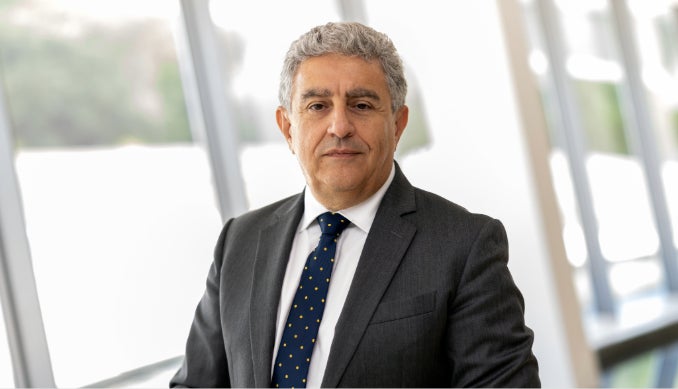
College of Public Policy Professor Appointed to International Review of the Red Cross Editorial Board
24
Mar
2026
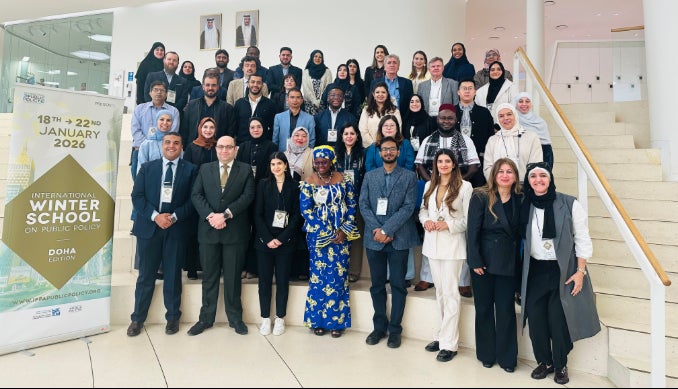
Hamad Bin Khalifa University’s College of Public Policy and International Public Policy Association Host Second International Winter School on Public Policy
05
Mar
2026

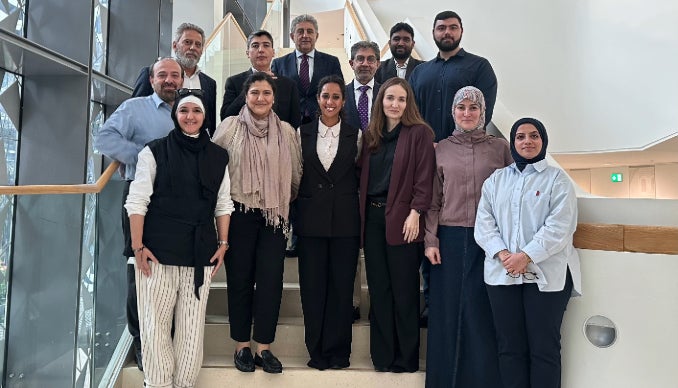
Hamad Bin Khalifa University, University of Geneva, and University of Johannesburg Launch Humanitarian Diplomacy Initiative
15
Jan
2026
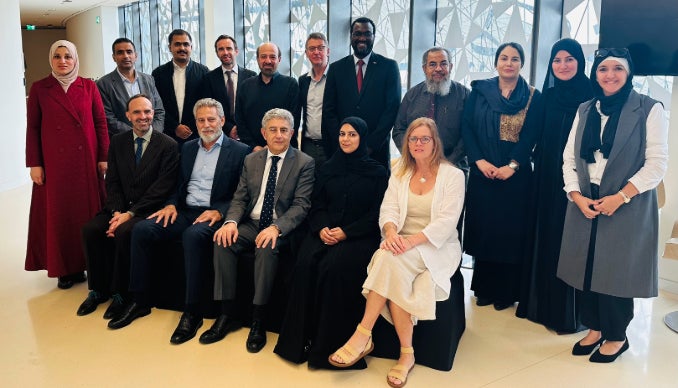
Hamad Bin Khalifa University Workshop Examines Gulf States’ Contributions to Social Protection in Crisis Zones
15
Jan
2026
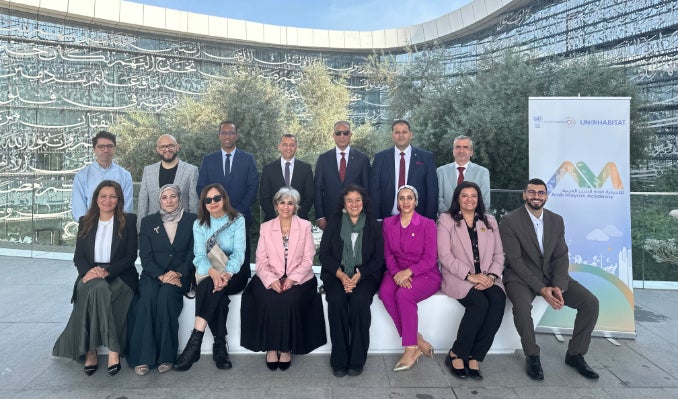
Arab Mayors Academy Training Concludes With Focus on Strategic Urban Resilience
15
Jan
2026
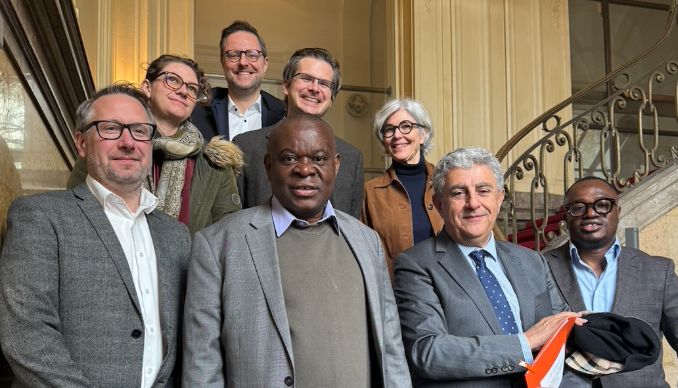
Dr. Sultan Barakat Visits Berlin as Keynote speaker on the Evolving Middle East–Africa Partnerships
17
Dec
2025
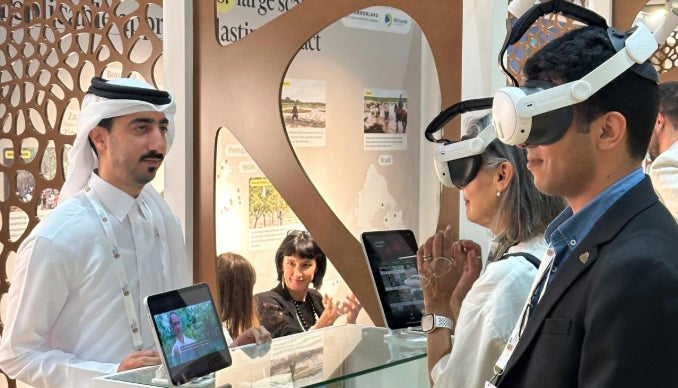
The Qur’anic Botanic Garden (QBG), a member of Hamad Bin Khalifa University (HBKU), participated in the IUCN World Conservation Congress 2025, taking place in Abu Dhabi from October 9 to 15, under the patronage of His Highness Sheikh Mohammed bin Zayed Al Nahyan, President of the United Arab Emirates.
Share:
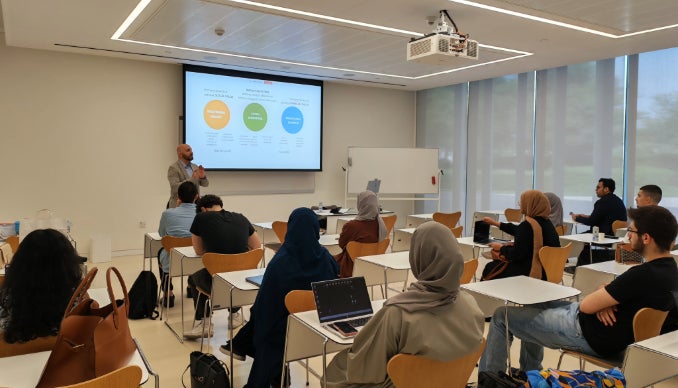
The Innovation Center (IC) at the Office of Innovation and Industrial Relations (OIIR) recently hosted a Virtual Open Day to welcome accepted applicants to its REYADA Entrepreneurship Program Cycle 4.
Share:
Entity:
College of Public Policy
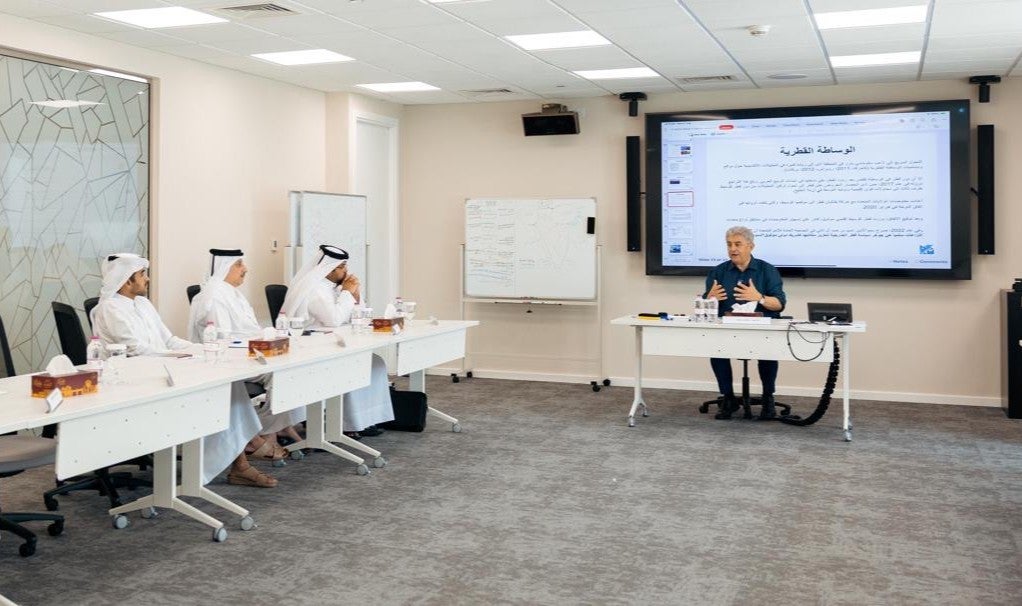
The College of Public Policy (CPP) at Hamad Bin Khalifa University (HBKU) has completed an intensive training program for senior officials at the Ministry of Foreign Affairs (MOFA). The course, designed under the theme “The Role of the State of Qatar in Mediation and the Resolution of Regional Conflicts,” equips officials with advanced skills relevant to the fields of diplomacy and conflict resolution.
Share:
Related News
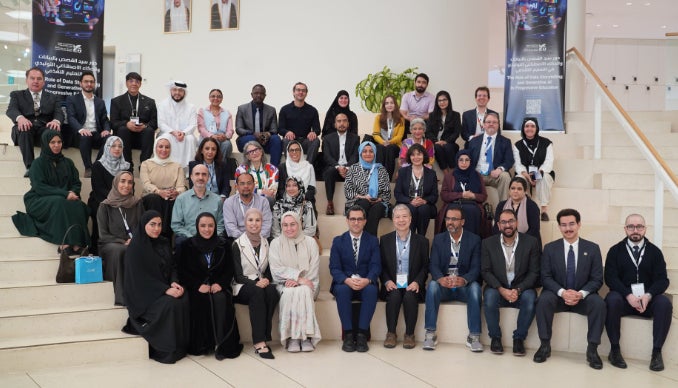
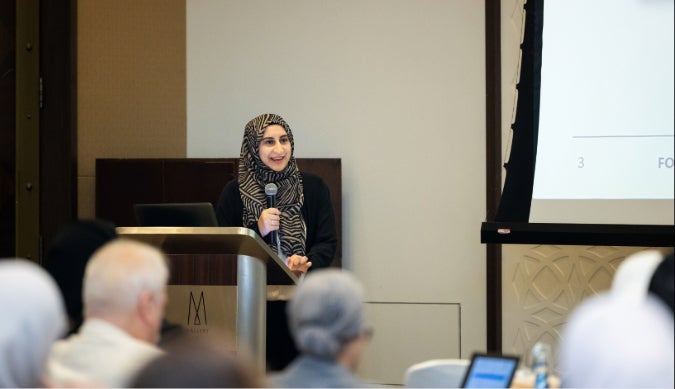
Workshop at Hamad Bin Khalifa University Examines Data Storytelling and Generative Al in Progressive Education
16
Feb
2026
Hamad Bin Khalifa University Partners with Ministry and Global Stakeholders to Drive Capacity-Building
29
Jan
2026
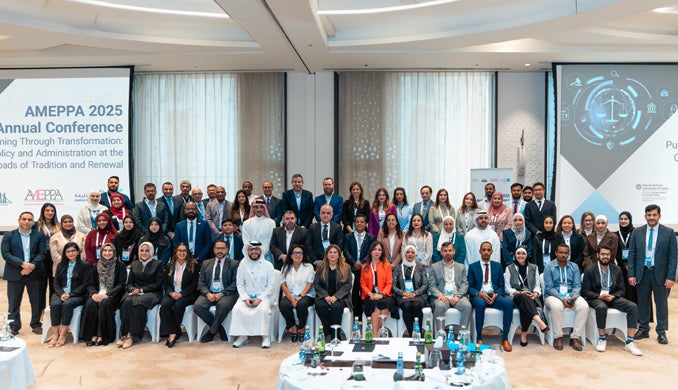
Experts Gather at HBKU for AMEPPA 2025 to Explore Governance Through Transformation
11
Dec
2025
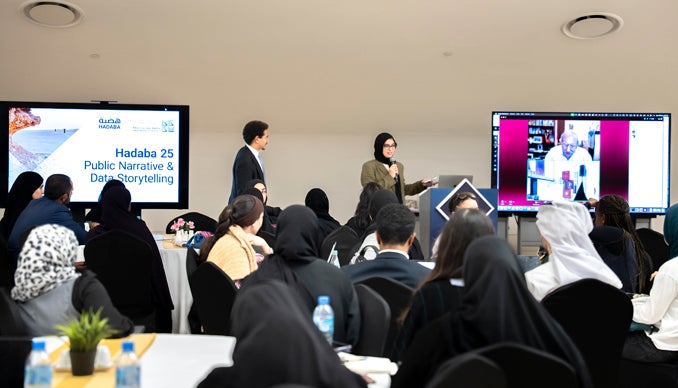
HBKU’s College of Public Policy Highlights Storytelling and Narratives in Hadaba 25
09
Oct
2025
Hamad Bin Khalifa University’s Master of Public Policy Earns Prestigious NASPAA accreditation
01
Sep
2025

HBKU’s Master of Public Policy Program Earns Prestigious Six-Year ICAPA Accreditation
30
Jun
2025
Entity:
College of Law
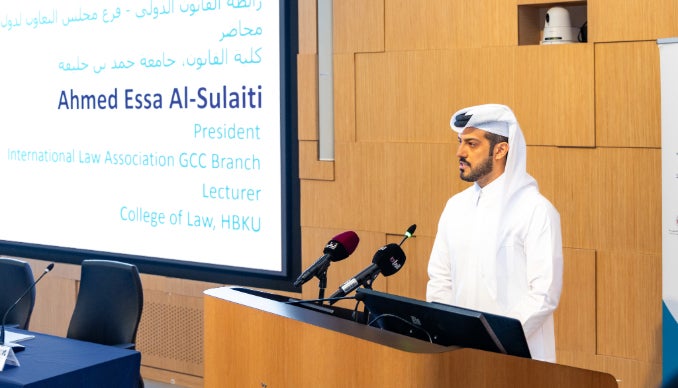
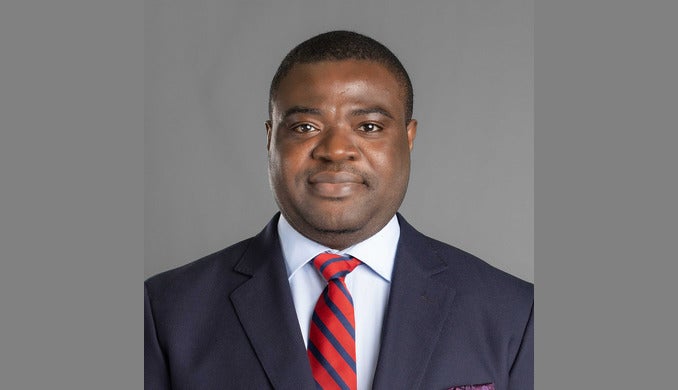
For single-sector dominant economies, foreign direct investment (FDI) will not be determined by tax breaks and trade zones; it will instead be directed by countries that can guarantee investors a fair, prompt, and enforceable legal framework. In the case of Qatar, embedding alternative dispute resolution (ADR) and intellectual property (IP) protection into its economic structure must become a strategic imperative for Qatar National Vision (QNV) 2030.
Share:



Entity:
College of Islamic Studies
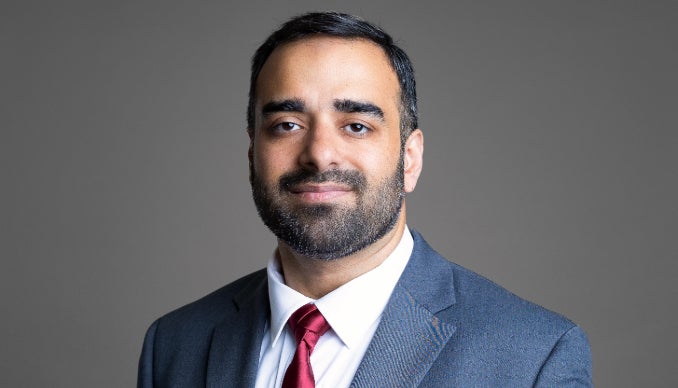
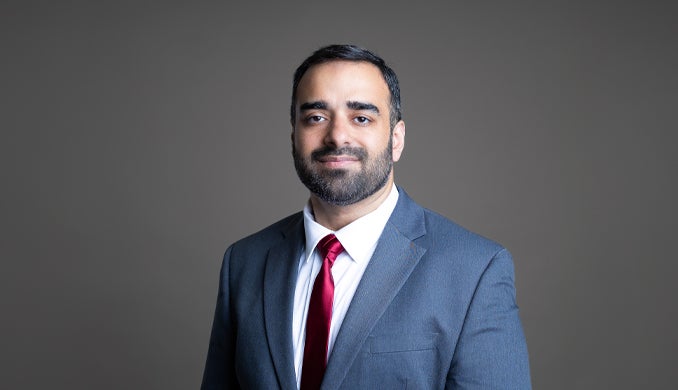
AI's growing ability to 'get personal' and shape how we think comes with costs, warns CIS' Dr. Fahad Khan. In response, individuals and societies need to develop practices that takes thinking outside the machine's logic. Read more here.
Share:



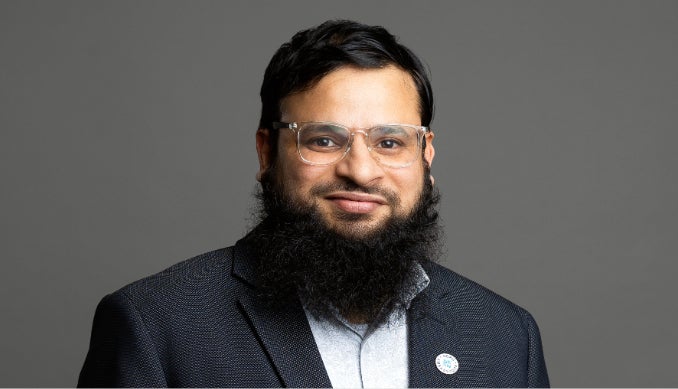

Entity:
College of Law
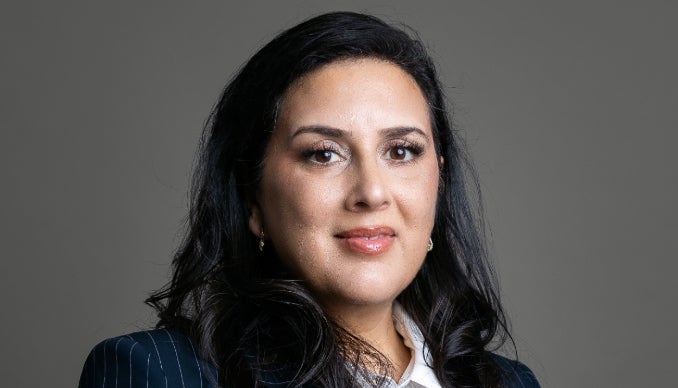
With an academic journey spanning Hamad Bin Khalifa University and Harvard, the College of Law's Elena Athwal fully understands the opportunities offered by exchanges between Arab and US law schools. Find out how and why here.
Share:
Entity:
College of Humanities and Social Sciences
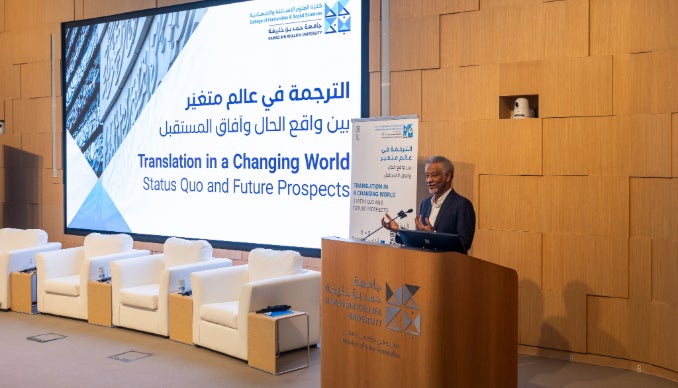
The College of Humanities and Social Sciences (CHSS) hosted a specialized conference at Education City to celebrate the International Day of Translation. The event underscored the university’s leading role as an academic institution that combines advanced research, programs, and professional training to connect students with the labor market, while pursuing its broader mission of serving society and fostering global cultural dialogue.
Share:
Related News

Hamad Bin Khalifa University Advances Multilingual Education with Chinese Testing Center Accreditation
26
Mar
2026
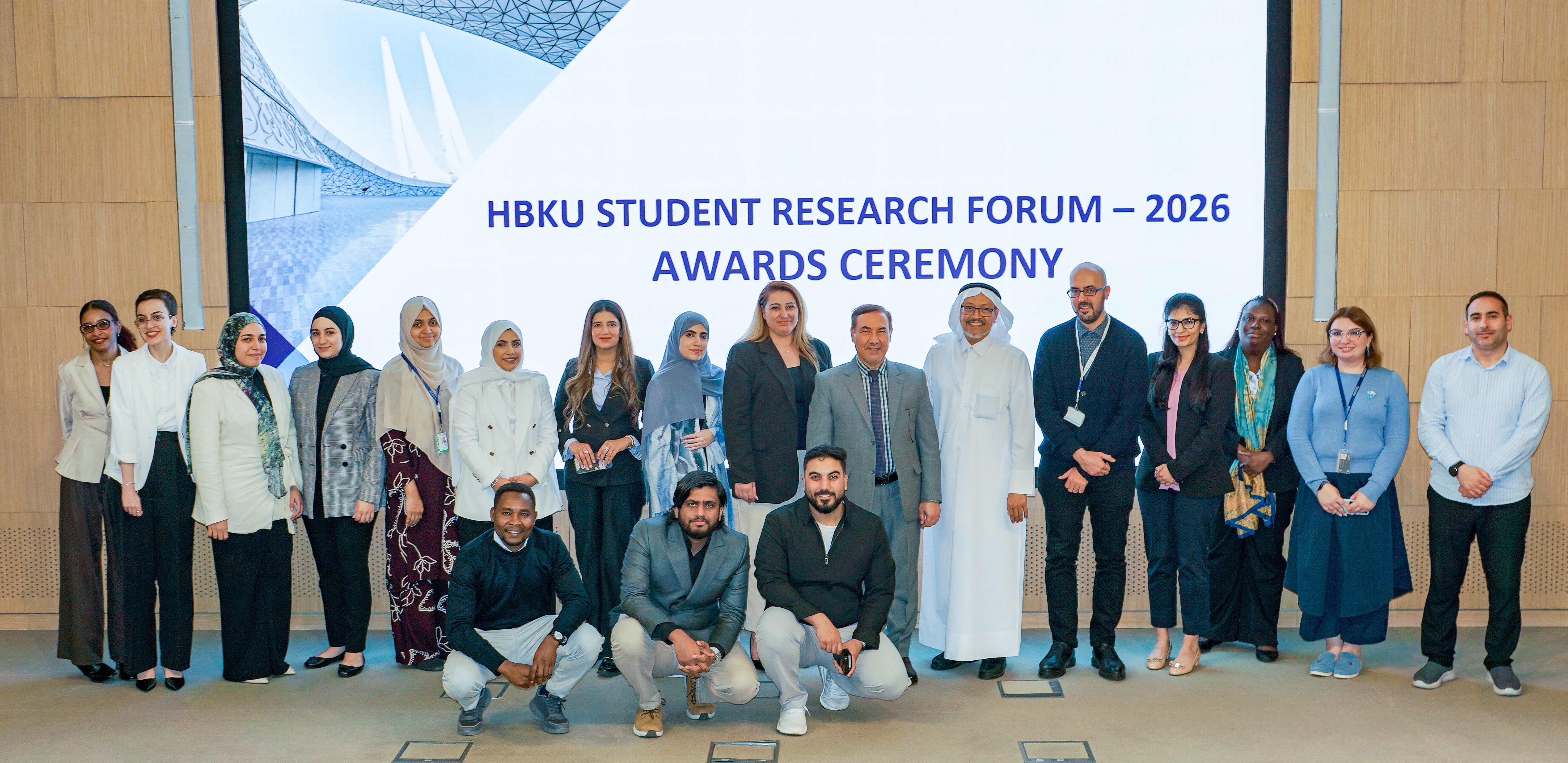
Hamad Bin Khalifa University’s College of Humanities and Social Sciences Hosts Student Research Forum
16
Mar
2026
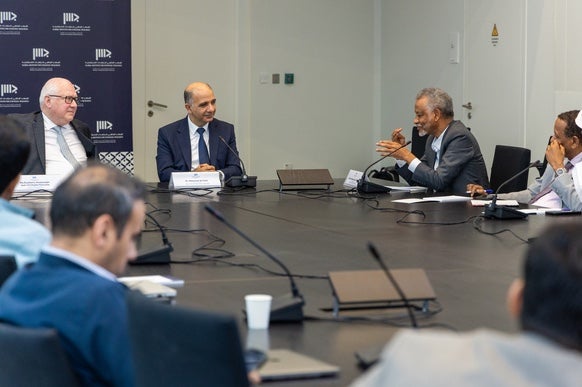
GISR Hosts Roundtable with HE Ambassador Jean-Christophe Peaucelle on Religion, Society, and Diplomacy
26
Mar
2025