Apply Now

The event underscored how Islamic medical heritage has shaped global scientific practice

The College of Islamic Studies (CIS) held a public lecture at Minaretein titled ‘History of Islamic Medicine,’ which analyzed how Muslim scholars and practitioners helped shape medicine.
Attended by scholars, medical experts, and students, the talk featured Dr. Muhamet Uysal, Specialist, Presidency of the Manuscripts Institution of Türkiye, and was moderated by Dr. Aisha Yousef Al-Mannai, Director, Muhammad Bin Hamad Al Thani Center for Muslim Contribution to Civilization. Dr. Uysal traced the development of Islamic medical thought from its early foundations through to Islam’s Golden Age, highlighting its enduring influence on contemporary medical practice.
Discussions covered several pivotal stages in the evolution of Islamic medicine and the contribution of leading scholars. Consideration was given to therapeutic practices prevalent in the Arabian Peninsula prior to Islam as well as pioneering scientists from across the region. The session also touched on the role of philosophy in medical ethics and how Muslim scholars helped spread scientific knowledge.
Reflecting on the significance of the lecture, Dr. Aisha stated: “Islamic medicine is deeply rooted in the ethical, philosophical, and scholarly traditions of religious teachings. It demonstrates how civilizations advance when scientific inquiry and human dignity move together to deliver lasting solutions to contemporary challenges. At Hamad Bin Khalifa University (HBKU), we are committed to highlighting how Arab and Islamic intellectual heritage continues to inform global discourse, enrich scientific practice, and inspire models of knowledge that benefit the region and beyond.”
The lecture underscores HBKU’s role as a convener of impact-driven dialogue that elevates Arab and Islamic perspectives in global discussions on knowledge, innovation, and human development.
Share:
Related News
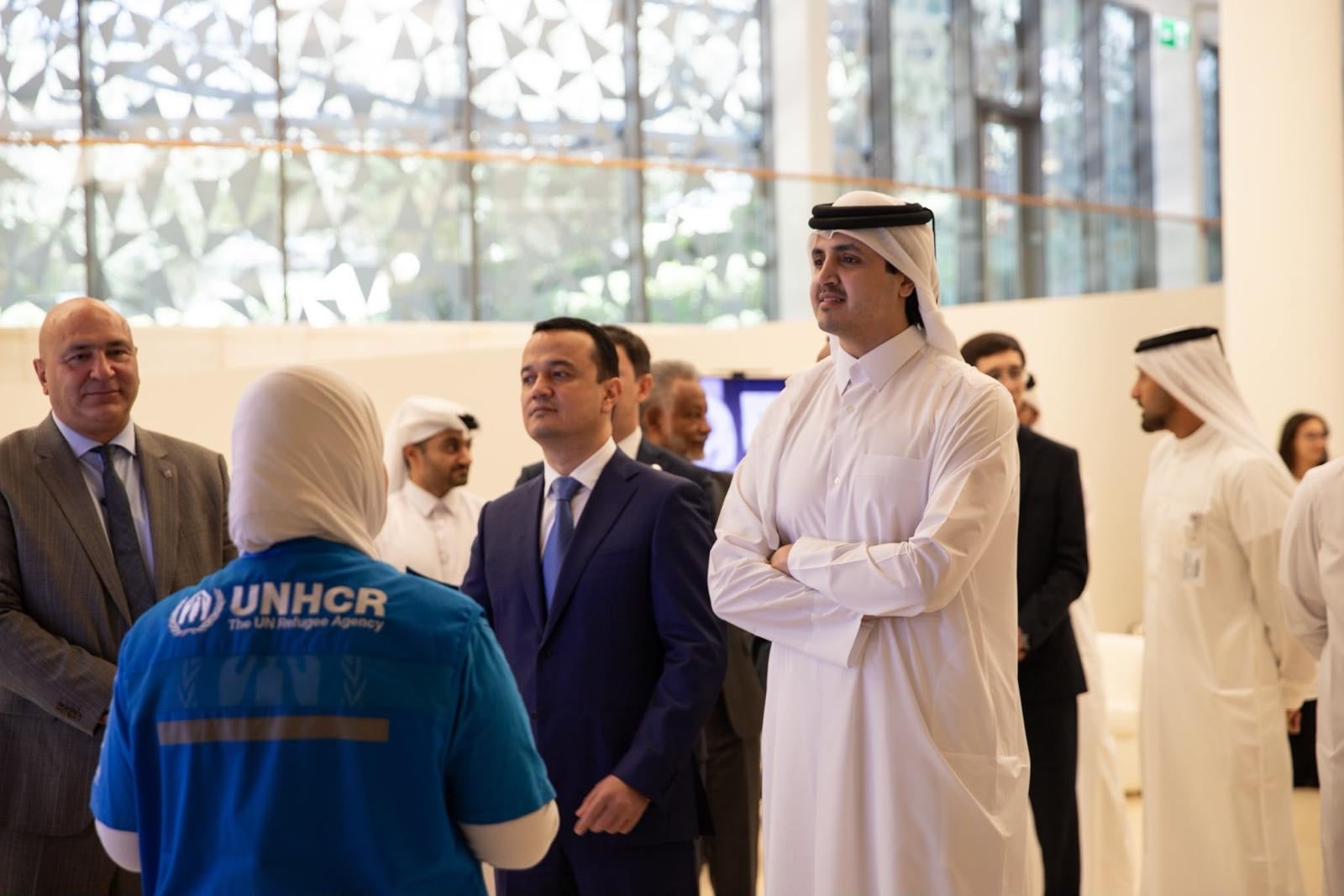
Hamad Bin Khalifa University Partners with QFFD and UNHCR for World Refugee Day Gathering
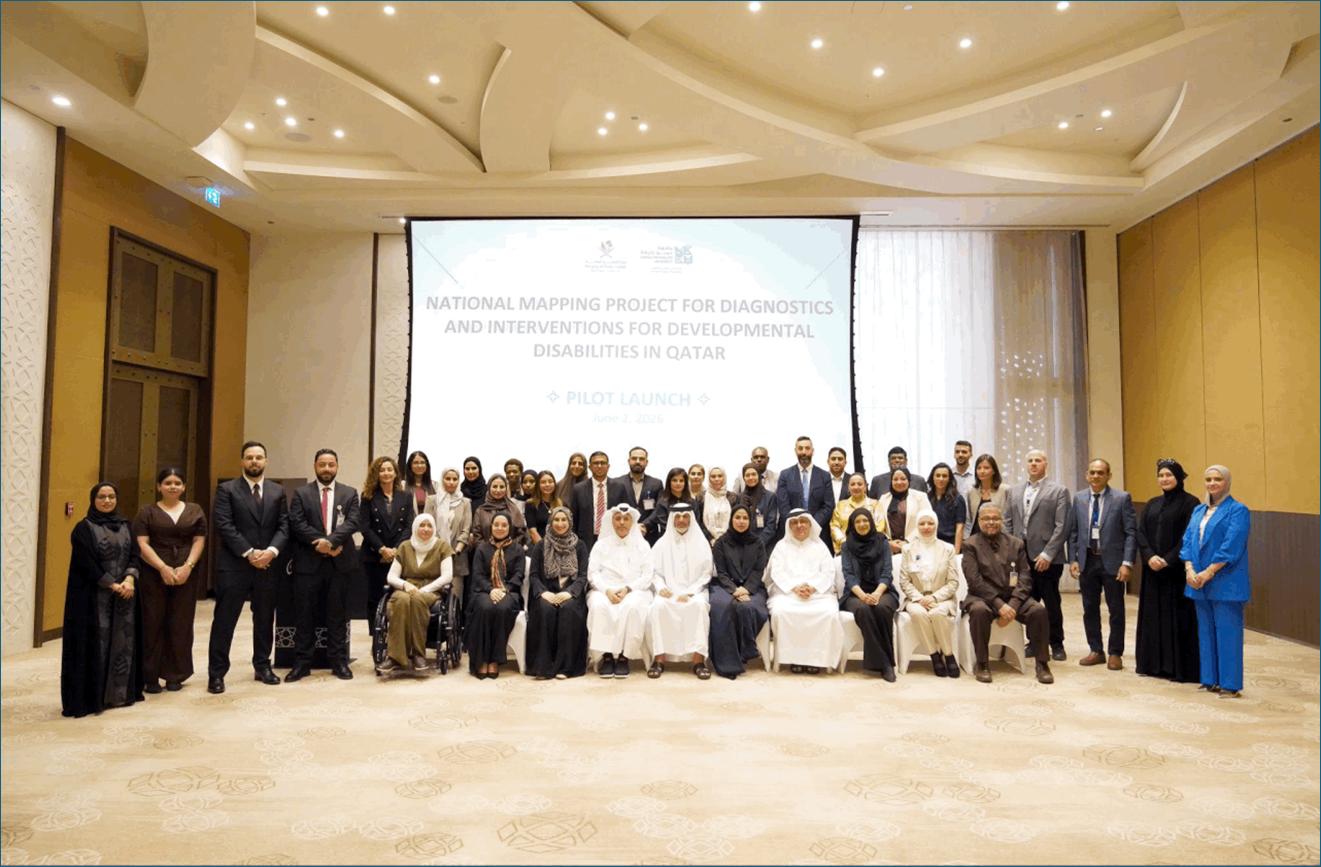
MoPH and HBKU Launch National Survey on Developmental Disabilities Diagnostics, Interventions
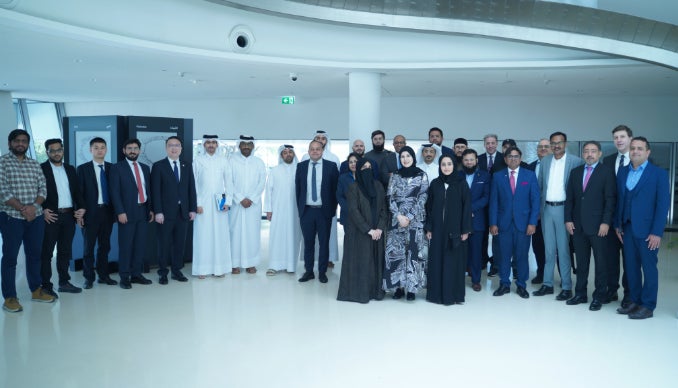
Hamad Bin Khalifa University Hosts 10th CEOs and Islamic Finance Leaders Roundtable