Apply Now

Leading experts gathered to explore aligning digital innovation with environmental sustainability across the MENA region
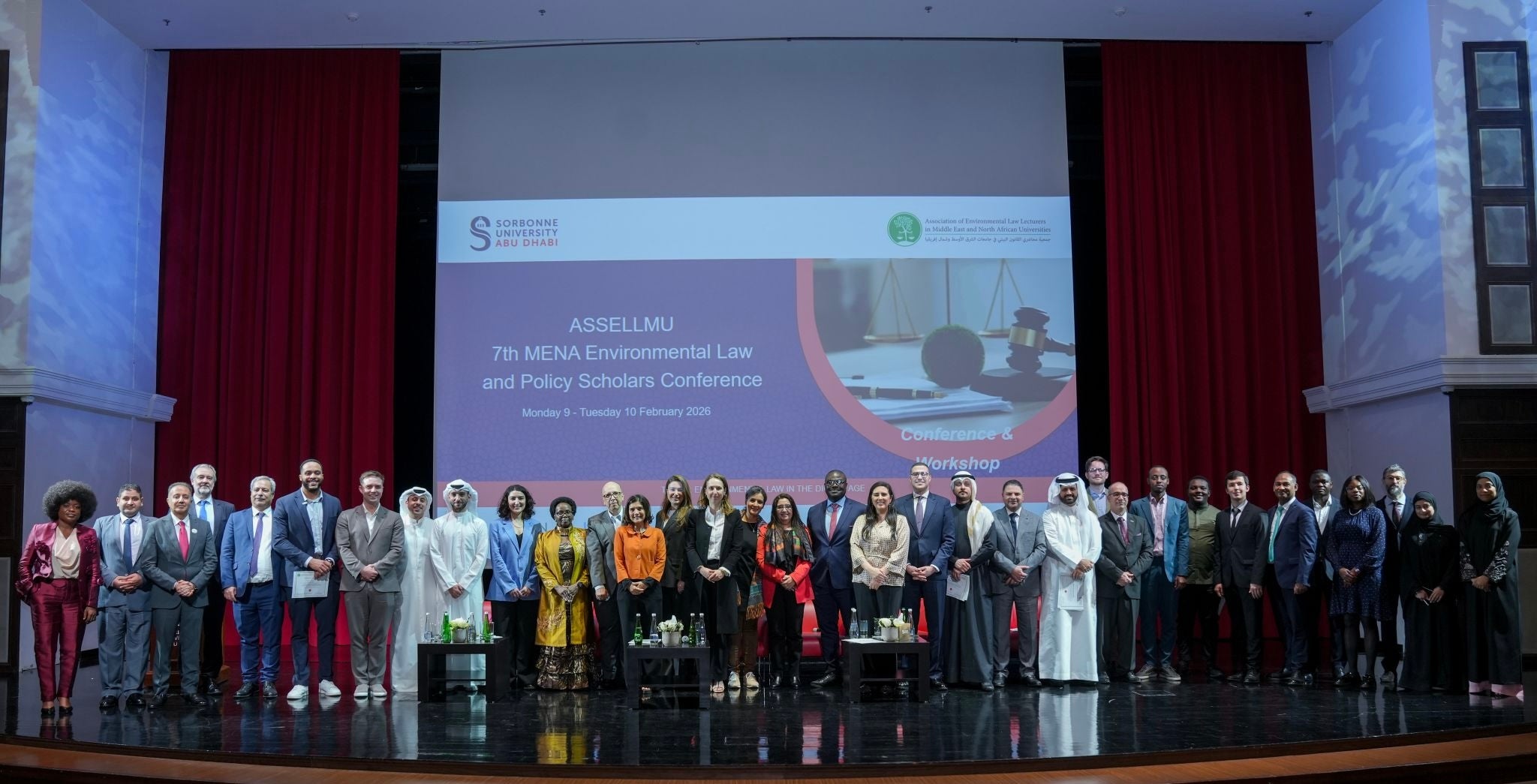
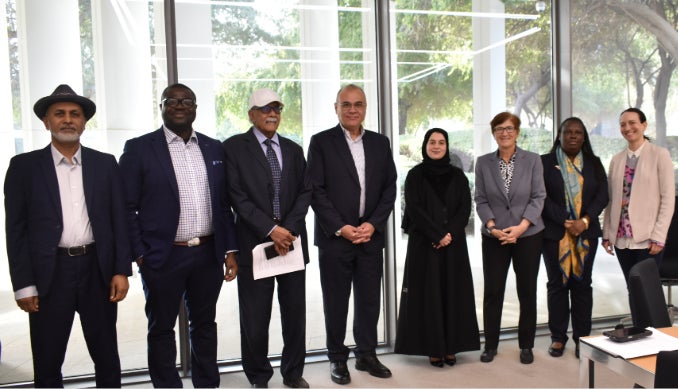
The UNESCO Chair on Environmental Law and Sustainable Development at Hamad Bin Khalifa University’s (HBKU) College of Law jointly organized the 7th MENA Environmental Law and Policy Scholars Conference in Abu Dhabi.
Hosted in partnership with The Association of Environmental Law Lecturers in Middle East and North African Universities (ASSELLMU) and Sorbonne University, Abu Dhabi (SUAD), the conference brought together leading academics, educators, policymakers, and practitioners to examine the future of environmental law amid rapid digital transformation.
The two-day event themed, ‘Environmental Law in the Digital Age,’ strengthens environmental law education and practice in the Middle East and North Africa by fostering collaboration across disciplines. HBKU’s faculty and researchers led high-level dialogues and sessions analyzing the role of innovative technologies and digital tools, including artificial intelligence (AI), in promoting sustainable development and addressing pressing ecological challenges.
Central to the conference was the concept of the ‘twin transition’ integrating environmental sustainability with the expansion of digital infrastructure. Participants examined how legal frameworks can ensure that technological advancement contributes meaningfully to climate action, responsible environmental governance, and economic development across the Arab world and beyond.
Commenting on the conference, Dr. Damilola S. Olawuyi, Professor and UNESCO Chairholder on Environmental Law and Sustainable Development at the HBKU College of Law, said: “Our partnership with ASSELLMU reflects a shared commitment among leading institutions across the region to advance environmental law in the context of digital transformation and development. This annual conference has evolved into a critical platform for shaping policy conversations, real-world impact, strengthening research collaboration, and building capacity to address pertinent complex challenges.”
Participants also emphasized the importance of clarifying ethical standards guiding environmental law and AI deployment to enhance transparency, reliability and informed decision-making. Advancing interdisciplinary research and developing climate-smart digital systems were identified as essential to supporting resilient and forward-looking development strategies.
The conference received strategic support from the United Nations Environment Programme, United Nations Development Programme (UNDP), The Environment Agency – Abu Dhabi (EAD), ICELIS Global, and the UNESCO Chair on Environmental Law and Sustainable Development at HBKU.
Share:
Related News

UNESCO Renews Chair on Environmental Law and Sustainable Development at Hamad Bin Khalifa University

Hamad Bin Khalifa University Convenes Experts on Regional Energy Interconnectivity and Sustainable Development
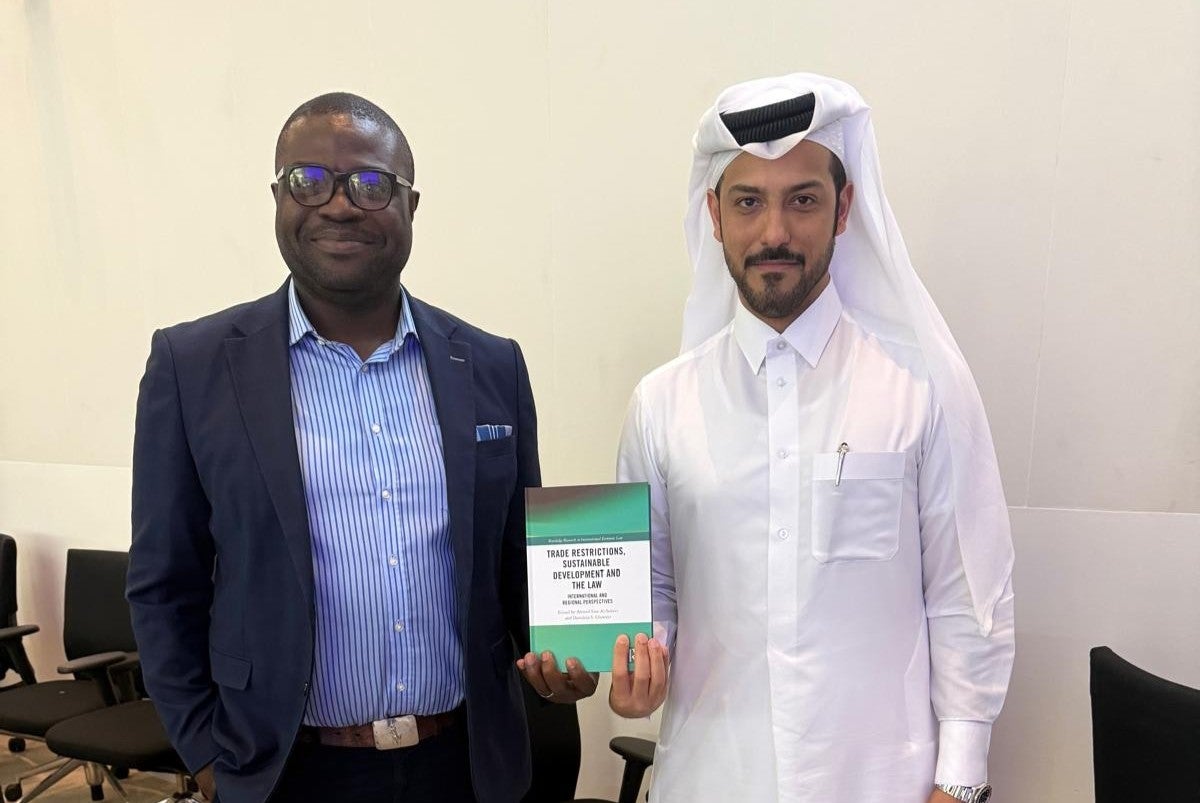
College of Law Faculty Launch Book on Trade Restrictions and Sustainable Development
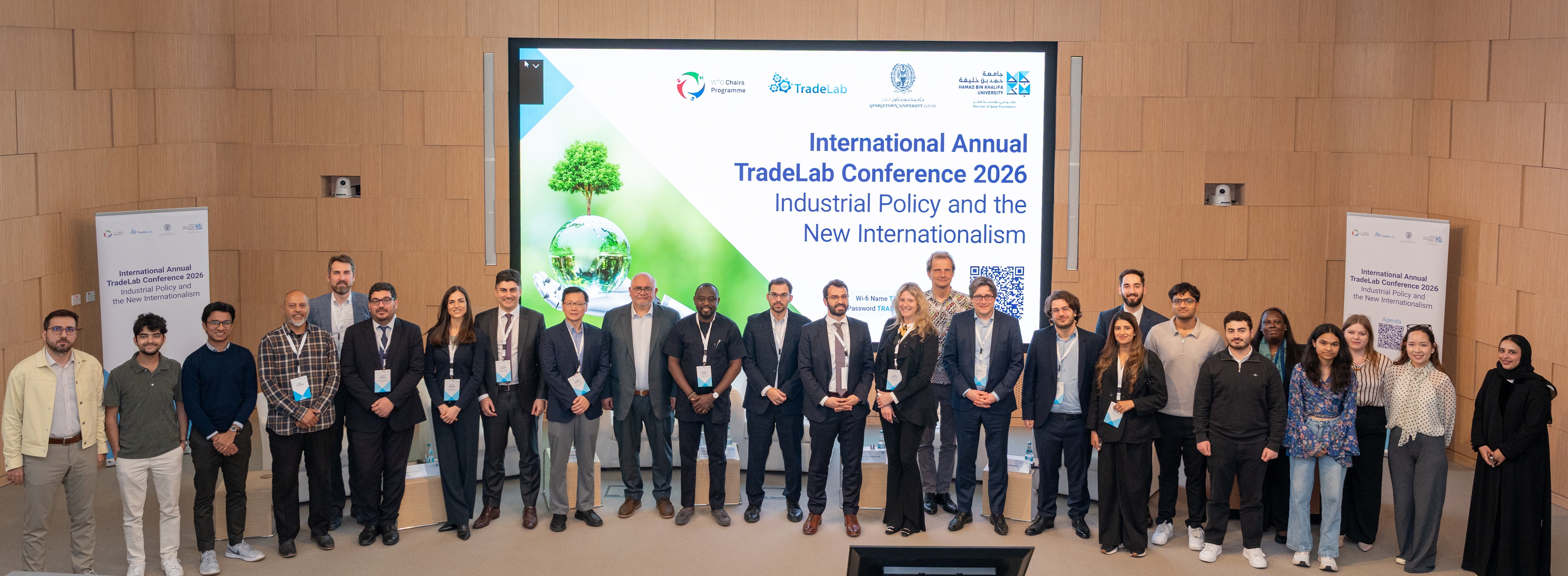
Hamad Bin Khalifa University Advances Legal and Policy Dialogue on Industrial Strategies and Achieving Twin Transition

Hamad Bin Khalifa University’s UNESCO Chair Equips Legal Practitioners for Energy Transition Age
College of Law Annual Clinton W. Francis Lecture Examines Legal Professionalism in the Age of AI