Apply Now
Annual campaign reflects the university’s mission to cultivate homegrown talent capable of addressing real-world challenges
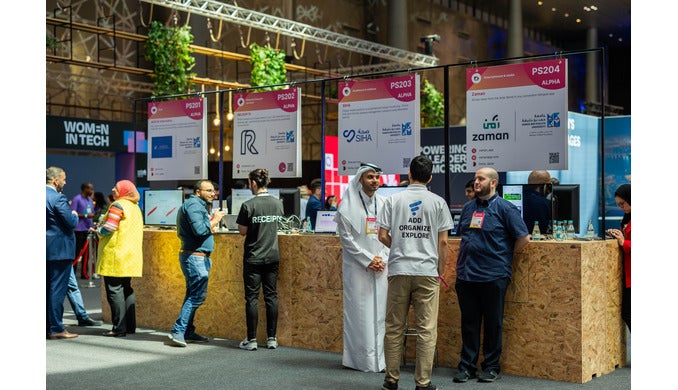
Hamad Bin Khalifa University (HBKU) held a series of summer research programs, interactive programs and activities designed to nurture academic excellence, innovation, and interdisciplinary collaboration among students and early-career researchers.
Held across several colleges and research institutes, the university’s summer programs offered participants opportunities to engage in hands-on research, academic mentorship, and knowledge exchange in various fields. The initiatives further reflect HBKU’s mission to cultivate homegrown talent capable of addressing real-world challenges through evidence-based solutions and forward-looking inquiry.
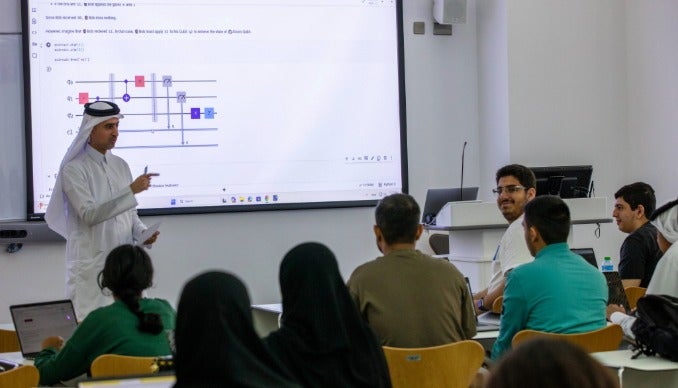
Drawing on this, the Qatar Center for Quantum Computing (QC2) at the College of Science and Engineering (CSE), in collaboration with Qatar Foundation’s Mukhyamna, organized the second edition of the Quantum Computing Summer School for high school students (QSchool 2025). In its second edition, the program welcomed 27 students, comprising 13 girls and 14 boys, who completed the one-week course. Participating students came from 23 schools in Qatar spanning 15 different nationalities. The students, aged 13 to 17 years old, gained exposure to practical application through interactive lectures and hands-on lab sessions utilizing both simulated and real quantum platforms.
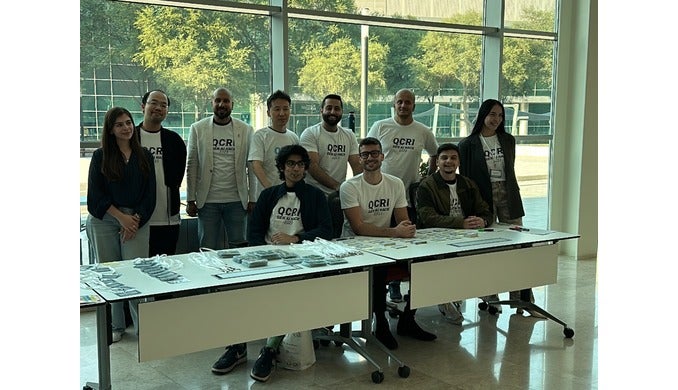
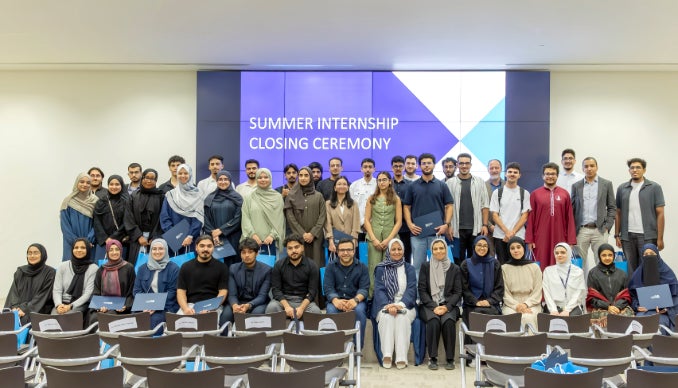 Additionally, the Qatar Computing Research Institute (QCRI) hosted its Creative Space Summer Camp 2025 for youth aged 7 to 17. The camp offered 11 enriching programs for 151 students, featuring a range of workshops designed to teach coding, electronics, and computational thinking, while fostering creativity, innovation, problem-solving skills, and teamwork.
QCRI also partnered with Mukhyamna to offer a cybersecurity course on ethical hacking. Students aged 15 to 17 years old learned how networks operate and how to prevent real attacks. They explored ethical hacking and digital defense, utilizing real-world tools such as Wireshark, TryHackMe, and Cyber Range.
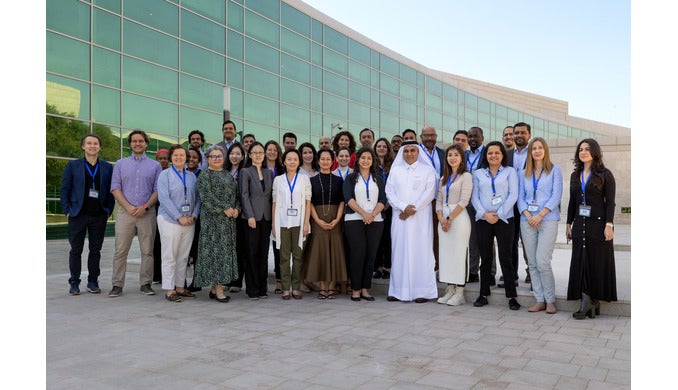
For its Summer Internship Program, QCRI recorded around 108 students from eight Qatar-based universities, including Qatar University (QU), Carnegie Mellon University in Qatar (CMU-Q), Northwestern University in Qatar, University of Doha for Science and Technology, Arkansas State University Doha, and Ulster University Qatar. Several international institutions also participated including Princeton University.
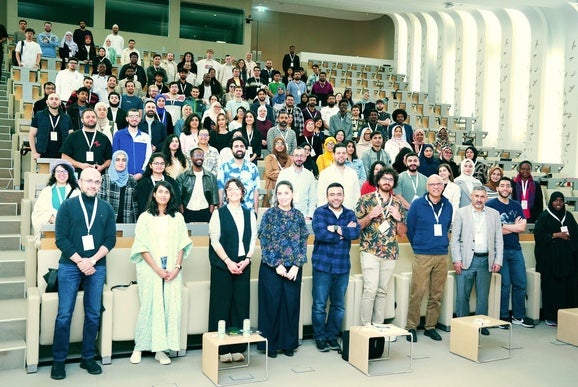
Meanwhile, the Qatar Biomedical Research Institute (QBRI) successfully concluded the ninth edition of its Summer Research Program (SRP) with an appreciation ceremony. The SRP provided students with an intensive, immersive research experience. Participants worked across QBRI’s three specialized centers and had the unique opportunity to collaborate closely with leading scientists in state-of-the-art laboratories, contributing to projects addressing critical health challenges such as diabetes, cancer, and neurological disorders.
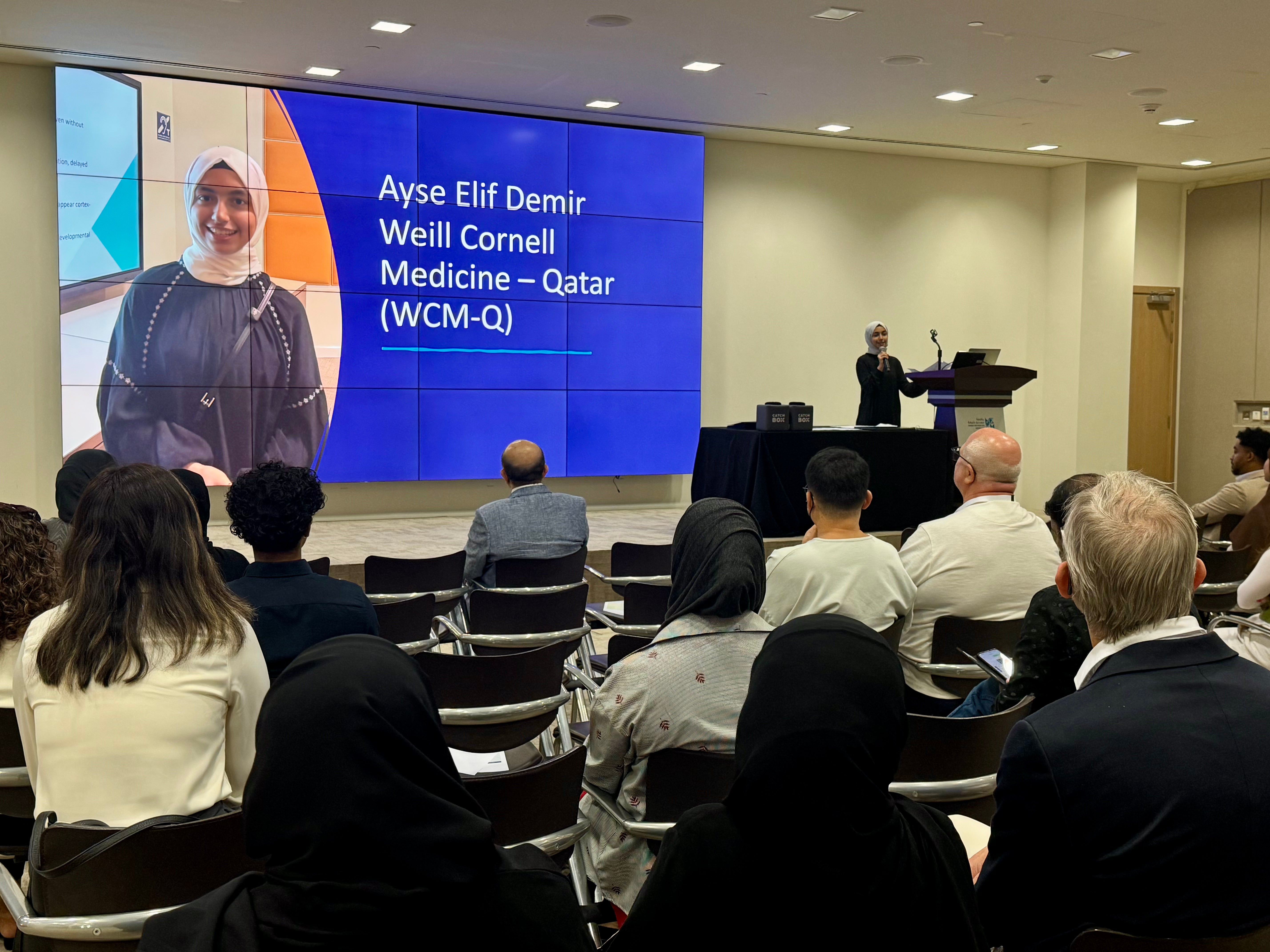 During the appreciation ceremony, 19 talented undergraduate students from leading institutions, including QU, CMU-Q, Weill Cornell Medicine–Qatar, Cornell University, and Sheffield Hallam University, were recognized for their achievements. They also presented their research projects and shared what they learned during the course of the program.
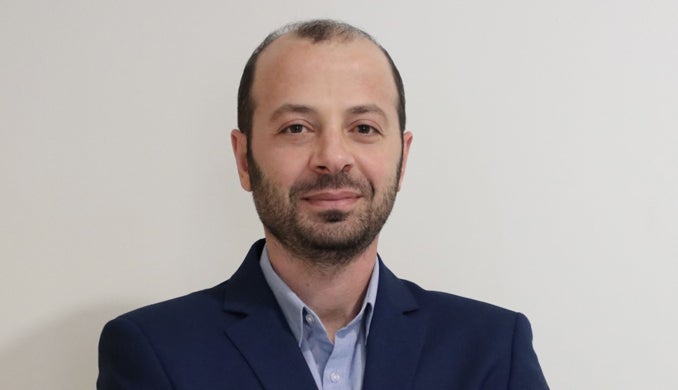
Commenting on the success of this year’s programs, Dr. Eyad Ahmad Masad, Vice President for Research, HBKU, said: “Our summer initiatives reflect HBKU’s vision of impact-driven learning, where curiosity and collaboration thrive. Through these research experiences, students gain skills for future success while advancing Qatar’s knowledge economy and contributing to the global research community.”
The summer activities served as a dynamic platform for developing the next generation of scholars, researchers and innovators who will drive meaningful change and address critical challenges facing Qatar and the world.
Share:
Related News