 Apply Now


While AI has undoubtedly enhanced efficiency in translation, the technology still lacks the ability to work with complex, sensitive, or culturally nuanced content.
Share:
Related News




Can AI Write Like Hemingway? The Struggles and Successes of GPT-4’s Literary Mimicry

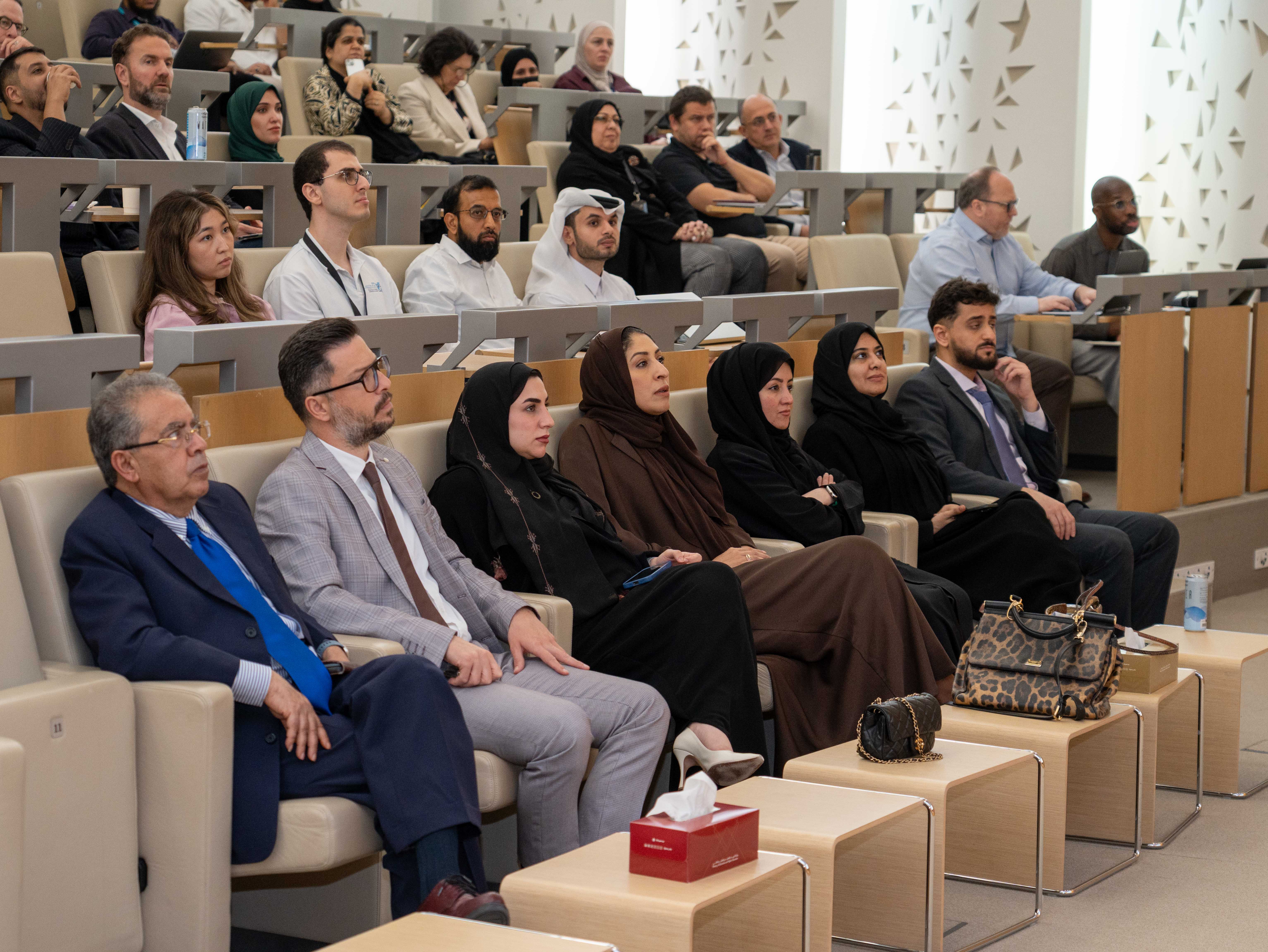
Hamad Bin Khalifa University’s (HBKU) Office of Innovation and Industrial Relations (OIIR) concluded the first phase of its MIJHAR Program with an information and feedback session for members of the 11 participating projects.
Share:
Quantum Machine Learning for Internet of Things Systems
The Internet of Things (IoT) is central to the digital transformation of modern infrastructure, enabling intelligent environments across various sectors, including healthcare, industry, agriculture, and smart cities. However, as IoT networks continue to scale in size and complexity, they face several critical challenges. These include the need for real-time processing of high-dimensional, heterogeneous sensor data; maintaining energy efficiency in resource-constrained edge devices; ensuring robust performance in the presence of noise, communication failures, and environmental disturbances; and safeguarding data integrity against increasingly sophisticated cyber threats. Traditional machine learning models often fall short in addressing these demands due to inherent limitations in scalability, adaptability, and resilience under uncertain or adversarial conditions.
This project proposes the integration of quantum machine learning (QML) and hybrid quantum-classical approaches to address these limitations. It explores the use of quantum neural networks for real-time anomaly detection in sensor data streams, variational quantum circuits for energy-aware device coordination and task scheduling, and quantum-inspired reinforcement learning for adaptive resource management in decentralized Internet of Things (IoT) systems. To enhance data diversity and model training, quantum generative models will support simulation and augmentation, while federated learning frameworks incorporating quantum machine learning (QML) will preserve data privacy across distributed devices. Furthermore, the project evaluates the robustness of QML models under practical quantum noise scenarios, ensuring their reliability on current Noisy Intermediate-Scale Quantum (NISQ) hardware.
Together, these quantum-enhanced techniques aim to significantly improve the scalability, adaptability, and trustworthiness of next-generation IoT infrastructures, delivering greater energy efficiency, resilience, and built-in security.
Funding



Publications
Dastagir, M. B. A., Tariq, O., Mumtaz, S., Al-Kuwari, S., & Farouk, A. (2025). Quantum-Inspired Reinforcement Learning for Secure and Sustainable AIoT-Driven Supply Chain Systems. IEEE Internet of Things Journal, 1.
Adil, M., Ali, A., Tin, T. T., Abulkasim, N., Farouk, A., Al-Kuwari, S., Song, H., & Jin, Z. (2025). Quantum Computing and the future of healthcare Internet of Things security: Challenges and opportunities. IEEE Internet of Things Journal, 1.
Riaz, M. Z., Behera, B. K., Mumtaz, S., Al-Kuwari, S., & Farouk, A. (2025). Quantum Machine Learning for Energy-Efficient 5G-Enabled IOMT healthcare Systems: Enhancing data security and processing. IEEE Internet of Things Journal, 1.
Dave, N., Innan, N., Behera, B. K., Mumtaz, S., Al-Kuwari, S., & Farouk, A. (2025). Optimizing Low-Energy Carbon IIOT systems with quantum algorithms: performance evaluation and noise robustness. IEEE Internet of Things Journal, 1.
Farouk, A., Al-Kuwari, S., Abulkasim, H., Mumtaz, S., Adil, M., & Song, H. (2024). Quantum Computing: A Tool for Zero-trust Wireless Networks. IEEE Network, 1.
Satpathy, S. K., Vibhu, V., Behera, B. K., Al-Kuwari, S., Mumtaz, S., & Farouk, A. (2024). Analysis of quantum machine learning algorithms in noisy channels for classification tasks in the IoT extreme Environment. IEEE Internet of Things Journal, 11(3), 3840–3852.

Carnegie Mellon University in Qatar’s (CMU-Q) campus was the location for a public talk organized by Qatar Computing Research Institute (QCRI) on the current state and future trajectory of Artificial General Intelligence (AGI).
Share:
Related News
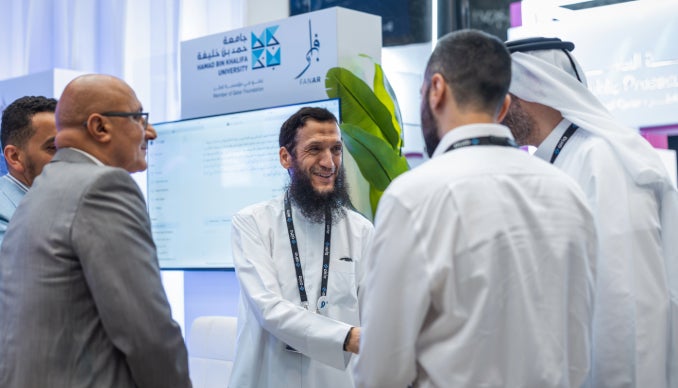
Hamad Bin Khalifa University Releases Enhanced Flagship Generative AI Platform

Hamad Bin Khalifa University Spotlights Innovation and Expertise at World Summit AI 2025
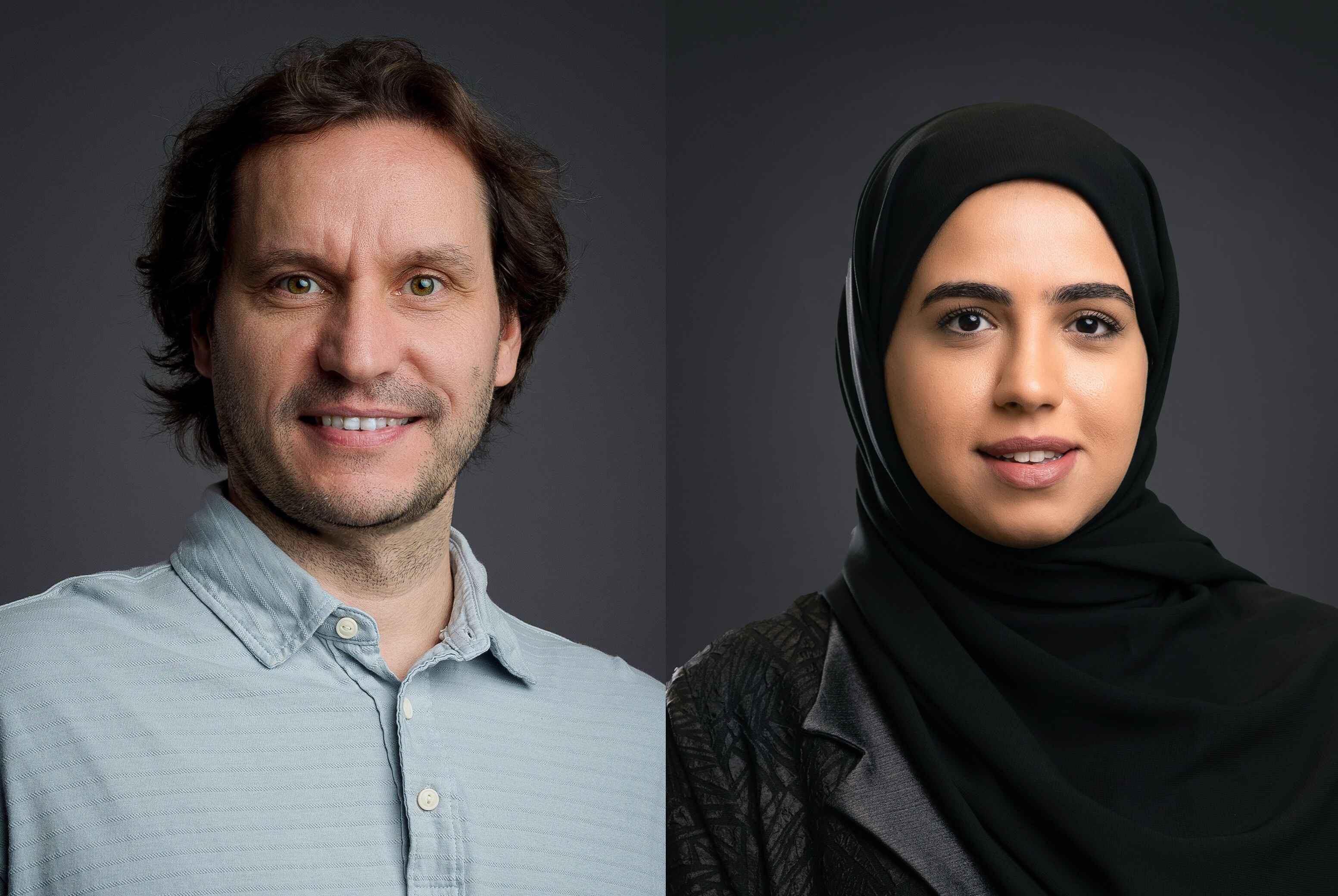
Research on AI and Satellite Imaging Accepted at 2025 Computer Vision and Pattern Recognition Conference
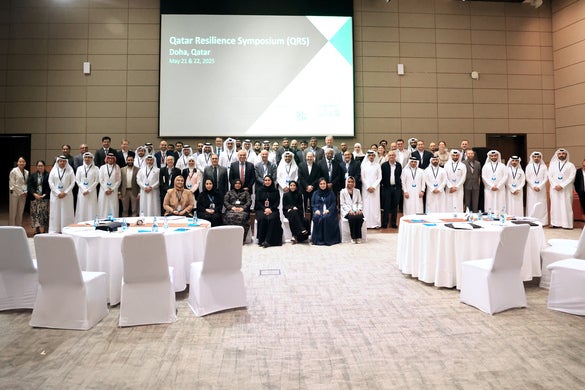
Education City’s Multaqa Building was the venue for the latest Qatar Resilience Symposium. Featuring over 150 participants from government, academia, industry, and civil society, the event sought to advance Qatar’s national resilience agenda in alignment with Qatar National Vision 2030 and the Third National Development Strategy (QNDS3).
Share:
Related News
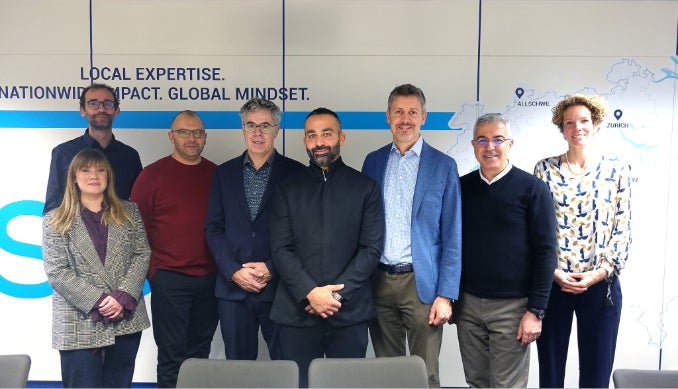
Qatar Environment and Energy Research Institute and the Swiss Technology Innovation Center Sign Agreement to Advance Solar Module Reliability in Harsh Climates

Rethinking Grid Resilience: Lessons from the Iberian Blackout for Power System Stability and the Clean Energy Transition
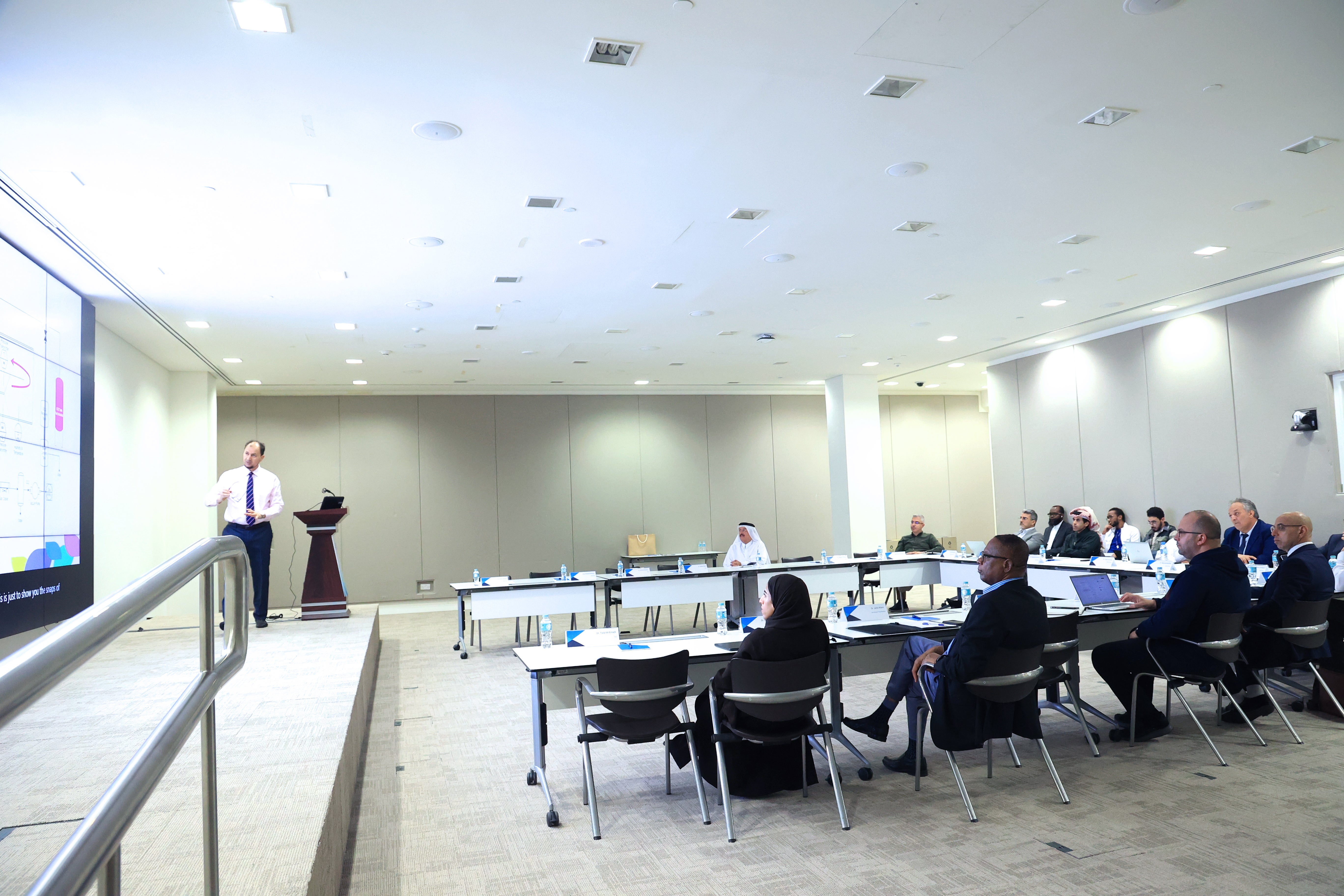
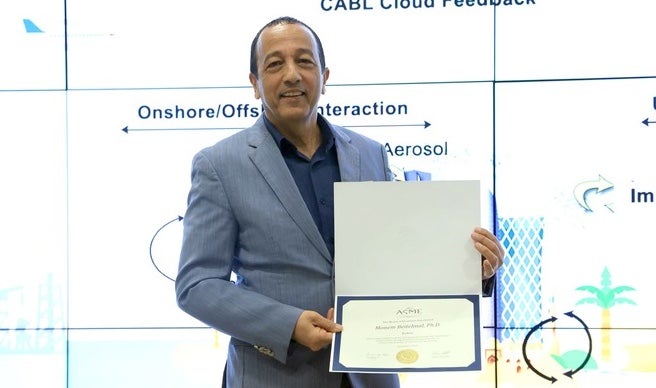
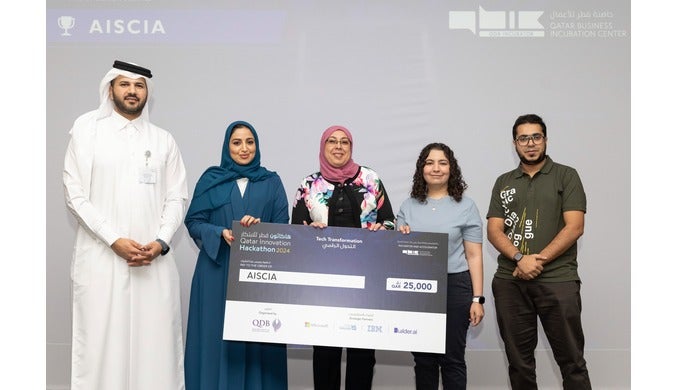
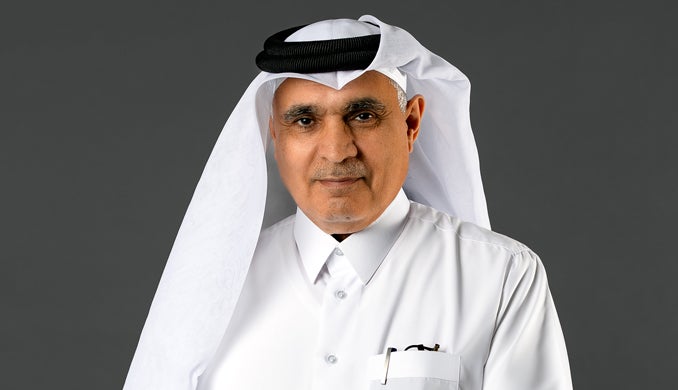
Today more than ever, the Arab world would benefit from its sharpest minds contributing to its development and future trajectory. An initiative inspired by Qatar Foundation (QF), the Arab Global Scholars (AGS) community sets out to achieve exactly that and lay the foundations for a positive future for all Arabs. It is spearheaded by Hamad Bin Khalifa University (HBKU), QF’s home-grown research university.
Share: