 Apply Now


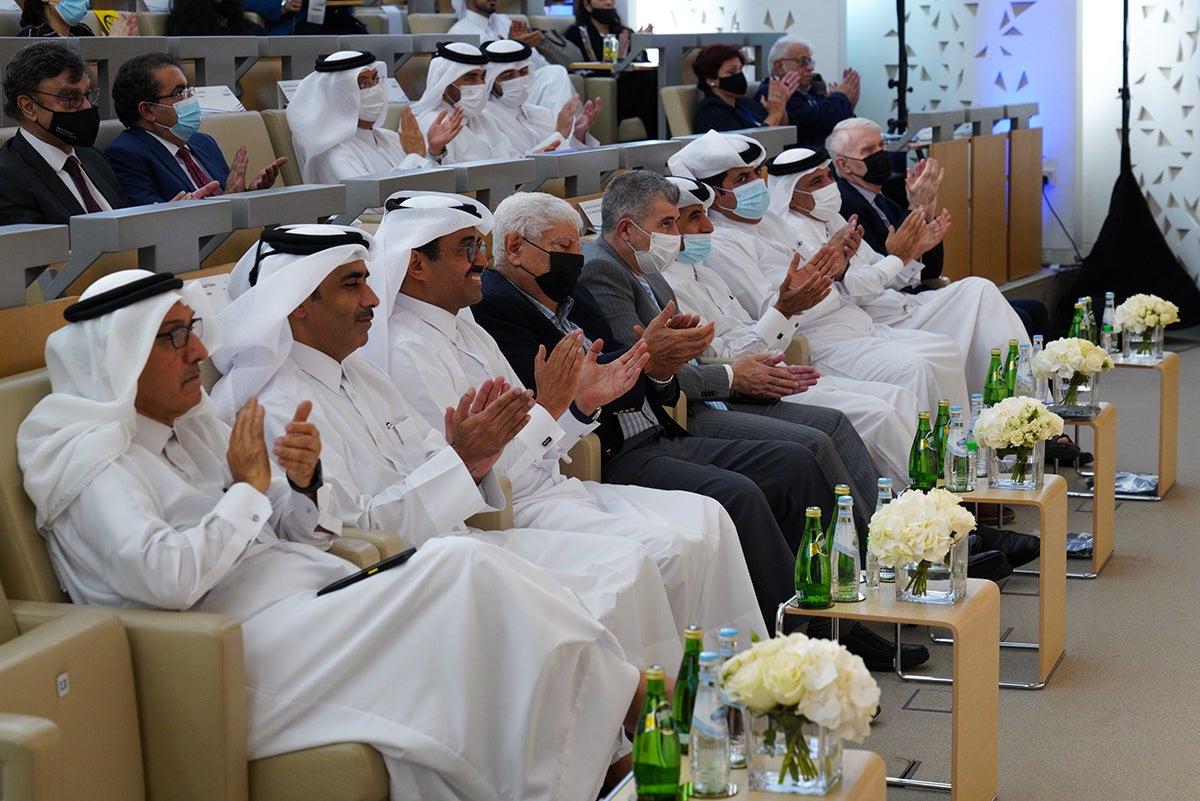
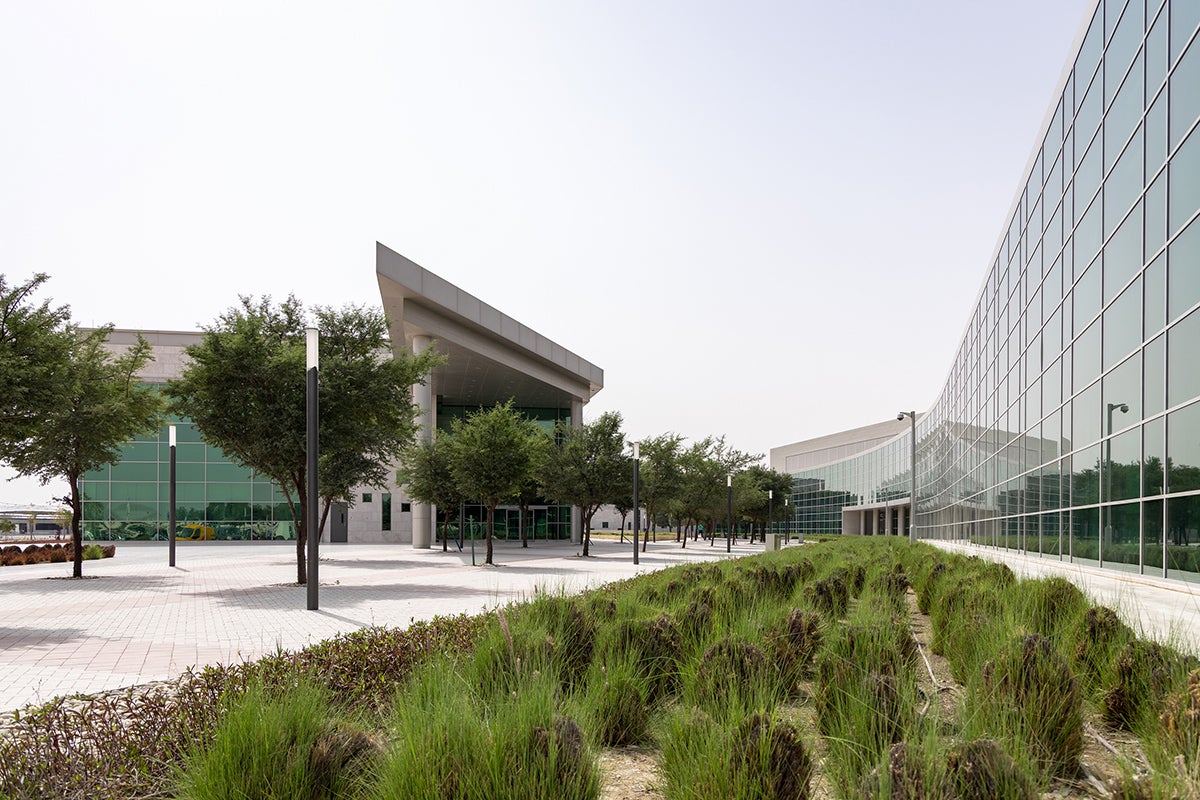
This year, Qatar Environment and Energy Research Institute (QEERI), part of Hamad Bin Khalifa University (HBKU), is celebrating a decade since its establishment in 2011 as the national research institute supporting Qatar in addressing its grand challenges related to energy, water, and environment.
QEERI’s path-breaking multidisciplinary research initiatives have achieved milestones in the fields of energy, water, corrosion, and environment in arid regions - and advanced Qatar’s progress toward its national vision and sustainability goals.
Share:
Related News
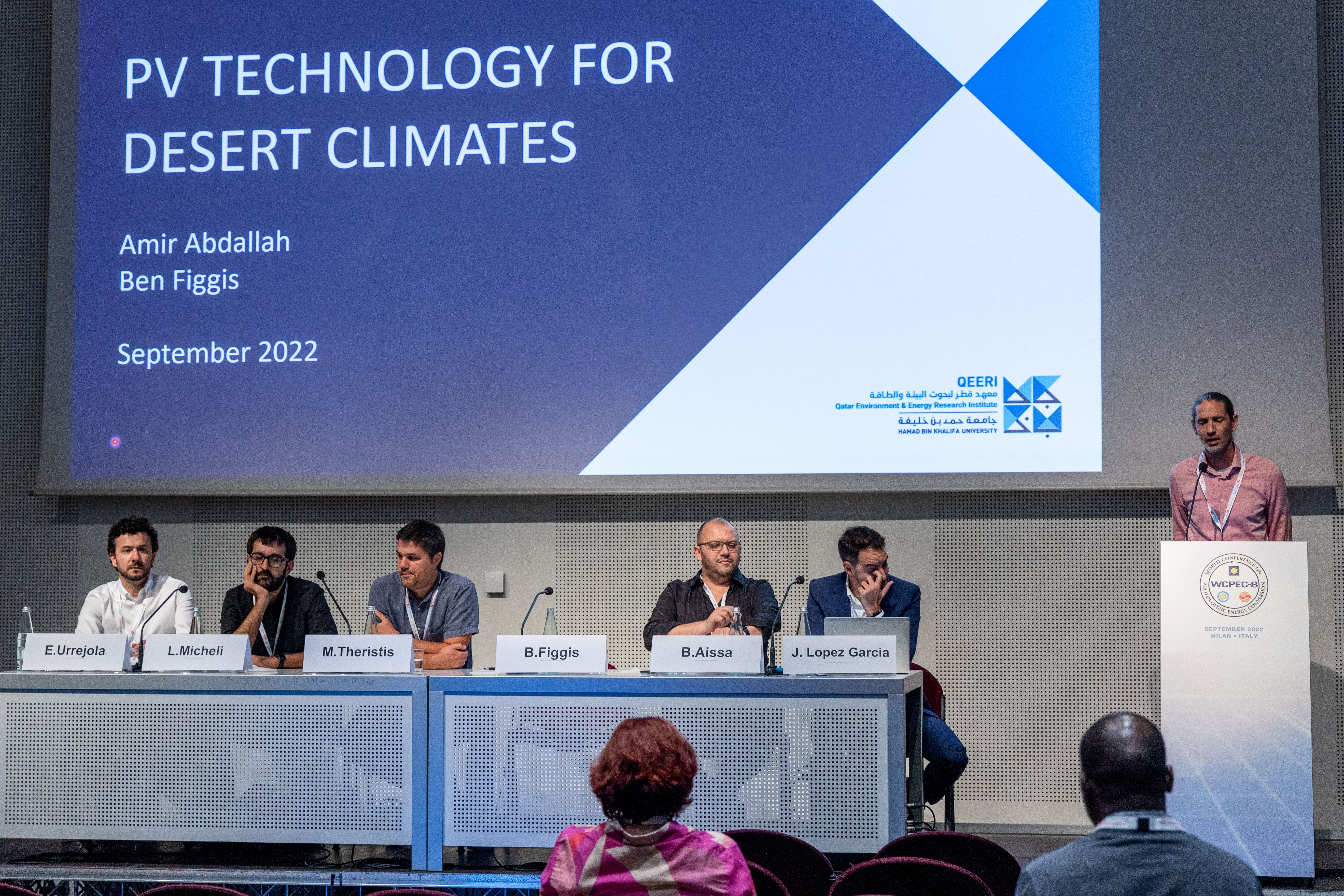
QEERI Presents Solar Energy Innovation at International Photovoltaic Conference

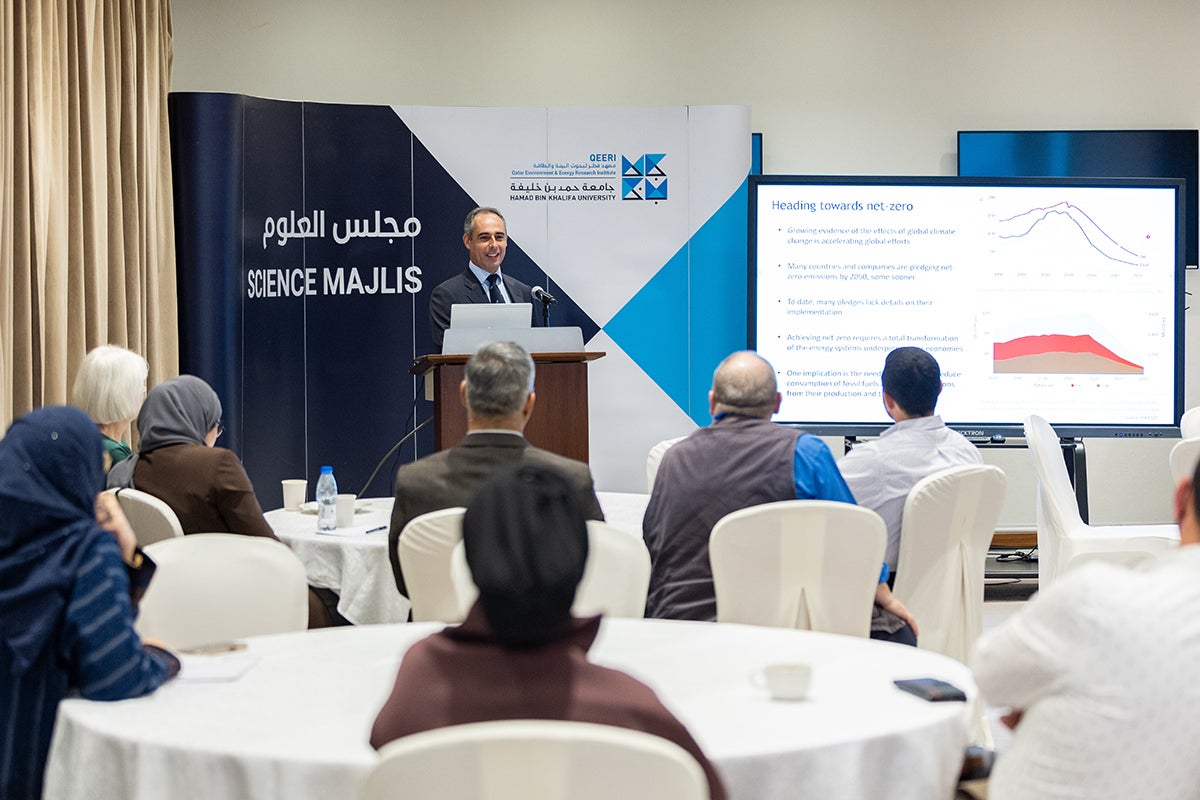
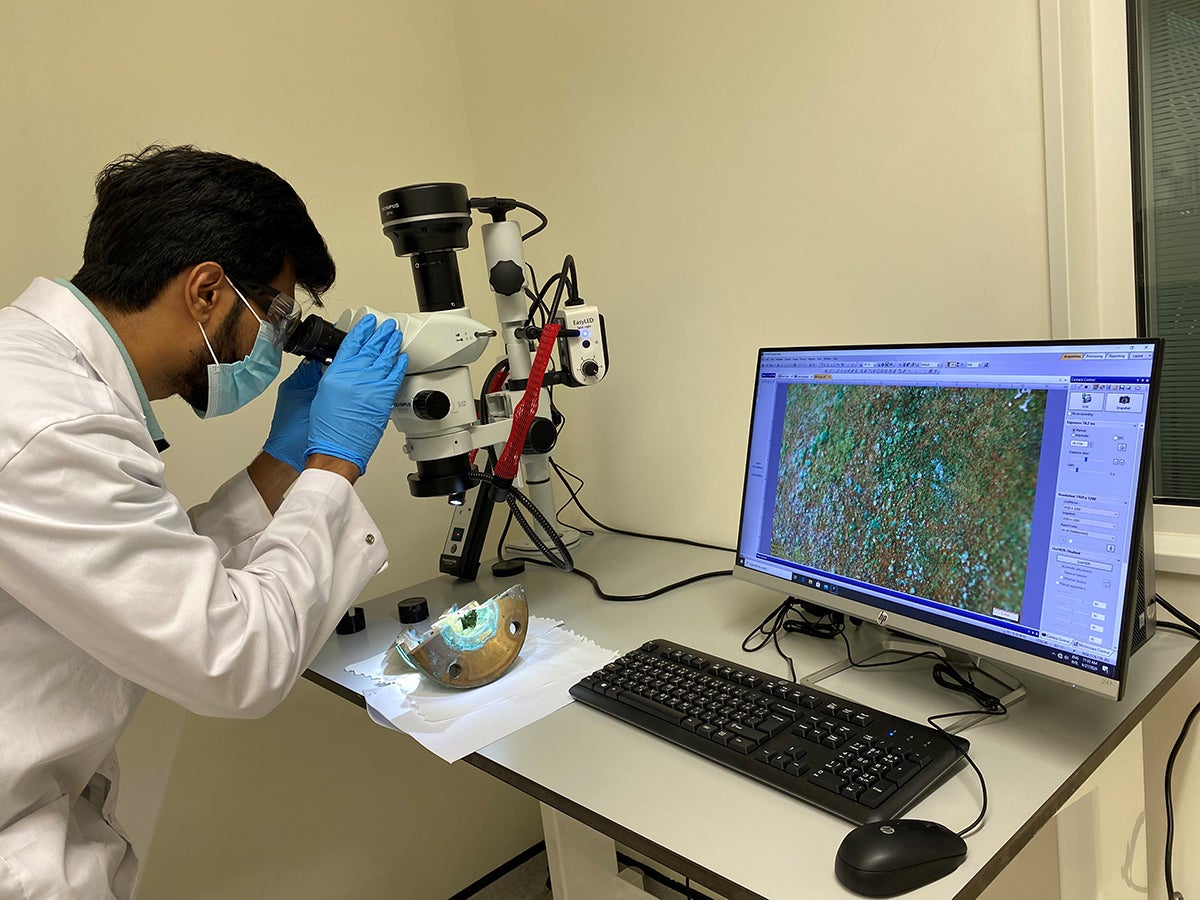
Tackling Corrosion Challenges: A Decade of Qatar Environment and Energy Research Institute
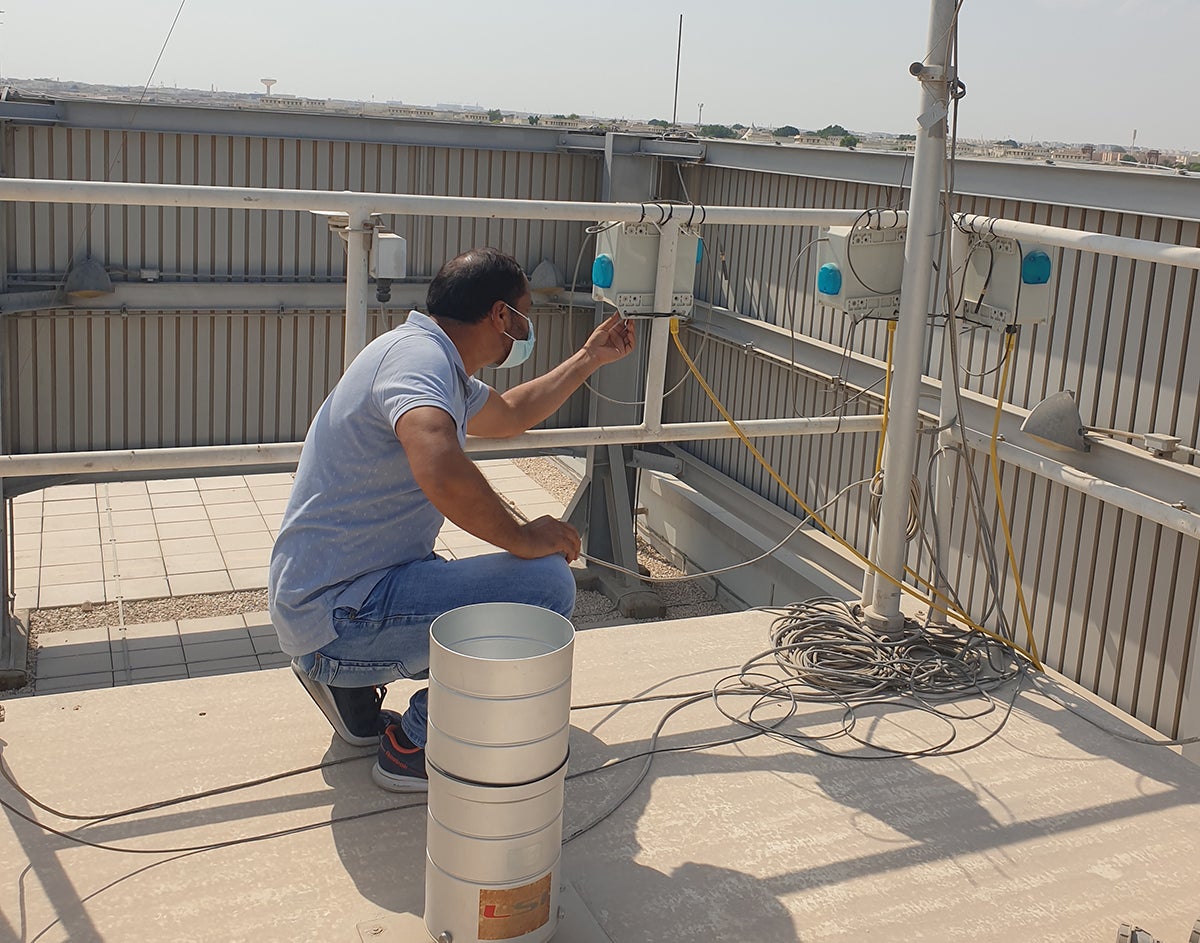
Scientific Research Raises Level of Urban Air Quality Management: A Decade of Qatar Environment and Energy Research Institute

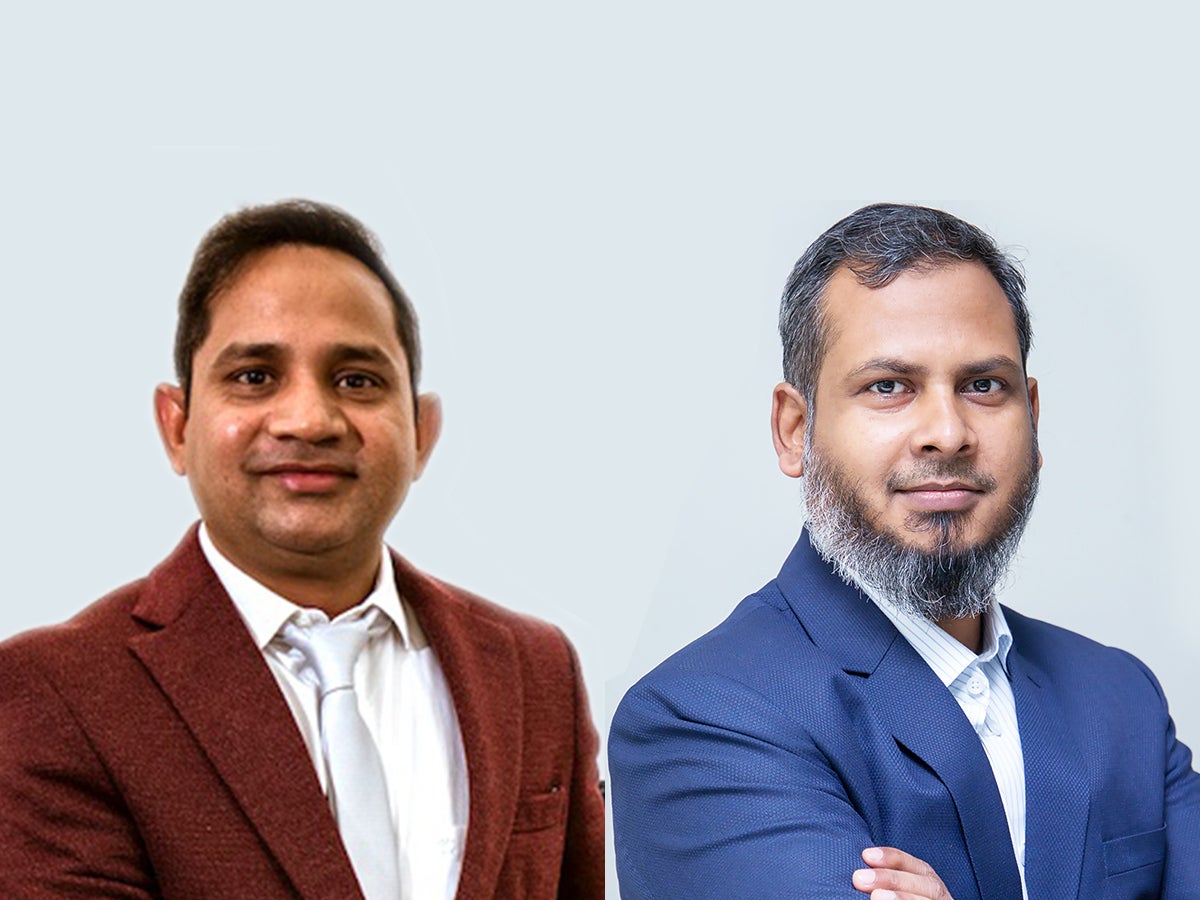
Two faculty members from the College of Health and Life Sciences (CHLS) at Hamad Bin Khalifa University (HBKU) have been invited to become members of the Royal Society of Biology (RSB), United Kingdom. Dr. Kabir H. Biswas and Dr. Mohammad Farhan, assistant professors at CHLS, join a diverse network of over 18,000 individual biologists, including Nobel Prize winners, and over 90 organizational members as new members of this leading international professional body in the biological sciences.
Share:
Related News
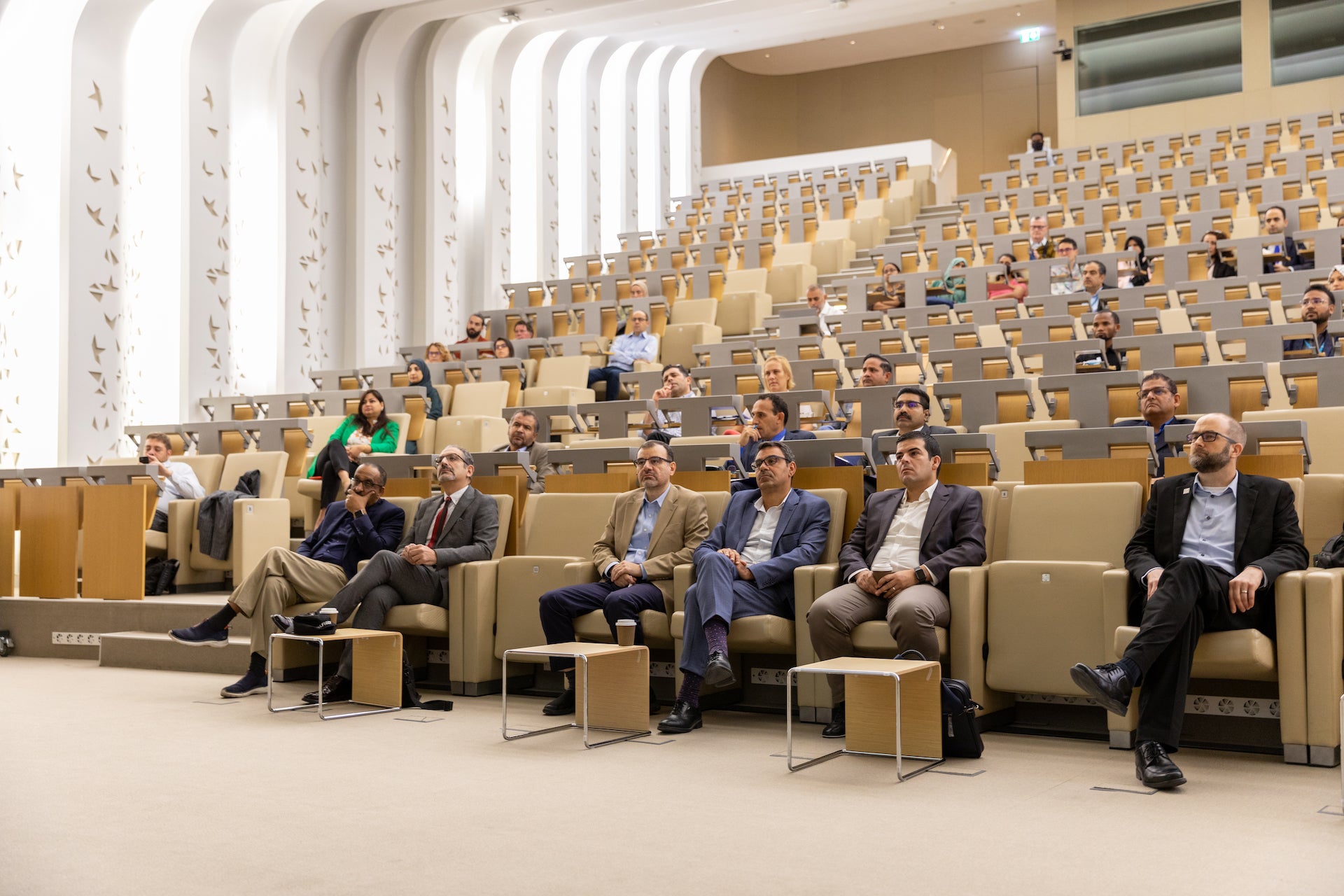
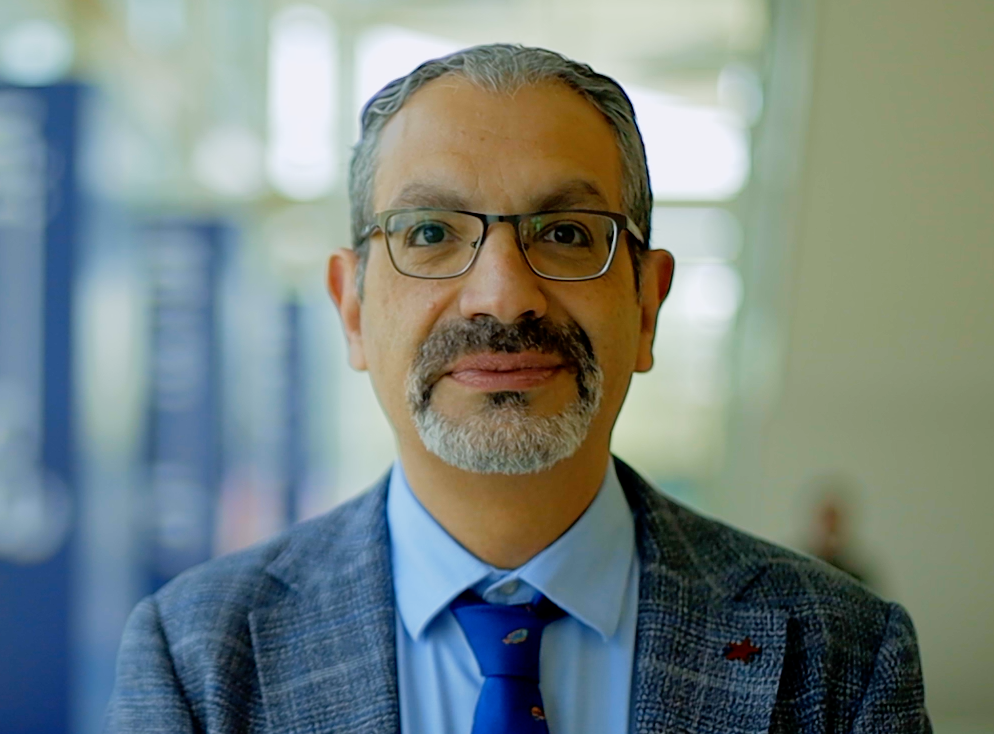
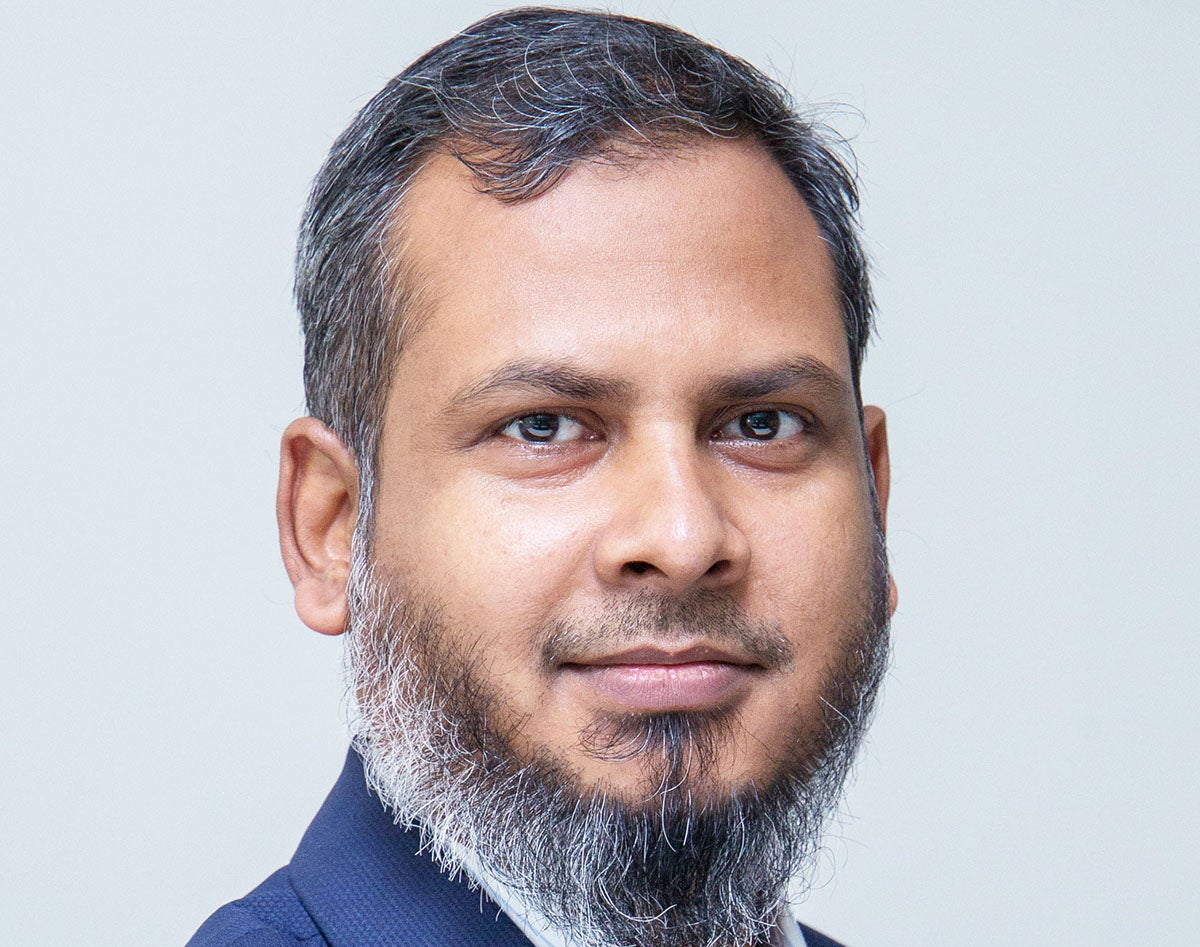


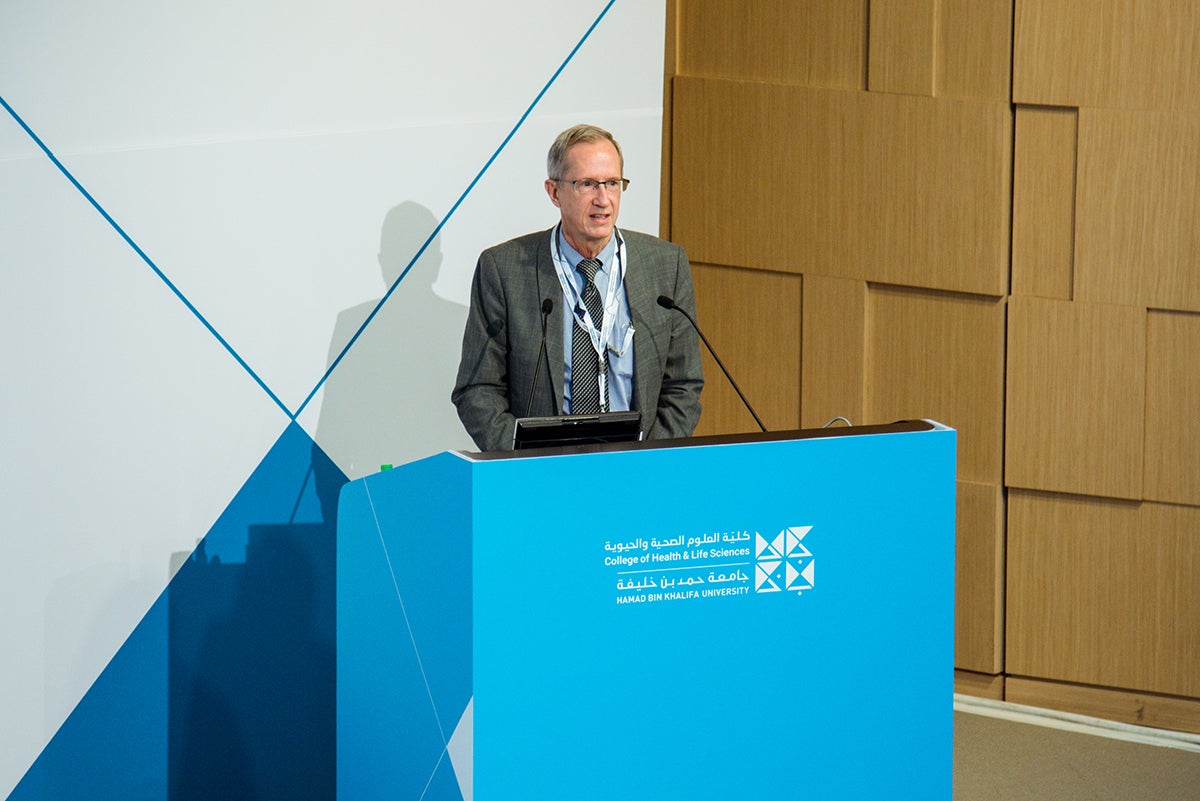

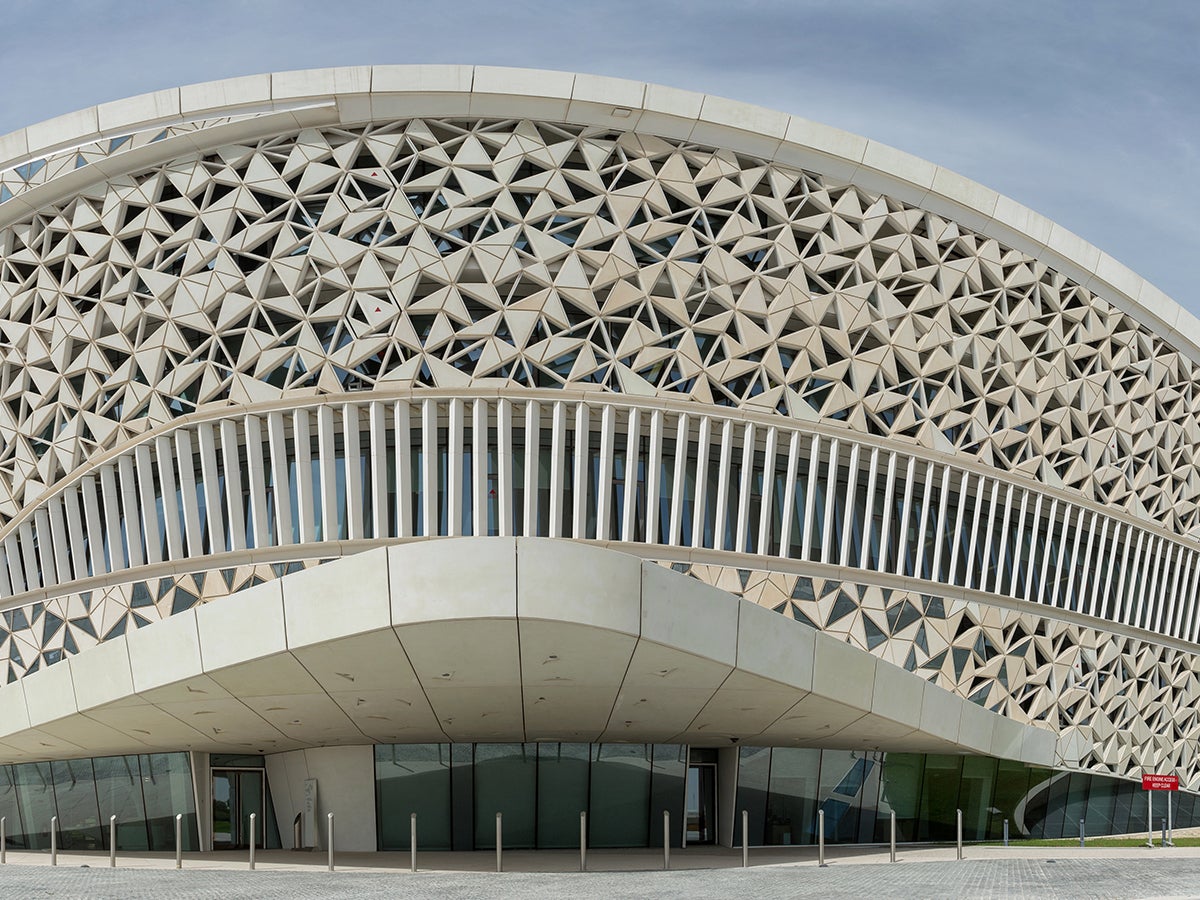
Education Above All (EAA) Foundation’s Reach Out To Asia (ROTA) program has launched a new initiative called ‘Think Global Act Local’, which partners with Qatar-based tertiary institutions to engage their students as active global citizens and empower them to be agents of positive change in their communities and beyond.
Marking the launch of the initiative, ROTA recently signed the first Collaboration Agreement with partner, Hamad Bin Khalifa University’s College of Public Policy (HBKU-CPP).
Share:
Related News

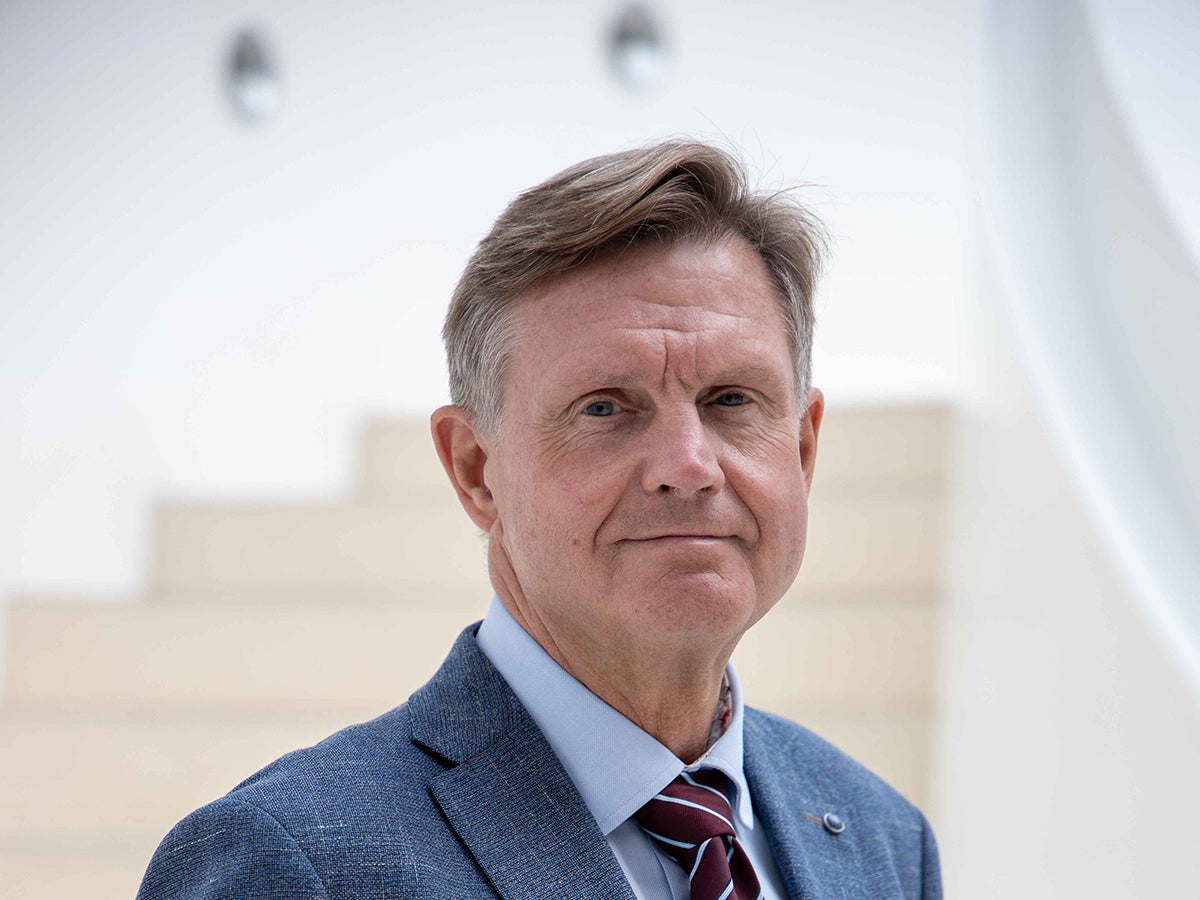
How important is it that students can finally return to the classroom and how has the college adapted during the pandemic?
Online teaching and learning can accomplish a lot, and in many circumstances is a useful and even indispensable channel for both professors and students. That said, particularly at the graduate level, it cannot be a long-term substitute for direct, in-class contact and discussion.
Share:
Related News

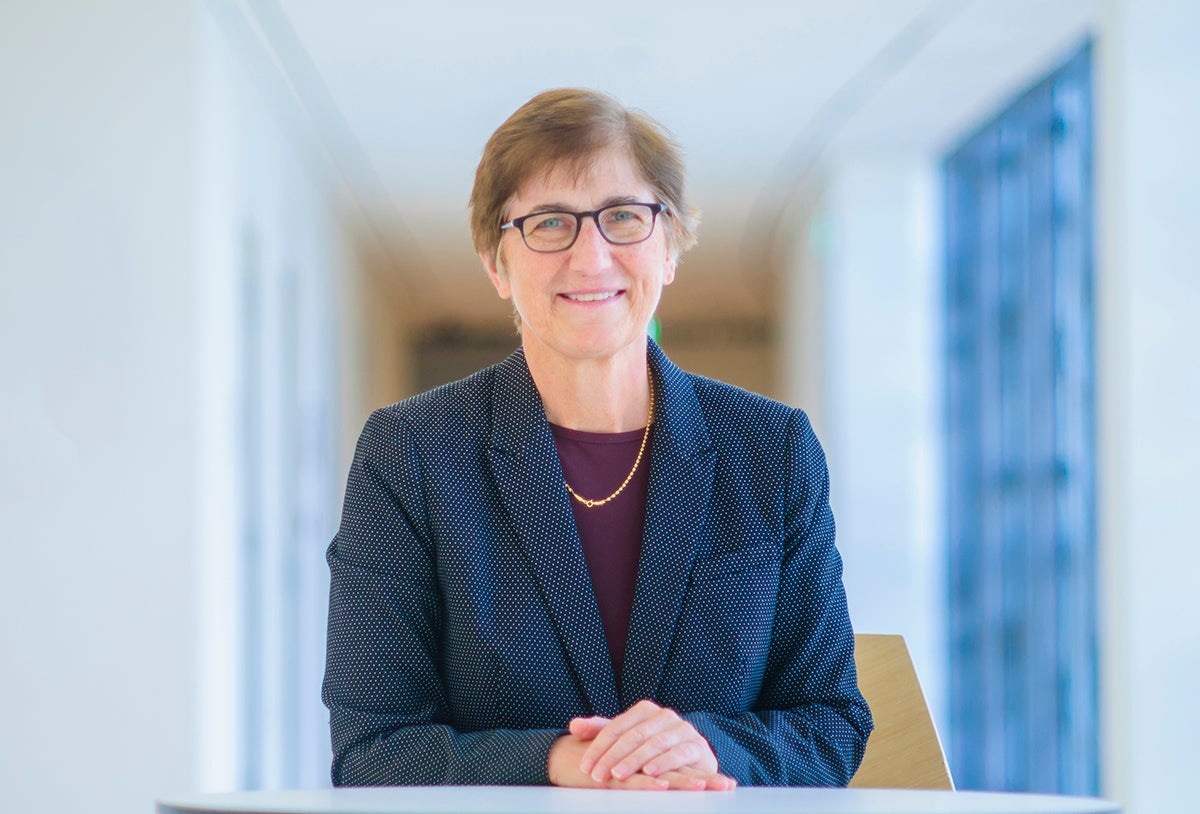
How important is it that students can finally return to the classroom and how has the college adapted during the pandemic?
Teaching law involves an intense interaction between faculty and students with the former asking students to apply recognized legal principles to complex factual situations and draw out new principles from that exercise as well as challenge existing legal norms. Face-to-face engagement is critical as it facilitates the interactive process. The ability to clarify and correct is easier in person than over the internet.
Share:
Related News
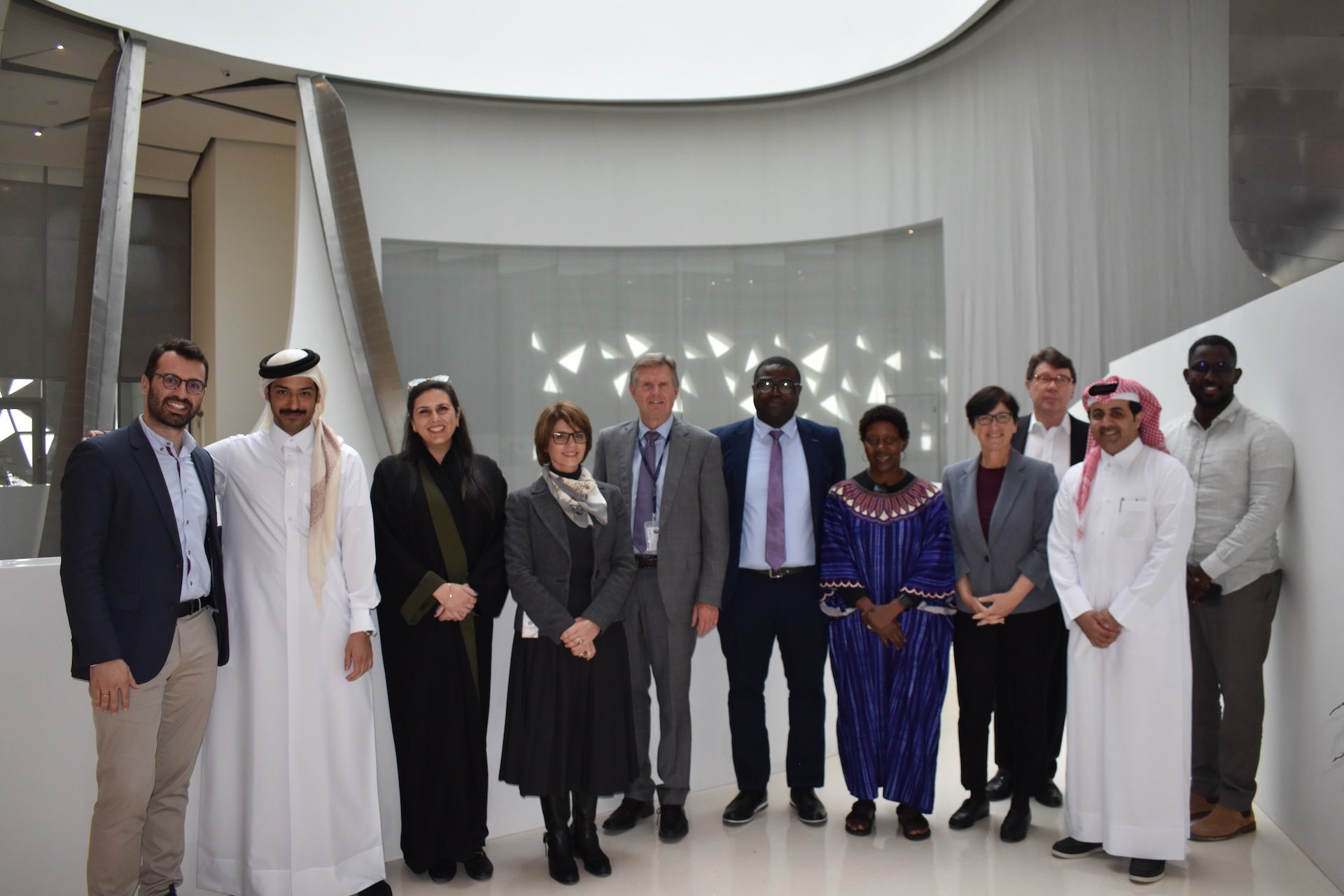
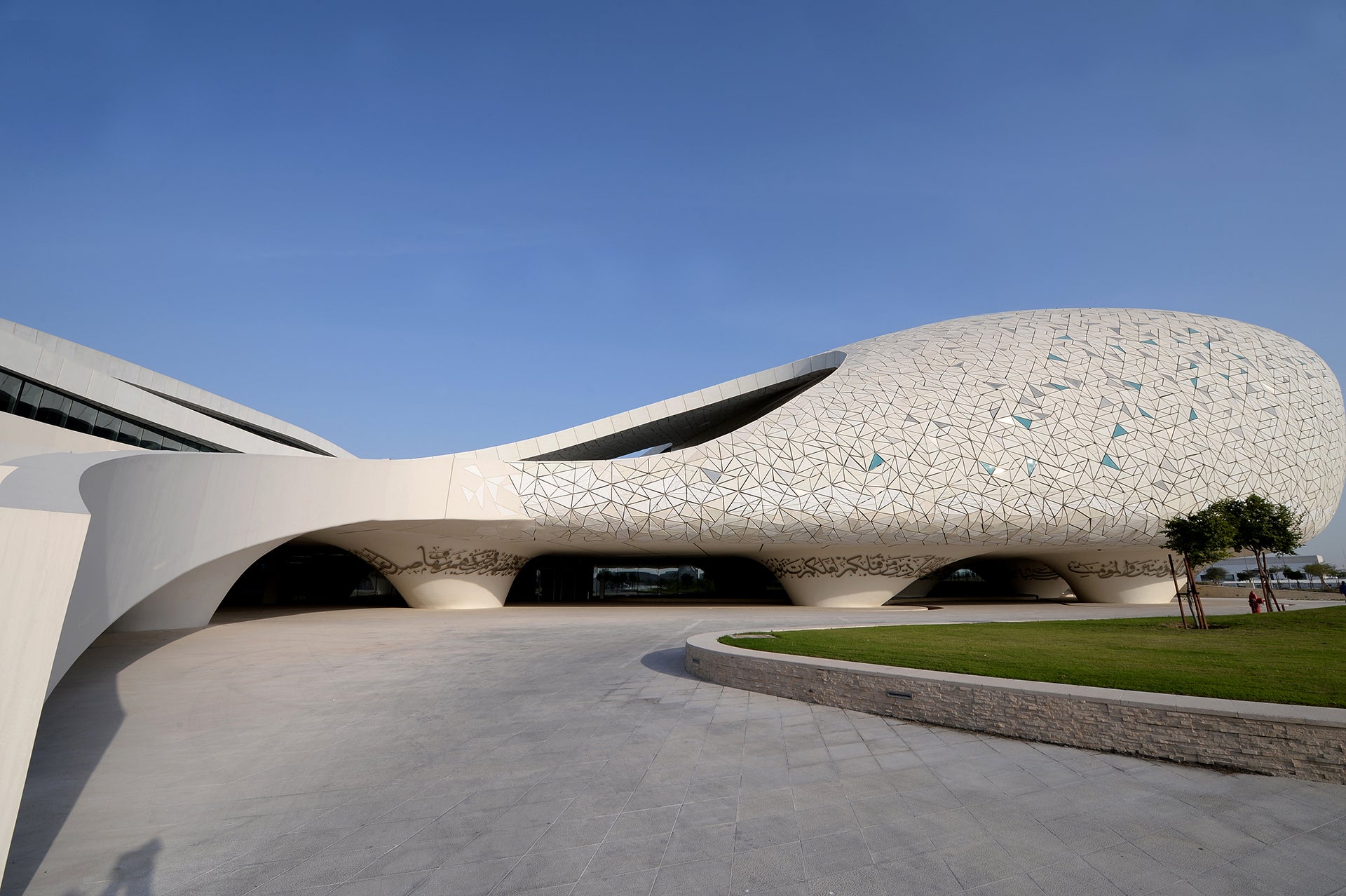

How important is it for students to return to classrooms and how has the college adapted to the pandemic?
The pandemic has completely changed the manner of educational delivery for the past two years, and there is no doubt that it has encouraged us to discover the rich possibilities for education through the strategic use of technology. Our faculty underwent extensive training which enabled our entire portfolio of programs to seamlessly transition to online synchronous and asynchronous learning.
Share:
Related News
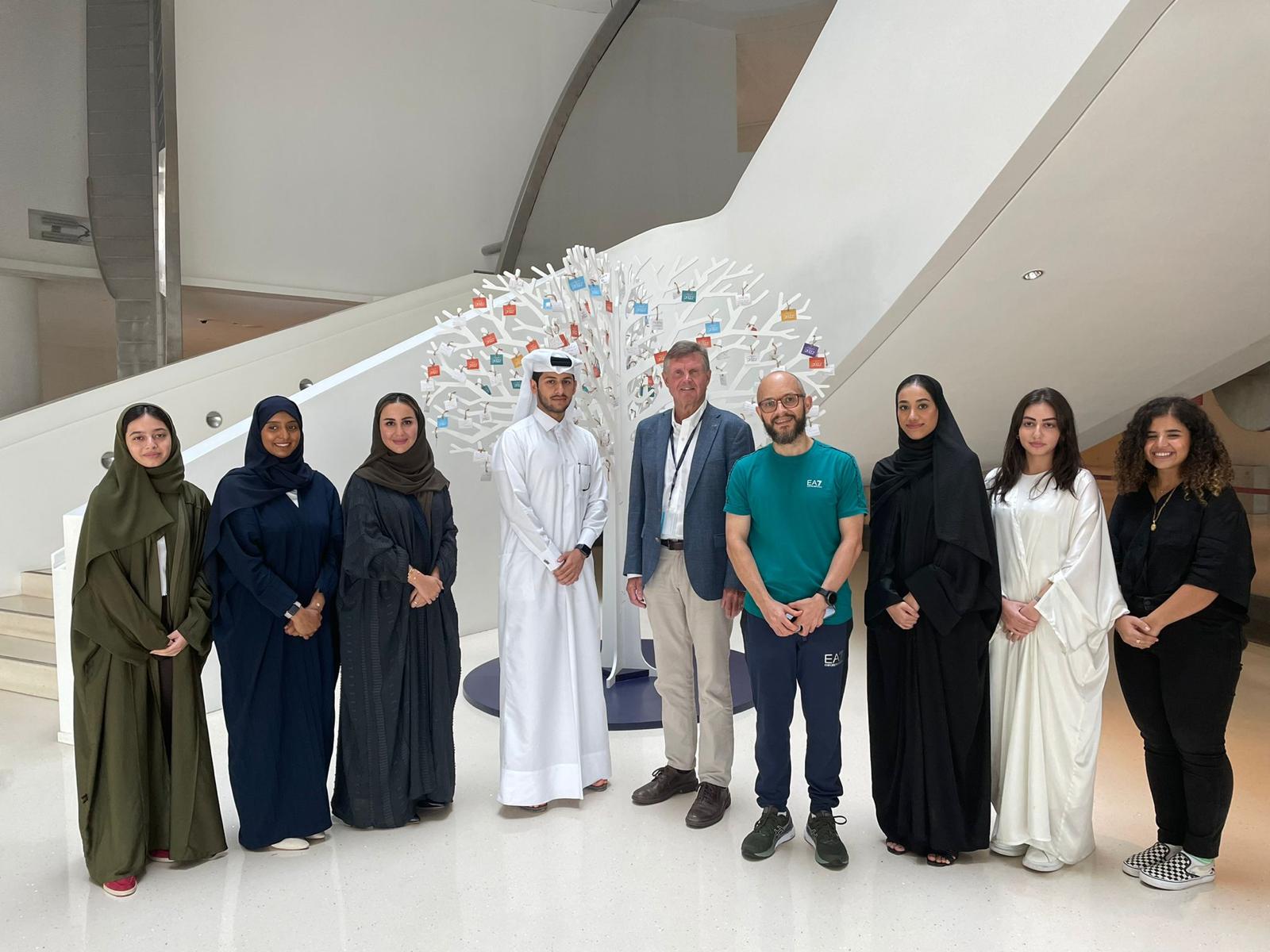
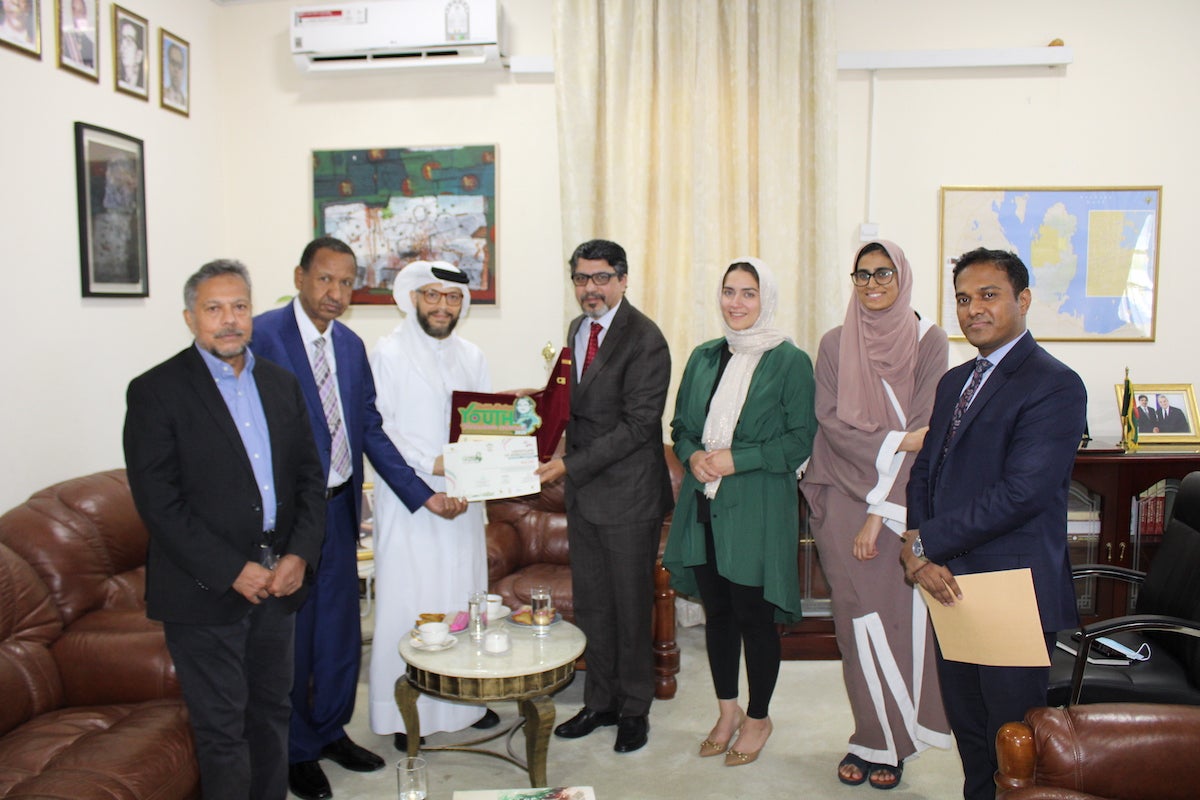
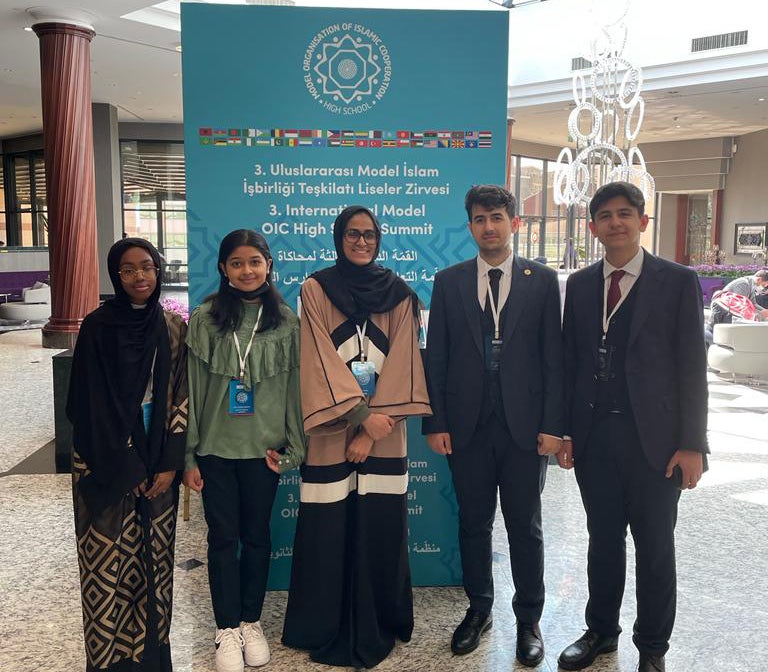
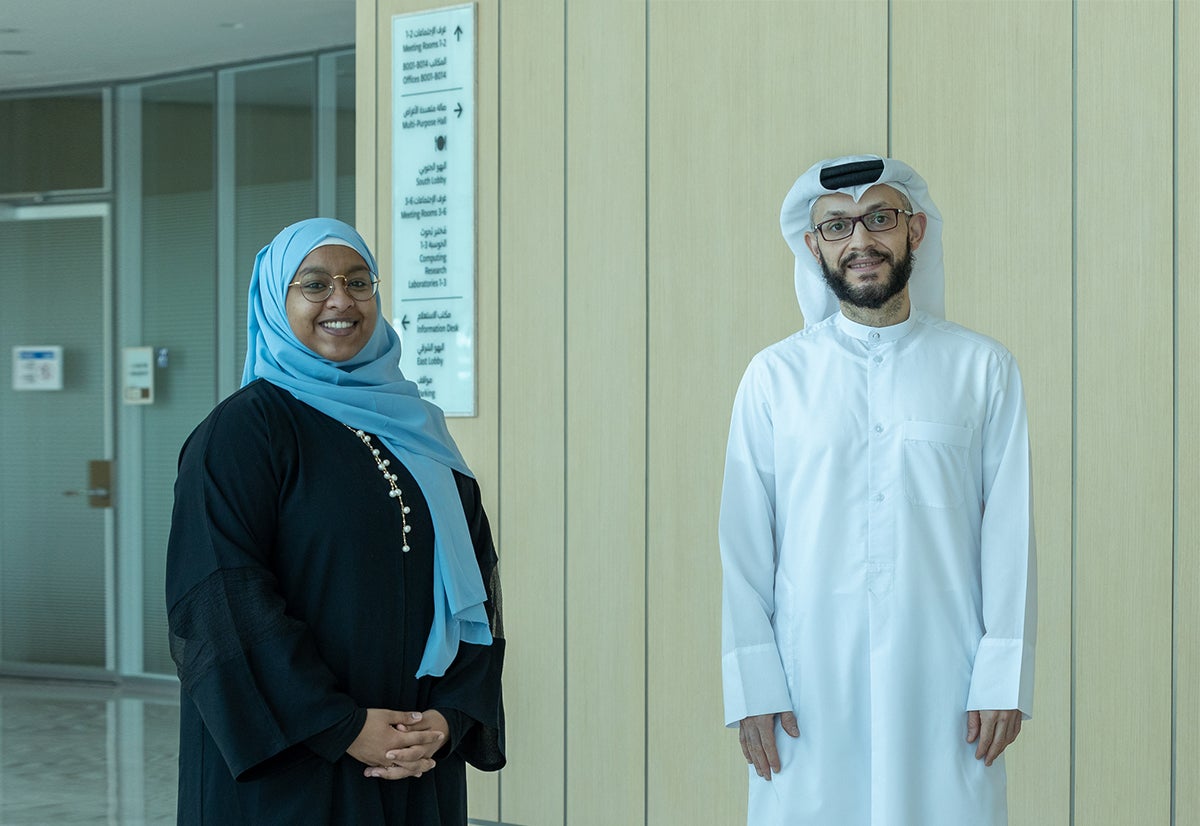

How did the college adapt during the pandemic last year and why is it important to return to the classroom
It is tremendously important and exciting to welcome students back to their lecture rooms after studying online the past academic year. Although online classes and teaching has its advantages, learning within a traditional classroom setting is essential. In-person interactions, and direct access to hi-tech resources, enrich the students’ journey within the college.
Share:
Related News
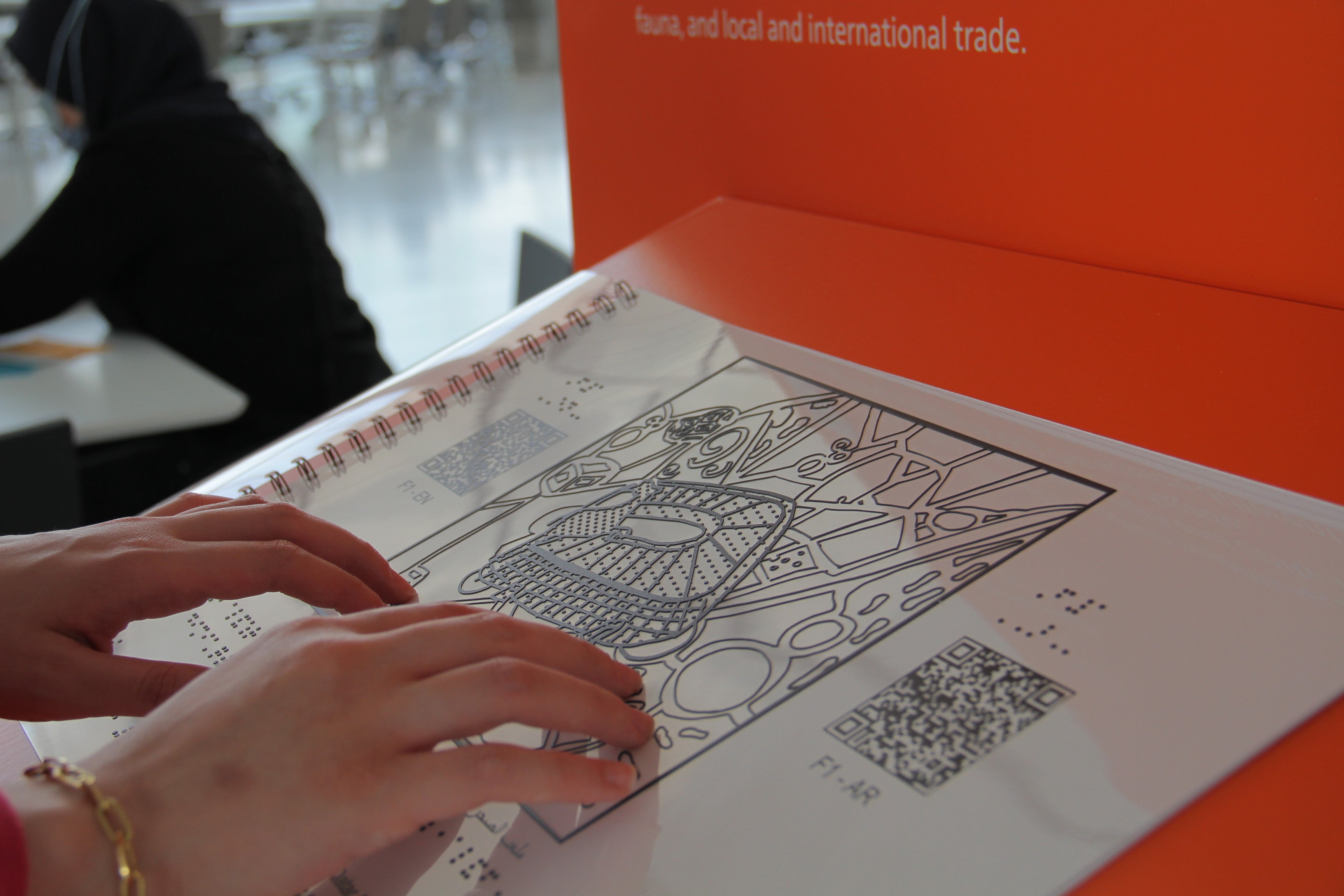
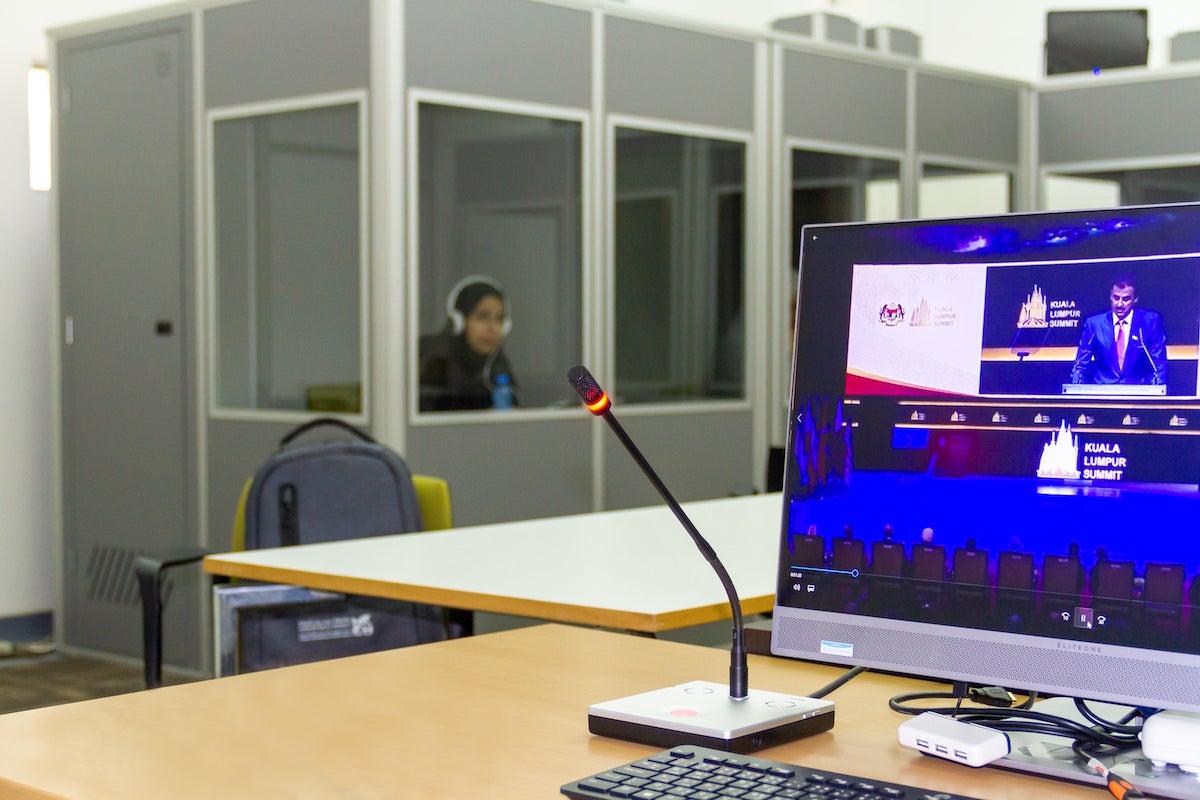
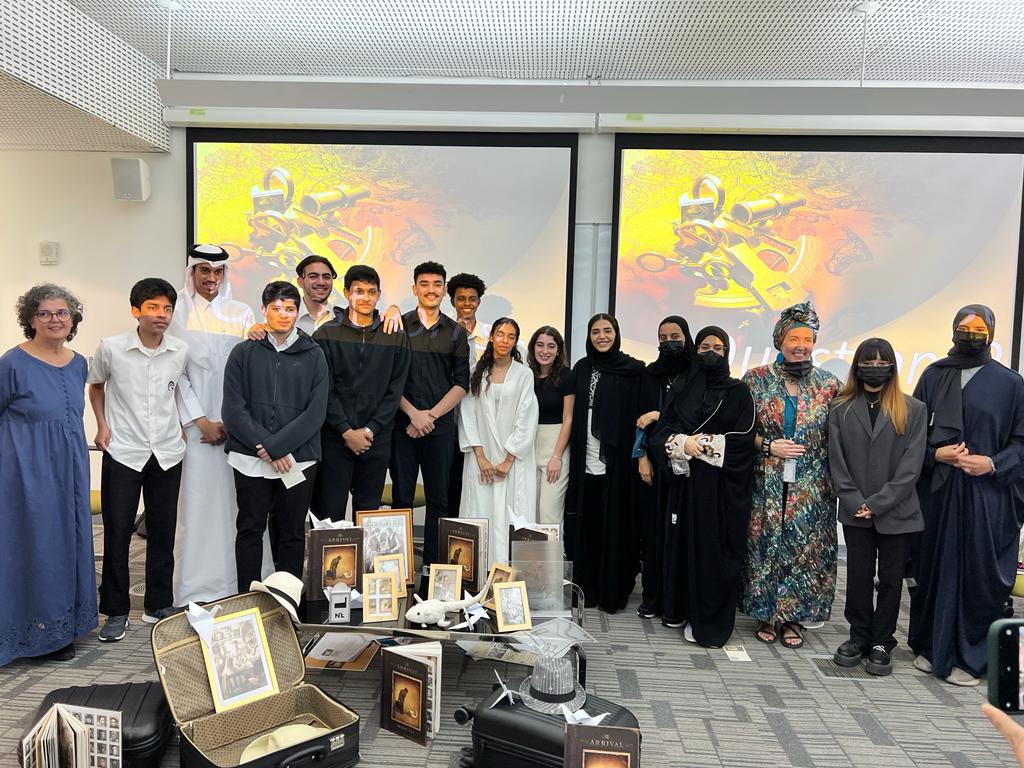


HBKU’s Translation and Interpreting Institute Acts as a Catalyst for Disability-Inclusive Change in Wider Society

How important is it that students can finally return to the classroom and how has the college adapted during the pandemic?
There is great enthusiasm among the faculty and students for a return to face-to-face didactic instruction within the HBKU infrastructure. Social and in-person interactions that occur in a classroom learning environment often stimulate critical thinking, appreciation of a diversity of perspectives and inspire innovative and collaborative efforts.
Share:
Related News

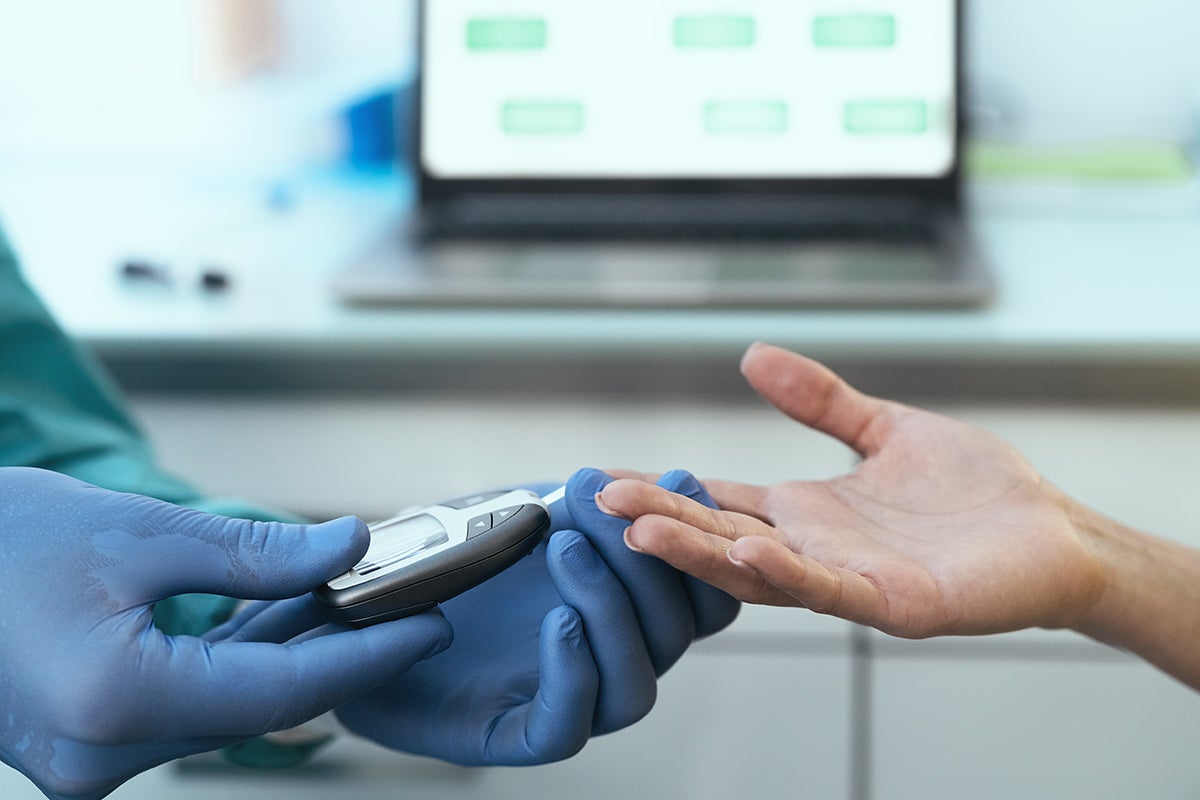
Diabetes continues to be a global burden, affecting over 450 million people worldwide and is associated with chronic health impairment and premature mortality in adults. The Diabetes Research Center (DRC) at the Qatar Biomedical Research Institute (QBRI) supports the Qatar national strategy in diabetes research in pursuing translational and innovative basic research to develop novel biomarkers and therapies for diabetes and its vascular complications and comorbidities. Dr.
Share:
Related News

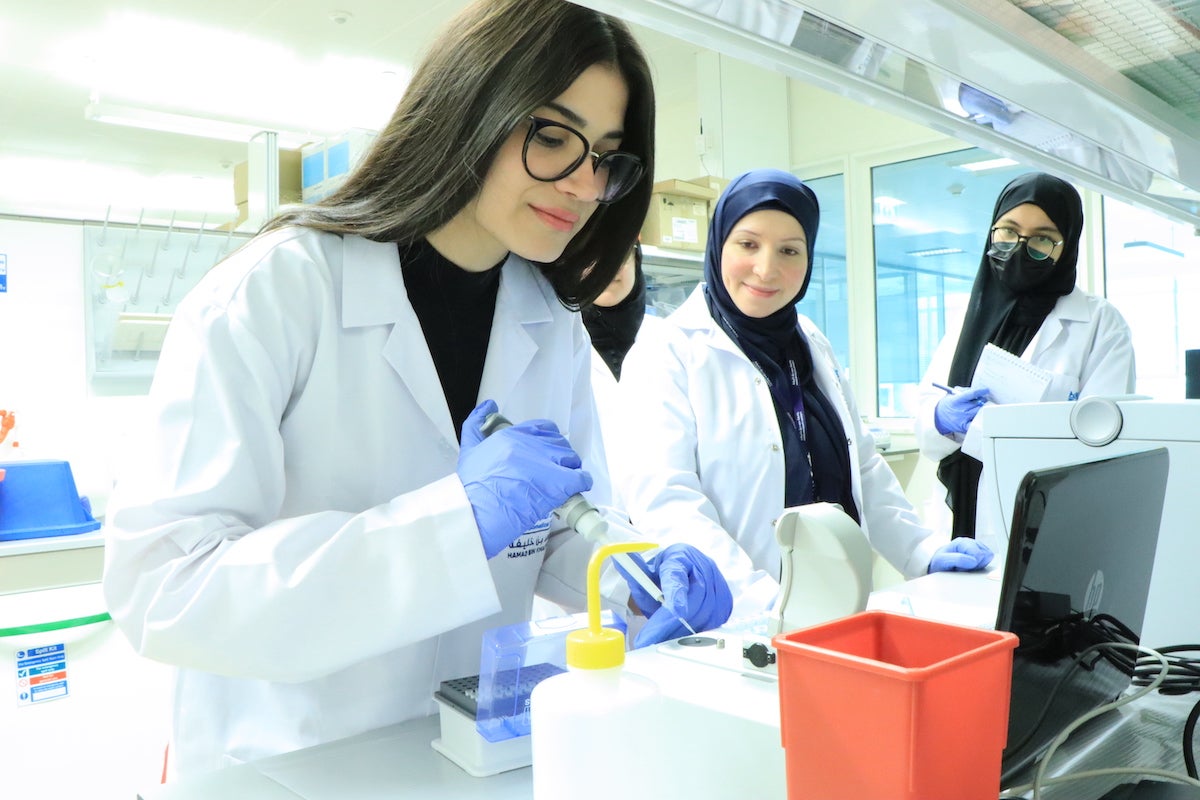

QBRI Insights: Medical Problems and Comorbid Conditions Associated with Autism


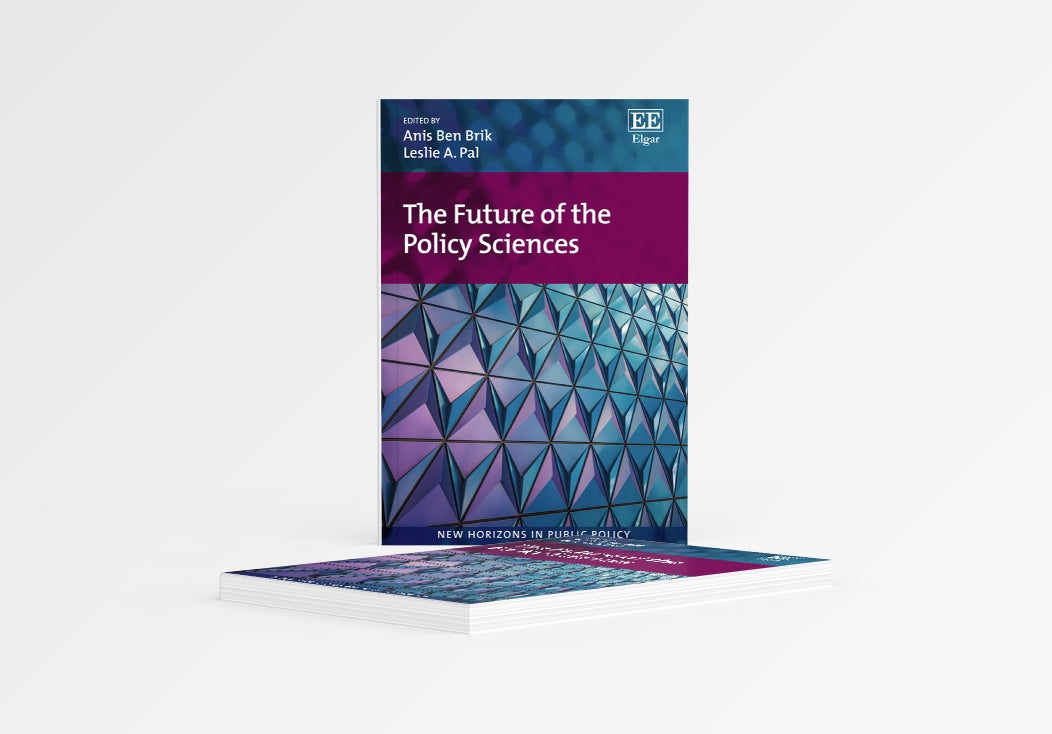
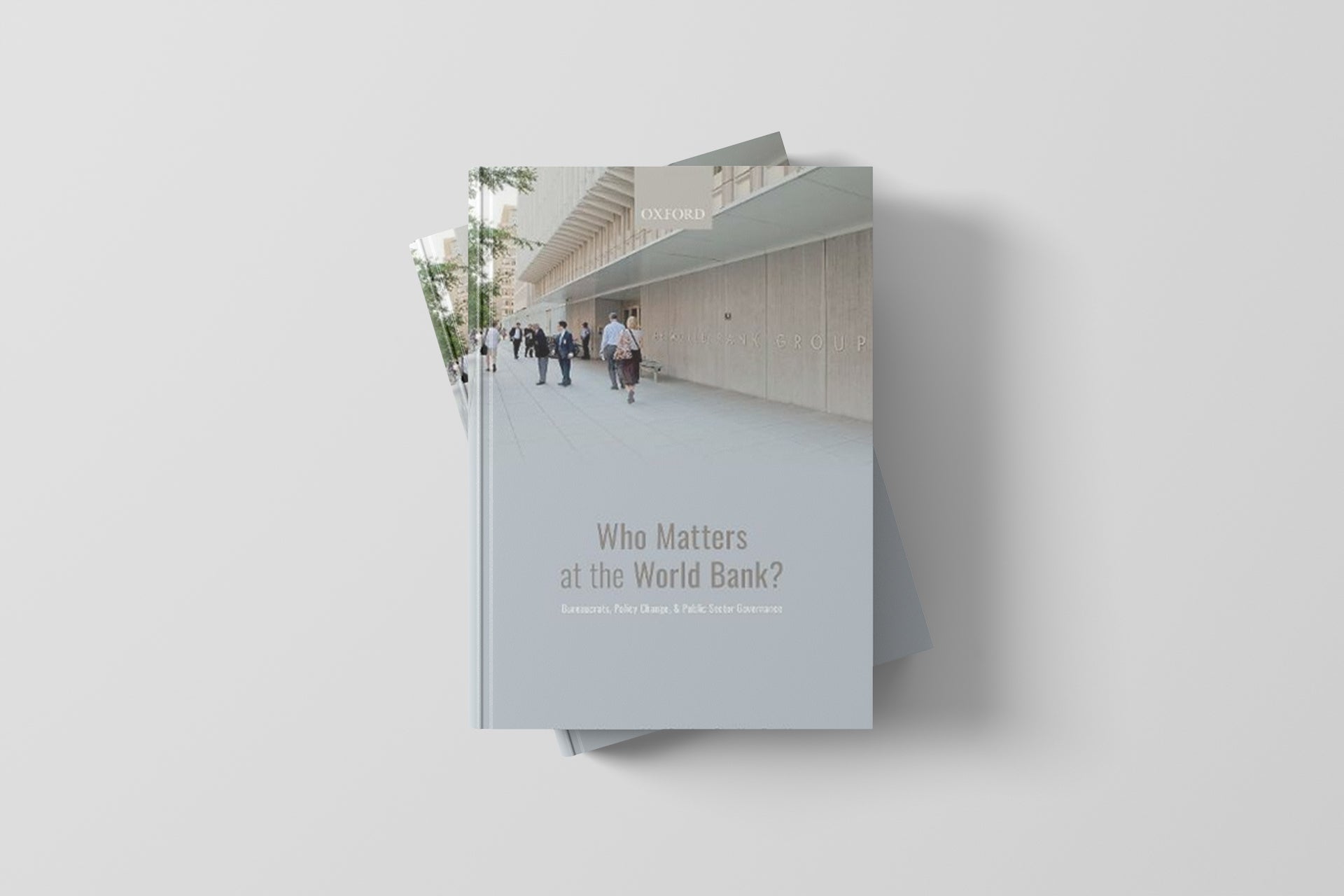
Public policy and its theories, methods, and applications – especially in the wake of the COVID-19 pandemic – is put under the spotlight in a comprehensive and critically acclaimed new book co-edited by two leading academics at the College of Public Policy (CPP).
Dr. Leslie A. Pal, founding dean of CPP, and Dr. Anis Ben Brik, associate professor, co-edited and contributed to the latest work in the popular New Horizons in Public Policy series. Dr. Andreas Rechkemmer, professor at CPP, also contributed a key chapter on global sustainability and climate change.
Share: