
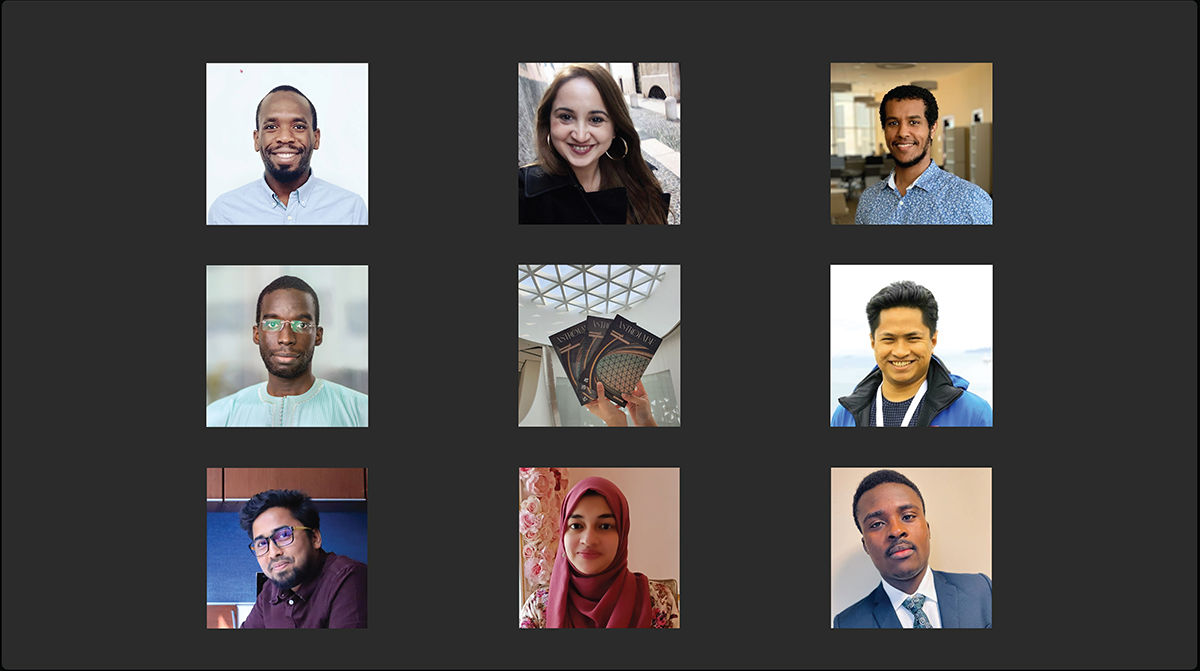
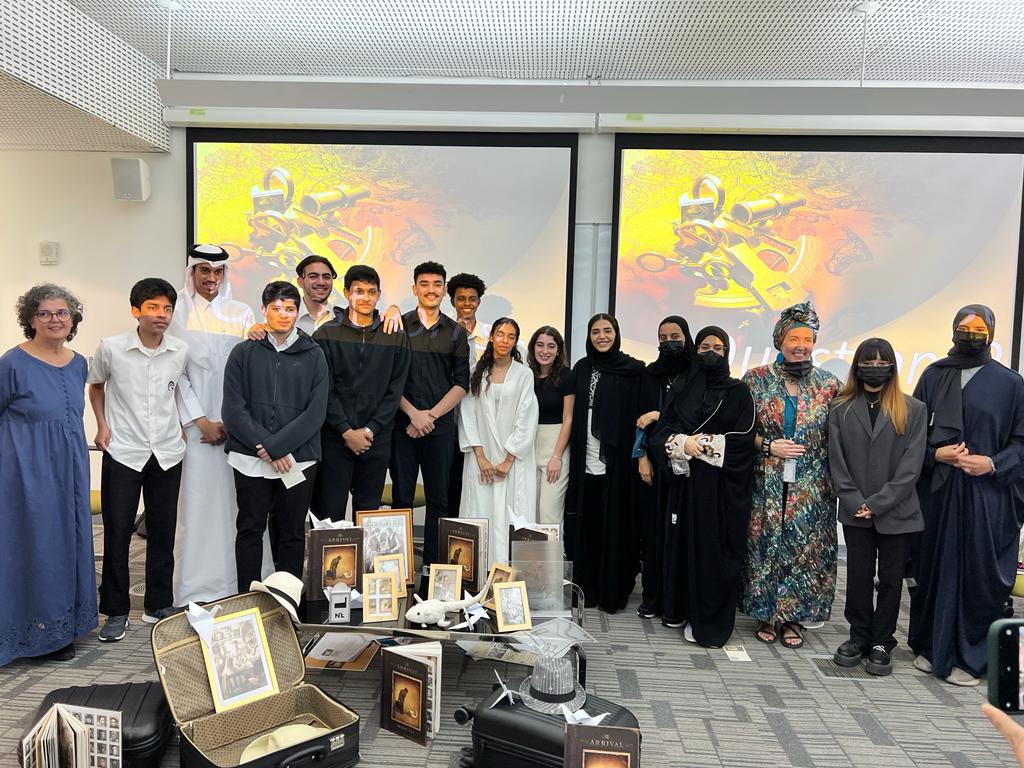
The College of Islamic Studies (CIS), part of Hamad Bin Khalifa University (HBKU), has launched another volume of Astrolabe: A CIS Student Research Journal, featuring original, faculty-reviewed research work by graduate students. The journal is a platform for CIS students to apply their Islamic grounding and interdisciplinary approach to discuss the nuances of multilayered issues affecting Muslim communities around the world.
Share:
Related News

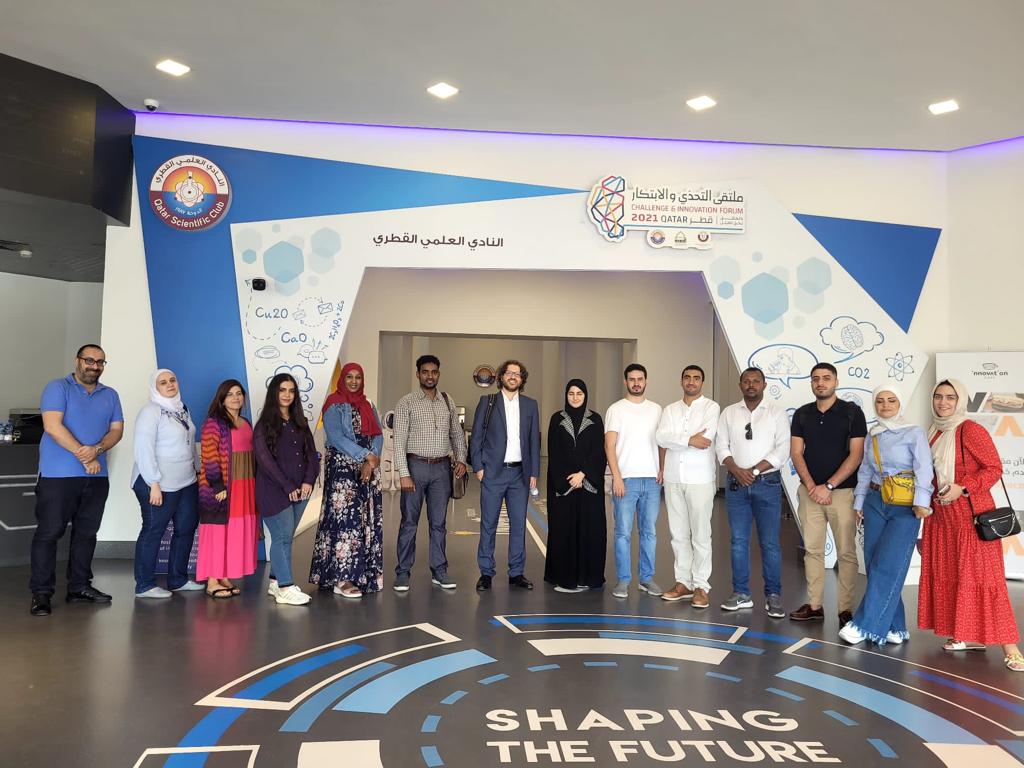
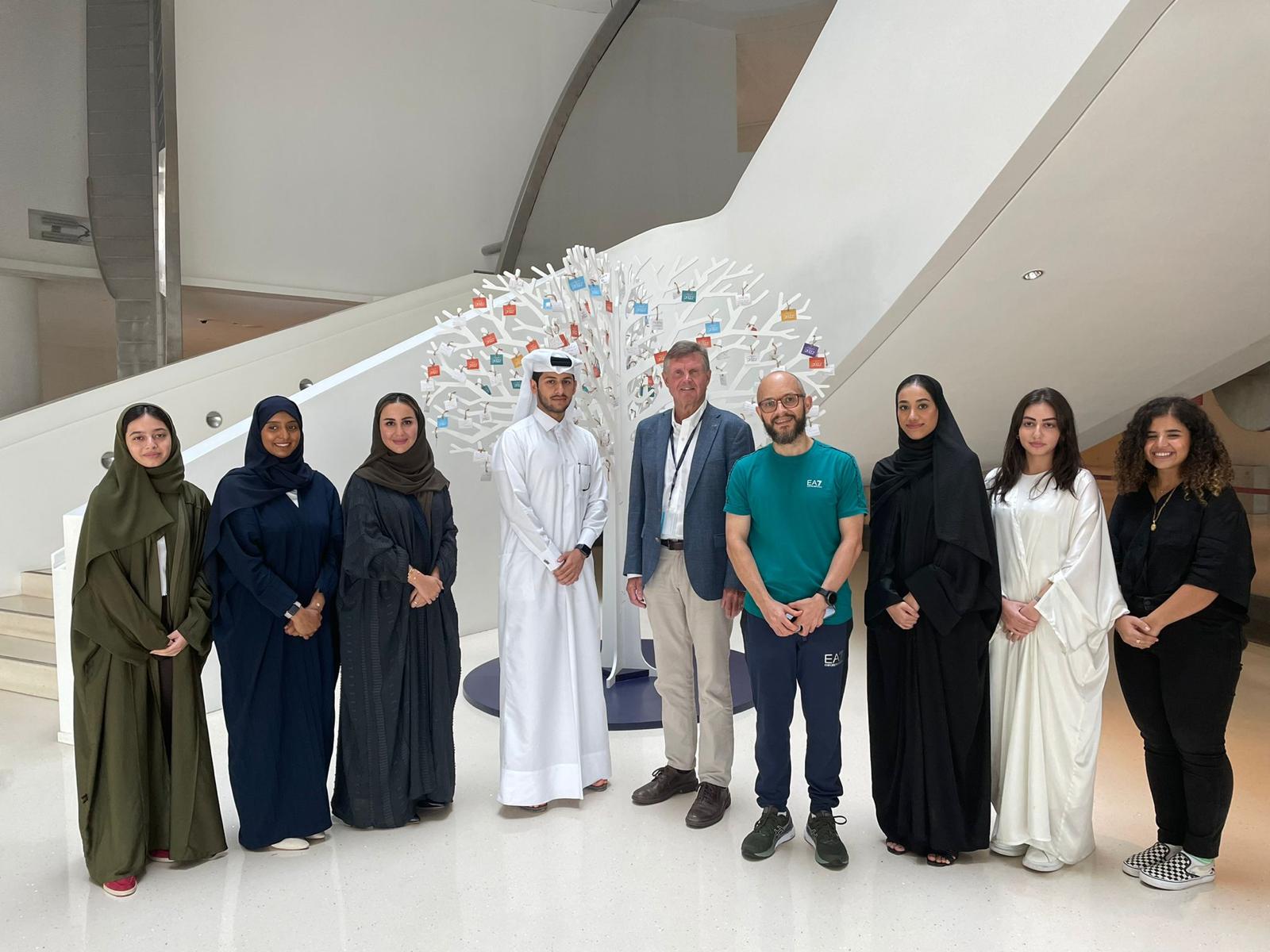
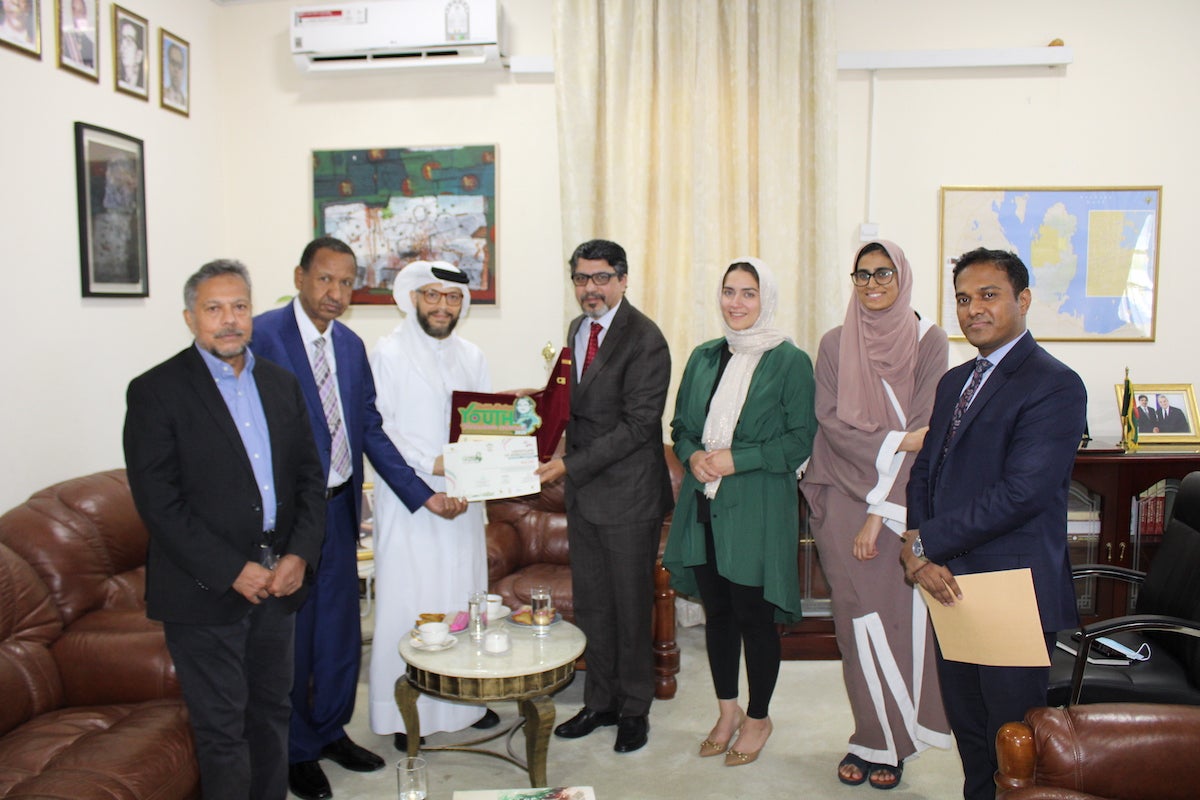
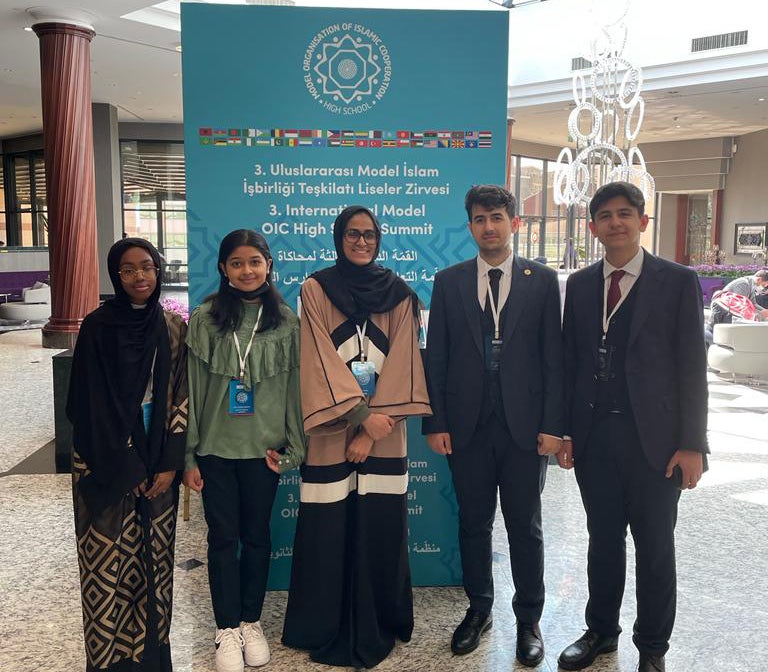
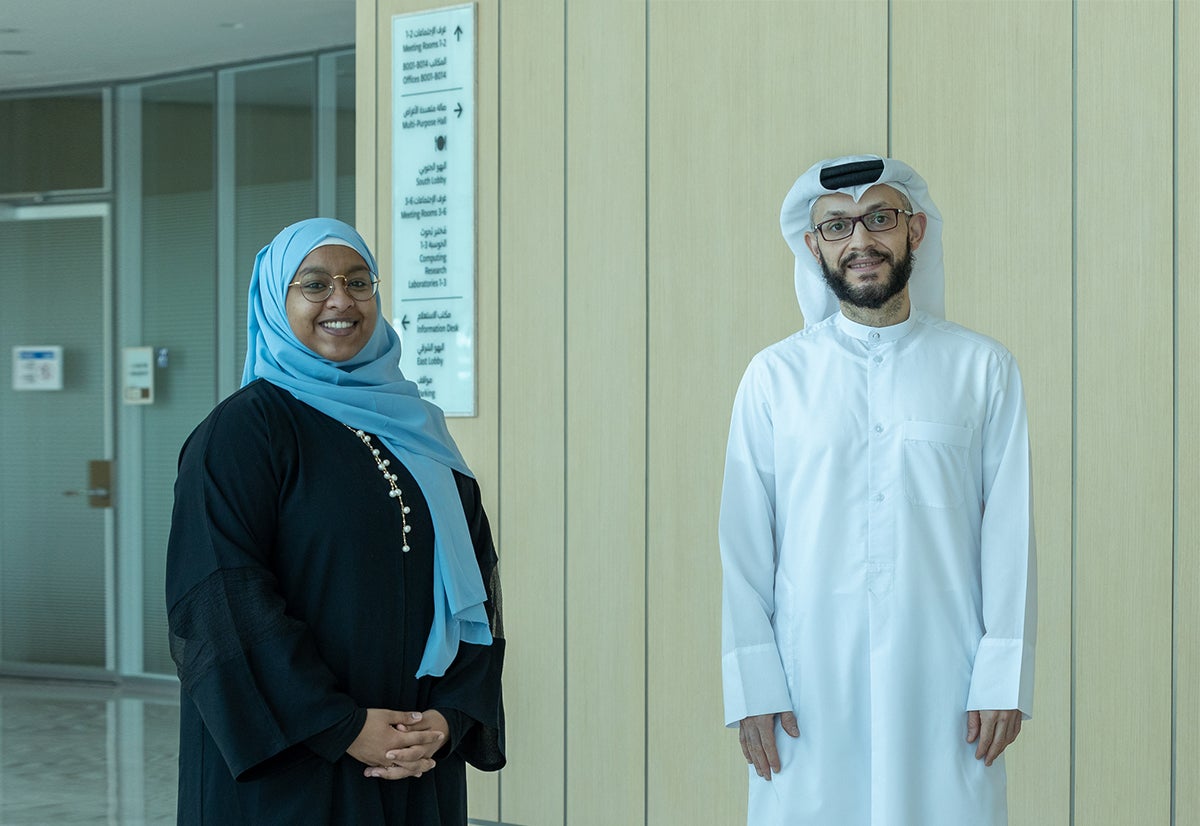
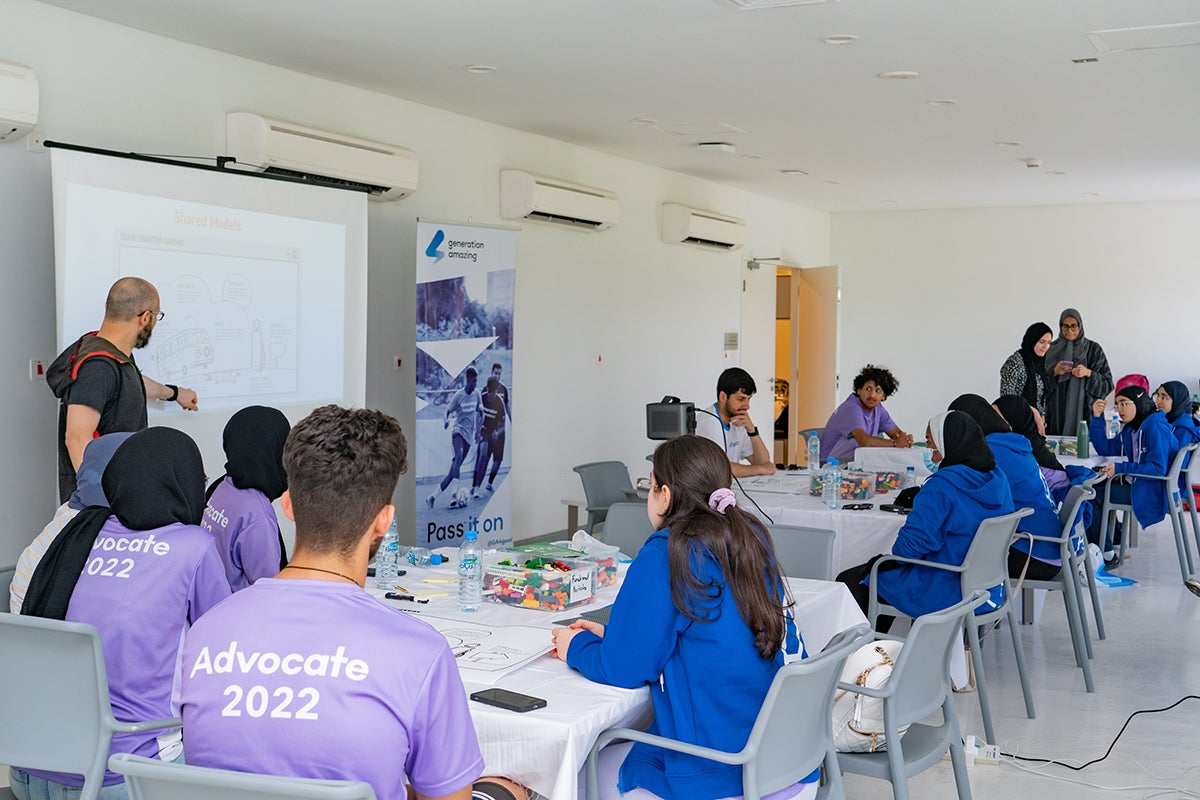

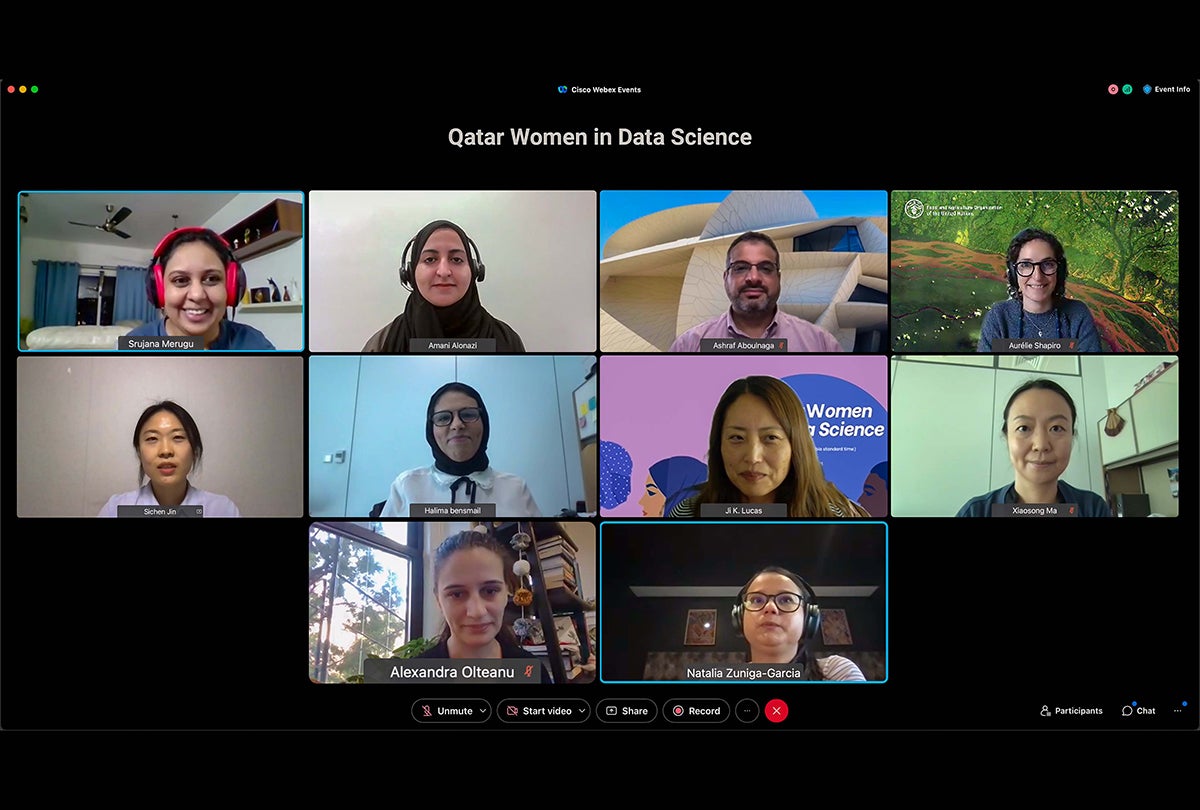
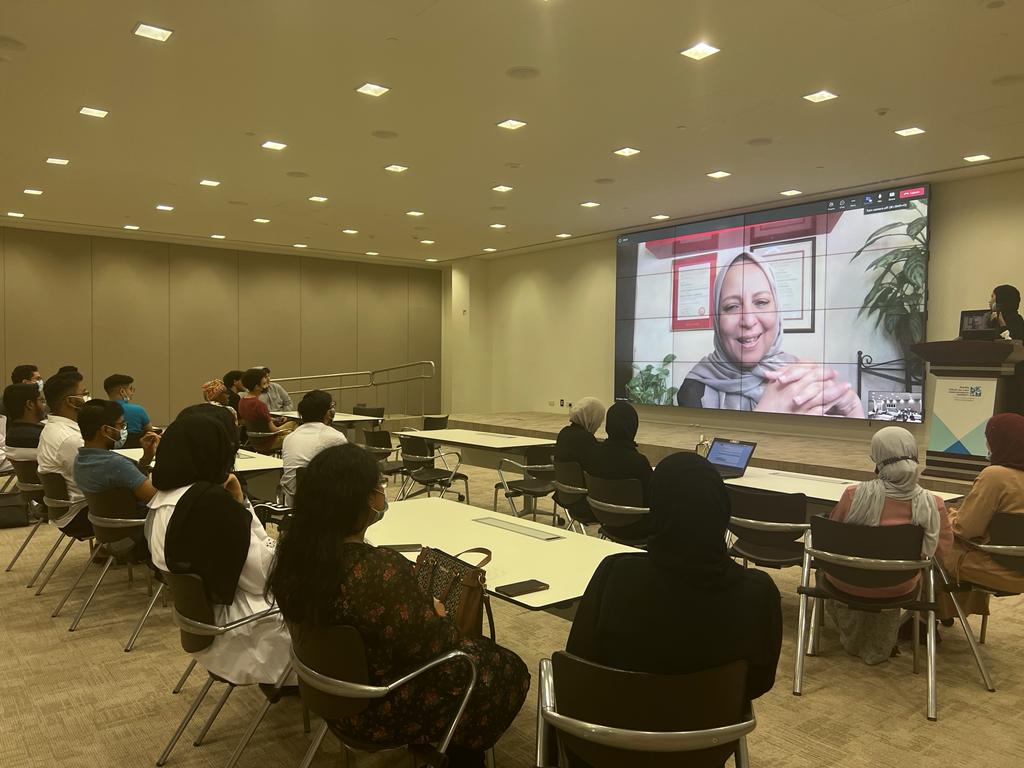
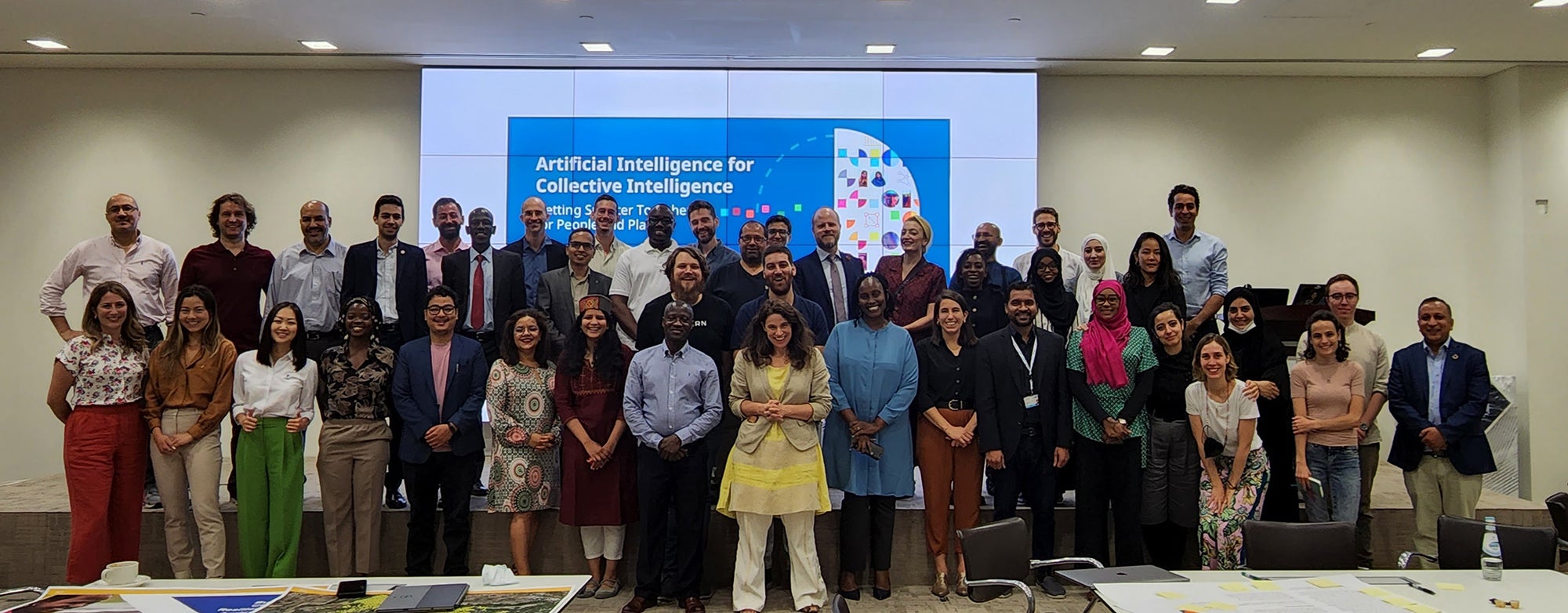
Qatar Computing Research Institute (QCRI), part of Hamad Bin Khalifa University (HBKU), brought together accomplished female data scientists from across the world as well as emerging talent in the all-female Afghan robotics team who are studying at Qatar Foundation (QF) at a recent workshop.
Share:
Related News

Qatar Computing Research Institute Achieves Milestone with its QARTA Street Map Routing Engine

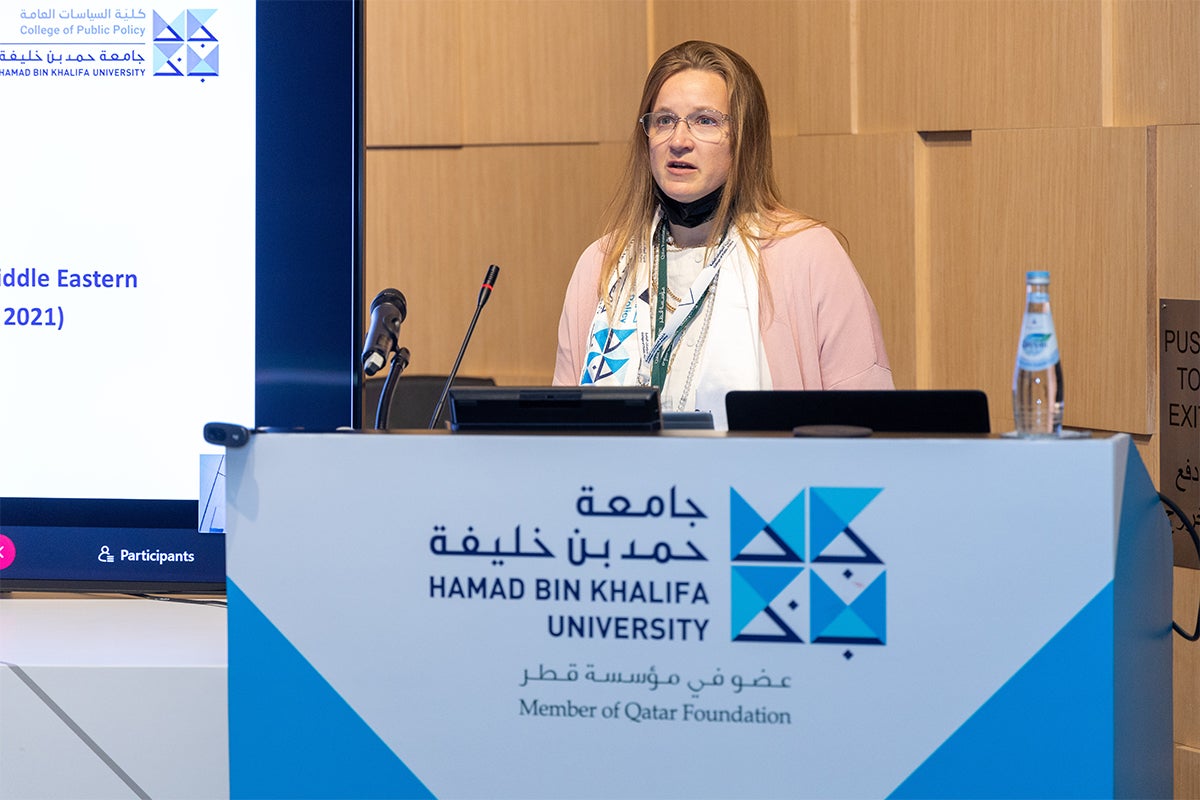
Dr. Logan Cochrane, Associate Professor at the College of Public Policy (CPP), participated in the 2021 Speaker Series organized by the Institute for the Study of International Development (ISID) at McGill University, Canada on October 28. His presentation “Progress, Challenges, and Future Options for Food Security in Ethiopia” focused on the research he presented in his newly-published book.
Share:
Related News

For every believer, the existence of the universe reflects the greatness and magnitude of its creator. Yet, even amid the vastness of Allah’s creation, each human being has a role and is answerable for their actions.
Share:
Related News


The College of Humanities and Social Sciences (CHSS) at Hamad Bin Khalifa University (HBKU) convened a panel of international experts to discuss key topics from 'The Routledge Handbook on the Middle East Economy', edited by Dr. Hassan Hakimian, Professor of Economics and Director of the Middle Eastern Studies Department at CHSS.
Share:
Related News
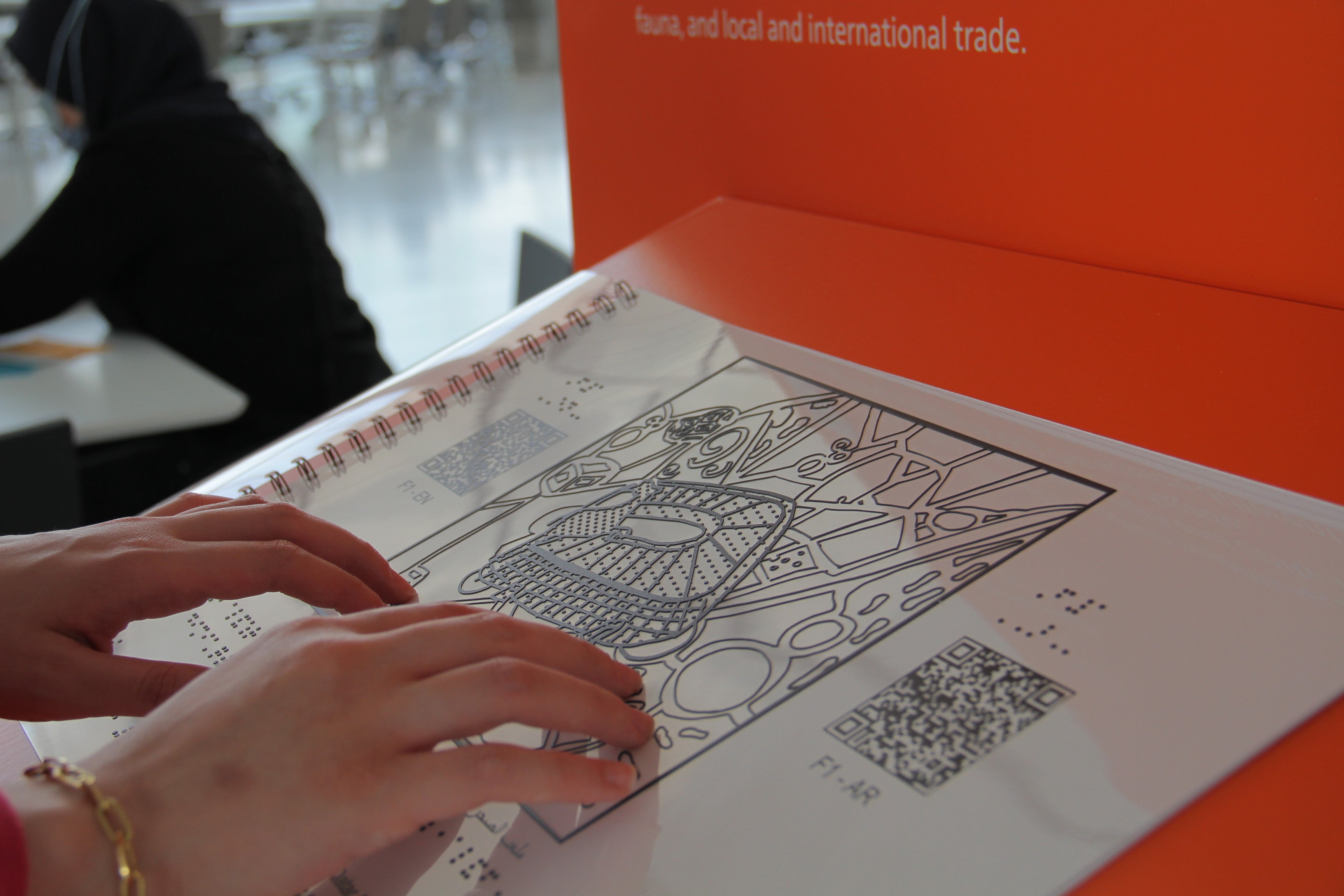
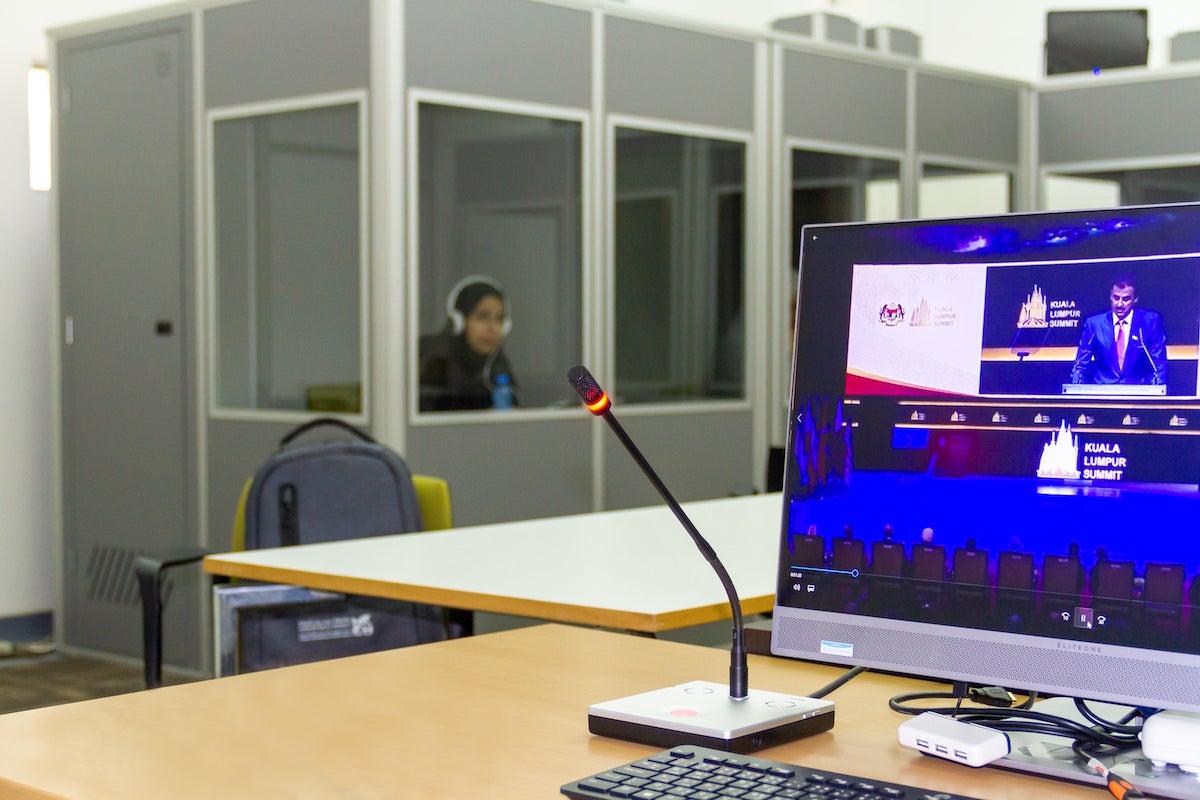
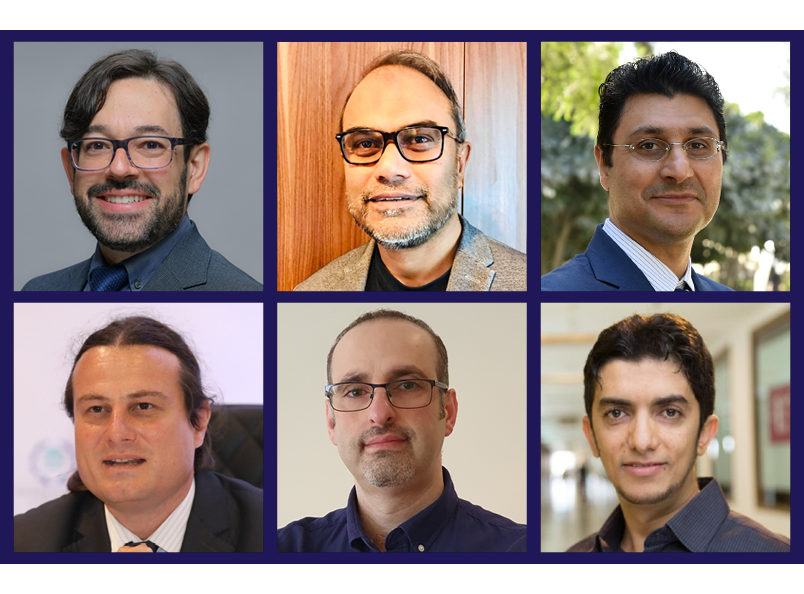
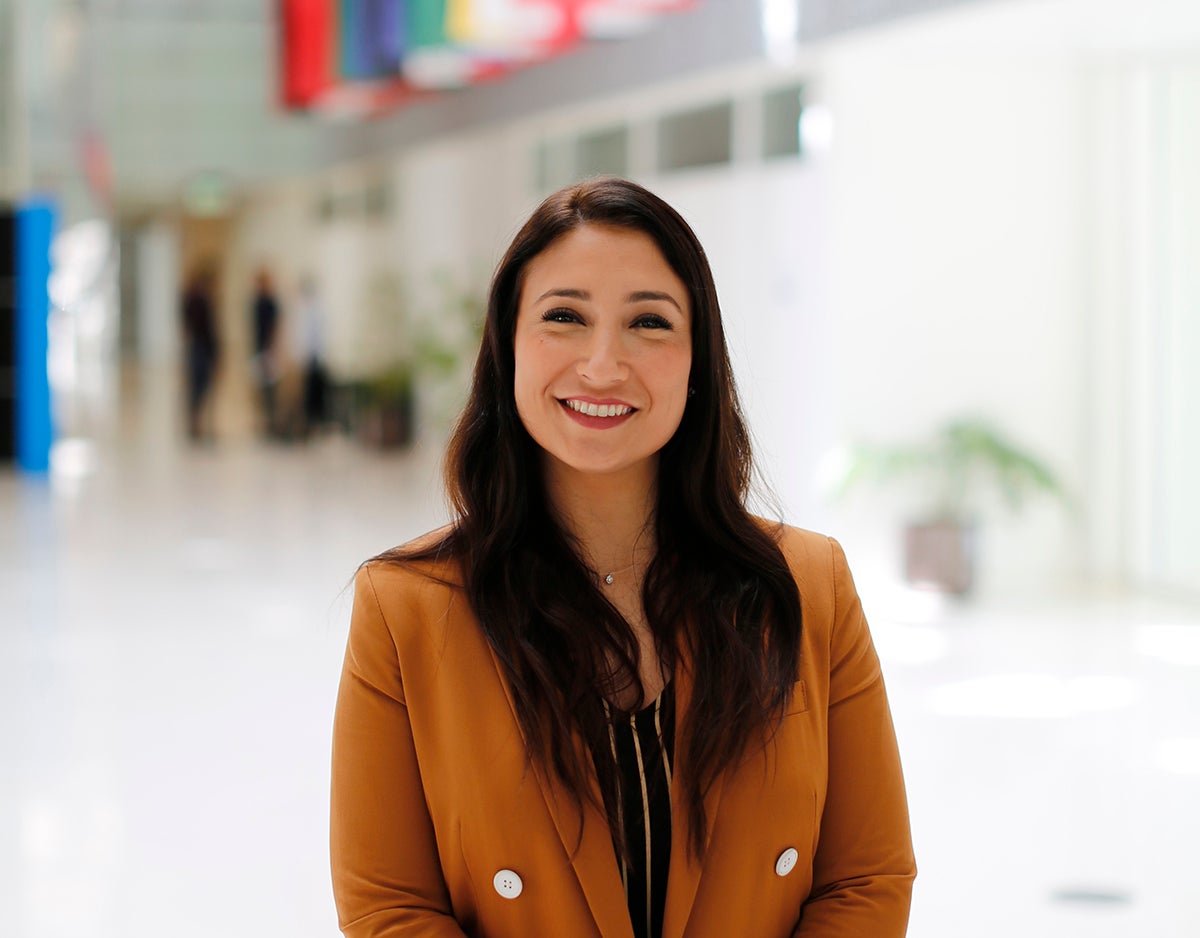


HBKU’s Translation and Interpreting Institute Acts as a Catalyst for Disability-Inclusive Change in Wider Society

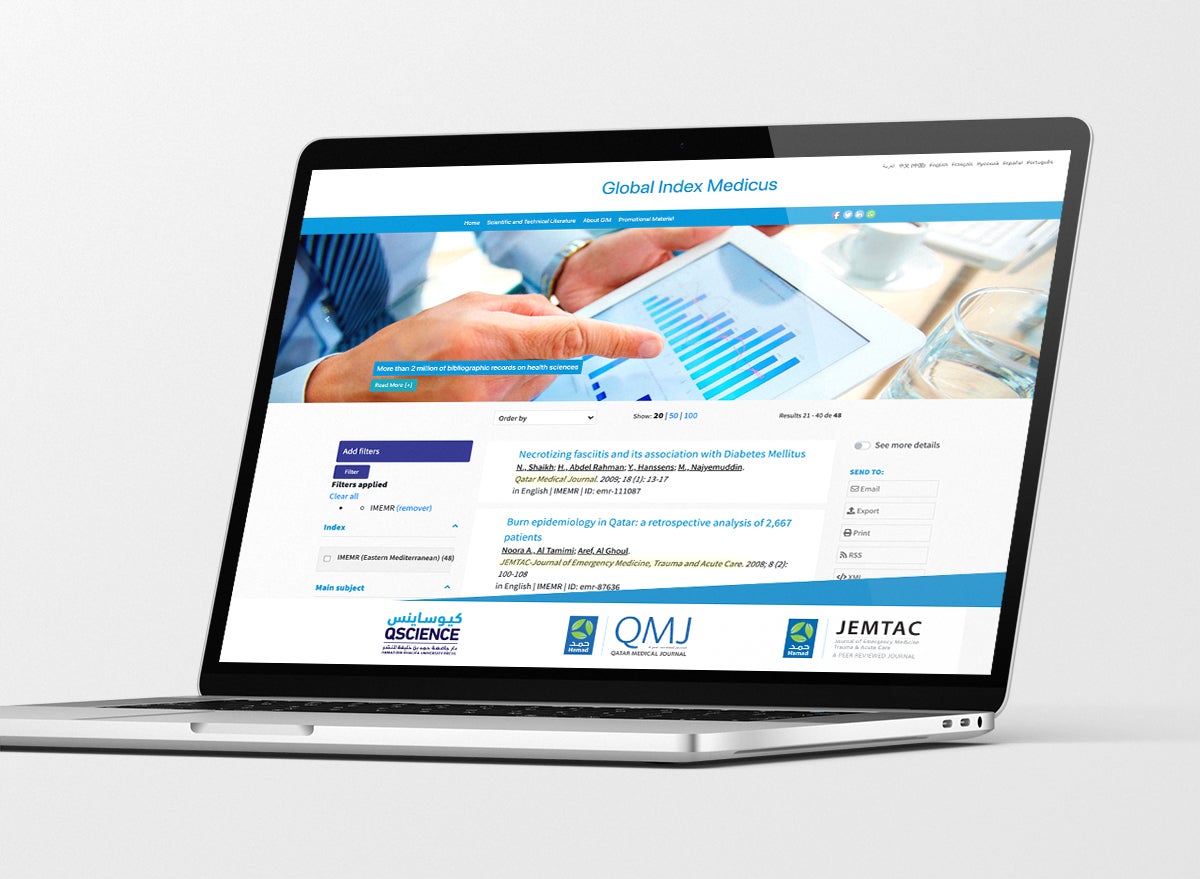
Qatar Medical Journal (QMJ) and the Journal of Emergency Medicine, Trauma and Acute Care (JEMTAC), which are two journals hosted by Hamad Bin Khalifa University Press’ (HBKU Press) online and open access platform, QScience.com, have been recently indexed with the World Health Organization’s Index Medicus for the Eastern Mediterranean Region (IMEMR).
Share:


Artificial Intelligence (AI) mimics human intelligence processes in algorithmic services that optimize processes, improve speed, and increase efficiency via learning, self-correction, and reasoning.
AI and machine learning (ML) are key drivers of innovation across many industries, including education. AI holds the promise of evolving the education sector by optimizing both learning and teaching for students and teachers alike.
Share:
Related News
Qatar Computing Research Institute Achieves Milestone with its QARTA Street Map Routing Engine


October is attention deficit hyperactivity disorder (ADHD) Awareness Month, and its mission is to improve the public's understanding of ADHD by providing reliable information based on scientific research. This year’s theme is about reframing ADHD, breaking misconceptions and stereotypes, and discovering new perspectives.
Share:
Related News

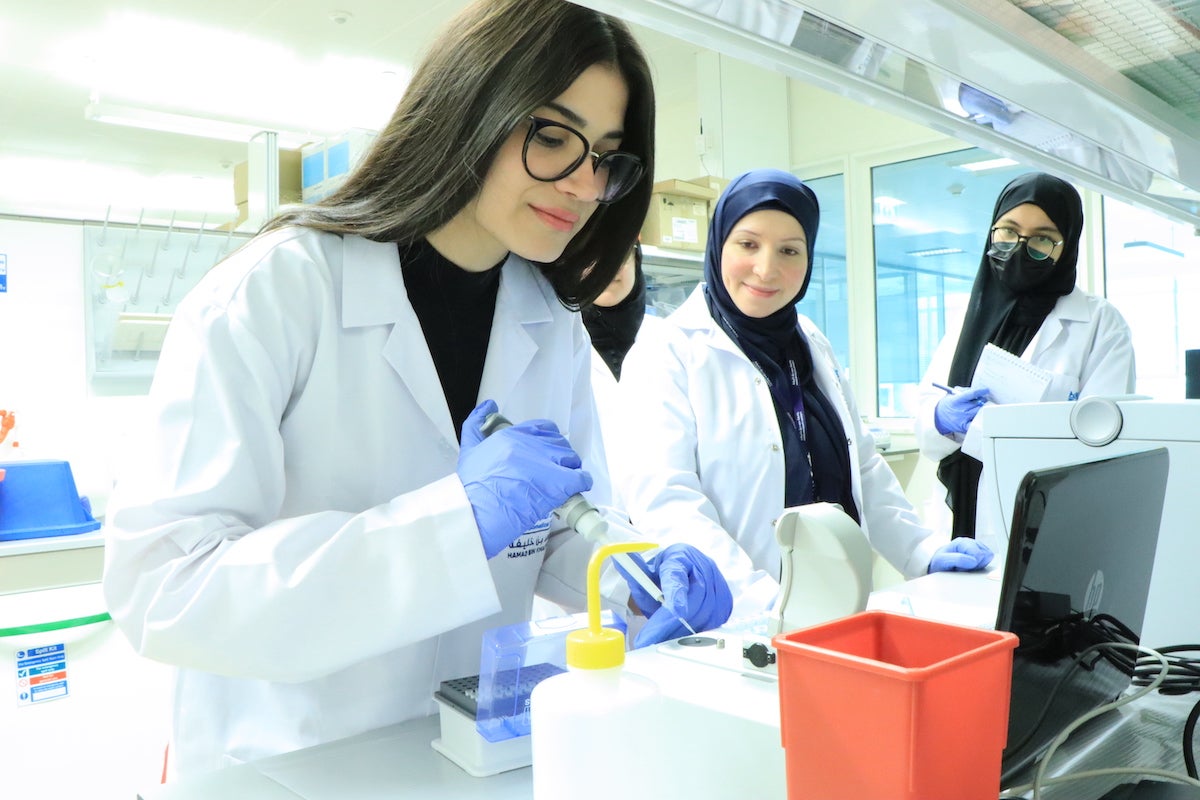

QBRI Insights: Medical Problems and Comorbid Conditions Associated with Autism


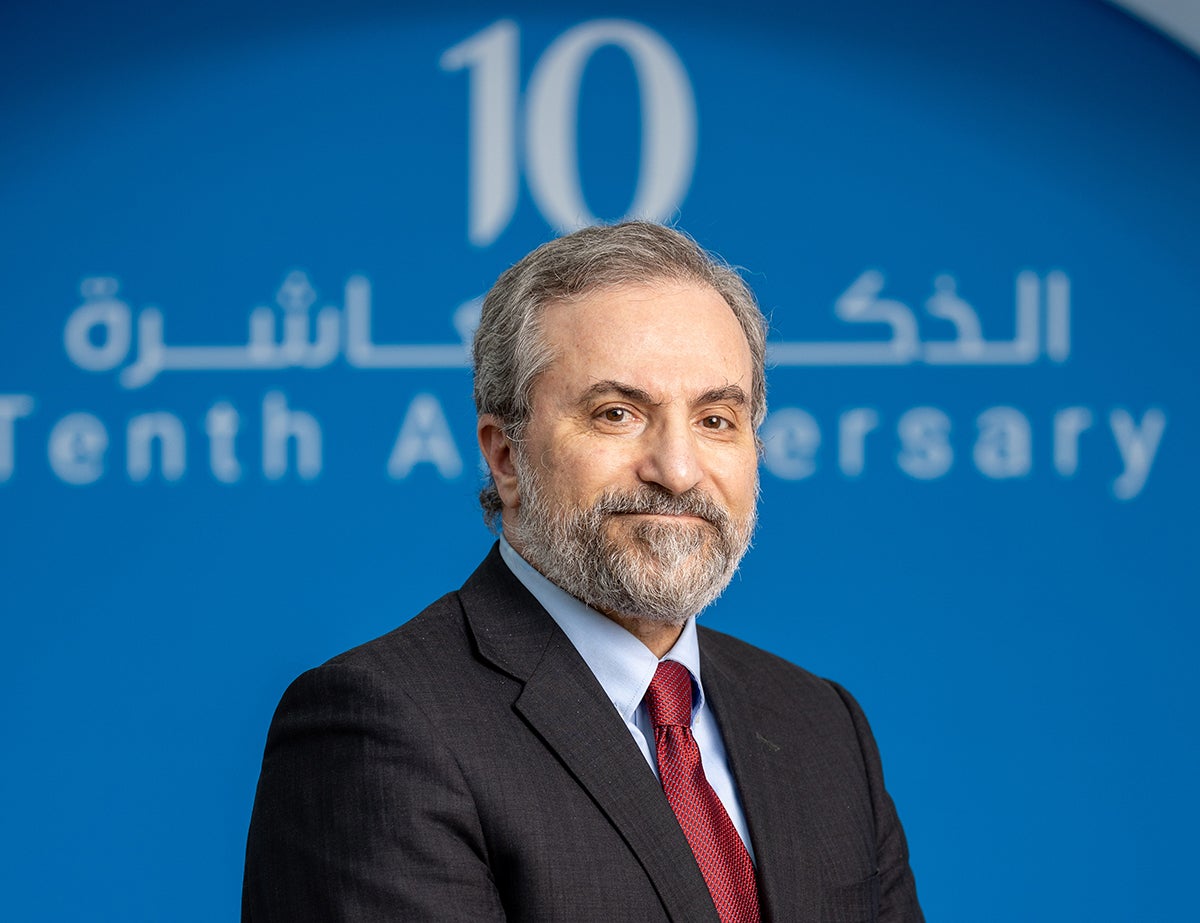
How would you summarize HBKU’s first 10 years?
I visited Qatar three years prior to applying to join HBKU and was impressed by the vibrant culture that is open to new ideas, and the energetic society eager to connect with the larger world and determined to advance education and learning. This first impression, along with an invitation by a colleague to join the recently established College of Islamic Studies (CIS) and contribute to its growth and development, were crucial to my decision to apply.
Share:
Related News

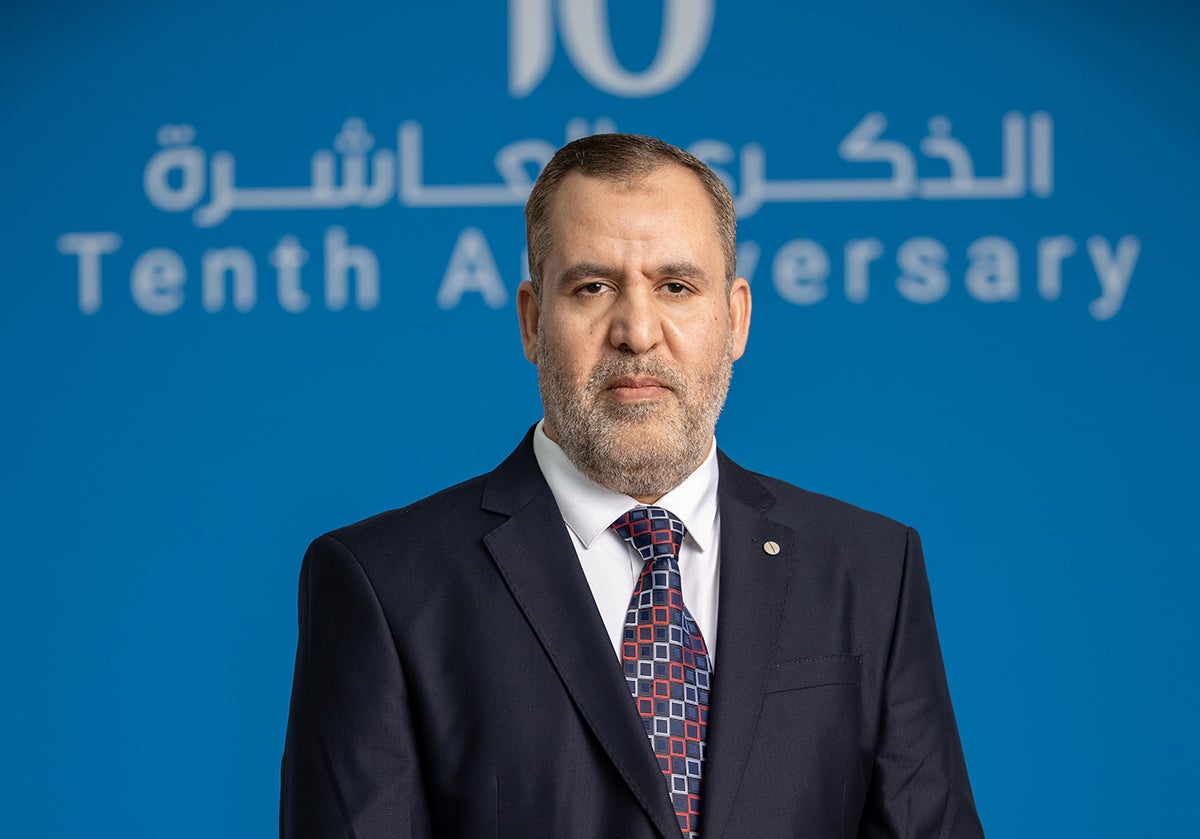
You have been working at HBKU for 10 years. Why did you initially apply to work at the university and why do you still find this place attractive to work?
Hamad Bin Khalifa University remains an attractive place to work. It is open to the world and provides opportunities for supporting and developing academic research by encouraging its members to take part in conferences and academic seminars across the world with their research papers.
Share: