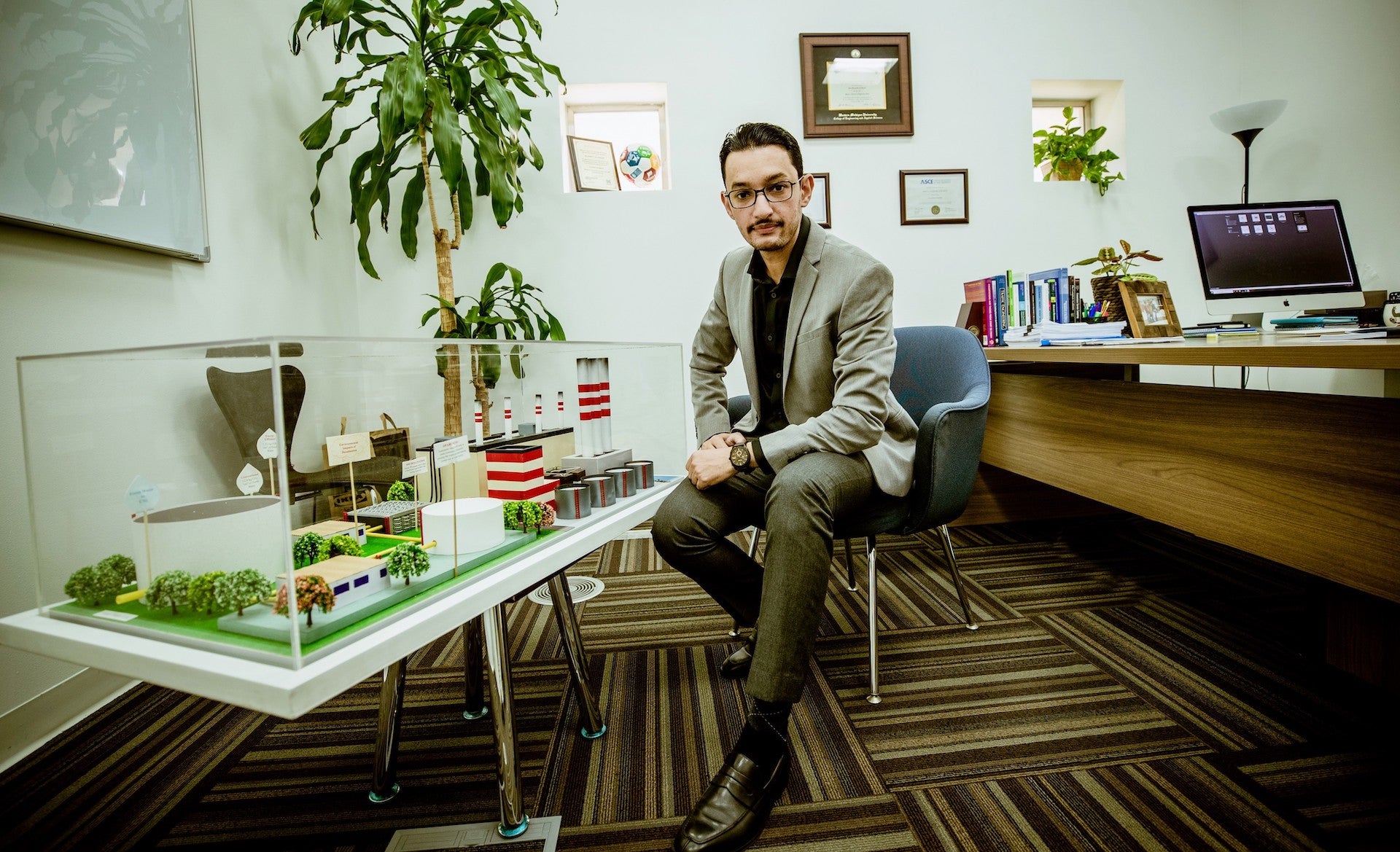
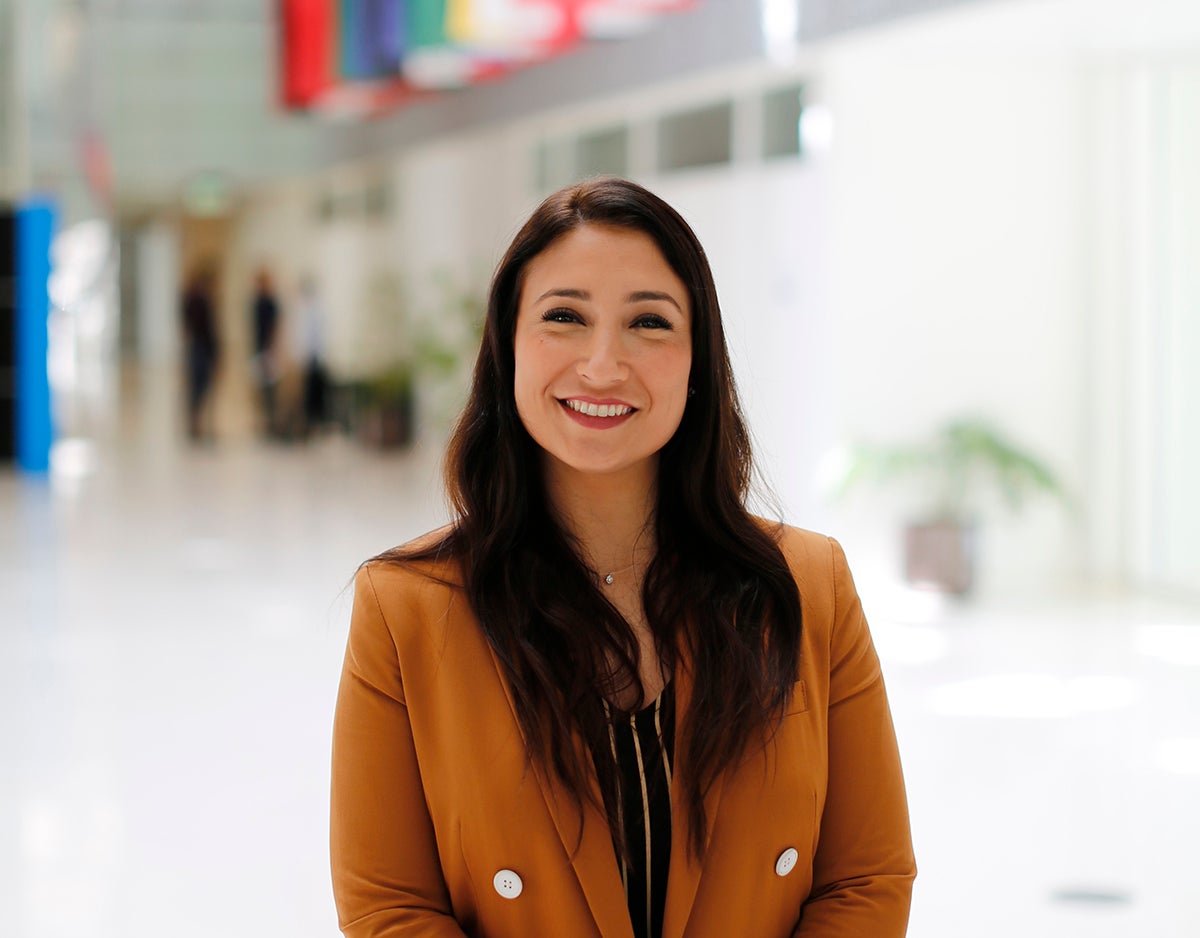
Which program did you graduate from, and why did you choose this program?
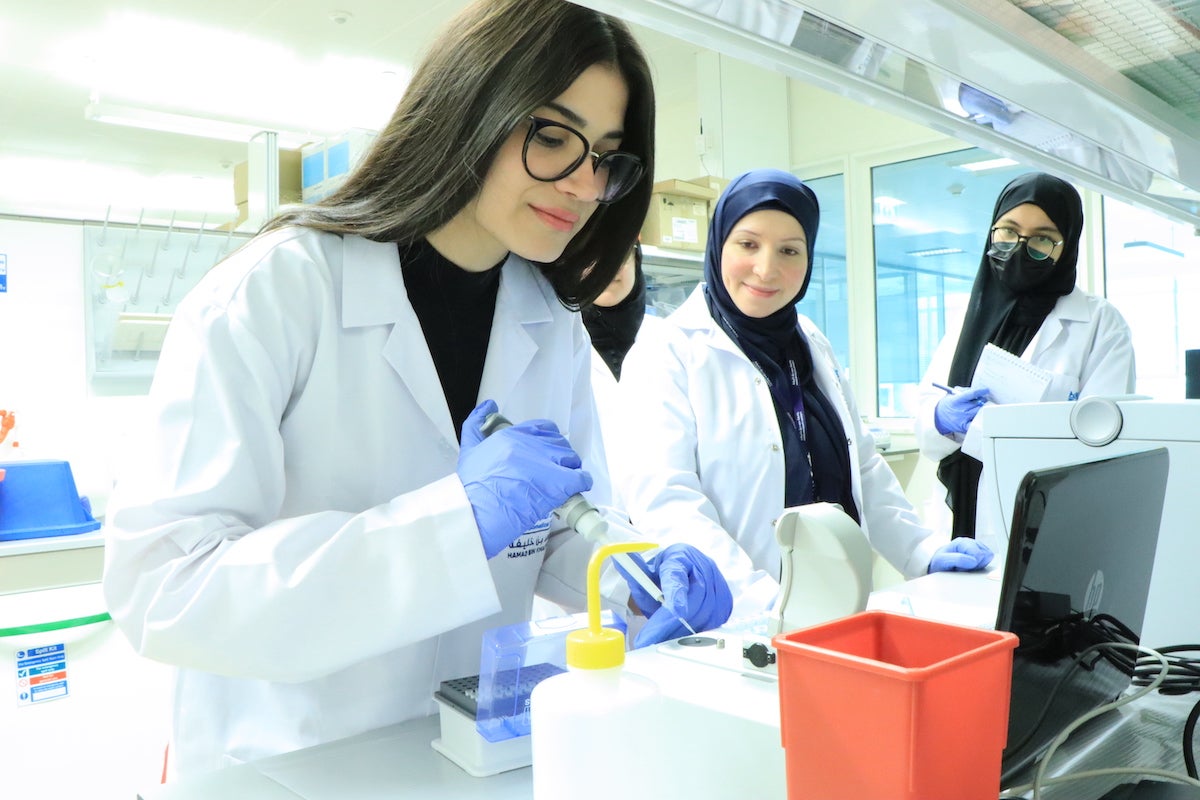
I am a first-cohort graduate of the College of Science and Engineering. My background is in engineering as I received my bachelor’s degree from Texas A&M University at Qatar. I am also a Qatar Foundation employee and I wanted to expand my academic knowledge while retaining my employment. I was very much interested in learning more about the energy sector and sustainability in particular.
Share:
Related News
College of Science and Engineering Awarded Grant to Create a National Risk Management Plan for Qatar

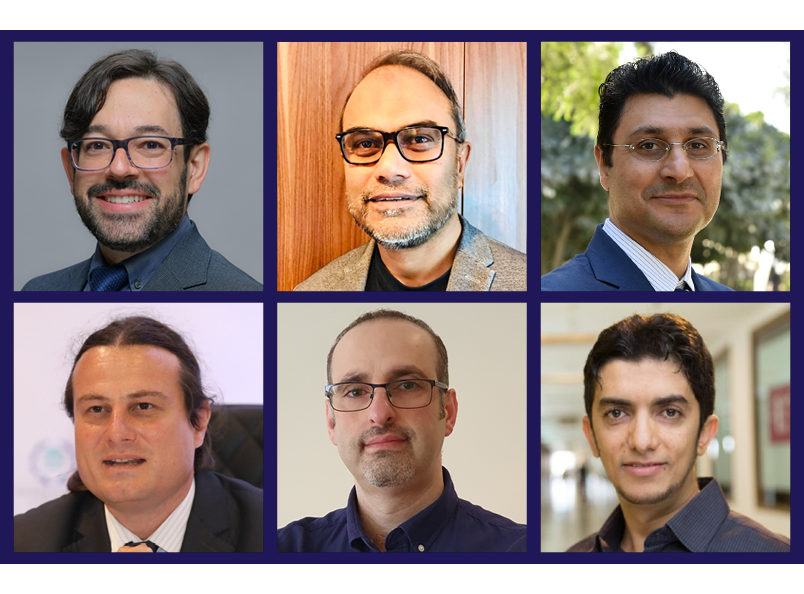


Which program did you graduate from, and why did you choose this program?
I graduated from the Master of Arts in Translation Studies, as part of its first-ever class of graduating students. This program preceded all others at the college, and now continues to be offered in a specialized sense through the Translation and Interpreting Institute and the College of Humanities and Social Sciences (CHSS).
Share:
Related News
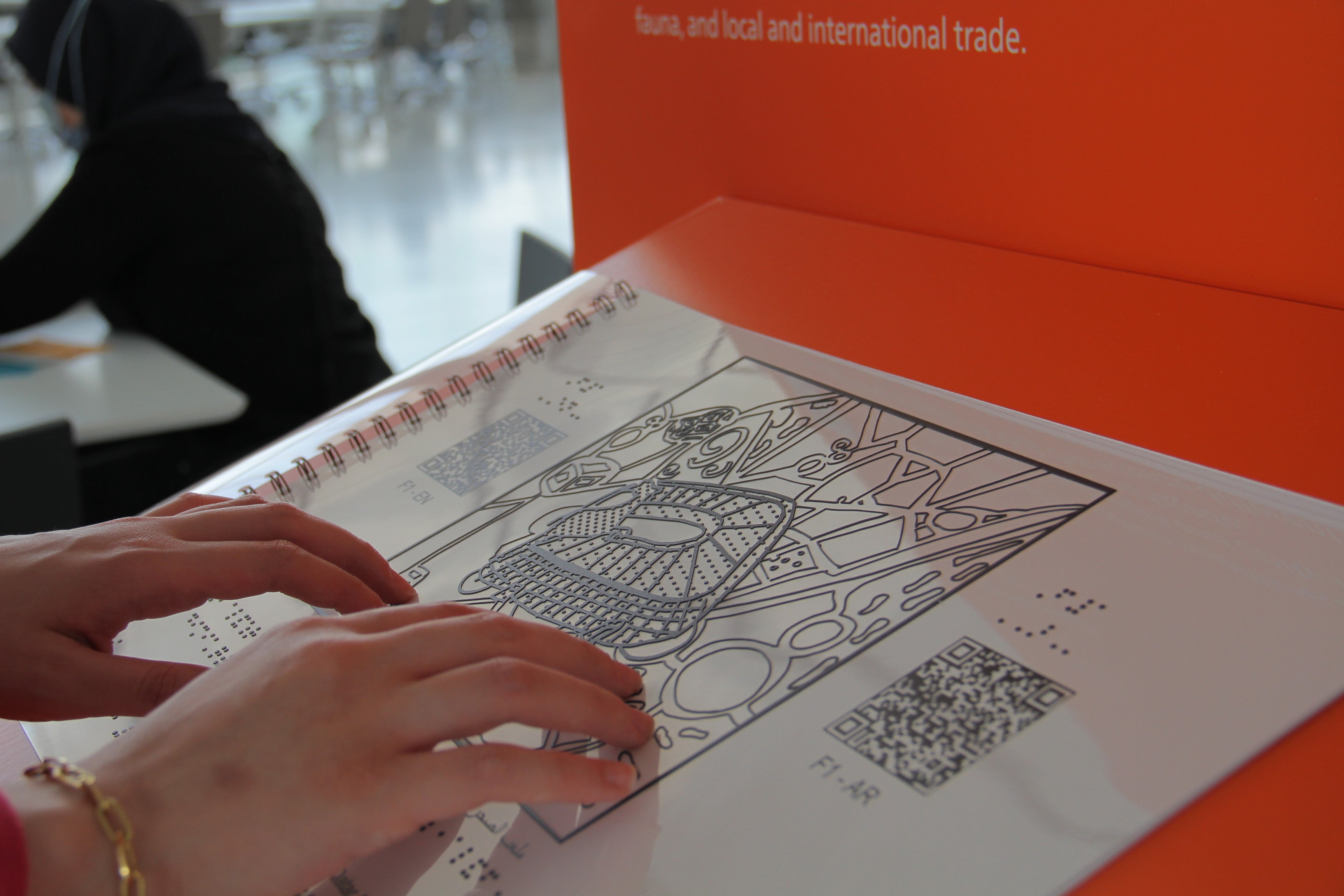
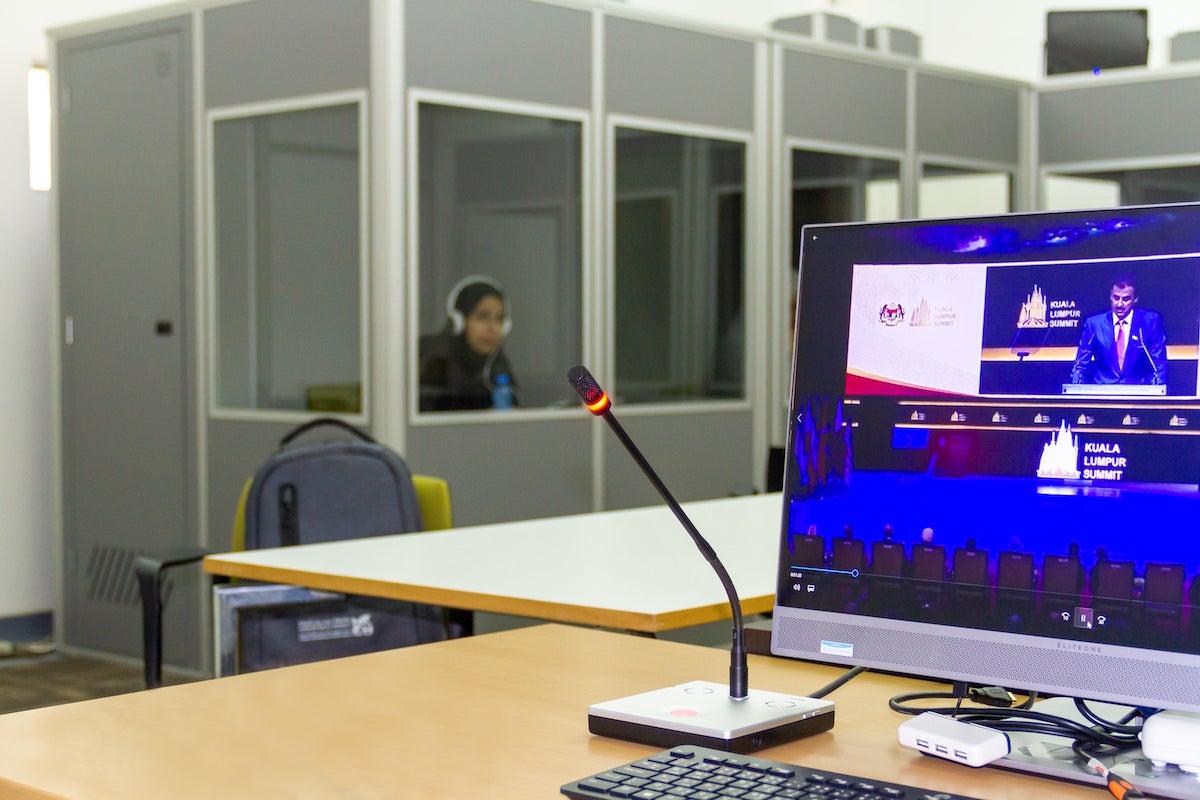
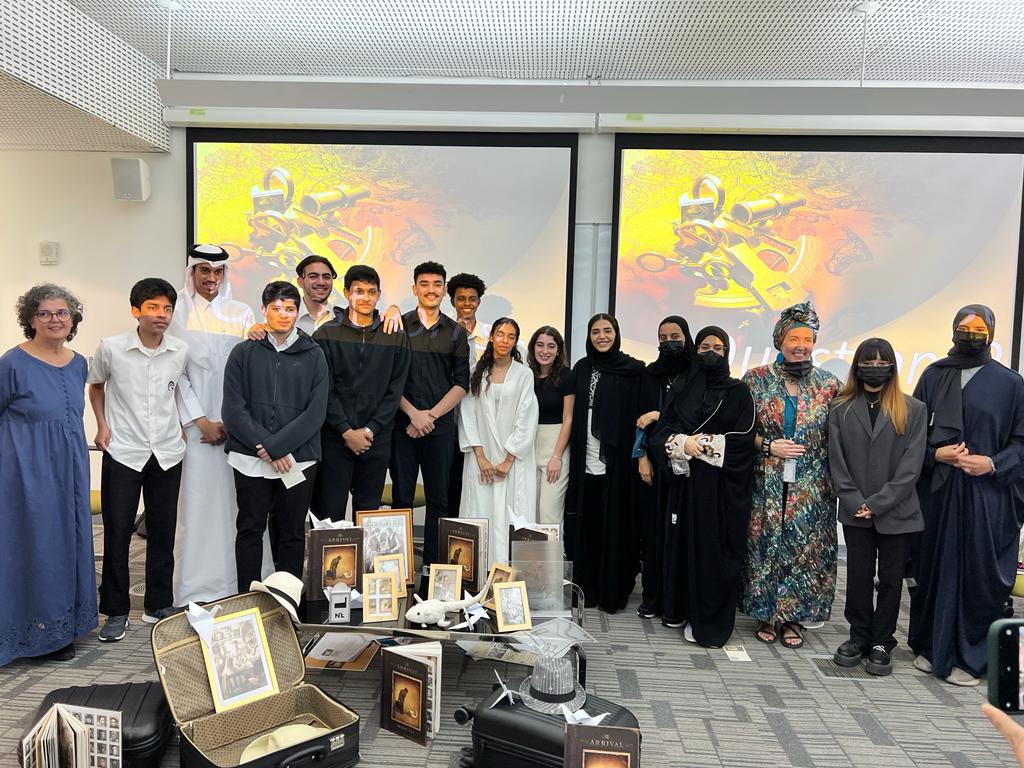


HBKU’s Translation and Interpreting Institute Acts as a Catalyst for Disability-Inclusive Change in Wider Society

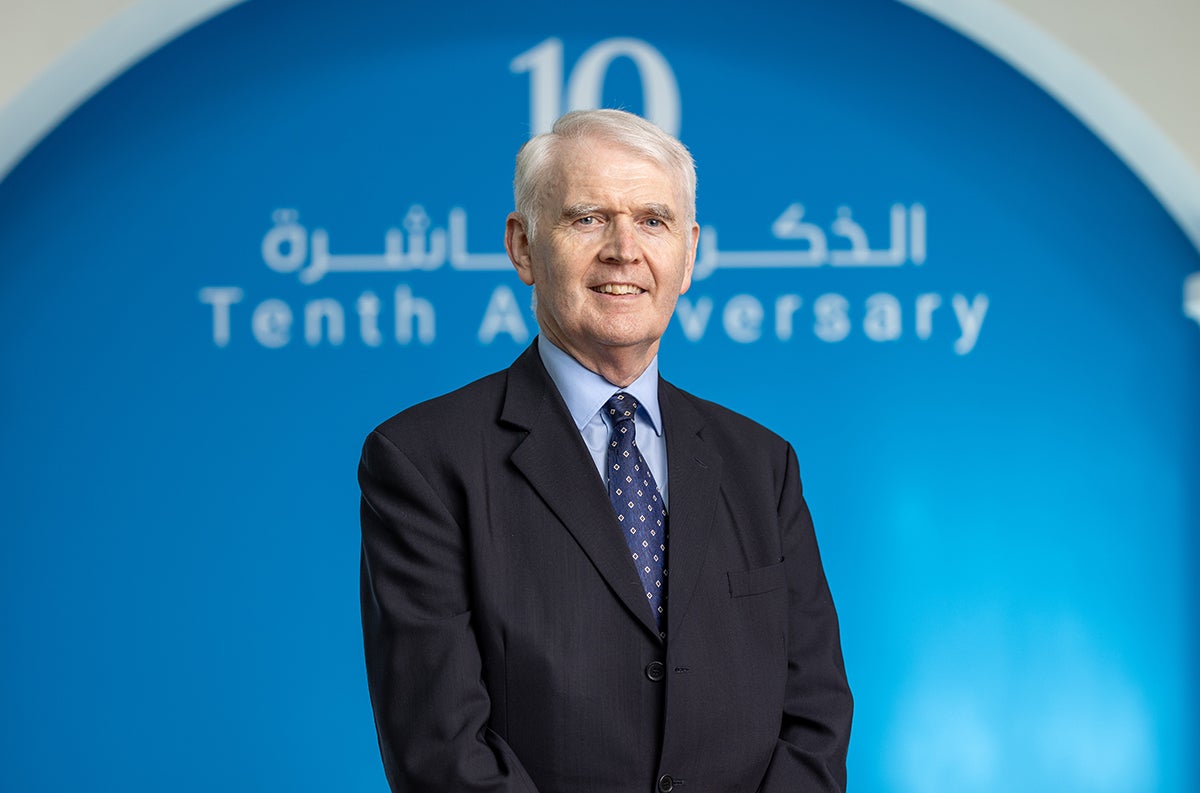
How would you summarize HBKU’s first 10 years?
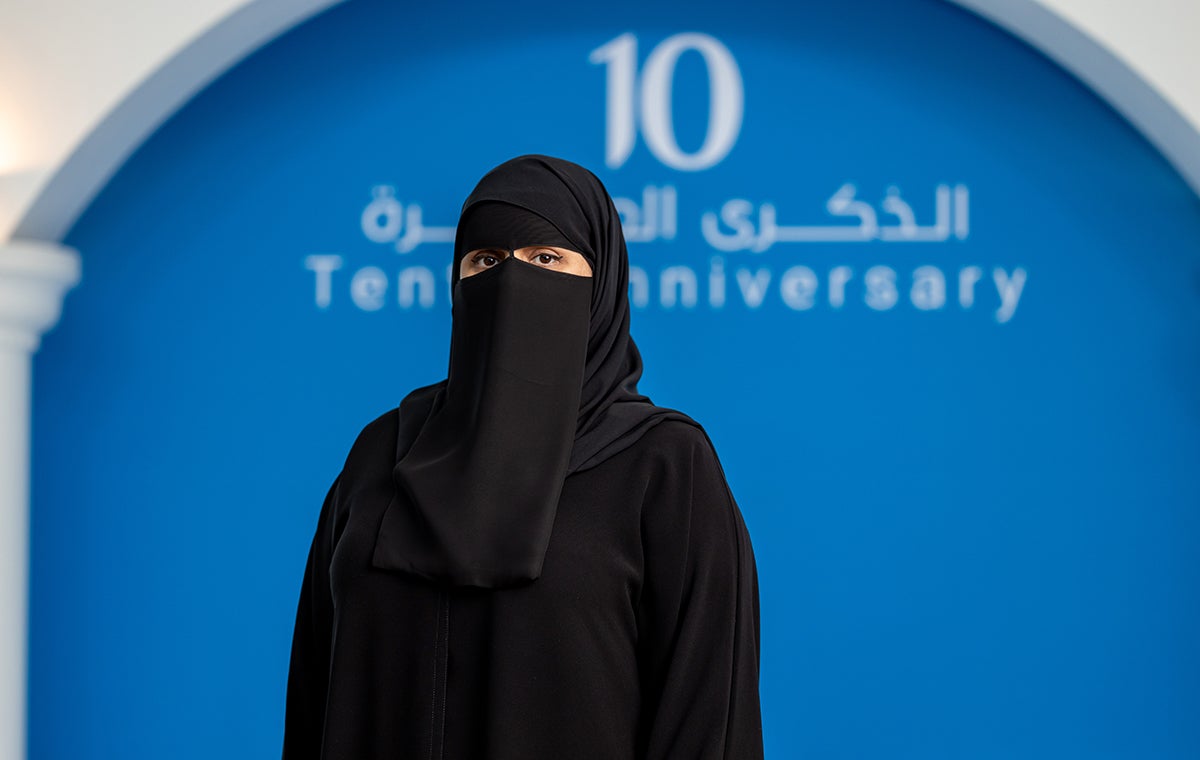
We take pride in what we have accomplished in our first 10 years. We have succeeded in building competitive, relevant, and impactful academic and research programs to support Qatar in addressing its challenges, achieving its national vision, and enhancing the lives of our local, regional, and global communities.
Share:

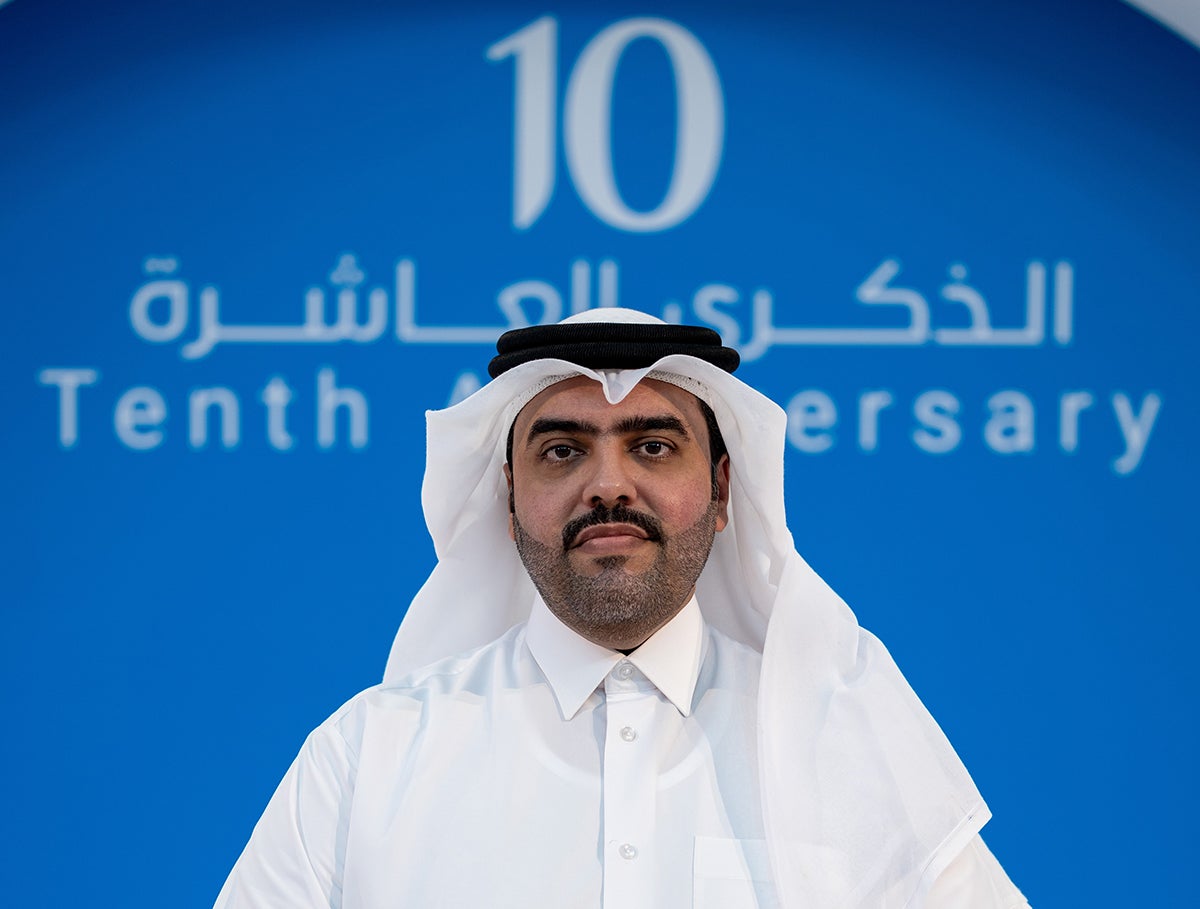
How would you summarize HBKU’s first 10 years?
Establishing a top research university is never a simple mandate. The first 10 years were truly an amazing journey that was filled with high ambitions and complex challenges. With the support of all stakeholders, those challenges were translated into great successes. In those successful 10 years, HBKU formulated its long-term strategy and strategic plan. Hiring the right people, allocating the necessary resources and deploying the best systems and technologies were also critical to our success during those years.
Share:
How would you summarize HBKU’s first 10 years?
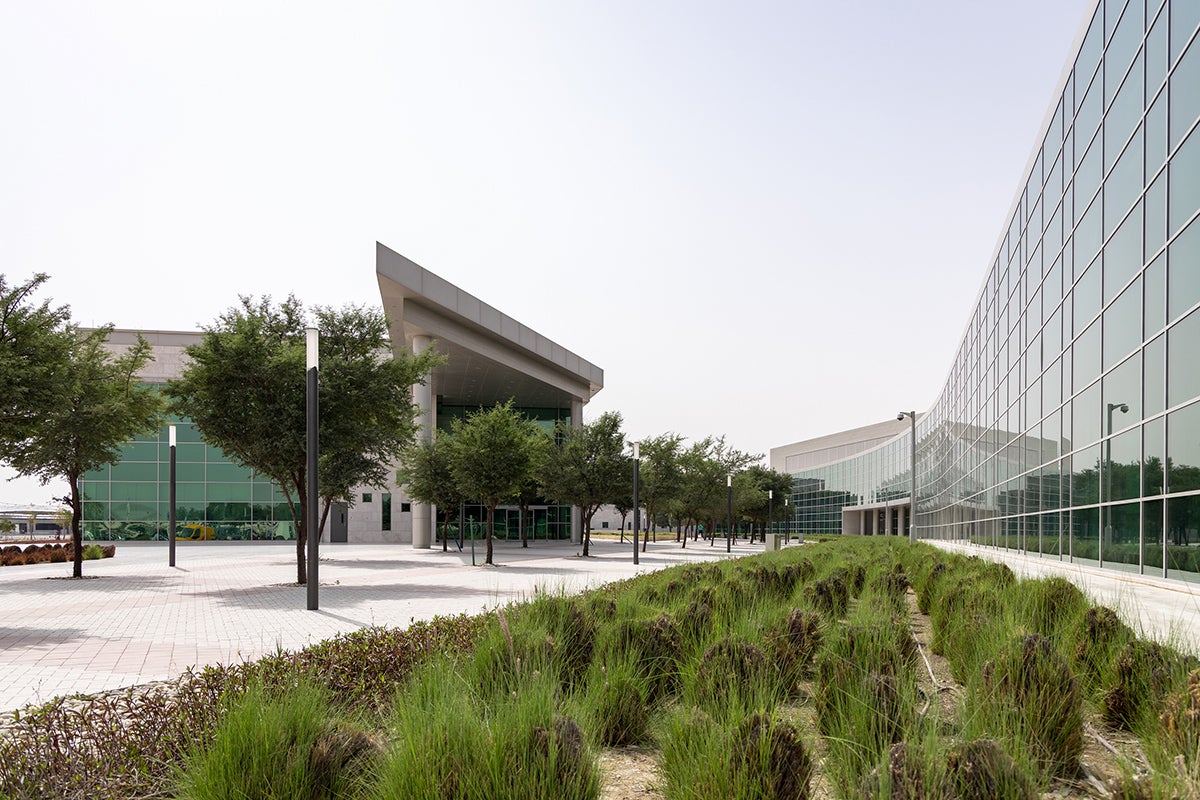
Hamad Bin Khalifa University (HBKU) has witnessed an unprecedented growth over the years. Despite the short lifespan of the university, it has managed to make many important achievements within a very short period. HBKU has attracted the best students and faculty members from Qatar and all over the world.
Share:


How would you summarize HBKU’s first 10 years?
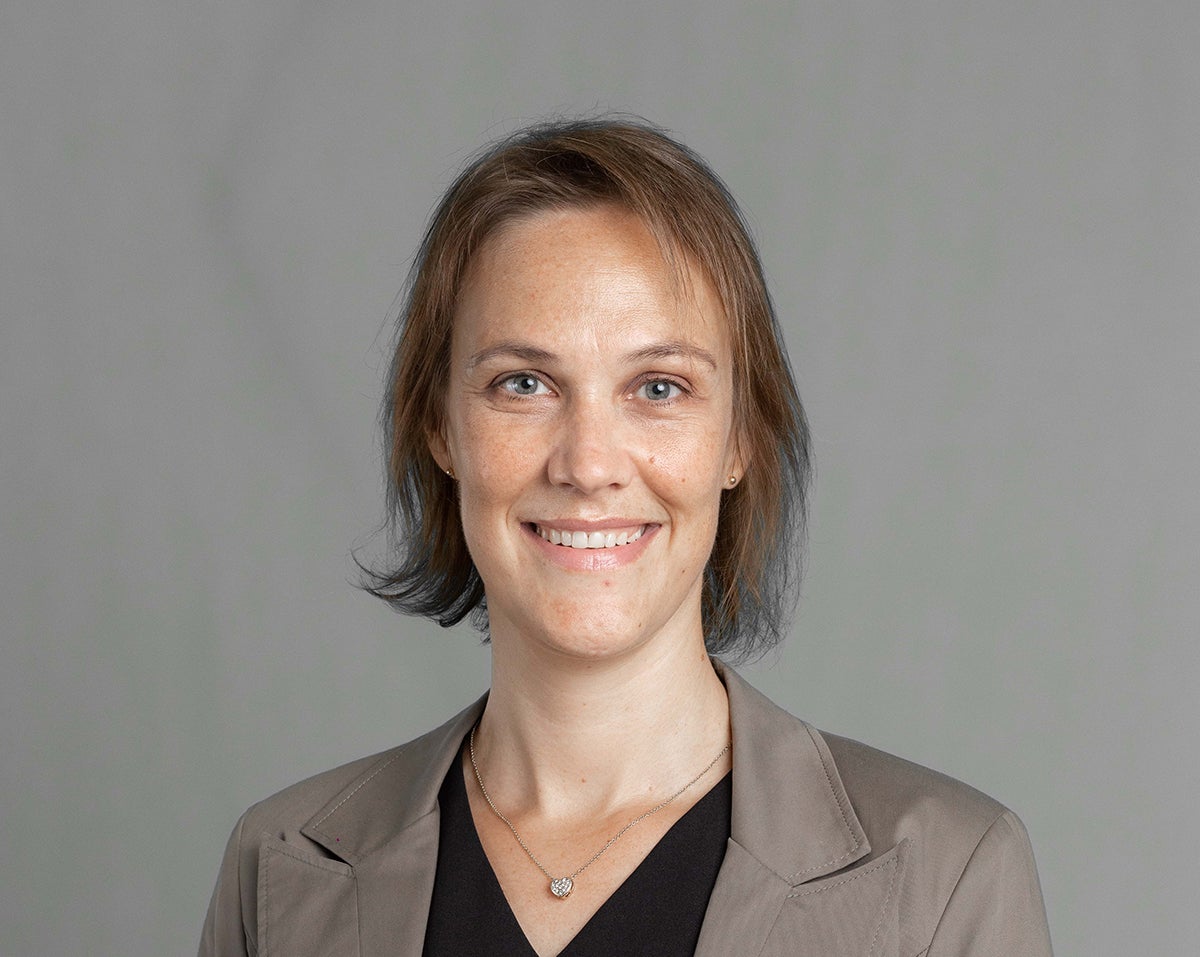
I’ve been in an unusual position in that I’ve had the opportunity to watch Hamad Bin Khalifa University (HBKU) from the time of its inception, but I’ve watched from afar until I joined as Provost earlier this year, the 10th anniversary. The ambition of Qatar Foundation and those planning HBKU were evident from the start, to create a world-class research university that could compete not just in the region but across the world. Many of those looking in from the outside lauded the ambition but some were skeptical of the reality.
Share:
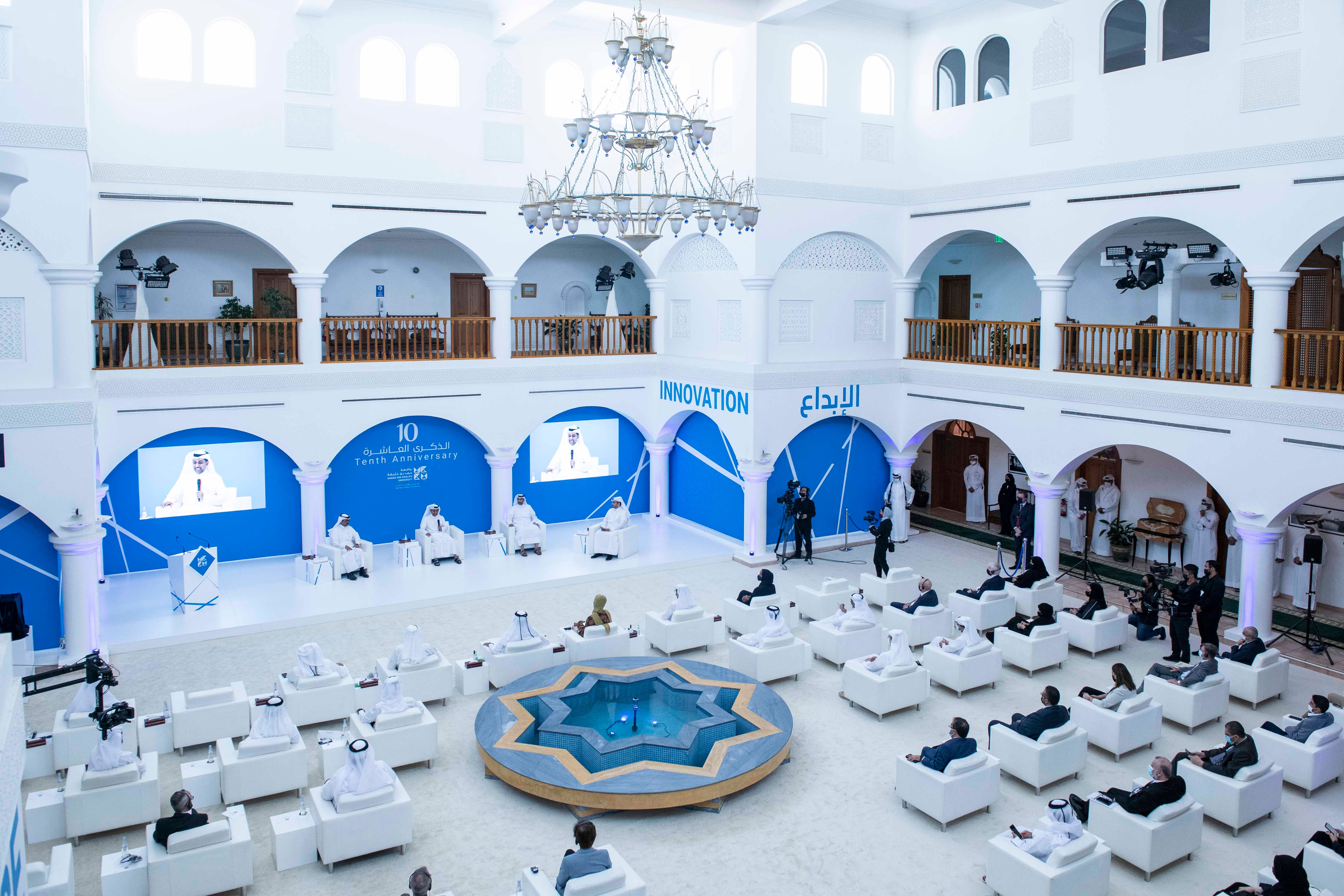
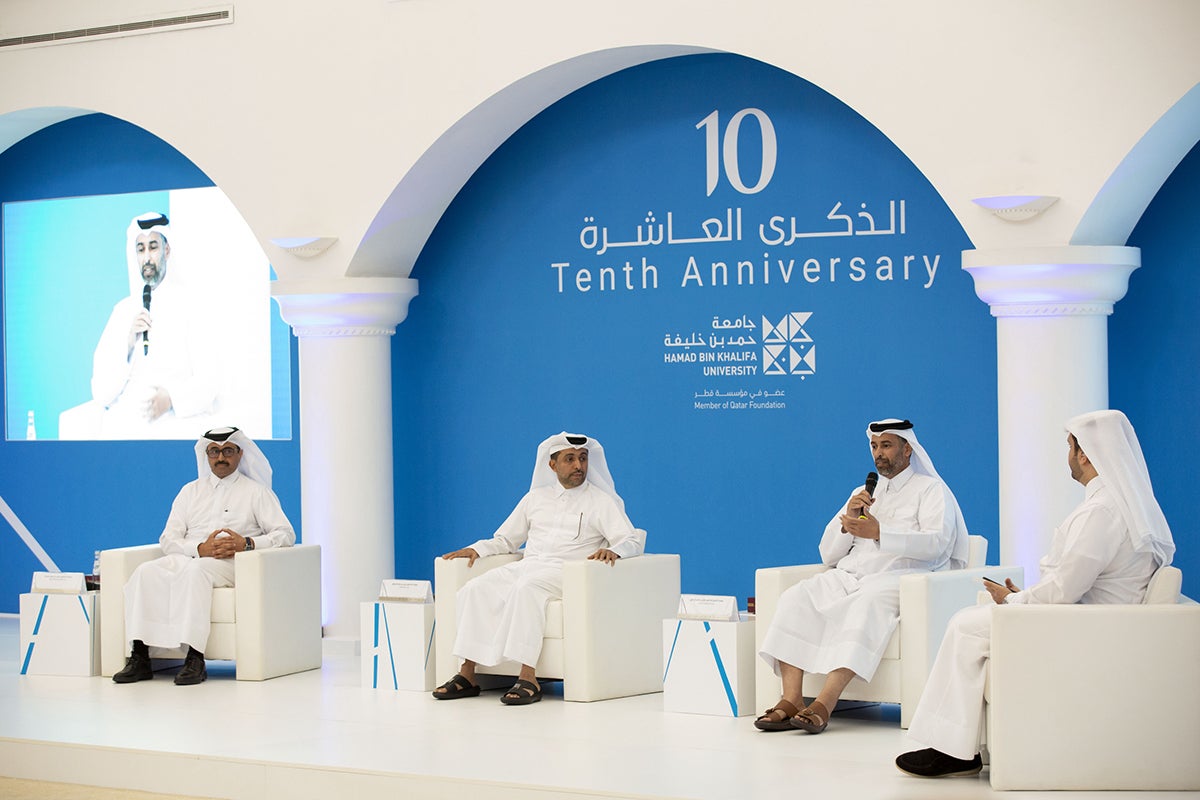
Marking 10 years since its founding as a graduate-focused, research-driven university, Hamad Bin Khalifa University (HBKU) has launched a new initiative - HBKU Dialogues - that reaffirms its role as a Qatari institution committed to engaging the wider community.
“We remain deeply connected to our society by initiating meaningful conversations; we have launched the HBKU Dialogues to mobilize and bridge our research efforts and our community outreach initiatives,” said Dr. Ahmad M. Hasnah, HBKU President, on the occasion of the launch.
Share:
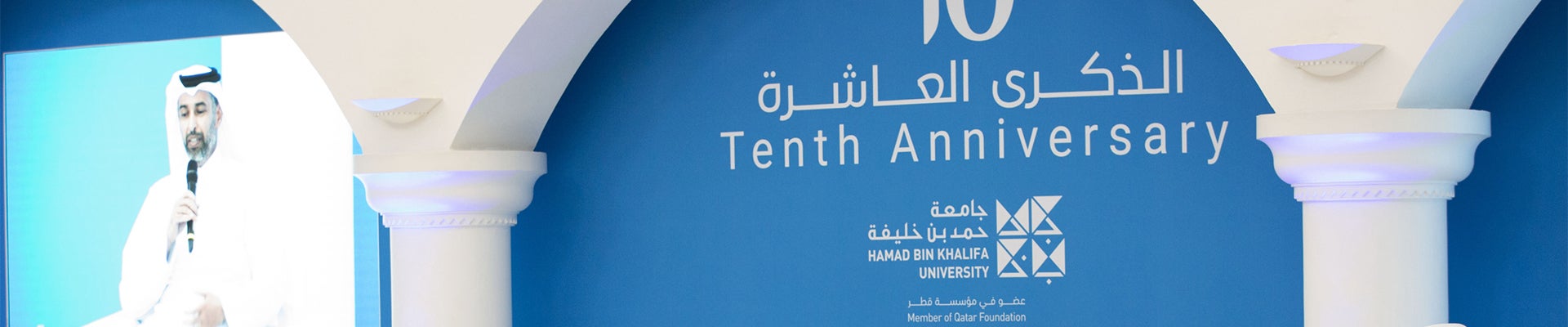
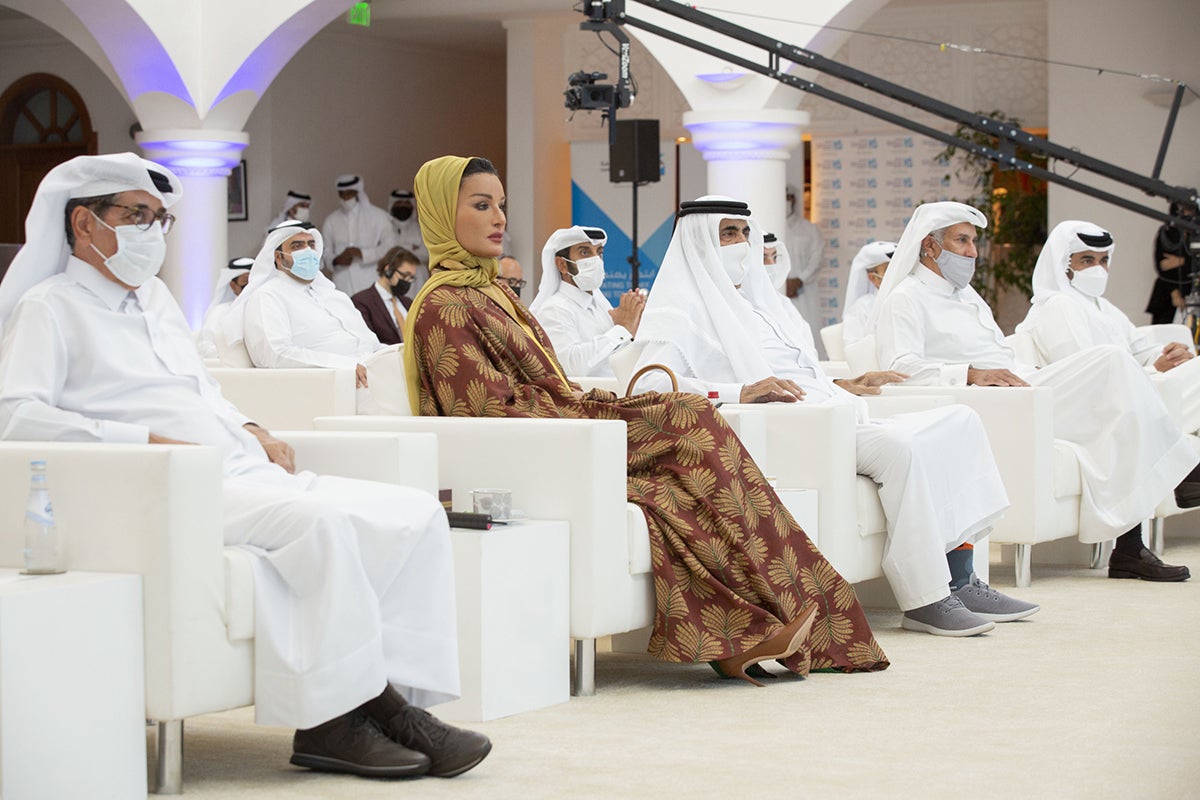
His Highness the Father Amir Sheikh Hamad bin Khalifa Al Thani and Her Highness Sheikha Moza bint Nasser, Chairperson of Qatar Foundation (QF), attended Hamad Bin Khalifa University (HBKU)’s ‘Decade of Excellence’ 10th anniversary celebration today at the university’s headquarters in Education City, where they reaffirmed the role of this homegrown institution in innovating and developing the nation’s intellectual capacity and scientific research capabilities.
Share:


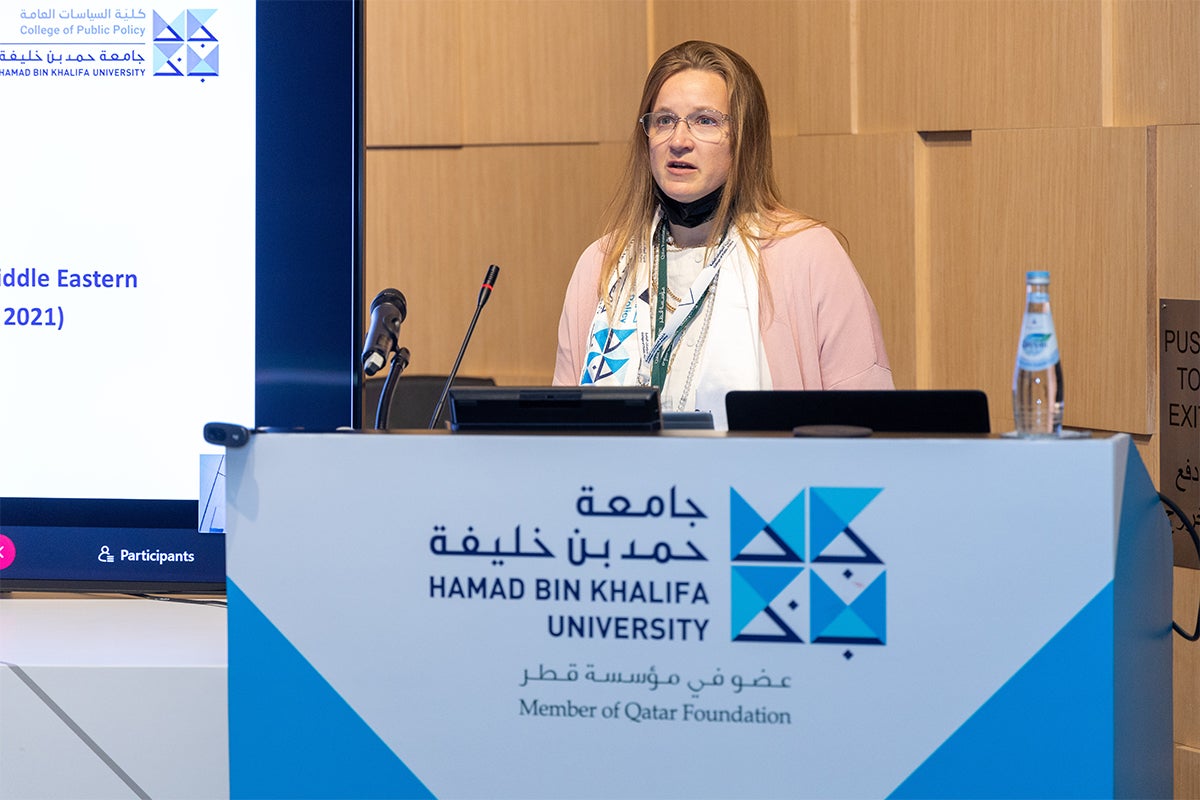
The College of Public Policy (CPP) at Hamad Bin Khalifa University (HBKU) held a book launch on October 20 for The Future of the Policy Sciences, co-edited by Dr. Anis Ben Brik, Associate Professor, and Dr. Leslie A. Pal, Professor and Founding Dean of CPP. The launch provided a platform for a distinguished group of academics and policy experts to discuss their contributions to the book, including new models and a diversity of perspectives from the field.
Share:
Related News

Breast cancer is one of the most common cancer types among women, with an estimated incidence of 1.5 million new cases per year globally. In Qatar, breast cancer accounts for approximately a third of all cancer cases in women. The disease is identified when cells in the breast begin to grow and divide in an uncontrolled way to create a mass or tumor, although approximately 90% of breast masses are not cancerous.
Share:
Related News