 Apply Now
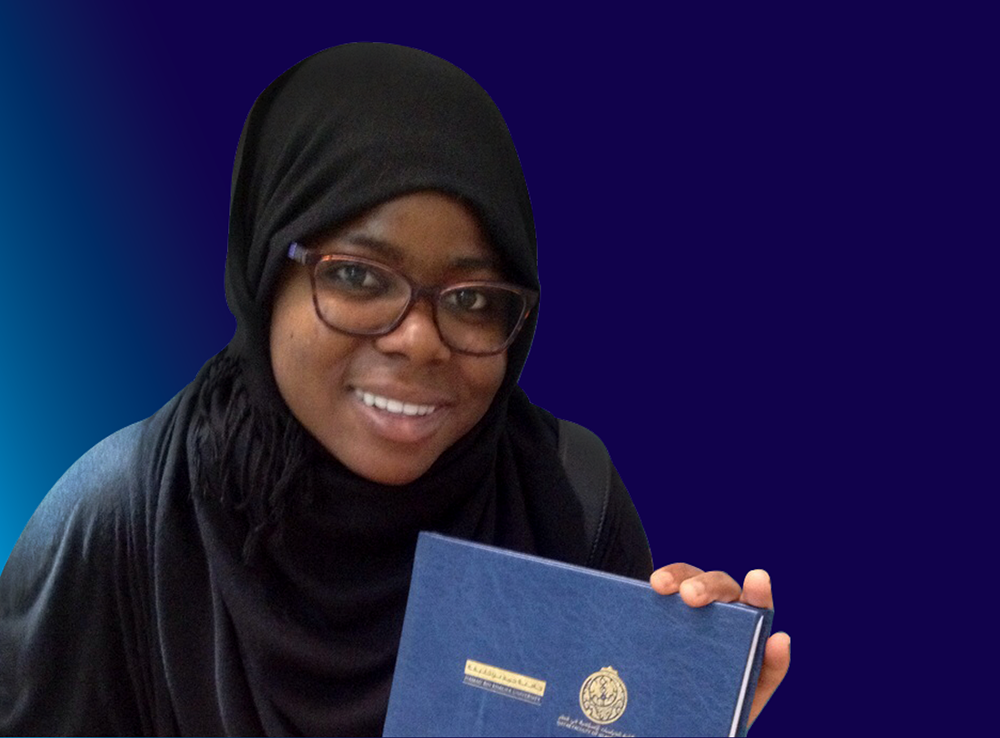
Ajarat M. Bada
Graduation Year: 2015
Occupation: Business and Organizational Designer, Kaiser Permanente, United States
How is your current work/research supporting in the fight against the current COVID-19 pandemic?
Share:
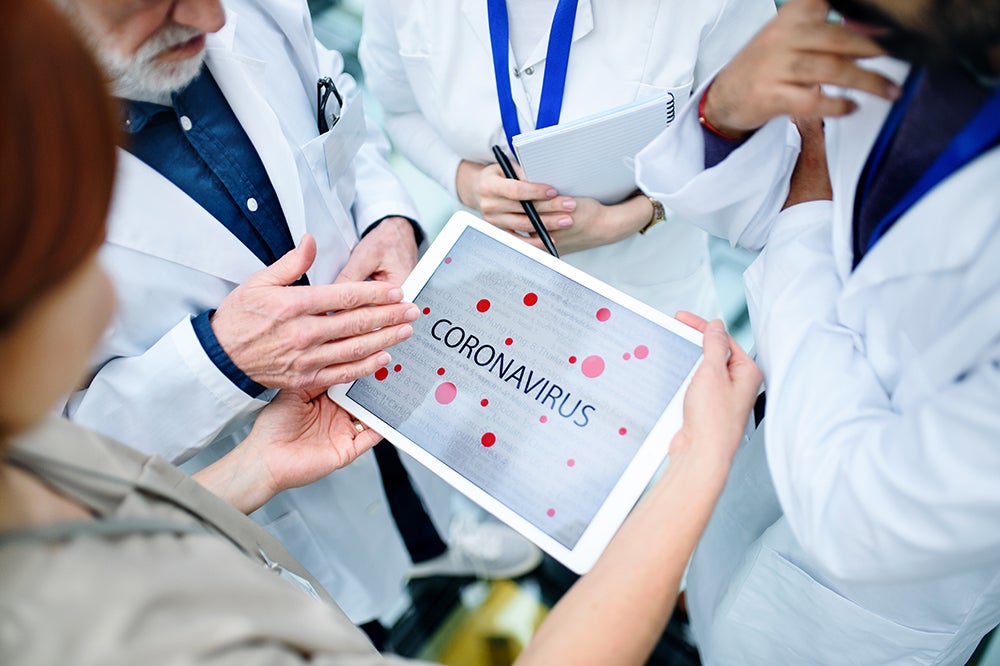
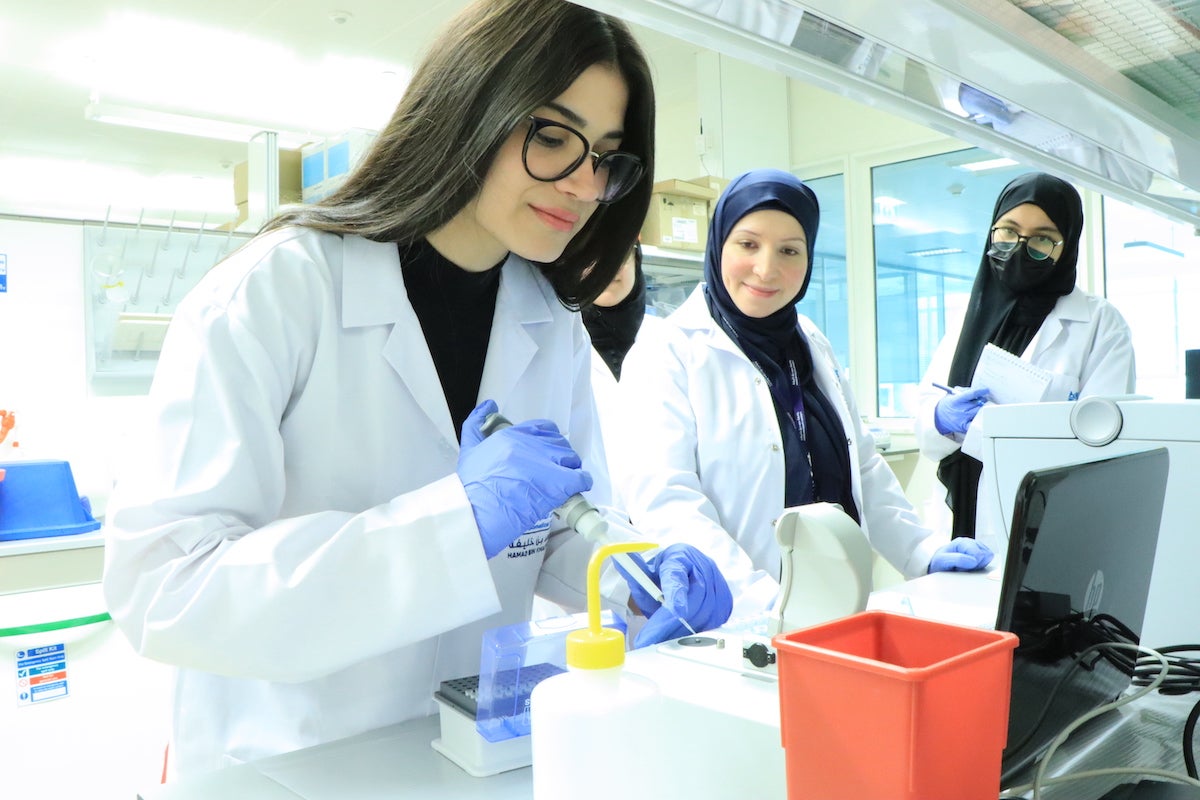
Since the outbreak of the COVID-19 pandemic earlier this year, researchers and medical practitioners have been intensively studying the etiology of this disease and discerning its risk is population sub-groups. This week, QBRI experts discuss what is known about COVID-19 in children and how the disease can be managed in high-risk diabetic patients.
Share:
Related News


QBRI Insights: Medical Problems and Comorbid Conditions Associated with Autism

COVID-19 has undoubtedly had a massive impact on the global tourism industry, perhaps none more so than in Europe where many countries are considering or have already reopened resorts to limit the damage. While Qatar’s tourism sector remains small by comparison, there can be no denying that it has also taken a hit. However, this is not the first time the country has confronted an existential challenge to this increasingly important economic activity.
Share:

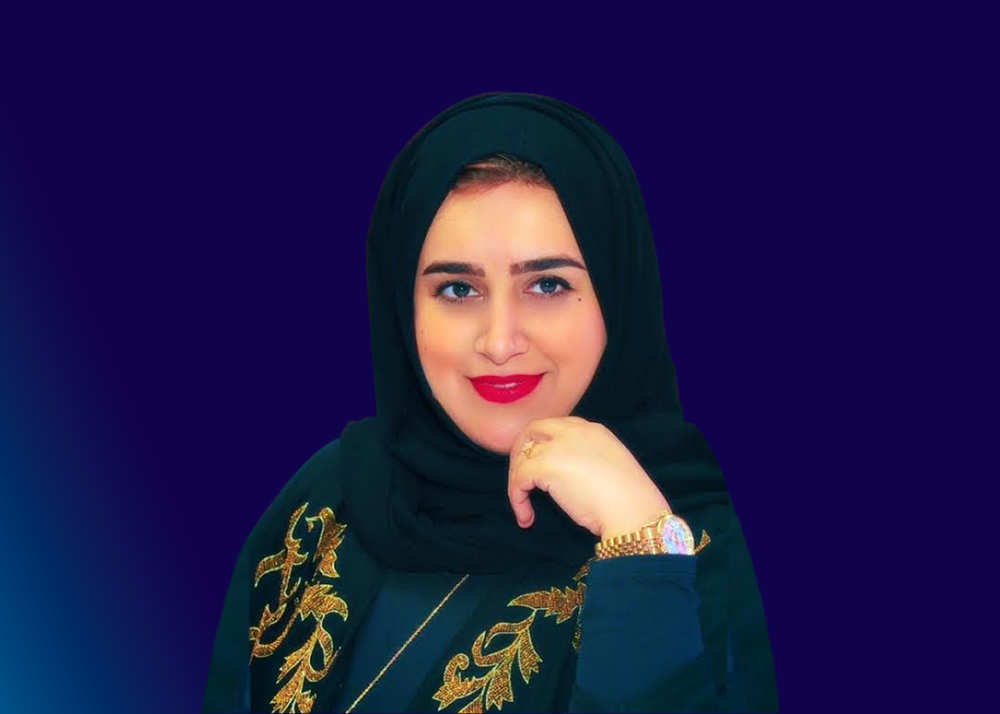
Kholeh Mortada
Graduation Year: 2019, College of Islamic Studies
Position: Public Relations Specialist, Qatar University
How is your current work supporting in the fight against the COVID-19 pandemic?
Share:
Related News
The ongoing coronavirus (COVID-19) pandemic has led to an unprecedented public health crisis in modern times. The virus is demonstrated to be highly contagious and presents serious dangers to human health, particularly for the elderly and those suffering from underlying chronic illnesses.
Share:
Related News


One of the interconnected pillars of Qatar National Vision 2030 (QNV 2030) is the development of a competitive and diversified economy that is capable of meeting the needs of, and securing a high standard of living for all of its people, present and future.
Share:
Related News
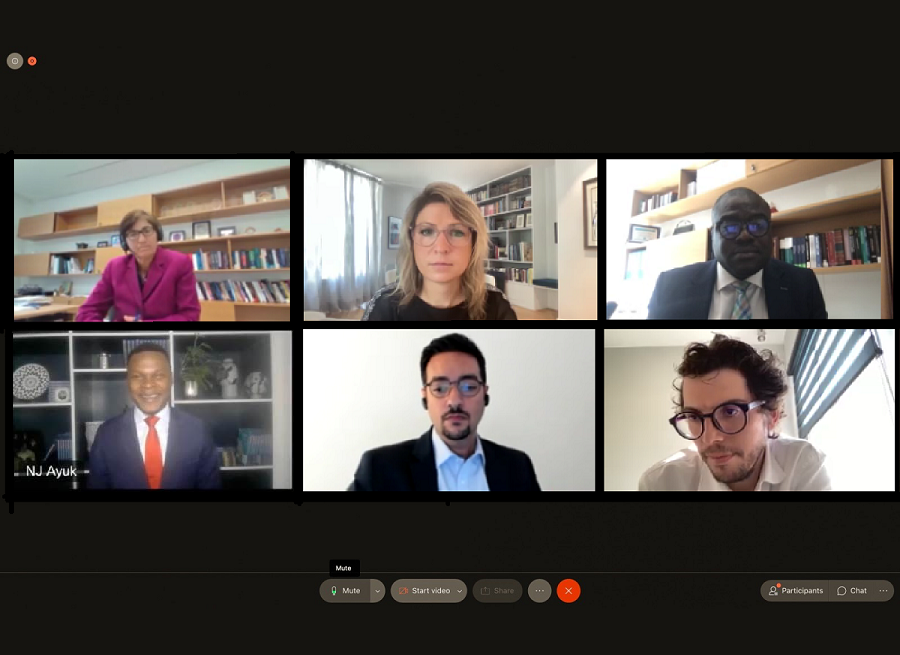


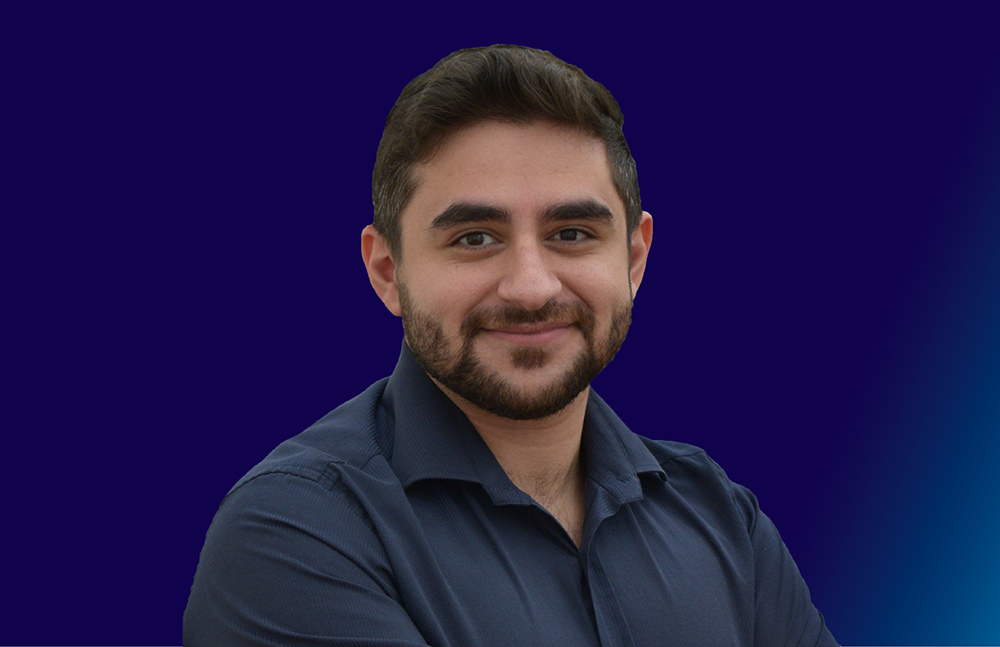
Mouhammad Sami Hijab
Graduation year: 2017
Occupation: Volunteer Admissions Specialist, Ministry of Education and Higher Education in Lebanon
How is your current work supporting in the fight against the COVID-19 pandemic?
Share:
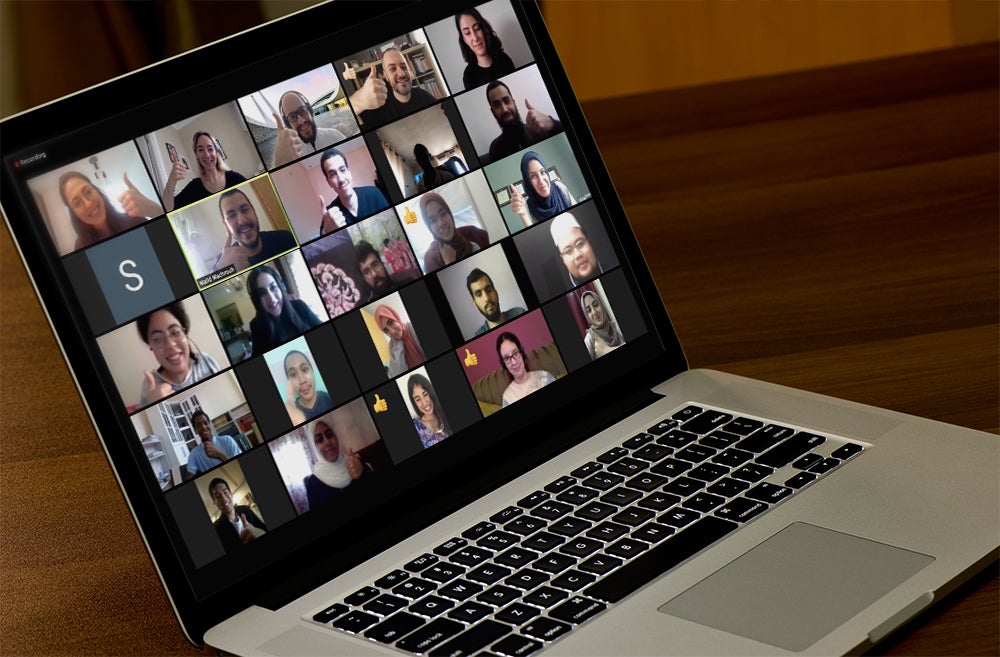
Hamad Bin Khalifa University (HBKU) has concluded ‘Design Post-COVID Normal’, the region’s first virtual summer school. The design-centered program, which took place from May 31 to June 25, aimed to seek novel solutions to a range of issues brought on by the pandemic, specifically those relating to the United Nations Sustainable Development Goals (SDGs).
Share:
Related News
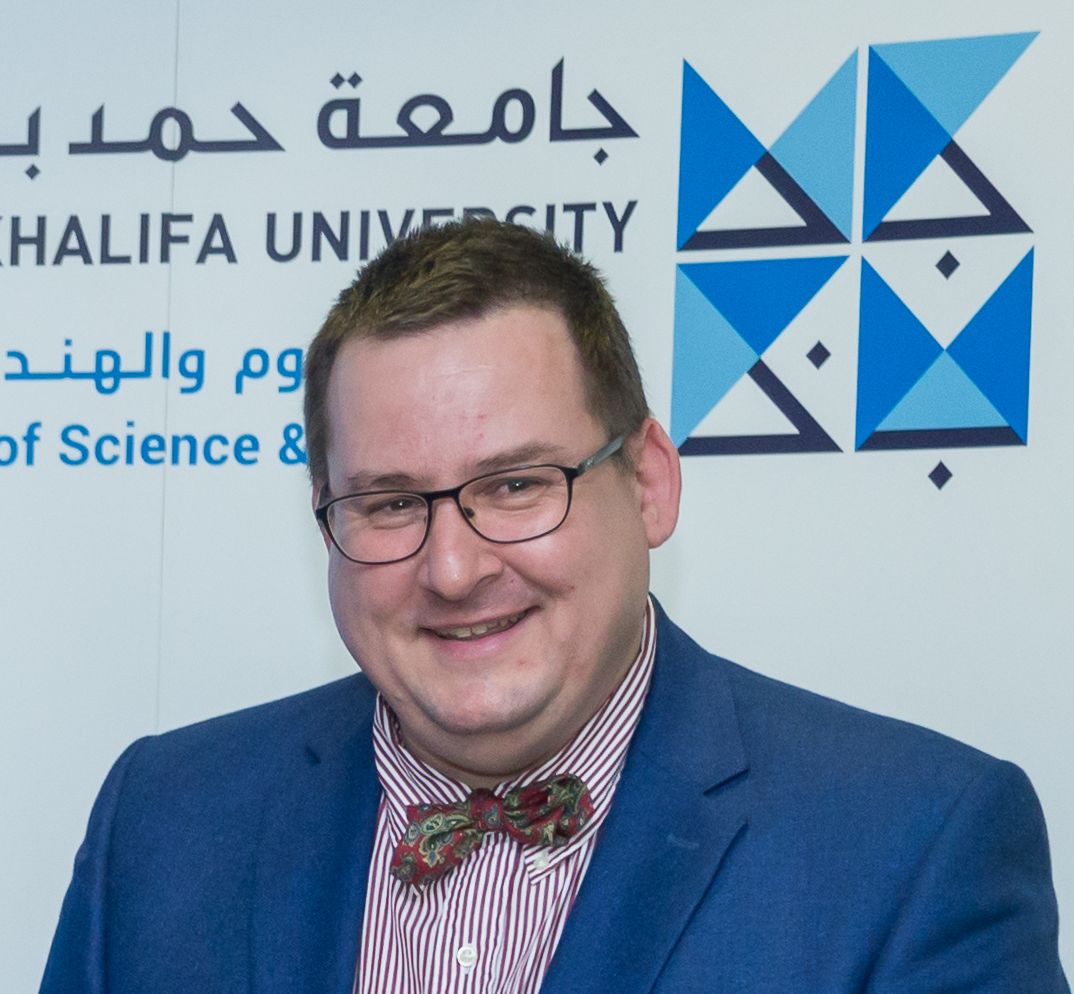
CSE's Dr. Frank Himpel talks about current supply chain digitisation trends, the benefits, the challenges and the future of supply chain technology.
Source: businesschief.eu
Share:
Related News
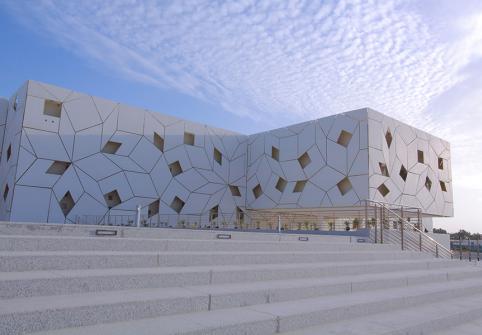
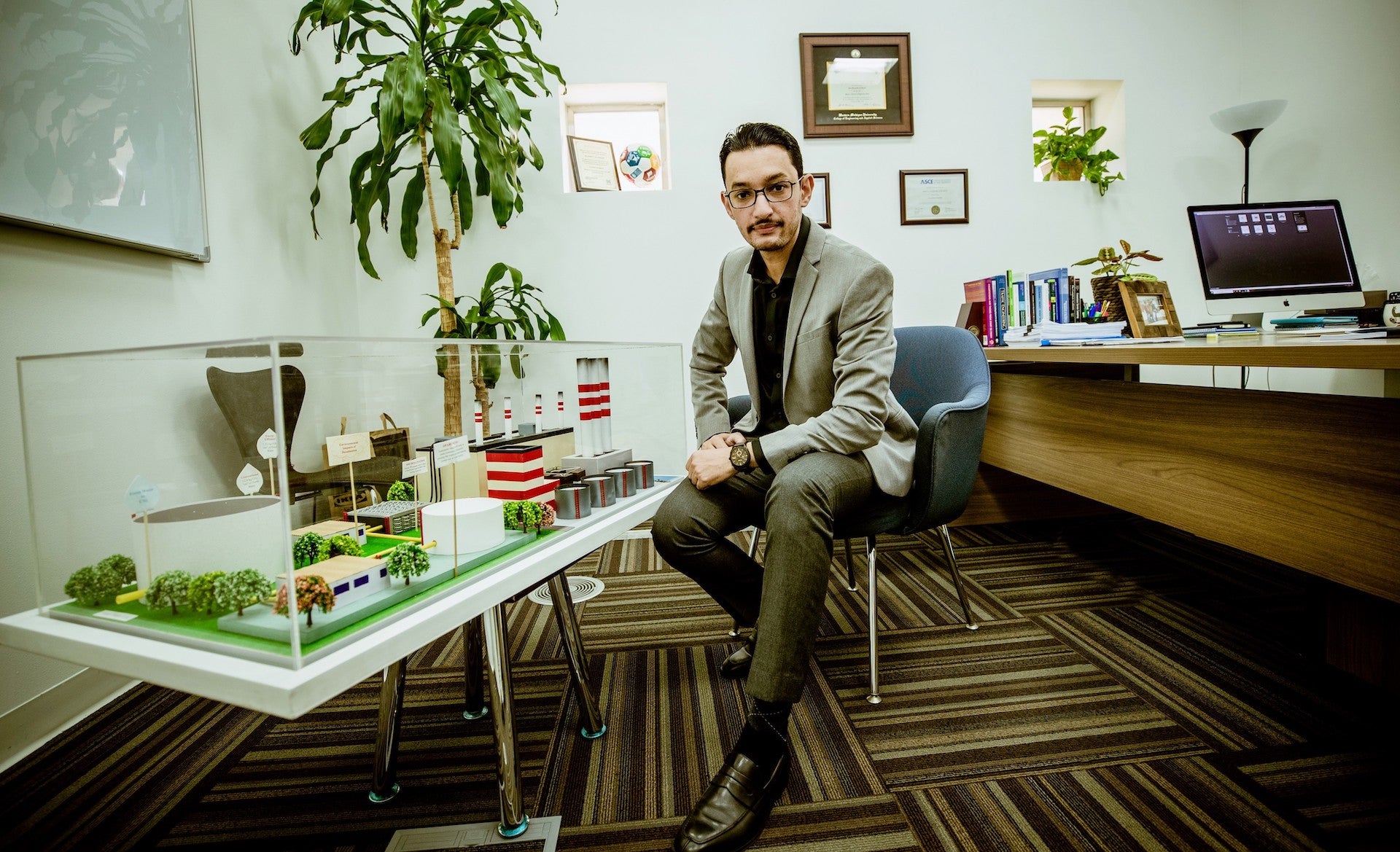
College of Science and Engineering Awarded Grant to Create a National Risk Management Plan for Qatar

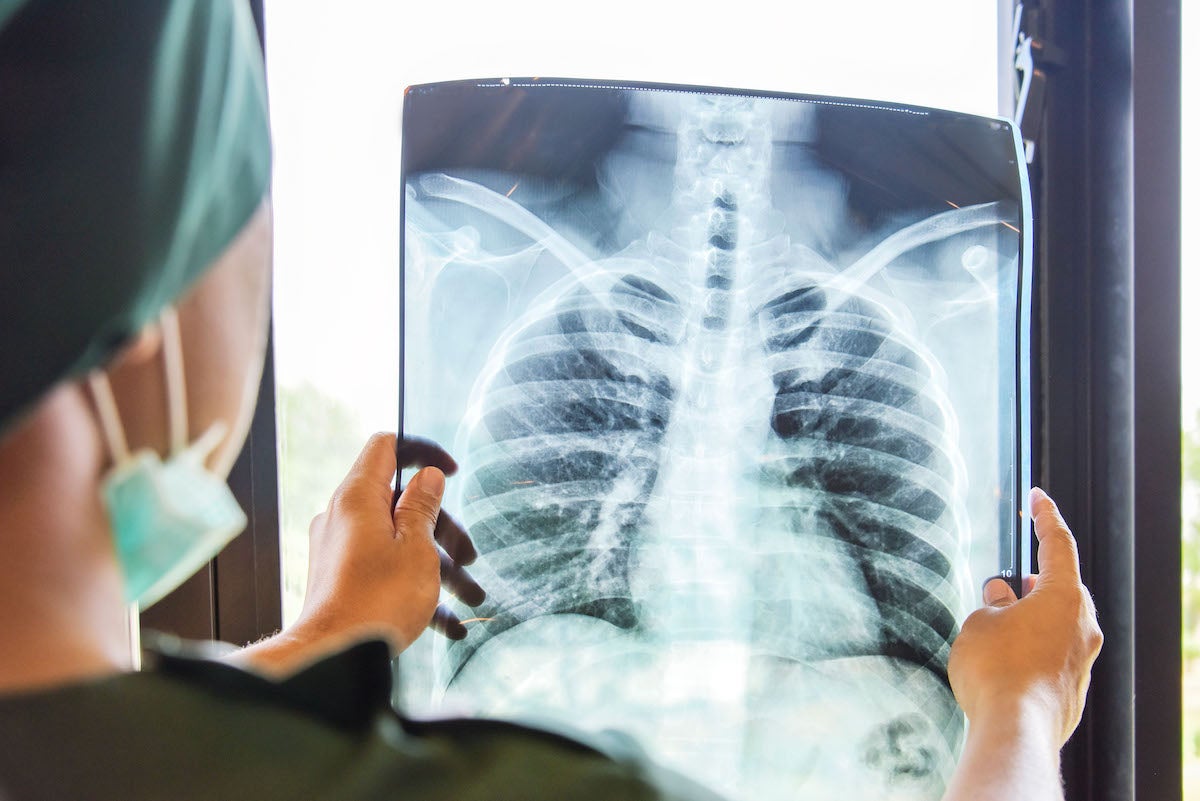

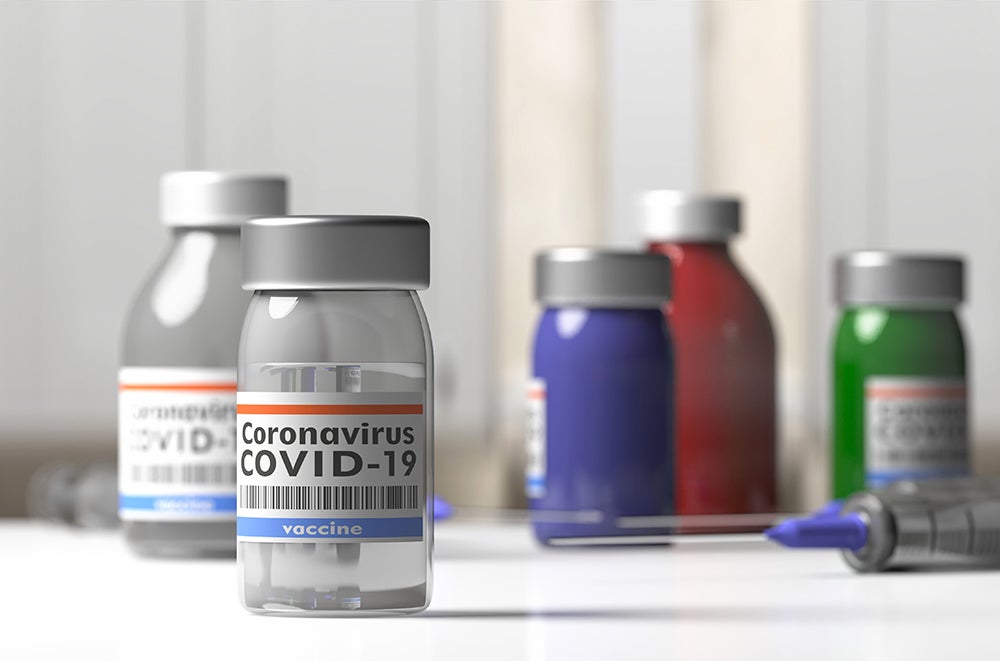
The entire human genome is made up of 6.4 billion nucleotides, which are individual positions in the human DNA denoted by the letters ‘A’,’T’,’C’ and ‘G’. In comparison, the SARS-CoV-2 genome is much smaller, with only about 29,000 nucleotides. This week, QBRI experts discuss how variations in the human host and viral genome sequence may determine the risk and severity of COVID-19.
Share:
Related News