 Apply Now


Since the start of the COVID-19 pandemic, global research efforts have been directed to improving our understanding of the disease, its progression, and opportunities for intervention to treat patients. This week, QBRI experts discuss various parameters that can reflect the COVID-19 patient status and highlight key results from early clinical trials investigating the efficacy of repurposing anti-viral drugs for COVID-19 treatment.
Share:
Related News



QBRI Insights: Medical Problems and Comorbid Conditions Associated with Autism



Most of us have been frantically disinfecting surfaces in fear of transmission of the SARS-CoV-2 virus. But is the virus airborne too? And once inside the human body, can the virus be neutralized? This week, QBRI experts discuss recent studies highlighting the surface and aerosol stability of SARS-CoV-2 and scientific advances in battling the infection with neutralizing antibodies.
Share:
Related News
QBRI Insights: Medical Problems and Comorbid Conditions Associated with Autism


Dr. Frank Himpel, Associate Professor at CSE, talks about the impact of COVID-19 on national economic systems and the operational effects on countries.
Share:
Related News

College of Science and Engineering Awarded Grant to Create a National Risk Management Plan for Qatar



The sudden outbreak of the coronavirus pandemic and subsequent lockdowns across the globe have seen international scientists and governments working around the clock to find appropriate policy responses, medical and technological solutions. Observing the extraordinarily infectious properties of COVID-19 and hopeful early results achieved, particularly in Asia, it is individual contact tracing that has widely emerged as a tool of paramount importance in the battle against this health threat.
Share:
Related News
College of Science and Engineering Awarded Grant to Create a National Risk Management Plan for Qatar

Qatar Environment and Energy Research Institute (QEERI), part of Hamad Bin Khalifa University, is committed to supporting the country in achieving the goals outlined under the environmental pillar of the Qatar National Vision 2030 (QNV 2030) through the development of technology solutions, techno-economic assessment and policy analysis. As part of the country’s ‘Green Car Initiative’, launched by Kahramaa, QEERI is helping Qatar tackle climate change by creating a more environmentally-friendly transportation sector.
Share:
Related News
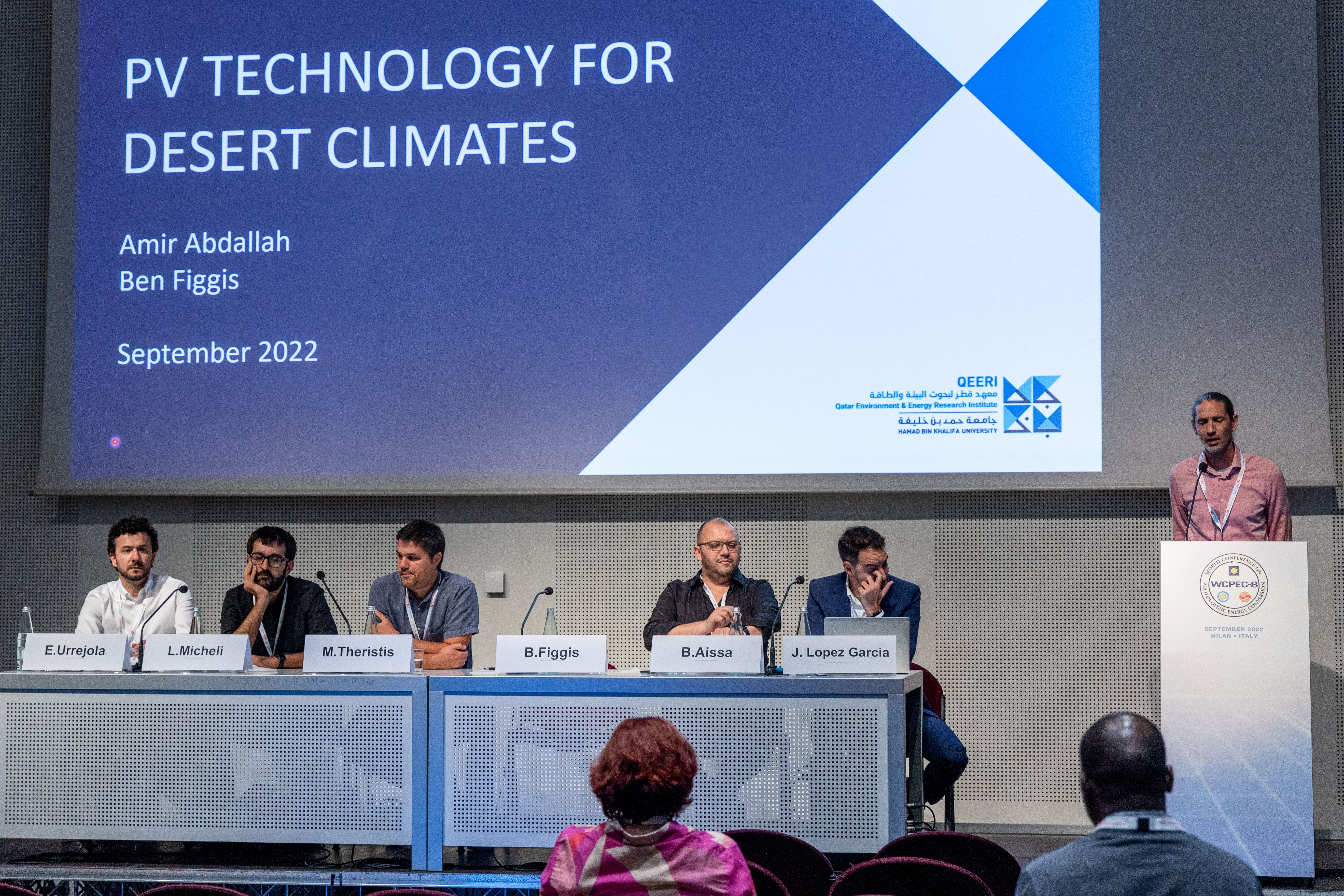
QEERI Presents Solar Energy Innovation at International Photovoltaic Conference

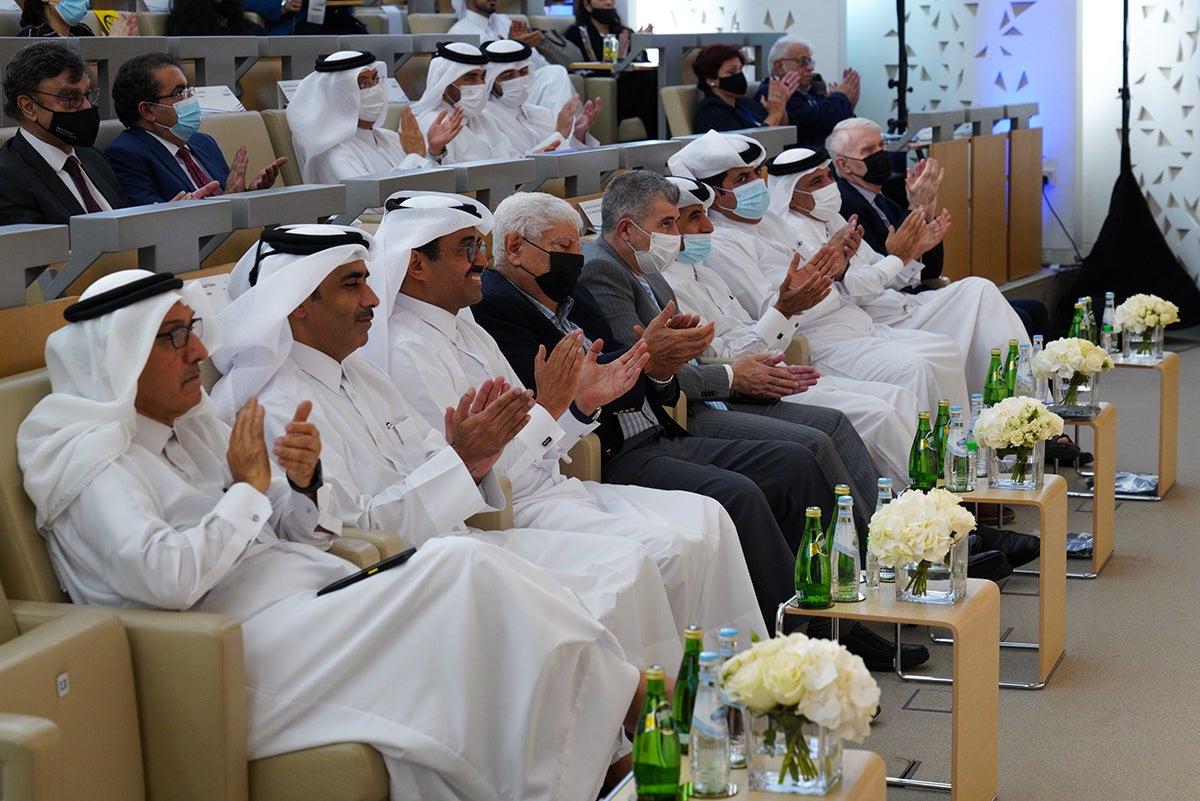
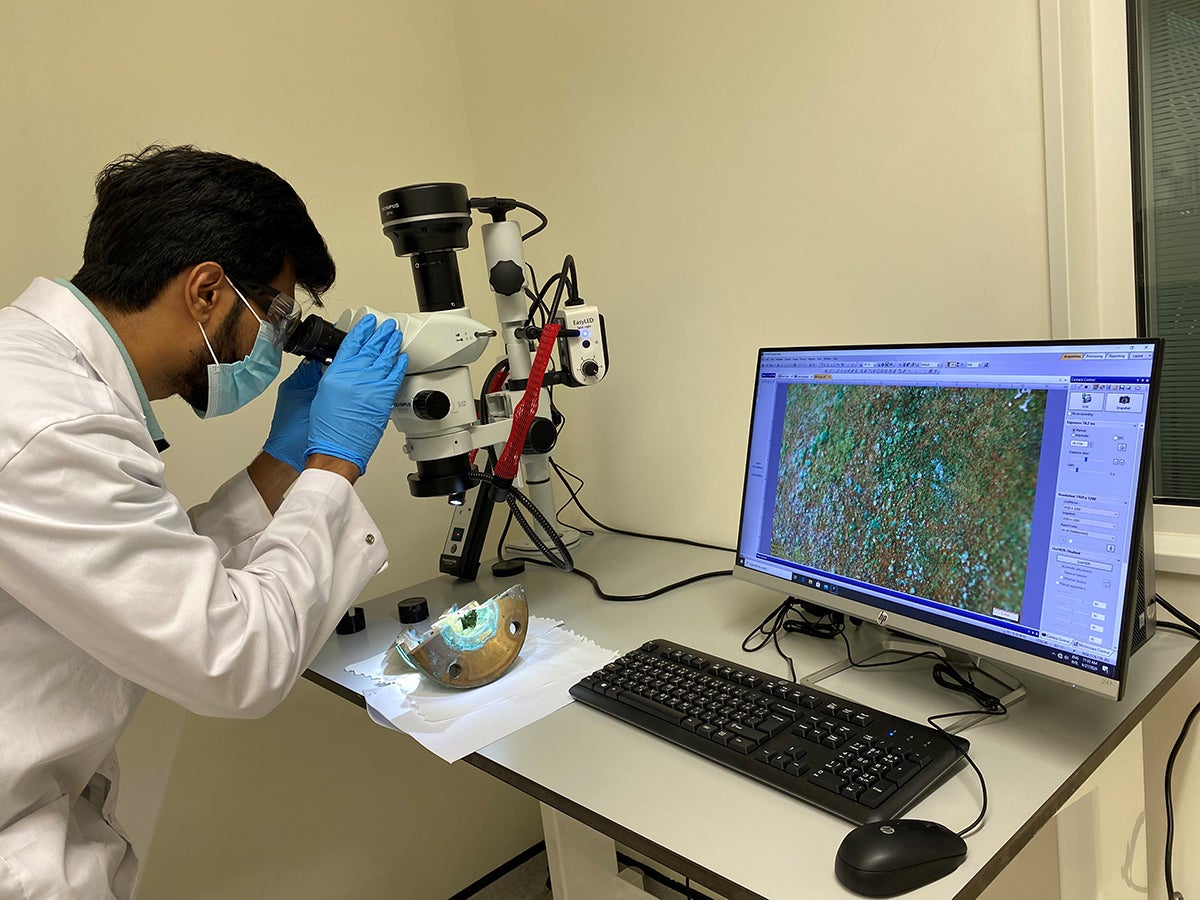
Tackling Corrosion Challenges: A Decade of Qatar Environment and Energy Research Institute
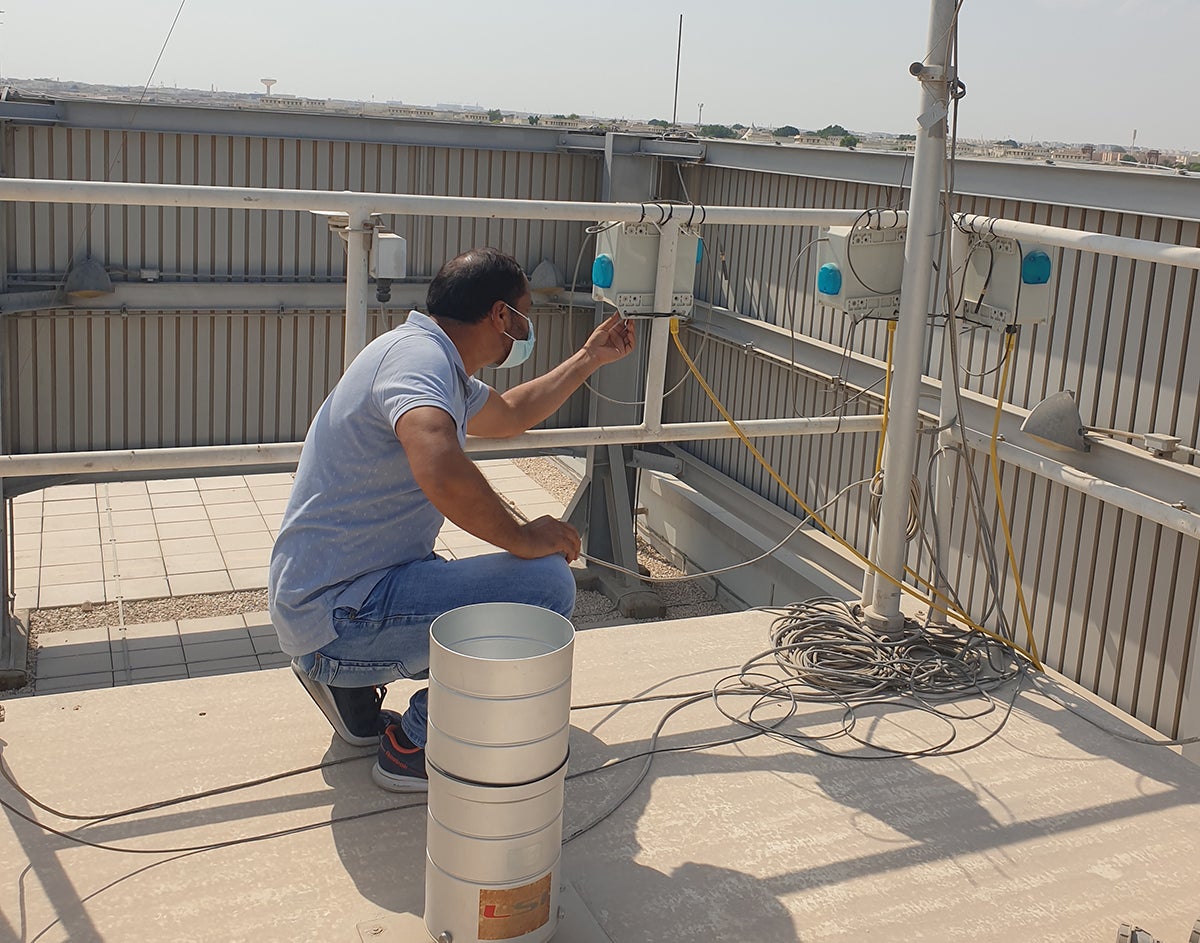
Scientific Research Raises Level of Urban Air Quality Management: A Decade of Qatar Environment and Energy Research Institute
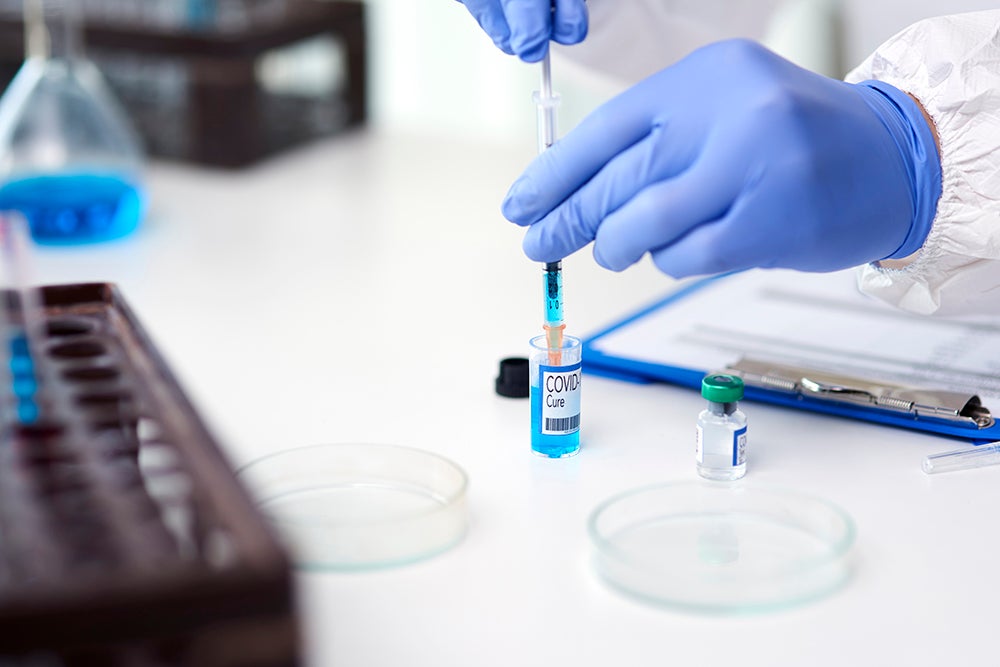

The COVID-19 pandemic has necessitated rapid, scalable and inexpensive diagnostic tests to identify symptomatic and asymptomatic cases. In edition two of QBRI Insights, the institute’s experts explained the rationale behind serology-based tests.
Share:
Related News
QBRI Insights: Medical Problems and Comorbid Conditions Associated with Autism
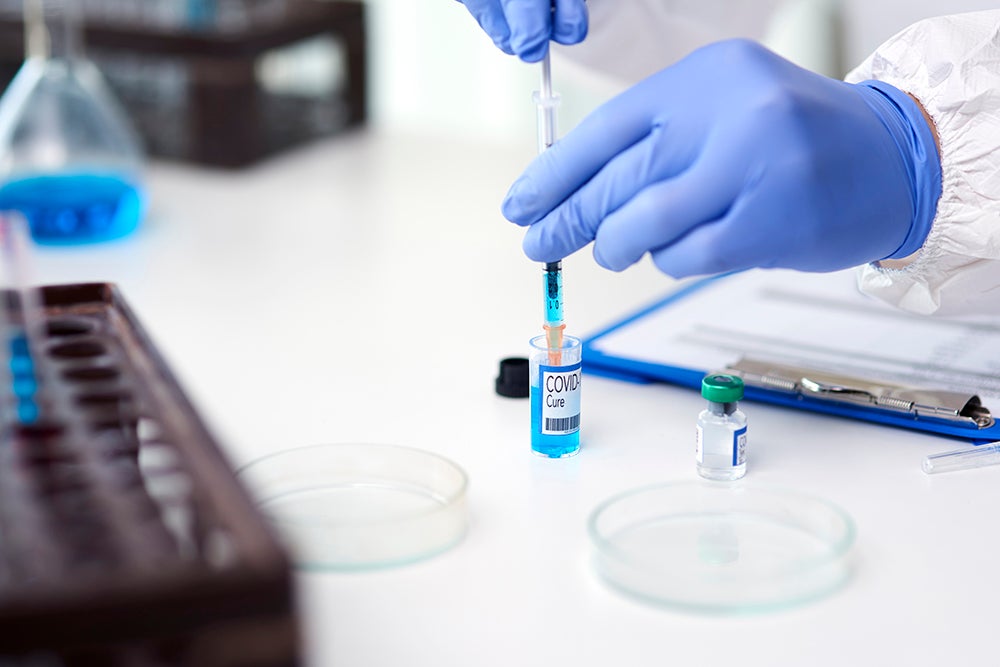
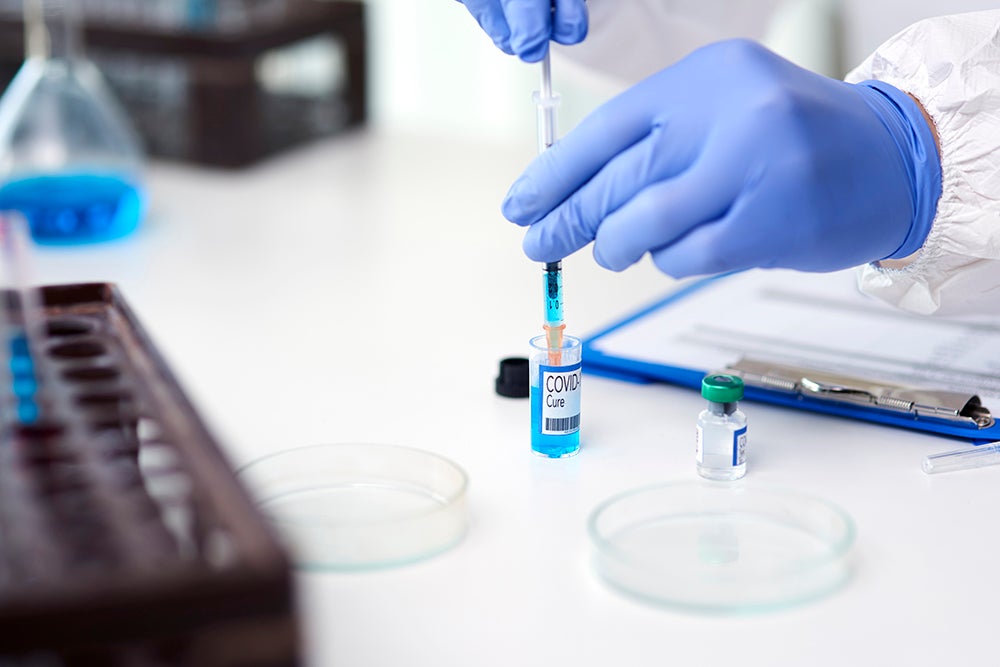
‘Normal life’ as we have always known it has collapsed worldwide due to COVID-19, which is caused by SARS-CoV-2. This week QBRI experts discuss why a vaccine is the only hope for resuming normality and highlight recent progress in multipronged approaches to SARS-CoV-2 vaccine development.
Share:
Related News
QBRI Insights: Medical Problems and Comorbid Conditions Associated with Autism


CRISPR (pronounced “crisper”) is an acronym for ‘Clustered Regularly Interspaced Short Palindromic Repeats’ and is one of the major breakthroughs in modern molecular biology. This week QBRI experts explain how this bacterial immune system can be used to treat and diagnose COVID-19 in humans.
Share:
Related News
QBRI Insights: Medical Problems and Comorbid Conditions Associated with Autism

The outbreak of the SARS-CoV-2 virus has challenged societies across the globe and the world is gradually realizing the magnitude and connectedness of its medical, social, economic, and political implications. The pandemic has created a highly complex and dynamic scenario, with governments having had to decide on drastic measures to decelerate its spread and avoid overloading their healthcare systems.
Share:
Related News
College of Science and Engineering Awarded Grant to Create a National Risk Management Plan for Qatar


The majority of COVID-19 cases are mild and patients recover quickly. However, about 15% of the cases are severe and require intensive care. This week, QBRI’s experts discuss various aspects that may contribute to COVID-19 progression.
Share:
Related News