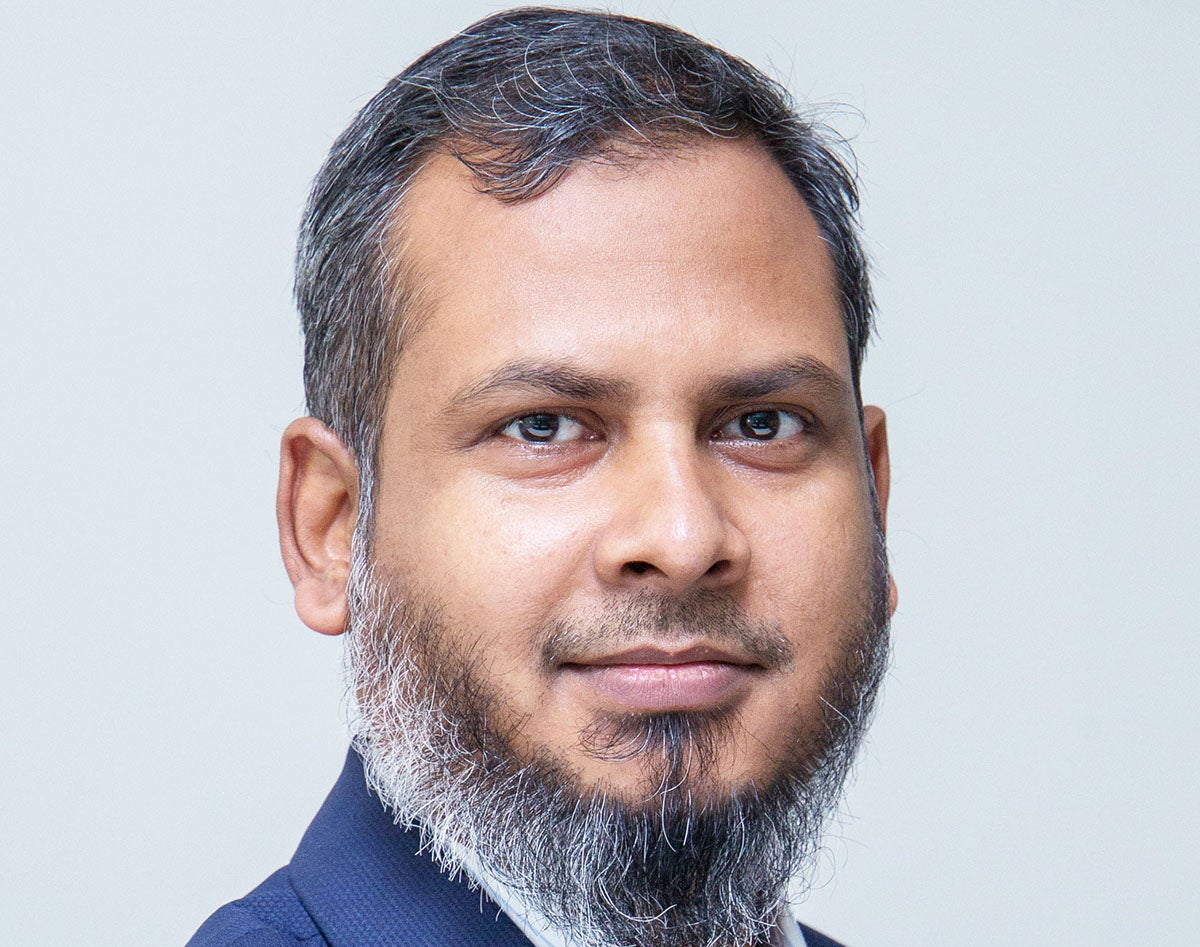
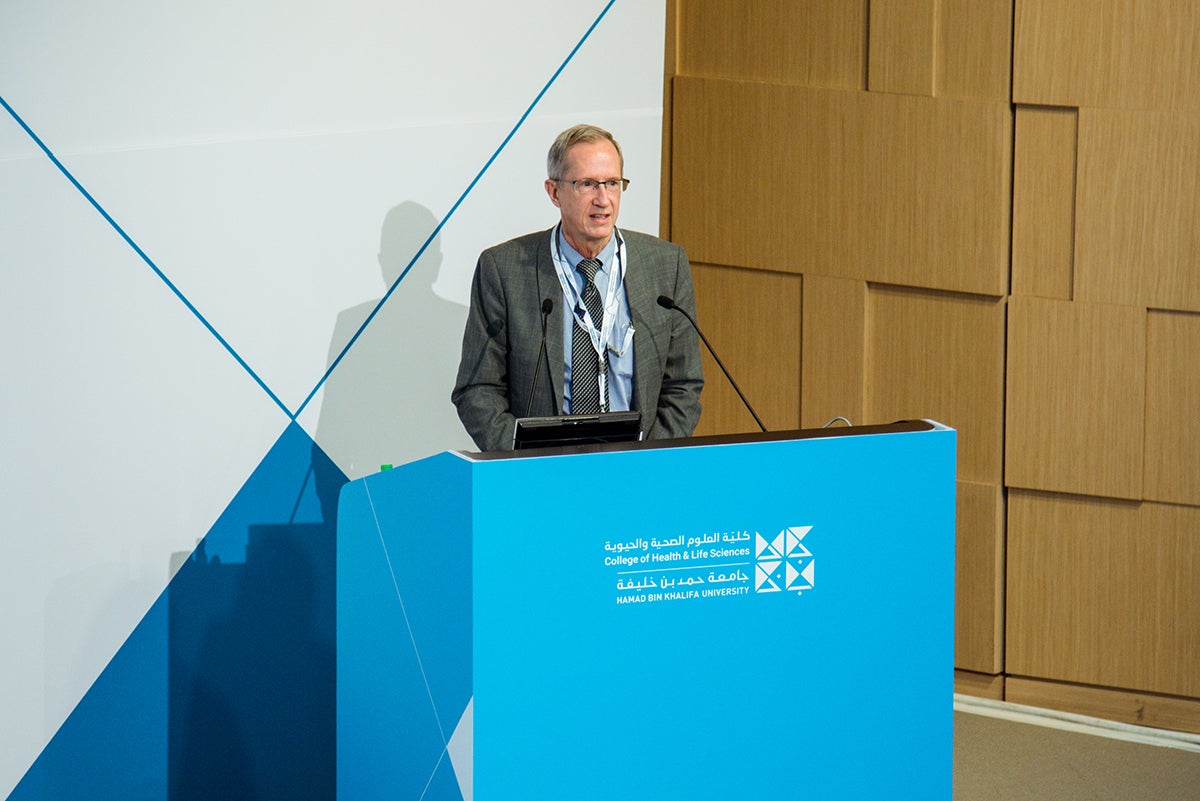
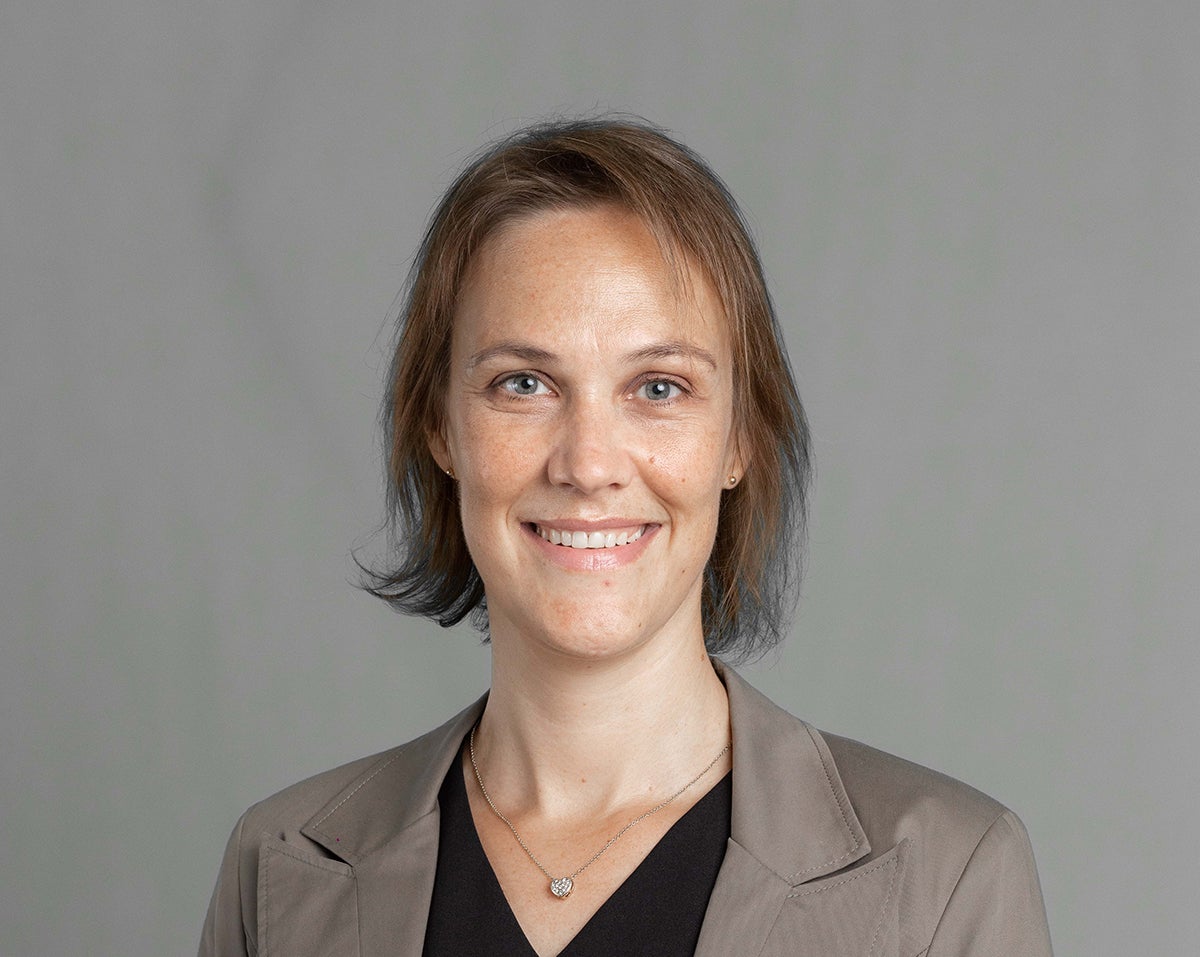
Dr. Kabir H. Biswas, Assistant Professor at Hamad Bin Khalifa University (HBKU)’s College of Health and Life Sciences (CHLS), has been invited to join the editorial board of the “Frontiers in Physics, in Molecular Biosciences, and in Physiology” journals as a review editor in the specialized ‘Biophysics’ section. Frontiers is a leading Open Access publisher and Open Science platform. Its journals are led and peer-reviewed by editorial boards of over 100,000 top researchers, with research articles receiving over 1 billion views and downloads and 1.6 million citations. Dr.
Share:
Related News
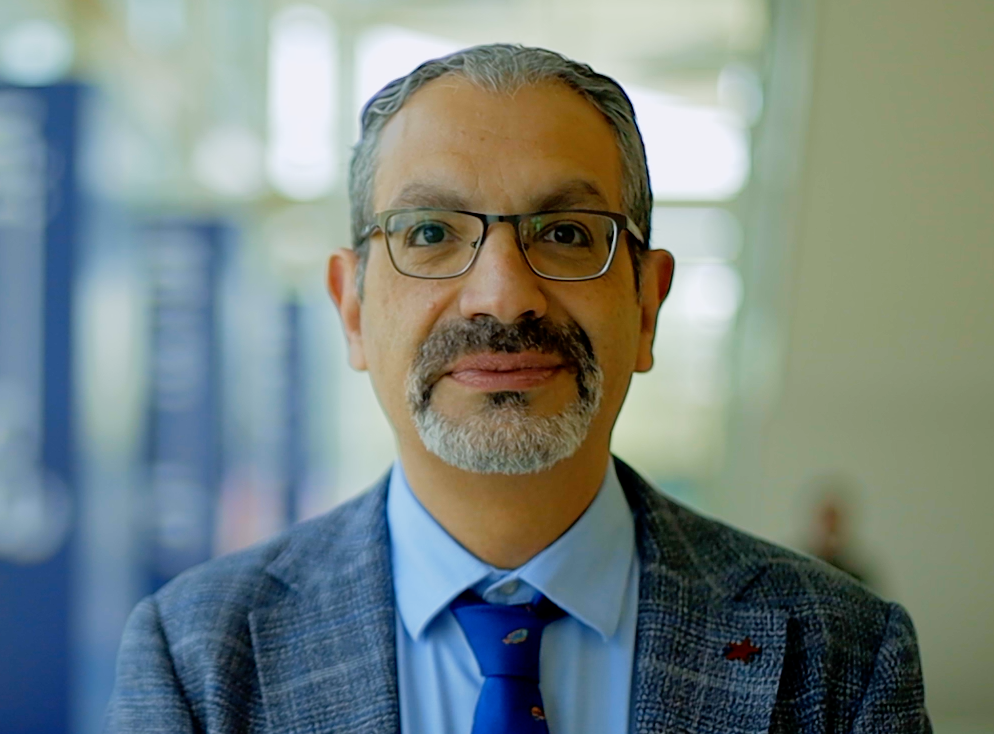


College of Health and Life Sciences Talk Spotlights Renowned Scientist’s Breakthrough on Cell Death-Driven Inflammation


The human brain weighs about 1.4 kilograms and houses the Central Nervous System (CNS), which contains 86 billion neurons and 85 billion non-neuronal cells. Among its many functions, the brain is known to process, integrate, and coordinate information from the senses. The brain consists of three main parts: the cerebrum, the brainstem, and the cerebellum. The cerebrum, the largest part of the brain, is connected to the brainstem, which in turn is connected to the spinal cord.
Share:
Related News


QBRI Insights: Medical Problems and Comorbid Conditions Associated with Autism
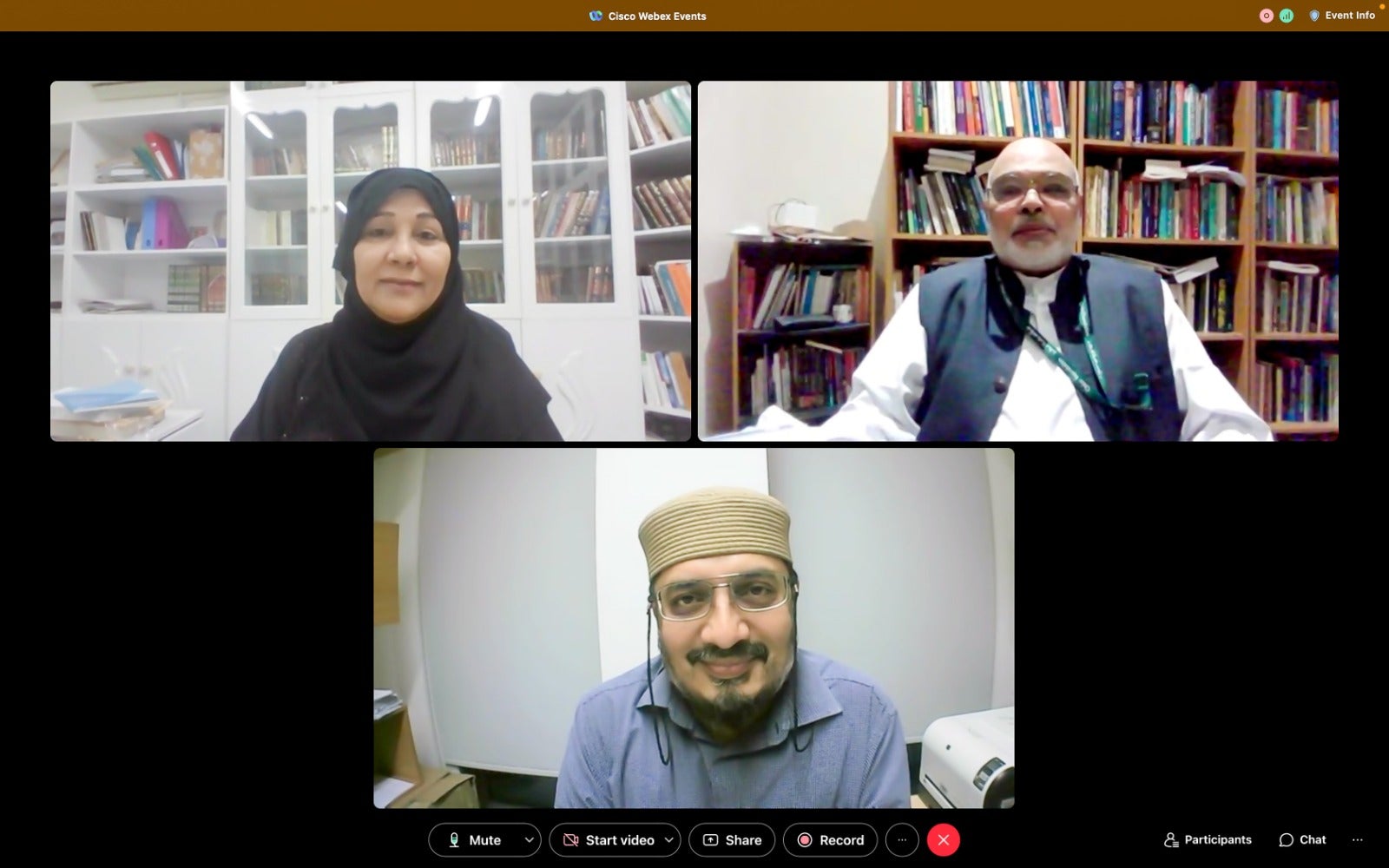
The exceptional contributions of the distinguished Islamic theologian and philosopher, Dr. Muhammad Fazlur Rahman Ansari (1914-1974), was the subject of a lecture presented by the Muhammad Bin Hamad Al Thani Center for Muslim Contribution to Civilization (CMCC) at Hamad Bin Khalifa University (HBKU)’s College of Islamic Studies (CIS).
Share:
Related News
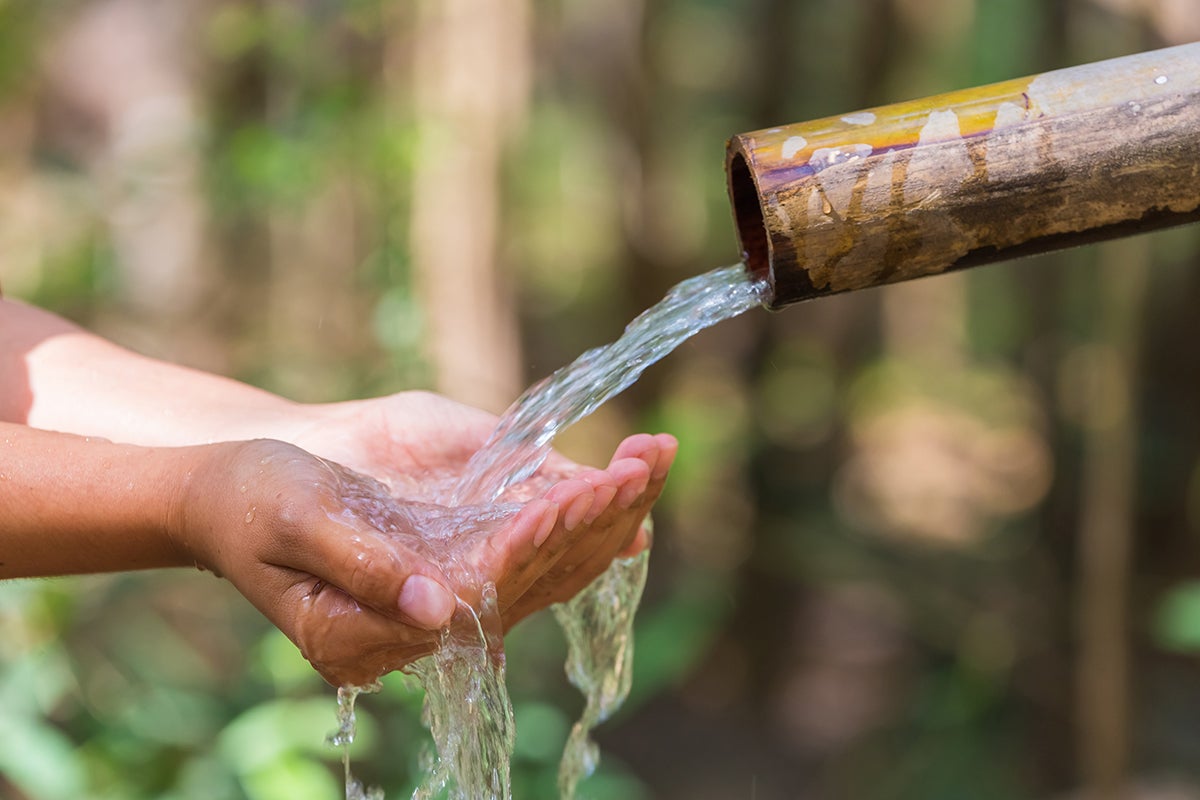
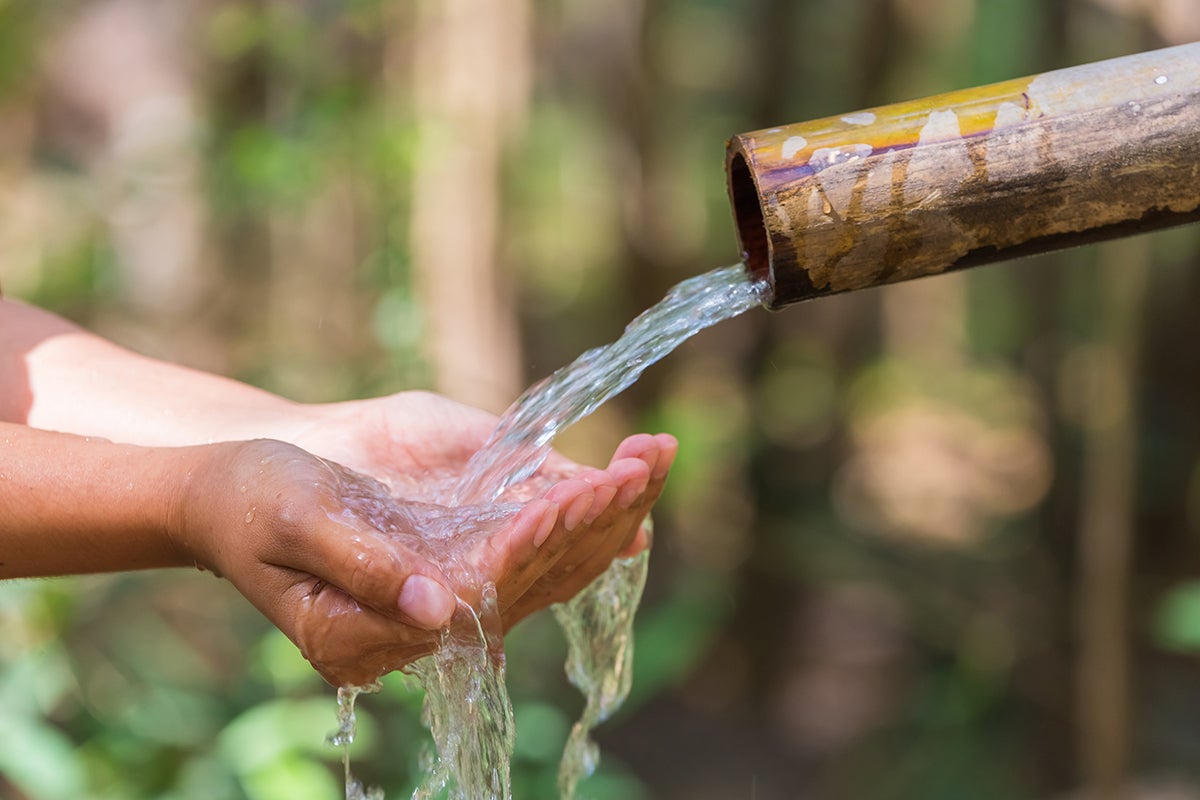
Before the 1950s, when the first seawater desalination plant was established, groundwater was the sole provider of water for drinking and irrigation. The population of Qatar relied on wells from which freshwater was extracted, which catered to all of their water needs. Similar to other arid and desert countries, Qatar’s environment is characterized by a lack of renewable freshwater resources such as rivers and lakes.
Share:
Related News
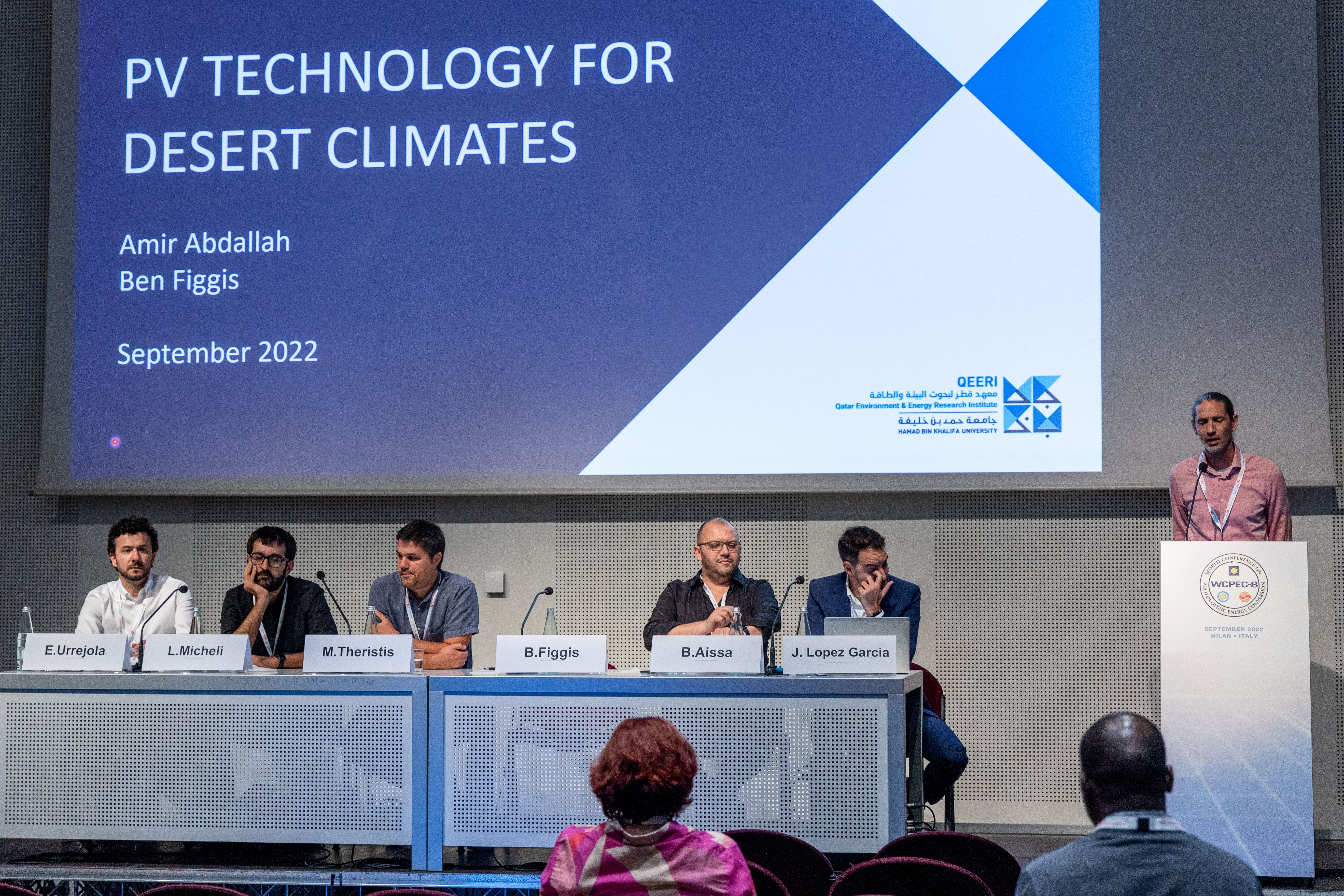
QEERI Presents Solar Energy Innovation at International Photovoltaic Conference

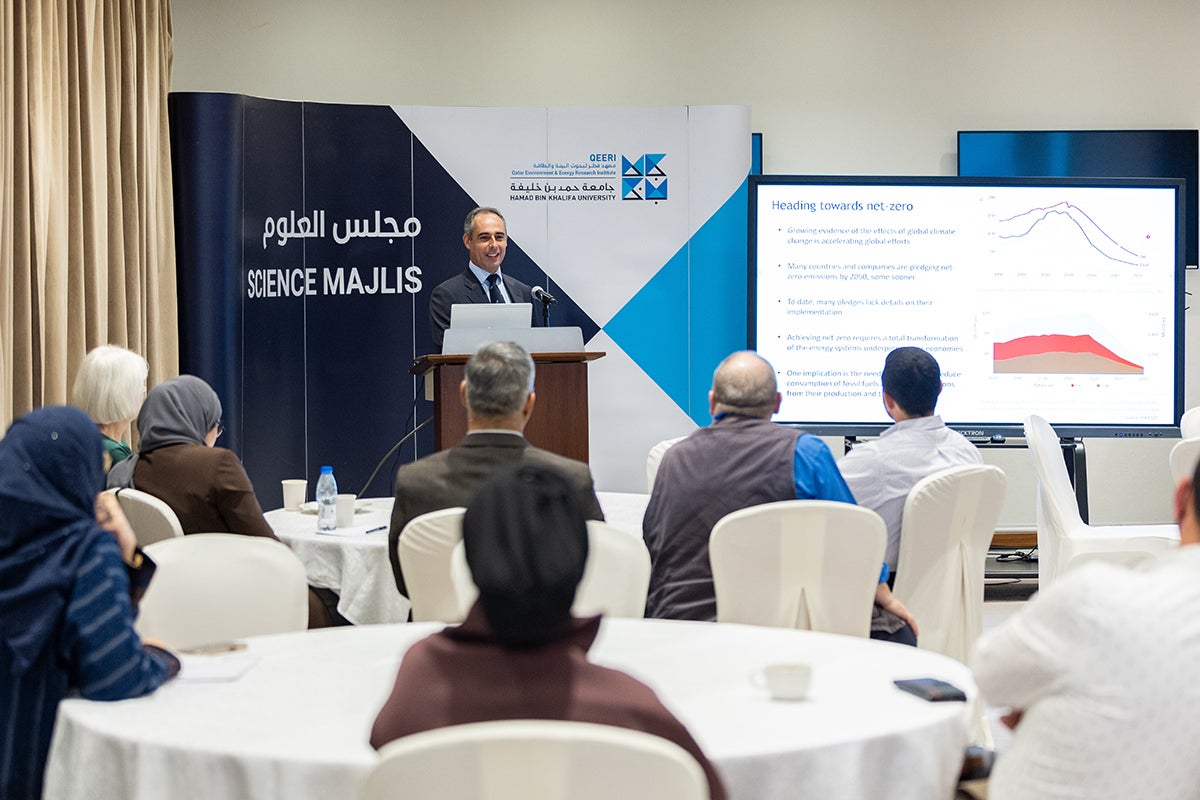
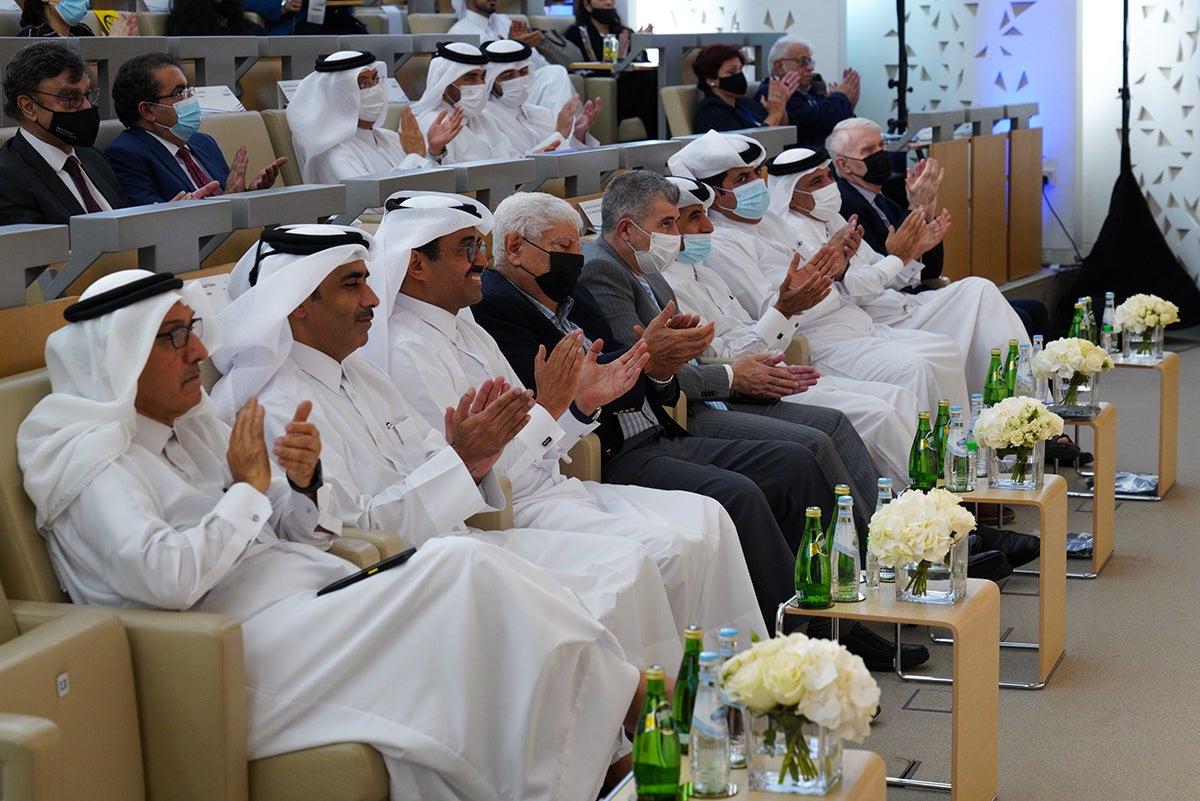
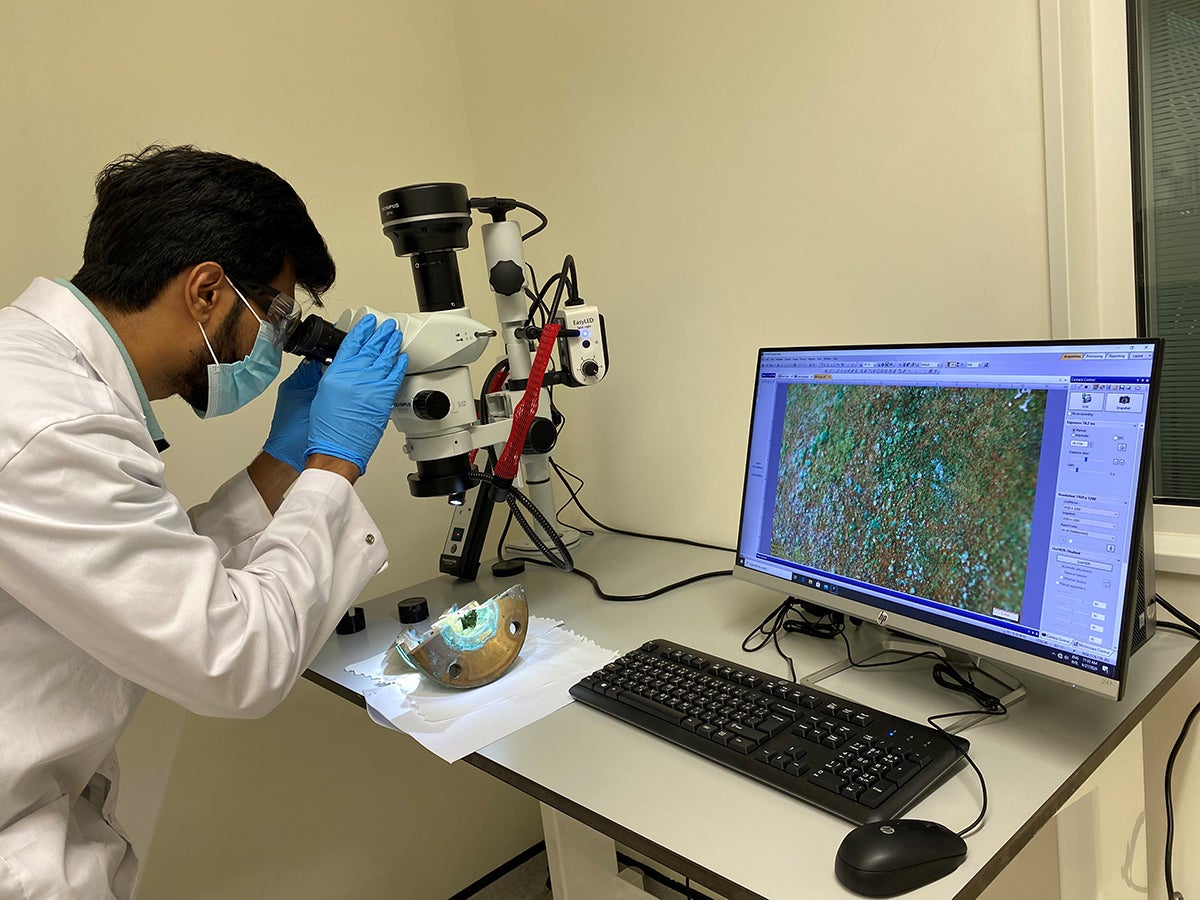
Tackling Corrosion Challenges: A Decade of Qatar Environment and Energy Research Institute
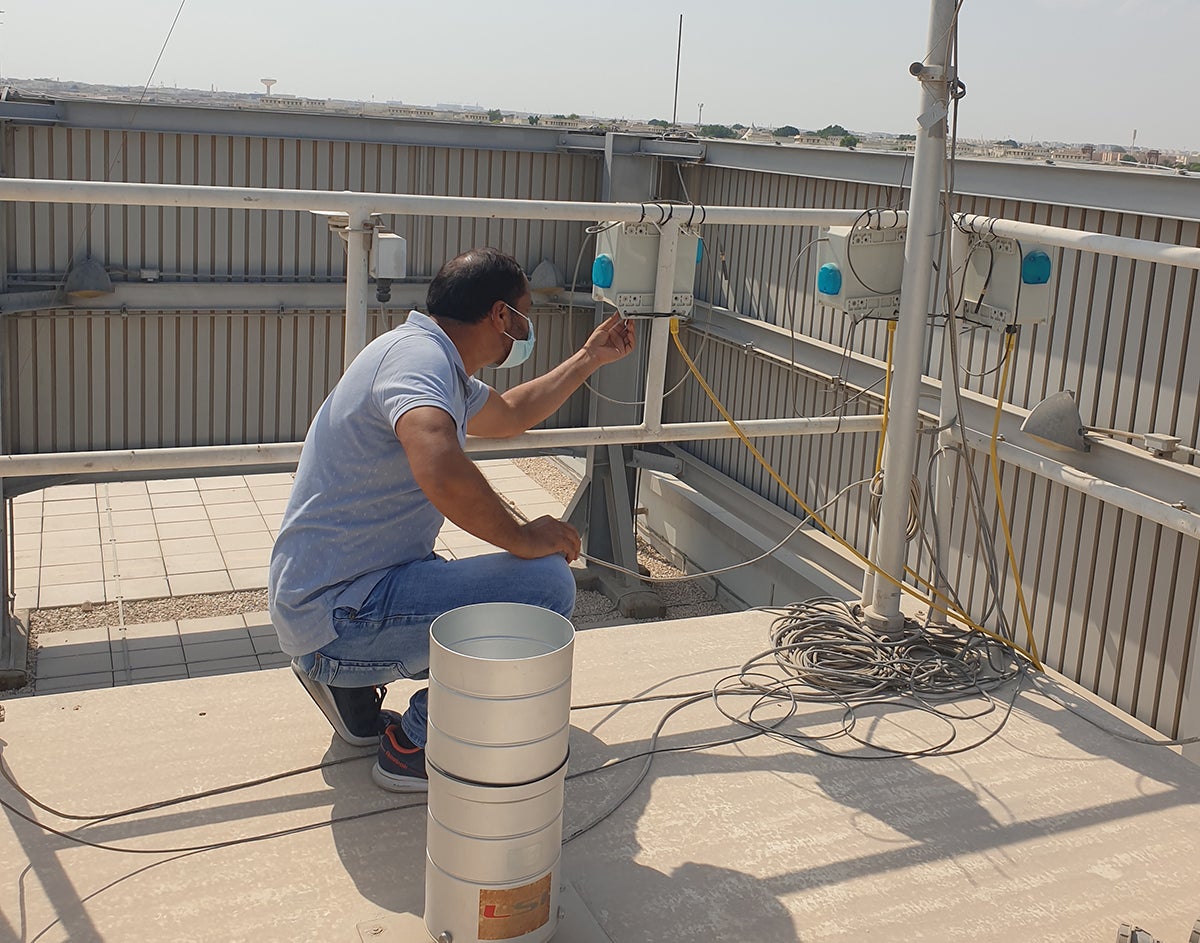
Scientific Research Raises Level of Urban Air Quality Management: A Decade of Qatar Environment and Energy Research Institute

Helping the Nation Harness its Sustainable Energy Resources: A Decade of Qatar Environment and Energy Research Institute
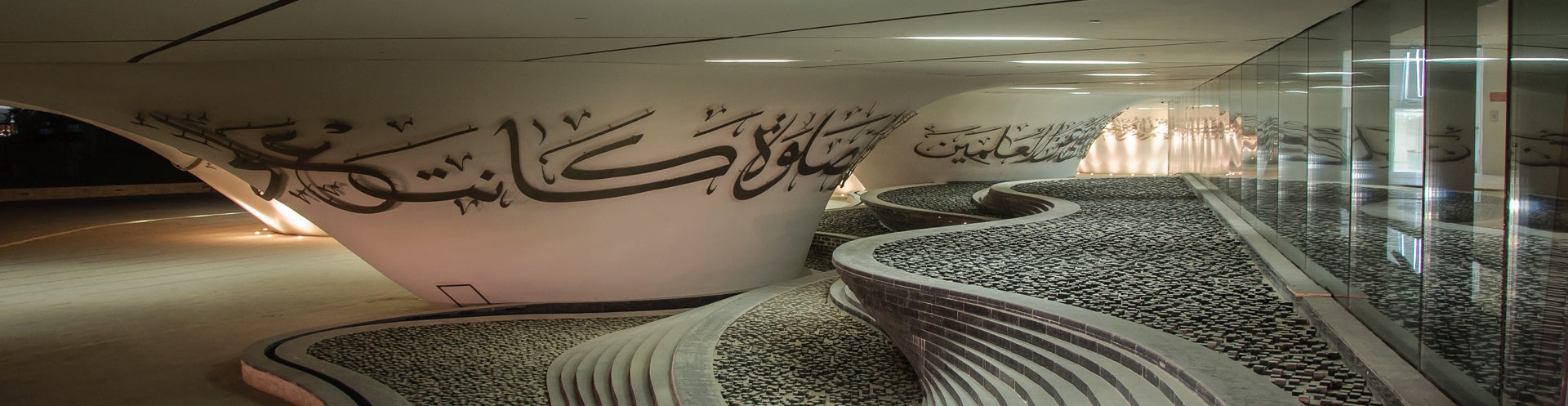
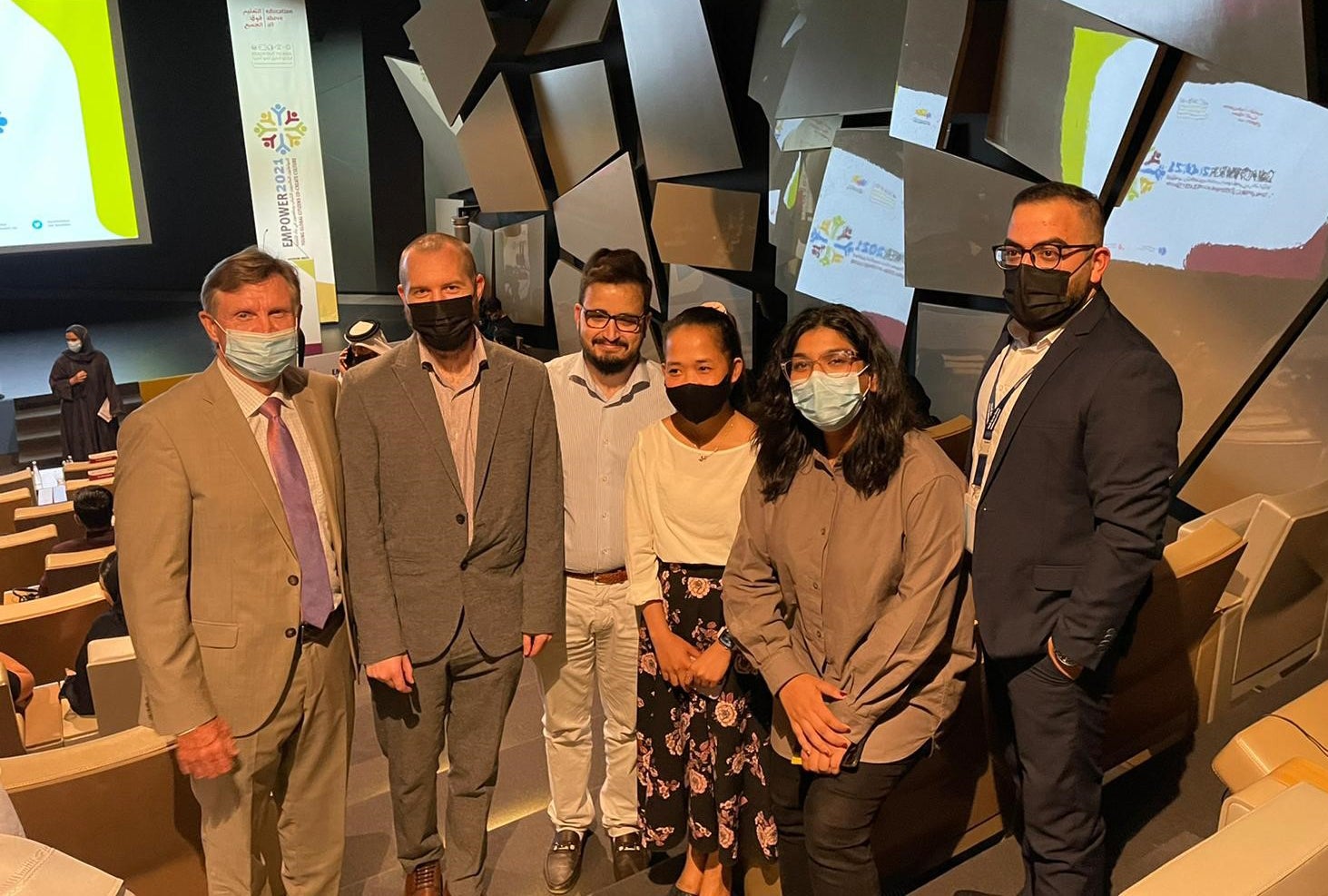
College of Public Policy (CPP) students were invited to attend the in-person opening ceremony of ROTA’s EMPOWER 2021 Youth Conference. The conference was formally opened at the National Museum of Qatar by Chairperson of Qatar Museums and Vice-Chairperson of Education Above All (EAA), Her Excellency Sheikha Al Mayassa bint Hamad bin Khalifa Al Thani. Dr. Leslie A. Pal, Dean of CPP, Dr.
Share:
Related News
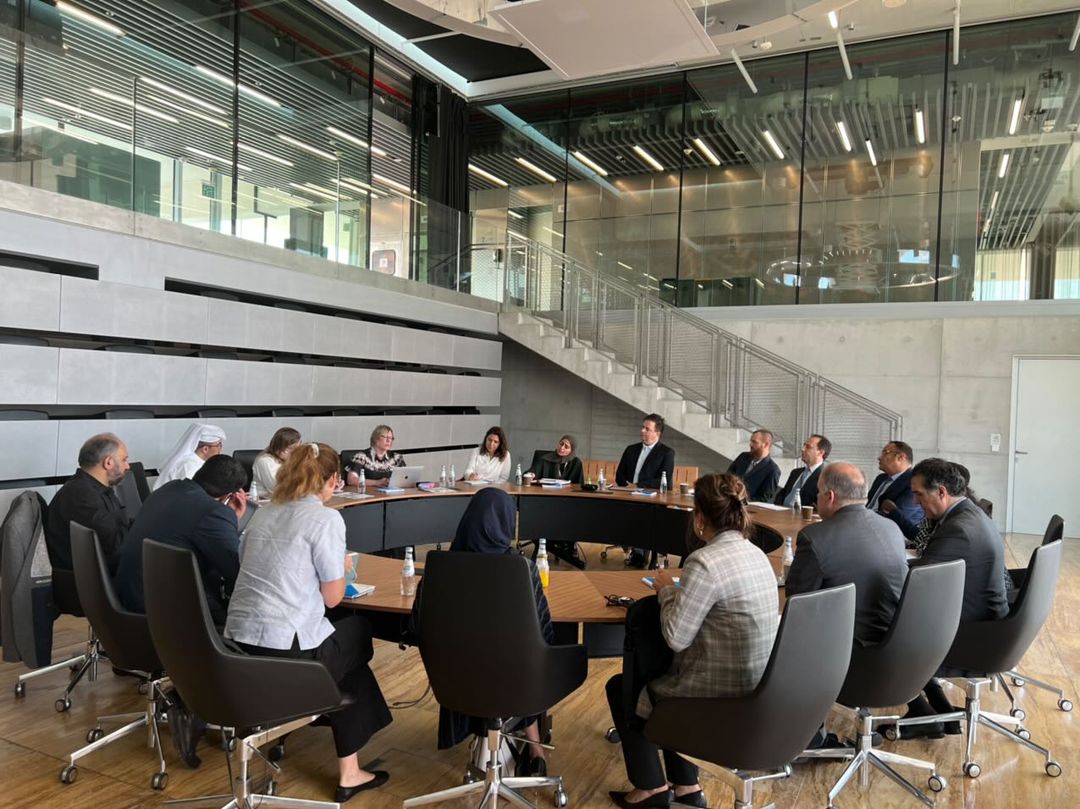
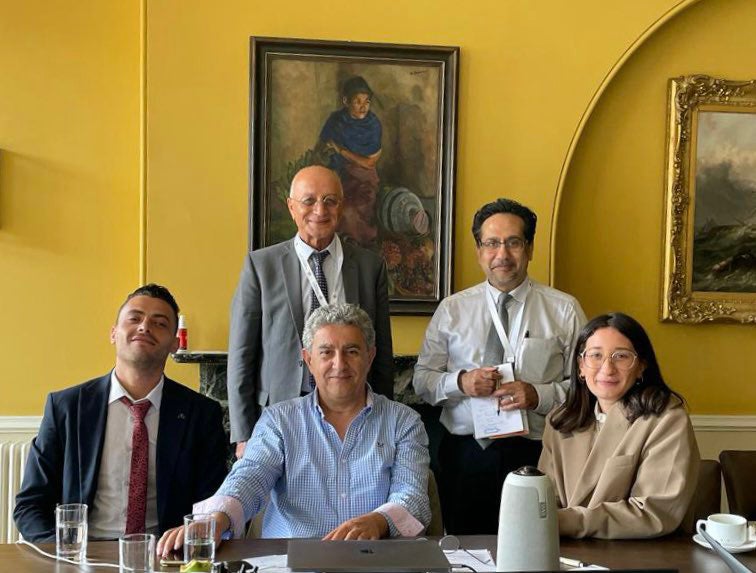
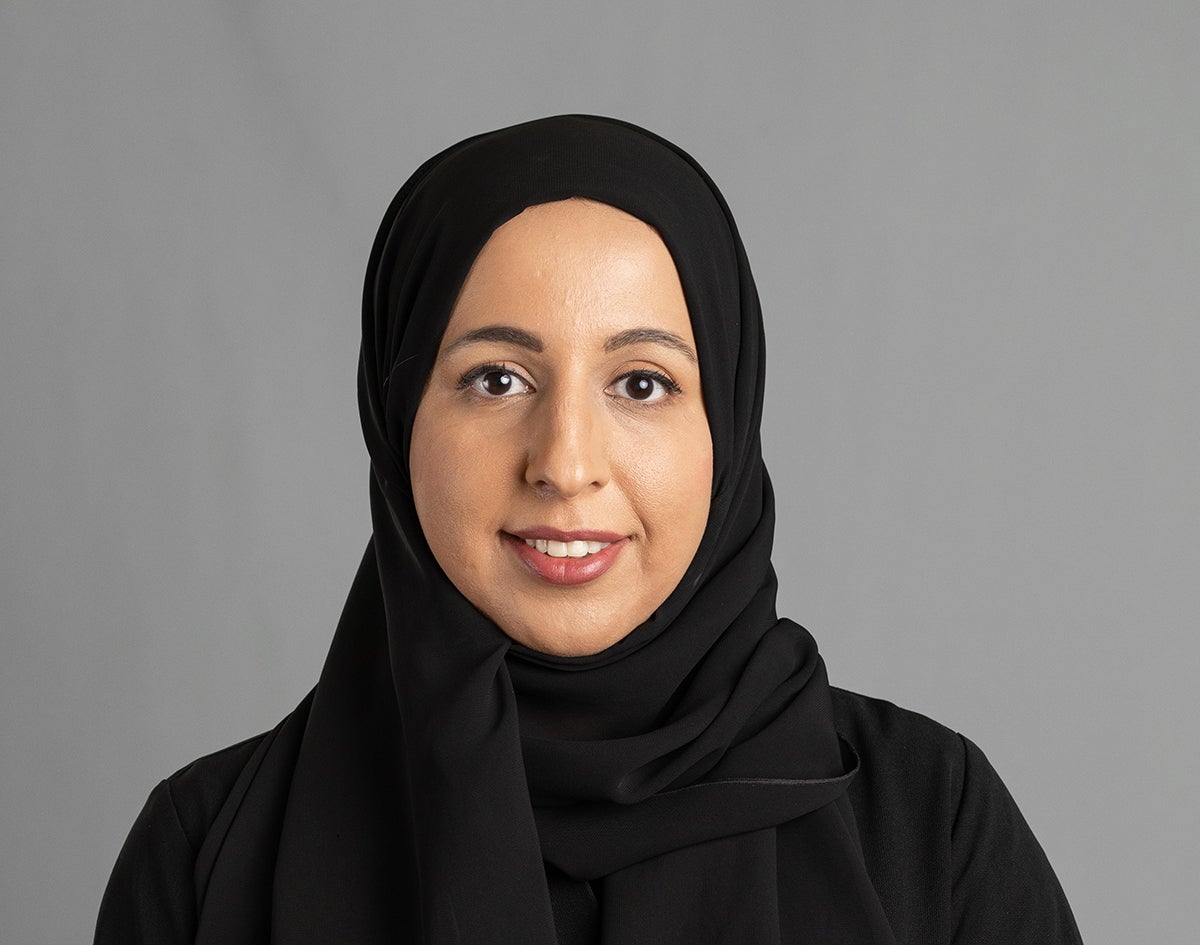
Dr. Dena Al-Thani, an Assistant Professor and the Director of Interdisciplinary Programs at the College of Science and Engineering at Hamad Bin Khalifa University, has been appointed a member of the World Health Organization (WHO) Technical Advisory Group on Assistive Technology.
Share:
Related News
College of Science and Engineering Awarded Grant to Create a National Risk Management Plan for Qatar


The College of Health and Life Sciences (CHLS) at Hamad Bin Khalifa University (HBKU) and the Qatar Genome Research Consortium have published the results of the first comprehensive study on how genetic variations in a Middle East population affect responses to medication.
Share:
Related News
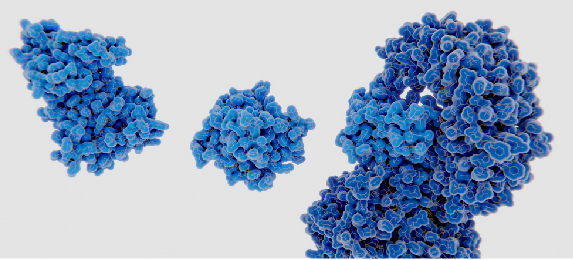
College of Health and Life Sciences Talk Spotlights Renowned Scientist’s Breakthrough on Cell Death-Driven Inflammation

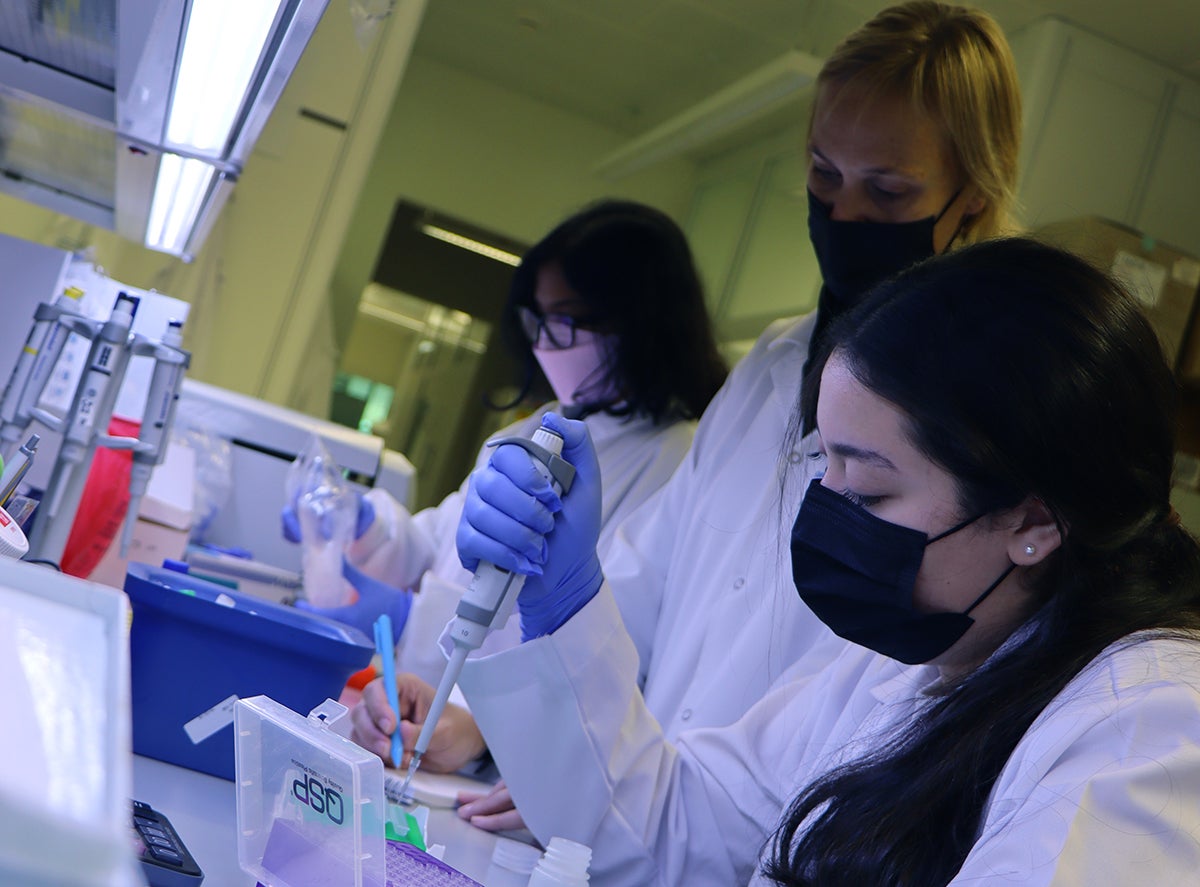
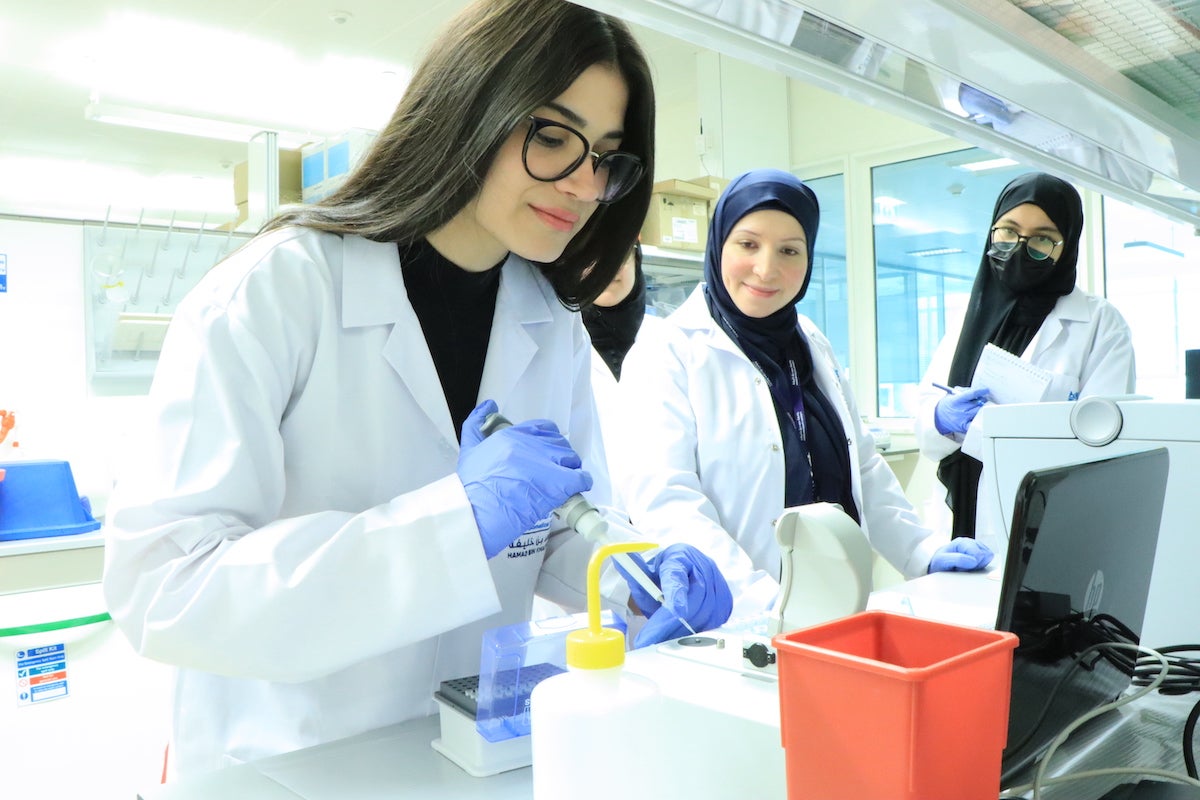
Undergraduate students are encouraged to apply to the 2022 edition of the Summer Research Program (SRP) at Qatar Biomedical Research Institute (QBRI), Hamad Bin Khalifa University. Looking to build on the success of previous versions held between 2015 and 2019, the program will offer students eight weeks of intensive training in specific fields of biomedical research, from May 8 to June 30.
Share:
Related News
QBRI Insights: Medical Problems and Comorbid Conditions Associated with Autism
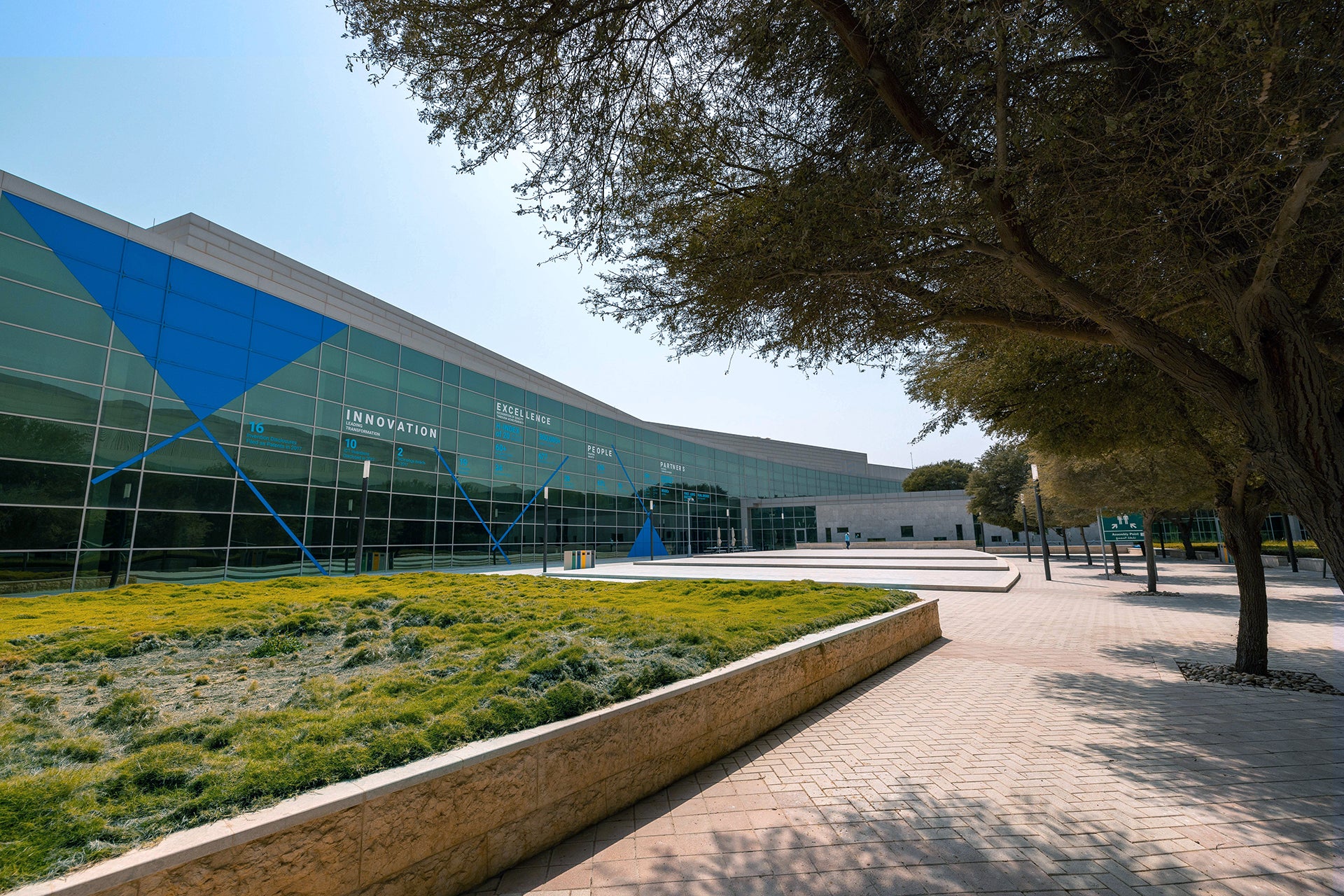
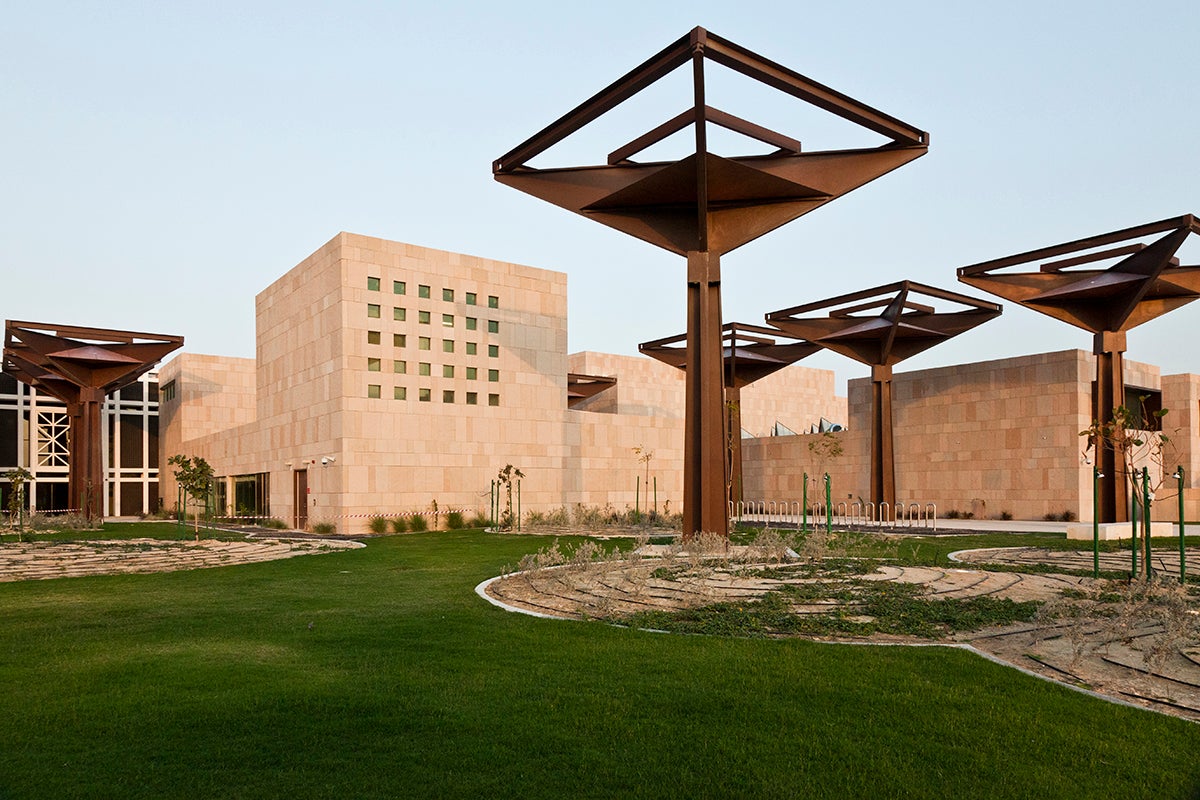
The global economic and geopolitical landscape is constantly evolving. Competing challenges include the ongoing impacts of COVID-19 and finite natural resources that demand we find new ways to be sustainable.
With leaders searching for the next wave of scientific discoveries, today’s university graduates and professionals need to master their field of study and contribute big ideas and solutions.
Share:


Qatar Biomedical Research Institute (QBRI) has succeeded in building strategic collaborative efforts with world-renowned institutions and stakeholders in Qatar, as well as leading scientists and centers of excellence around the world. These strategic partnerships support the development of QBRI’s programs and research efforts - in addition to building its scientific capacity - while engaging in groundbreaking research at the frontiers of biology, medicine, biomarkers, drug development, translational medicine, and personalized healthcare.
Share:
Related News