 Apply Now


Designing persuasive technologies that can influence humans to change behavior, and the ethics of such influence, was the focus of the 16th International Conference on Persuasive Technologies (PT2021), from April 12-14. The College of Science and Engineering (CSE) at Hamad Bin Khalifa University (HBKU) was a co-sponsor of the conference, hosted online by Bournemouth University, UK.
Share:
Related News
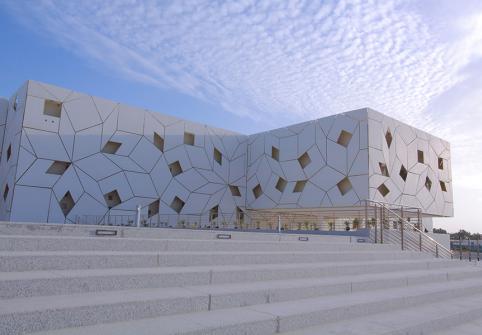
College of Science and Engineering Awarded Grant to Create a National Risk Management Plan for Qatar
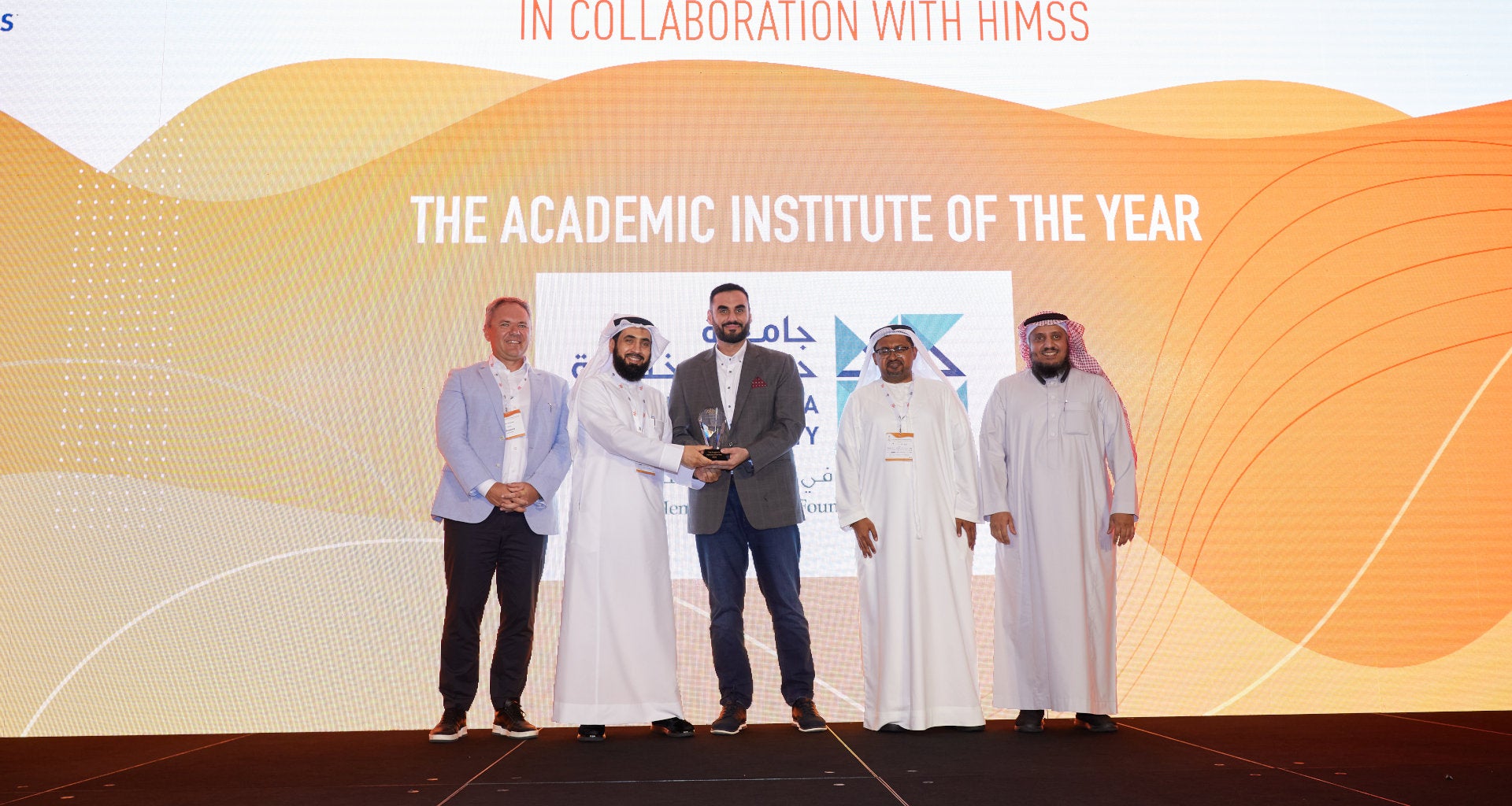


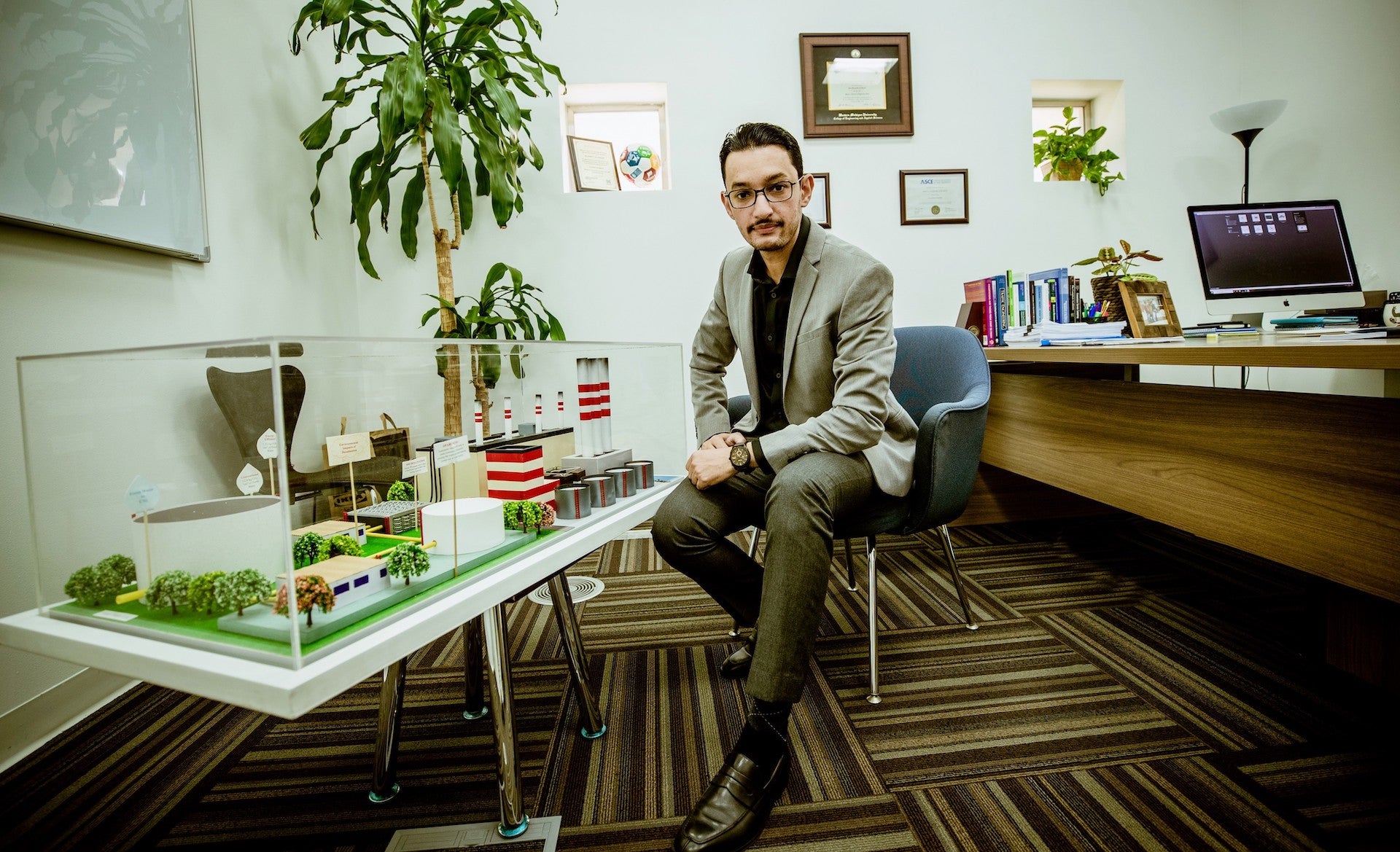
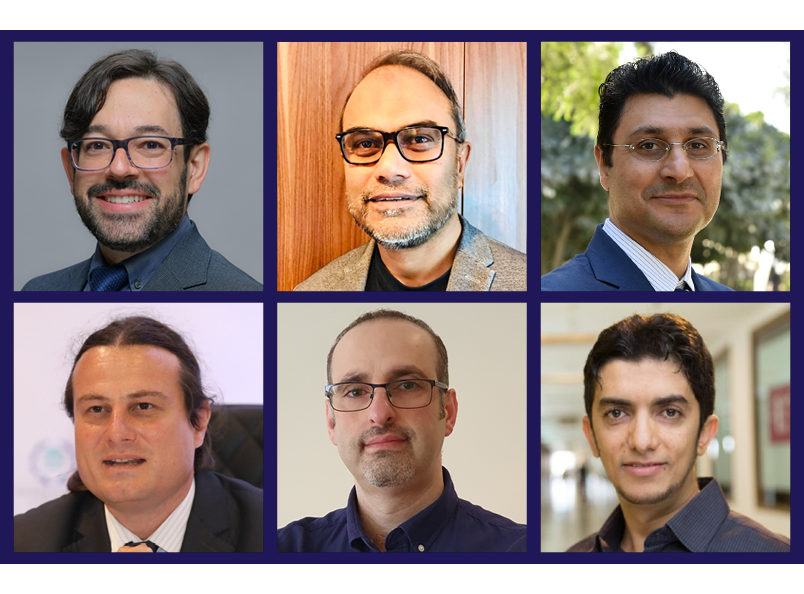



The College of Public Policy (CPP) at Hamad Bin Khalifa University (HBKU), a member of Qatar Foundation (QF), has signed a Memorandum of Understanding (MoU) with the University of California, Berkeley, USA, that establishes a framework for international collaboration in research, education, and training programs between their faculty and students over the next five years.
Share:
Related News

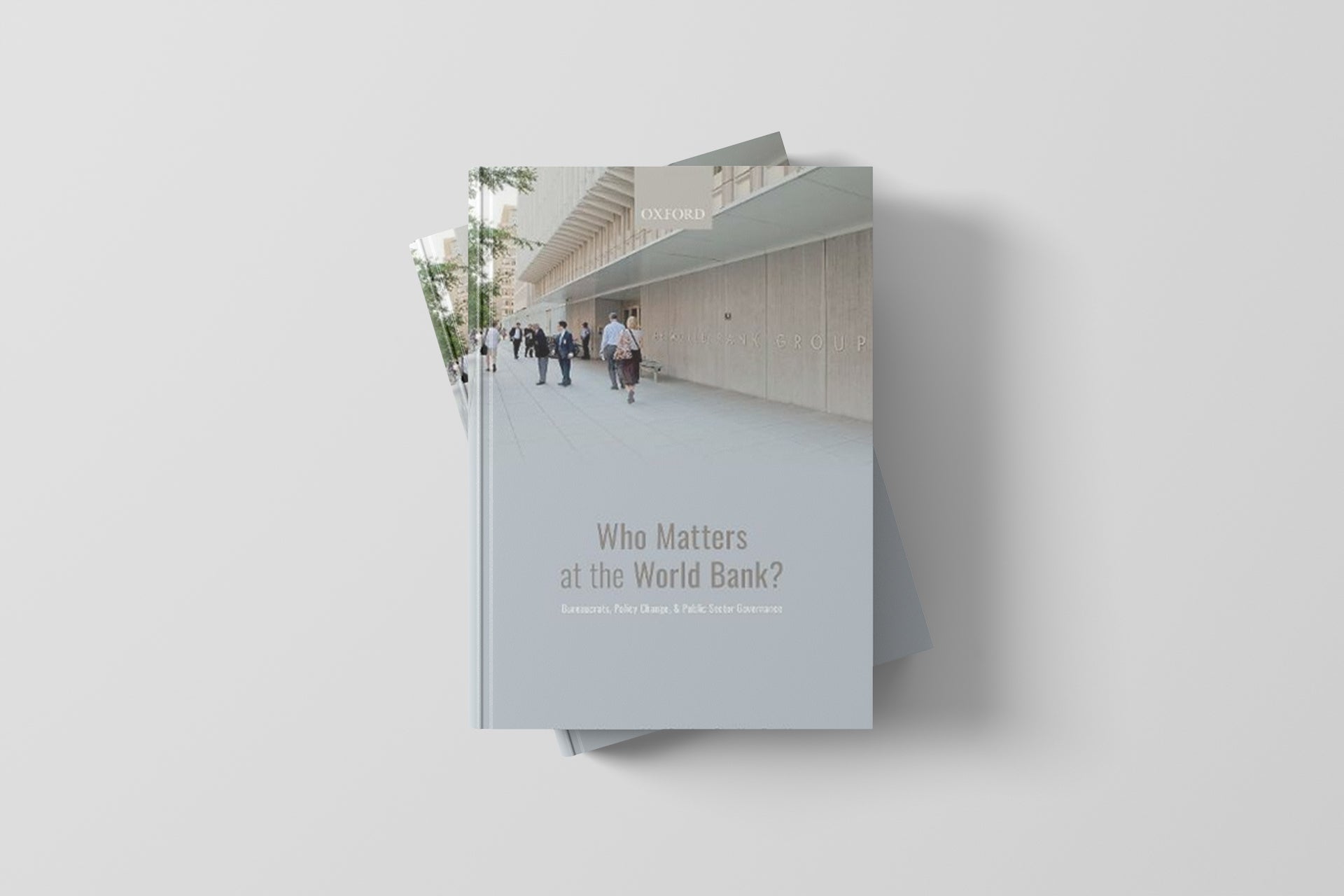

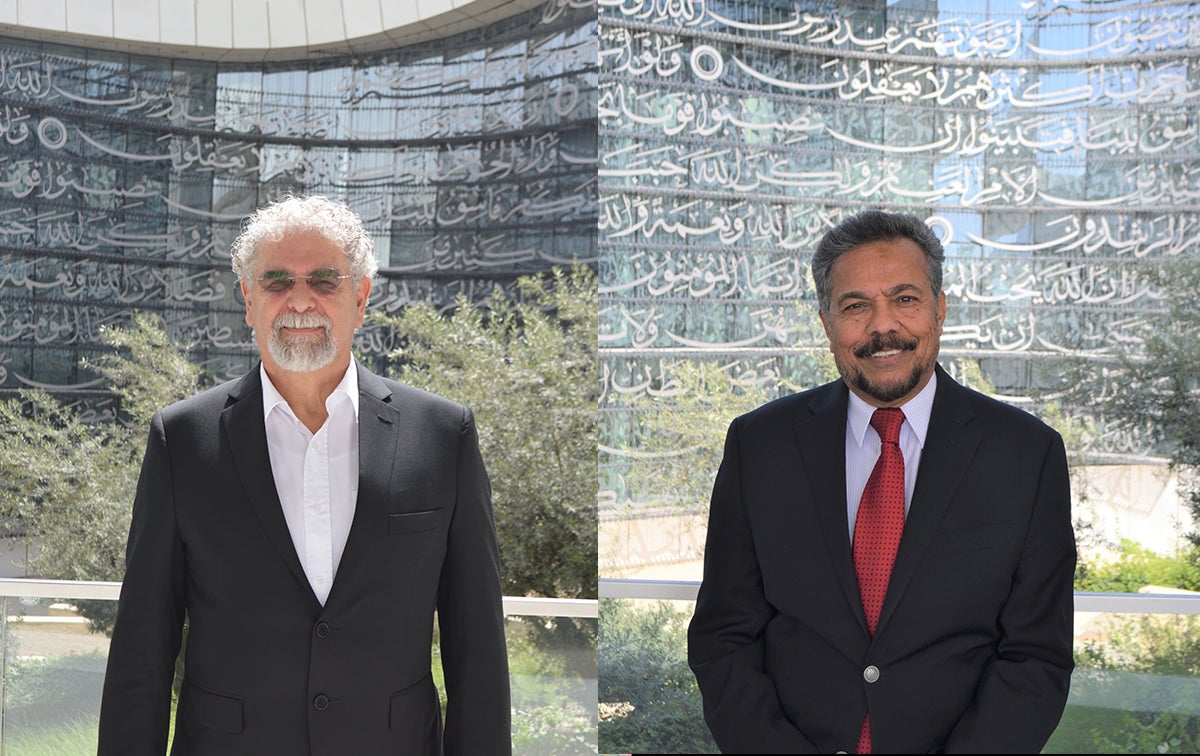
Solidifying its reputation as a thought leader in contemporary and applied Islamic studies, Hamad Bin Khalifa University (HBKU)’s College of Islamic Studies (CIS) has had two of its books recognized as being among the top titles globally in the areas of banking and migration that offer an Islamic law and ethics perspective.
Share:
Related News

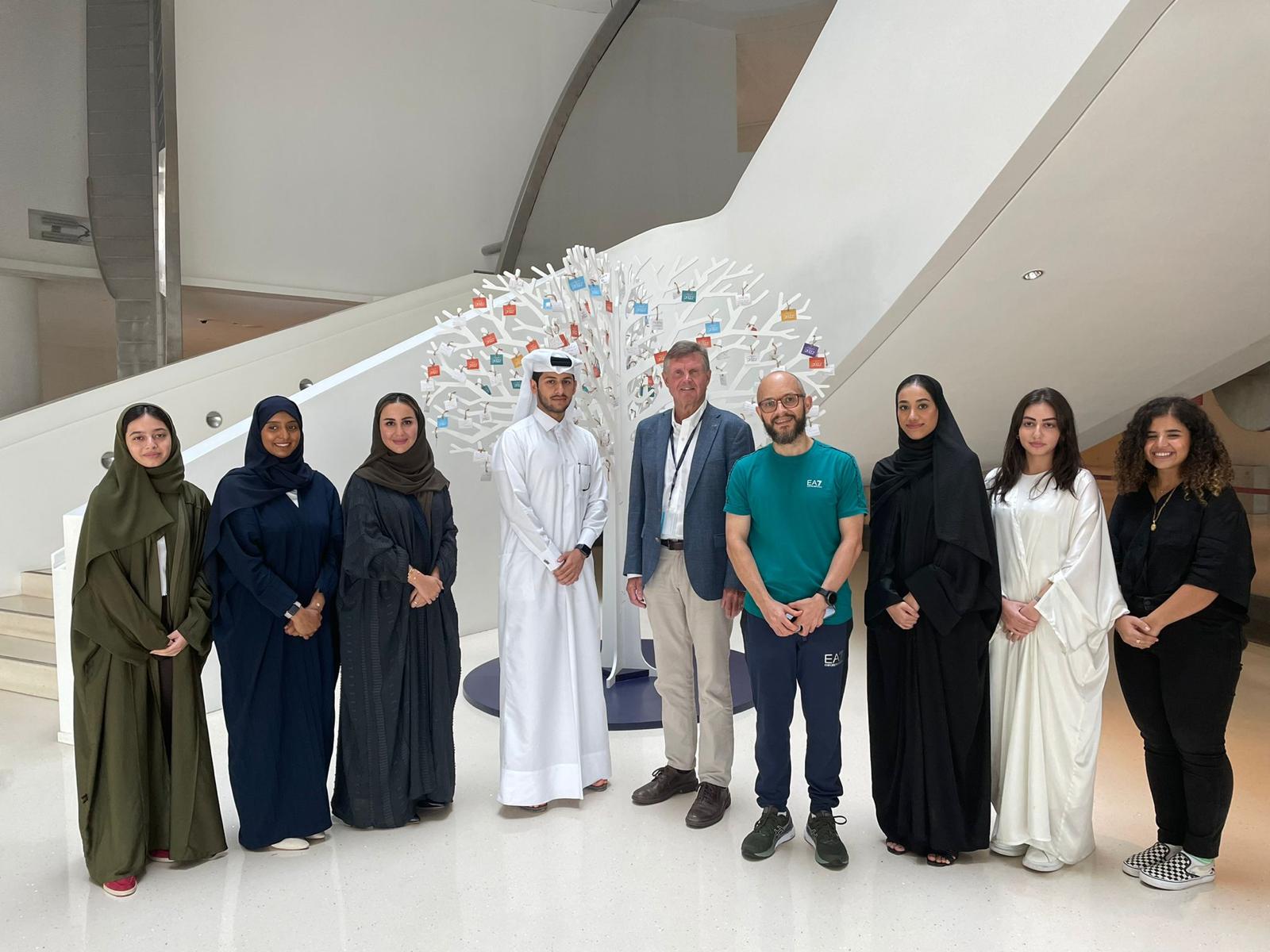
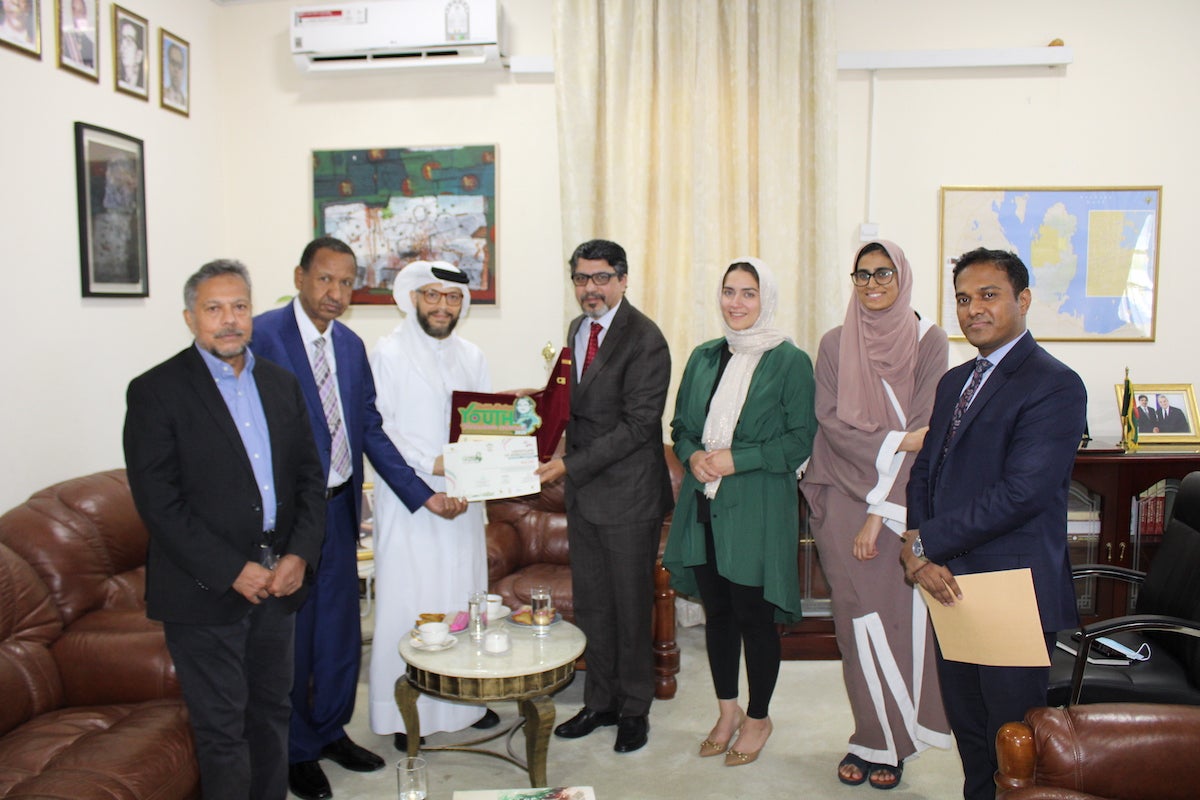
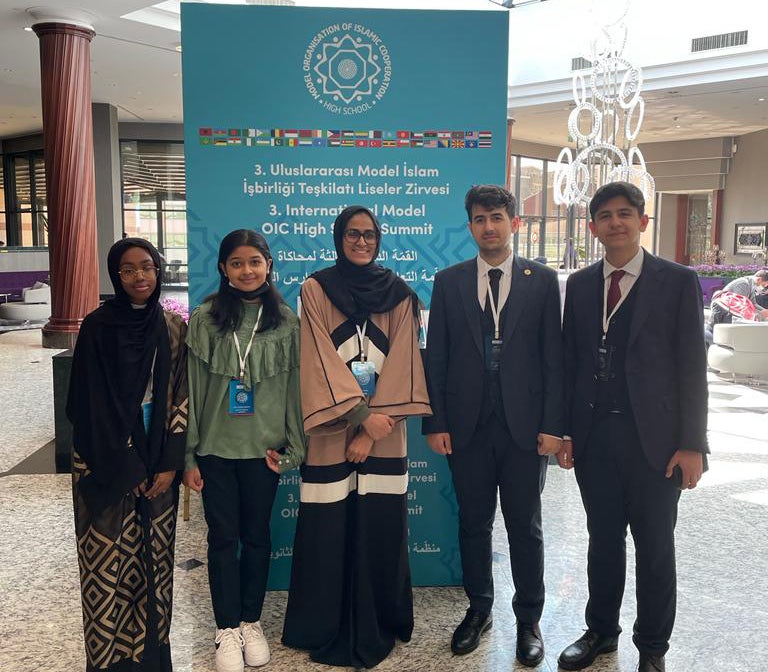
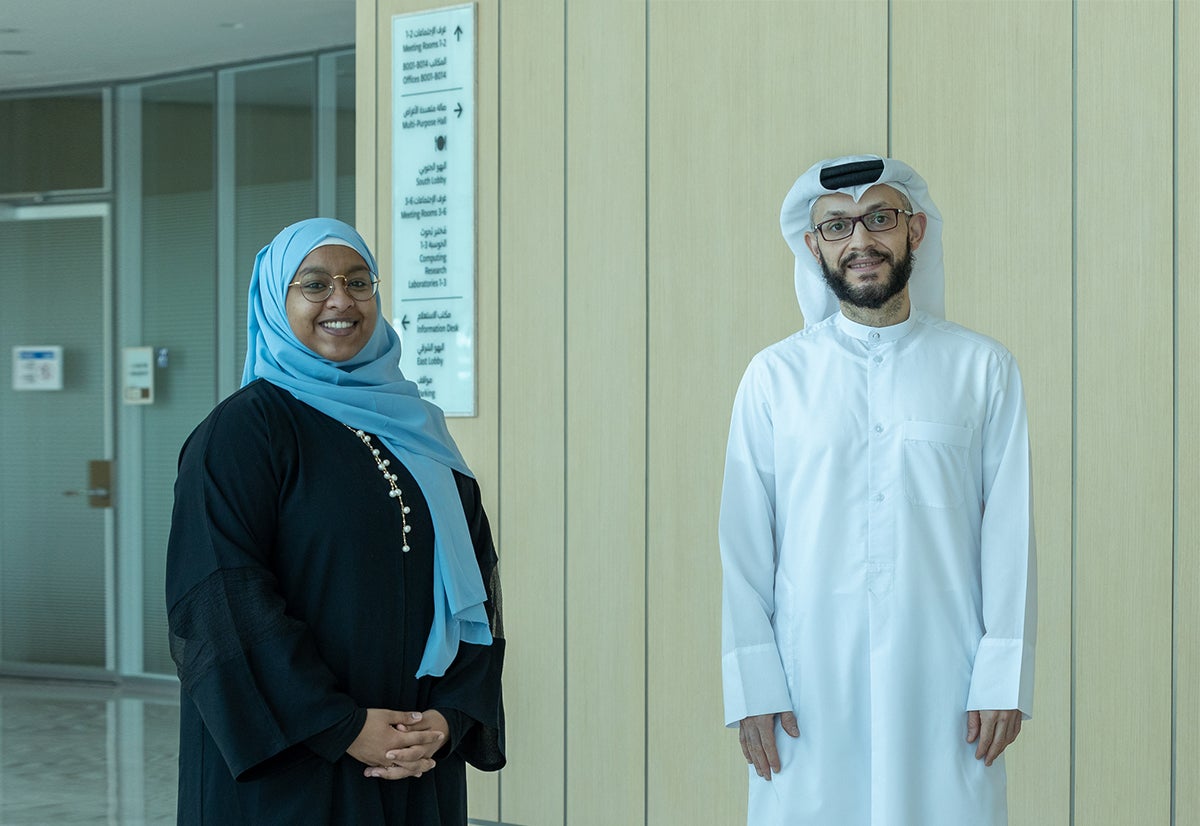


Estimated to affect approximately 6.2 million individuals worldwide, Parkinson’s disease is the second most common aging-related neurodegenerative disorder, after dementia (1). It is a progressive chronic disorder most frequently found in adults over the age of 50 and is 1.5 times more likely to be seen in men compared to women (2). April is globally commemorated as Parkinson’s awareness month and the red tulip fringed with white has become the official symbol of this disease.
Share:
Related News

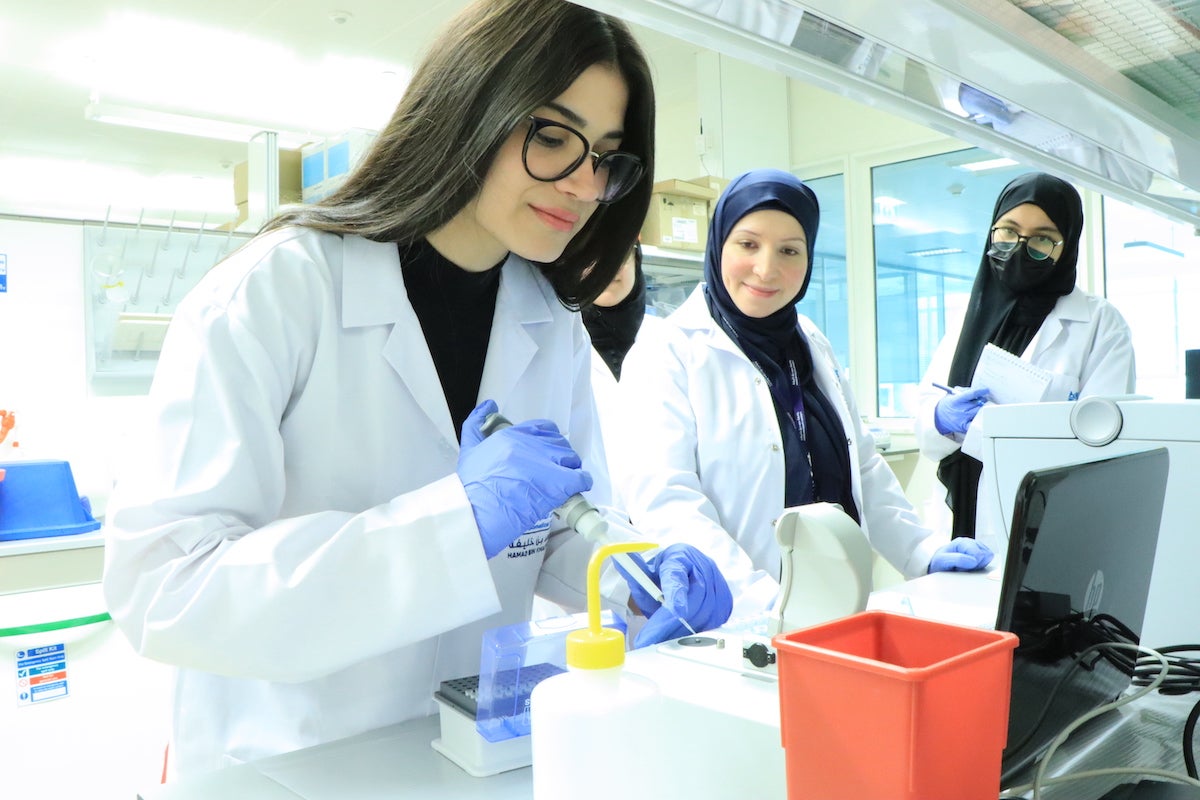




QBRI Insights: Medical Problems and Comorbid Conditions Associated with Autism


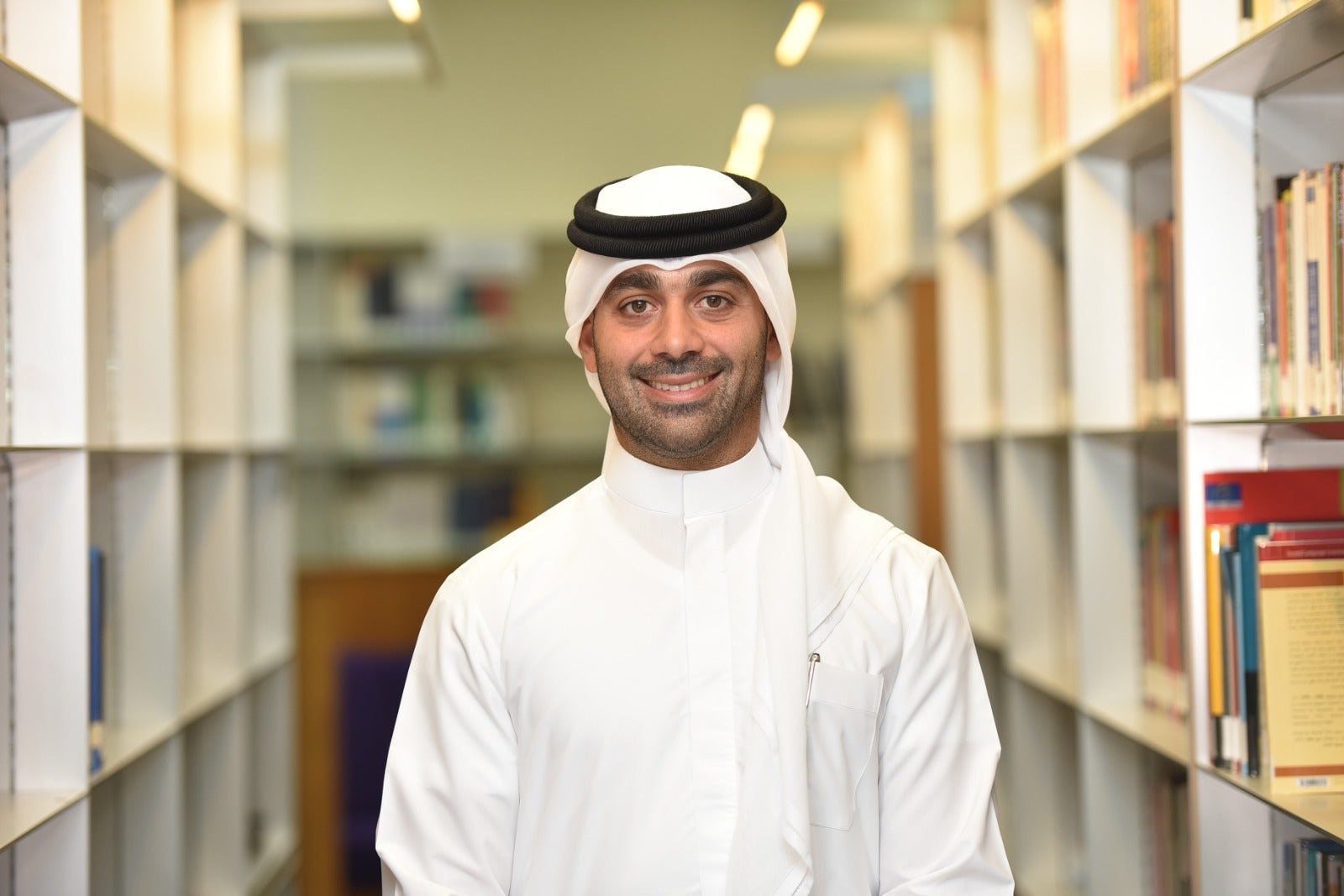
The College of Science and Engineering (CSE) at Hamad Bin Khalifa University (HBKU) has signed a Memorandum of Understanding (MoU) with Hassad Food, Qatar’s premier investor in the food and agribusiness sectors, to advance science and technology through data exchange, cooperation, research and development in the area of food production.
Share:
Related News
College of Science and Engineering Awarded Grant to Create a National Risk Management Plan for Qatar

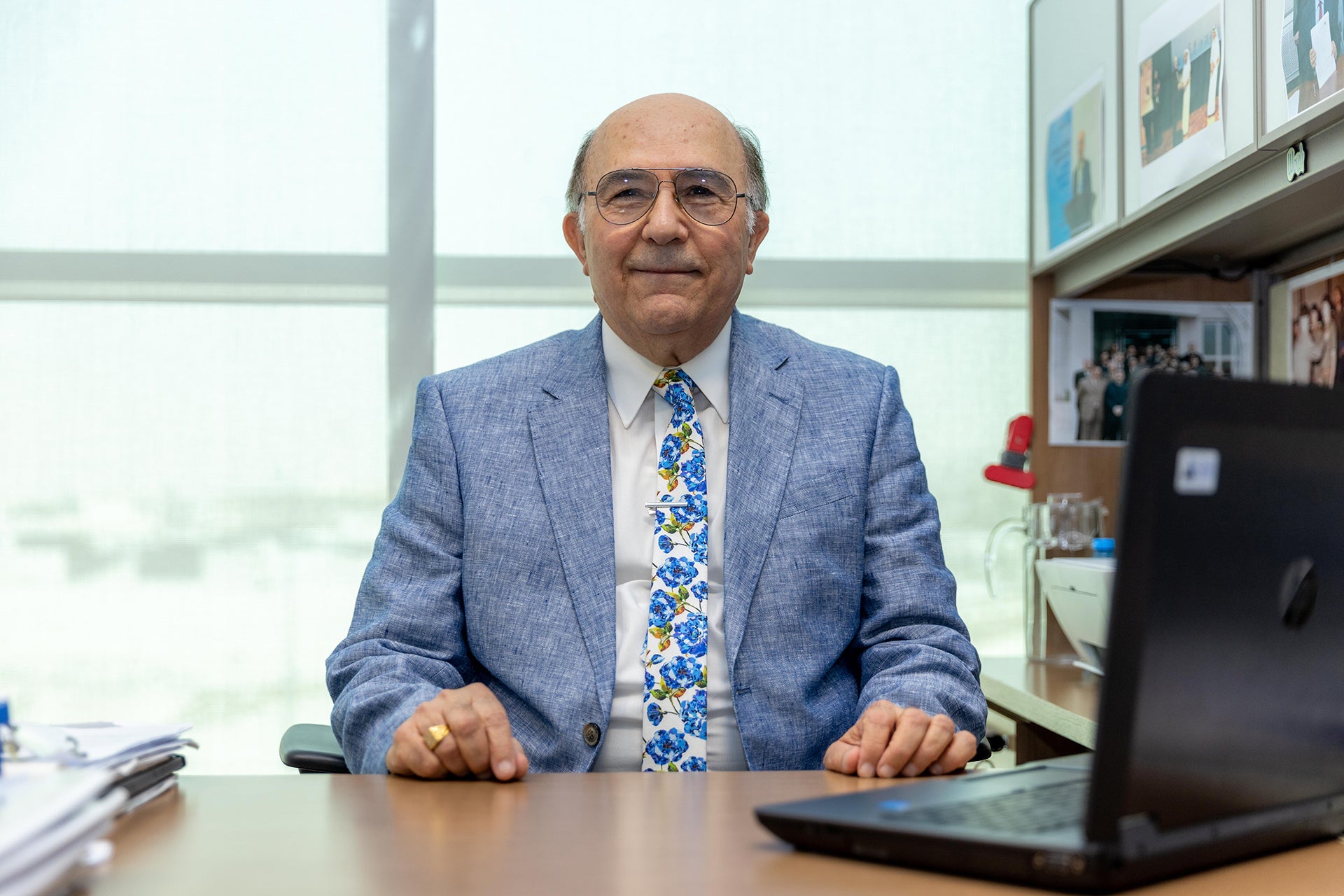
Qatar Biomedical Research Institute (QBRI), part of Hamad Bin Khalifa University (HBKU), has signed a collaboration agreement with Argus Cognitive, in association with Rush University, Chicago, USA, that will support the early diagnosis of autism spectrum disorder (ASD).
Share:
Related News
QBRI Insights: Medical Problems and Comorbid Conditions Associated with Autism

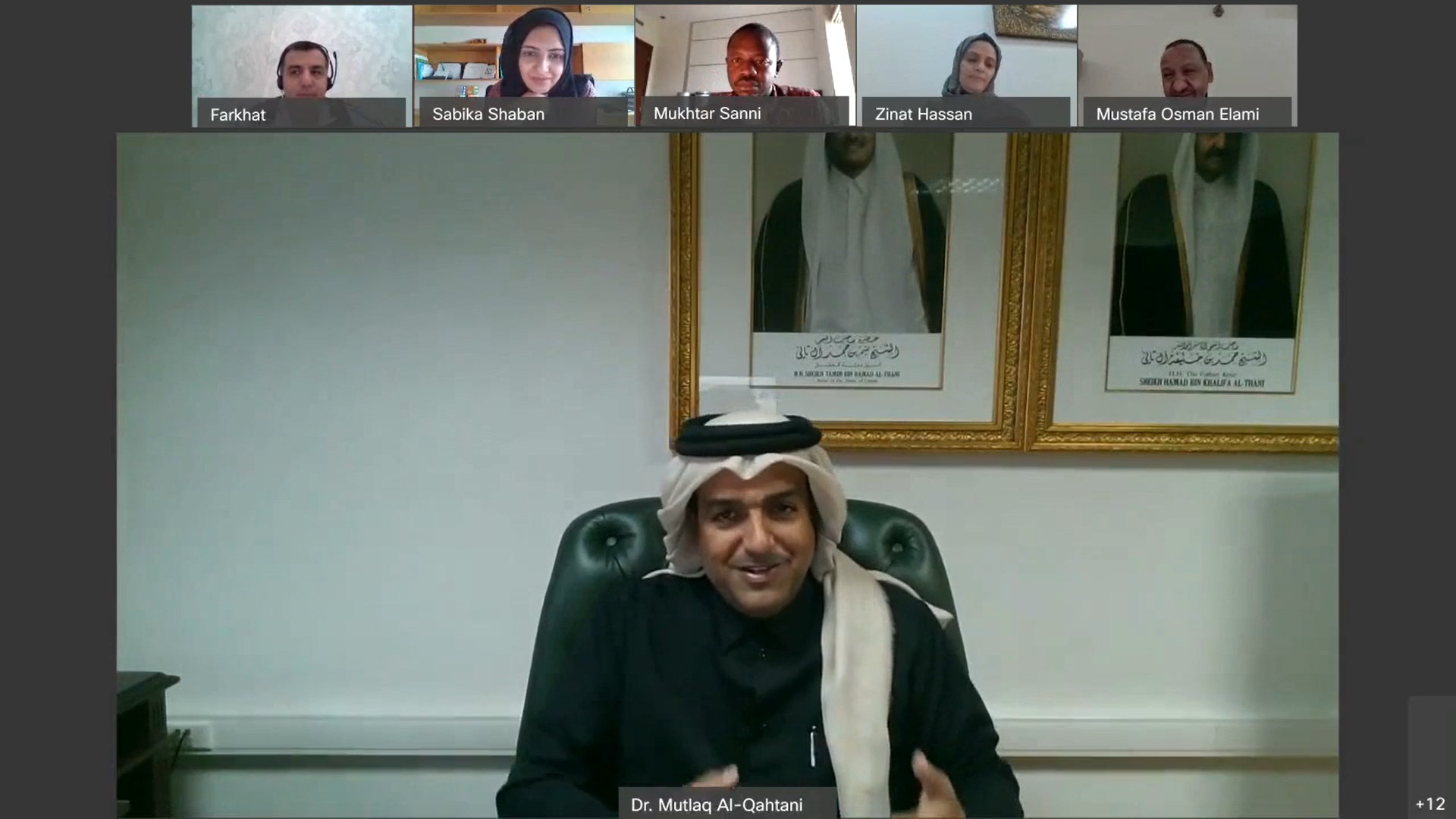
The College of Islamic Studies (CIS) at Hamad Bin Khalifa University (HBKU) recently welcomed a highly distinguished guest lecturer for their course on “Islam, Conflict Transformation, and Peacebuilding,” which forms a critical component of its Master’s Program on Islam and Global Affairs.
Share:
Related News


The prevalence of autism in school-age children (6 to 11 years old) in Qatar from 2015 to 2018 is estimated to be 1.14%, which means among every 87 children, there is one child diagnosed with autism [1]. Globally, April is commemorated as a month to raise awareness about autism and promote support for autistic communities. In this newsletter, Dr. Abeer Al-Shammari, a Research Fellow at Qatar Biomedical Research Institute (QBRI), part of Hamad Bin Khalifa University, gives an overview of autism and the focus of her research on the immune contexture of this disorder.
Share:
Related News
QBRI Insights: Medical Problems and Comorbid Conditions Associated with Autism


Rayyan, the artificial intelligence (AI)-assisted systematic literature review tool developed by Qatar Computing Research Institute (QCRI) at Hamad Bin Khalifa University (HBKU), is now part of US-based startup, Rayyan Systems. The new partnership will accelerate the development of the web and mobile application to support the needs of the growing number of scientists and researchers using the tool.
Share:
Related News



Qatar Computing Research Institute Achieves Milestone with its QARTA Street Map Routing Engine

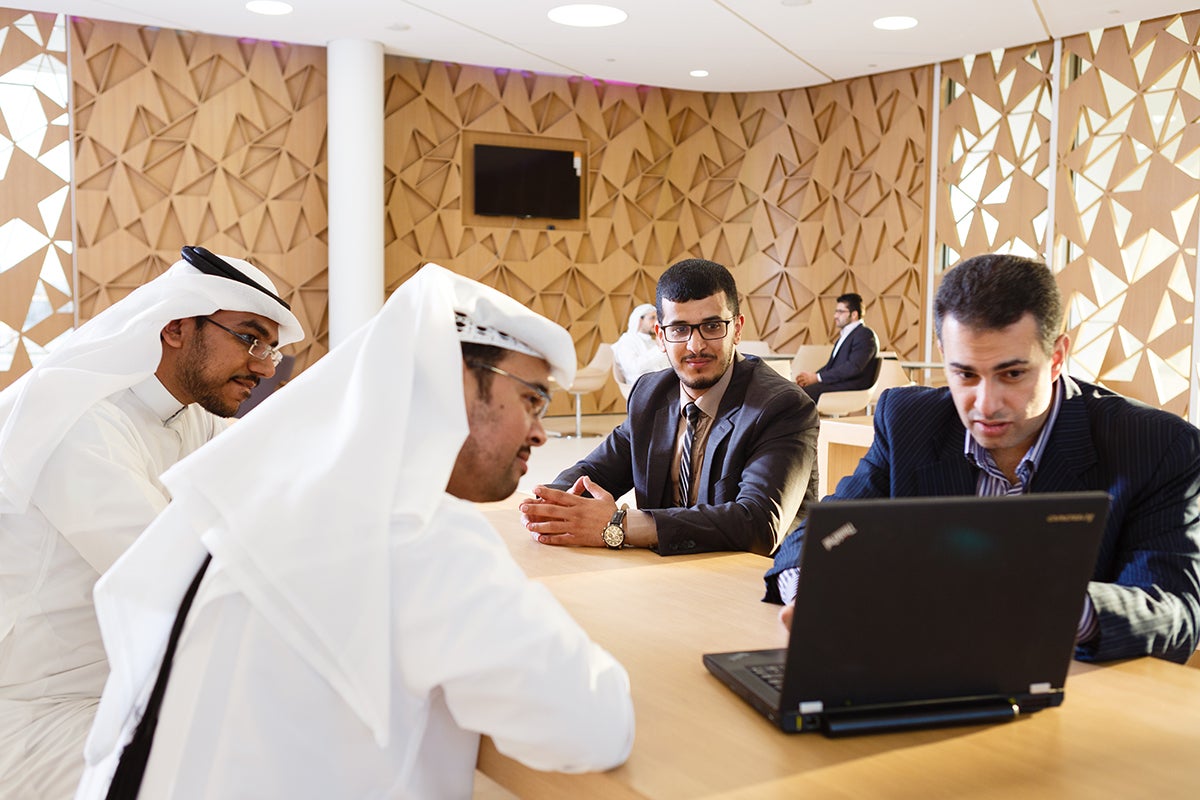
Walking through Doha, one cannot help but notice the increasing presence of Turkish nationals and businesses in the city. Turkey and Qatar’s relationship dates to the late 19th century when the Ottoman Empire considered adding the Eastern Arabian Peninsula, including modern-day Qatar, into its vast empire. After a few decades of tension, conflict, and sometimes peace and cooperation, the Turks abandoned their claims on Qatar in July 1913.
Share: