
Sight is one of the five human senses but today, technology has evolved so that artificial intelligence (AI)-enabled sight is also essential to robotics, optics, machine vision systems, and automation.
Several industries are taking advantage of machine vision systems, including self-driving vehicles, industrial automation such as food packaging and beverage bottling; semiconductor assemblies; and pharmaceutical companies, for automation tasks such as assisted driving, counting, quality control, and the detection of defects.
Share:
Related News

bNovate Technologies Partners with HBKU in Groundbreaking SMART-Distribution Project to Enhance Qatar’s Water Security




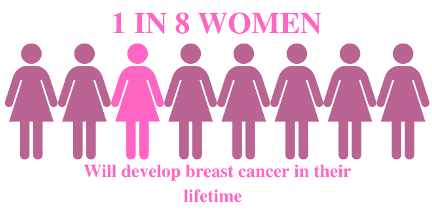
Globally, breast cancer affects one in eight women (1); thus most people in the world have been affected either directly or indirectly by witnessing loved ones fight this disease.
Share:
Related News

Recent research on the health impact of highly processed foods and drinks and the risk of obesity and diabetes

HBKU’s Qatar Biomedical Research Institute and Qatar Computing Research Institute Jointly Publish Risk Tool to Fight Diabetes

HBKU’s Qatar Biomedical Research Institute Participates in Virtual Diabetes Symposium
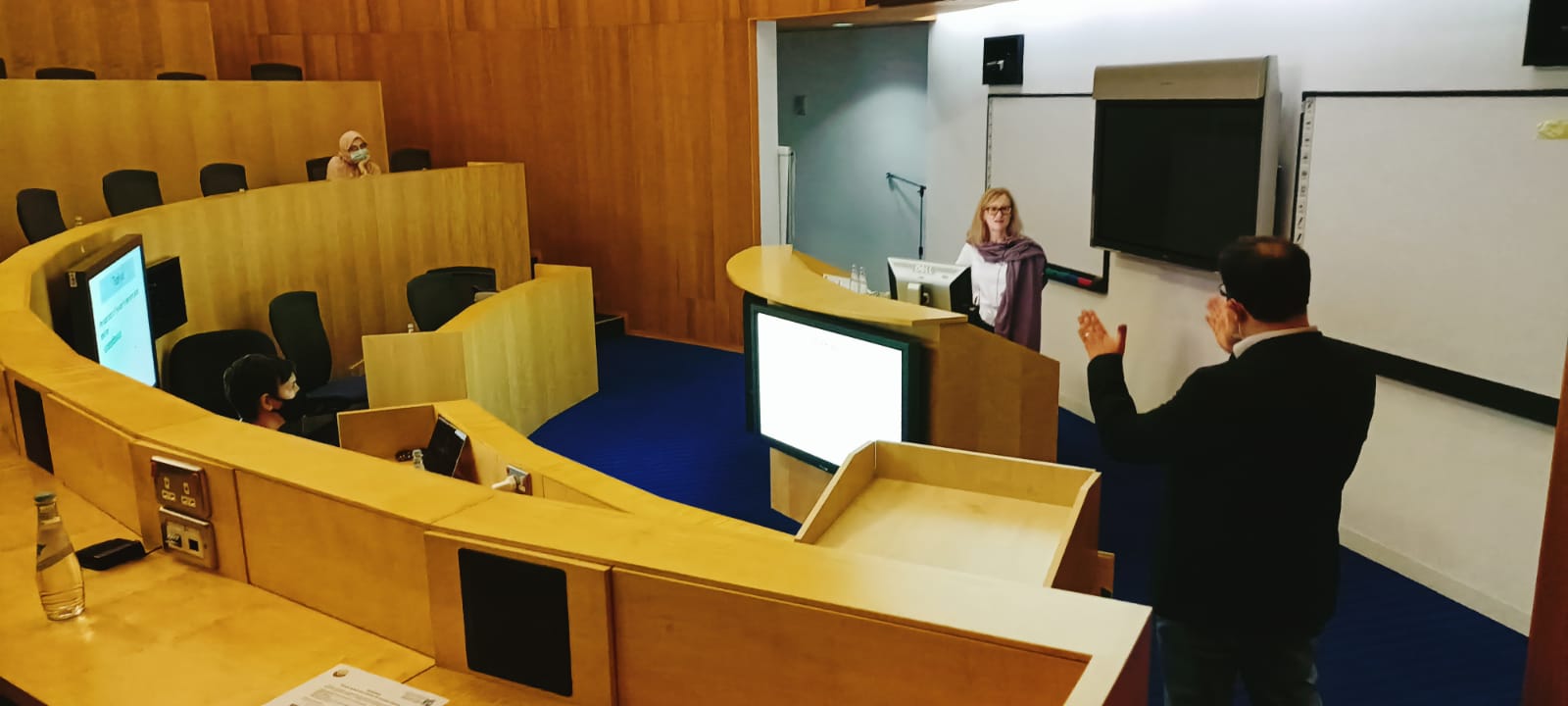
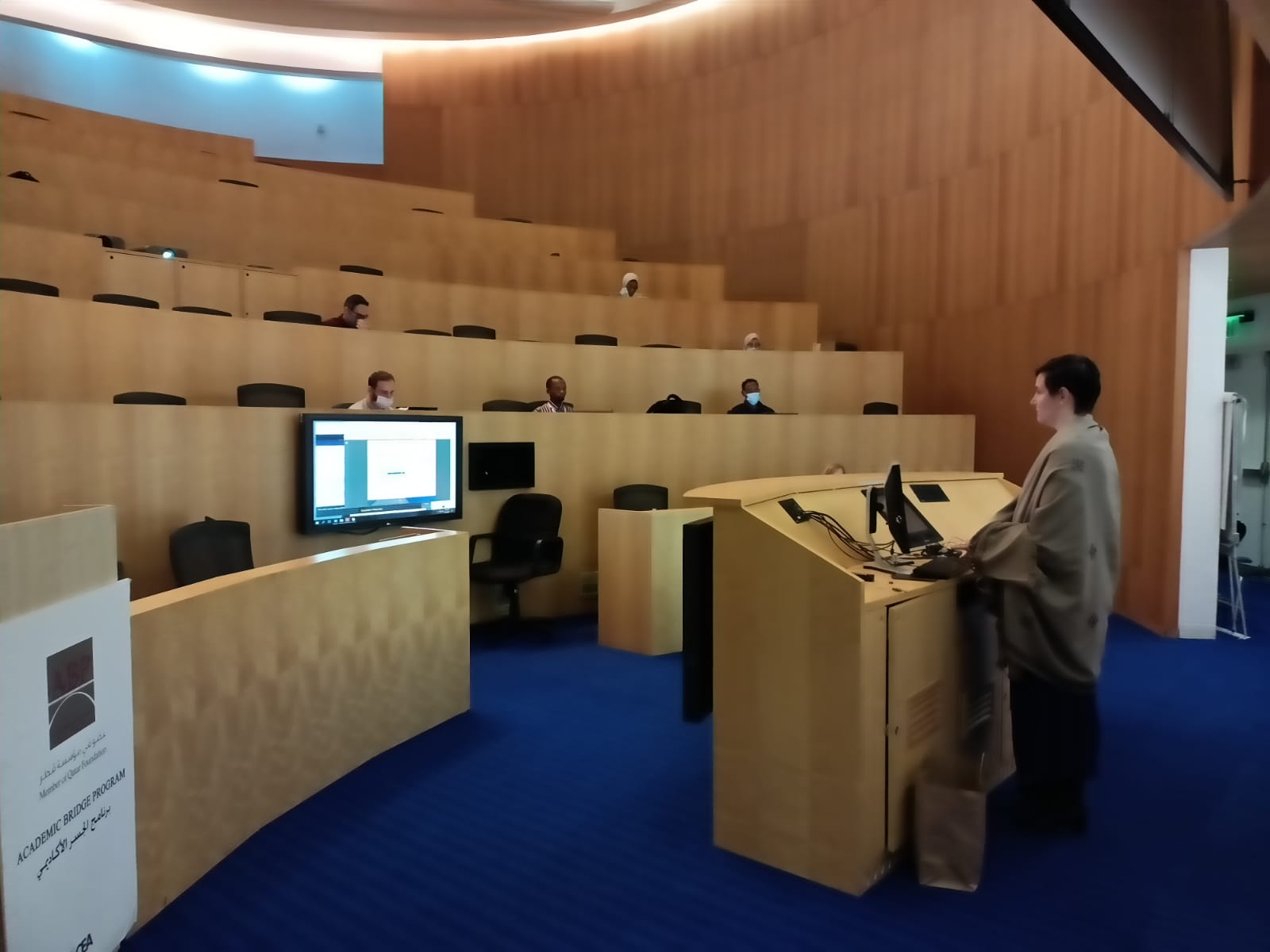
The College of Health and Life Sciences (CHLS) at Hamad Bin Khalifa University (HBKU) delivered a CPD-accredited workshop to train physicians on essential bioinformatic tools to analyze and interpret genetic variation in clinical practice.
The workshop, which took place on October 9, aimed to equip participants to recognize basic bioinformatics tools and their exploitation to analyze genetic variation. Additionally, participants were able to interpret these variations in a clinical context using available databases, resources, and software.
Share:
Related News
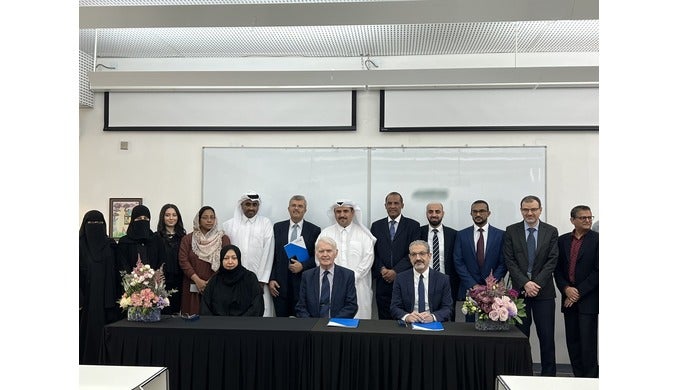
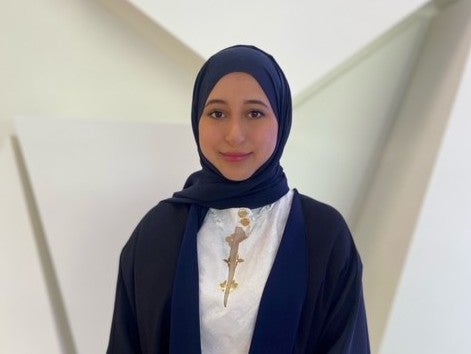
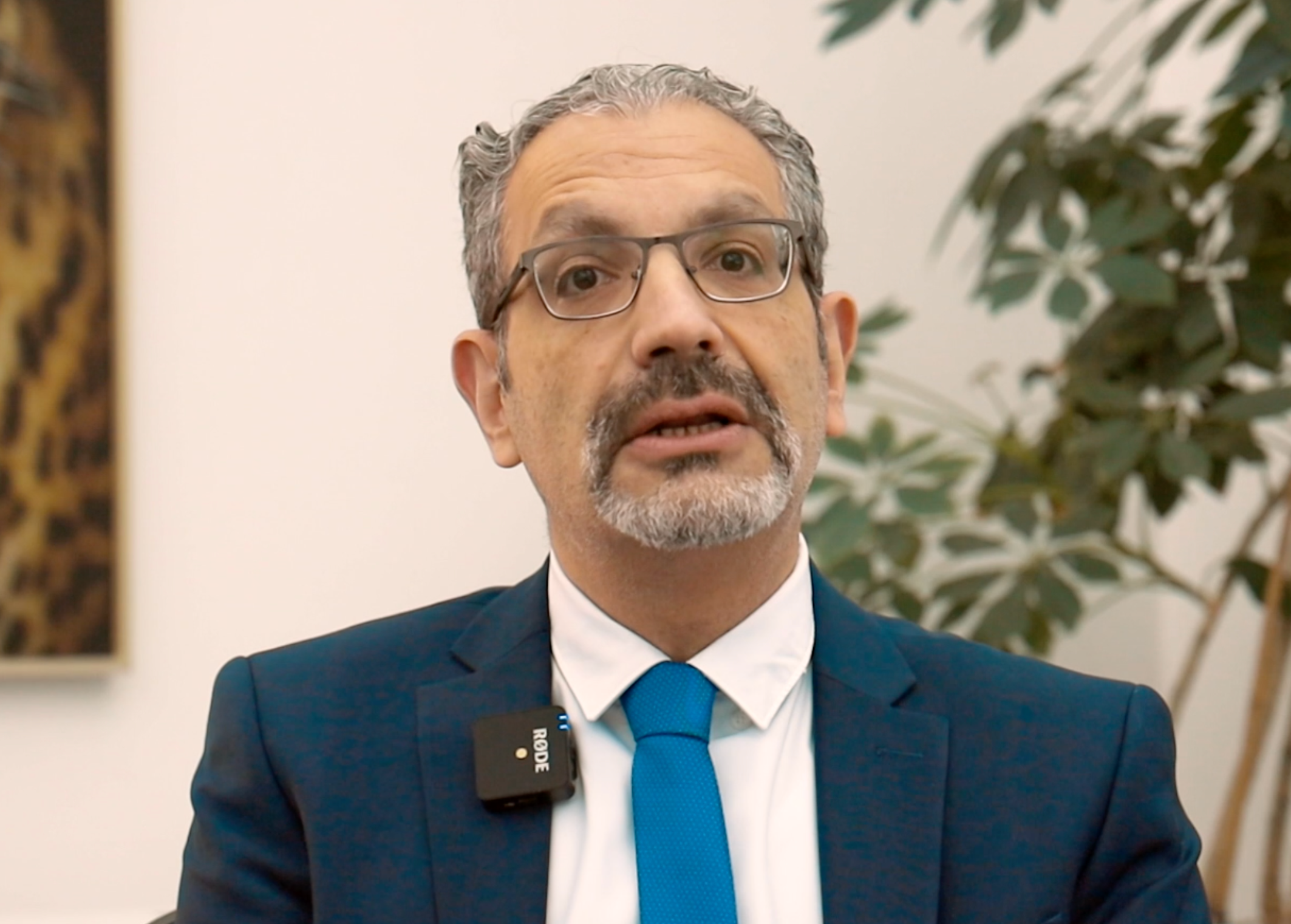

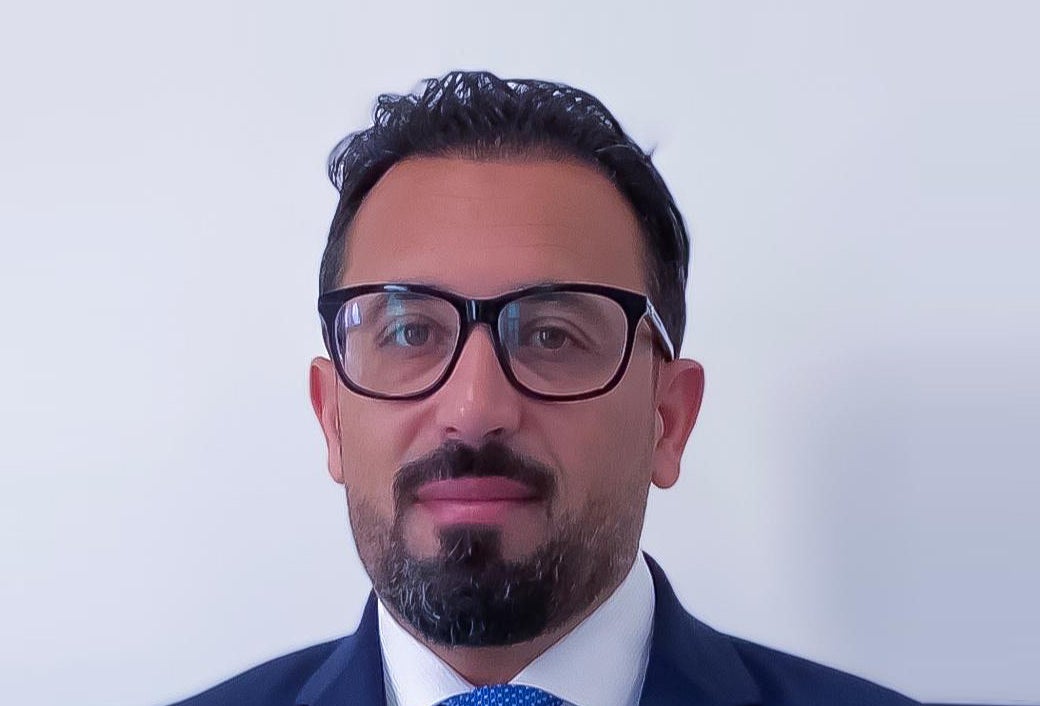
Dr. Anis Ben Brik, associate professor and founding director of the Program for Social Policy and Evaluation at the College of Public Policy (CPP), has been appointed a member of the Research Advisory Group of the United Nations Population Fund (UNFPA) for a period of five years.
Share:
Related News

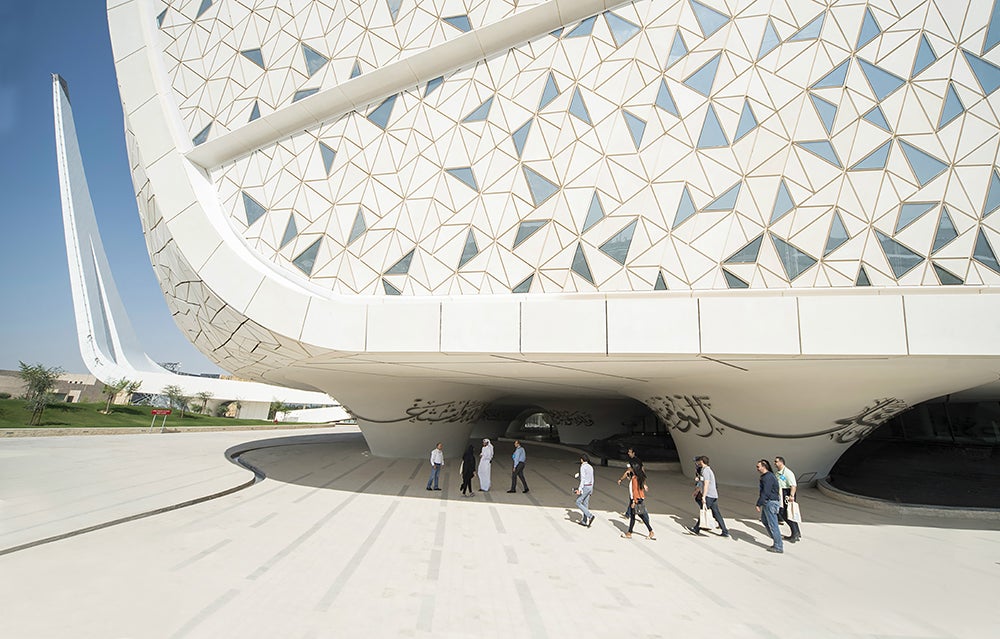
College of Public Policy Encourages Inclusive Discussions on Solving Regional Policy Challenges
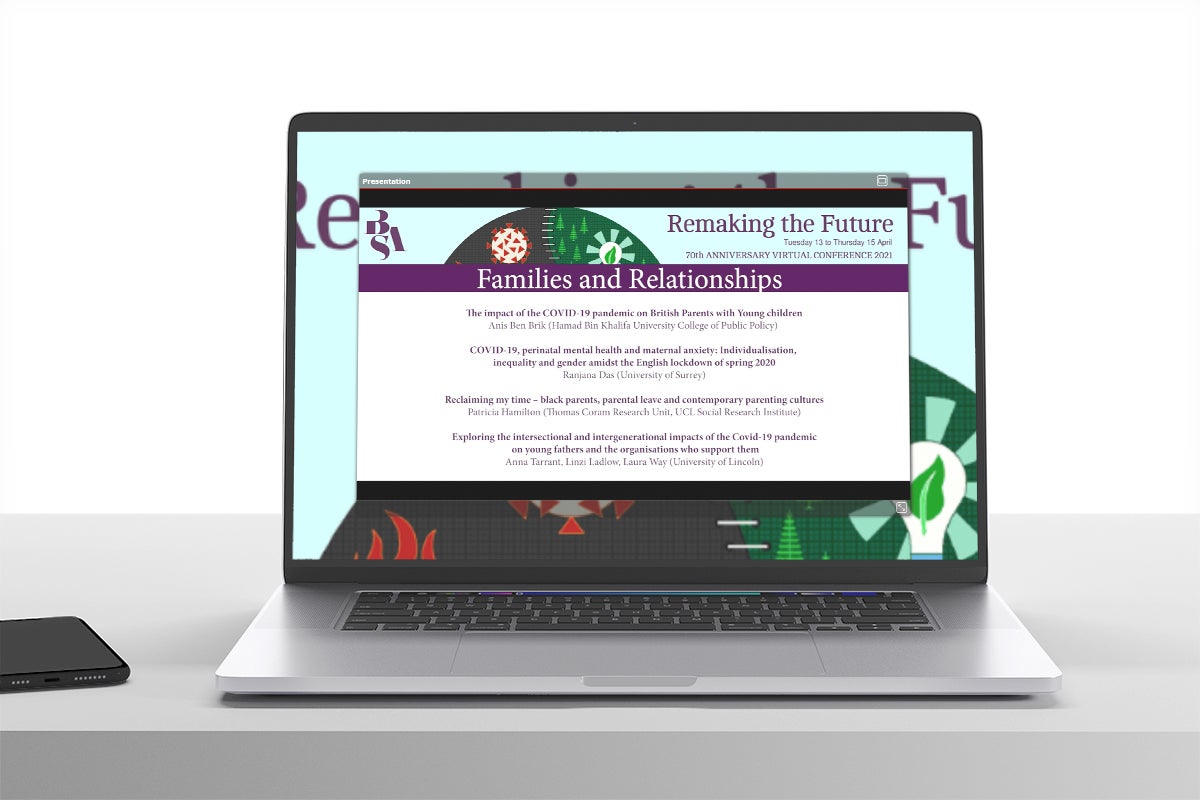
CPP Professor’s Paper at BSA Annual Conference Addresses Pandemic’s Impact on Parents and Children
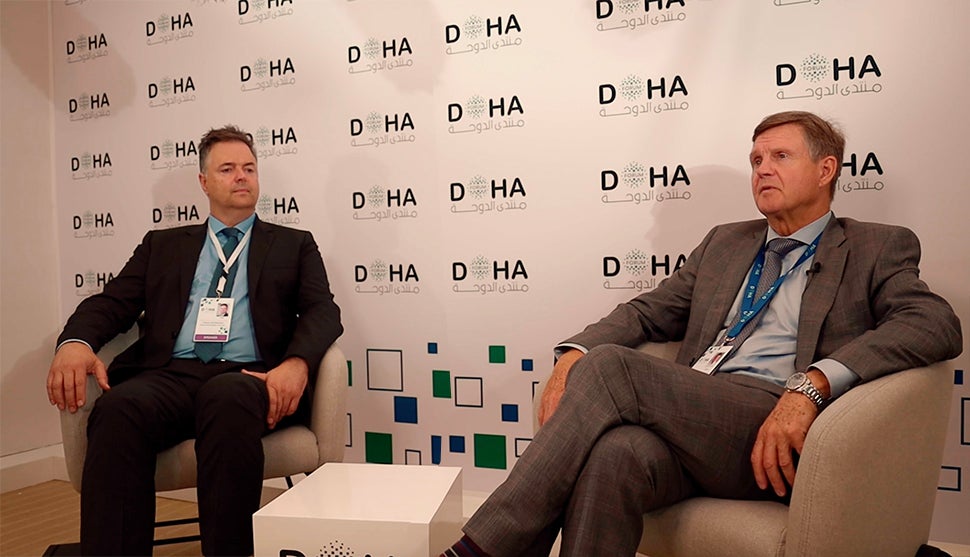
Watch: Dr. Leslie Pal, Founding Dean of CPP, and Dr. Andreas Rechkemmer discuss ‘Resilience, Governance and Public Policy for the 21st Century’
The College of Public Policy (CPP) at Hamad Bin Khalifa University (HBKU) inaugurated its new Policy Lab Series on September 15 with a discussion entitled Post-COVID Pathways: Qatar, the Gulf, and Beyond.
Organized with the support of the College of Islamic Studies (CIS) and the College of Law at HBKU, the first Policy Lab explored the impact of the pandemic, the lessons learned, and the socioeconomic weaknesses the crisis has exposed. It also looked to the future and potential post-COVID pathways for the region and further afield.
Share:
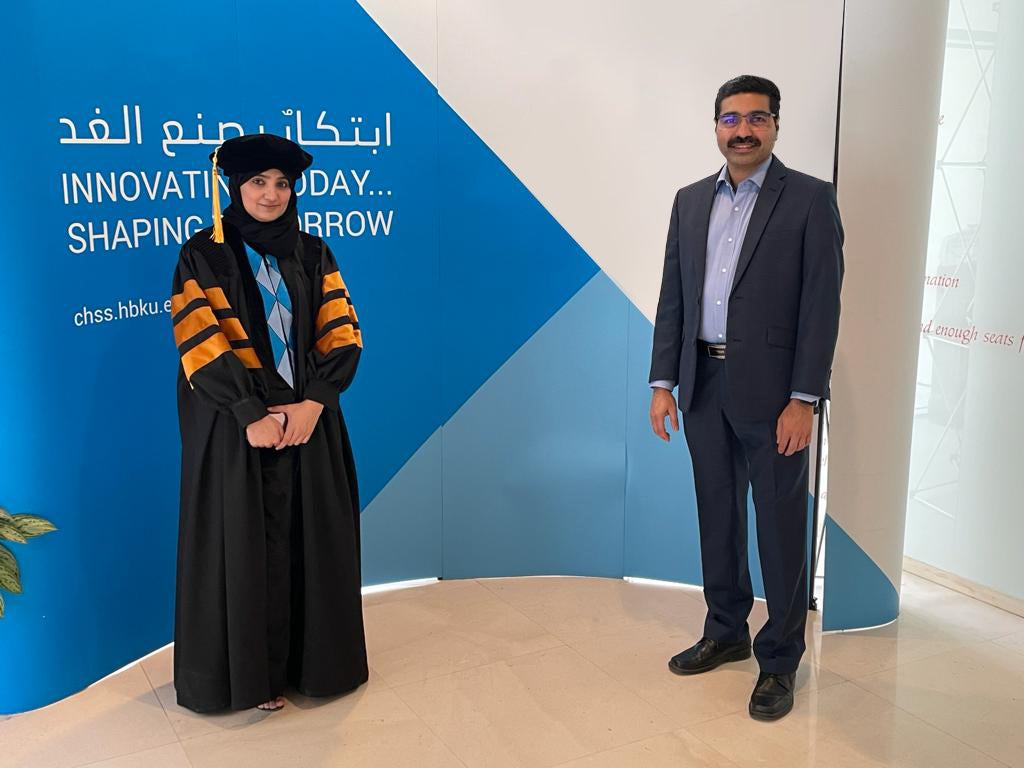
Hamad Bin Khalifa University (HBKU)’s College of Health and Life Sciences (CHLS) has published in the Journal of Personalized Medicine the findings of a joint study on antidepressant prescription patterns and off-label use in the Qatari population.
Share:
Related News


Qatar Computing Research Institute (QCRI), part of Hamad Bin Khalifa University (HBKU), welcomed enthusiastic middle school seniors from across Qatar to its annual Creative Space Summer Camp, which commenced on August 8.
The intensive two-week program aims to promote science, technology, engineering, and mathematics (STEM) disciplines through innovative learning activities. As the K-12 students learn the fundamentals of web design, coding, and computational thinking, they also develop skills such as creativity, innovation, problem-solving, and teamwork.
Share:
Related News

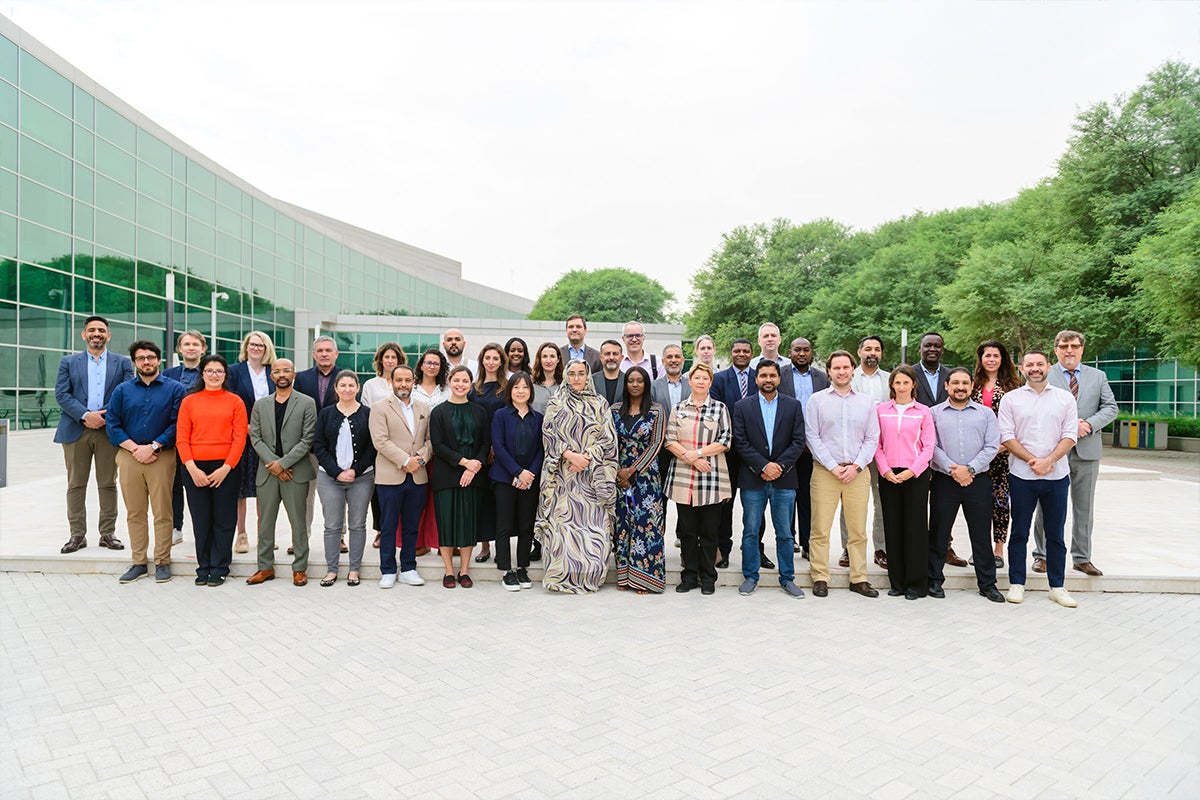

FIFA World Cup Fans Learn More about Future Impact of AI on Jobs and Employment
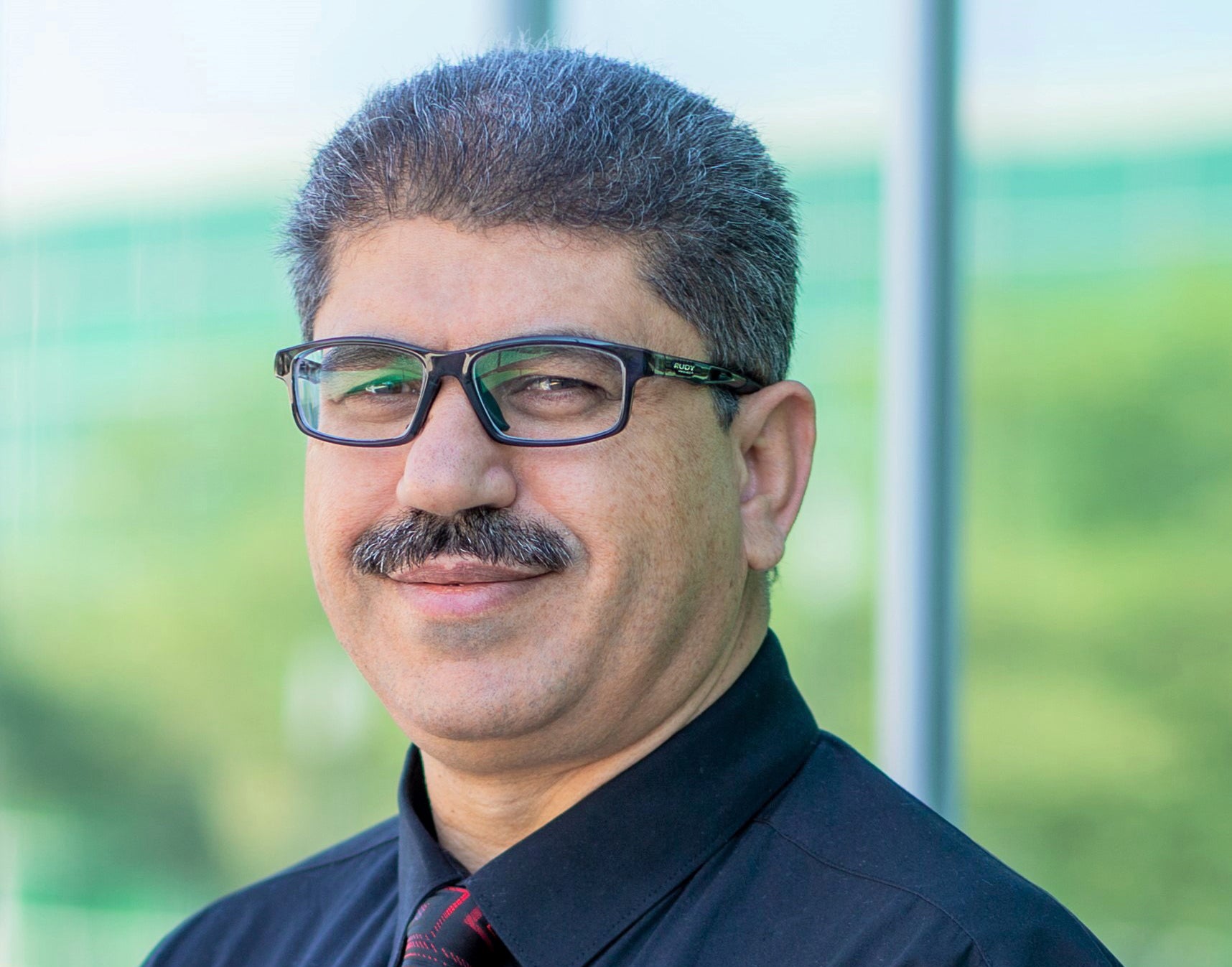

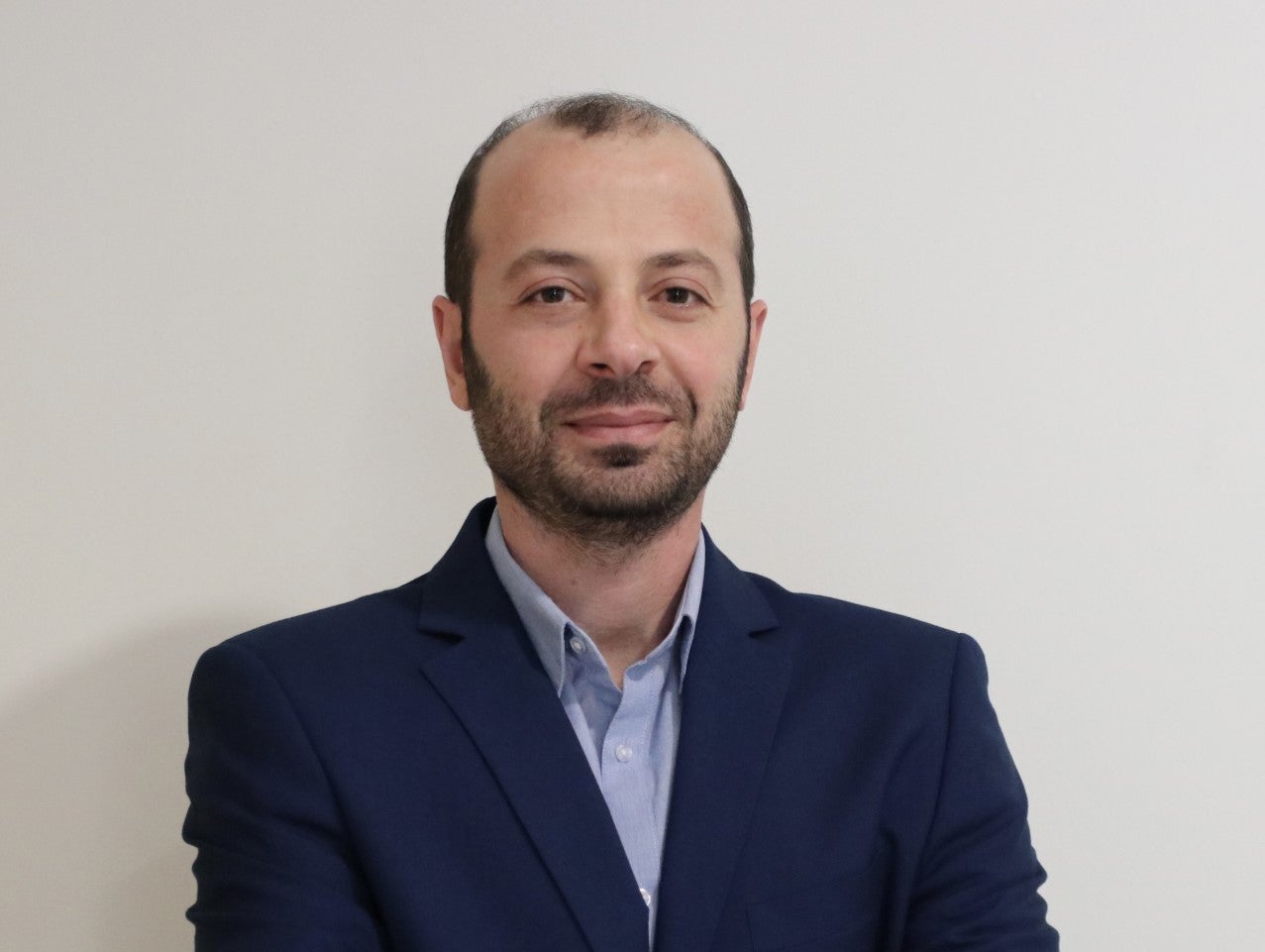
New Study by HBKU’s Qatar Computing Research Institute and Sidra Medicine Reveals Genetic Influence on Cancer Immune Responsiveness

HBKU’s Qatar Computing Research Institute Studies Impact of Fasting on Diabetic Patients
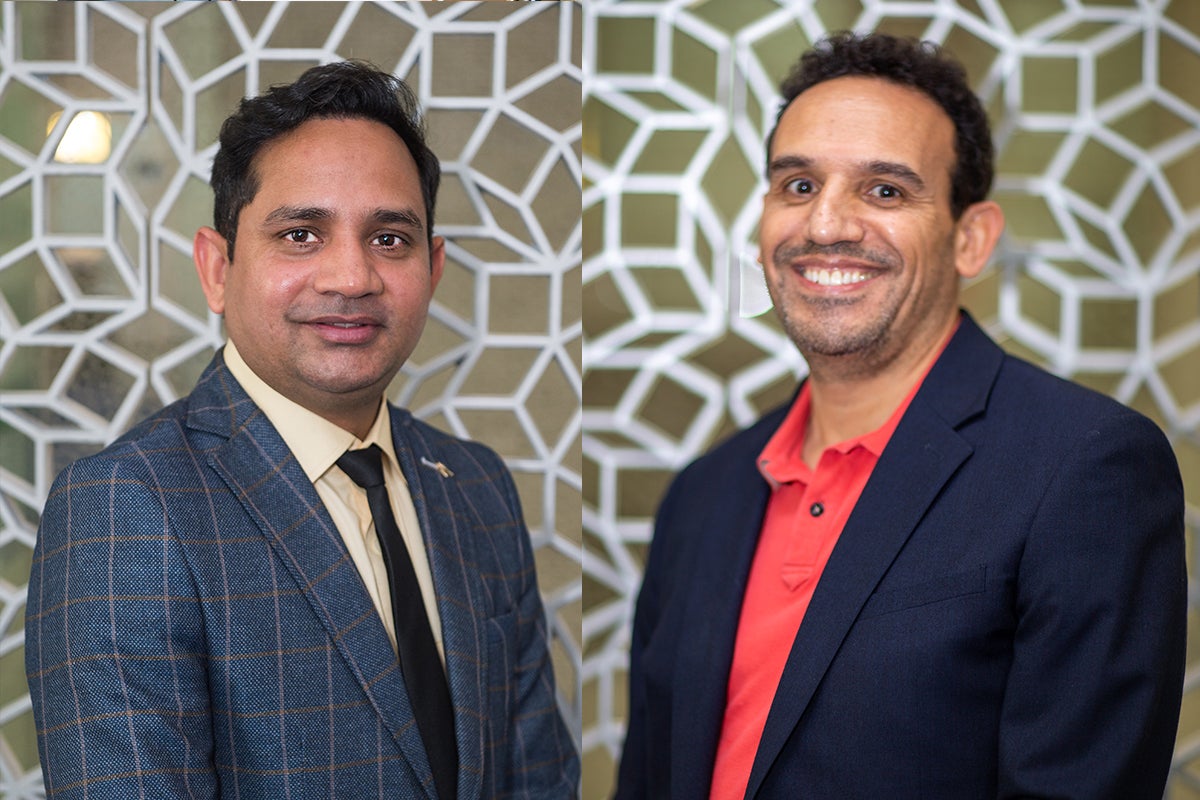
By Dr. Mohammad Farhan and Dr. Fadel Tissir
We are a year and a half into the SARS-CoV-2 pandemic, although mass vaccination programs initiated early this year offer hope to end the outbreak. Many countries, including Qatar and others in the Middle East, are setting their path to achieve herd immunity and restore normality through mass vaccination. Without herd immunity, the SARS-CoV-2 pandemic will revert to its original dynamic course as soon as interventions are withdrawn. The rise of new strains is an additional threat in fighting infections.
Share:
Related News
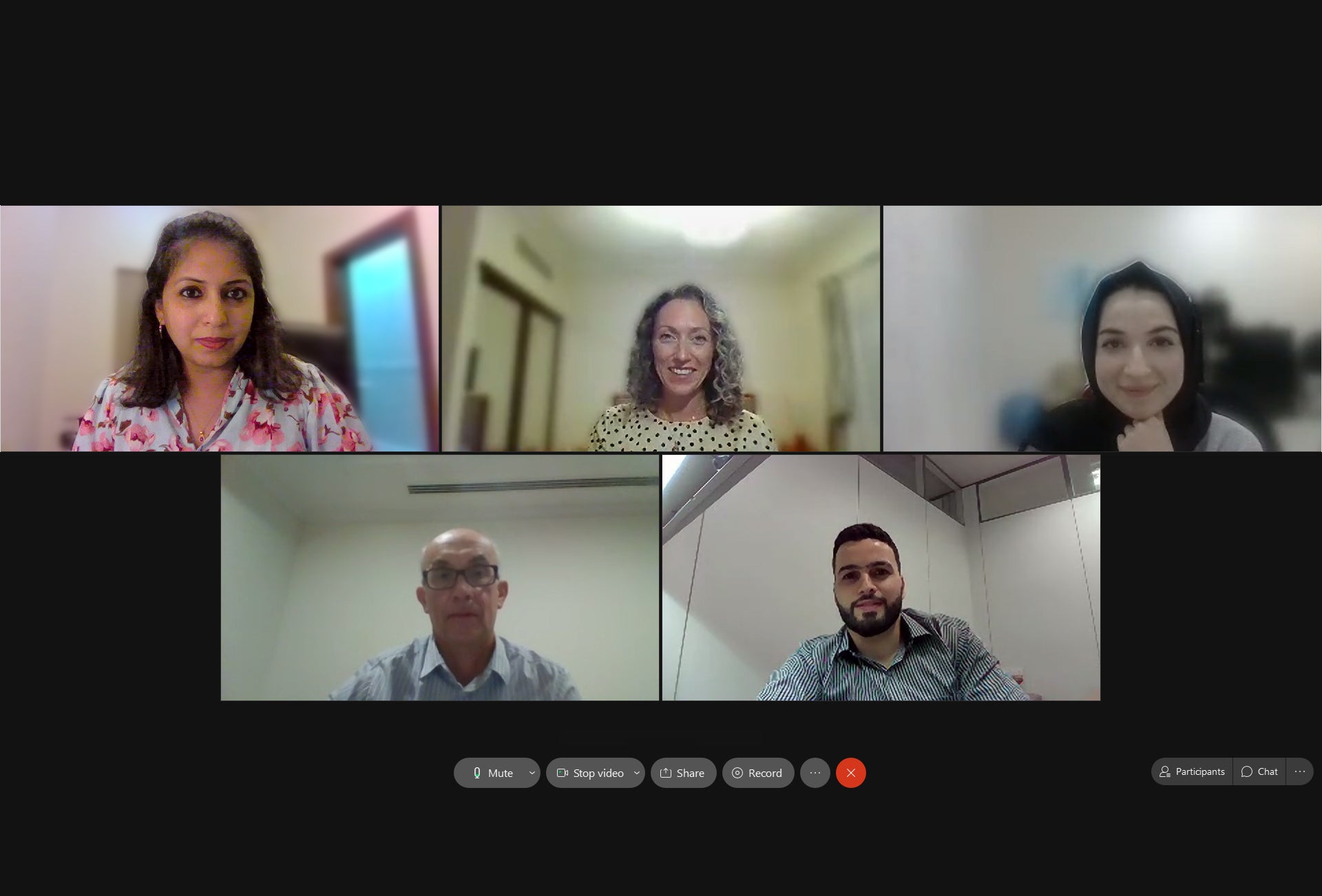
Qatar Environment and Energy Research Institute (QEERI) at Hamad Bin Khalifa University (HBKU) recently held the second in its series of Science Majlis initiatives, as part of the Institute’s 2021 community outreach program to promote greater awareness about its research projects.
Share:
Related News






Signaling a major advancement in optimizing oil and gas recovery and exploration in Qatar’s, the region’s, and the world’s complex reservoirs, the College of Science and Engineering (CSE) at Hamad Bin Khalifa University (HBKU) is the first academic institution in the world to develop and simulate a 1.014 billion computational cell model for giant oil and gas fields.
Share:
Related News