Apply Now
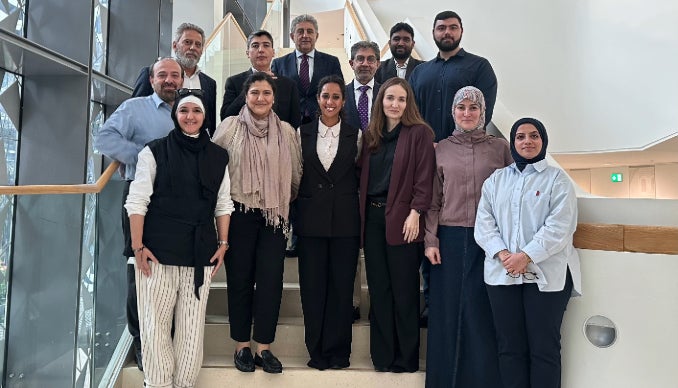
Bringing together relevant experts, the workshop focused on Gulf States’ engagement and evidence-based policy solutions to regional challenges
Placing policy research at the service of Qatar’s commitment to global responsibility and evidence-based development, Hamad Bin Khalifa University (HBKU) convened a workshop examining the challenges of advancing social protection systems in conflict and crisis-affected contexts.
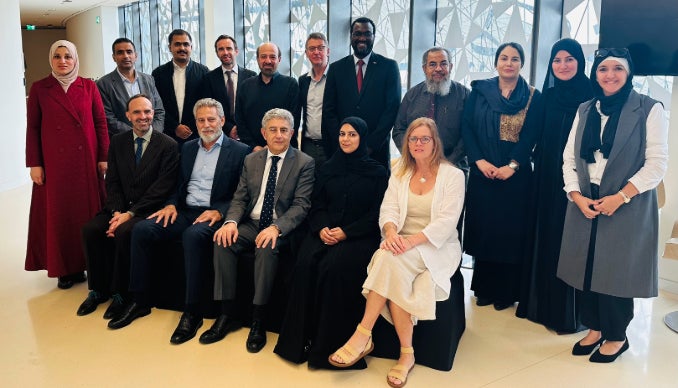
Organized by the College of Public Policy (CPP), the workshop ‘Gulf States Support to Social Protection in Crisis-Affected Countries,’ brought together a host of stakeholders from across the Gulf and wider region. It addressed the urgent realities facing countries across the Middle East and the Horn of Africa, and the role of Gulf Cooperation Council (GCC) states in mitigating far-reaching impacts in these regions. From humanitarian crises in the West Bank, Gaza, and Sudan, to protracted conflicts in Yemen and Somalia, as well as the complex recovery and reconstruction processes in Iraq and Syria, the gathering reflected HBKU’s role in generating vital insights that contribute to peacebuilding and regional development.
Central to this conversation was a study by Dr. Sultan Barakat, Professor, CPP, which maps how Gulf States are supporting social protection in crisis-affected countries. Participants examined various mechanisms, such as integrating domestic welfare logic into affected areas, providing direct cash, food, basic services, and building shock-responsive, sustainable systems.
Insights from the Better Assistance in Crises (BASIC) program, a four-year FCDO-funded research initiative led by the University of Sussex Institute of Development Studies (IDS), further enriched the workshop. Conducted extensively in Yemen, Syria, and Iraq, BASIC provided real-world experience and a robust evidence base to assess what works, what does not, and how policy responses can be strengthened.
Commenting on the workshop, Dr. Barakat stated: “Social protection in conflict zones must move beyond short-term relief toward building resilient systems that can withstand the shocks of war. This gathering highlights how Gulf States are moving beyond traditional donorship to partners that support sustainable welfare models. By bridging our research with innovative, global initiatives like the BASIC programme, HBKU continues to serve as a hub for impact-driven policy dialogue connecting research, practice, and regional priorities.”
The workshop served as a strategic roadmap for humanitarian intervention in the region. It reaffirms the university’s function as a catalyst for Qatar’s humanitarian vision, ensuring that homegrown research drives evidence-based solutions across the region and beyond.
Share:
Related News
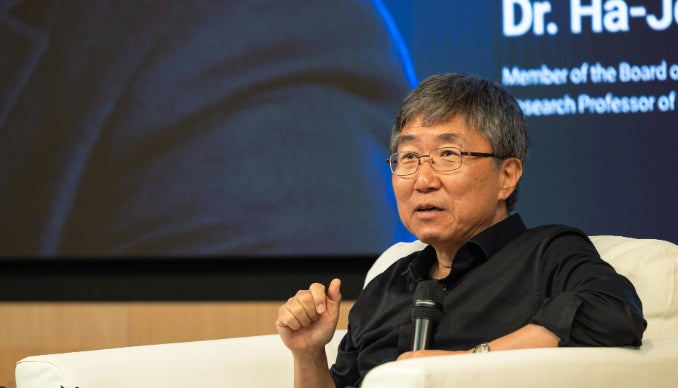
Hamad Bin Khalifa University Lecture Explores Industrial Policy as an Engine of Diversification and Development
College of Public Policy Professor Appointed to International Review of the Red Cross Editorial Board
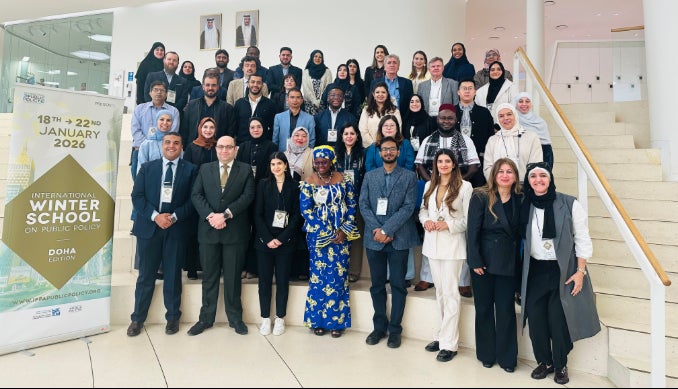
Hamad Bin Khalifa University’s College of Public Policy and International Public Policy Association Host Second International Winter School on Public Policy

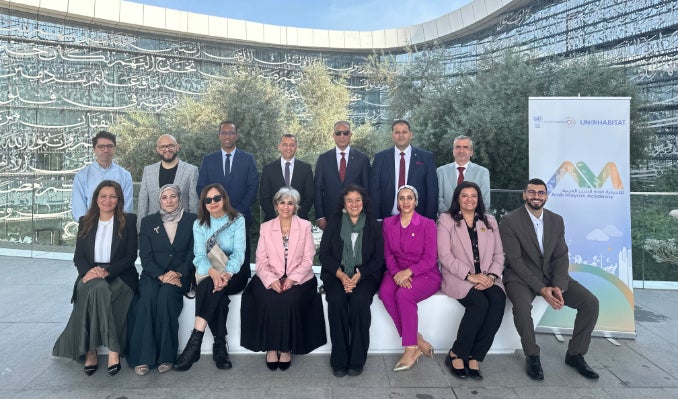
Arab Mayors Academy Training Concludes With Focus on Strategic Urban Resilience