Apply Now

In-depth discussions explored how health diplomacy functions as a strategic tool facilitating public health initiatives and humanitarian corridors

Health diplomacy’s role as a strategic tool for advancing public health initiatives and humanitarian access in contemporary conflicts was the subject of a recent College of Public Policy (CPP) lecture.
Titled “Modern Conflicts: From Public Health to Diplomacy,” discussions provided a critical perspective on connections between medicine, diplomacy, and ethics, exploring how societies can maintain the universal right to health in the face of ongoing conflict and fragile peace. Featuring Dr. Karl Blanchet, Director of the Geneva Centre of Humanitarian Studies and Professor at the Faculty of Medicine, University of Geneva, and Eminent Visiting Policy Scholar at the CPP, the event gathered academia, public policy experts, health practitioners, and students.
Dr. Blanchet discussed how modern conflicts increasingly blur the boundaries between public health and diplomacy, revealing the interdependence of humanitarian response, global governance, and political negotiation. He analyzed the increased use of healthcare as a weapon, with attacks on workers, hospitals and ambulances becoming all too common. Citing examples from Gaza, Ukraine, Sudan, Yemen and other crisis-affected countries, he argued that these conflicts are no longer isolated to national boundaries but increasingly possess the potential to trigger a global public health catastrophe.
Dr. Blanchet further explained that such crises are complex systems of social collapse in which health infrastructure, disease control, and humanitarian access become instruments of power and negotiation. In this context, health diplomacy can function as a strategic and ethical tool in conflict areas, facilitating ceasefires for vaccination campaigns, negotiating aid corridors, and rebuilding trust in multilateral cooperation.
Commenting on the talk, Dr. Logan Cochrane, Acting Dean, CPP, stated: “Health has long intersected with foreign policy, security, development, and trade. Accordingly, policymakers must cultivate the skills to advocate effectively for health within complex international negotiations. This lecture is particularly significant for our region, reflecting our vision to advance knowledge and leadership that address transnational challenges.”
The lecture reflects the university’s role in influencing public policy through dialogue, advocacy and expert contributions to global challenges that shape human security and sustainable development.
Share:
Related News
Hamad Bin Khalifa University Lecture Explores Industrial Policy as an Engine of Diversification and Development
College of Public Policy Professor Appointed to International Review of the Red Cross Editorial Board
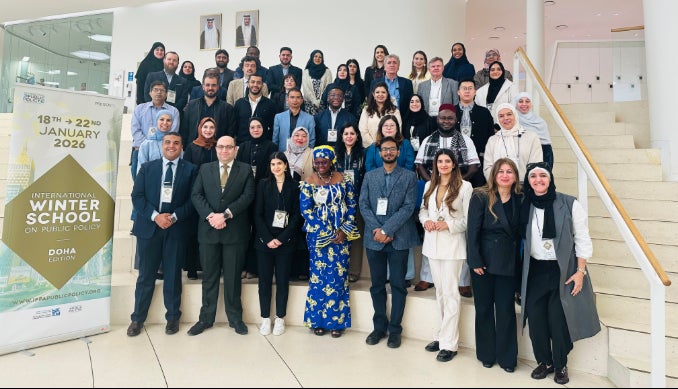
Hamad Bin Khalifa University’s College of Public Policy and International Public Policy Association Host Second International Winter School on Public Policy
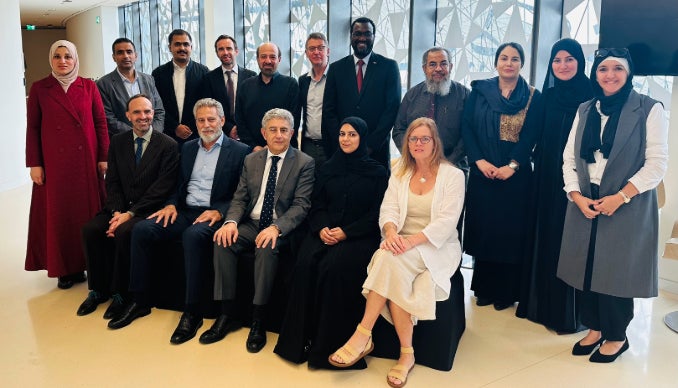
Hamad Bin Khalifa University Workshop Examines Gulf States’ Contributions to Social Protection in Crisis Zones
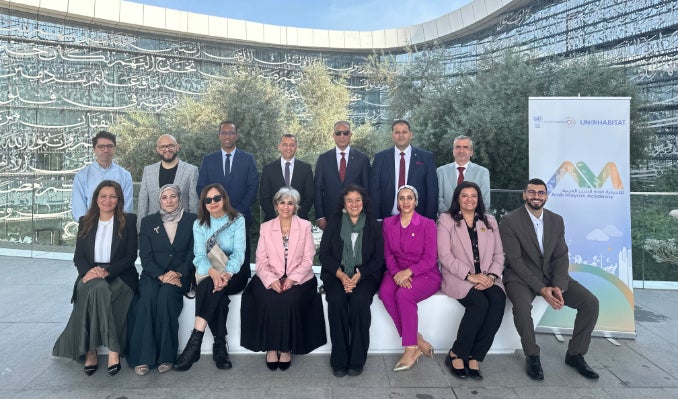
Arab Mayors Academy Training Concludes With Focus on Strategic Urban Resilience