Apply Now

Participants discussed opportunities and governance challenges shaping emerging digital financial systems
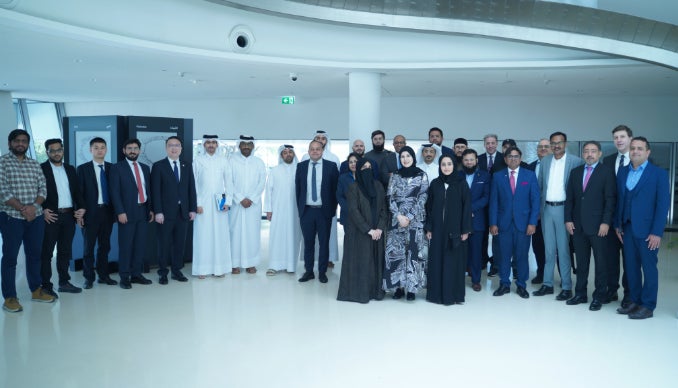
Esteemed figures from Qatar’s financial institutions gathered at the 10th CEOs and Islamic Finance Leaders Roundtable, hosted by the College of Islamic Studies’ (CIS) Center for Islamic Economics and Finance (CIEF) in collaboration with the Qatar Financial Centre Regulatory Authority (QFCRA), to examine the role of Islamic finance in strengthening trust in rapidly evolving financial structures.
Themed Building Trust in Digital Islamic Finance: Tokenization, Governance and Qatar’s Leadership in Asset-Backed Innovation, the session provided a platform for cross-sector collaboration, underlining the growing role of partnerships between academia and industry in shaping future-ready digital finance frameworks grounded in Arab and Islamic values.
The theme of this year’s CEOs and Islamic Finance Leaders Roundtable also forms part of the broader Conscious Futures initiative at CIS. Conscious Futures refers to a forward-looking approach that seeks to shape emerging technologies, financial systems, and institutions with ethical awareness, human responsibility, and long-term social impact at their core. Through this lens, digital Islamic finance is not only about technological innovation, but also about building trustworthy, values-driven systems that serve society responsibly.
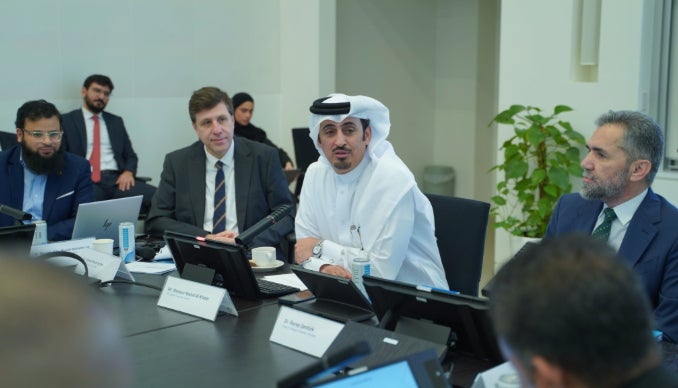
Participants explored the transformation of the global financial landscape, particularly the shift of blockchain technology and digital assets from experiments to foundational infrastructure. The roundtable addressed key themes, including how tokenization is opening new frontiers for Islamic finance, enabling greater transparency and efficiency through Shariah-aligned principles.
Following opening remarks from Dr. Recep Şentürk, Dean, CIS, Mansoor Rashid Al-Khater, Chief Executive Officer and Board Member, Qatar Financial Centre (QFC), outlined the organization’s Digital Assets Framework, which provides legal certainty, regulatory clarity and institutional support:
“As digital assets evolve from emerging concepts into core financial infrastructure, the need for trusted and well-regulated frameworks becomes increasingly important. At QFC, we are committed to providing the regulatory clarity and institutional support needed to strengthen confidence in Qatar’s digital finance ecosystem. Meetings such as this roundtable are essential to ensuring innovation develops in a responsible and Shariah-aligned manner, while reinforcing Qatar’s position as a leading hub for digital and financial innovation.”
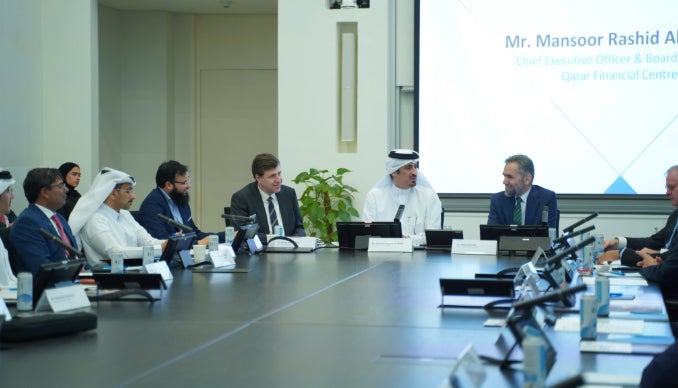
QFCRA’s collaboration brought a strong regulatory perspective to the discussions. Delivering the opening address, Nurein Said Mohamed, Director of Bank and Insurance Supervision, emphasised the importance of clear supervisory frameworks in building confidence for Shariah-compliant digital assets. Building on this, Shaun Swan, Director of Policy, presented the operational challenges of moving from readiness to issuance, highlighting the need for governance models that can adapt to programmable ownership.
Commenting on the role of research in the industry, Dr. Ahmet Farooq Aysan, Director of CIEF, stated: “The conversations highlight the need for collaboration in shaping digital finance. Hamad Bin Khalifa University connects relevant sectors and partners to accelerate research, innovation, and real-world solutions that respond to emerging challenges. The fundamentals of Islamic finance offer actionable perspectives for approaching tokenization and digital assets with transparency and long-term impact.”
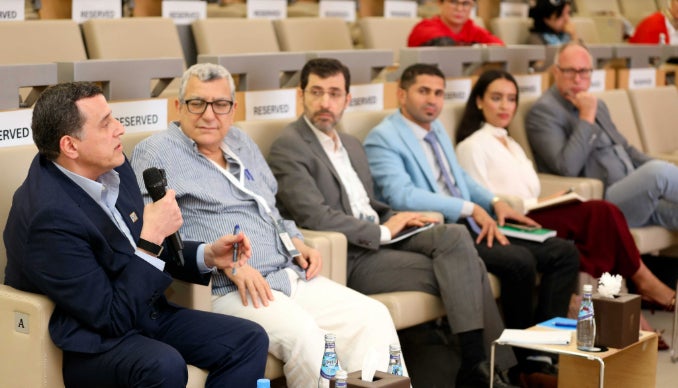
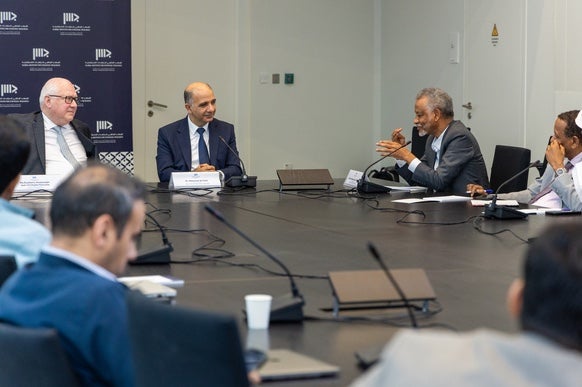
Panel discussions further analyzed policy compliance, the establishment of trusted digital structures, and Qatar’s unique position to lead regional and global technological transformation. Talks also touched on promoting continued engagement among researchers, policymakers, financial institutions, and technology providers to connect innovation, regulation, and implementation.
Share:
Related News
Hamad Bin Khalifa University Partners with QFFD and UNHCR for World Refugee Day Gathering
MoPH and HBKU Launch National Survey on Developmental Disabilities Diagnostics, Interventions