 Apply Now


Qatar Environment and Energy Research Institute (QEERI), part of Hamad Bin Khalifa University (HBKU), recently signed an agreement with Curtin University in Australia to combine efforts on addressing corrosion issues in the oil and gas industry. Under the agreement, researchers, scientists, and engineers from the QEERI Corrosion Center and Curtin Corrosion Center will join forces to tackle some of the most severe and reoccurring corrosion and material challenges faced by the industry in Qatar and Australia.
Share:
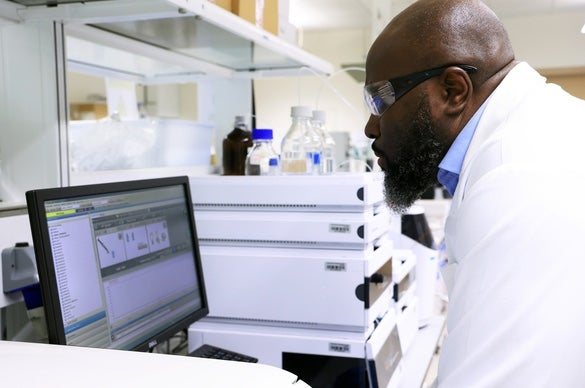


Despite outstanding progress in the treatment of various diseases, the global burden of communicable and non-communicable diseases continues to be heavy. This burden is a major concern for economies and healthcare industries worldwide. Based on the origin or cause of the disease, its transmission or hereditability, disease development type and the treatment modalities, epidemiologists can classify a disease as communicable or non-communicable.
Share:
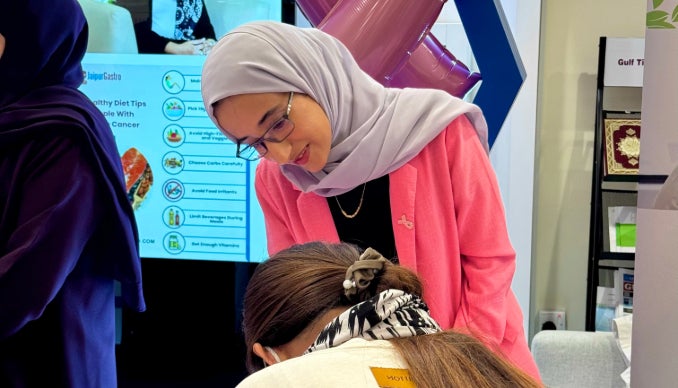
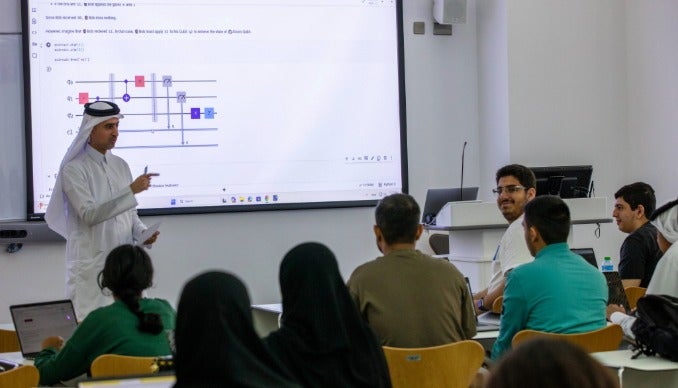
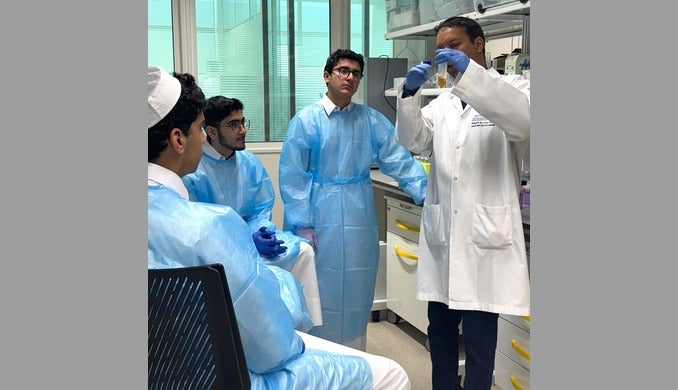
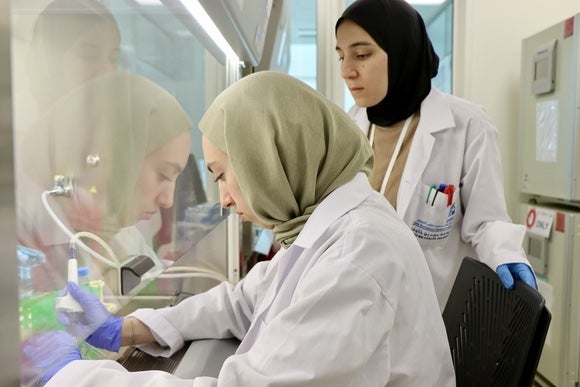

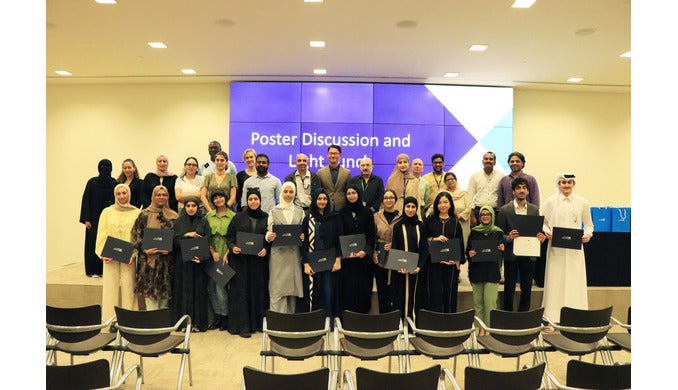

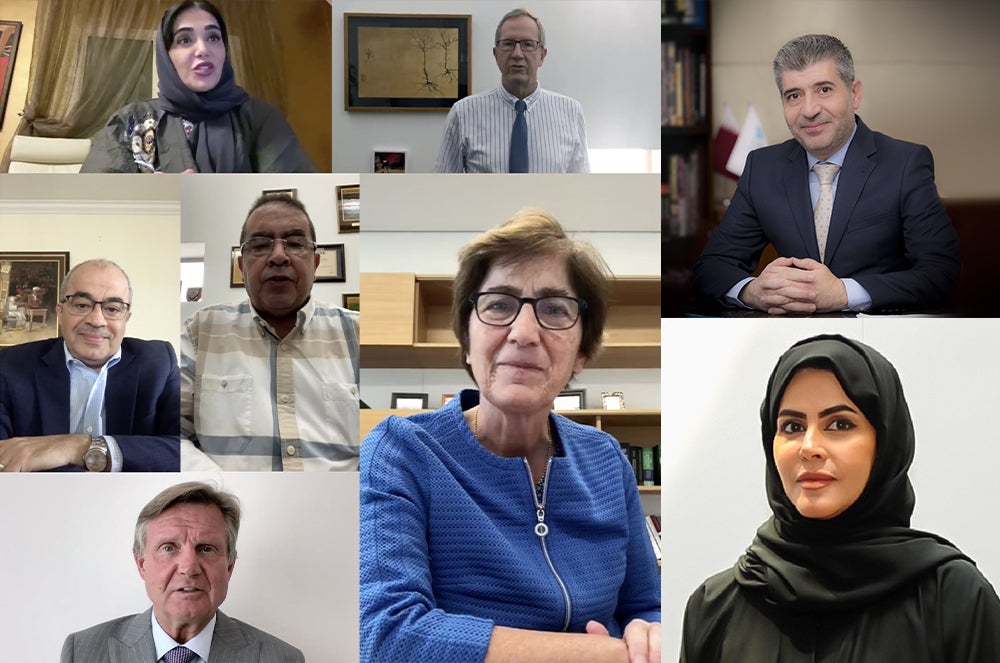
Hamad Bin Khalifa University (HBKU), a member of Qatar Foundation, has successfully concluded classes for the 2019-2020 academic year, with nearly 200 students in the Class of 2020 completing their final weeks through virtual education platforms.
Share:

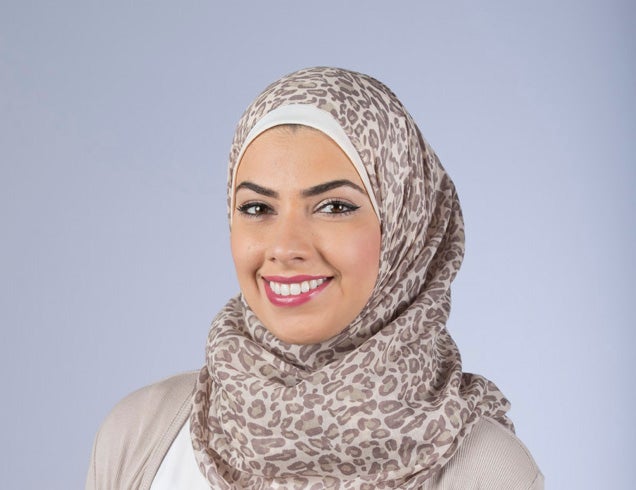
Dr. Marwa Qaraqe (lead principal investigator) and her team members, Dr. Gabriele Oligeri (co-principal investigator) and Dr. Saif Al-Kuwari (co-principal investigator) all assistant professors at the College of Science and Engineering’s (CSE) Information and Computing Technology Division, were recently awarded a substantial three-year grant from the North Atlantic Treaty Organization’s (NATO) Emerging Security Challenges Division.
Share:
Related News
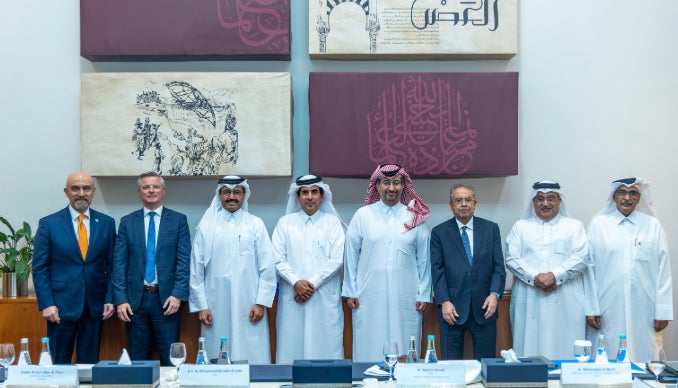
Hamad Bin Khalifa University’s College of Science and Engineering Hosts 2nd Industry and Government Advisory Board Meeting

Hamad Bin Khalifa University Study Reveals Organizational Gaps, Identifies Strategic Opportunities in Women's Sports
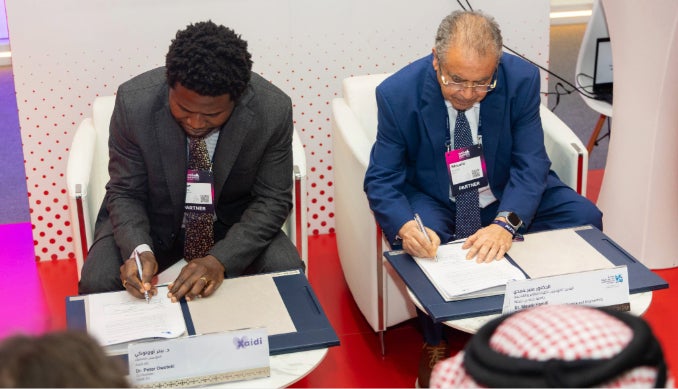
Hamad Bin Khalifa University Partners with Swiss Health Tech Xaidi to Support Qatar’s National Autism Plan
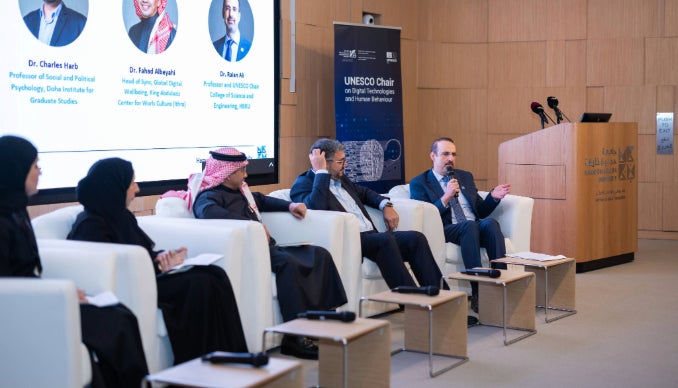
UNESCO Chair on Digital Technologies and Human Behavior Launched at Hamad Bin Khalifa University
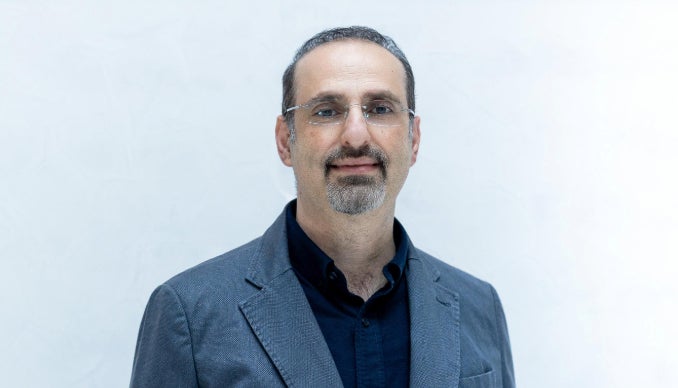
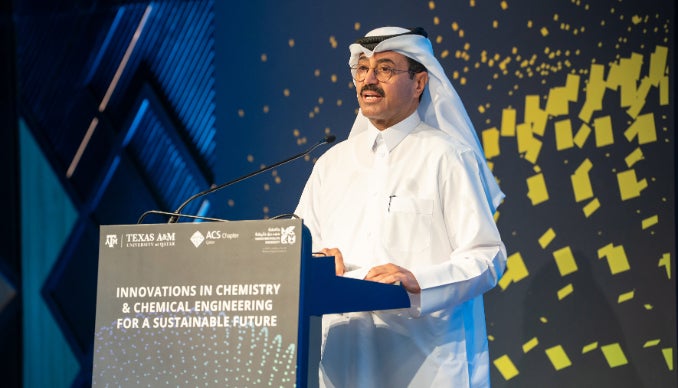
HBKU, TAMUQ and ACS Host Conference on Innovations in Chemistry and Chemical Engineering for a Sustainable Future

bNovate Technologies Partners with HBKU in Groundbreaking SMART-Distribution Project to Enhance Qatar’s Water Security


The College of Islamic Studies (CIS), part of Hamad Bin Khalifa University (HBKU), recently organized a webinar on the Islamic approach to dealing with epidemics and how it affects worship. The webinar shed light on the parallels between Islamic guidelines over epidemics and the containment and quarantine measures being implemented to protect people from COVID-19.
Share:
Related News
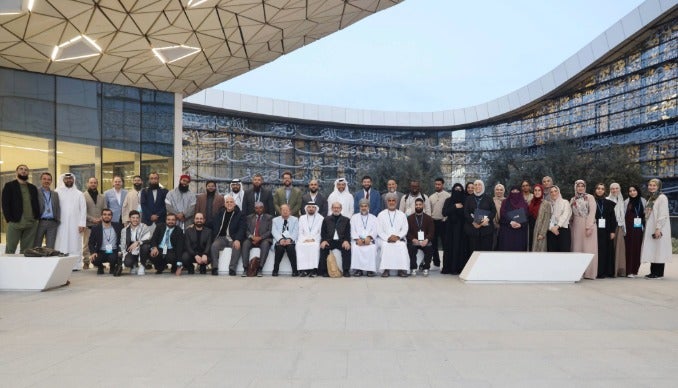
Hamad Bin Khalifa University Symposium Positions Islamic Psychology As Essential Part of Mental Health Systems

Qur’anic Botanic Garden and Herfah Program Revive Traditional Craft with New Dye Plants Garden
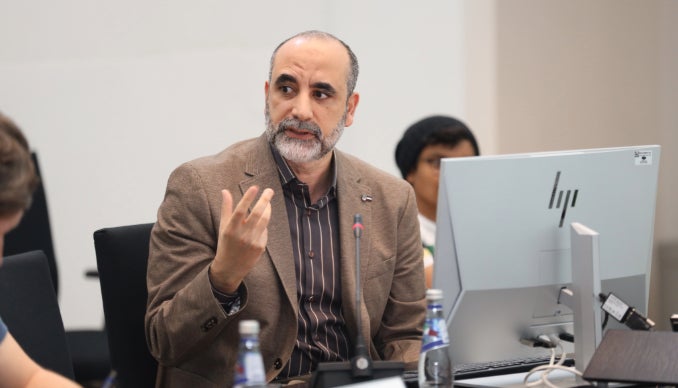
Hamad Bin Khalifa University’s International Islamic Bioethics Association Holds Inaugural Meeting
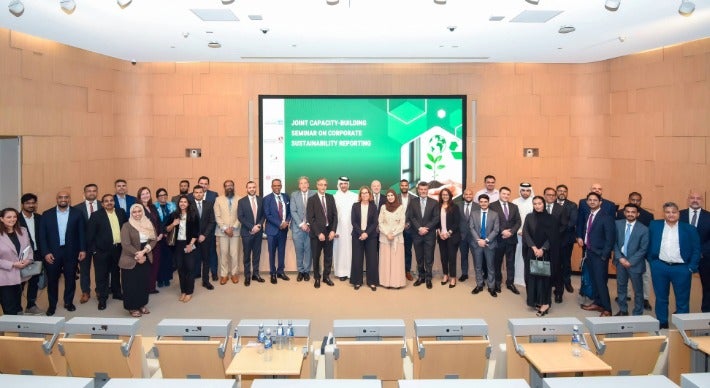
HBKU’s CIS Hosts Second High-Level Seminar on Corporate Sustainability Reporting
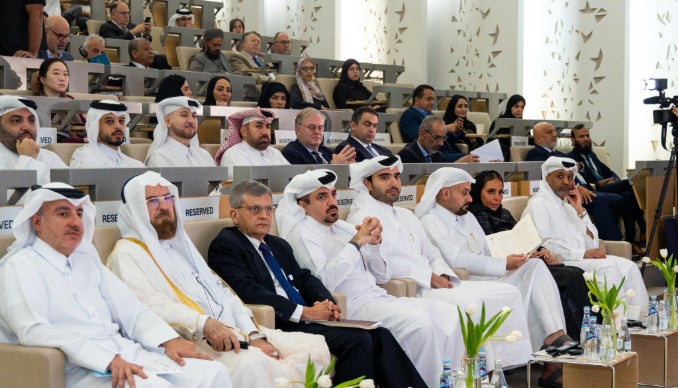
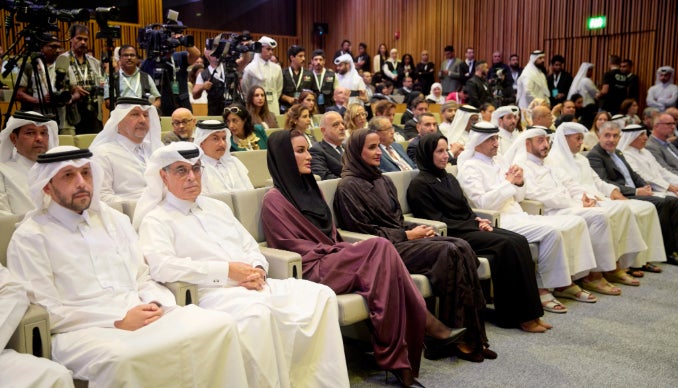
Her Highness Sheikha Moza bint Nasser Attends Hamad Bin Khalifa University’s Conference on AI Ethics
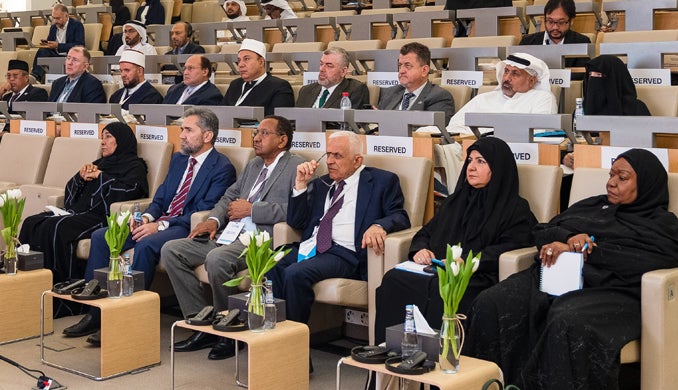
HBKU’s Sīrah of the Prophet Conference Discusses Peace and War Through an Islamic Lens


During the holy month of Ramadan, Hamad Bin Khalifa University Press (HBKU Press) highlights how literacy can be used to promote gratitude, faith, and personal connections – a challenging feat as people in confinement at home due to COVID 19 are unable to participate in the communal faith-based activities normally practiced throughout the month.
Share:


Researchers from Qatar Environment and Energy Research Institute (QEERI), part of Hamad Bin Khalifa University, recently delivered a webinar organized by the International Energy Agency (IEA) on the topic 'Electric Vehicles, Infrastructure and Climate Resilience'. Dr. Marcello Contestabile, principal economist at QEERI, along with senior scientists from QEERI’s Energy Center, Dr. Sertac Bayhan and Dr.
Share:

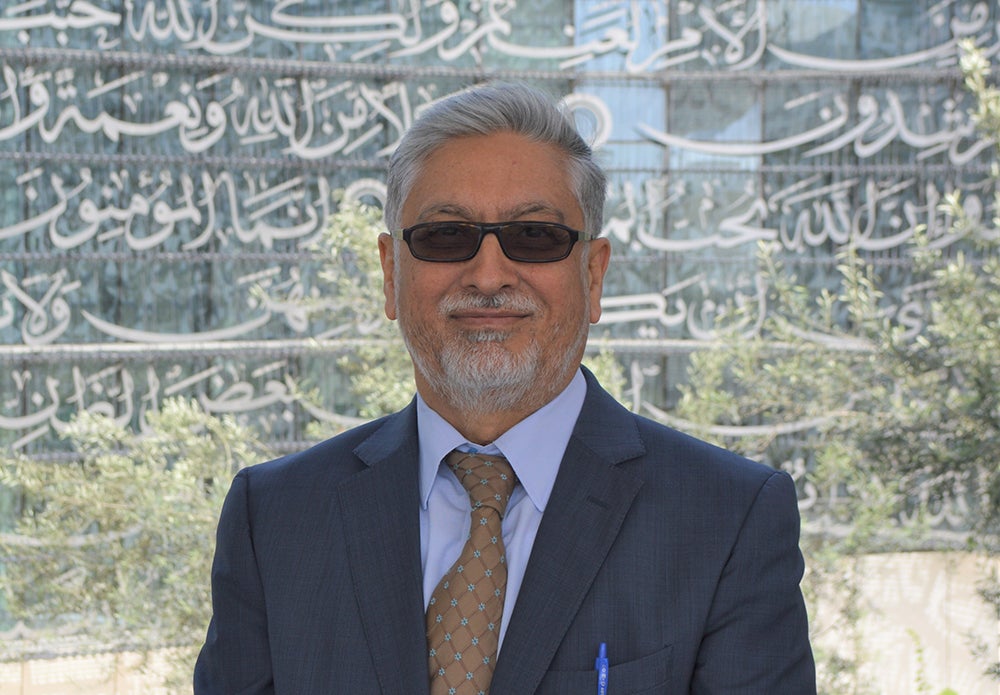
Qatar proves that small states can factor circular economic practices into their strategic outlook. Dr. Tariqullah S. Khan and Khalid Ahmed Al-Ansari chart progress made and where there is scope to do more.
Source: www.qatar-tribune.com
Share:

The coronavirus (COVID-19) pandemic is still spreading, with the number of cases now exceeding four million and the death rate having passed 280,000.
To contain the spread of the virus, countries across the globe are further enhancing their guidelines and measures. Schools, universities, malls, gyms, parks, and beaches are all closed, leaving people confined mainly to their homes.
Share:
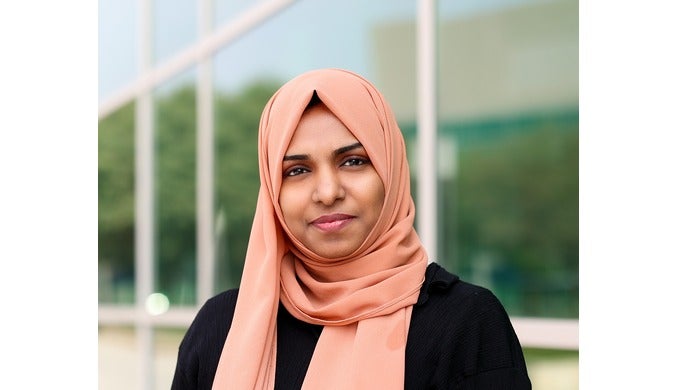
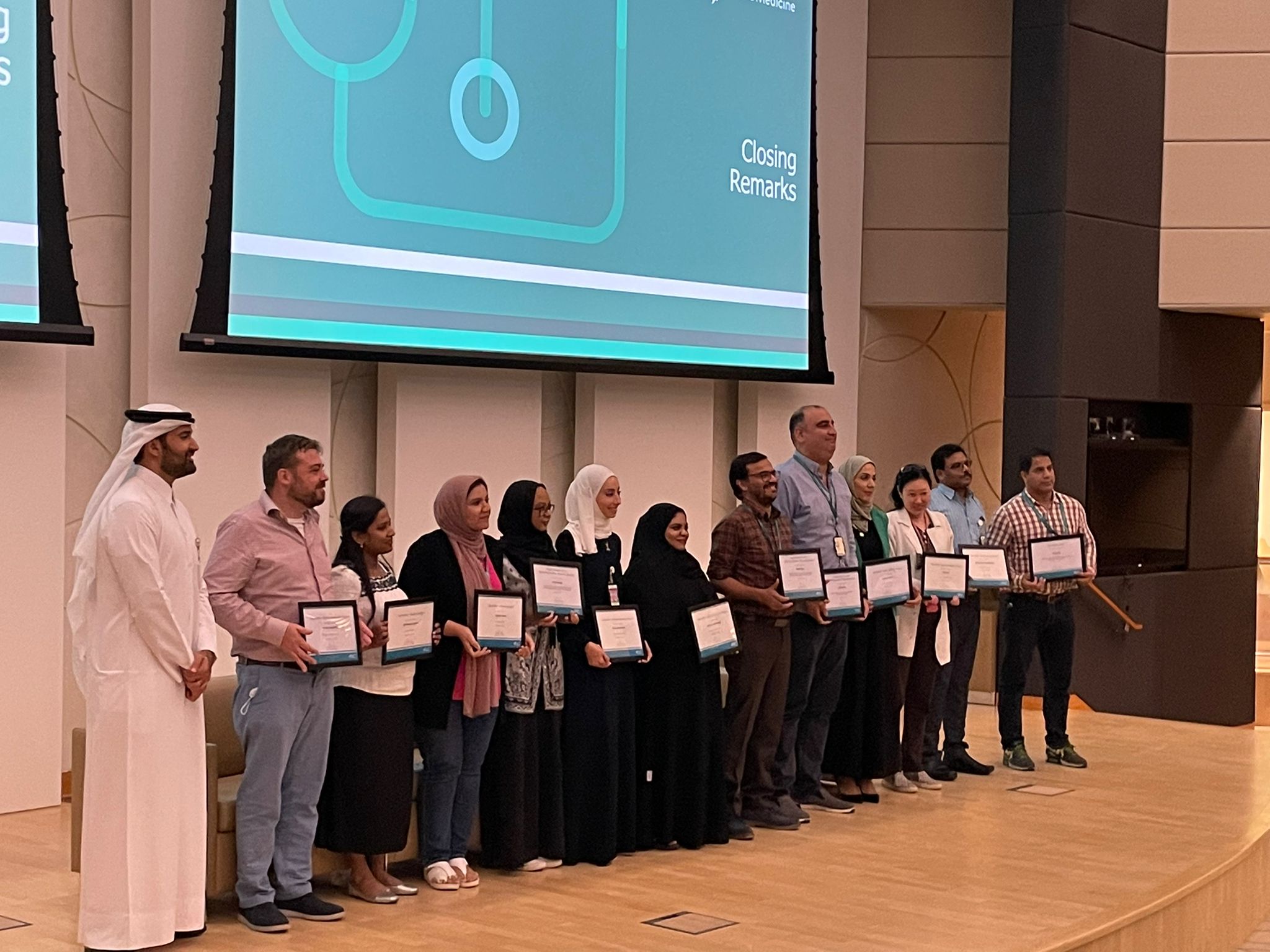
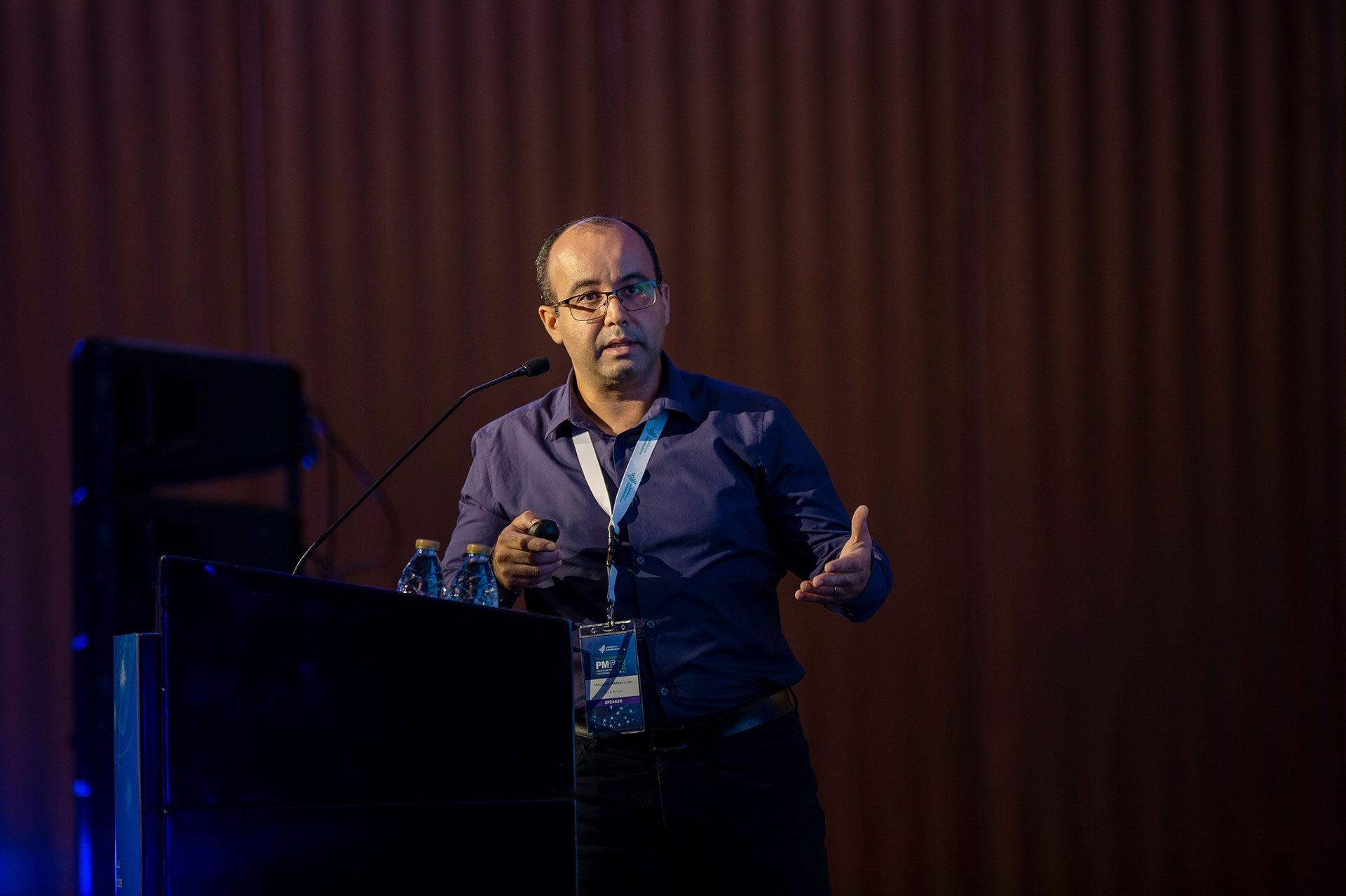


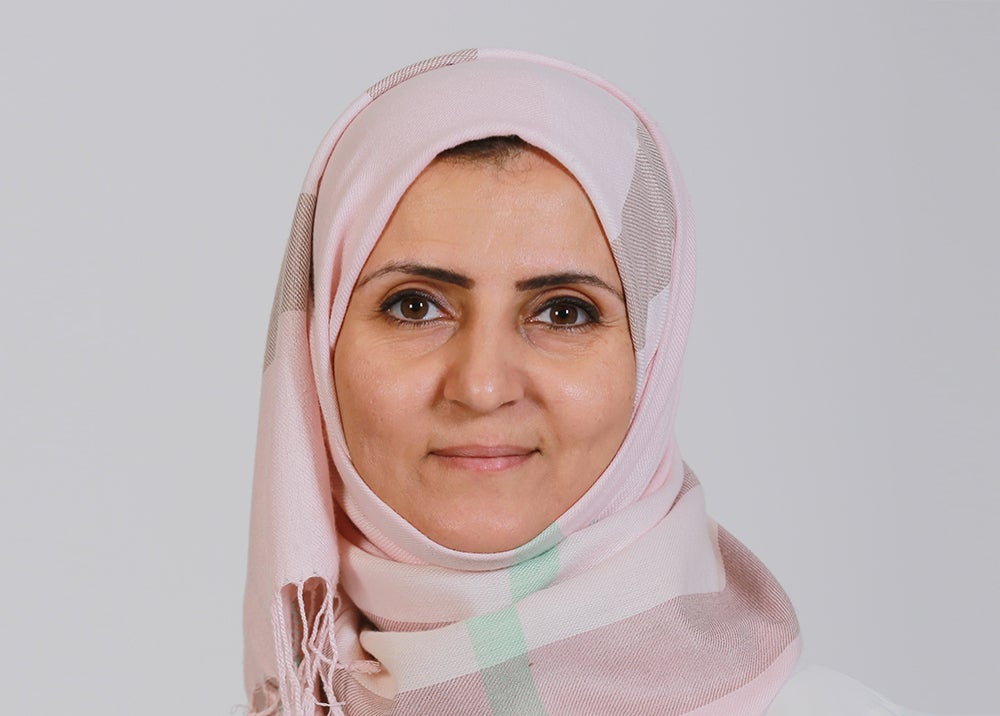
In the current lockdown due to COVID-19, the whole country is having to adapt to an unprecedented situation and many are finding it difficult to cope.
We spoke to three alumni from Hamad Bin Khalifa University (HBKU) to find out how they are helping and supporting the needs of their respective communities to better cope during this situation.
Share: