Apply Now

Week long activity introduced participants to technology to facilitate efficient dispute resolution
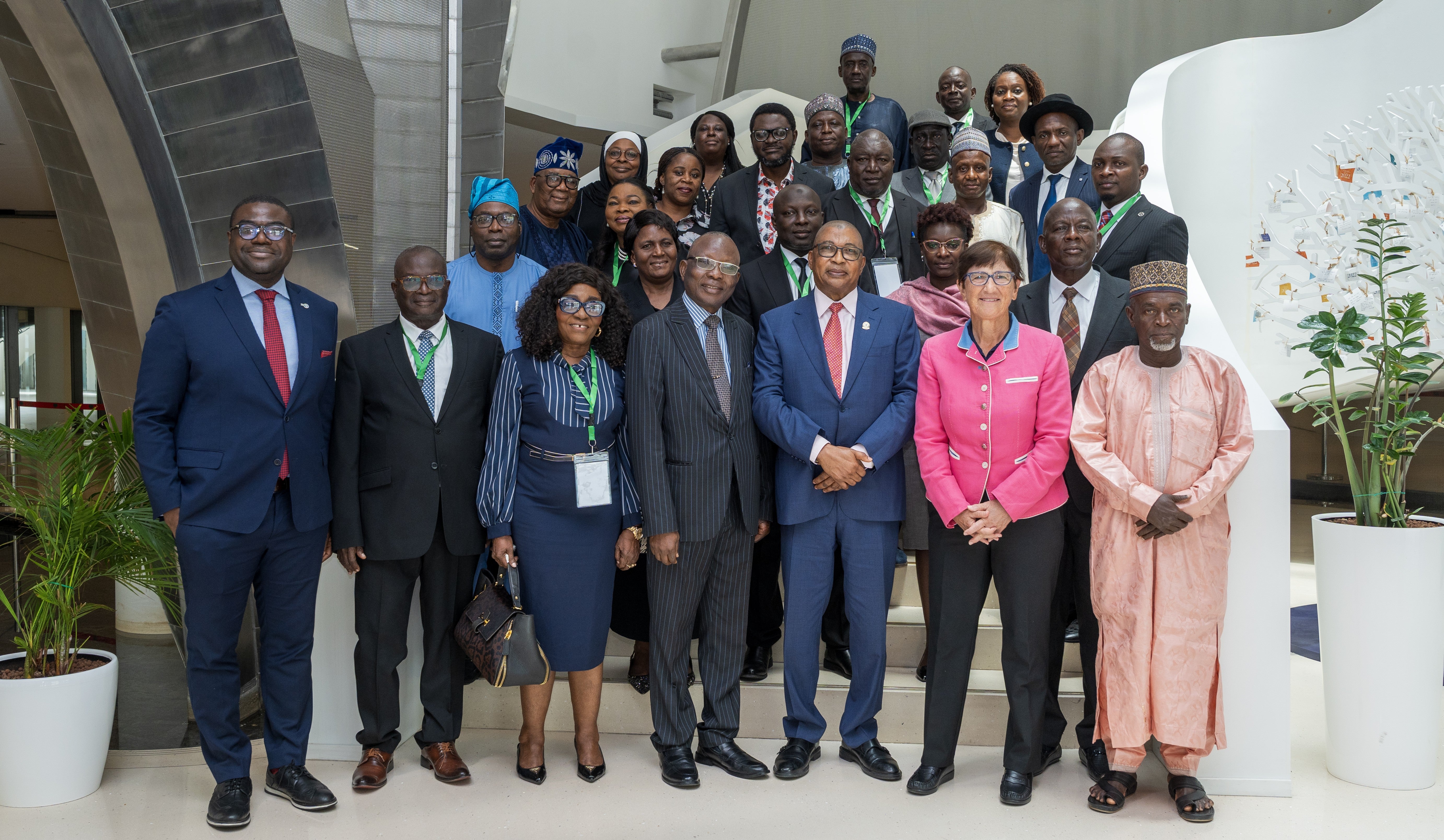
The UNESCO Chair on Environmental Law and Sustainable Development at the College of Law recently hosted a one-week workshop for African judges, focusing on strengthening their capacity in the use of digital technologies and electronic evidence for the timely, effective and transparent resolution of disputes.
Organized in partnership with the National Judicial Institute of Nigeria, and the Forensic Electronic and Digital Law Consultancy (FEDLAC), the workshop convened senior judges, scholars, educators, and practitioners for discussions on critical topics. Discussions centred on the role of the judiciary in environmental justice, managing electronic evidence within judicial proceedings, case management, and applying artificial intelligence and other digital tools to resolve disputes fairly and promptly. These discussions addressed issues related to natural resources, energy, environment, climate change, nature conservation and sustainability.
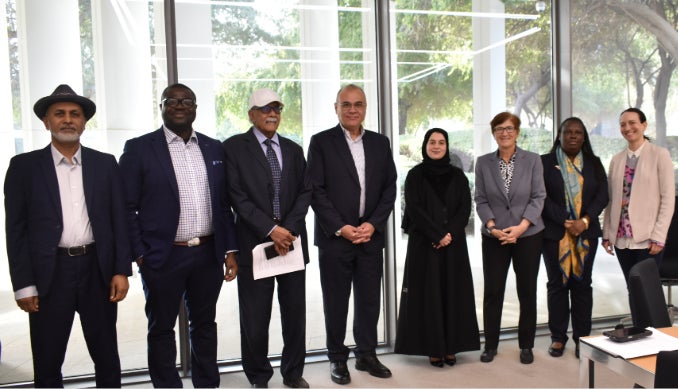
A highlight of the workshop was a formal working visit by the judges to the Qatar International Court and Dispute Resolution Centre (QICDRC), providing practical opportunities to enhance collaboration and knowledge exchange. Participants left the workshop with renewed determination to apply these insights in their respective courts and jurisdictions, and to further advance a robust and technology-driven dispute resolution ecosystem.
Commenting on the workshop, Dr. Damilola Olawuyi, SAN, Professor, College of Law, and UNESCO Chairholder on Environmental Law and Sustainable Development, said: “Goal 16 of the United Nations Sustainable Development Goals (SDGs) aims to enhance access to justice for all by building effective and accountable judicial institutions. Advancing SDG 16 will require active education and engagement to ensure that judges, magistrates and other key stakeholders in the justice system are well-equipped with essential knowledge and skills to apply digital tools to resolve environmental disputes in a fair, timely and informed manner. We are proud to collaborate with judiciary stakeholders in Africa to enhance knowledge and exchange of best practices in this important field.”
Speaking at the workshop, Susan L. Karamanian, Dean, College of Law, said: “This judiciary workshop enables HBKU to bring to campus judges and leading stakeholders in the judiciary who are setting standards and resolving high stake disputes relating to the SDGs, particularly climate change and the environment. The exchange of best practices between African judges and stakeholders in Qatar and the MENA region is deeply inspiring and will further enrich our own understanding and teaching in these important areas.”
The UNESCO Chair on Environmental Law and Sustainable Development looks forward to hosting further editions of the Judiciary Workshop on Environmental Law and Sustainable Development. Information concerning the UNESCO Chair on Environmental Law and Sustainable Development and the College of Law’s program of events can be found here.
Share:
Related News

UNESCO Renews Chair on Environmental Law and Sustainable Development at Hamad Bin Khalifa University

Hamad Bin Khalifa University Convenes Experts on Regional Energy Interconnectivity and Sustainable Development
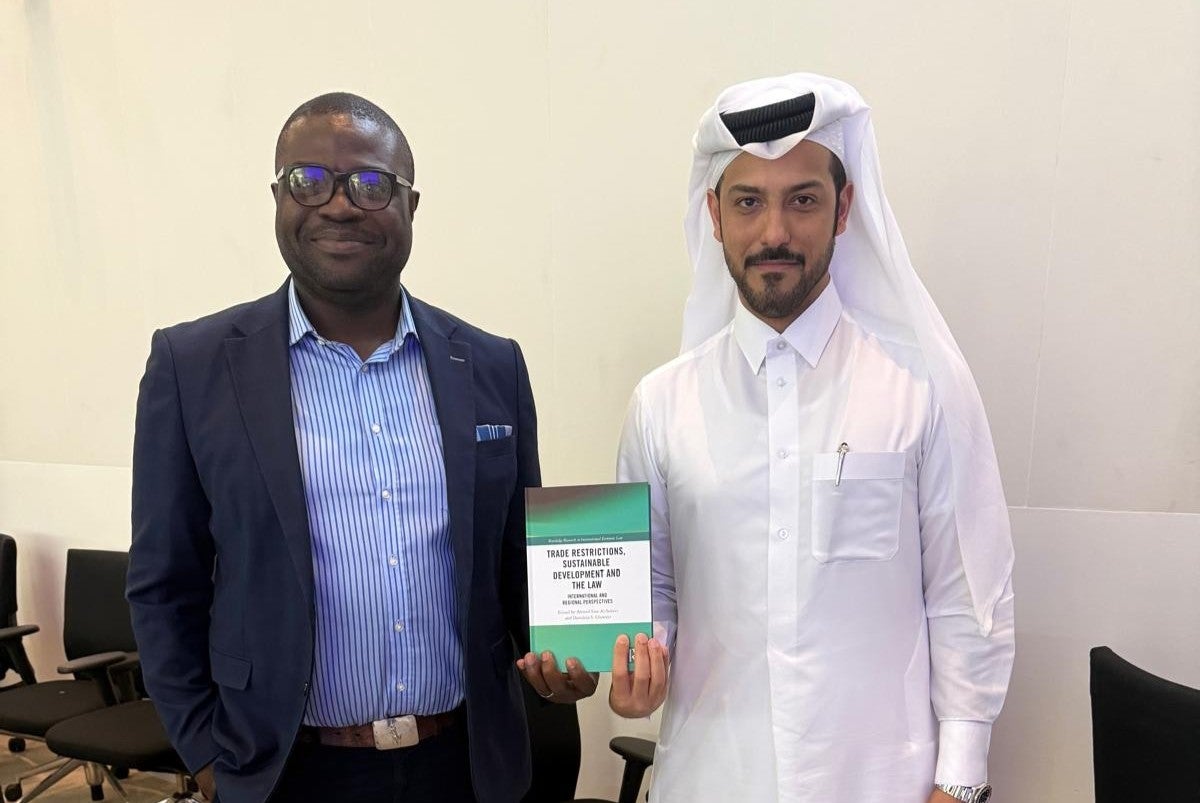
College of Law Faculty Launch Book on Trade Restrictions and Sustainable Development
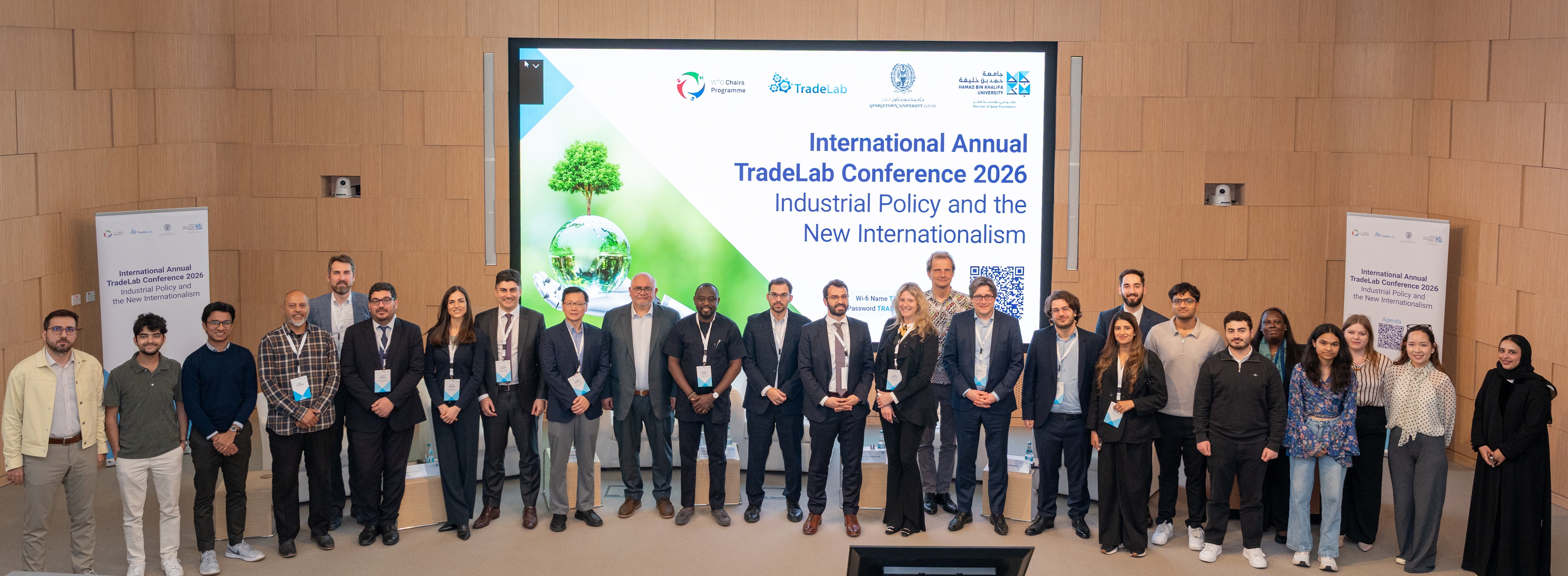
Hamad Bin Khalifa University Advances Legal and Policy Dialogue on Industrial Strategies and Achieving Twin Transition
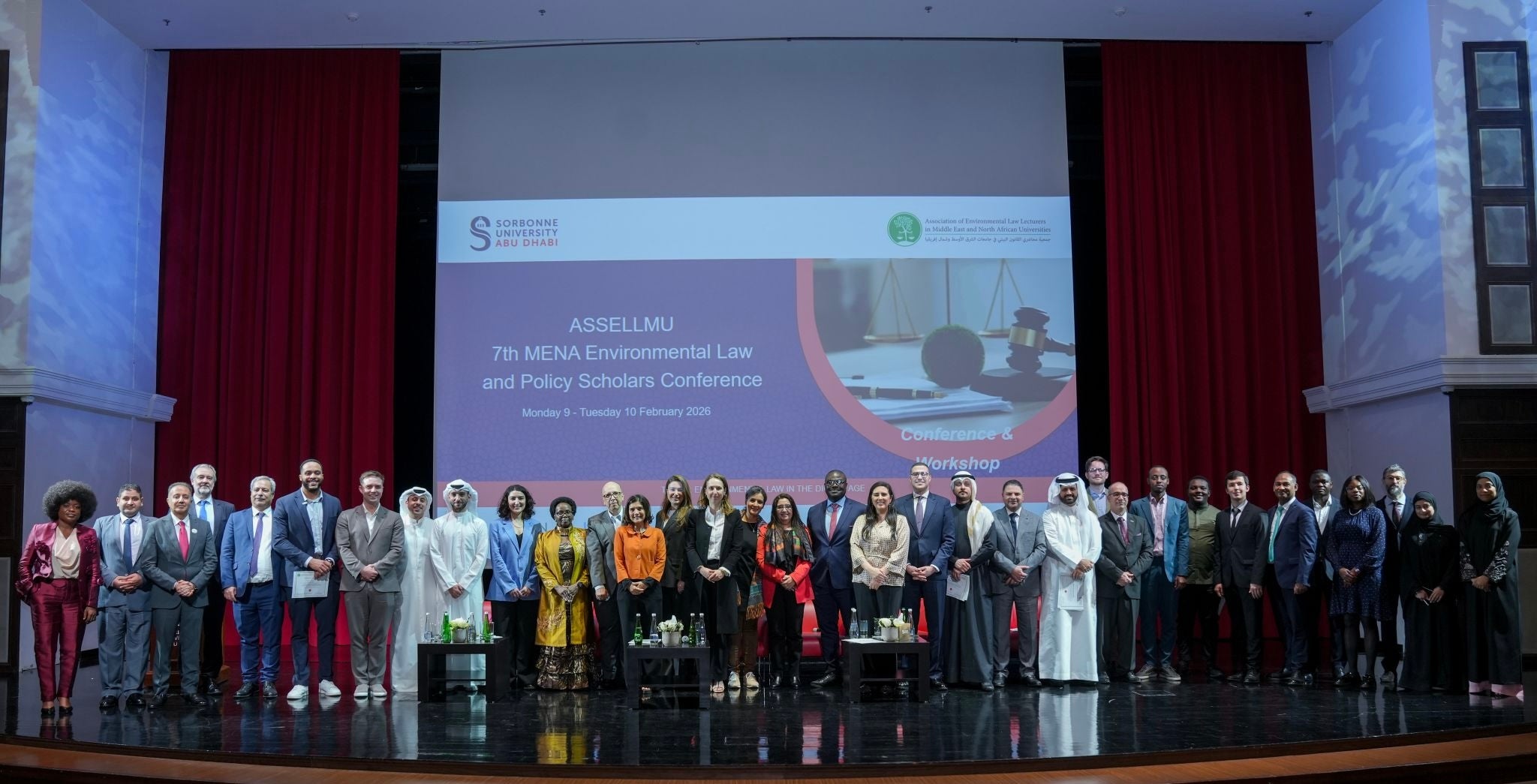
Hamad Bin Khalifa University and Partners Advance Environmental Law, Digital Transformation at Regional Conference

Hamad Bin Khalifa University’s UNESCO Chair Equips Legal Practitioners for Energy Transition Age