
Event Starts in:
Symposium Overview
The field of Islamic psychology has traditionally concentrated on creating models and treatment approaches for individual therapy and clinical settings. However, there is a growing demand for Islamically integrated interventions in a wider range of mental health services within hospitals, addiction rehabilitation centers, schools, colleges, social work agencies, etc.
There is also a need to expand the scope of Islamically grounded psychological interventions to include diverse populations beyond just adults. This scope should encompass adolescents, young adults, and the elderly. Such interventions can be applied in various settings, including outpatient facilities, group treatment environments, forensic settings, behavioral health programs, religious contexts (such as mosques and Ministries of Awqaf), as well as in non-governmental organizations (NGOs).
With the increasing interest in Qatar, the Gulf Cooperation Council (GCC) region, and the broader Middle East and North Africa (MENA) region, this symposium seeks to engage local and regional communities in an interactive discussion about the current landscape and future directions for integrating Islamic and spiritual psychological approaches in various mental health settings. Additionally, it is an opportunity to foster connections between Hamad Bin Khalifa University and a diverse array of service stakeholders and community leaders.
The symposium will be held in English and Arabic with live interpretation for both languages.
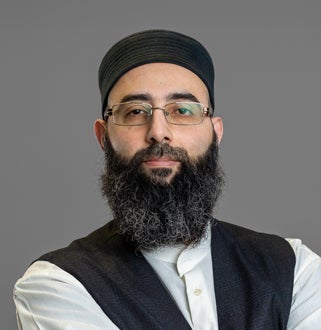
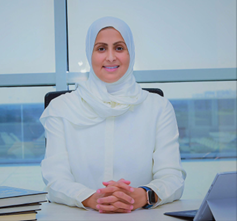
Chair’s Welcome Message
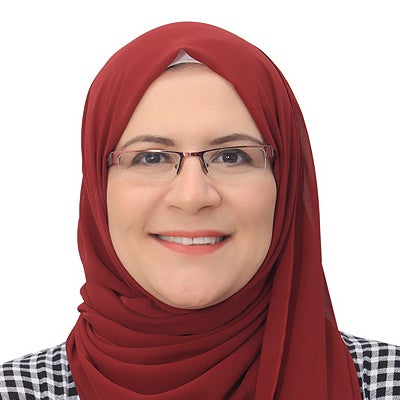
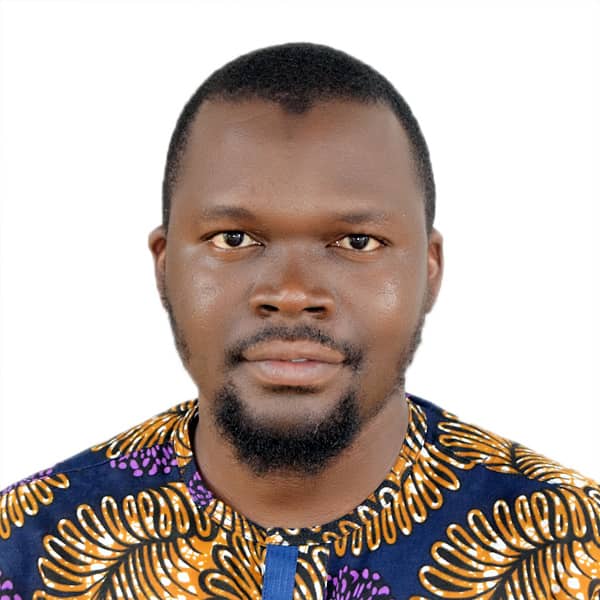
I am thoroughly excited to announce our second annual symposium, part of a series of forthcoming academic events on Islamic Psychology at Hamad Bin Khalifa University. We pray that HBKU will become a leading center for research and education in Islamic Psychology worldwide.
In 2024, our symposium was focused on advancing the field of clinical mental health practice through education and research. This year, our focus is on the integration of Islamic spirituality and applications of Islamic psychology across mental health care settings within Qatar and the Muslim world. Given the increasing growth and interest in Islamic psychology, this symposium will allow scholars from the Muslim world and beyond to network, collaborate, share knowledge, and discuss ways of effectively offering integrated mental health services across various healthcare settings within their localities.
As an educator of Muslim mental health professionals and researcher in the field, I personally look forward to benefiting from the contributions of the scholars who will make up the symposium. I anticipate deriving many insights and directions regarding approaches to looking at how we can infuse Islamic spirituality into our work and modify and enhance the current conventional approaches of mental health care delivery.
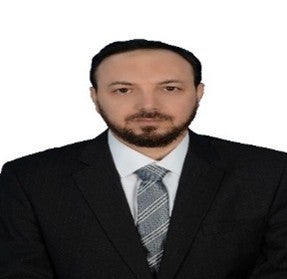
Dean’s Welcome Message
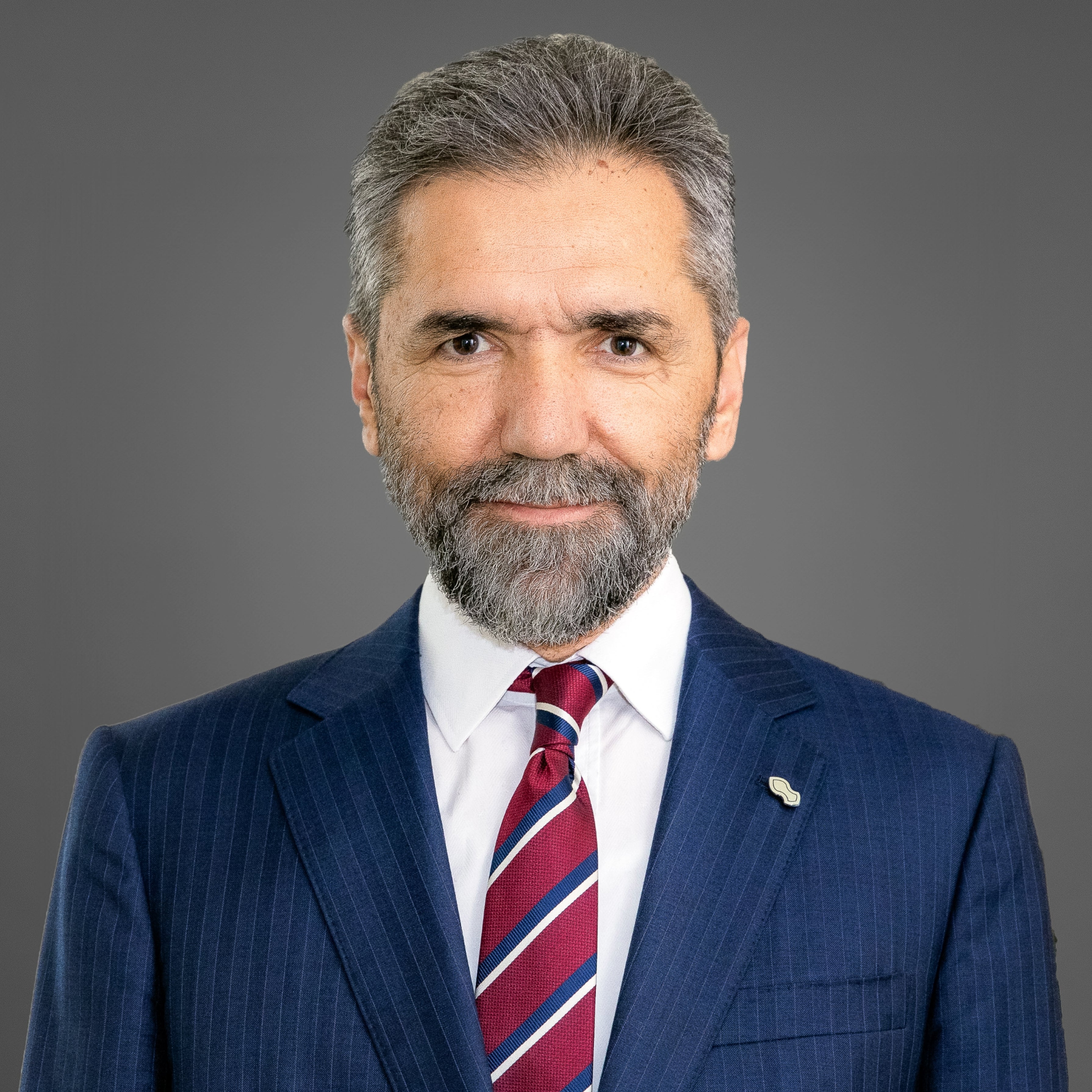
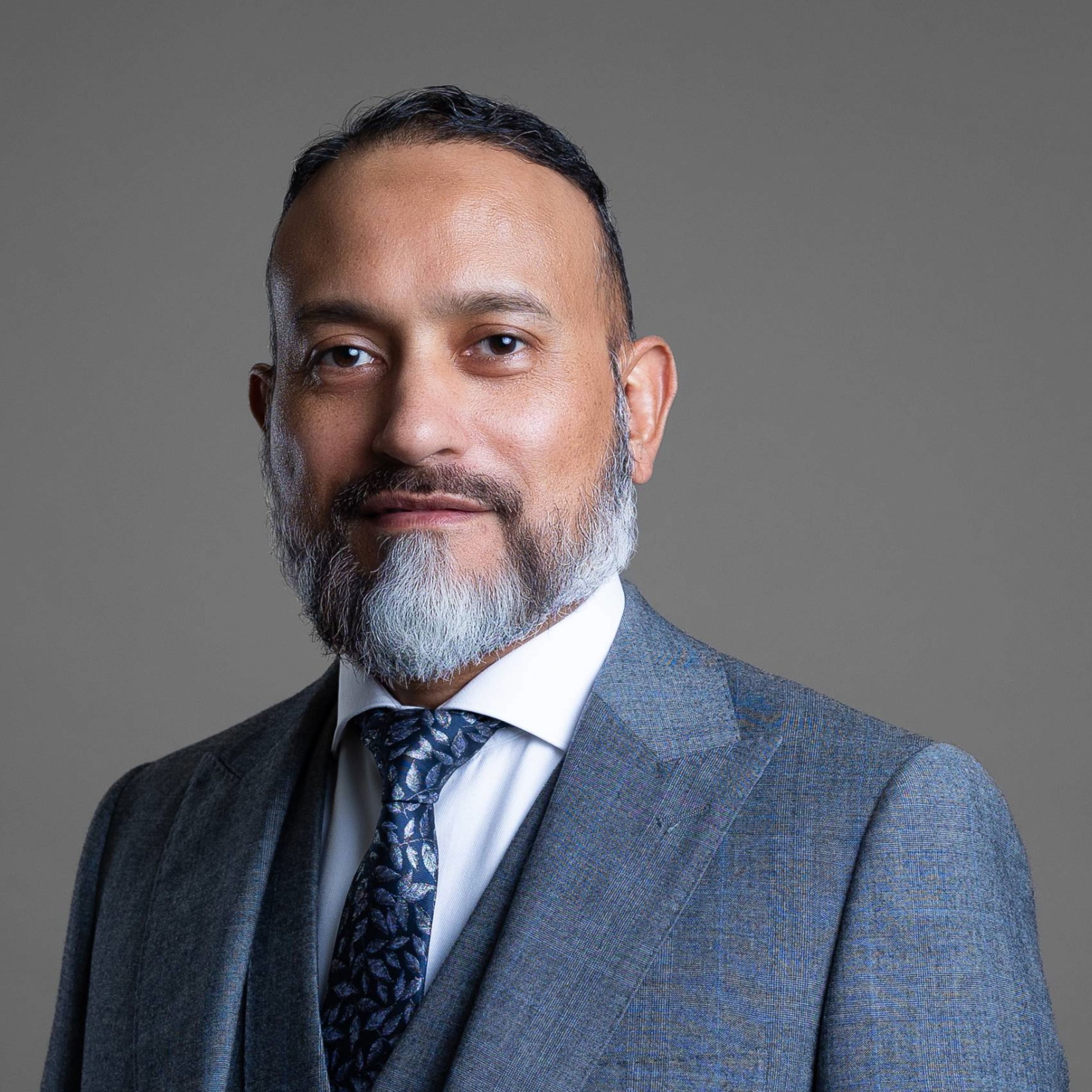
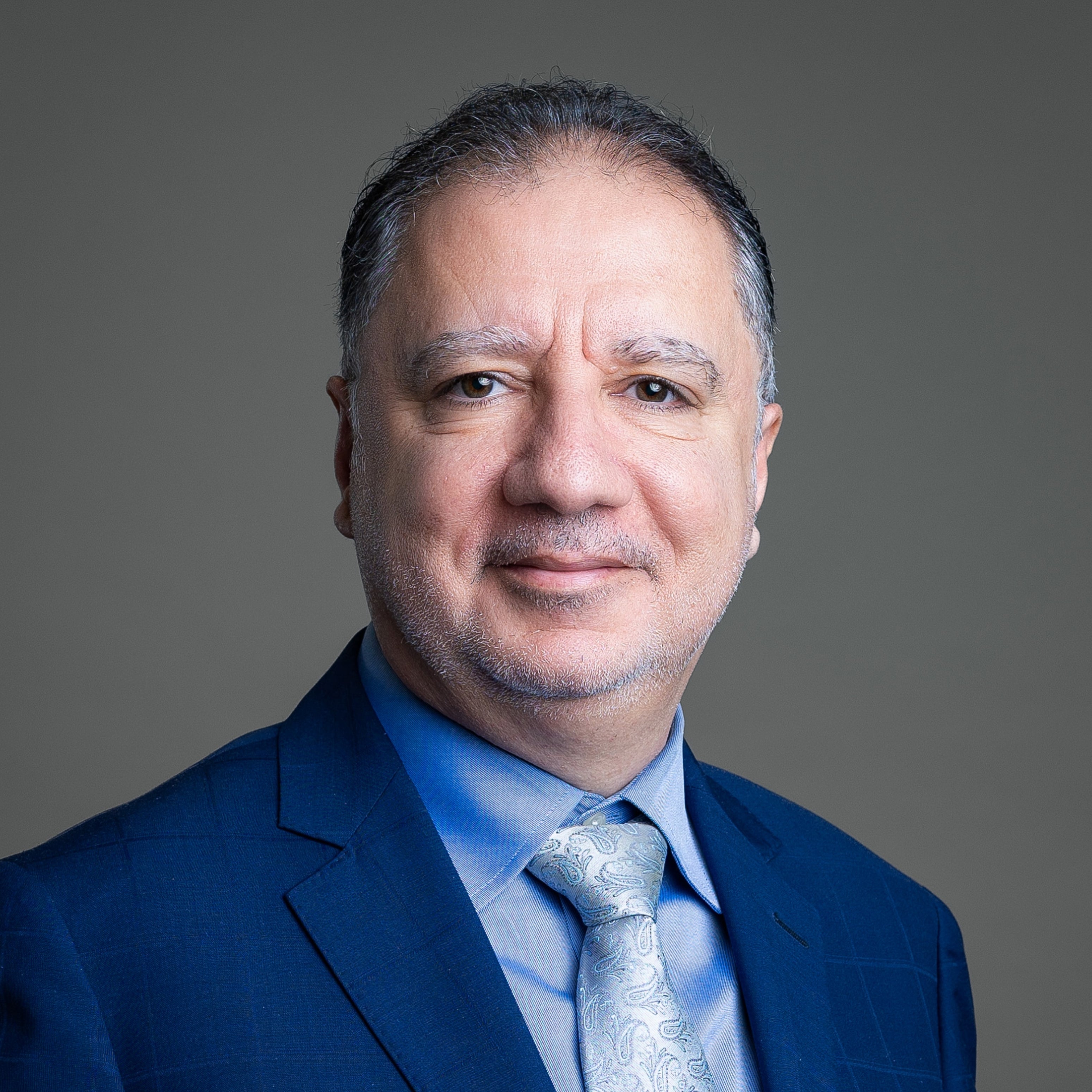
As the Dean of the College of Islamic Studies at HBKU, I am honored to welcome you to the “Integrating Islamic Spirituality Across Mental Health Services in the Middle East” symposium. This comes as the second biennial international symposium we organize at the College of Islamic Studies (CIS) on Counseling Psychology.
At the CIS, we are deeply committed to advancing research and practice that respond meaningfully to the unique needs of our communities. We have launched the MA program in Counseling Psychology at HBKU to serve the people of Qatar and the global community by both educating a new generation of professional mental health practitioners and contributing to community wellbeing.
This second edition of the Counseling Psychology symposium aims to bridge theory and practice by creating an environment where culturally aware and Islamically grounded mental health services are accessible and relevant to the needs of society. This year’s focus on integrating Islamic spirituality and culture into mental health services in Qatar and the region comes at a critical time. The perspectives and discussions emerging from our region will not remain confined to it, but they will carry important implications for broader mental health services globally. This reaffirms our position at CIS not only as a member of the academic community but also as a center of academic excellence and an institution actively shaping the future of mental health through an Islamic and culturally rooted lens.
It is a great pleasure to witness the significant progress we are making in the field of Counseling Psychology; progress rooted in local values, cultural integrity, and spiritual relevance. I firmly believe our collective efforts will help address these challenges and provide meaningful solutions for our communities. I look forward to seeing you at the second Counseling Psychology symposium organized by CIS.
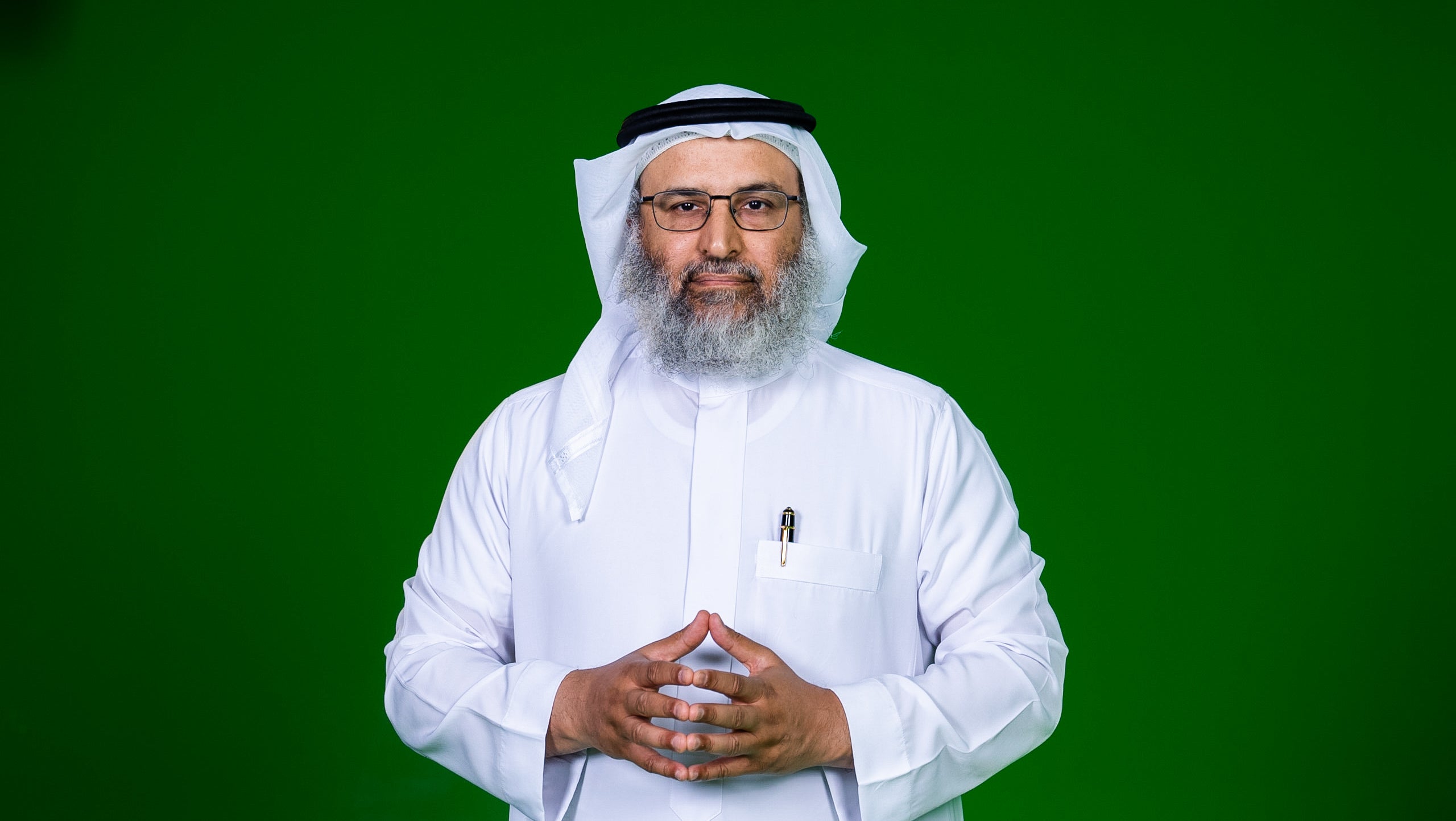
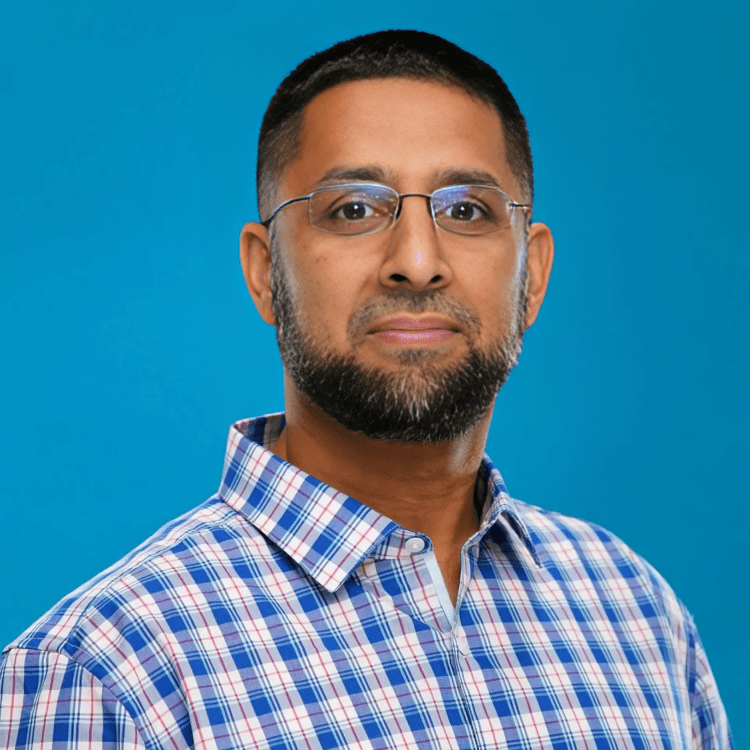
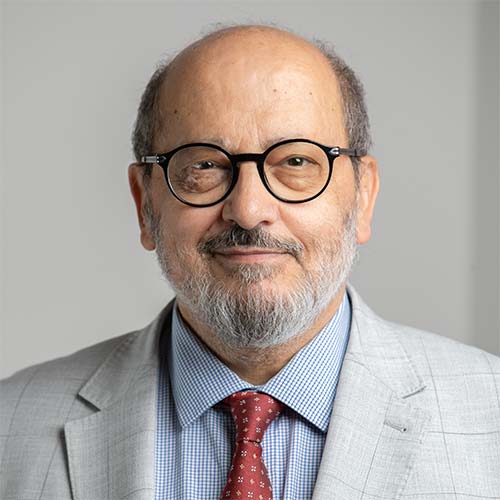
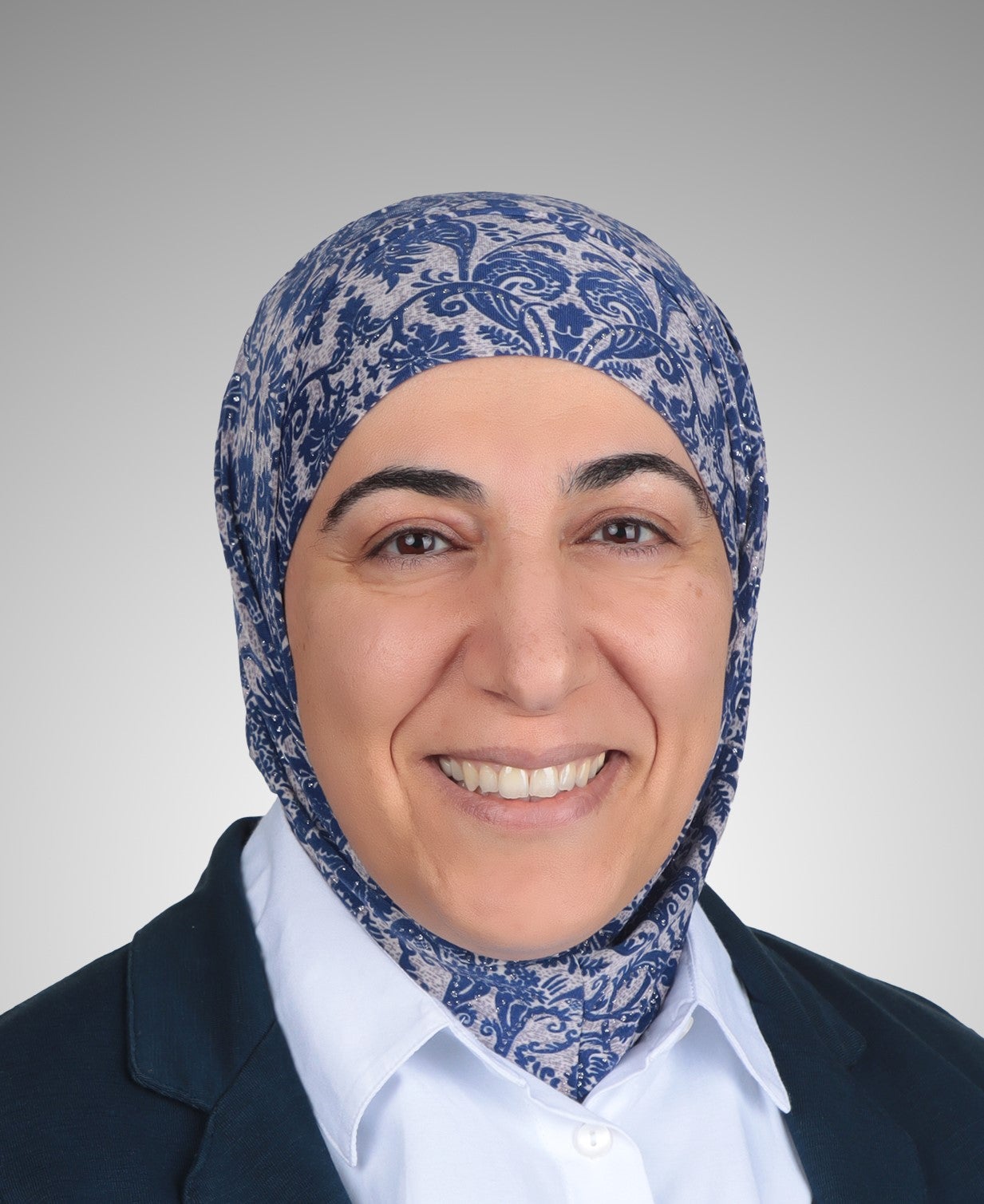
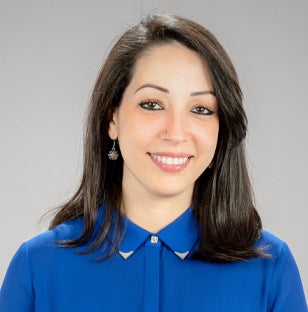
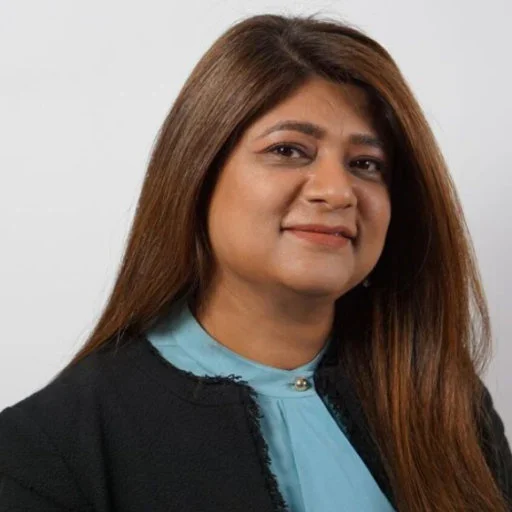
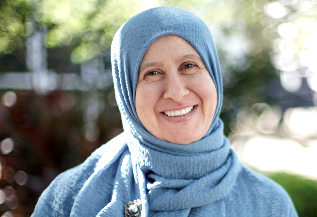



Symposium Topics
Presentations may include, but are not limited to, the following topics:
- Summarizing evidence and literature on spiritually and Islamically integrated approaches tailored to specific healthcare settings or populations.
- Addressing cultural considerations in the local, regional, and broader Arab contexts.
- Identifying opportunities and barriers to implementing spiritually integrated interventions in the local and regional context.
- Exploring future directions for research, education, and clinical practice in Islamic psychology.
The symposium proceedings will be published as an edited volume to address existing gaps in the literature and serve as a long-term contribution to curriculum readings in the field.
Submission Guidelines
- An abstract (300–500 words, in English or Arabic) outlining the presentation’s aim, topic, main themes, and how they align with the symposium theme.
- A brief biography (maximum 500 words) detailing the applicant’s academic and service background, and main interests.
- Resume and affiliation.
- Submissions can be in either English or Arabic.
Speakers whose submissions are accepted will be invited to present their work through oral presentations, followed by discussions. Selected distinguished scholars may also be requested to participate in closed focus group discussions on the development and integration of Islamic psychological models across diverse mental health settings in the region.
The symposium committee encourages collaborative presentations that foster partnerships between early-career professionals and senior researchers, academics, and practitioners.
Submissions from interdisciplinary teams are also highly encouraged, promoting a diverse exchange of knowledge and perspectives.
Important Dates
- Submission deadline
October 1, 2025 - Notification of acceptance
October 15, 2025 - Final paper submission
December 15, 2025 - Edited volume publication
Spring 2027
 |  |  | |||
 |  |
CPD Accreditation Statement
The scientific planning committee has reviewed all disclosed financial relationships of speakers, moderators, facilitators, and/or authors in advance of this CPD activity and has implemented procedures to manage any potential or real conflicts of interest.
This activity is an Accredited group learning activity (Category 1) as defined by the Ministry of Public Health's Department of Healthcare Professions—Accreditation Section (DHP—AS) and is approved for a maximum number of 10.5 Hours.
CPD-HP (QU Health) is accredited by the Ministry of Public Health’s Department of Healthcare Professions - Accreditation Section (DHP – AS) as a provider of continuing professional development.
Accreditation Code: Activity Code: AGI-03-P204
CPD Registration Link for the Symposium
About Hamad Bin Khalifa University
Hamad Bin Khalifa University (HBKU), a member of the Qatar Foundation for Education, Science, and Community Development (QF), was founded in 2010 to continue fulfilling QF's vision of unlocking human potential. HBKU is a homegrown research and graduate studies University that acts as a catalyst for positive transformation in Qatar and the region while having a global impact.
Located within Education City, HBKU seeks to provide unparalleled opportunities where inquiry and discovery are integral to teaching and learning at all levels utilizing a multidisciplinary approach across all focus areas.
HBKU is committed to actively contributing to achieving the Qatar National Vision 2030 by building and cultivating human capacity through an enriching academic experience and an innovative research ecosystem. Through applying creativity to knowledge, students will be able to discover innovative, locally relevant solutions that have a global impact.
At Hamad Bin Khalifa University – our students, faculty, staff, partners, and leadership – all share a common belief in the power of higher education and research to make a positive impact on the development of nations.
More information at www.hbku.edu.qa
About Education City
Our flagship initiative is a campus of more than 12 square kilometers that hosts branch campuses of some of the world's leading educational institutes, a homegrown university, and other research, scholastic, and community centers. Together, these institutes make Education City a unique model of academic and research excellence, pioneering a new approach to multidisciplinary, global education and enabling breakthroughs that benefit Qatar and the rest of the world.
More information at https://www.qf.org.qa/education/education-city
About Qatar
Qatar has been an independent sovereign state since 1971. Qatar comprises an 11,500 sq. km peninsula extending northwards into the Arabian Gulf. It has 563 km of uninterrupted coastline. The country's population stands at 2.69 million and its capital city is Doha.
Local time is GMT/ UCT + 3 hours. There are no daylight savings adjustments.
Qatar has a desert climate with year-round sunshine, very hot summers, and mild winters. Mean monthly temperatures range from 17°C in January to 36°C in July, sometimes reaching highs of 45°C+ during the summer. Rain is infrequent, falling in brief showers mainly in winter.
Capital: Doha
Population: 2.68 million
Area: 11,500 sq. km
Language: Arabic
Religion: Islam
Currency: Qatari Riyal
Power Connection: The power plugs and sockets are of type D and G. The standard voltage is 240 V and the standard frequency is 50 Hz.
Transportation
Karwa is the national taxi and limousine service. To book a taxi call +974 800 8294. You can pay by cash, bank card, or mobile payment.
Karwa taxis can be ordered or pre-booked via the Karwa Taxi app (available on iOS and Android), or hailed from the street.
UBER taxi service is also active in Qatar.
You can use your international driving license for seven consecutive days.
Metro
The metro system has three lines (Gold, Green, and Red) covering 37 stations. Trains run every 3 minutes and staff are available at every station to assist you during your journey.
You can buy a travel card at stations and then save time by topping up online or on the Qatar Rail app (iOS and Android)
All stations have elevators and all train carriages provide space for wheelchair users and pushchairs, as well as guide dog allowances. You can check the Qatar Rail website before you travel.
Free Metrolink buses run useful routes within 2 - 5 km of stations.
If you are traveling to central Doha, you can take the metro to one of these stations, which are conveniently located to access the Corniche area. You can change lines at Al Bidda (Red and Green) stations and Msheireb (Red, Green and Gold)
More information at https://www.qr.com.qa/home
Currency Exchange (March 2023)
Minor Unit: 1/100 = Dirham
- 1.00 EUR = 3.88 QAR
- 1.00 USD = 3.64 QAR
- 1.00 GBP = 4.40 QAR
More information at https://www.visitqatar.qa