Apply Now


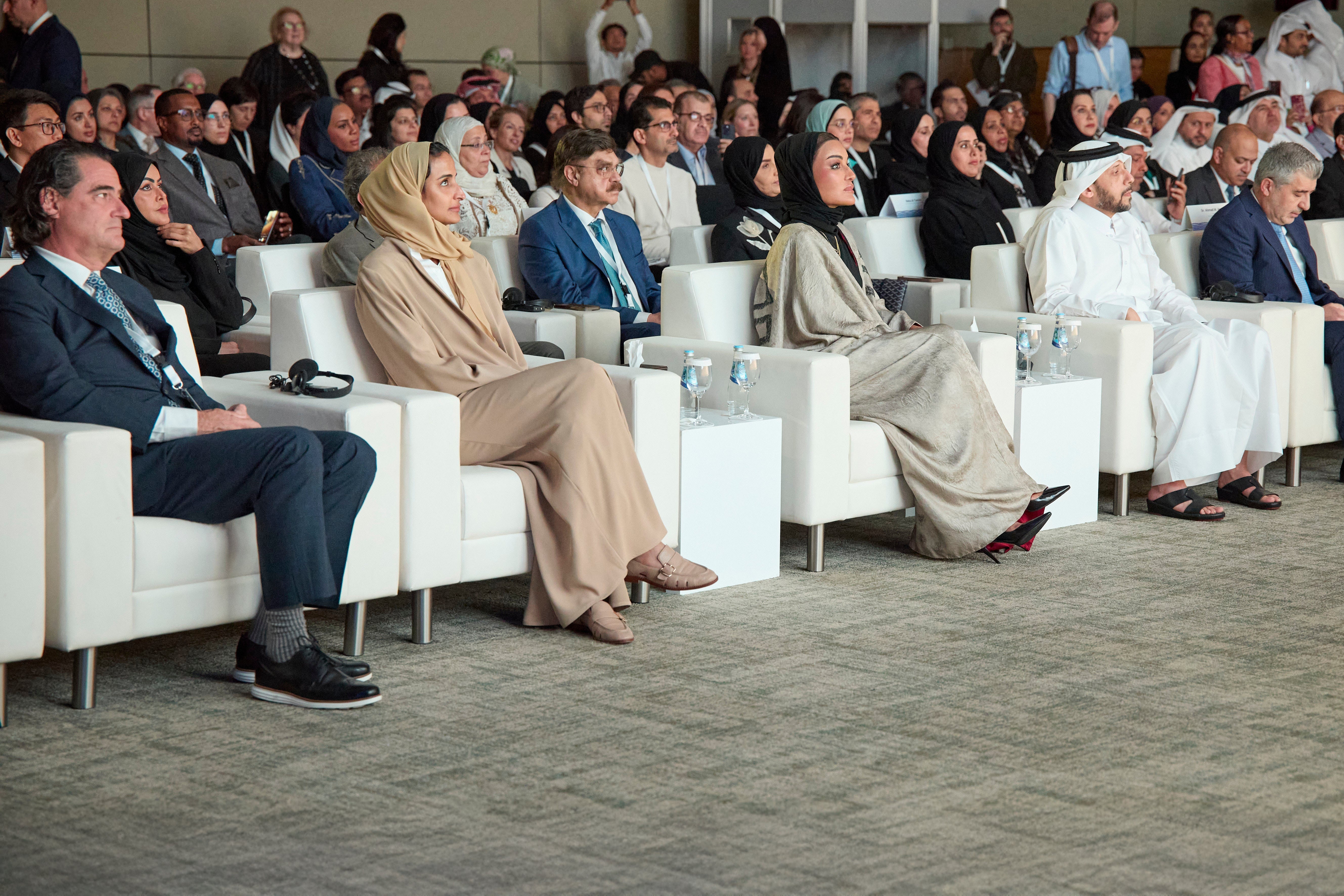


Discover Our Programs
Join our diverse community of top-tier students playing active roles in their local and global communities.
View All ProgramsResearch and Innovation
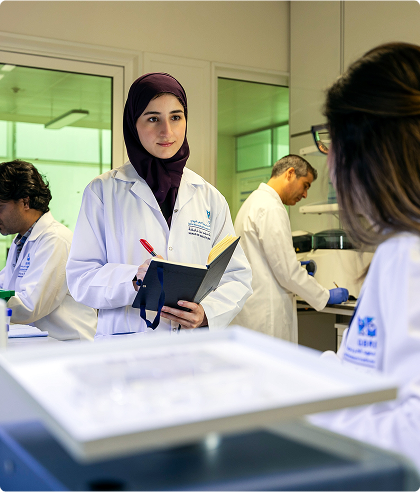
In Numbers
210,000+
Citations across HBKU
8300+
Publications across HBKU
$5.9
Million dollar funds in AY22/23
346
Copyrights Protection (grants/patents)




Newsroom

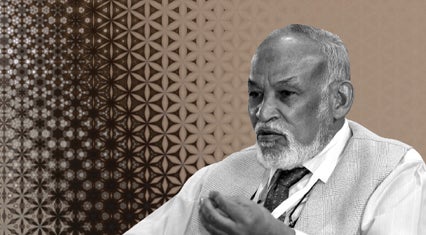
Functional Medicine: Cure or Illusion?
In recent years, “functional medicine” has gained widespread popularity, presenting itself as a revolutionary approach that addresses the root causes of disease rather than merely treating superficial symptoms. It builds on highly marketable concepts, hormonal balance, gut health, food sensitivity, and insulin resistance, and claims they explain almost every illness, from obesity and depression to cancer and autoimmune diseases. This narrative appeals to patients seeking time, empathy, and deeper explanations. Yet behind this compassionate façade lies a system based on weak evidence, often closer to pseudoscience than true medicine.
Functional medicine promotes the seductive idea that a single hidden dysfunction explains a wide range of diseases. Gluten, leaky gut, heavy metals, hormones, gut bacteria imbalance, dairy, or pesticides are frequently blamed for nearly all conditions. However, chronic diseases are rarely caused by a single factor; modern science reveals that they arise from a complex interplay of genetics, lifestyle, immunity, and environment.
The model relies heavily on commercial tests, food sensitivity panels, hormone assays, and microbiome analyses, which lack scientific standardization and clinical validity. Their results are used to justify restrictive diets, detox protocols, and costly supplements, draining money and planting the belief that the body is damaged or toxic. When promised results fail, patients are told they need more tests or deeper cleansing, trapping them in a cycle of postponed hope. Worse, the pursuit of unproven root-cause treatments can delay genuine medical care for conditions such as cancer or liver disease, sometimes until it is too late.
Still, functional medicine addresses a real need: patients want care that listens to and addresses their whole human experience. Modern healthcare often overlooks this, making functional medicine attractive, not because it is more scientific, but because it feels human. Yet holistic care without scientific rigor is not medicine; it is an illusion.
Beyond the Illusion
The shortcomings of functional medicine highlight the need for a more balanced approach, not new doctrines, for better care. Evidence-based integrative medicine achieves this by combining scientific rigor with genuine patient-centeredness.
Key features include:
- Lifestyle medicine grounded in clinical trials:
Diet, physical activity, sleep, and stress management are central, not due to gut-healing stories, but because randomized trials show their effectiveness in preventing and managing chronic diseases. - Selective and safe use of complementary therapies:
Acupuncture for chronic pain, mindfulness for anxiety, or yoga for fibromyalgia are used when supported by evidence and always alongside proven treatments. - Collaborative, multidisciplinary care:
Physicians, dietitians, psychologists, and physical therapists collaborate to address the physical, behavioral, and social aspects of health. - Clinically validated biomarkers:
Instead of relying on unreliable sensitivity tests or commercial microbiome panels, clinicians use established diagnostic tools, such as HbA1c, CRP, creatinine, liver enzymes, and lipid profiles, to assess patient health. - Ethical practice without commercial conflicts:
Unlike many functional medicine clinics tied to supplement sales, true integrative medicine avoids financial incentives that compromise trust.
The Path Forward
Medicine does not need a new ideology, but a new balance: science that preserves its humanity and humanity that does not abandon science. Integrating empathy and prevention with the rigorous methodology of modern medicine can create a safer, more hopeful future. People deserve care that is both honest and compassionate, proof that science, when paired with understanding, is not cold, but a genuine source of hope.
Dr. Abdelilah Arredouani is a senior scientist at the Qatar Biomedical Research Institute’s Diabetes Research Center.
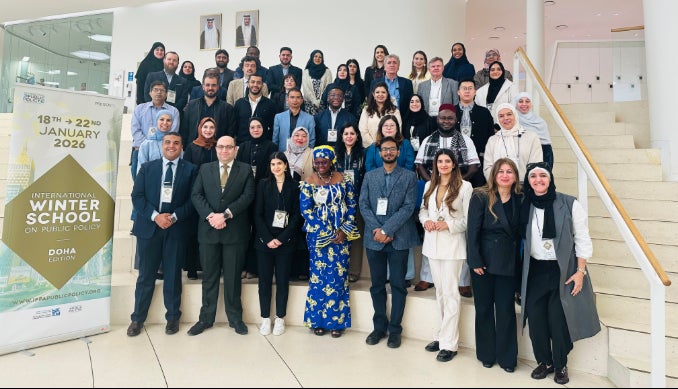
Hamad Bin Khalifa University’s College of Public Policy and International Public Policy Association Host Second International Winter School on Public Policy

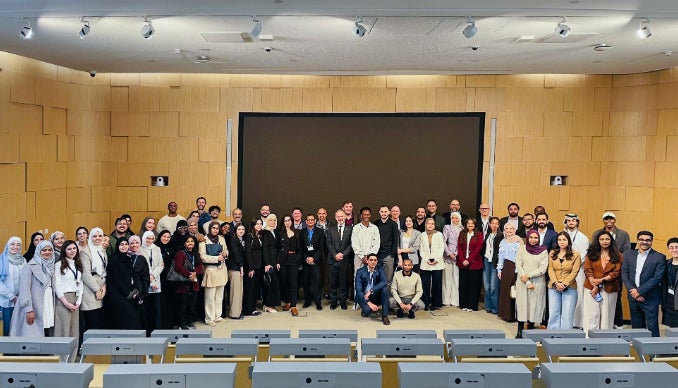
Hamad Bin Khalifa University’s College of Health and Life Sciences Hosts Student Research Forum

Hamad Bin Khalifa University’s College of Science and Engineering Hosts 2nd Industry and Government Advisory Board Meeting

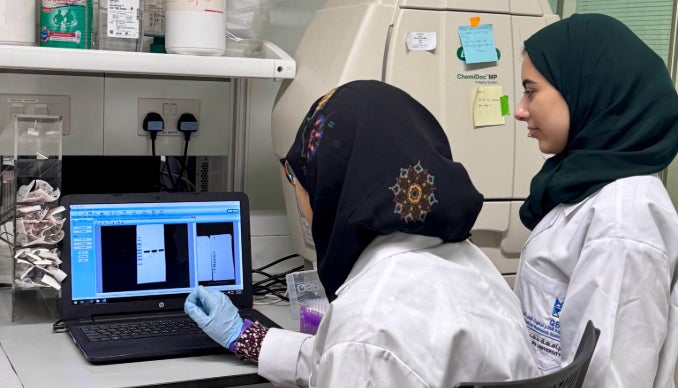
Hamad Bin Khalifa University’s Qatar Biomedical Research Institute Opens Applications for Annual Summer Research Program
Life at HBKU
Our community embodies excellence and fosters the guiding values of leadership, innovation and discovery.
+
+