

As of July 26, 2020, Qatar has had the second-highest number of patients for novel coronavirus disease 2019 (COVID-19), caused by severe acute respiratory syndrome coronavirus 2 (SARS-CoV-2), in the Middle-East after Saudi Arabia, with more than 109,000 affected people. The first case of the novel coronavirus in Qatar was reported on February 27, and the Qatari government’s first measure was to evacuate all Qatari nationals from Iran.
Share:
Related News

bNovate Technologies Partners with HBKU in Groundbreaking SMART-Distribution Project to Enhance Qatar’s Water Security




Hamad Bin Khalifa University Press (HBKU Press) and Qatar National Library (QNL) recently signed an agreement that funds and supports researchers from Qatar-based universities and institutions to publish their research freely as open access works. The published content funded by Qatar National Library will be made available in QScience Connect, HBKU Press’ multi-disciplinary, peer-reviewed online journal, hosted on QScience.com, or as open access monograph books.
Share:


From disinfecting public spaces to helping enforce social distancing rules, and much more, robots play an important role in global efforts to confront COVID-19. In this question and answer feature, faculty members and students from the College of Science and Engineering (CSE) at Hamad Bin Khalifa University (HBKU) outline how Qatar has made use of these technologies.
In which sectors has Qatar been using robots to tackle COVID-19?
Share:
Related News
bNovate Technologies Partners with HBKU in Groundbreaking SMART-Distribution Project to Enhance Qatar’s Water Security

Scientists at the Qatar Environment and Energy Research Institute (QEERI) at Hamad Bin Khalifa University (HBKU) have developed a new type of filtration technology which can remove small oil droplets from seawater. The filtration technology features a new type of membrane which has unique chemical and physical properties, making it more efficient and fouling resistant during the oil/water separation process. The technology and membrane were developed by QEERI’s Water Center with support from the Computational-Materials & Processes Center.
Share:
Related News






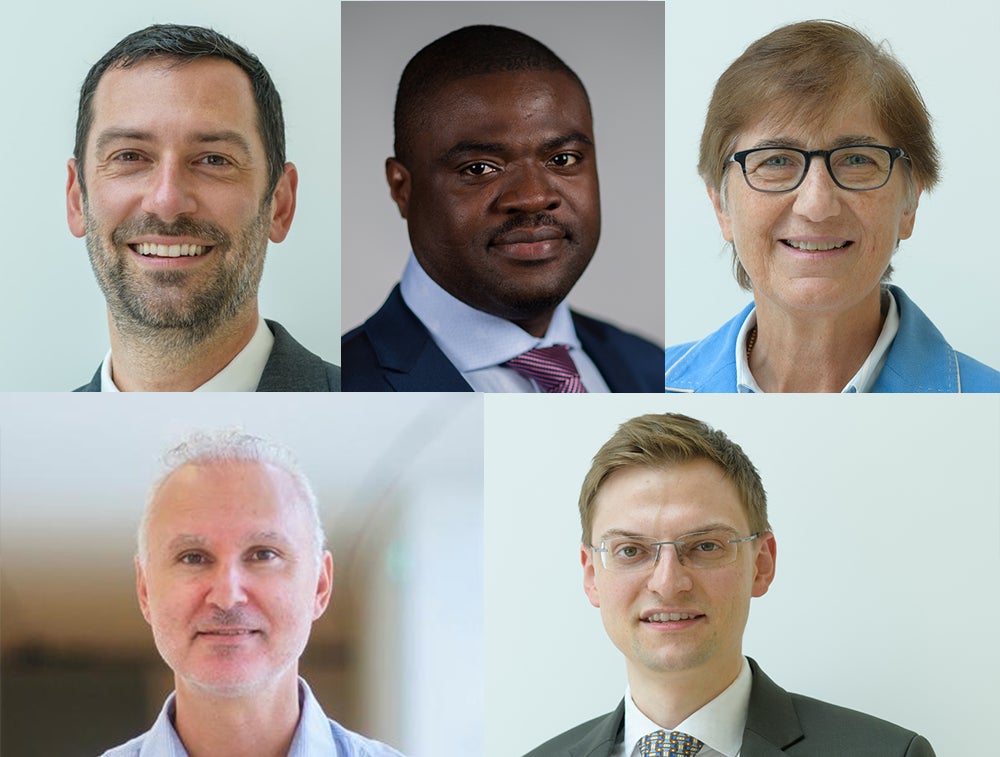
As the world-class provider of legal education, the College of Law at Hamad Bin Khalifa University (HBKU) has launched its first online course via the edX learning platform.
Navigating Legal and Commercial Aspects of Sports introduces a broad audience to the dynamic and evolving world of sports law. Students in the course will develop an understanding of key legal and commercial aspects of sports while applying them to actual and hypothetical scenarios involving teams and athletes.
Share:
Related News
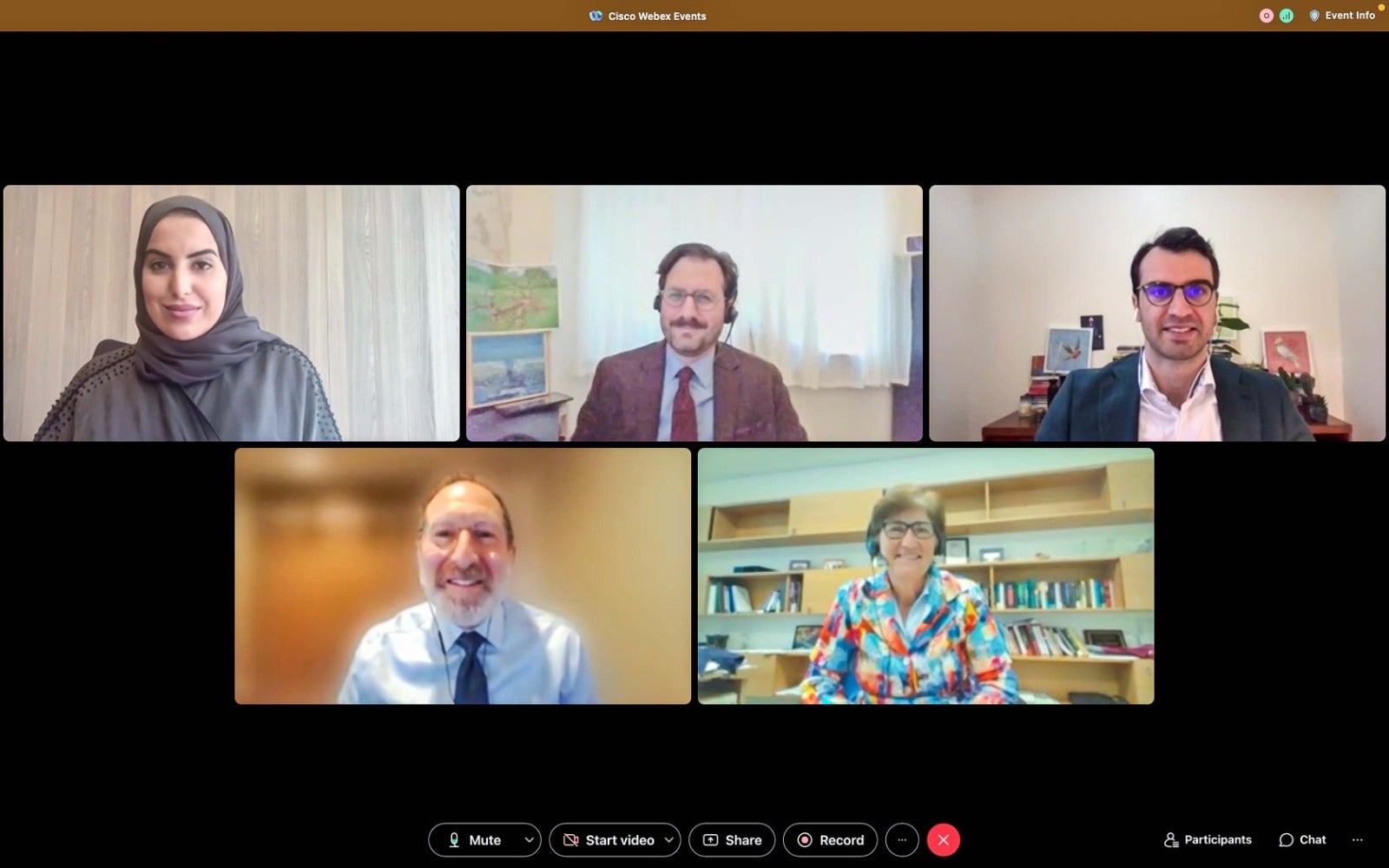
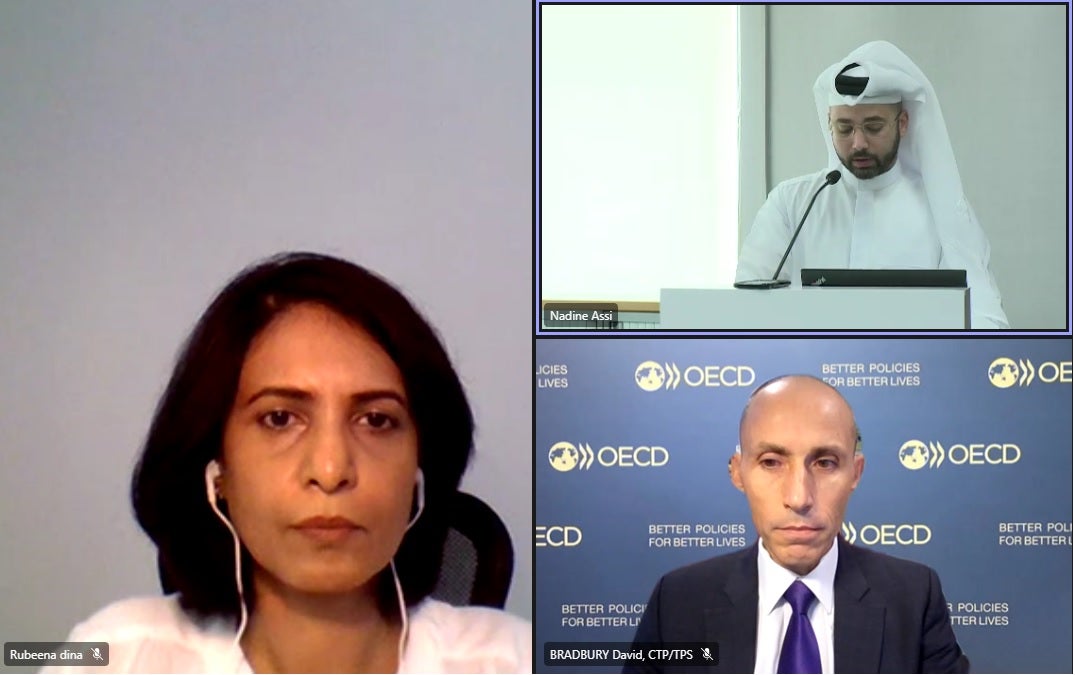
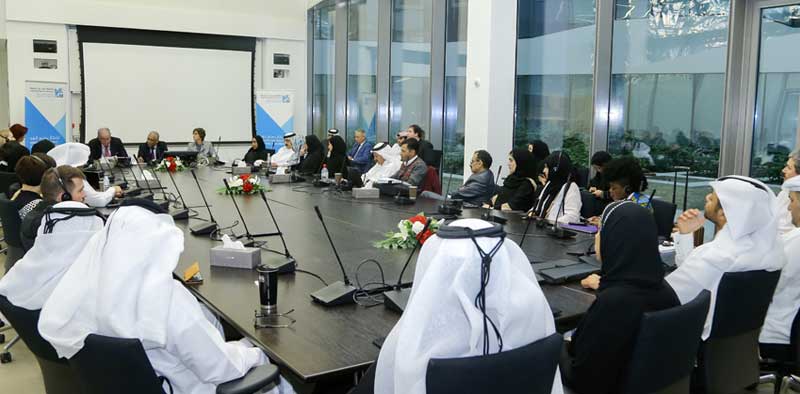

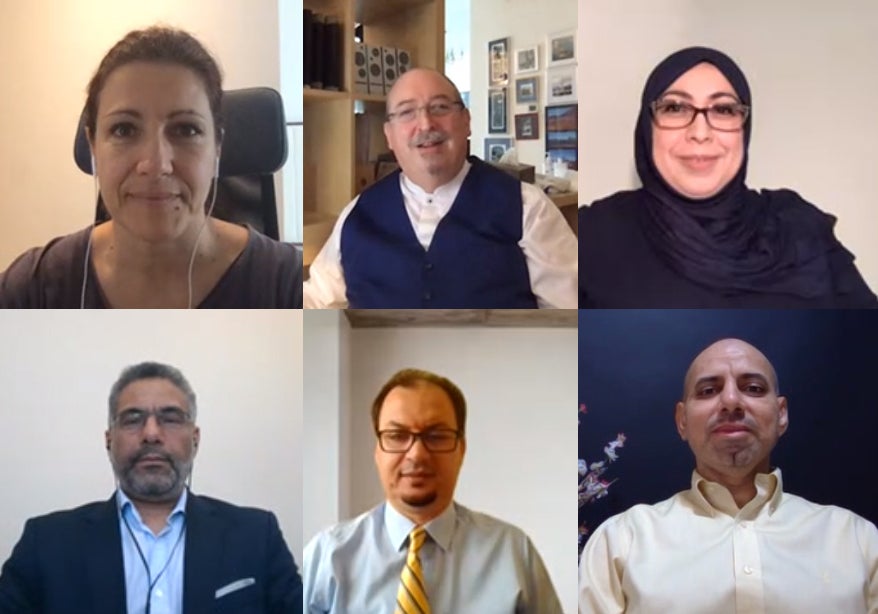
A new cluster project led by the Qatar Environment and Energy Research Institute (QEERI) at Hamad Bin Khalifa University (HBKU) will focus on reducing atmospheric carbon dioxide and having a positive impact on climate change challenges. Development of a Highly Efficient and Practical Carbon Management System for Improving Qatar’s Sustainability: A Holistic Approach aims to develop an efficient and practical carbon management system. In doing so, QEERI will also collaborate with Qatar University and Qatar Green Building Council (QGBC).
Share:
Related News


In keeping with its vision to enrich society through transformative educational experiences, the College of Humanities and Social Sciences (CHSS) at Hamad Bin Khalifa University (HBKU) has concluded its ‘Stay at Home’ webinar series.
Share:
Related News
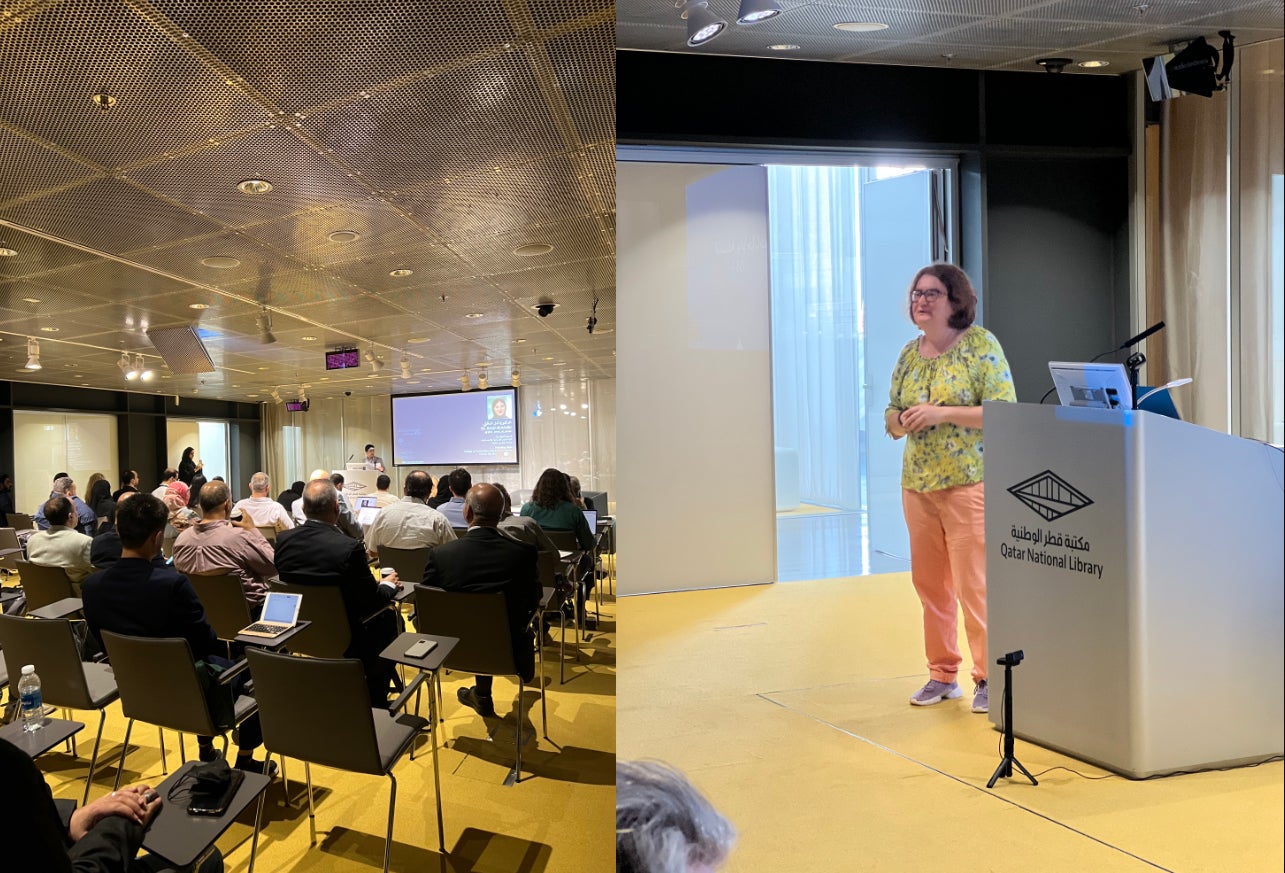

HBKU’s Translation and Interpreting Institute to Support Inclusive Screenings at Ajyal Film Festival

HBKU’s Translation and Interpreting Institute Opens Registration for Business and Finance Workshop
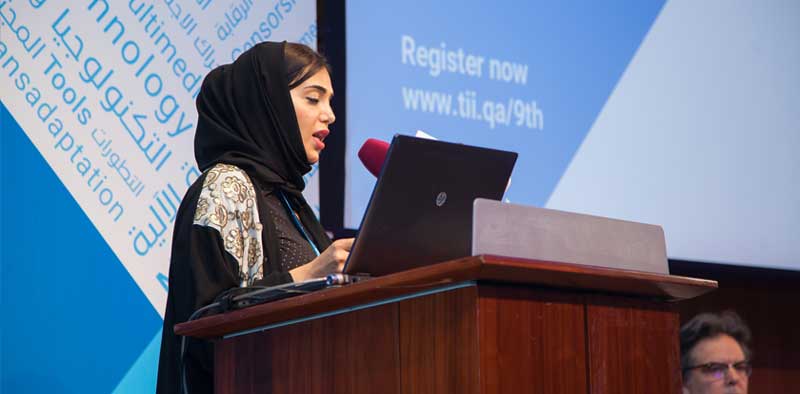
HBKU’s TII Opens Registration for 10th Annual International Translation Conference


Students at the College of Science and Engineering (CSE), part of Hamad Bin Khalifa University (HBKU), have successfully developed and implemented a statistical inference system that can provide projections of COVID-19 cases in Qatar.
Share:
Related News
bNovate Technologies Partners with HBKU in Groundbreaking SMART-Distribution Project to Enhance Qatar’s Water Security


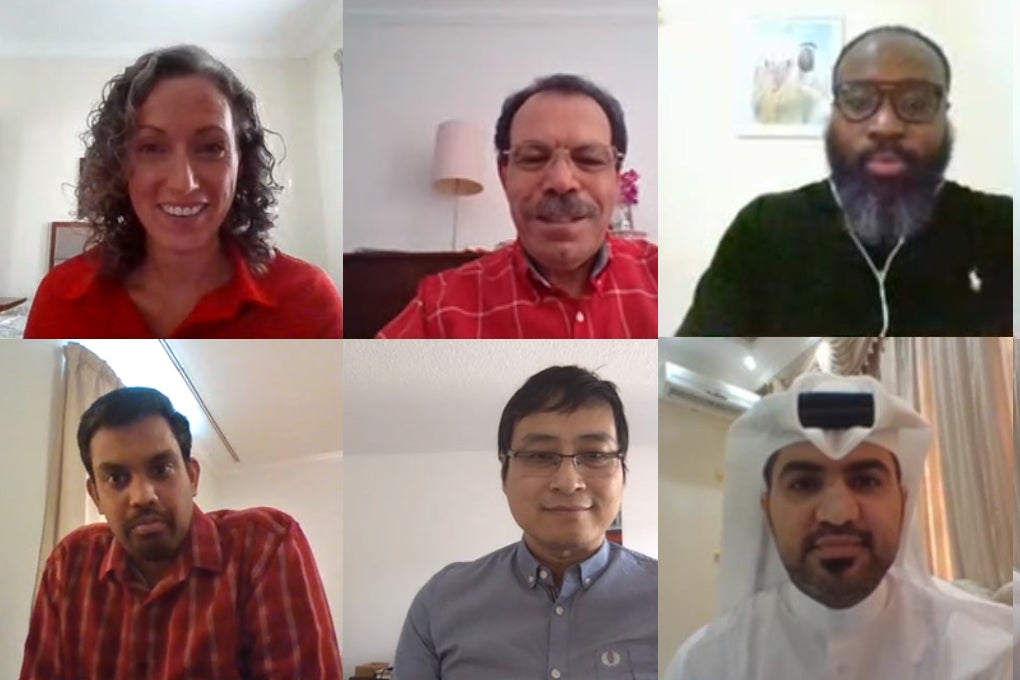
The College of Science and Engineering (CSE) at Hamad Bin Khalifa University (HBKU) has collaborated with the Ministry of Transport and Communications’ (MoTC) Qatar Digital Government Training Program to deliver a series of webinars. Taking place between June 21 and July 2, the series provided multiple perspectives on COVID-19 research and applications. The webinars were delivered by a number of consultants and experts in the field.
Share:
Related News
bNovate Technologies Partners with HBKU in Groundbreaking SMART-Distribution Project to Enhance Qatar’s Water Security

"COVID-19 demonstrates the vital role of digital technologies. Now more than ever, ITU is committed to leveraging its diverse membership to make humanity safer, stronger and more connected."
Share:
Related News