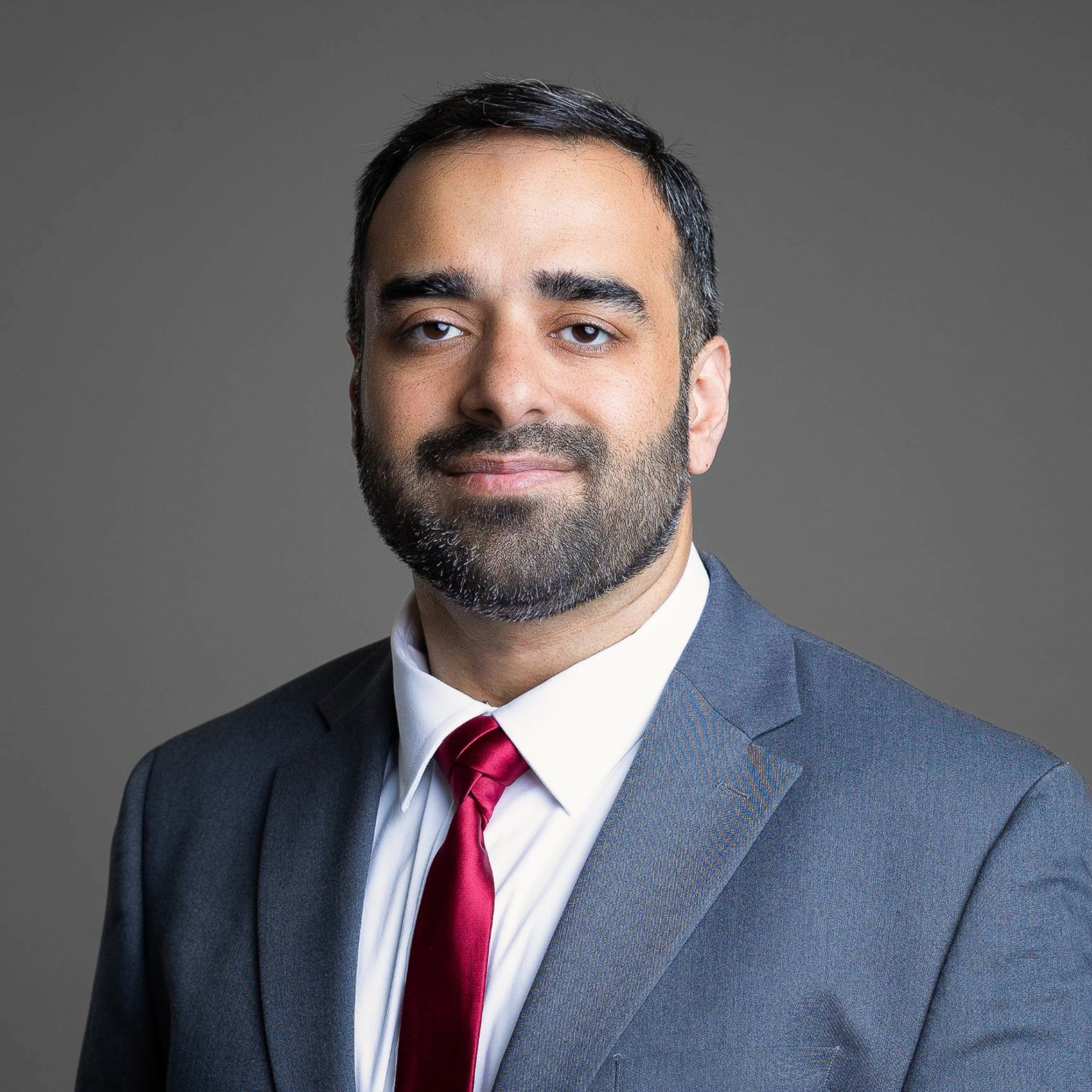
Dr. Fahad Habib Khan
Assistant Professor of Islamic Psychology
Dr. Fahad Habib Khan
Assistant Professor of Islamic Psychology
Educational Qualifications
PsyD in Psychology
M.A. in Clinical Psychology
Entity
College of Islamic Studies
Division
Islamic Psychology
Biography
Dr. Fahad Khan is an academic, researcher, and clinical psychologist specializing in the integration of faith and mental wellness through the field of Islamic psychology. His professional work is dedicated to advancing mental health within Muslim communities. He has served as the deputy director at Khalil Center, the largest provider of Muslim mental health services in the West, where he supervised clinical and research work.
Dr. Khan’s background includes teaching at various academic institutions in the United States. He is a fellow of the International Association of Islamic Psychology (IAIP) and actively contributes to the field by serving on the editorial boards of several peer-reviewed journals. His work has been recognized with multiple awards. He is a recipient of the American Psychological Foundation’s 2025 Division 29 Early Career Award, and the American Psychological Association's (APA) 2021 Early Career Psychologist Champion and 2020 Early Career Achievement Awards. He has served on numerous committees and divisions of the APA, most recently representing the organization at the United Nations in 2024.
PsyD in Psychology
Midwestern University, USA
2015
M.A. in Clinical Psychology
Midwestern University, USA
2011
M.Sc. in Biomedical Sciences
Midwestern University, USA
2009
- Islamic psychology
- Clinical mental health counseling
- Muslim mental health
- Character and virtue development
- Integration of psychology and technology
Assistant Professor
College of Islamic Studies, Hamad Bin Khalifa University
2025 – Present
Adjunct Professor
Department of Psychology, Loyola University Chicago, USA
2022 – Present
Deputy Director
Research & Clinical Practice, Khalil Center, USA
2014 – 2025
Keshavarzi, H., Harfi, S., Elzamzamy, K., Khan, F., & Kaban, E. (2022). The Islamic workbook for religious OCD (Waswasa): A guide for overcoming intrusive thoughts and compulsions. Traditional Islamically Integrated Psychotherapy. Claritas Books
- Division 29 Early Career Award, American Psychological Association (2025)
- Liaison to the United Nations, APA’s Committee for Global Psychology (2024)
- Early Career Psychologist Chamption Award, American Psychological Association (2021)
- Program Chair for APA’s Division 12 (Society of Clinical Psychology) (2021)
- Early Career Achievement Award, American Psychological Association (2020)

Dr. Zhihe Lu
Assistant Professor
Educational Qualifications
PhD in Computer Vision
MSc in Computer Technology
Entity
College of Science and Engineering
Division
Information & Computing Technology
Biography
Dr. Zhihe Lu is an Assistant Professor at the College of Science and Engineering. His research focuses on machine learning and computer vision. He has published 19 technical papers in leading venues, including CVPR, ICCV, ECCV, NeurIPS, ICML, ACM MM, and top journals such as IEEE TIP and PR.
He was a Research Fellow at the National University of Singapore, working with Prof. Xinchao Wang, before joining HBKU. He finished his PhD at the University of Surrey under the supervision of Prof. Tao Xiang and Prof. Yi-Zhe Song. He also completed his master's degree at the Institute of Automation, Chinese Academy of Sciences, supervised by Prof. Ran He and Prof. Zhaoxiang Zhang.
He was also fortunate to work and collaborate with Dr. Xiatian Zhu, Prof. Timothy Hospedales, Dr. Da Li, Dr. Sen He, and Prof. Shuicheng Yan.
PhD in Computer Vision
University of Surrey, United Kingdom
2022
MSc in Computer Technology
Chinese Academy of Sciences, Institute of Automation, China
2019
BA in Automation
Zhengzhou University, China
2014
- Computer vision
- Transfer learning
- Few-shot learning
- Efficient tuning of foundation models
Assistant Professor
College of Science and Engineering, Hamad Bin Khalifa University
2025 - Present
Research Fellow
Department of Electrical and Computer Engineering, National University of Singapore, Singapore
2022 - 2024
Lu, Z., Bai, J., Li, X., Xiao, Z., & Wang, X. (2024, July). Beyond sole strength: Customized ensembles for generalized vision-language models. In Proceedings of the International Conference on Machine Learning (pp. 32924-32938). PMLR.
Lu, Z., Li, D., Song, Y. Z., Xiang, T., & Hospedales, T. M. (2023). Uncertainty-aware source-free domain adaptive semantic segmentation. IEEE Transactions on Image Processing, 32, 4664-4676.
Lu, Z., He, S., Li, D., Song, Y. Z., & Xiang, T. (2023). Prediction calibration for generalized few-shot semantic segmentation. IEEE Transactions on Image Processing, 32, 3311-3323.
Lu, Z., He, S., Zhu, X., Zhang, L., Song, Y. Z., & Xiang, T. (2021). Simpler is better: Few-shot semantic segmentation with classifier weight transformer. In Proceedings of the IEEE/CVF International Conference on Computer Vision (pp. 8741-8750).
Lu, Z., Yang, Y., Zhu, X., Liu, C., Song, Y. Z., & Xiang, T. (2020). Stochastic classifiers for unsupervised domain adaptation. In Proceedings of the IEEE/CVF Conference on Computer Vision and Pattern Recognition (pp. 9111-9120).
Complete Publication Listing(s): Google Scholar
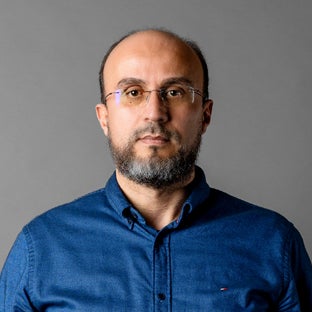
Dr. Sabri Boughorbel
Lead Scientist
Educational Qualifications
Entity
Qatar Computing Research Institute
Division
Arabic Language Technologies
Biography
Dr. Sabri Boughorbel is a Lead Scientist at Qatar Computing Research Institute (QCRI) at Hamad Bin Khalifa University where he leads the LLM Modeling Team in Arabic Language Technology. Dr. Boughorbel holds a PhD in Machine Learning from the University of Paris Saclay. With over 15 years of experience in machine learning and artificial intelligence, he has made significant contributions to healthcare analytics, language modeling, and computer vision. Before his current role, he served as e-Health Lead at QCRI and held various scientific positions at Sidra Medicine and Philips Research. His expertise spans pretraining large language models, healthcare applications of AI, and the development of machine learning techniques.
- Pretraining and fine-tuning of large multilingual models
- Development of A.I. techniques for large language modeling
- Application of LLMs in healthcare
- Machine learning for clinical data analysis
Lead Scientist
Qatar Computing Research Institute, Hamad Bin Khalifa University
2021 - Present
Staff Scientist
Bioinformatics, Sidra Medicine
2014 - 2021
Senior Scientist
Data Science, Philips Research, Netherlands
2006 - 2014
AlSaad, R., Abd-Alrazaq, A., Boughorbel, S., & others. (2024). Multimodal large language models in health care: Applications, challenges, and future outlook. Journal of Medical Internet Research, 26, e59505.
AlSaad, R., Malluhi, Q., & Boughorbel, S. (2022). PredictPTB: An interpretable preterm birth prediction model using attention-based recurrent neural networks. BMC BioData Mining, 15(1).
Boughorbel, S., et al. (2022). Applications of machine learning for predicting heart failure.
Della Mina, E., Borghesi, A., Zhou, H., Bougarn, S., Boughorbel, S., Israel, L., Meloni, I., Chrabieh, M., Ling, Y., Itan, Y., & Renieri, A. (2017). Inherited human IRAK-1 deficiency selectively impairs TLR signaling in fibroblasts. Proceedings of the National Academy of Sciences, 114(4), E514–E523.
Boughorbel, S., Jarray, F., & El-Anbari, M. (2017). Optimal classifier for imbalanced data using Matthews Correlation Coefficient metric. PLOS ONE, 12(6), e0177678.
Complete Publication Listing(s): Google Scholar
- Best Poster Award "AI-assisted identification of epileptic seizures using EEG signals" Shabir Moosaa, Sabri Boughorbel, Radi Farhad, Ruba Benini, Younes Mokrab 4th Annual Pediatric Neuroscience Conference 2024
- Grant award project "Developing Artificial Intelligence Models for Health Outcome Prediction in Neonatal Intensive Care Units in Qatar" ($598k, 2020)
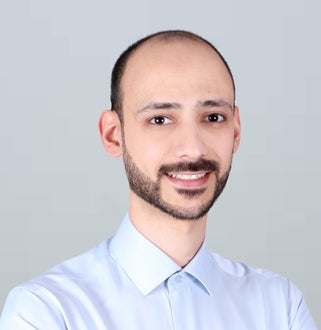
Dr. Anas Karaki
Postdoctoral Fellow
Educational Qualifications
PhD Sustainable Energy
M.Sc Electrical and Computer Engineering
Entity
Qatar Environment and Energy Research Institute
Biography
Anas Karaki is a Postdoctoral Fellow at the Qatar Environment and Energy Research Institute (QEERI). He received his B.Sc. degree in Electrical and Computer Engineering from Texas A&M University at Qatar in 2016, an M.Sc. degree in Electrical and Computer Engineering from Texas A&M University, College Station, Texas, USA in 2020, and his Ph.D. in Sustainable Energy from Hamad Bin Khalifa University (HBKU), Doha, Qatar in 2024. His research interests include grid-forming inverter control, predictive control, renewable energy integration, seamless transition, energy management, electric vehicles, game theory, and energy trading.
PhD Sustainable Energy
Hamad Bin Khalifa University
2025
M.Sc Electrical and Computer Engineering
Texas A&M University, United States
2020
B.Sc Electrical and Computer Engineering
Texas A&M University at Qatar
2016
- Power-electronics dominated grids
- Grid-forming inverters
- Electric-vehicle control
- Predictive control
- Seamless transition
Research Associate
Qatar Environment and Energy Research Institute, Hamad Bin Khalifa University
2023 – Present
Research Assistant
Electrical and Computer Engineering, Texas A&M University at Qatar
2019 – 2021
Research Assistant
Electrical and Computer Engineering, Texas A&M University, United States
2017 – 2019
Project Engineer
Energy Department, Siemens
2016
Karaki, A., Abedrabboh, K., & Al-Fagih, L. (2025). Evolutionary game-based battery scheduling: A comparative study for prosumers in smart grids. IEEE Access, 13, 44884–44900.
Karaki, A., & Al-Fagih, L. (2024). Evolutionary game theory as a catalyst in smart grids: From theoretical insights to practical strategies. IEEE Access, 12, 186926–186940.
Karaki, A., Bayhan, S., Sanfilippo, A., Zoghdar, B., & Elsied, M. (2024, January). Virtual inertia enhancement for grid forming inverters in AC power electronics dominated grids. In 2024 4th International Conference on Smart Grid and Renewable Energy (SGRE) (pp. XX–XX). IEEE.
Karaki, A., Shadmand, M. B., Abu-Rub, H., & Bayhan, S. (2021, July). Virtual inertia emulation inspired predictive control to improve frequency stability in power electronics dominated grid. In 2021 IEEE 12th International Symposium on Power Electronics for Distributed Generation Systems (PEDG) (pp. XX–XX). IEEE.
Karaki, A., Begovic, M., Bayhan, S., & Abu-Rub, H. (2019, October). Frequency and voltage restoration for droop controlled AC microgrids. In 2019 2nd International Conference on Smart Grid and Renewable Energy (SGRE) (pp. XX–XX). IEEE.
Complete Publication Listing(s): Google Scholar
- First Place winner of the three-minute thesis (3MT), HBKU, Doha, Qatar (April 2025)
- Best Paper Award - 4th International SGRE Conference, Doha, Qatar (January 2024)
- Aggie Core Values – Respect Award, Texas A&M University at Qatar (April 2020)
- Eta Kappa Nu (HKN) – Electrical Engineering Honor Society (August 2015 and May 2016)
- Valedictorian of Class 2012 – Academic Bridge Program (ABP) (May 2012)
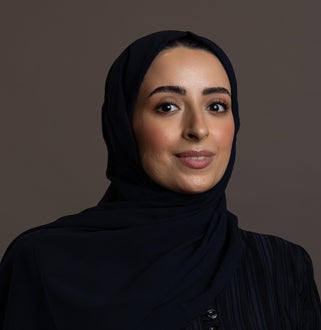
Dr. Maryam Saifaldeen
Research Fellow
Educational Qualifications
PhD in Genomics and Precision Medicine
MRes in Molecular and Cellular Biosciences
Entity
Qatar Biomedical Research Institute
Division
Translational Oncology Research Center
Biography
Dr. Maryam Saifaldeen is a Research Fellow at the Translational Oncology Research Center at QBRI. With her academic journey supported by the Qatar Research Leadership Program (QRLP), Maryam Saifaldeen earned a BSc in Biological Sciences from the University of Southampton, an MRes in Molecular and Cellular Biosciences from Imperial College of London, and a PhD in Genomics and Precision Medicine from Hamad Bin Khalifa University. This multidisciplinary academic training provided a strong foundation in molecular biology, functional genomics, and biomedical research.
Her doctoral research focused on CRISPR/Cas9-based gene editing, leading to the identification of the E3 ubiquitin ligase beta-TrCP1 as a novel regulator of cellular lipid metabolism. Her PhD work contributed to two first-author publications and one co-authored review article.
Dr. Maryam Saifaldeen’s growing research interests lie in understanding how metabolic rewiring of tumor and immune cells influences therapy response, particularly in triple-negative breast cancer. She is committed to contributing to Qatar’s national cancer research efforts by promoting translational science, interdisciplinary collaboration, and innovation-driven discovery.
PhD in Genomics and Precision Medicine
Hamad Bin Khalifa University
2024
MRes in Molecular and Cellular Biosciences
Imperial College of London, United Kingdom
2018
BSc in Biological Sciences
University of Southampton, United Kingdom
2016
- Immunometabolism in cancer and therapy resistance
- Extracellular vesicle (EV) biology
- CRISPR-Cas9 gene editing
- Immune evasion and modulation in breast cancer
Senior Research Associate
Translational Oncology Research Center, Qatar Biomedical Research Institute
2024 - Present
PhD Researcher
College of Health and Life Sciences, Hamad Bin Khalifa University
2018 - 2024
Visiting Researcher
Mazloum Lab, Weill Cornell Medicine - Qatar
2016 - 2017
Research Trainee
Qatar Research Leadership Program (QRLP), Qatar Foundation
2013 - 2024
- First Place – Best PhD student presentation for “Identification of the Ubiquitin Ligase B-TrCP1 as a regulator of the SREBP pathway”, Awarded in the CHLS annual students research forum, HBKU
- Qatar Research Leadership Program (QRLP) scholarship
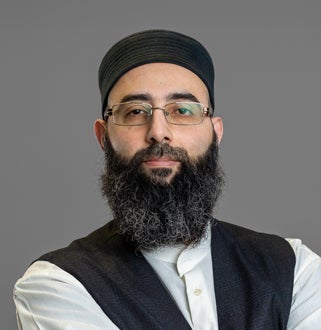
Dr. Hooman Keshavarzi
Program Director of Islamic Psychology and Assistant Professor
Dr. Hooman Keshavarzi
Program Director of Islamic Psychology and Assistant Professor
Educational Qualifications
Doctorate of Clinical Psychology (Psy.D)
MA in Clinical Psychology
Entity
College of Islamic Studies
Division
Islamic Psychology
Biography
Dr. Hooman Keshavarzi is the Program Director and Assistant Professor of Islamic Psychology at the College of Islamic Studies. He is a licensed clinical psychologist and holds a Doctorate and Master's in Clinical Psychology and a Bachelor of Science – specialist psychology track/minor in Islamic Studies. He is also a visiting scholar at Ibn Haldun University (Turkey) and an adjunct faculty member at Hartford Seminary.
Dr. Keshavarzi is the founding director of the Khalil Center, the first Islamically-oriented professional community mental wellness center and the largest provider of Muslim mental healthcare in North America. He is also a senior fellow at the International Association for Islamic Psychology (IAIP), conducting research on topics related to Islam, Muslims, and mental health. Dr. Keshavarzi is an international public speaker and trainer providing education on the intersection of Islamic studies and behavioral health.
Doctorate of Clinical Psychology (Psy.D)
The Chicago School of Professional Psychology, United States
2019
MA in Clinical Psychology
Illinois School of Professional Psychology, Argosy University, United States
2010
BS in Psychology
University of Toronto, Canada
2008
- Islamic psychology
- Clinical mental health practice
- Psychology in the Islamic classical scholarly tradition
- Character development
- Psychology in Islamic law
Assistant Professor
College of Islamic Studies, Hamad Bin Khalifa University
2024 – Present
Assistant Professor
Psychology, Ibn Haldun University, Turkey
2018 – 2024
Executive Director
School of Islamic Psychology & Research, Khalil Center, United States
2010 – Present
Keshavarzi, H., Elzamzamy, K., & Ansari, B. A. (Eds.) (2025). Psychological themes in classical Islamic literature: A primary source reader [with translation and commentary]. Leiden, Netherlands: Brill Publishing.
Complete Publication Listing(s): ResearchGate
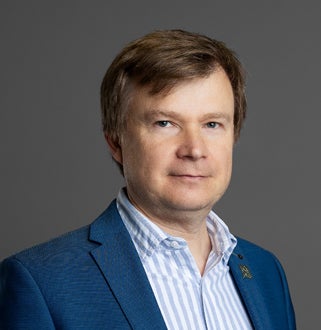
Dr. Vladimir Katanaev
Acting Executive Director and Scientific Director
Educational Qualifications
Dr.Habil in Cell and Developmental Biology
PhD in Biochemistry
Entity
Qatar Biomedical Research Institute
Division
Translational Oncology Research Center
Biography
Dr. Vladimir Katanaev is the Acting Executive Director of Qatar Biomedical Research Institute and the Scientific Director of the Translational Oncology Research Center at the Qatar Biomedical Research Institute. He leads efforts to bridge basic, translational, and clinical research, focusing on developing targeted therapies for cancer patients. He is committed to advancing the understanding of fundamental cellular mechanisms, exploring how their dysfunction contributes to disease, and translating this knowledge into innovative therapeutic strategies. Dr. Katanaev has made significant contributions to the field through his research on signal transduction pathways and their implications in cancer and other diseases. His work has been widely recognized and published in leading scientific journals.
Dr.Habil in Cell and Developmental Biology
University of Konstanz, Germany
2010
PhD in Biochemistry
University of Fribourg, Switzerland
2000
Diploma with Honors in Biochemistry
Krasnoyarsk State University ( Siberian Federal University), Russia
1994
- Oncogenic signaling pathways
- Anticancer drug discovery and development
- Precision oncology
- Breast cancer
Scientific Director
Qatar Biomedical Research Institute, Hamad Bin Khalifa University
2024 - Present
Full Professor and Chair
Faculty of Medicine, University of Geneva, Switzerland
2018 - 2024
Associate Professor
Pharmacology and Toxicology, University of Lausanne, Switzerland
2011 - 2018
Junior Group Leader
Faculty of Sciences, University of Konstanz, Germany
2005 - 2011
Associate Research Scientist
Genetics and Development, Columbia University, United States
2003 - 2005
Postdoctoral Fellow
Genetics and Development, Columbia University, United States
2000 - 2003
Ham, H., Jing, H., Lamborn, I., Kober, M. M., Koval, A., Berchiche, Y., Anderson, D. E., Druey, K. M., Mandl, J. N., Isidor, B., Ferreira, C. R., Freeman, A. F., Ganesan, S., Karsak, M., Mustillo, P. J., Teo, J., Zolkipli-Cunningham, Z., Chatron, N., Lecoquierre, F., ... Su, H. C. (2024). Germline mutations in a G protein identify signaling cross-talk in T cells. Science, 20, eadd8947.
Complete Publication Listing(s): PubMed
- 2023; 3R Award of the University of Geneva.
- 2021; Academician of the International Eurasian Academy of Sciences (European Center).
- 2019; One Hundred Talent Program, Fuzhou City, China.
- 2019; One Hundred Talent Program, Fujian Province, China.
- 2018; Chair in Translational Oncology, Faculty of Medicine, University of Geneva.
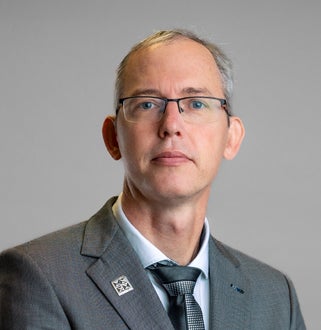
Dr. Jouke-Jan Hottenga
Senior Scientist
Educational Qualifications
PhD in Genetic Epidemiology
MSc in Genetic Epidemiology
Entity
Qatar Biomedical Research Institute
Division
Neurological Disorders Research Center
Biography
Jouke Jan Hottenga is a Senior Scientist at Qatar Biomedical Research Institute specializing in bioinformatics, gene identification, and population genomics. His work focuses on the genetic factors influencing health behaviors, biomarkers, and metabolic and neurological diseases. He has made significant contributions to genetics, with research published in high-impact journals. His expertise includes genome-wide association studies and meta-analyses.
With strong skills in bioinformatics and big data analysis, he processes and interprets complex genetic data using advanced computational techniques. His work supports genetic research by ensuring accurate and reproducible data analysis. His dedication to understanding genetic mechanisms has established him as a key figure in personalized medicine and public health.
PhD in Genetic Epidemiology
Leiden University, Netherlands
2005
MSc in Genetic Epidemiology
Erasmus University Rotterdam, Netherlands
2001
BSc in Biomedical Sciences
Leiden University, Netherlands
1998
- Genetics of Neurological Disorders. Delving deep into the genetic underpinnings of neurological disorders
- with a specialized focus on autism.
- Population Genetics. Exploring the genetic factors that drive human variation across populations
- aiding our understanding of diversity.
- Bioinformatics and Big Data Analysis. Enhancing computation and automation for genetic projects using FAIR principles
- to ensure data is Findable
- Accessible
- Interoperable
- and Reusable.
- Precision and Translational Medicine. Championing the synergy between precision medicine and translational medicine
- because one cannot exist without the other.
Senior Scientist
Qatar Biomedical Research Institute, Hamad Bin Khalifa University
2025 - Present
Senior Researcher
Biological Psychology, Vrije Universiteit Amsterdam, Netherlands
2003 - 2024
Beck, J. J., Slunecka, J. L., ... Hottenga, J. J. (2024). Breast cancer polygenic risk score validation and effects of variable imputation. Cancers (Basel). PMID: 38672660.
Karjalainen, M. K., ... Hottenga, J. J., et al. (2024). Genome-wide characterization of circulating metabolic biomarkers. Nature. PMID: 38448586.
Grove, J., ... Hottenga, J. J., et al. (2019). Identification of common genetic risk variants for autism spectrum disorder. Nature Genetics. PMID: 30804558.
van Leeuwen, E. M., Kanterakis, A., ... Hottenga, J. J. (2015). Population-specific genotype imputations using Minimac or Impute2. Nature Protocols. PMID: 26226460.
Hottenga, J. J., et al. (2007). Genome-wide scan for blood pressure in Australian and Dutch subjects suggests linkage at 5P, 14Q, and 17P. Hypertension. PMID: 17325240.
Complete Publication Listing(s): Google Scholar
- 2024 - Research.com Medicine in Netherlands Leader Award
- 2024 - Research.com Genetics in Netherlands Leader Award
- 2023 - Research.com Medicine in Netherlands Leader Award
- 2023 - Research.com Genetics in Netherlands Leader Award
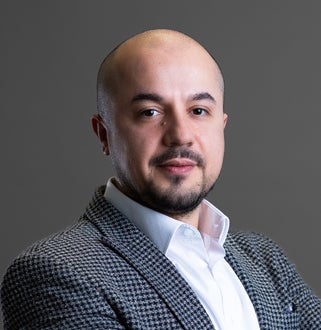
Dr. Hasan Kurban
Assistant Professor
Educational Qualifications
PhD in Computer Science
Entity
College of Science and Engineering
Biography
Dr. Hasan Kurban is an Assistant Professor at the College of Science and Engineering. He is also an Adjunct Associate Professor of Computer Science and Data Science at Indiana University, Bloomington, USA, and an Editor for Nature Scientific Reports.
Dr. Kurban earned his Ph.D. in Computer Science with a minor in Statistics from Indiana University, Bloomington, USA, in 2017. His research spans artificial intelligence, deep learning, software engineering, graph theory, and large-scale data analytics, with applications in diverse fields, including computational materials science, biology, sports analytics, education, public transportation, finance, and medicine.
PhD in Computer Science
Indiana University, Bloomington, United States
2017
- Artificial Intelligence
- Software Engineering
- Data Science
- Big Data
Assistant Professor
College of Science and Engineering, Hamad Bin Khalifa University
2024 - Present
Adjunct Assistant Professor
Electrical and Computer Engineering, Texas A&M University at Qatar
2024 - Present
Adjunct Associate Professor
Computer Science and Data Science, Indiana University, Bloomington, United States
2023 - Present
Assistant Professor
Electrical and Computer Engineering, Texas A&M University at Qatar
2023 - 2024
Visiting Associate Professor
Computer Science and Data Science, Indiana University, Bloomington, United States
2021- 2023
- 2024; Transformative Educational Experience Grant by Texas A&M University at Qatar.
- 2024; Multiversity Academic Grant, by Texas A&M University at Qatar.
- 2017; Nomination for Researcher of the Year, Indiana University of Bloomington.
- 2017; Best Poster Award: IEEE/ACM International Conference on Big Data Computing, Applications and Technologies, Austin, TX.
- 2016; Best Paper Award: IEEE International Conference on Data Science and Advanced Analytics, Montreal, Canada.
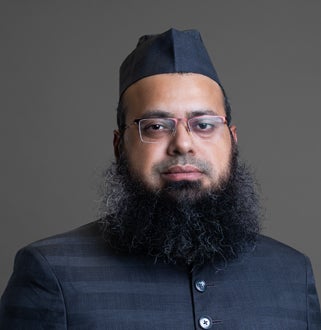
Dr. Moin Ahammed SK
Lecturer
Educational Qualifications
PhD in Electrical Engineering
M.Tech in Electrical Engineering
Entity
College of Science and Engineering
Biography
Dr. Moin is a Lecturer at the College of Science and Engineering. Previously, he worked as a Research Associate and Technical Laboratory Coordinator at Texas A&M University at Qatar. He was honored as the Best Researcher at TAMUQ for the year 2010–11 and received the Star Award for 2022–23.
Dr. Moin has authored over 70 articles in various international conferences and journals. He holds the distinction of being an IEEE Senior Member. Dr. Moin’s professional interests are in the field of power electronics, electric drives, and multi-phase converters, with a specific focus on matrix converters. He is also involved in AI and machine learning. Presently, his h-index is 19, and his i10-index is 46.
PhD in Electrical Engineering
University of Technology Malaysia (UTM), Malaysia
2016
M.Tech in Electrical Engineering
Aligarh Muslim University, India
2008
B.Tech in Electrical Engineering
Aligarh Muslim University, India
2006
- Power Electronics
- Matrix Converter
- Machine Learning
Lecturer
College of Science and Engineering, Hamad Bin Khalifa University
2024 - Present
Technical Laboratory Coordinator
Electrical and Computer Engineering, Texas A&M University at Qatar
2014 - 2024
Research Associate
Electrical and Computer Engineering, Texas A&M University at Qatar
2009 - 2014
- Star Award (2022-23) awarded by Texas A&M University at Qatar.
- Teaching Excellence Award (2018-19) awarded by Texas A&M University at Qatar.
- Best Paper Award in IEEE ICIT-2013 Conference.
- Research Fellow Excellence Award (2010-11) awarded by Texas A&M University at Qatar.
- Gold Medal Award for standing first in M.Tech (2008) awarded by Aligarh Muslim University, India.