 Apply Now

Event Starts in:
The Second Advances in Precision Medicine (APM2025) Conference will focus on the clinical utility and implementation of polygenic risk scores. This includes polygenic risk scores developed for type 2 diabetes, coronary artery disease, breast cancer, and pancreatic cancer, and several other diseases.
The main goal of this conference is to showcase the clinical application of polygenic risk scores and assess their potential for disease prediction within the healthcare system. It will include talks from renowned international experts and engaging roundtable discussions focused on addressing the challenges of implementing polygenic risk scores and strategies for introducing them in the MENA region.
Abstract submissions are open for the poster session, which will showcase research on polygenic risk scores conducted in Qatar and worldwide.
The conference program will focus on four key topics:
- Polygenic Risk Scores: From development to clinical implementation
- Polygenic Risk Score Applications for Complex Diseases
- Statistical Methods in Polygenic Risk Scores
- Transferability of Polygenic Risk Scores Across Populations
This conference will be held in English.
Chair’s Welcome Message
We are thrilled to invite you to the Second Advances in Precision Medicine (APM2025) Conference hosted by Hamad Bin Khalifa University (HBKU).
APM2025 will focus on the clinical utility of polygenic risk scores (PRS), which has started delivering benefits to patients through enhancing early prediction, diagnosis, and treatment of disease. However, a few hurdles still remain before PRS becomes a routine part of clinical practice. APM2025 will highlight the clinical utility of available PRS developed internationally and in Qatar, and will cover the latest methods for developing them. The challenges and limitations for implementing PRS in healthcare will be discussed, and solutions to overcome those hurdles will be presented through engaging talks and roundtable discussions.
APM2025 promises to be more than just an event featuring renowned international speakers. It will provide valuable professional development for healthcare professionals, an interactive poster session, and useful networking opportunities.
We look forward to welcoming you to HBKU.
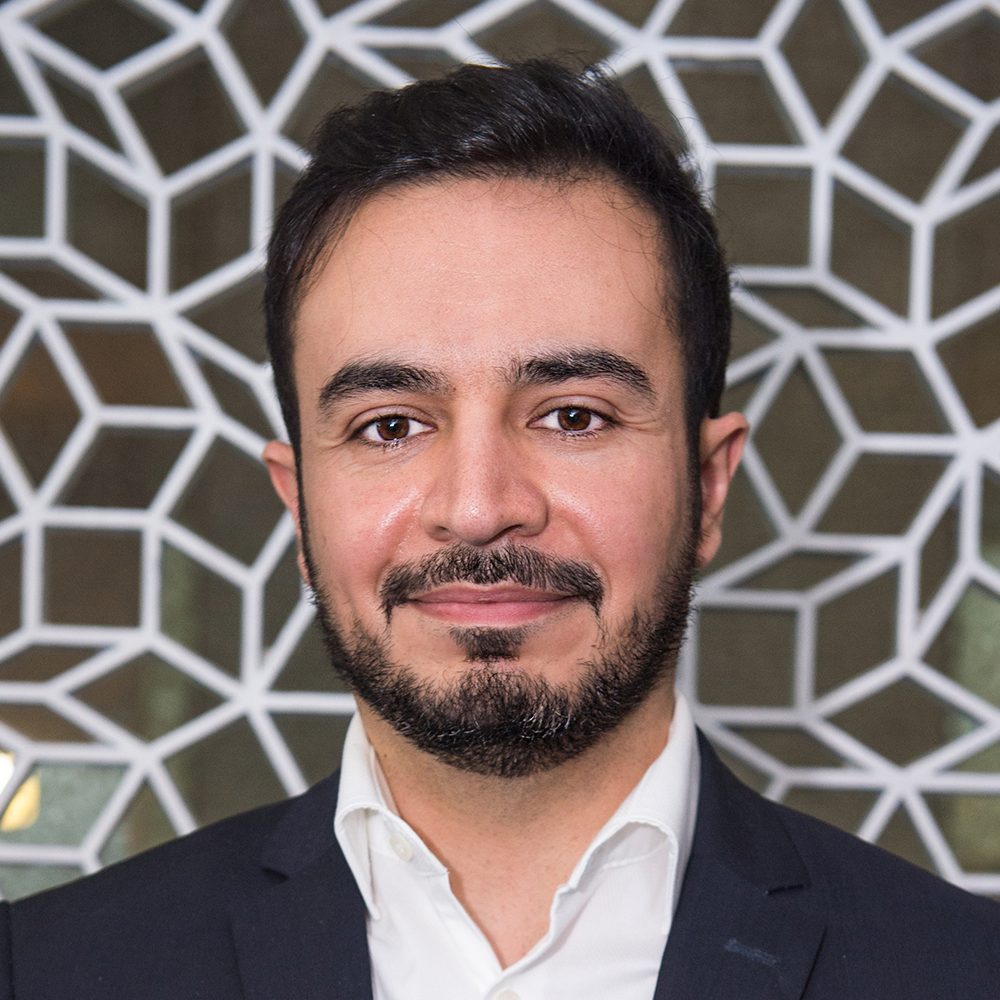
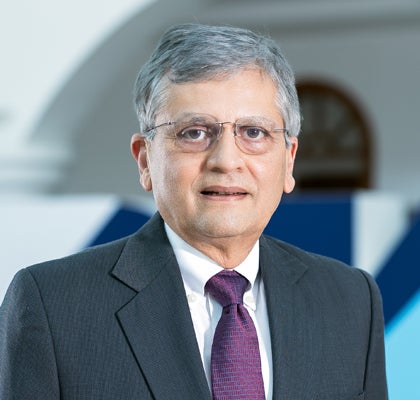
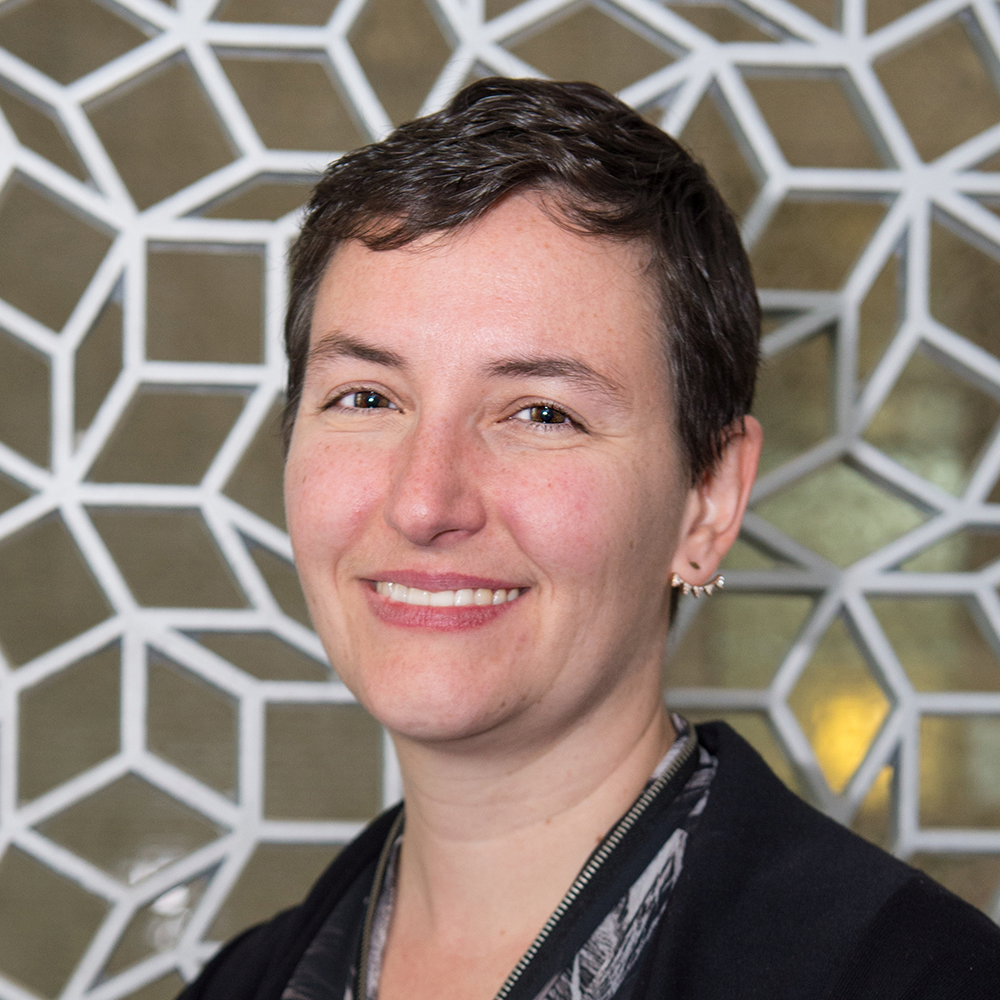
On behalf of the Scientific Organizing Committee:
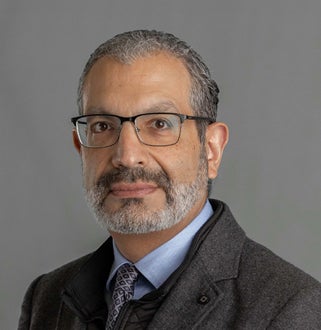
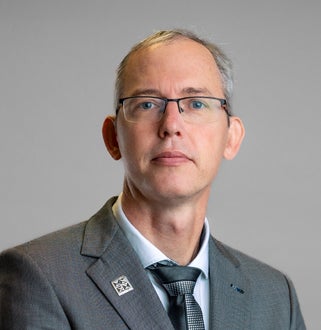
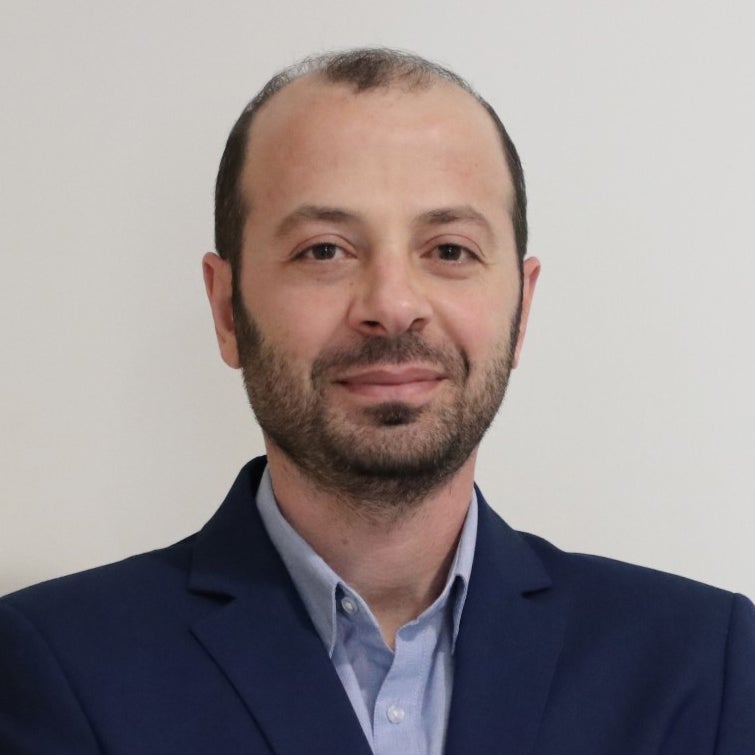
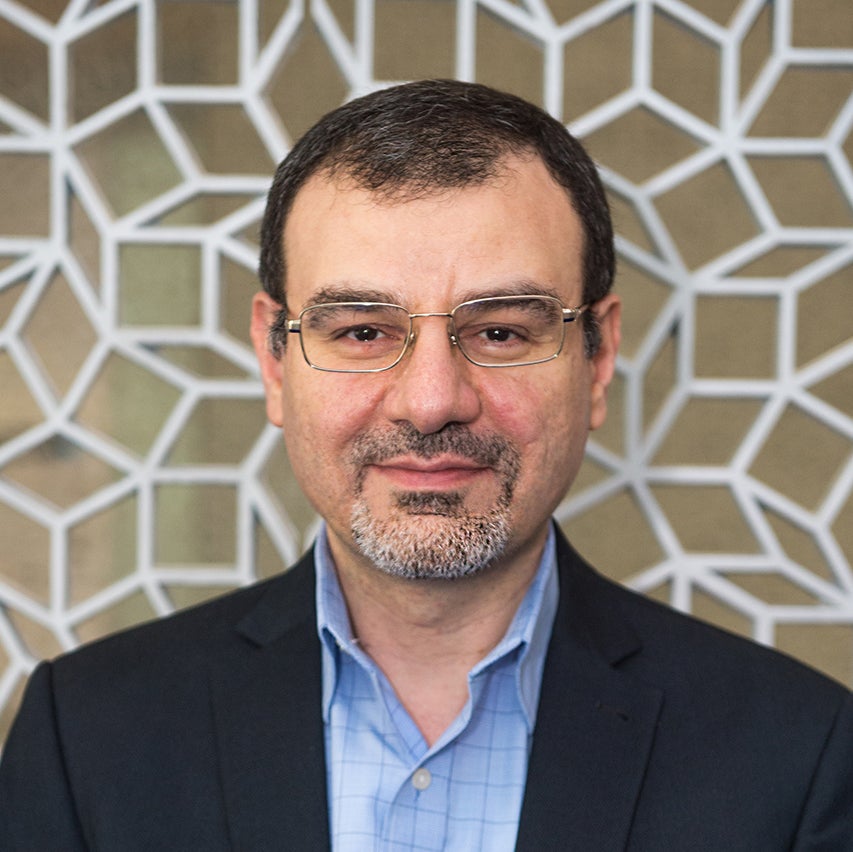
- Dr. Akl Fahed
- Dr. Georges Nemer
- Dr. Hamdi Mbarek
- Borbala Mifsud
- Dr. Tanvir Alam
- Dr. Mohamad Saad
Dean’s Welcome Message
Building on the success of APM2021, it is my great pleasure to invite you to join us for the Second Advances in Precision Medicine (APM2025) Conference. The next exciting chapter in this conference series will focus on a cutting-edge topic, polygenic risk scores, a transformative tool with the potential to revolutionize how we predict disease risk and personalize medical care.
APM2025 will explore how polygenic risk scores can be effectively applied in clinical settings and will foster impactful partnerships that can advance healthcare, research, and policy in Qatar and beyond.
I am hoping that this conference, focused on the latest advances in precision medicine, will be a cornerstone in the educational journey of students at the College of Health and Life Sciences (CHLS), HBKU. CHLS proudly offers multiple graduate programs focused on genomics and precision medicine, biological and biomedical sciences, biopsychology and neurosciences, and exercise science.
Please join us at APM2025 as we bring together world-leading scientists, innovators, and decision-makers in genomics and precision medicine to help shape the future of healthcare.

Sponsor
 |
Co-organizer
 |
We welcome submissions of poster abstracts covering, though not limited to, the following topics:
- Polygenic Risk Scores for Complex Diseases
- Analytical Approaches for Calculating Polygenic Risk Scores
- Applicability of Polygenic Risk Scores in Diverse Population Groups
Abstract Submission Requirements
- Abstracts must be no longer than 300 words.
- Each submission should include a title, a list of authors, and their institutional affiliations.
- Please do not include tables or images in the abstract text.
- English is the required language for all abstract submissions.
Submission Process
Abstracts must be submitted through email to info.APM2025@hbku.edu.qa.
Please note that submissions may be selected for poster presentation sessions.
Abstract Review Process
The organizing committee will review all submitted abstracts by October 15, 2025. Authors will be informed whether their abstract is accepted for a poster via email.
Important Dates
- Submission deadline
October 12, 2025 - Notification of Accepted Abstracts
October 15, 2025
General Guidelines
- If accepted, the first author and/or senior author must attend the conference to present the work.
- Abstracts intended for product promotion or marketing will not be accepted.





About Hamad Bin Khalifa University
Hamad Bin Khalifa University (HBKU), a member of the Qatar Foundation for Education, Science, and Community Development (QF), was founded in 2010 to continue fulfilling QF's vision of unlocking human potential. HBKU is a homegrown research and graduate studies University that acts as a catalyst for positive transformation in Qatar and the region while having a global impact.
Located within Education City, HBKU seeks to provide unparalleled opportunities where inquiry and discovery are integral to teaching and learning at all levels utilizing a multidisciplinary approach across all focus areas.
HBKU is committed to actively contributing to achieving the Qatar National Vision 2030 by building and cultivating human capacity through an enriching academic experience and an innovative research ecosystem. Through applying creativity to knowledge, students will be able to discover innovative, locally relevant solutions that have a global impact.
At Hamad Bin Khalifa University – our students, faculty, staff, partners, and leadership – all share a common belief in the power of higher education and research to make a positive impact on the development of nations.
More information at www.hbku.edu.qa
About Education City
Our flagship initiative is a campus of more than 12 square kilometers that hosts branch campuses of some of the world's leading educational institutes, a homegrown university, and other research, scholastic, and community centers. Together, these institutes make Education City a unique model of academic and research excellence, pioneering a new approach to multidisciplinary, global education and enabling breakthroughs that benefit Qatar and the rest of the world.
More information at https://www.qf.org.qa/education/education-city
About Qatar
Qatar has been an independent sovereign state since 1971. Qatar comprises an 11,500 sq. km peninsula extending northwards into the Arabian Gulf. It has 563 km of uninterrupted coastline. The country's population stands at 2.69 million and its capital city is Doha.
Local time is GMT/ UCT + 3 hours. There are no daylight savings adjustments.
Qatar has a desert climate with year-round sunshine, very hot summers, and mild winters. Mean monthly temperatures range from 17°C in January to 36°C in July, sometimes reaching highs of 45°C+ during the summer. Rain is infrequent, falling in brief showers mainly in winter.
Capital: Doha
Population: 2.68 million
Area: 11,500 sq. km
Language: Arabic
Religion: Islam
Currency: Qatari Riyal
Power Connection: The power plugs and sockets are of type D and G. The standard voltage is 240 V and the standard frequency is 50 Hz.
Transportation
Karwa is the national taxi and limousine service. To book a taxi call +974 800 8294. You can pay by cash, bank card, or mobile payment.
Karwa taxis can be ordered or pre-booked via the Karwa Taxi app (available on iOS and Android), or hailed from the street.
UBER taxi service is also active in Qatar.
You can use your international driving license for seven consecutive days.
Metro
The metro system has three lines (Gold, Green, and Red) covering 37 stations. Trains run every 3 minutes and staff are available at every station to assist you during your journey.
You can buy a travel card at stations and then save time by topping up online or on the Qatar Rail app (iOS and Android)
All stations have elevators and all train carriages provide space for wheelchair users and pushchairs, as well as guide dog allowances. You can check the Qatar Rail website before you travel.
Free Metrolink buses run useful routes within 2 - 5 km of stations.
If you are traveling to central Doha, you can take the metro to one of these stations, which are conveniently located to access the Corniche area. You can change lines at Al Bidda (Red and Green) stations and Msheireb (Red, Green and Gold)
More information at https://www.qr.com.qa/home
Currency Exchange (March 2023)
Minor Unit: 1/100 = Dirham
- 1.00 EUR = 3.88 QAR
- 1.00 USD = 3.64 QAR
- 1.00 GBP = 4.40 QAR
More information at https://www.visitqatar.qa