Apply Now
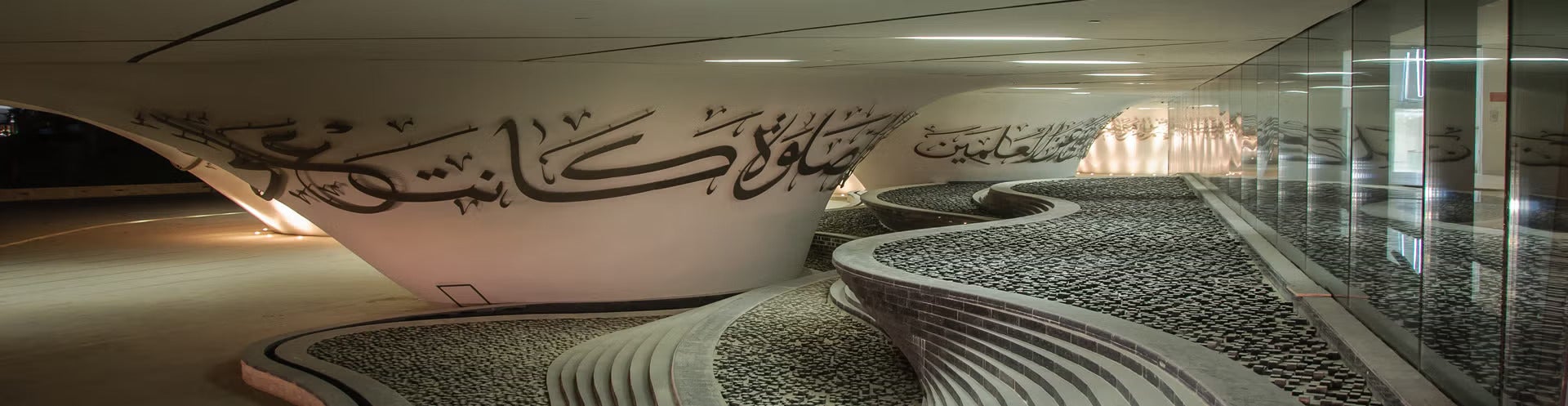
Held alongside QFFD and UNHCR, the gathering explored collaborative approaches to addressing forced displacement and advancing refugee resilience
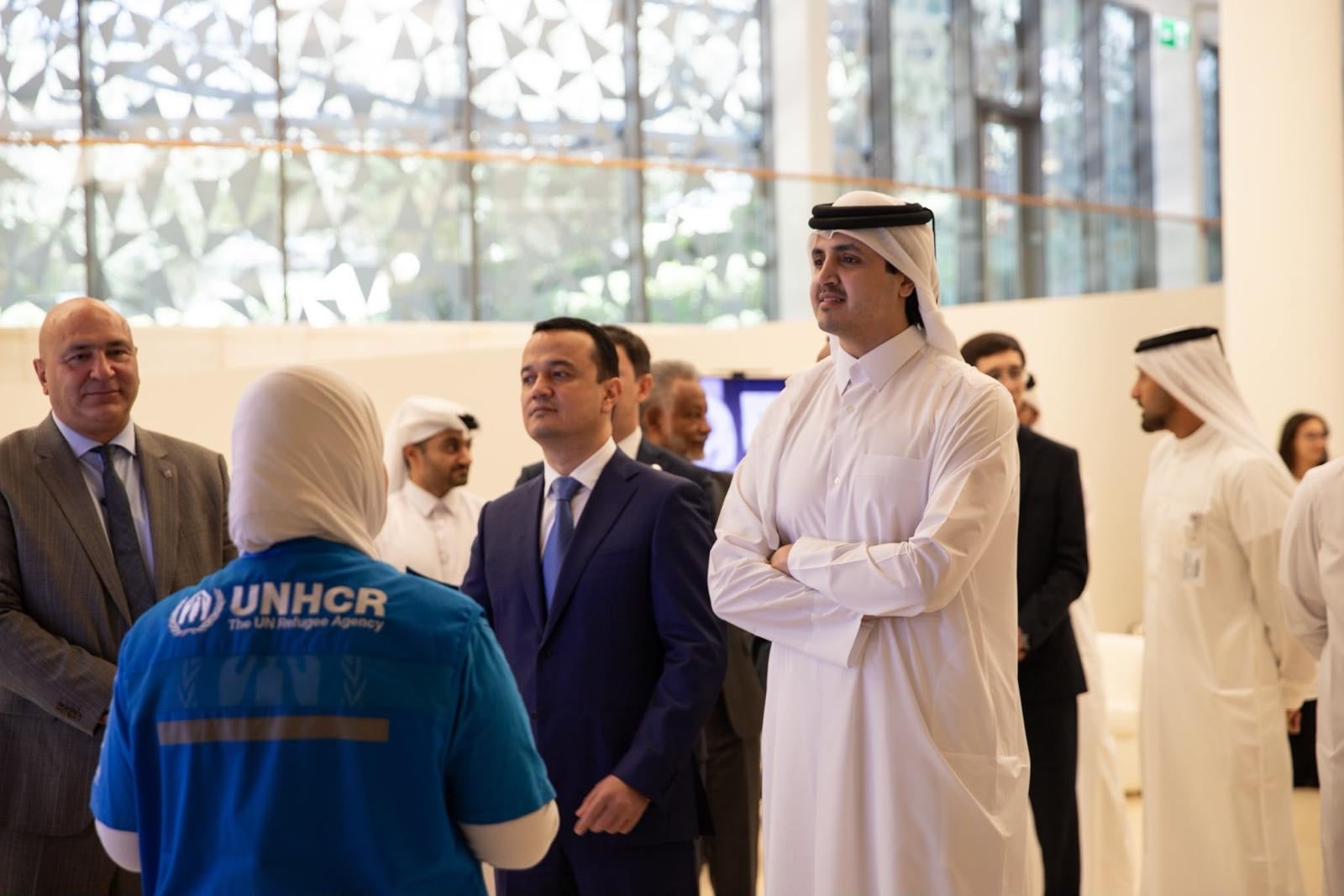
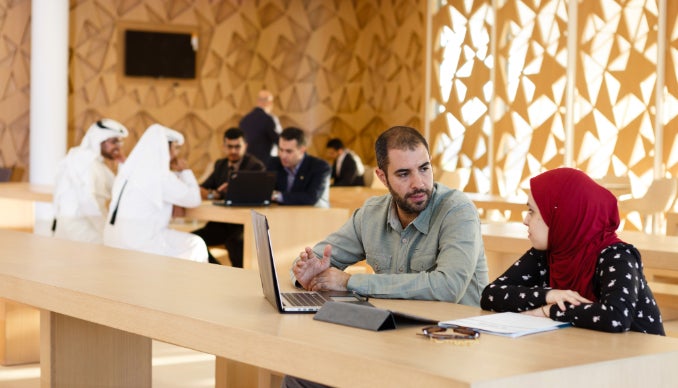
Under the patronage and in the presence of His Excellency Sheikh Thani bin Hamad Al Thani, Chairman, Qatar Fund For Development (QFFD), Hamad Bin Khalifa University partnered with QFFD and the Office of the United Nations High Commissioner for Refugees (UNHCR) to host the ‘Together for Refugees’ event commemorating World Refugee Day. The occasion reflected the University’s role as a convener of knowledge, dialogue, and partnerships that connect academia, policymakers, development actors, and international organizations to discuss and promote solutions to pressing global challenges.
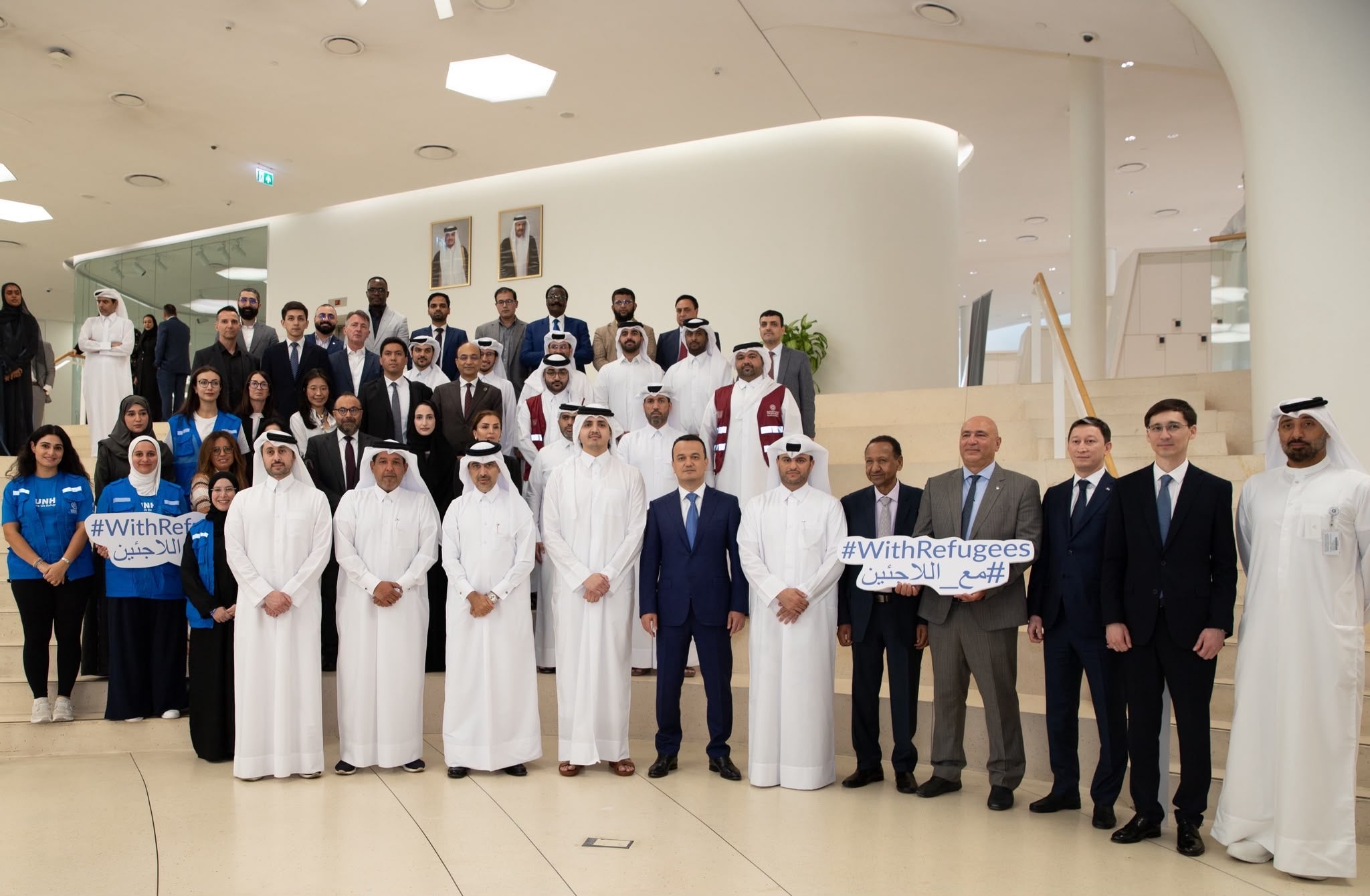
Marked annually on June 20, World Refugee Day recognizes the resilience, dignity, and rights of refugees and forcibly displaced communities worldwide. According to the latest UNHCR estimates, nearly 130 million people worldwide are either forcibly displaced or stateless. This includes 41.6 million refugees, nine million asylum-seekers and 68.7 million people displaced due to conflict or violence within their countries. Observed under this year’s theme ‘Until Everyone is Safe,’ the gathering provided a platform for reflection, learning, meaningful exchange, and development cooperation, while underscoring the importance of collective action in tackling displacement.
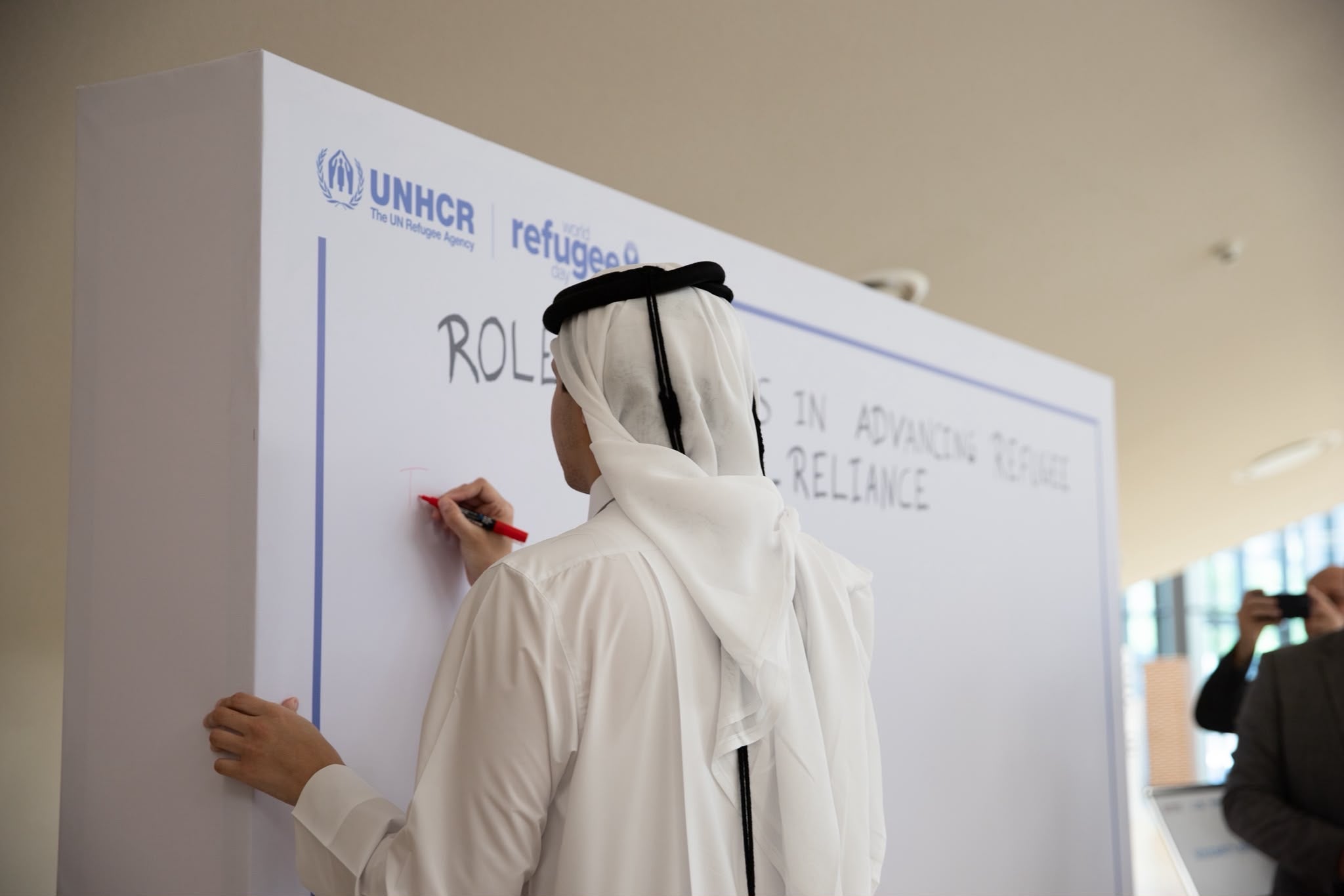
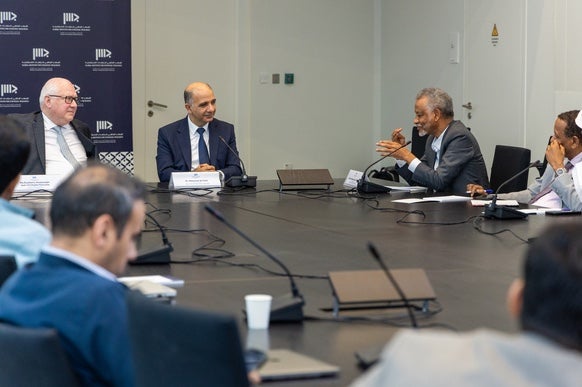
Through expert discussions and exhibitions, the event raised awareness of refugee issues, enabling sustained dialogue among relevant stakeholders. The collaboration also aligns with Hamad Bin Khalifa University’s existing Memorandum of Understanding with QFFD and UNHCR, respectively, furthering its commitment to generating actionable evidence that informs policies.
Commenting on the significance of the initiative, Dr. Mustafa Osman Ismail Elamin, Program Director and Professor of Islam and Global Affairs, CIS, noted: “Forced displacement remains one of the most pressing challenges today, affecting millions of people, including in our region. Addressing the complexities of this problem requires cooperation among all stakeholders. Through initiatives such as this, we seek to amplify dialogue and support collective efforts through Arab and Islamic traditions, contributing to more effective and sustainable responses for displaced populations.”
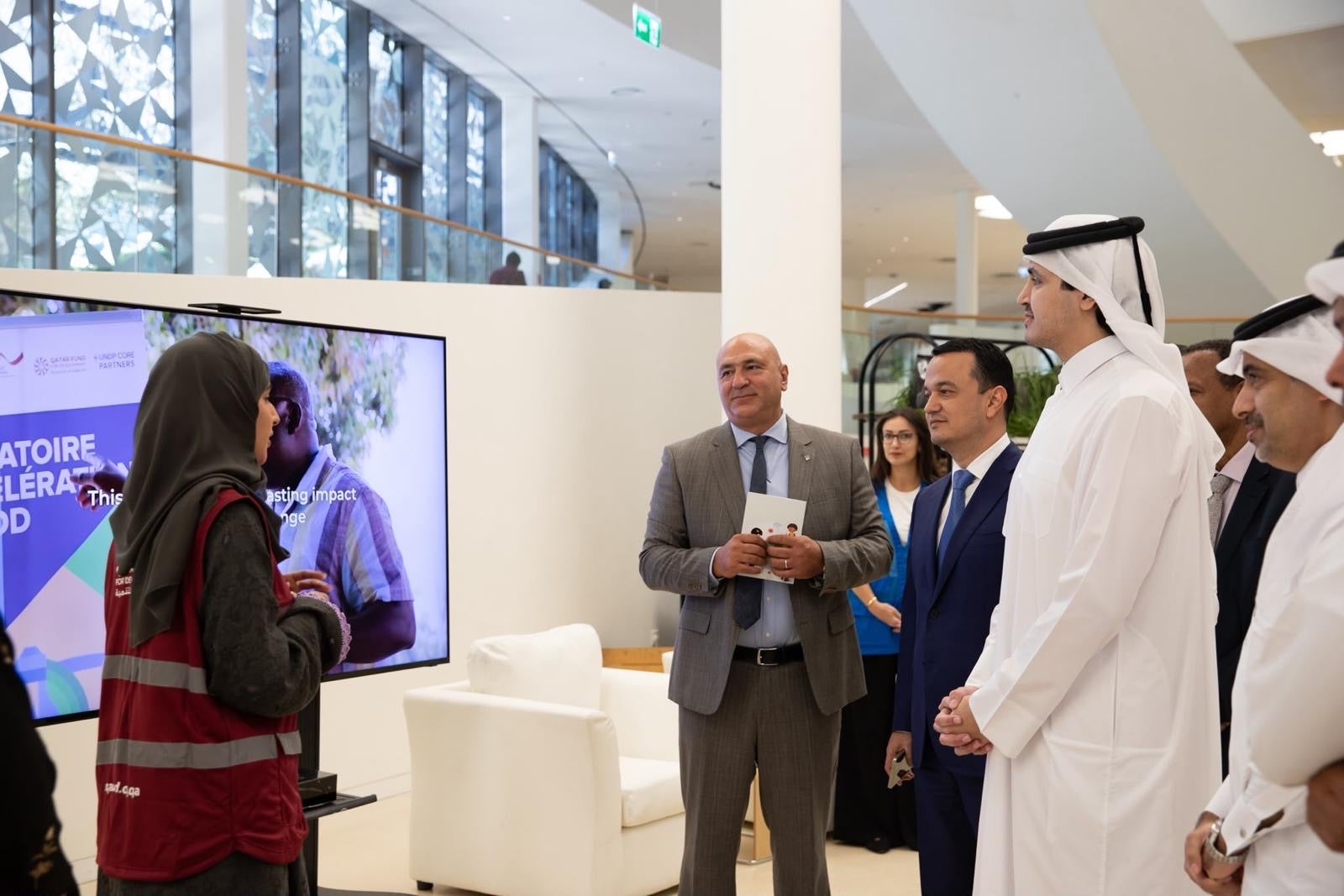
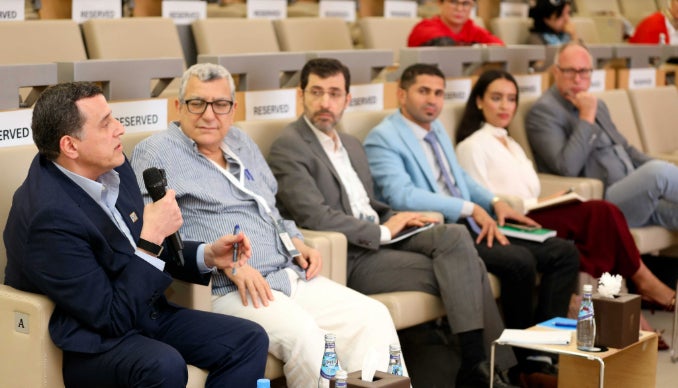
A panel discussion titled ‘From Survival to Opportunity: Advancing Refugee Resilience and Inclusion’ explored sustainable pathways toward self-reliance for refugees and their host communities. Speakers also examined the growing importance of integrated humanitarian-development approaches in addressing forced displacement and strengthening long-term resilience and stability.
Share:
Related News
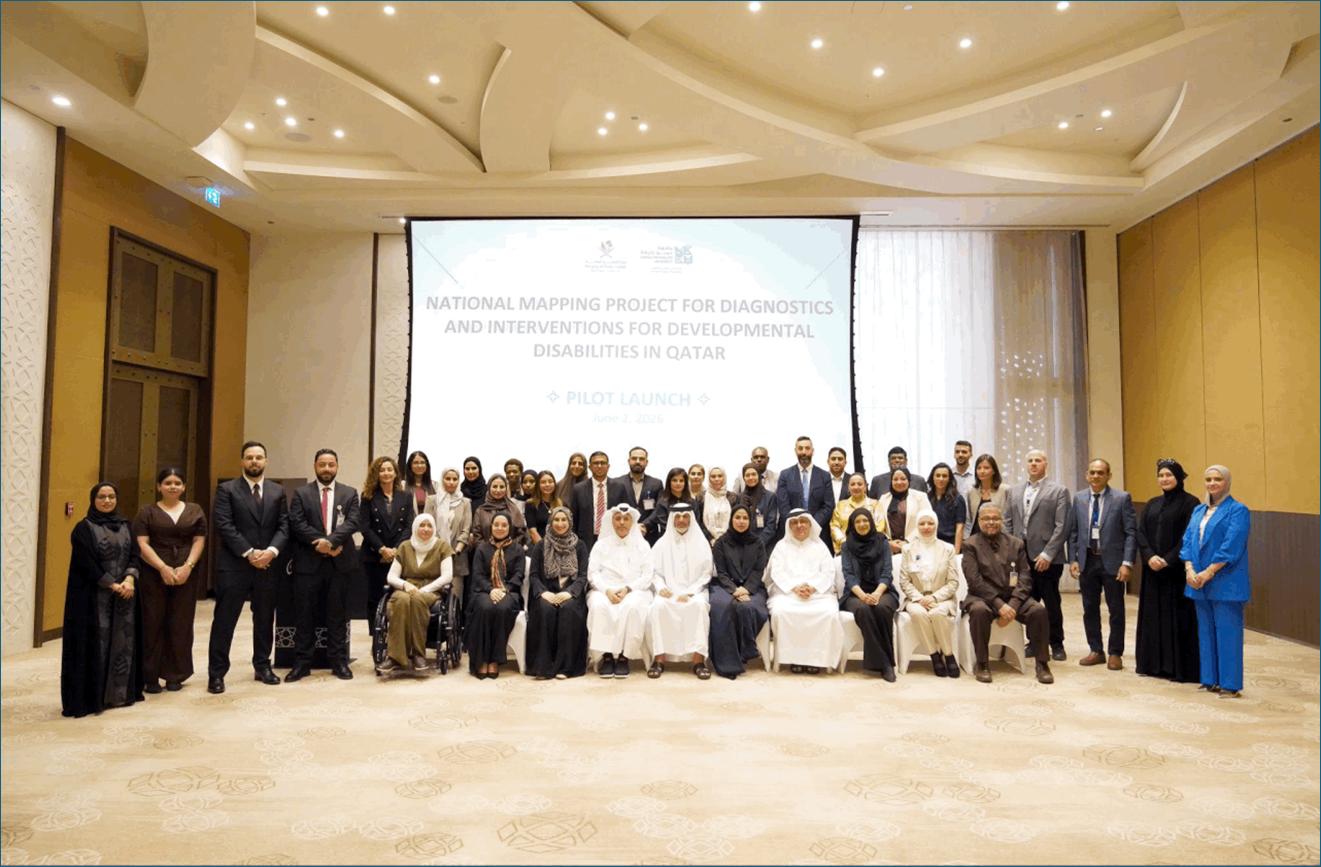
MoPH and HBKU Launch National Survey on Developmental Disabilities Diagnostics, Interventions
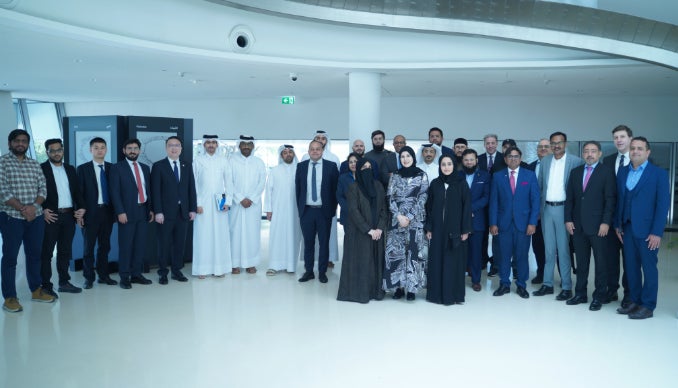
Hamad Bin Khalifa University Hosts 10th CEOs and Islamic Finance Leaders Roundtable