Apply Now

Month-long initiative engaged communities, students, and researchers through targeted campaigns, academic programmes, and collaboration
In recognition of Diabetes Awareness Month, Hamad Bin Khalifa University’s (HBKU) Qatar Biomedical Research Institute (QBRI) demonstrated its commitment to addressing the rising burden of diabetes through capacity-building initiatives, strategic collaborations, and evidence-based research. These efforts underscore HBKU’s pivotal role in improving public health outcomes and fostering a culture of proactive wellness across the country.
Aligning with this year’s international theme “Diabetes and Well-Being,” and the message ‘Know more and do more for diabetes at work’ QBRI’s Diabetes Research Center (DRC) engaged in a range of activities to raise awareness, with a focus on early detection and innovative approaches to diabetes prevention. The outreach spanned schools, recreational parks and workplaces, reflecting the disease’s impact on public health.
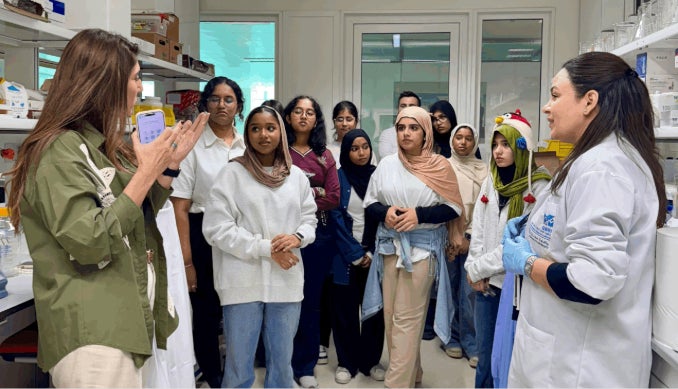
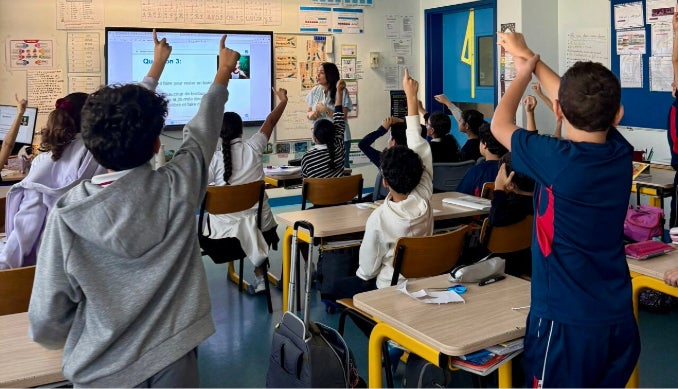
These efforts included school-based awareness sessions at Lycée Voltaire, delivered in French to engage diverse student audiences, as well as public-facing activities at Aspire Park in collaboration with the Qatar Diabetes Association. Complementing its community engagement, QBRI strengthened academic and youth-focused outreach by hosting immersive learning experiences for students from Doha College and welcoming visiting students from Tongji Hospital at Huazhong University of Science and Technology, China.
Expert-led lectures at Qatar University, the Academic Bridge Program, and HBKU’s College of Health and Life Sciences explored cutting-edge research on metabolic disorders, pancreatic function, and precision health.
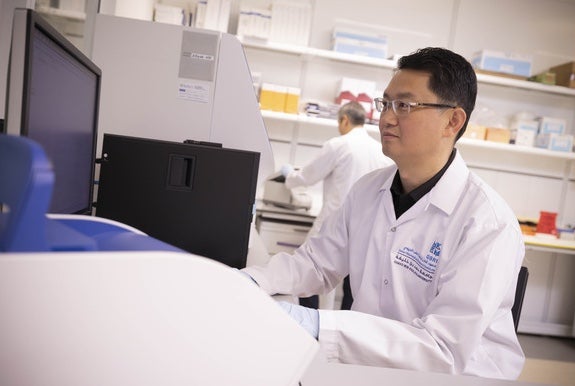
“Diabetes Awareness Month serves as an important reminder of the growing health burden posed by diabetes and the need for informed, evidence-based responses,” Dr. Cong-Yi (CY) Wang, Scientific Director of the Diabetes Research Center at QBRI, stated. “Addressing the disease requires moving beyond misconceptions to ensure the public and decision-makers alike are equipped with deeper, evidence-based insights. At HBKU, we are proud to translate advanced research into practical applications that inform policy, strengthen Qatar’s public healthcare system, and drive lasting impact.”
These engagements provided participants with first-hand exposure to diabetes determinants, research, laboratory practices, and scientific inquiry. It also fostered dialogue on training pathways, research methodologies, and future collaboration, further illustrating the university's commitment to building knowledge, promoting global scientific exchange and the integration of biosciences and digital technologies to improve health outcomes.
Share:
Related News