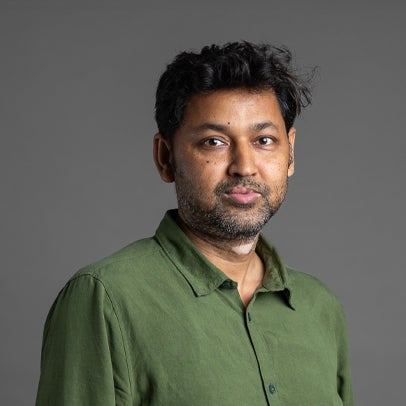
Dr. Zeyaul Islam
Postdoctoral Researcher
Entity
Qatar Biomedical Research Institute
Division
Diabetes Research Center
Biography
Dr. Zeyaul Islam completed his Master’s (2006) from Aligarh Muslim University (AMU) India, and worked on protein folding problem where he exploited biophysical techniques to understand the stages/intermediates during protein folding. On completion, he joined the protein crystallography lab under the supervision of Dr. Subramanian Karthikeyan at the Institute of Microbial Technology for his doctrate. During this period he worked on understanding the structure-function relationship of the enzymes of Riboflavin/FAD biosynthesis pathway from Vibrio cholerae and used it as a template for structure-based drug designing for the development of specific drugs (completed in 2012). As a postdoctoral researcher he had the opportunity to combine his MSc and PhD experiences; he worked on molecular chaperones (proteins that assist in protein folding) in IISER, Bhopal, India. He has worked on various aspect of co-chaperone Hsp40s and their cellular role in Hsp70/Hsp40 network using protein biochemistry and structural biology approaches.
Dr. Islam secured the FAPESP postdoctoral fellowship in 2015 and worked with Dr. Andre LB Ambrosio, LNBio, CNPEM, Brazil. His project was titled, “Biophysical and biochemical studies of the human glutaminases (important in cancer metabolism) in complex with novel binding partners”. He also explored supratetrameic form (filamentous) of glutaminases by cryo-electron microscopy (cryo-EM). He was also involved in human membrane protein characterization especially mitochondrial pyruvate carriers. He joined QBRI as a Postdoctoral Researcher in March, 2018.
Structural basis for competitive inhibition of 3,4-dihydroxy-2-butanone-4-phosphate synthase from Vibrio cholerae. J Biol Chem. 2015; 290(18):11293-308.
The origin and evolution of human glutaminases and their atypical C-terminal ankyrin repeats. J Biol Chem. 2017; 292(27):11572-11585. (* Co-author).
New paradigm in ankyrin repeats: Beyond protein-protein interaction module. Int J Biol Macromol. 2018; 109:1164-1173.
Human mitochondrial pyruvate carrier 2 as an autonomous membrane transporter. Sci Rep. 2018; 8(1):3510.
N-terminal phosphorylation of glutaminase C decreases its enzymatic activity and cancer cell migration. Biochimie. 2018; 154:69-76.
Emerging Targets and Latest Proteomics Based Therapeutic Approaches in Neurodegenerative Diseases. Curr Protein Pept Sci. 2018; 19(9):858-875.

Dr. Vijay Gupta
Postdoctoral Researcher
Entity
Qatar Biomedical Research Institute
Division
Neurological Disorders Research Center
Biography
Dr. Vijay Gupta received his Master’s degree in Microbiology from CCS University, Meerut, India and Ph.D. at the Centre for Cellular and Molecular Biology (CCMB), Hyderabad, INDIA (2006). Dr. Gupta was awarded ASCB pre-doctoral travel award to attend ASCB annual meeting in 2005, Carl Storm International Diversity Fellowship to attend the Gordon Research Conference in University of New England, Maine, USA 2006 and later on Royal Society International Incoming Fellowship (2006) from the Royal Society, London, UK to perform research at The University of Bristol where he worked for fifteen months with the honorary title of Royal Society International Research fellow. He joined The Scripps Research Institute, La Jolla, USA on Target Characterization Fellowship funded by Cystic Fibrosis Foundation, USA as CF fellow for five years and then moved to University of California, San Diego as Assistant Project Scientist where he worked till June, 2017.
Dr. Gupta has multidisciplinary research experience in the fields of protein trafficking, cancer and human genetic diseases and has published more than fifteen publications including top-tier journals such as Nature Chemical biology, Developmental Cell, PNAS, JCS and Traffic. He is an invited member of Sigma Xi- Scientific Honor Society, elected 2013, invited member of Cell Stress Society International (CSSI), USA, peer review board member of JoVe and Dove press and has reviewed more than thirty manuscripts. One of the hobbies of Dr. Gupta is popular science writing for the general public, aimed at raising scientific awareness.
Common neurodegenerative diseases such as Parkinson’s Disease, Dementia with Lewy Bodies (DLB) and Multiple System Atrophy (MSA) are characterized by progressive deposition of α-synuclein (α-syn) protein within inclusions referred to as Lewy bodies and glial cytoplasmic inclusions respectively. Amongst the various approaches attempting to tackle the pathological features of synucleinopathies, immunotherapy holds much promise. α-Syn antibodies could potentially block processes leading to the pathogenesis of such neurodegenerative diseases. The limitation of such antibodies is their inefficiency in crossing the Blood-Brain Barrier (BBB). Dr. Gupta’s research interests lies in designing a variety of strategies to develop efficient antibodies or similar molecules with superior BBB cross over capacities.
- The aim of the current research project focuses on using a fusion protein engineered to include the FAb region of existing α-Syn antibodies. This single-chain-fragment-variable is designed to have increased BBB penetration by virtue of its smaller size and its conjugation with a carrier. It is envisaged that with enhanced penetration there will be superior brain targeting results compared to conventional α-syn antibodies.
Farquhar and Pradipta Ghosh. “GIV/Girdin activates Gαi and inhibits Gαs via the same motif”. PNAS. 2016 Sep 27;113(39):E5721-30.
Farquhar and Pradipta Ghosh, “CDK5 Activates Guanine Nucleotide Exchange Factor GIV/Girdin to Orchestrate Migration-Proliferation Dichotomy”. PNAS, 2015 Sep 1;112:E4874-83.
Farquhar,* and Pradipta Ghosh * “Activation of Gi at the Golgi by GIV/Girdin Imposes Finiteness in Arf1 Signaling”. Dev. Cell 33, 1–15, April 20, 2015.
J Proteome Res. 2014 13 (11), PP 4668-4675.
2013 Jan; 9(1):12-4.
“Kinesin-1 (uKHC/KIF5B) is required for bidirectional motility of ER exit sites and efficient ER-to-Golgi transport” Traffic, Volume 9, Issue 11 , Pages 1850-66, (2008).
Pubmed link
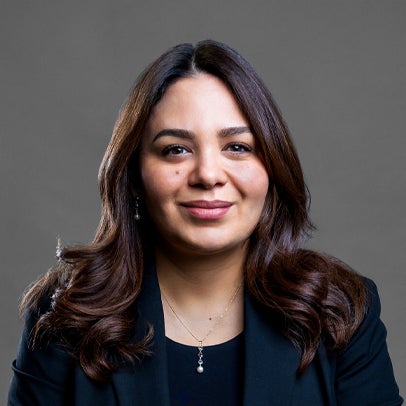
Dr. Olfa Khalifa
Postdoctoral Researcher
Entity
Qatar Biomedical Research Institute
Division
Diabetes Research Center
Biography
Dr. Olfa Khalifa obtained her Master’s degree in Biology of Vascular Diseases from the faculty of Pharmacy of Montasir in Tunisia, in 2012 and a PhD in Genetics and Immunology from the University of Montpellier in France in 2016. As part of her work towards her doctorate, Dr. Khalifa investigated the role of new genes in rheumatoid arthritis. She is skilled in many molecular and cellular biology techniques including real time PCR, sanger sequencing, miRNA profiling, ACS, ELISA, cell culture, microarray, and other basic molecular biology techniques. Her Ph.D. work has been published in peer-reviewed international journals.
Dr. Khalifa joined QBRI in 2018 and is currently working with Dr. Arredouani. She is working on a project that investigates the molecular mechanisms that underlie the positive effect of GLP-1 agonist on non-alchoholic fatty liver disease.
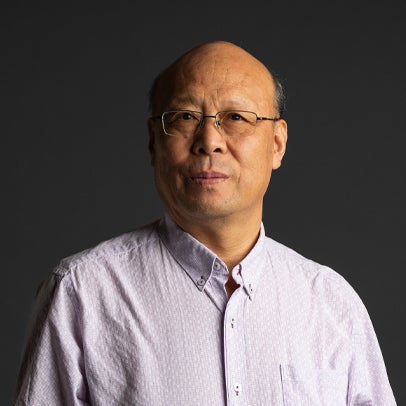
Dr. Mingzhan Xue
Postdoctoral Researcher
Educational Qualifications
PhD in Medicine
MSc in Medical Genetics
Entity
Qatar Biomedical Research Institute
Division
Translational Oncology Research Center
Biography
Dr. Mingzhan Xue obtained his Medical degree (Bachelor of Medicine), Master’s degree in Medical Genetics, and PhD in Medicine from the School of Medicine of Xi’an Jiaotong University (known as the Xi’an Medical University before 2000) in China. Between 1984 and 1999, he was appointed Assistant Professor, Lecturer, and Associate Professor in Medical Genetics at Xi’an Medical University, China. He also undertook postdoctoral positions at the University of Lausanne in Switzerland, and Newcastle University and Queen Mary University of London in the UK. From 2006 to 2018, he worked as a research fellow at the University of Warwick in the UK.
PhD in Medicine
Xi’an Medical University, China
1997
MSc in Medical Genetics
Xi’an Medical University, China
1989
Bachelor of Clinical Medicine
Xi’an Medical University, China
1984
- Precision Oncology
- Breast cancer therapy
- Cancer Epigenetics
Postdoc
Translational Oncology Research Center, Qatar Biomedical Research Institute (QBRI)
2019 - Present
Research Fellow
Warwick Medical School, University of Warwick, UK
2006 - 2018
Postdoc
Clinical Pharmacology and The Genome Centre, William Harvey Research Institute, Queen Mary University of London, UK
2003 – 2006
Postdoc
Institute of Pharmacology and Toxicology, University of Lausanne, Switzerland
2000 – 2002
Associate Professor
Medical Genetics, Xi’an Medical University, China
1984 – 1999
Complete Publication Listing(s): PubMed

Dr. Mariam Al-Muftah
Scientist
Joint Assistant Professor
Entity
Qatar Biomedical Research Institute
College of Health and Life Sciences
Division
Translational Oncology Research Center
Biography
Dr. Mariam Al-Muftah received her BSc in Medical Genetics (Honors) from the University of Wales in the United Kingdom in 2005 and pursued her post graduated education to complete a Master of Research (MRes) in Biological Sciences in 2007 and a PhD of Medicine (cancer immunotherapy) as a joint project between the Cancer Research UK Manchester Institute and the University of Manchester in the United Kingdom. Her PhD project was focused on the use of a fully autologous mouse model to study immune regulation towards 5T4 targeted immunotherapies. Furthermore, she focused on the generation of novel chimeric antigen receptors against the tumor associated antigen 5T4.
After completing her doctoral degree in 2011, she became a lecturer of Biology at Qatar University and was later promoted to the rank of Assistant Professor. In February 2012, she was seconded to Qatar Biomedical Research Institute as a scientist to pursue her research interest. Recently, she completed an executive master program in Strategic Business Unit Management from HEC Paris University in Qatar. Dr. Mariam has taught several courses in general biology and molecular biology at the department of Biological and Environmental Sciences.
Dr. Al-Muftah research focuses on the exploitation of immune cells as therapeutic agents to target and eradicate cancer, particularly to design and arm T-lymphocytes with chimeric antigen receptors to specifically target a tumor associated antigen. Furthermore, she is interested in understanding how endogenous expression of the target antigen impacts the efficacy of this type of immunotherapy, particularly the effect of immunosuppressive cells (T-regulatory cells and MDSCs) and cytokines upon cancer therapy, with the aim of mimicking what really happens in patients.
Dr Al-Muftah is also interested and involved other projects focusing on the identification of specific cancer biomarkers, particularly microRNAs, long non coding RNAs and cancer testis antigens with the aim of elucidating the complexity of cancer pathogenesis and identifying potential candidates for cancer immunotherapy.
- Elucidating the mechanisms modulating triple negative breast cancer aggressiveness by dissecting intertumoral and intratumoral heterogeneity at the cellular and molecular levels
- including immunophenotyping of the tumor microenvironment and identifying potential targets for the design of cancer immunotherapies.
- The role of cancer testis antigens in triple negative breast cancer and their potential as effective targets for T-cell based immunotherapy (a collaborative project with Dr. Julie Decock)
- Dr. Al-Muftah is also leading a project in collaboration with Dr. Lotfi Chouchane and Dr. Konduru Sastry from Weil Cornel Medical College in Qatar to understand the molecular mechanisms underlying the development of prostate cancer into the castration-resistant state
- with the aim of identify key pro- and anti-apoptotic molecules and microRNAs that render prostate cancer cells at advanced stage resistant to therapy.
- Collaborator Name: Dr. Lotfi Chouchane Institute : WCM-Q Research Area : Prostate Cancer
- Collaborator Name: Dr. Konduru Sastry Institute : WCM-Q/SMRC Research Area : Prostate/Breast Cancer
- Collaborator Name: Dr. Julie Decock Institute : QBRI Research Area : Breast Cancer
- Collaborator Name: Dr. Said Dermime Institute : NCCCR - HMC Research Area : Cancer
- Collaborator Name: Dr. Nader AL-Dewik Institute : HMC Research Area : Hematological malignancies
- Collaborator Name: Dr. Shahinaz Bedri Institute : WCMCQ Research Area : Breast Cancer
MENTORING
Name: Summer Student Program (BSc level) Institution : Qatar University/Carnegie Mellon University in Qatar Period : May 2016 – July 2016
MENTORING
Name: PhD Student Institution : Hamad Bin Khalifa University Period : 2016-
List of Publications on Pubmed.
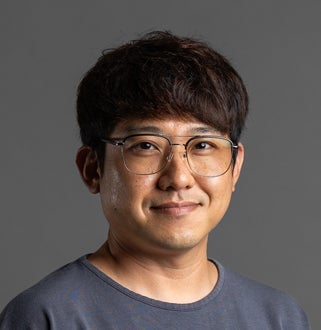
Dr. Kyung Chul Shin
Postdoctoral Researcher
Educational Qualifications
Ph.D
Bachelor's degree
Entity
Qatar Biomedical Research Institute
Division
Neurological Disorders Research Center
Biography
Dr. Kyung Chul Shin received his Bachelor's in Biotechnology from Konkuk University, South Korea, which was followed by his PhD in Cellular and Molecular Medicine. His research at Konkuk University mainly focused on researching new ion channels (especially Piezo ion channel) related to tactile sensations, and explored a deeper understanding of patch-clamp technology, calcium imaging technology, and new ion channels that have yet to be discovered.
Dr. Shin joined QBRI in 2020 as a post-doc at the Neurological Disorders Research Center. His current research aims to identify biomarkers in autism spectrum disorder with multifactor neurodevelopmental impairment.
Dr. Shin’s work has appeared in journals such as Scientific Reports, Free Radical Research, and Clinical and Experimental Hypertension.
Ph.D
Cellular & Molecular Medicine from the same university
2019
Bachelor's degree
Biotechnology at Konkuk University from Korea
2012
- MicroRNA Exocytosis and Ribomone: Novel neuromodulator
- Neurotransmitter
- and Cell-to-cell communicaton.
- Molecular Mechanisms of Vesicle Fusion: Biological
- Biophysical
- and Biochemical tools.
- Human induced pluripotent stem cells for autism.
- Mechanosensitive ion channel: Mechanisms & Functions.
Postdoc
Neurological Disorders Research Center, QBRI
2020 - present
Teaching assistant
Graduate School of Medicine
2018 - 2019
The Piezo2 ion channel is mechanically activated by low-threshold positive pressure. Scientific Reports (2019), 9(1):6446 (*, equal contribution)
Hydrogen peroxide constricts rat arteries by activating Na+-permeable and Ca2+-permeable cation channels. Free Radical Research (2019), 53(1):94-103 (*, equal contribution)
Effects of an ethanolic extract of mulberry fruit on blood pressure and vascular remodeling in spontaneous hypertensive rats. Clinical and Experimental Hypertension (2018), 41(3):280-286 (*, equal contribution)
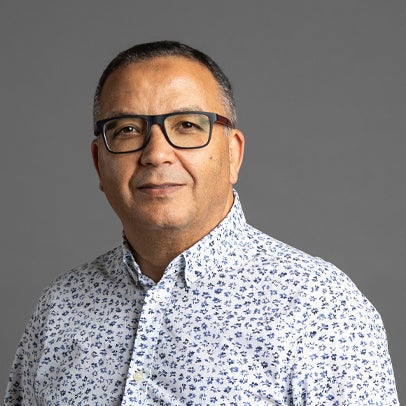
Dr. Mahmoud Naas
Research Grant Manager
Phone
66 980 238Office location
Office # 1360 Segment 6, Building 2 HBKU Research Complex
Dr. Mahmoud Naas
Research Grant Manager
Educational Qualifications
PhD
MSc
Entity
Qatar Biomedical Research Institute
Division
Management
Biography
Mahmoud Naas has been in the medical research field and academia for more than 30 years. .
He was previously an associate professor at Qatar University’sCollege of Health Sciences, where he developed and delivered a variety of courses.
As a scientist, Professor Naas’ research activity is an integral part of his academic role; his research has generated several peer reviewed publications, as well as poster presentations at national and international conferences.
PhD
Reading - United Kingdom
1992
MSc
Reading - United Kingdom
1986
BSc
The Higher Institute of Technology, Brack - Libya
1983
- The development of new method for Haemoglobinopathy Screening –all single
- Non-invasive early pregnancy screening for maternal and fetal wellbeing
- such as Preeclampsia
- Ectopic Pregnancy
- Gestational Diabetes and Fetal Aneuploidy T21 Down Syndrome.
- Cancer-Early diagnosis and monitoring.
Associate Professor
Community College Qatar (CCQ), Doha - Qatar
2018 - 2019
Project Manager
Map Sciences Ltd, Bedford - United Kingdom
2016 - 2018
Associate Professor
Qatar University, Doha - Qatar
2013 - 2016
Senior Lecturer
Middlesex University, London _ United Kingdom
2004 - 2013
Tissue Bank Manager
Queen Mary University, London – UK
2001 - 2004
Future Laboratory Medicine: Rapid, Efficient and Affordable Screening for Haemoglobinopathies by MALDI-ToF Mass Spectrometry. Adv Biochem Biotehcnol (in press)
Novel insights into the expression of CGB1 & 2 genes by epithelial cancer cell lines secreting ectopic free hCGβ. Anticancer Research 34:2239-2248
No evidence for the involvement of XMRV or MCV in the pathogenesis of breast cancer British Journal of Cancer 106:1166 – 1170
Human Papilloma Viruses Infections in Sporadic Benign Prostatic Hyperplasia and Prostate Cancer Journal of Pathology 226: S14-
GLI1 induces a basal-like phenotype that confers androgen independence upon LNCaP prostate cancer cells. PLoS One. ;6 (5)
Association between Large-scale Genomic Homozygosity without Chromosomal Loss and Nonseminomatous Germ Cell Tumor Development. Cancer Res 65: 9137-9141
- 1997; Research Fellowship; Joint Research Board, St Bartholomew’s Hospital; London – United Kingdom

Dr. Anupriya Madhukumar Geethakumari
Posdoc
Dr. Anupriya Madhukumar Geethakumari
Posdoc
Educational Qualifications
PhD in Biotechnology
Master of Philosophy in Biomedical Technology
Entity
College of Health and Life Sciences
Biography
Geethakumari joined the College of Health and Life Sciences (CHLS) as a postdoctoral fellow with Dr. Kabir Biswas in 2020. She completed her master's degree atAmrita Vishwa Vidyapeetham University, India, and a Master of Philosophy degree at Sree Chitra Tirunal Institute for Medical Sciences and Technology, India.
Shethen earned her PhD from Rajiv Gandhi Centre for Biotechnology, where her work focused on identifying the signaling pathways modulated due to dengue virus infection of microvascular endothelial cells.
PhD in Biotechnology
Rajiv Gandhi Centre for Biotechnology, University of Kerala, India
2018
Master of Philosophy in Biomedical Technology
Sree Chitra Tirunal Institute for Medical Sciences and Technology, India
2010
Master of Science in Biotechnology
Amrita Vishwa Vidyapeetham University, India
2009
Bachelor of Science in Biotechnology
University of Kerala, India
2007
- Molecular and Cell Biology
Postdoc
College of Health and Life Sciences, HBKU
2020 - present
Senior Research Fellow
Rajiv Gandhi Centre for Biotechnology, India
2018 - 2019
PhD
Rajiv Gandhi Centre for Biotechnology, India
2011 - 2018
Sphingolipid signaling modulates trans-endothelial cell permeability in dengue virus infected HMEC-1 cells. Prostaglandins Other Lipid Mediat 136, 44-54.
Dengue virus or NS1 protein induces trans-endothelial cell permeability associated with VE-Cadherin and RhoA phosphorylation in HMEC-1 cells preventable by Angiopoietin-1. J Gen Virol. 99(12), 1658-1670.
Comparative whole genome analysis of dengue virus serotype-2 strains differing in trans-endothelial cell leakage induction in vitro. Infect Genet Evol 52, 34-43. (*Equal Contribution)
Complete genome sequencing and evolutionary analysis of dengue virus serotype 1 isolates from an outbreak in Kerala, South India. Virus Genes 45(1), 1-13.
- 2010 - ICMR Fellowship, Indian Council for Medical Research, India
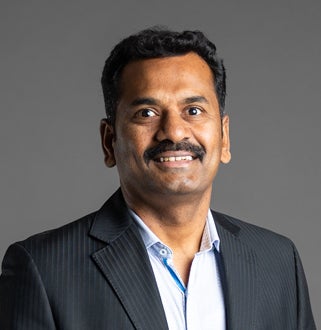
Dr. Ramesh Elango
Postdoctoral Researcher
Dr. Ramesh Elango
Postdoctoral Researcher
Educational Qualifications
PhD in Biochemistry
MSc in Biochemistry
Entity
Qatar Biomedical Research Institute
Division
Translational Oncology Research Center
Biography
Dr. Ramesh Elango is a Postdoctoral Researcher at Qatar Biomedical Research Institute’s Translational Oncology Research Center. He earned his PhD from Bharathidasan University, India, where he researched the anti-atherogenic effects of epigallocatechin gallate from green tea. His work demonstrated that EGCG protects against oxidative damage, reduces inflammation, and regulates key genes involved in cholesterol metabolism. Dr. Ramesh Elango is an expert in advanced techniques such as CRISPR/Cas9-based functional genomics, RNA sequencing, and the profiling of microRNAs and long noncoding RNAs (lncRNAs).
He later completed postdoctoral studies at King Saud University, Saudi Arabia, where his work led to the discovery of a miRNA-based molecular signature associated with lymph node metastasis in breast cancer. His research focuses on pioneering cancer therapies and identifying novel molecular biomarkers. With over a decade of experience in cancer research, his contributions have been pivotal in identifying therapeutic targets in aggressive cancer subtypes, particularly triple-negative breast cancer (TNBC). He emphasizes the translation of molecular discoveries into clinical applications. Dr. Elango has published over 30 peer-reviewed research articles and book chapters, contributing significantly to the field of oncology.
PhD in Biochemistry
Bharathidasan University, India
2009
MSc in Biochemistry
Periyar University, India
2003
BSc in Biochemistry
Periyar University, India
2001
- Exploring molecular signatures for predicting pathological complete response to Neoadjuvant therapy in breast cancer
- Utilizing transcriptomic profiling for insights into breast cancer diagnosis
- prognosis
- and therapeutic approaches
- Applying CRISPR-Cas9 genomic screens to uncover novel therapeutic vulnerabilities and mechanisms of chemotherapy resistance in breast cancer
- Investigating miRNA and lncRNA signatures in triple-negative breast cancer (TNBC) for understanding treatment resistance and tumorigenicity
Postdoctoral Researcher
Qatar Biomedical Research Institute, Hamad Bin Khalifa University
2019 - Present
Assistant Research Professor
Stem Cell Unit, King Saud University, Saudi Arabia
2016 - 2019
Biotechnology Application Specialist
Asila-Riyadh Company, Saudi Arabia
2012 - 2016
Postdoctoral Researcher
Food Science and Nutrition, King Saud University, Saudi Arabia
2009 - 2012
Elango, R., Vishnubalaji, R., Rashid, S., Al-Sarraf, R., Akhtar, M., Ouararhni, K., & Alajez, N. M. (2024). Long noncoding RNA profiling unveils LINC00960 as an unfavorable prognostic biomarker promoting triple-negative breast cancer progression. Cell Death Discovery, 10(1), 333.
Elango, R., Rashid, S., Vishnubalaji, R., Al-Sarraf, R., Akhtar, M., Ouararhni, K., Decock, J., Albagha, O. M. E., & Alajez, N. M. (2023). Transcriptome profiling and network enrichment analyses identify subtype-specific therapeutic gene targets for breast cancer and their microRNA regulatory networks. Cell Death & Disease, 14(1), 415.
Elango, R., Vishnubalaji, R., Shaath, H., & Alajez, N. M. (2021). Transcriptional alterations of protein-coding and noncoding RNAs in triple-negative breast cancer in response to DNA methyltransferases inhibition. Cancer Cell International.
Elango, R., Vishnubalaji, R., Shaath, H., & Alajez, N. M. (2021). Molecular subtyping and functional validation of TTK, TPX2, UBE2C, and LRP8 in sensitivity of TNBC to paclitaxel. Molecular Therapy - Methods & Clinical Development, 20, 601–614.
Elango, R., Alsaleh, K. A., Vishnubalaji, R., Manikandan, M., Ali, A. M., Abd El-Aziz, N., Altheyab, A., Al-Rikabi, A., Alfayez, M., Aldahmash, A., & Alajez, N. M. (2020). MicroRNA expression profiling on paired primary and lymph node metastatic breast cancer revealed a distinct microRNA profile associated with LNM. Frontiers in Oncology.
Suad Al-Dosari
Research Quality Assurance Manager
Phone
44 546 072Office location
Research Complex ,B2, Level 1,Ofiice no 1475
Suad Al-Dosari
Research Quality Assurance Manager
Educational Qualifications
B.Sc. degree in Medical Technology
Entity
Qatar Biomedical Research Institute
Division
Management
Biography
Suad Salem Al-Dosari obtained her Bachelor of Science in Medical Technology from Petra University in Amman, Jordan. She began her career at Hamad Medical Corporation in 2000, as a senior lab technologist at the Blood Bank. In 2014, she joined QBRI as Senior Research Associate with the Compliance Office. With 19 years of experience in both technical laboratory work and compliance work, she is currently a Quality Assurance Manager at QBRI.
B.Sc. degree in Medical Technology
Petra University in Amman-Jordan
2000
Senior Laboratories Technologist HMC
July 2000 - Sep 2009
Reserach Associate
Shafallah Medical Genetics Center
2010 - 2014
Senior Reserach associate
April 2014 - July2019
Qaulity Assurance Manager
Aug 2019 - Present