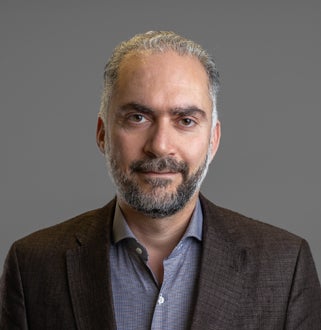
Dr. Mutaz Alkhatib
Program Director and Associate Professor of Methodology and Ethics
Dr. Mutaz Alkhatib
Program Director and Associate Professor of Methodology and Ethics
Educational Qualifications
PhD in Islamic Studies
MA in Islamic Studies
Entity
College of Islamic Studies
Division
Research Center for Islamic Legislation and Ethics (CILE)
Applied Islamic Ethics
Biography
Dr. Mutaz al-Khatib is currently Associate Professor of Methodology and Ethics at the Research Center for Islamic Legislation and Ethics (CILE), as well as the first-of-its-kind MA program in Applied Islamic Ethics at the College of Islamic Studies at Hamad Bin Khalifa University. He is a founding member of the Journal of Islamic Ethics and the Studies in Islamic Ethics book series, where he also serves as editor-in-chief of the latter. He holds a BA in Islamic Studies from Damascus (1997) and in Arabic Literature from Al-Azhar University.
Al-Khatib was a founding member of al-Multaqā al-Fikrī li-l Ibdā’ (Intellectual Forum for Innovation, 1999), and the anchor of “Al Sharia wa-l Ḥayāt” program on Al Jazeera Channel (2004 -2013). He was also the Editor-in-Chief of the "Islam and Contemporary Affairs" section on IslamOnline.net (2003-2008).
He was a visiting fellow at ZMO in Berlin (2006) and a visiting scholar at the Forum Transregionale Studien, Berlin (2012-2013), as well as a Visiting Lecturer at the American University of Beirut, the Islamic University of Beirut, and Qatar University. He has presented lectures at various reputable academic institutions, including University of Oxford, University of Cambridge, Princeton University, University of Florida, University of California, University of Tübingen, Ludwig-Maximilians-Universität München, and Lund University.
He is a reviewer for a number of journals and has authored and edited several books and over 40 academic articles on Ḥadīth criticism, Islamic Ethics, Islamic intellectual history, Maqāṣid (the higher objectives of Sharia), and Islamic Law. He has also published extensively in Arabic-language newspapers and magazines.
PhD in Islamic Studies
Omdurman Islamic University, Sudan
2009
MA in Islamic Studies
Omdurman Islamic University, Sudan
2002
BA in Arabic Literature
Al-Azhar University, Egypt
1998
BA in Islamic Studies
Omdurman Islamic University, Sudan
1997
- Islamic ethics
- Ḥadīth criticism
- Islamic jurisprudence
- Islamic intellectual history
- The higher objectives of Shari'a
Program Director of MA program in Applied Islamic Ethics
College of Islamic Studies, Hamad Bin Khalifa University
2020 – Present
Associate Professor of Methodology and Ethics
College of Islamic Studies, Hamad Bin Khalifa University
2020 – Present
Assistant Professor of Methodology and Ethics
College of Islamic Studies, Hamad Bin Khalifa University
2014 – 2020
Visiting Fellow
Zentrum Moderner Orient, Berlin
2006 - 2006
Visiting Lecturer
Philosophy, American University of Beirut
2018 – 2019
Visiting Fellow
Europe in the Middle East; the Middle East in Europe (EUME), Forum Transregionale Studien, Berlin
2012 – 2013
Visiting Lecturer
College of Sharia, Qatar University
2010 – 2011
Visiting Lecturer
Islamic Studies, Islamic University of Beirut
2010 – 2010
Senior Producer, Religious & Intellectual Programs
Al Jazeera Network, Qatar
2005 – 2013
al-Khatib, M. (Ed.). (2024). Key classical works on Islamic ethics. Leiden: Brill.
Al-Khatib, M. (2017). Al-ʿunf al-mustabāḥ: Al-sharīʿa fī muwājahat al-umma wa-l-dawla (Violence made permissible: ‘Sharia’ versus the people and the state). Cairo: Dār al-Mashriq.
Al-Khatib, M. (2011). Radd al-ḥadīth min jihat al-matn: Dirāsa fī manāhij al-muḥaddithīn wa-l-uṣūliyyīn (Matn criticism: A study of the methods of traditionists and jurists). Beirut: Arab Network for Studies and Publishing.
Complete Publication Listing(s): HBKU Academia
- Principal Investigator: “Indigenizing Genomics in the Gulf Region (IGGR): The Missing Islamic Bioethical Discourse,” Qatar National Research Fund (QNRF), NPRP program (2016–2019)
- Principal Investigator: “Islam ChatGPT,” The Qatar Research, Development, and Innovation Council (QRDI).
- Project Co-Lead: “Islamic Media Ethics in the Digital Age: AI-Powered Solutions for Combating Misinformation and Promoting Constructive Cross-Cultural Dialogue,” Signature Research Grant 3rd Cycle, HBKU.

Dr. Joseph Lumbard
Associate Professor of Quranic Studies
Dr. Joseph Lumbard
Associate Professor of Quranic Studies
Educational Qualifications
PhD in Islamic Studies
M.Phil in Religious Studies
Entity
College of Islamic Studies
Program
Master of Arts in Contemporary Islamic Studies
Division
Islamic Studies
Biography
Dr. Joseph Lumbard is Associate Professor of Quranic Studies at CIS. He has previously taught at the American University of Sharjah, Brandeis University, and the American University in Cairo. He also served as Advisor for Interfaith Affairs to the Jordanian Royal Court. He received his PhD in Islamic Studies from Yale University and has studied with scholars in Morocco, Egypt, Yemen, Jordan, and Iran. His scholarship contributes to the fields of Islamic philosophical theology, Sufism, and Quranic studies. He served as author, translator, and general editor for The Study Quran (HarperOne 2015), which has been heralded as one of the most important contributions to Islamic studies in the English language. His current research incorporates aspects of Quranic studies, philosophy, and theology to focus upon the development of epistemologies in Islam.
PhD in Islamic Studies
Yale University
2003
M.Phil in Religious Studies
Yale University
2001
MA in Religious Studies
George Washington University
1995
BA in English Literature and Religious Studies
George Washington University
1993
- Qur'anic studies
- Islamic philosophy
- Sufism
- Decolonial and postcolonial studies
- Islam and the environment
Associate Professor of Quranic Studies
College of Islamic Studies, Hamad Bin Khalifa University
2018 – Present
Associate Professor
Department of Arabic and Translation Studies, American University of Sharjah
2015 – 2018
Chair of Islamic and Middle Eastern Studies
Brandeis University, Waltham, MA, USA
2007 – 2015
Assistant Professor
Classical Islam, Near Eastern and Judaic Studies Department, Brandeis University, Waltham, MA, USA
2006 – 2015
Advisor for Interfaith Affairs
The Royal Hashemite Court of Jordan, Jordan
2005 – 2006
Arabic Literature Unit Head
American University of Cairo, Egypt
2004 – 2005
Assistant Professor of Arab and Islamic Studies
American University of Cairo, Egypt
2003 – 2005
Lumbard, J.E.B. (2024). Islam and the challenge of epistemic sovereignty. Religions, 15(4), 406.
Lumbard, J.E.B. (2022). Decolonizing Qurʾanic studies. Religions, 13(2), 176.
Nasr, S.H., Dagli, C.K., Dakake, M.M., Lumbard, J.E.B. & Rustom, M. (2017). The Study Quran: A new translation and commentary. HarperCollins Publishers.
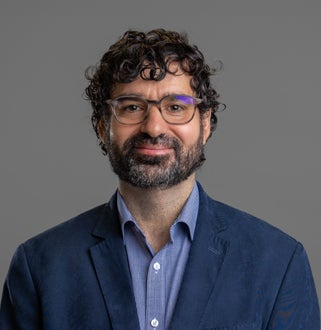
Dr. Alexandre Caeiro
Program Director and Associate Professor of Islamic Studies
Dr. Alexandre Caeiro
Program Director and Associate Professor of Islamic Studies
Educational Qualifications
PhD in Religious Studies (Cum Laude)
MA in Sociology (Diploma in Advanced Studies; with Honors)
Entity
College of Islamic Studies
Program
Master of Arts in Contemporary Islamic Studies
Division
Islamic Studies
Biography
Dr. Alexandre Caeiro is an Associate Professor at CIS. He was trained in sociology and in Islamic studies in France, the Netherlands, and Egypt. His research deals broadly with the transformations of Islamic law in modern contexts. He is currently working on the legal history of Gulf sheikhdoms, focusing on the interaction between emirs, shari’a judges, merchants, and British agents in the context of the development of an oil economy and modern state institutions.
PhD in Religious Studies (Cum Laude)
Utrecht University
2011
MA in Sociology (Diploma in Advanced Studies; with Honors)
École des Hautes Études en Sciences Sociales (EHESS), Paris
2002
BA in Economics and Sociology (Two Subject Moderatorship; with Honors)
Trinity College Dublin, University of Dublin
2001
- Modern history of Islamic law
- Law and society in the Gulf
- Religious authority and media technology
- Muslim minorities in the West
- Islamic family law
Program Director of MA and Graduate Certificate of Islamic Studies
College of Islamic Studies, Hamad Bin Khalifa University
2023 – Present
Associate Professor of Islamic Studies
College of Islamic Studies, Hamad Bin Khalifa University
2019 – Present
Assistant Professor of Islamic Studies
College of Islamic Studies, Hamad Bin Khalifa University
2012 – 2019
Research Fellow
Erlangen Centre for Islam & Law in Europe (EZIRE), Friedrich–Alexander University (FAU) Erlangen–Nürnberg, Germany
2009 – 2012
Junior Research Fellow
International Institute for the Study of Islam in the Modern World (ISIM), University of Leiden
2004 – 2008
Junior Research Fellow
Centre National de la Recherche Scientifique (CNRS), France
2003 – 2004
Complete Publication Listing(s): Academia
- Visiting Fellow, Program on Law and Society in the Muslim World, Harvard Law School (Spring 2022).
- Visiting Research Fellow, Berlin Graduate School Muslim Cultures and Societies (BGSMCS), Freie Universität, Berlin (Summer 2012)
- QNRF-OSRA Grant for Project “An empirical study of the marriage and divorce experiences of women in Qatar” (49,560 US$) (with Dr. Rajnaara Akhtar) (2020-2024)
- QNRF-CWSP Grant for Workshop on “Science Education in the Muslim World: The Gulf in Comparative Perspective” (25,000 US$) (organized in collaboration with the McGill Center for Islam and Science) (2017)
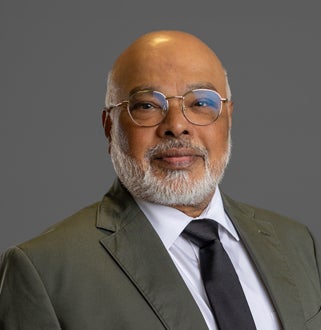
Prof. Dheen Mohamed M Meerasahibu
Program Director and Professor of Comparative Religion and Contemporary Quranic Studies
Prof. Dheen Mohamed M Meerasahibu
Program Director and Professor of Comparative Religion and Contemporary Quranic Studies
Educational Qualifications
PhD in Theology and Philosophy
MA in Theology and Philosophy
Entity
College of Islamic Studies
Program
PhD in Islamic Studies
Division
Muhammad Bin Hamad Al Thani Center for Muslim Contribution to Civilization (CMCC)
Islamic Studies
Biography
Dr. Dheen Mohamed is Program Director of the PhD program in Islamic Studies and Professor of Comparative Religion and Contemporary Quranic Studies at the College of Islamic Studies (CIS), Hamad Bin Khalifa University (HBKU). He earned his BA (Hons.), MA, and PhD in Theology and Philosophy from al‑Azhar University. Before joining HBKU in 2013, he served as Professor and Associate Dean for Academic Affairs at Qatar University (QU) and held senior academic roles as Dean, HoD, and Director of Academics at the International Islamic University, Islamabad (IIUI). His teaching and research span comparative religion, Sufism (taṣawwuf), contemporary Qur’anic studies, Islamic philosophy, and Islamic thought. Recent publications include the chapter “Introduction to Islam” in Contemporary Islamic Perspectives in Public Health (Cambridge University Press, 2025), and peer‑reviewed articles in Afkar (2024) and the Journal of Islamic Thought and Civilization (2024). He has supervised more than 35 graduate theses and contributed to curriculum design at IIUI, QU, and HBKU. At CIS, he works at Muhammad Bin Hamad Al Thani Center for Muslim Contribution to Civilization (CMCC) and contributes to the Digital Sīrah Initiative.
PhD in Theology and Philosophy
Al-Azhar University
1988
MA in Theology and Philosophy
Al-Azhar University
1982
BA (Hons.) in Theology and Philosophy
Al-Azhar University
1978
Maulavi (Aalim)
Eastern Arabic College, Addalachenai, Sri Lanka
1973
- Comparative religion
- Sufism and comparative mysticism
- Contemporary Qur’anic studies
- Islamic philosophy (religion modernity engagements)
- Comparative theology
Program Director of PhD in Islamic Studies
College of Islamic Studies, Hamad Bin Khalifa University
2024 – Present
Professor of Comparative Religion
Muhammad Bin Hamad Al Thani Center for Muslim Contribution to Civilization (CMCC), CIS, HBKU
2013 – Present
Professor of Comparative Religion, Head, Department of Dawa and Islamic Culture
College of Shariah and Islamic Studies, Qatar University
2009 – 2013
Associate Dean for Academic Affairs
College of Sharia and Islamic Studies, Qatar University
2007 – 2013
Associate Professor
Department of Dawa and Islamic Culture, College of Shariah and Islamic Studies, Qatar University
2004 – 2009
Head of Department of Dawah and Islamic Culture
College of Sharia and Islamic Studies, Qatar University
2004 – 2007
Dean FUD and Associate Professor
Department of Comparative Religion, Faculty of Usuluddin (FUD), International Islamic University Islamabad (IIUI)
2002 – 2004
Director of Academic Affairs
International Islamic University Islamabad (IIUI)
2001 – 2003
Dean of Students Affairs
International Islamic University Islamabad (IIUI)
2001 – 2002
Assistant Professor
Department of Comparative Religion, Faculty of Usuluddin (Islamic Studies), International Islamic University Islamabad (IIUI)
1990 – 2001
Lecturer
Islamic Research Academy, Al-Azhar University, Egypt
1989 – 1990
Lecturer
Department of Cultural Studies, Eastern University, Sri Lanka
1988 – 1989
Teacher
Government Secondary School, Sri Lanka
1974 – 1976
Meerasahibu, D. M. M. (2025). Al-Ḥadāthiyyah wa-taḥaddiyātuhā fī al-tafsīr al-Qurʾānī wa-dawr al-Azhar fī muwājahatihā 2 vols. (pp. 480). Cairo: Islamic Research Academy, al-Azhar University.
دين محمد. (2024). "الإيمان والعبادة بين الوحدة الفطرية والتعددية التصويرية: رؤية أكبرية" مجلة الدراسات الإسلامية، مجمع البحوث الإسلامية، الجامعة الإسلامية العالمية بإسلام آباد، باكستان، يوليو 2024.
Rowaida Taha
Senior Research Associate
Entity
Qatar Biomedical Research Institute
Division
Neurological Disorders Research Center
Biography
Ms. Rowaida Ziad Taha earned her Bachelor’s degree in Genetic Engineering and Biotechnology from Jordan University of Science and Technology, College of Science (JUST). In 2008, she joined Weill Cornell Medical College, Doha, Qatar, as a Research Technician. Her work was mainly on projects related to stem cell and cancer biology research, those which included a variety of molecular and cellular biology techniques. In 2010, she worked at Shafallah Medical Genetics Center (SMGC) as a Research Assistant focusing on delineating the spectrum and distribution of Family Mediterranean Fever (FMF) among Arab patients and on mutation identification for MEFV, to assist research into the genotype-phenotype correlation of these patients. In 2014, Ms. Taha joined QBRI as a Research Associate. She has mainly contributed to several variation verifications and sequencing validation for genes pertaining to Autism Spectrum Disorders.
Family-Based Genome-Wide Association Study of Autism Spectrum Disorder in Middle Eastern Families. Genes (Basel). 2021 May 18;12(5):761. doi: 10.3390/genes12050761.
Transcriptome of Tumor-Infiltrating T Cells in Colorectal Cancer Patients Uncovered a Unique Gene Signature in CD4+ T Cells Associated with Poor Disease-Specific Survival. Vaccines (Basel). 2021 Apr 1;9(4):334. doi: 10.3390/vaccines9040334.
Differential gene expression of tumor-infiltrating CD33+ myeloid cells in advanced- versus early-stage colorectal cancer. Cancer Immunol Immunother. 2021 Mar;70(3):803-815. doi: 10.1007/s00262-020-02727-0.
T-cell responses and therapies against SARS-CoV-2 infection. Immunology. 2021 Jan;162(1):30-43. doi: 10.1111/imm.13262.
Expression of immune checkpoints and T cell exhaustion markers in early and advanced stages of colorectal cancer. Cancer Immunol Immunother. 2020 Oct;69(10):1989-1999. doi: 10.1007/s00262-020-02593-w.
Differential gene expression of tumor-infiltrating CD4+ T cells in advanced versus early stage colorectal cancer and identification of a gene signature of poor prognosis. Oncoimmunology. 2020 Sep 30;9(1):1825178. doi: 10.1080/2162402X.2020.1825178
Transcriptomic Profiling of Circulating HLA-DR- Myeloid Cells, Compared with HLA-DR+ Myeloid Antigen-presenting Cells. Immunol Invest. 2020 Jul 29:1-12. doi: 10.1080/08820139.2020.1795875
Differential gene expression of tumor-infiltrating CD33+ myeloid cells in advanced- versus early-stage colorectal cancer. Cancer Immunol Immunother. 2021 Mar;70(3):803-815. doi: 10.1007/s00262-020-02727-0.
PD-L1 Blockade by Atezolizumab Downregulates Signaling Pathways Associated with Tumor Growth, Metastasis, and Hypoxia in Human Triple Negative Breast Cancer. Cancers (Basel). 2019 Jul 25;11(8):1050. doi: 10.3390/cancers11081050.
Epigenetic modifications in the immune checkpoint genes PD-1, CTLA-4, TIM-3, LAG-3, PD-L1 and TIGIT in human breast tumor tissues (Submitted).
Multiplex epithelium dysfunction due to CLDN10 mutation: the HELIX syndrome. Genet Med. 2018 Feb;20(2):190-201.
Clin Case Rep. 2017 May 12;5(6):1013-1017.
Overlap of familial Mediterranean fever and hyper-IgD syndrome in an Arabic kindred. Journal of Clinical Immunology.;35(3):249-53.
Distal trisomy 10q syndrome, report of a patient with duplicated q24.31 - qter, autism spectrum disorder and unusual features. Clin Case Rep.; 2(5):201-5
The entire list of publications can be viewed here: https://www.ncbi.nlm.nih.gov/pubmed/?term=Taha%20RZ
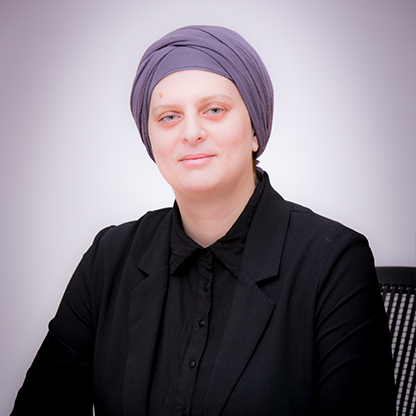
Wesal Habbab
Senior Research Associate
Educational Qualifications
Doctor of Business Administration (DBA)
M.Sc Diagnostic Molecular Biology and Human Genetics
Entity
Qatar Biomedical Research Institute
Division
Neurological Disorders Research Center
Biography
Dr. Wesal holds a Bachelor’s in Medical Laboratory Sciences, a Master’s in Diagnostic Molecular Biology and Human Genetics, a Doctorate in Business Administration, and has a rich background in medical research and administration. Formerly a teaching assistant at Jordan University of Science and Technology (JUST), she contributed as a research and laboratory supervisor, specializing in DNA extraction, mutation screening, and forensic gene scanning. Subsequently, she was a senior research associate at the Shafallah Medical Genetics Center, Doha, leading projects in the areas of genetics, Autism, and Exome Sequencing research.
In 2014, Dr. Wesal joined Qatar Biomedical Research Institute (QBRI), focusing on identifying mutations for Intellectual Disability. Currently, her work delves into molecular biology and biomarker identification in Autism. It centers on studying the properties of induced pluripotent stem cells (iPSCs) and CRISPR-CAS9 of people on the Autism spectrum, exploring characteristics of cells differentiated into cortical neurons. Dr. Wesal's extensive expertise contributes significantly to cutting-edge research in neurological disorders.
Doctor of Business Administration (DBA)
International American University
2021 - 2023
M.Sc Diagnostic Molecular Biology and Human Genetics
Jordan University of Science and Technology
2004 - 2008
B.Sc. Medical Laboratory Sciences
Jordan University of Science and Technology
2000 - 2004
- Gene editing; CRISPR-CAS9
- Autism Spectrum Disorder
- Gene scanning
- Whole Exome and Genome analysis
Senior Research Associate
Neurological Disorder Research Center, Qatar Biomedical Research Institute
2014 - Present
Senior Research Associate
Diagnostic and Research Department, Shafallah Medical Genetics Center
2010 - 2011
Lab Supervisor
Princess Haya Biotechnology Center, Jordan University of Science and Technology
2008 - 2010
Research Assistance
Medical College - Physiology, Jordan University of Science and Technology
2007 - 2008
Teaching Assistant
Applied Medical Sciences - Molecular Biology, Jordan University of Science and Technology
2002 - 2003
- 2023; Certification of appreciation for Volunteering - Qatar Foundation
- 2011; SMGC-Certificate of appreciation for contribution during the cap accreditation process
- 2009; Certificate of Appreciation for Poster Presentation - First conference on Arab Women in Science & Technology, UAE
- 2000; Honor diploma for Romanian talent in literature - Romanian Embassy, Jordan
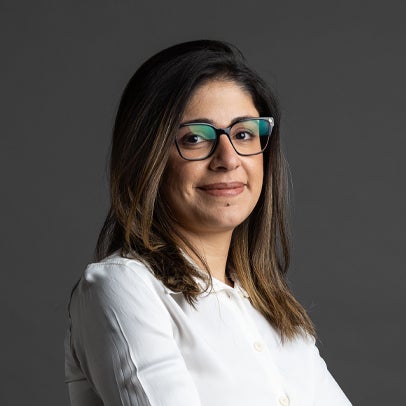
Samia Ltaief
Senior Research Associate
Entity
Qatar Biomedical Research Institute
Division
Neurological Disorders Research Center
Biography
Ms. Samia Ltaief obtained her Master's degree in Research in Life Sciences, specializing in Microbiology and Molecular Epidemiology from Sciences University of Tunis in January 2013. Her project was focused on the adaptation of BHK-21 cells in suspension culture and the study of their capacity for replication of the rabies virus. She carried out her project in the Laboratory of Molecular Microbiology, Biotechnology and Vaccine Development at the Pasteur Institute, Tunisia; she was supervised by Dr. Hella Kallel. Following the completion of her Master's degree, Ms. Ltaief worked as a Senior Lab Technician at a private medical laboratory in Tunisia for one year. She then moved to the XEN Lab of Dermocosmetic products in Tunisia in May 2014 and worked as a Quality Manager for one year. In February 2018, she joined National Center for Cancer Care and Research (NCCCR) in HMC in Qatar as a trainee, learning various immunological techniques.
Currenlty Ms. Ltaief works in QBRI as a senior research associate. Her research interest is focused on studying the role of the immune system among those with autism spectrum disorder and its correlation with neuronal phenotypes under the supervision of Dr. Abeer Al-Shammari.
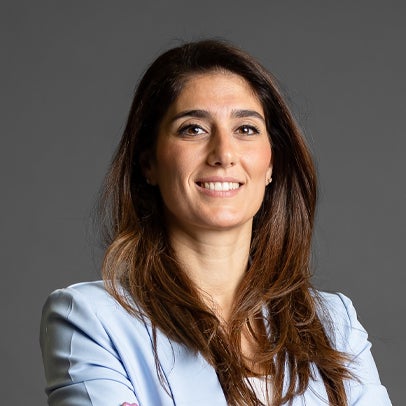
Neyla Al Akl
Senior Research Associate
Entity
Qatar Biomedical Research Institute
Division
Diabetes Research Center
Biography
Mrs. Neyla Al Akl received her Bachelor’s degree in Medical Laboratory Technology from the Balamand University, Lebanon and pursued her Master’s in Immunology and Microbiology from the American University of Beirut, Lebanon. She worked as an assistant embryologist at EVE Fertility Center in Beirut and after obtaining her MS degree she joined the department of Experimental pathology, Immunology and Microbiology at the American University of Beirut as a Research Assistant. During her 7 years of laboratory research work she was involved in several projects related to the effect of bovine cartilage, antibiotics and Coley’s mixed bacterial toxin on tumor growth, in addition to defining the mechanism of action of certain vaccine adjuvants.
Mrs Neyla joined QBRI in 2018 and is part of Dr. Arredouani's team. She provides technical and administrative support to all members of the team and is also involved in a research project that focuses on the association between the salivary alpha- amylase and metabolic disorders in the Qatari population.
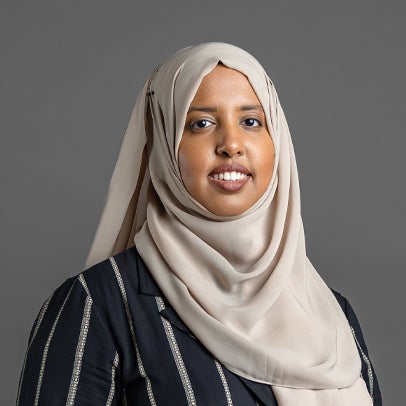
Ilham Yahya Abdi
Research Assistant
Entity
Qatar Biomedical Research Institute
Division
Neurological Disorders Research Center
Biography
Ilham Yahya Abdi studied at the University of Westminster in London, U.K, where she completed her B.S.c in Biomedical Sciences in 2014, and her M.Sc. in Medical Molecular Sciences in 2015. For her M.Sc. research project, she studied the ‘Regulatory effects of estrogen on microglia function and behavior’. After her studies, Ilham completed a 3-month rotational training program at Hamad Medical Corporation (HMC) Pathology laboratories in Doha, in January 2018. She then continued her training at HMC were she was involved in a voluntary research internship at the Interim Translational Research Institute (iTRI) that she completed in April 2018. There she worked on various projects involving epidermal inflammation and the effects of various therapeutic agents on cutaneous inflammation under the supervision of Dr. Joerg Buddenkote.
Ilham joined QBRI in July 2018 as a Research Assistant in Dr. Omar El Agnaf’s team. Her research interests lie in the field of neurological disorders, in particular, Alzheimer’s and Parkinson’s disease, and developing diagnostic tools for them. Her current research project is developing immunoassays and discovering novel biomarkers for Parkinson’s disease and related disorders.
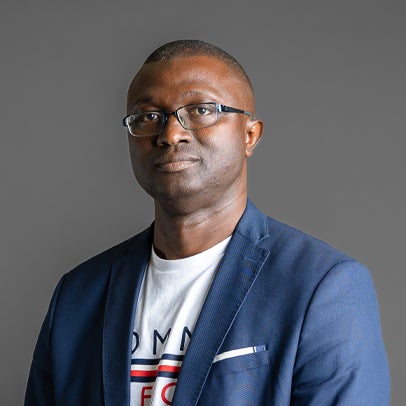
Dr. Abdoulaye Diané
Postdoctoral Researcher
Entity
Qatar Biomedical Research Institute
Division
Diabetes Research Center
Biography
Dr. Diane received his Master’s degree in Nutrition and Dietetics from Université Cheikh Anta Diop de Dakar, Senegal. He completed his PhD in Human Nutrition at AgroParisTech Institute, Paris (France). After completion of his doctoral degree in 2006, Dr. Diané was awarded a Postdoctoral Research Training Fellowship in Obesity/Healthy Body Weight Program from CIHR with an opportunity to work at the the Lipid Research Centre at Laval University in Quebec, Canada; here he worked on cardiovascular complications of diabetes from 2007-2008.
In November 2008, he joined the Metabolic and Cardiovascular Diseases Laboratory at the University of Alberta, Edmonton, Canada as a Postdoctoral Researcher/Research Associate & Teaching Assistant for 8 years. He worked on many research projects investigating the impact of nutrition and pharmacotherapies on cardiometabolic risk in animal models of Polycystic Ovary Syndrome, metabolic syndrome, diabetes and cardiovascular diseases.
In 2014, he briefly joined (9 months) the Northern Medical Program, University of Northern British Columbia, Canada as a Postdoctoral Research Associate investigating the physiological and molecular mechanisms of the Pituitary Adenylate Cylase-Activating Polypeptide (PACAP) involved in adaptive thermogenesis.
In August 2017, he joined Dr. Dehbi’s group as a Postdoctoral Researcher in the Diabetes Research Center of QBRI working on many projects related to the role of heat shock proteins, in the pathophysiology of insulin resistance and type 2 diabetes.
Dr. Diané has extensive experience in pre-clinical animal models of chronic metabolic diseases. He will help in the setup of functional vivarium at QBRI, developing animal models of metabolic diseases.
Differential effects on intestinal adaptation following exogenous glucagon-like peptide-2 therapy with and without enteral nutrition in neonatal short bowel syndrome. J. Parenter Enteral Nutr. 2017 Sep 22. pii: 0148607116665812.
Insights From The JCR:La-Cp Corpulent Rat Strain. Frontiers in Nutrition (section Clinical Nutrition); Oct. 2016 doi: 10.3389/fnut.2016.00044
Hypolipidemic and cardioprotective benefits of native Canadian hawthorn extract in the JCR:LA- cp rodent model of dyslipidemia and cardiac dysfunction. Food & Function. 2016, DOI: 10.1039/c6fo01023g.
Beef fat enriched with polyunsaturated fatty acid biohydrogenation products improves insulin sensitivity without altering dyslipidemia in insulin resistant JCR:LA-cp rats. Lipids 2016, DOI: 10.1007/s11745-016-4148-7.
PACAP is essential for the Adaptive Thermogenic Response of Brown Adipose Tissue to Cold Exposure. J Endocrinol. 2014; 222:327-39. PMID: 25056115.
For more publications: https://www.ncbi.nlm.nih.gov/pubmed/?term=Diane+Abdoulaye