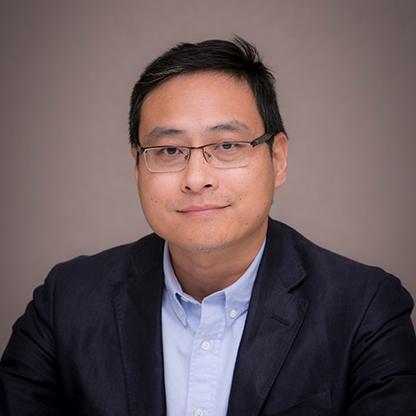
Dr. Zhaoyang Liu
Senior Scientist
Dr. Zhaoyang Liu
Senior Scientist
Educational Qualifications
PhD
Entity
Qatar Environment and Energy Research Institute
Division
Water Center
Biography
Dr. Zhaoyang Liu is a Senior Scientist at Qatar Environment and Energy Research Institute's (QEERI) Water Center. He specializes in advancing water treatment technologies, with a number of his research outcomes published in top journals like Energy & Environmental Science, and Advanced Materials, and featured in Nature. Dr. Liu has an h-index of 45 on Google Scholar (Jan. 2023). Leading projects at QEERI, he focuses on addressing local challenges from the perspective of the Water-Energy-Food nexus. His team has developed pilot-scale water treatment prototypes. He is the holder of multiple patents (PCT, US, EU), one of which has been licensed to a commercial company in Singapore. He serves on the editorial boards for the journals of Desalination and Scientific Reports. Dr. Liu's experience extends to mentoring PhD candidates at HBKU.
PhD
Dalian University of Technology, China
2005
- Advancing processes and materials for seawater desalination and wastewater treatment.
- Tailoring methods for treating oil-contaminated water (marine oil spill and oil/gas produced water).
- Sustainable green hydrogen production utilizing non-potable water sources.
- Developing sustainable irrigation systems for green walls and roofs.
Senior Scientist
Water Center/QEERI, HBKU
2014 - Present
Senior Research Fellow and PhD Student Advisor
School of Civil and Environmental Engineering, Nanyang Technological University, Singapore
2006 - 2014
- 2023, Editorial Board Member of Desalination - a water research journal.
- 2017, Editorial Board Member of Scientific Reports - a Nature journal.
- 2017, QNRF TDF award for technology promotion and demonstration from lab to pilot scale.
- 2016, QNRF NPRP award for water treatment with 2D nanomaterials.
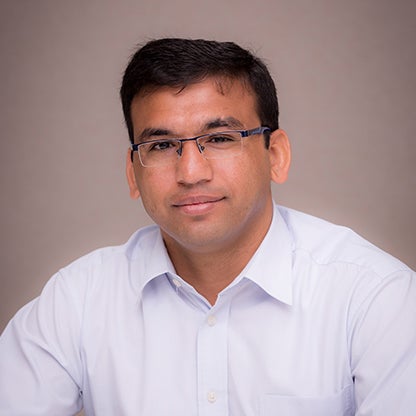
Dr. Kashif Rasool
Scientist
Dr. Kashif Rasool
Scientist
Educational Qualifications
PhD Environmental and Energy Engineering
MS Environmental Engineering & Biotechnology
Entity
Qatar Environment and Energy Research Institute
Biography
Dr. Kashif Rasool is a sustainability and environmental scientist at the Qatar Environment and Energy Research Institute (QEERI). He earned his PhD in Environmental and Energy Engineering from the College of Civil and Environmental Engineering at Kyungpook National University, Korea.
His recent research focuses on the synthesis of novel green nanomaterials for water/wastewater purification and investigating microbial components of particulate matter in Qatar indoor and ambient air and its impact on public health. Dr. Rasool’s research efforts to date have been published in over 45 peer-reviewed articles in leading journals.
He is on review panels of several high-impact journals including ACS Applied Materials and Interfaces, Chemosphere, the Journal of Hazardous Material, the Chemical Engineering Journal, and Bioresource Technology.
PhD Environmental and Energy Engineering
Kyungpook National University; Daegu, Republic of Korea
2014
MS Environmental Engineering & Biotechnology
Myongji University; Yongin; Republic of Korea
2009
BSc Engineering
University of Agriculture; Faisalabad; Pakistan
2006
- Synthesis and application of advanced nanomaterials for environmental remediation
- resource recovery
- disinfection
- antifouling desalination membrane fabrication
- and emerging pollutants removal from wastewater streams
- Biological water/wastewater treatment of industrial
- domestic effluents coupled with bioenergy production. Anaerobic
- Aerobic/Anoxic activated sludge and bioeletrochemcial processes
- Fate
- biotransformation and influence of nanomaterials and emerging contaminants in aquatic environment/wastewater treatment systems
- Bioaersole in indoor and ambient air and its impacts on public health
Scientist
Qatar Environment and Energy Research Institute
April 2019 - Present
Postdoctoral Researcher
Qatar Environment and Energy Research Institute; Hamad Bin Khalifa University; Qatar Foundation; Doha, Qatar
January 2015 - March 2019
Assistant Professor
School of Civil and Environmental Engineering; National University of Science and Technology (NUST); Pakistan.
Sep 2014 - Jan 2015
Graduate Research Assistant
School of Civil and Environmental Engineering; Kyungpook National University; Republic of Korea
Sep 2011 - Augast 2014
Unprecedented environmental and energy impacts and challenges of COVID-19 pandemic Environmental Research 193 (110443)
Water treatment and environmental remediation applications of two-dimensional metal carbides (MXenes) Materials Today, 30 (80-102)
Two-dimensional metal carbide antimicrobial membrane and antimicrobial agent US Patent # 10399041
Green” ZnO-Interlinked Chitosan Nanoparticles for the Efficient Inhibition of Sulfate-Reducing Bacteria in Inject Seawater. ACS Sustainable Chemistry & Engineering 6, 3896–3906
Antibacterial Activity of Ti3C2Tx MXene. ACS Nano, 10, 3674–3684
Efficient Antibacterial Membrane based on Two-Dimensional Ti3C2Tx (MXene) Nanosheets. Nature’s Scientific Reports 7:1598
Exploring the potential of anaerobic sulfate reduction processes in treating sulfonated diazo dye: Microbial community analysis using bar-coded pyrosequencing Journal of Hazardous Materials, 318, 641–649
Effect of ZnO nanoparticles on biodegradation and biotransformation of co-substrate and sulphonated azo dye in anaerobic biological sulfate reduction process. International Biodeterioration and Biodegradation, 109, 150-156
Influence of co-substrate on textile wastewater treatment and microbial community changes in the anaerobic biological sulfate reduction process. Journal of Hazardous Materials, 299, 453–461
Simultaneous organic carbon and nitrogen removal in an anoxic-oxic activated sludge system under various operating conditions. Bioresource Technology. 162, 373-378
Simultaneous removal of COD and Direct Red 80 in a mixed anaerobic sulfate-reducing bacteria culture. Chemical Engineering Journal. 223, 611–616
- Distinguished Young Scholars Award, XIAN Jiaotong University (XJTU, China) (2018)
- Green Talents Award 2017 for High Potentials in Sustainable Development by The German Federal Ministry of Education and Research (BMBF) (2017)
- Chemosphere Excellence in Review Award (2017)
- Best Team Member Award of Water Division, Qatar Environment & Energy Research Institute, Qatar(2015)
- Biographical profile published in Who's Who in the World® (32nd Edition) (2015)
- Kyungpook National University (KNU) Honor Scholarship for Ph.D. studies (2014)
- Myongji International Graduate Scholarship (MIGS) Excellence Student Award, Myongji University, Republic of Korea (2008)
- Myongji International Graduate Scholarship (MIGS) Excellence Student Award, Myongji University, Republic of Korea (2007)
- Fully Funded Scholarship By Higher Education Commission (HEC) of Pakistan, For MS Studies In Republic Of Korea (2007)
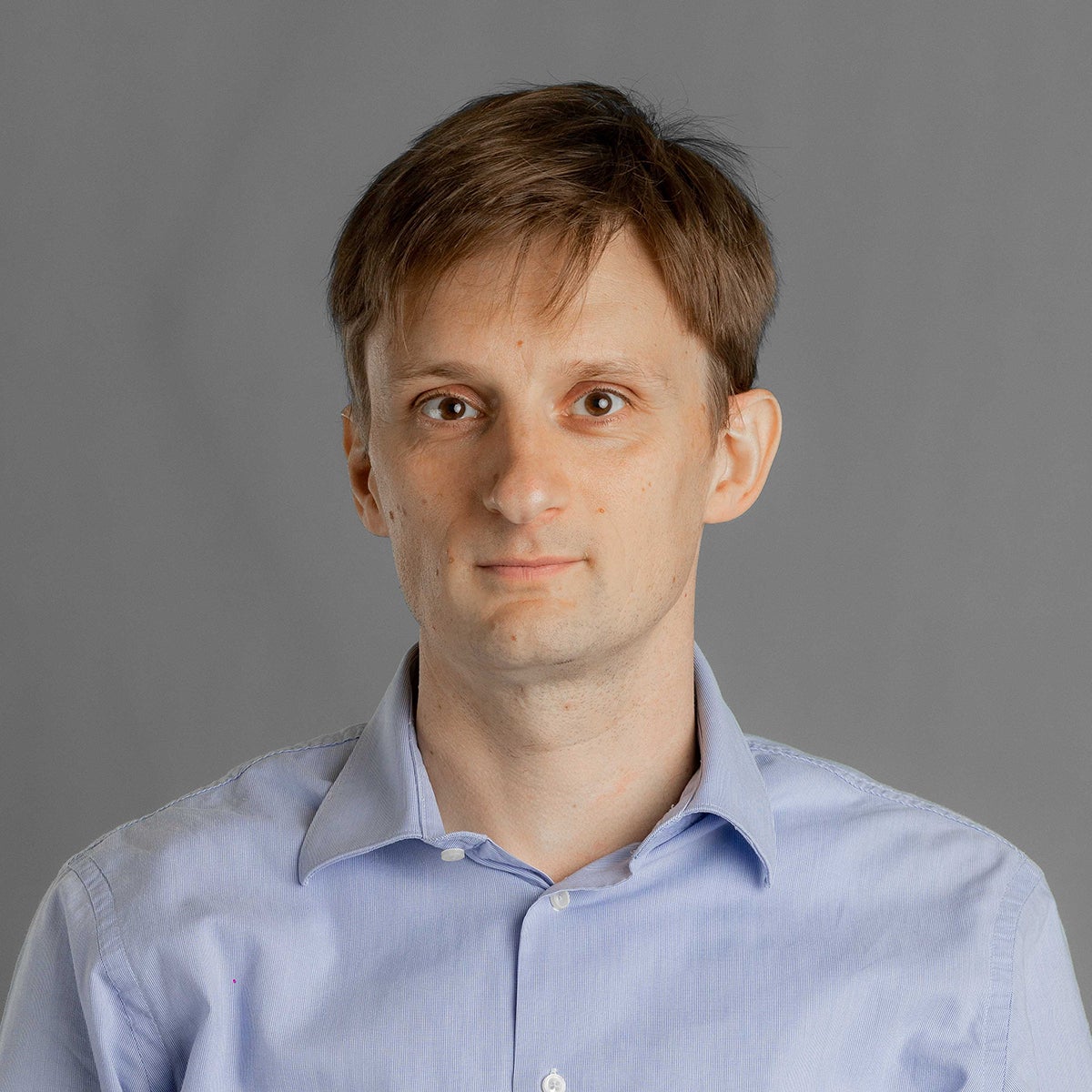
Dr. Ivan Gladich
Scientist
Dr. Ivan Gladich
Scientist
Educational Qualifications
Ph.D. in Environmental and Industrial Fluid Mechanics
Master in Physics
Entity
Qatar Environment and Energy Research Institute
Biography
Ivan Gladich received his master’s in physics from the University of Trieste and, afterwards, he was a post doc at Purdue University, USA, at the Academy of Science of Czech Republic, and at the International School for Advanced Studies, (SISSA), in Italy. He joined the Qatar Environment and Energy Research Institute (QEERI) in 2015.
His main field of expertise is the use of computational physical chemistry tools for the investigation of molecular-level processes occurring at technological and atmospheric relevant interfaces.
Ph.D. in Environmental and Industrial Fluid Mechanics
University of Trieste/International Centre for Theoretical Physics (ICTP), Italy
28 April 2009
Master in Physics
University of Trieste, Italy
26 September 2005
- Design of novel CO2 capture and mineralization pathways for the conversion of carbon dioxide in added-value products/chemicals.
- Computational modelling of XPS spectra for applications in catalysis and (heterogeneous) chemistry
- in general.
- Free energy methods for the computations of thermodynamic and kinetic properties of chemical reactions.
- Heterogeneous physicochemical processes on atmospheric aerosol interfaces by classical and first principle molecular dynamics.
Permanent Scientist
QEERI
June 2015 – Present
Research Assistant
International School for Advanced Studies (SISSA), Trieste, Italy.
January 2013 -- 31 May 2015
Postdoctoral Associate
Academy of Sciences of the Czech Republic, Institute of Organic Chemistry and Biochemistry, Prague, Czech Republic.
24 January 2011 -- 31 December 2012
Dreyfus Postdoctoral Associate
Purdue University, USA
3 January 2009 -- 4 January 2011
“A Novel Surface-Catalyzed Redox Reaction Occurs Spontaneously on Solvating Inorganic Aerosol Surfaces”. Science, Vol. 374. Issue 6568, (2021)
“The Surface Propensity of Aqueous Atmospheric Bromine at the Liquid-Gas Interface”. J. Phys. Chem. Lett., 11, 3422-3429, (2020)
“Tuning the Stereoselectivity and Solvation Selectivity at Interfacial and Bulk Environments by Changing Solvent Polarity: Isomerization of Glyoxal in Different Solvent Environments”, J. Am. Chem. Soc., 140, 5535--5543, (2018)
“A surface-stabilized ozonide triggers bromide oxidation at the aqueous solution-vapor interface.” Nat. Commun., 8, 700, (2017)
Google Scholar Page: https://scholar.google.com/citations?hl=en&user=4WiO-cYAAAAJ&view_op=list_works&sortby=pubdate
- September 2010; American Chemical Society (ACS); Purdue Section Travel Award 2010.
- July 2008; Dreyfus Environmental Chemistry Postdoctoral; Fellowship at Purdue University, IN-USA.
- 31 January 2007; Licio Cernobori Award for degree thesis in applied geophysics; National Institute for experimental Oceanography and Geophysics (OGS), Trieste-ITALY.
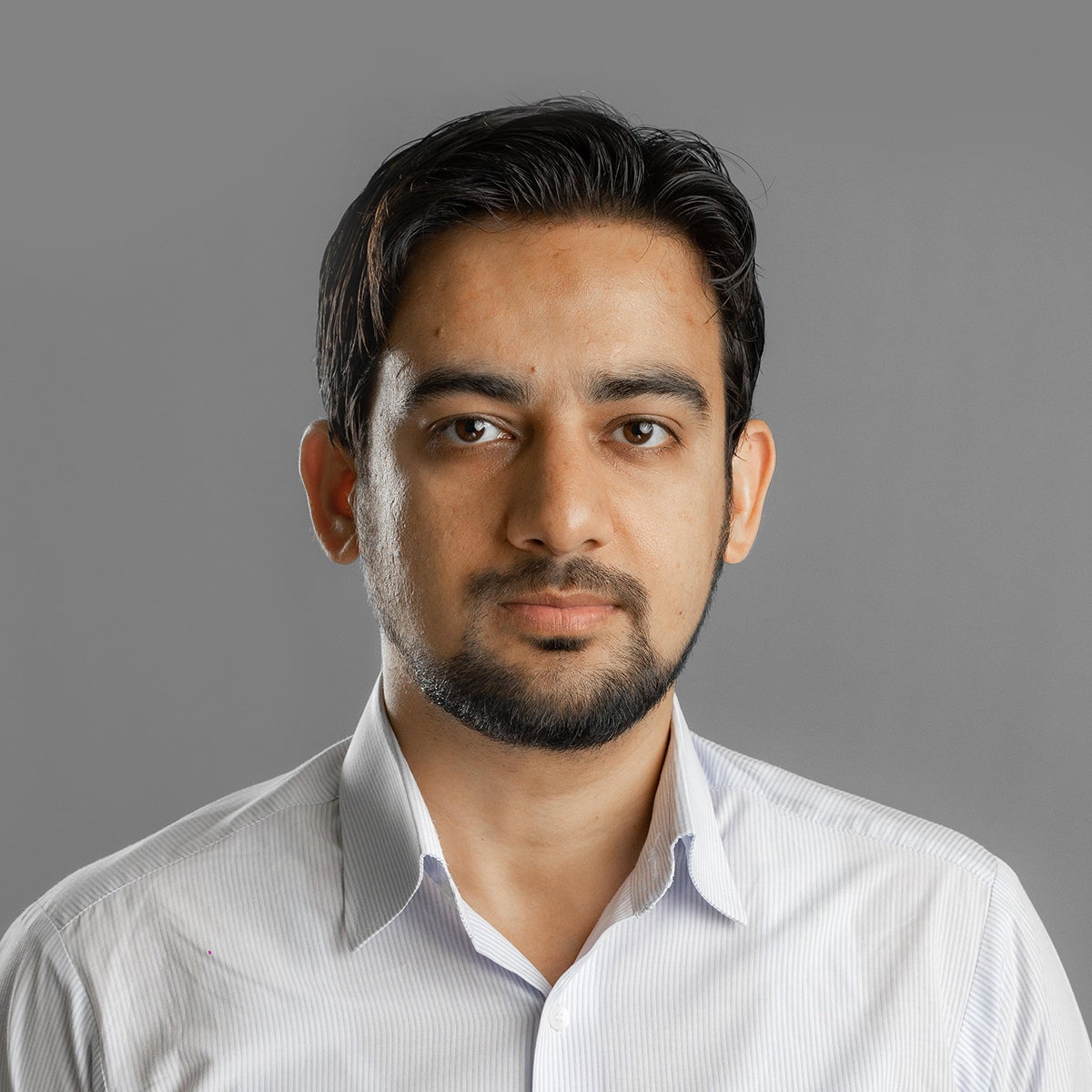
Shahzada Pamir Aly
Research Associate
Shahzada Pamir Aly
Research Associate
Entity
Qatar Environment and Energy Research Institute
Biography
Shahzada Pamir Aly is currently working as a research associate at the Water Center at Qatar Environment and Energy Research Institute (QEERI). He received his PhD degree in Sustainable Energy from Hamad Bin Khalifa University (HBKU). His master’s degree is in Mechanical Engineering from King Fahd University of Petroleum and Minerals (KFUPM), Saudi Arabia. He earned his bachelor's degree in Mechatronics Engineering from the National University of Science and Technology (NUST), Pakistan.
- Robotics
- Mechanics
- Heat Transfer
- Finite Element (FE) Modeling
- Numerical Methods
- Renewable Energy
- and Water Resources
Research Associate
Water Center; QEERI, Qatar.
Aug 2019 - Present
Instrumentation Engineer
Process & Control; Fauji Fertilizer Bin Qasim (FFBL), Pakistan.
Sep 2011 - Sep 2012
"Two-dimensional finite difference-based model for coupled irradiation and heat transfer in photovoltaic modules"; Solar Energy Materials and Solar Cells
"3D modeling and analysis of the thermo-mechanical behavior of metal foam heat sinks"; International Journal of Thermal Sciences
"Numerical analysis of the reliability of photovoltaic modules based on the fatigue life of the copper interconnects"; Solar Energy
- 2007; Gold Medal for Academic Excellence; Army Burn Hall College; Pakistan.
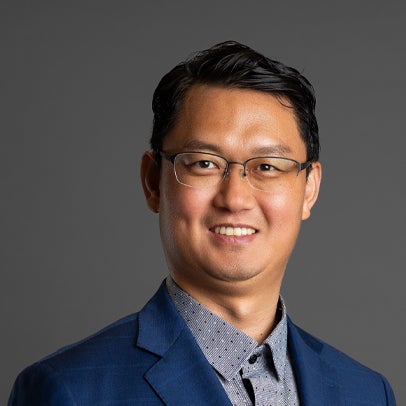
Dr. Yongsoo Park
Senior Scientist
Associate Professor
Dr. Yongsoo Park
Senior Scientist
Associate Professor
Educational Qualifications
PhD in Molecular Neurobiology
BS in Life Science
Entity
Qatar Biomedical Research Institute
College of Health and Life Sciences
Biography
Dr. Yongsoo Park is an Associate Professor at the College of Health and Life Sciences and a Senior Scientist at Qatar Biomedical Research Institute. He received PhD in investigating exocytosis and plasticity of vesicle fusion at the Pohang University of Science and Technology (POSTECH), South Korea.
After completing his PhD degree in 2009, he worked as a Postdoctoral Researcher at the Max Planck Institute for Biophysical Chemistry, Göttingen, Germany, being trained by a mentor Prof. Reinhard Jahn, a world-renowned scientist by his pioneering research into fusion and neurotransmitter release. In 2015, he was appointed as an Assistant Professor at the Izmir International Biomedicine and Genome Institute where he joined the Department of Molecular Biology and Genetics at the Koç University, Istanbul, Turkey.
In 2019 Dr. Park moved to the Qatar Biomedical Research Institute (QBRI) and is coaffiliated at the College of Health and Life Sciences aiming to model neurological disease with patient-specific hiPSC-derived neurons. His lab focuses on extracellular vesicle biomarkers for autism spectrum disorder (ASD), Parkinson’s disease, and Alzheimer's disease. He also studies lipid dysregulation in neurological disease conditions with a focus on calcium signaling and vesicle fusion. By applying interdisciplinary approaches, his team investigates molecular mechanisms of neurological disorders and the development of therapeutics.
PhD in Molecular Neurobiology
Pohang University of Science and Technology (POSTECH), South Korea
2002 - 2009
BS in Life Science
Handong Global University, South Korea
1996 - 2001
- Exosome and extracellular vesicle (EV) biomarkers for neurological disorders including autism spectrum disorder (ASD).
- Use of neuronal differentiation of human induced pluripotent stem cells (hiPSC) as a disease model of ASD
- Alzheimer's disease
- and Parkinson’s disease.
- Lipid dysregulation in neurological disease condition with a focus on vesicle fusion.
- Molecular mechanisms of neuronal degeneration in neurological disorders and microRNA exocytosis in health and disease.
Senior Scientist
Qatar Biomedical Research Institute, Hamad Bin Khalifa University
2024 - Present
Associate Professor
College of Health and Life Sciences, Hamad Bin Khalifa University
2024 - Present
Scientist
Qatar Biomedical Research Institute, Hamad Bin Khalifa University
2019 - 2024
Assistant Professor
College of Health and Life Sciences, Hamad Bin Khalifa University
2019 - 2024
Assistant Professor
Molecular Biology and Genetics, Koç University, Turkey
2017 - 2019
Assistant Professor
Izmir International Biomedicine and Genome Institute, Turkey
2015 - 2017
Postdoctoral Researcher
Max Planck Institute for Biophysical Chemistry, Germany
2009 - 2015
Ali Moussa, H. Y., Shin, K. C., & Park, Y. (2025). Ca2+/calmodulin and protein kinase C (PKC) reverse the vesicle fusion arrest by unmasking PIP2. Science Advances.
Shin, K. C., Ali Moussa, H. Y., & Park, Y. (2024). Cholesterol imbalance and neurotransmission defects in neurodegeneration. Experimental & Molecular Medicine, 56(8), 1685–1690.
Ali Moussa, H. Y., Shin, K. C., Ponraj, J., Park, S. H., Lee, O. S., Mansour, S., & Park, Y. (2024). PIP2 is an electrostatic catalyst for vesicle fusion by lowering the hydration energy: Arresting vesicle fusion by masking PIP2. ACS Nano, 18(20), 12737–12748.
Shin, K. C., Ali, G., Ali Moussa, H. Y., Gupta, V., de la Fuente, A., Kim, H. G., Stanton, L. W., & Park, Y. (2023). Deletion of TRPC6, an autism risk gene, induces hyperexcitability in cortical neurons derived from human pluripotent stem cells. Molecular Neurobiology, 60(12), 7297–7308.
Ali Moussa, H. Y., Shin, K. C., Ponraj, J., Kim, S. J., Ryu, J. K., Mansour, S., & Park, Y. (2023). Requirement of cholesterol for calcium-dependent vesicle fusion by strengthening synaptotagmin-1-induced membrane bending. Advanced Science, 10(15), e2206823.
Complete Publication Listing(s): NCBI
- Member, International Advisory Board of the International Symposium on Chromaffin Cell Biology (ISCCB) (2023).
- Best faculty/researcher poster award, second place, the 1st HBKU Research Day (7.Sep.2022).
- Member, EMBO Young Investigator Programme (YIP) as an EMBO Installation Grantee (2016-2020).
- Science Academy’s Young Scientist Awards Program (BAGEP), Bilim Akademisi, Turkey (27. 04. 2017).
- Research fellowship for post-doctoral researcher, Alexander von Humboldt Foundation (2010 – 2012).
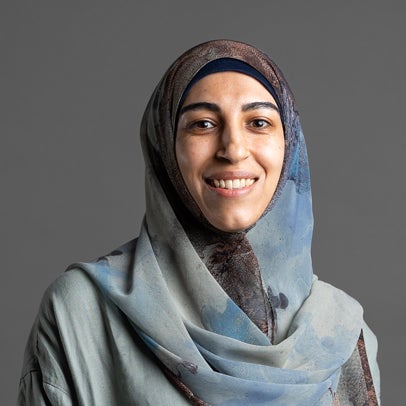
Dr. Wared Nour Eldine
Postdoctoral Researcher
Dr. Wared Nour Eldine
Postdoctoral Researcher
Educational Qualifications
BS, Biology
MSc, Animal Biology
Entity
Qatar Biomedical Research Institute
Division
Neurological Disorders Research Center
Biography
Dr. Wared Nour-Eldine obtained her PhD degree in Immunology from the University of Paris Descartes, Paris. She has a master’s degree in Immunology-Molecular Biology and Signaling, and a bachelor’s degree in Biology from the Lebanese University. During her PhD, she worked on the theme of innate and adaptive immunity in cardiovascular diseases, where she specifically dissected the role of natural killer (NK) cells in the development/exacerbation of atherosclerosis.
During her previous studies, she established collaborations with multiple clusters to tackle questions related to inflammation, toxicity, and apoptosis pathways in different pathologies and supervised several masters and undergraduate students. She also contributed to academics through teaching the “Medical Trends in Immunology” course for honors program students.
Dr. Nour-Eldine is currently conducting her research in the Neurological Disorders Research Center (NDRC) at the Qatar Biomedical Research Institute (QBRI). Her research involves the identification of neuro-immune interactions in patients with Autism Spectrum Disorder (ASD).
BS, Biology
Lebanese University, Nabatieh, Lebanon
2008 - 2011
MSc, Animal Biology
Lebanese University, Hadat, Lebanon
2011 - 2012
MSc, Immunology (Molecular and cell signaling)
Lebanese University, Hadat, Lebanon [In collaboration with American University of Beirut, Beirut, Lebanon]
2012 - 2013
PhD, Immunology and Cell Biology
Paris Descartes University-Paris, France [In collaboration with Lebanese University, Hadat, Lebanon]
2013 - 2017
- Immunologic Reactions
- Inflammation
- Diabetes
- Cardiovascular Diseases
- Signaling
Postdoctoral Research Fellow
Department of Biochemistry and Molecular Genetics-American University of Beirut, Beirut, Lebanon
2018 - 2019
Postdoctoral Research Fellow
Gilbert and Rose-Marie Chagoury School of Medicine, Lebanese American University, Byblos, Lebanon
2019 - 2021
Instructor
Lebanese American University, Beirut-Byblos, Lebanon
2019 - 2020
“Adiponectin Attenuates Angiotensin II-Induced Vascular Smooth Muscle Cell Remodeling through Nitric Oxide and the RhoA/ROCK Pathway.” 10.3389/fphar.2016.00086
Genetic Depletion or Hyperresponsiveness of Natural Killer Cells do not affect Atherosclerosis Development. Circulation Research. 2017;CIRCRESAHA.117.311743
Arterial Stenosis in the Antiphospholipid Syndrome: Update on the unrevealed mechanisms of an endothelial disease. Autoimmunity Reviews. 10.1016/j.autrev.2017.10.016.
Selective EGF-receptor inhibition in CD4+ T cells induces Anergy and limits atherosclerosis, J Am Coll Cardiol. 10.1016/j.jacc.2017.10.084.
Insights into the Diagnosis and Pathogenesis of the Antiphospholipid Syndrome, Semin. Arthritis Rheum, 10.1016/j.semarthrit.2018.08.004.
Thalassemia and Malignancy: an emerging concern?, Blood Rev. 2019 Jun 22, 10.1016/j.blre.2019.06.002.
Tobacco Cigarette Smoking Exacerbates Aortic Calcification in an Early Stage of Myocardial Infarction in a Female Mouse Model, Journal of Cellular Physiology - JCP-19-0894.R1-https://doi.org/10.1002/jcp.29075.
Hematological malignancies in connective tissue diseases, Lupus-https://doi.org/10.1177/0961203319899986.
SARS, MERS, COVID-19: Clinical Manifestations and Organ-System Complications: A Mini Review, ftaa033- https://doi.org/10.1093/femspd/ftaa033.
“A glimpse into the history of the description of the Antiphospholipid Syndrome”, Lupus, https://doi.org/10.1177/0961203320947152.
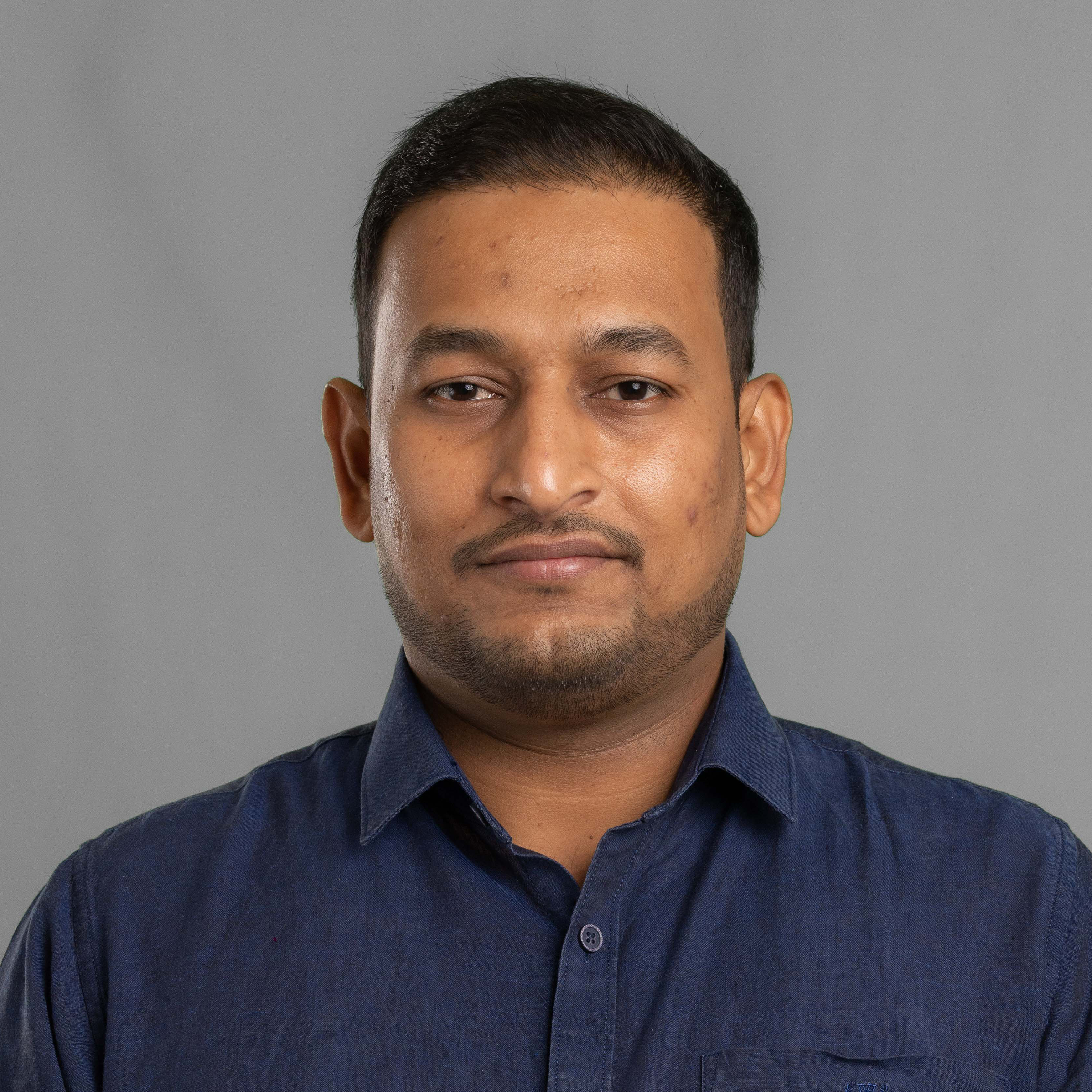
Mujaheed Pasha
Research Associate
Mujaheed Pasha
Research Associate
Educational Qualifications
MSc Electronic Science
BSc Electronic Science
Entity
Qatar Environment and Energy Research Institute
Biography
Mujaheed Pasha received his BSc and MSc in Electronic Science from Bangalore University, India. He has over a decade of experience in ultra-high vacuum systems, thin film deposition, and electron microscopy. He joined Qatar Environment and Energy Research Institute (QEERI) Core Labs as a research associate in July 2018. In QEERI he works with different types of scanning electron microscopes (SEM), focused ion beam (FIB), electron probe micro analyzer (EPMA), energy-dispersive spectroscopy (EDS), and PPMS etc.
MSc Electronic Science
Bangalore University, India
2007
BSc Electronic Science
Bangalore University, India
2005
- Electron Microscopy and Microanalysis
- Thin Film Deposition (CVD
- PVD
- MBE)
Research Associate
QEERI Qatar
July 2018 - Present
Senior Service Engineer
Naizak Saudi Arabia
May 2011 - Jun 2018
Service Engineer
Anarghya Innovations India
May 2008 - April 2011
Oxidation of Au/Ag films by oxygen plasma: phase separation and generation of nanoporosity Beilstein J. Nanotechnol. 2020, 11, 1608–1614. https://doi.org/10.3762/bjnano.11.143
One-Step Synthesis of an Antimicrobial Framework based on Covalently Cross-Linked Chitosan/ Lignosulfonate (CS@LS) Nanospheres January 2020 Green Chemistry , DOI: 10.1039/C9GC03461G
- 2007: Fifth Rank in MSc for Bangalore University in Electronics Science, Bangalore, India
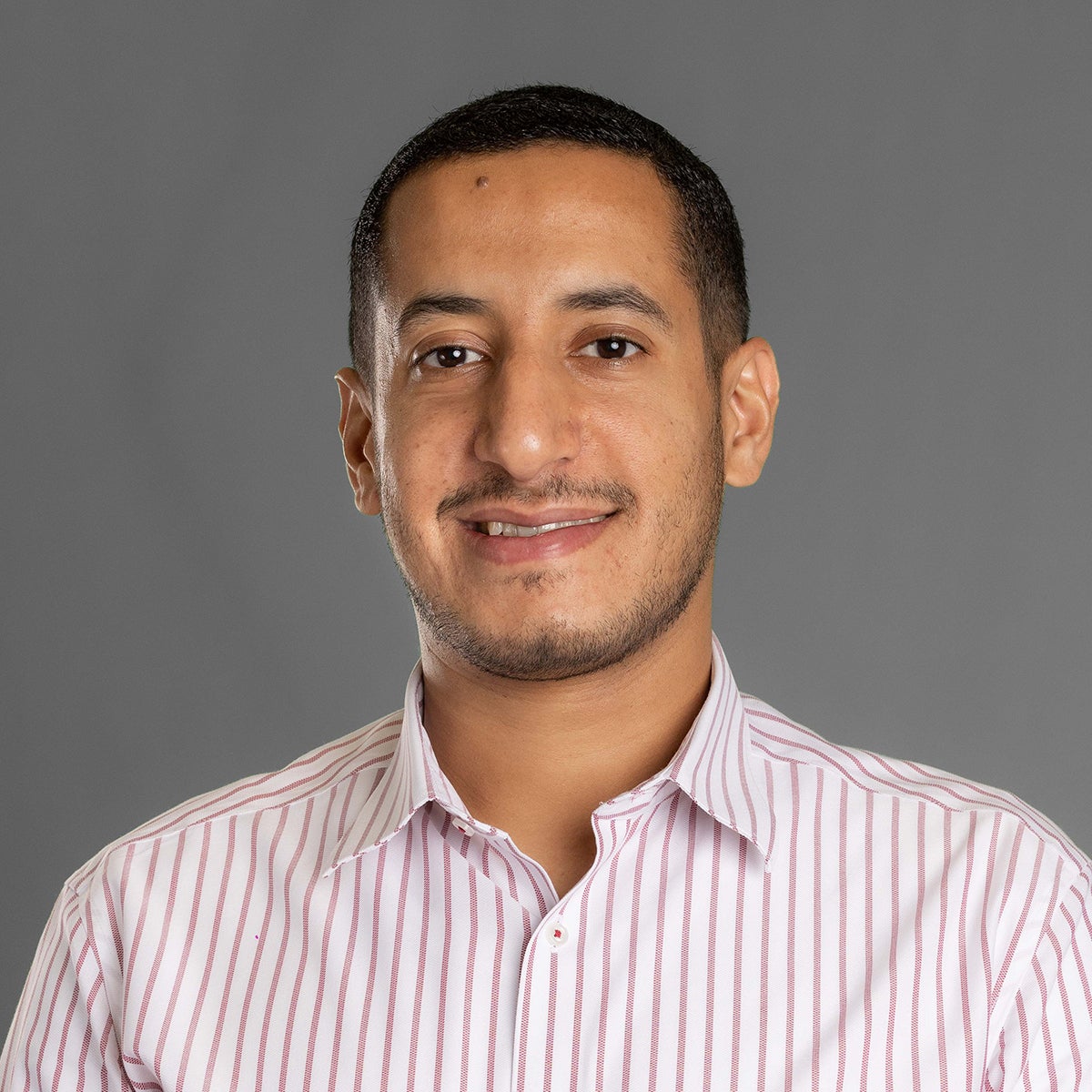
Anas Abutaha
Scientist
Educational Qualifications
PhD in Materials Science and Engineering
MSc in Nuclear Physics
Entity
Qatar Environment and Energy Research Institute
Biography
Dr. Anas Abutaha received his BSc and MSc in Physics and Nuclear Physics at the University of Jordan in 2007 and 2010, respectively, with first class honors. In 2015, he earned his PhD degree in Materials Science and Engineering from King Abdullah University of Science and Technology (KAUST) in Saudi Arabia. During his PhD research, he developed efficient thermoelectric nanomaterials for energy harvesting applications. In 2016, he joined the Institute of Materials Research and Engineering (IMRE) in Singapore as a scientist. At IMRE, he developed models for charge transport in conducting polymers, and made nanofabricated devices for measuring charge transport in 2D materials and conducting polymers. In 2020, Dr. Abutaha joined Qatar Environment and Energy Research Institute (QEERI), as a scientist. His research covers multiple areas in solid state physics and materials characterization. Dr. Abutaha won several awards such as the grand prize of ‘Dow Sustainability Innovation Student Challenge Award (SISCA)’ held at KAUST in 2014, and the third place in ‘Sustainability at My School Competition’ held in Materials Research Society 2014 Fall meeting in Boston, USA. Dr. Abutaha has authored and co-authored several research papers in peer-reviewed journals and has also participated in internationally recognized conferences in applied physics and materials science.
PhD in Materials Science and Engineering
King Abdullah University of Science and Technology (KAUST) Thuwal, Kingdom of Saudi Arabia
2015
MSc in Nuclear Physics
The University of Jordan Amman, Jordan Ranking: 1st
2010
BSc in Physics
The University of Jordan Amman, Jordan Ranking: 1st
2007
- Solid State Physics
- Materials Characterization
- Materials Science
Scientist
Qatar Environment and Energy Research Institute (QEERI), Hamad Bin Khalifa University (HBKU), Doha, Qatar
2020 - Present
Scientist
Institute of Materials Research and Engineering (IMRE), Agency for Science, Technology, and Research (A*STAR), Singapore
2016 - 2020
Anas Abutaha*, Pawan Kumar*, Erol Yildirim*, Wen Shi, Shuo-Wang Yang, Gang Wu, and Kedar Hippalgaonkar; Correlating charge and thermoelectric transport to paracrystallinity in conducting polymers; Nature Communications, 11, 1737 (2020)
Daniil Bash, Yongqiang Cai, Vijila Chellappan, Swee Liang Wong, Yang Xu, Pawan Kumar, Jin Da Tan, Anas Abutaha, Jayce Cheng, Yee Fun Lim, Siyu Tian, Danny Zekun Ren, Flore Mekki-Barrada, Wai Kuan Wong, Jatin Kumar, Saif Khan, Qianxiao Li, Tonio Buonassisi, Kedar Hippalgaonkar; Multi-Fidelity High-Throughput Optimization of Electrical Conductivity in P3HT-CNT Composites; Advanced Functional Materials, 31, 2102606, (2021)
Jose Recatala-Gomez*, Ady Suwardi*, Iris Nandhakumar, Anas Abutaha, Kedar Hippalgaonkar; Toward Accelerated Thermoelectric Materials and Process Discovery; ACS Applied Energy Materials (2020)
Hong Kuan Ng*, Anas Abutaha*, Damien Voiry, Ivan Verzhbitskiy, Yongqing Cai, Gang Zhang, Yi Liu, Jing Wu, Manish Chhowalla, Goki Eda, and Kedar Hippalgaonkar; Effects of structural phase transition on thermoelectric performance in lithium- intercalated Molybdenum Disulfide (LixMoS2); ACS Applied Materials & Interfaces, 11, 12184 (2019)
Zhong‐Zhen Luo, Yu Zhang, Chaohua Zhang, Hui Teng Tan, Zhong Li, Anas Abutaha, Xing‐Long Wu, Qihua Xiong, Khiam Aik Khor, Kedar Hippalgaonkar, Jianwei Xu, Huey Hoon Hng, Qingyu Yan; Multifunctional 0D–2D Ni2P Nanocrystals–Black Phosphorus Heterostructure; Advanced Energy Materials 7, 1601285 (2016)
Anas Abutaha, S.R. Sarath Kumar, Kun Li, HN Alshareef; Enhanced Thermoelectric Figure of Merit in Thermally Robust, Nanostructured Superlattices based on SrTiO3; Chemistry of Materials, 27, 2165 (2015)
Anas Abutaha, S.R. Sarath Kumar, AM Dehkordi, TM Tritt, HN Alshareef; Doping-site dependent thermoelectric properties of epitaxial strontium titanate thin films; Journal of Materials Chemistry C, 2, 9712 (2014)
Anas Abutaha, SR Sarath Kumar, HN Alshareef; Crystal orientation dependent thermoelectric properties of highly oriented Al doped ZnO thin films; Applied Physics Letters, 102, 053507 (2013)
Anas Abutaha, SR Sarath Kumar, HN Alshareef; Laser energy tuning of carrier effective mass and thermopower in epitaxial La doped SrTiO3 thin films; Applied Physics Letters, 100, 162106 (2012)
- 2018; Best poster award in Advanced Materials Conference; Materials Research Society (MRS) in Singapore
- 2014; Grand Prize of Dow Sustainability Innovation Student Challenge Award (SISCA); Dow Corporate; Thuwal, Saudi Arabia
- 2014; Third place at “Sustainability at my School” Competition at MRS Fall Meeting; Boston, USA
- 2011; PhD Scholarship; King Abdullah University of Science and Technology (KAUST); Thuwal, Kingdom of Saudi Arabia
- 2008; MSc Scholarship; King Abdullah (II) Fund for Development (KAFD); Amman, Jordan
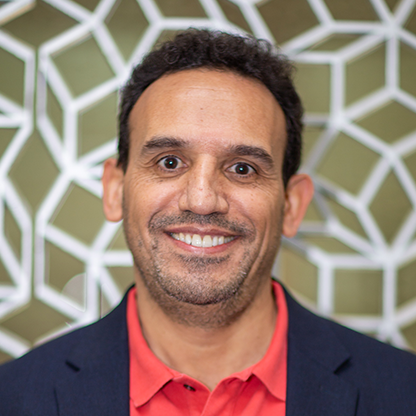
Dr. Fadel Tissir
Professor
Educational Qualifications
PhD in Science
MSc in Molecular Biology & Biotechnology
Entity
College of Health and Life Sciences
Biography
Dr. Fadel Tissiris Professor at College of Health and Life Sciences at Hamad Bin Khalifa University. He graduated in Biology from the University Sidi Mohammed ben Abdellah, Fes, Morocco and earned a PhD degree from Free University of Brussels. Fadel Tissir was appointed at the University of Louvain, and the Belgian Funds for Scientific Research (FNRS) in 2005 and was promoted to the rank of Professor and Research Director FNRS in 2017.
His research focuses on the cellular and molecular mechanisms implicated in development and diseases of the nervous system. He has been active in the field of developmental neuroscience for more than 20 years with emphasis on the role of planar cell polarity (PCP) and cytoskeletal proteins in health and diseases. He discovered the core component of PCP signaling, engineered constitutive and conditional mutant mice for PCP genes and uncovered their function in the developing and mature system.
PhD in Science
Free University of Brussels Université Libre de Bruxelles, Belgium
1998
MSc in Molecular Biology & Biotechnology
Université de Liège, Belgium
1992
BSc in Biology
Université Sidi Mohammed Ben Abdellah, Marocco
1990
- Assess the role of DIAPH3 in glioblastoma genesis
- Evaluate the impact of CELSR protein mutations on brain function
- Evaluate the Role Auts2 in autism spectrum disorder
Professor
College of Health and Life Sciences, Hamad Bin Khalifa University
2021 - Present
Directeur de Recherches, Professor
School of Medicine, Fonds National de la Recherche Scientifique, Université catholique de Louvain, Belgium
2017 - 2020
Maitre de Recherches, Associate Professor
School of Medicine, Fonds National de la Recherche Scientifique, Université catholique de Louvain, Belgium
2013 - 2017
Chercheur Qaulifié, Assistant Professor
School of Medicine, Fonds National de la Recherche Scientifique, Université catholique de Louvain, Belgium
2005 - 2013
Complete Publication Listing(s): Google Scholar
- 2021; Qatar National Research Fund: National Priorities Research Program (NPRP14).
- 2018; Excellence of Science Award, National Funds For Sceintific Research.
- 2017; Prize UCB-Pharma, UCB.
- 2016; Prize Albert Brachet, Belgian Royal Academy of Medicine.
- 2014; Prize Vicomtesse Valine de Spoelberch, Queen Elisabeth Medical Foundation.
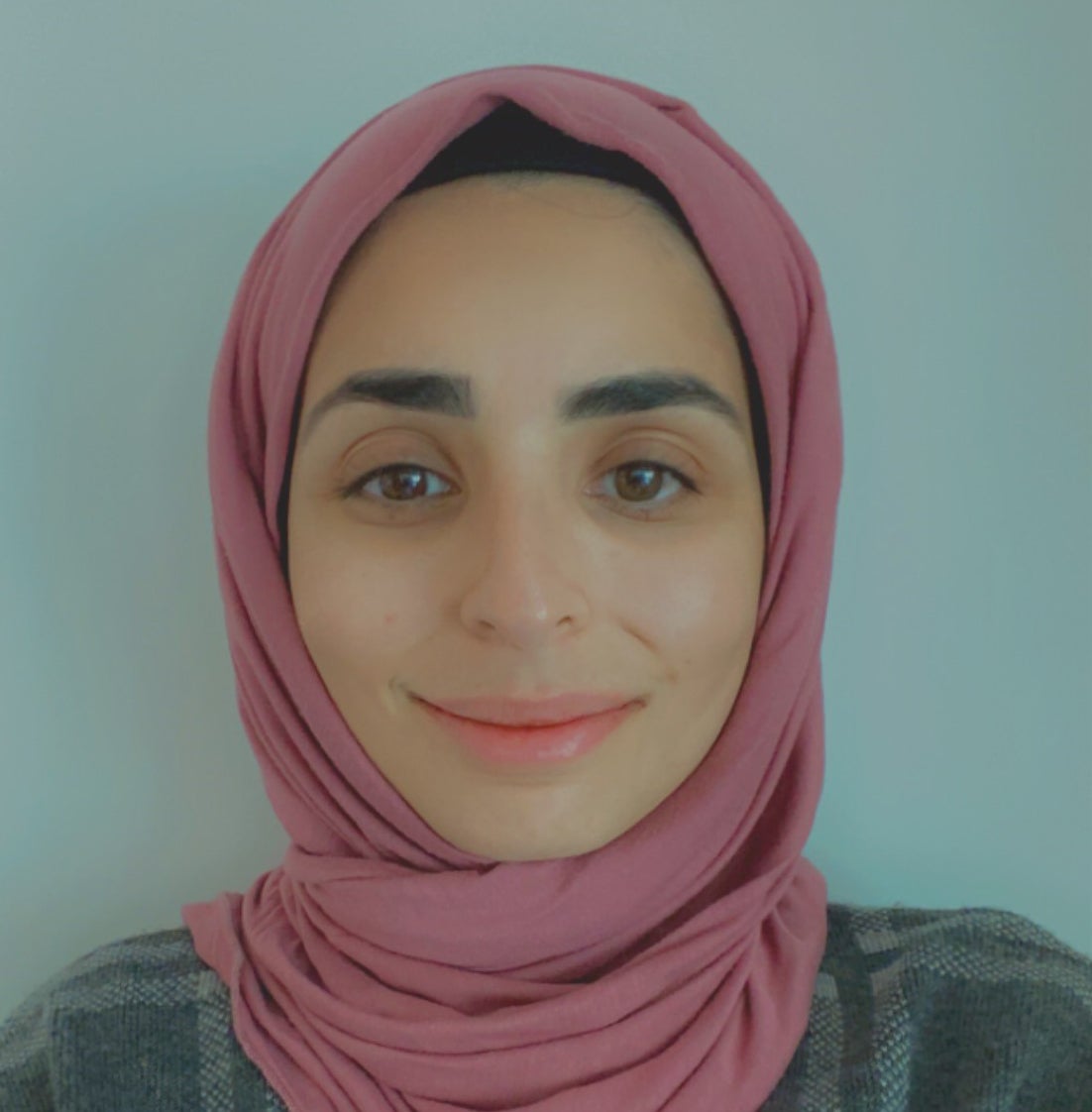
Iman Ghazal
Senior Research Associate
Office location
HBKU Research Complex, Building 2 - Segment 5 - Office N1121
Iman Ghazal
Senior Research Associate
Educational Qualifications
Master’s Degree in Special Education
Graduate Certificate in Autism & Behavioral Science
Entity
Qatar Biomedical Research Institute
Division
Neurological Disorders Research Center
Biography
Iman Ghazal holds a bachelor’s degree (BA) from the University of Western Ontario, Canada. She majored in Childhood and Social Institutions and minored in Psychology.
She then completed a one-year graduate certificate program in Autism and Behavioral Science from Fanshawe College, Ontario. After graduating she moved to Saudi Arabia and started her career as an Early Intervention Specialist and a Clinical Research Coordinator at the Center for Autism Research – King Faisal Specialist Hospital and Research Center. During that time she worked alongside a multi-disciplinary team in early diagnosis and intervention for cases with Autism Spectrum Disorder (ASD.) Additionally, she was involved in different research and training projects including the educational consultancy, ABA and the Early Start Denver Model training programs, and the Language Environment Analysis (LENA) research study. She then completed a master’s in Special Education from the Department of Psychological Sciences, College of Education, Qatar University. Ghazal joined HBKU’s Qatar Biomedical Research Institute’s (QBRI’s) ASD Epidemiology Research team as a senior research associate in October 2016.
Master’s Degree in Special Education
Qatar University, Doha , Qatar
2014 - 2016
Graduate Certificate in Autism & Behavioral Science
Fanshawe College, London, Ontario, Canada
2010 - 2011
4-Year Bachelor’s degree in Childhood and Social Institutions (Major) Psychology (Minor)
University of Western Ontario, London, Ontario, Canada
2006 - 2010
Master's Internship Student Child Development Center
Doha, Qatar
February – April 2016
Special Projects’ Coordinator- President’s office
Qatar University - Doha, Qatar
May 2013 – Sept. 2016
Early Intervention Specialist & Clinical Research Coordinator
King Faisal Specialist Hospital and Research Center - Riyadh, Saudi Arabia
Sept. 2011 - Dec. 2012
Personal Support Worker
London Summer Inclusion Camp - London, ON, Canada
July - August 2011
Placement Co-op (Teaching Assistant)
Westminster Central Public School - London, ON, Canada
March - April 2011
Personal Research Assistant
Masters Research Paper - Riyadh, Saudi Arabia
May - June 2007
- Deans Honour Roll - Fanshawe College - 2011
- Additional Certifications:
- Clinical Reliability Certificate in administration and coding of the Autism Diagnostic Observation Schedule-2nd Edition (ADOS-2) - 2016
- Clinical Reliability Certificate in administration and coding of the Autism Diagnostic Interview-Revised (ADI-R) - 2016
- Trained in full administration and data retrieval of the Autism Eye Tracking Device (trained at Lerner School for Autism (USA) – as part of the collaborative research between QBRI and Cleveland Clinic – USA) - 2017
- Registered Behavior Technician Online Course – Queen’s University Belfast - 2016
- One-week intensive training in the Early Start Denver Model – by the Mind Institute – Center For Autism Research – Riyadh, KSA - 2012