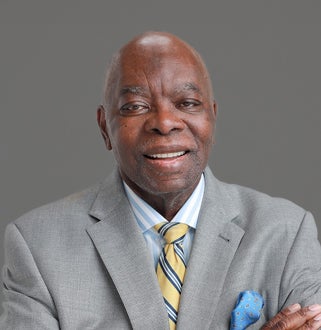
Dr. Akel Ismail Kahera
Program Director and Professor of Islamic Architecture and Urbanism
Dr. Akel Ismail Kahera
Program Director and Professor of Islamic Architecture and Urbanism
Educational Qualifications
PhD in Near Eastern Studies (Architecture, Law & Urbanism) with distinction
Master of Architecture
Entity
College of Islamic Studies
Program
Master of Science in Islamic Art, Architecture and Urbanism
Division
Islamic Art, Architecture and Urbanism
Biography
Dr. Akel Ismail Kahera is a professor and the director of the Graduate Program in Islamic Architecture and Sustainable Urbanism at the College of Islamic Studies, Hamad Bin Khalifa University in Doha, Qatar. Raised in Brooklyn, New York, he earned his Bachelor of Architecture from the Pratt Institute, followed by a Master of Architecture from the Massachusetts Institute of Technology and a Ph.D. from Princeton University.
With over thirty years of international experience as an architect, urban planner, and critic, he has also held a range of academic and administrative roles, including professor and dean at Virginia Commonwealth University’s School of the Arts in Qatar; professor and senior associate dean for research and graduate studies at Clemson University in South Carolina; and professor and director at Prairie View A&M University.
Dr. Kahera’s research, supported by grants from the Qatar Foundation and the Brown Foundation of Houston, Texas, explores the cultural, typological, and sustainable dimensions of architecture and urbanism across the MENA region, the Americas, and the Global South. Dr. Kahera is a trustee of the International Network for Traditional Building, Architecture, and Urbanism (INTBAU) and serves on the editorial board of the Journal of New Design Ideas, among other affiliations.
PhD in Near Eastern Studies (Architecture, Law & Urbanism) with distinction
Princeton University
1997
Master of Architecture
Massachusetts Institute of Technology
1987
Certificate: Heritage Preservation and Cultural Value
University of Oxford
2017
Certificate: Global Leadership
Reed College, Portland, Oregon
2016
Certificate: Race and Reconciliation
Reed College, Portland, Oregon
2016
Bachelor of Architecture
Pratt Institute, Brooklyn, NY
1977
- Sustainable environments and critical regionalism
- Revitalization and historic preservation
- Typologies of Islamic architecture
- Hermeneutics and ontology
- Housing and community development
Professor of Architecture and Urbanism
College of Islamic Studies, Hamad Bin Khalifa University
2019 – Present
Dean and Professor
Virginia Commonwealth University in Qatar’s School of the Arts
2015 – 2018
Associate Dean and Professor
College of Architecture, Art and Humanities, Clemson University, South Carolina, USA
2012 – 2015
Associate Professor and Director
School of Architecture, Prairie View/Texas A&M University, USA
2005 – 2012
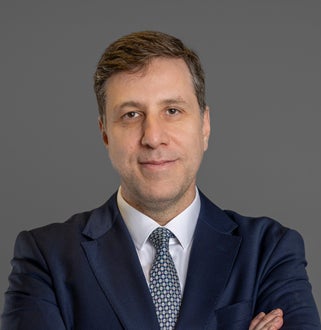
Dr. Ahmet Faruk Aysan
Associate Dean of Research and Professor of Islamic Finance and Economy
Professor in Economics and Islamic Finance
Dr. Ahmet Faruk Aysan
Associate Dean of Research and Professor of Islamic Finance and Economy
Professor in Economics and Islamic Finance
Educational Qualifications
PhD in Economics
MA in Economics
Entity
College of Islamic Studies
School of Economics and Management
Program
PhD in Islamic Finance and Economy
Master of Science in Islamic Finance
Division
Islamic Finance
Center for Islamic Economics and Finance (CIEF)
Biography
Dr. Ahmet Faruk Aysan is a Professor and Associate Dean for Research at Hamad Bin Khalifa University and a full member of the Turkish Academy of Sciences (TÜBA). He previously served as a Board Member and Monetary Policy Committee Member at the Central Bank of the Republic of Türkiye. He has also consulted for prominent institutions, including the World Bank, Oxford Analytica, and the Central Bank of Türkiye. His research contributions have earned him multiple awards, including the Islamic Economics Research Award from IKAM, the Arab Fintech Forum’s Fintech Researcher of the Year Award (2023), and HBKU’s Research Excellence Award (2024). He is also a recipient of the Boğaziçi University Foundation’s Publication and Academic Promotion Awards, as well as the prestigious Ibn Khaldun Prize. Dr. Aysan is a Research Associate at University College London’s Centre for Blockchain Technologies (UCL CBT), a Research Fellow at the Economic Research Forum, and a Non-resident Fellow at the Middle East Council on Global Affairs. He also chairs the MENA Chapter Academy of Sustainable Finance, Accounting, Accountability & Governance (ASFAAG). In 2020, Dr. Aysan was listed among the top influencers in Islamic banking and finance by an academic article published in the Pacific-Basin Finance Journal.
PhD in Economics
University of Maryland College Park, USA
2005
MA in Economics
University of Maryland College Park, USA
2001
BA in Economics (with Honors)
Boğaziçi University, Turkey
1999
- Islamic finance and economy
- Fintech
- Banking and finance
- Macroeconomics
- Central banking
Associate Dean of Research
College of Islamic Studies, Hamad Bin Khalifa University
2023 – Present
Elected Full Member of Turkish Academy of Sciences (TUBA)
Turkish Academy of Sciences (TUBA)
2023 – Present
Program Director of PhD in Islamic Finance and Economy
College of Islamic Studies, Hamad Bin Khalifa University
2020 – 2023
Program Director of MSc in Islamic Finance
College of Islamic Studies, Hamad Bin Khalifa University
2021 – 2023
Professor of Islamic Finance and Economy
College of Islamic Studies, Hamad Bin Khalifa University
2020 – Present
Dean, Professor, and Chair of Department of Economics
School of Management and Administrative Sciences, Istanbul Şehir University
2017 – 2020
Member of the Board and the Monetary Policy Committee
The Central Bank of the Republic of Turkey
2011 - 2017
Associate Professor
Department of Economics, Boğaziçi University
2009 - 2011
Assistant Professor
Department of Economics, Boğaziçi University
2005 - 2009
Complete Publication Listing(s): Google Scholar
- Recipient of Research Excellence Award, Hamad Bin Khalifa University, May 2024
- Islamic Economics Research Award, Research Center for Islamic Economics, İslam İktisadı Araştırma Merkezi, (IKAM) İlam Iktisadi Araştirma Ödülü October 2023
- Fintech Researcher of the Year Award, Arab Fintech Forum, October 2023
- Top influencer recognition in Islamic Banking and Finance, stated in academic article in the Pacific-Basin Journal (2020)
- Ibn Khaldun Prize for the best paper on any subject in any North African or Middle Eastern Country or Countries, granted in 2009 by the Middle East Economic Association
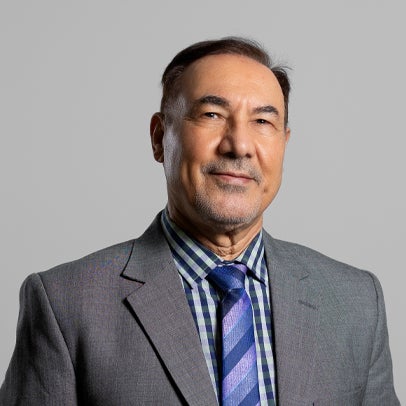
Dr. Mehdi Riazi
Professor and Associate Dean for Research
Phone
+974 44545725Office location
C.00.021, Ground Floor, Minaretein Building
Dr. Mehdi Riazi
Professor and Associate Dean for Research
Educational Qualifications
PhD in Applied Linguistics
Masters in Teaching English as a Foreign Language
Entity
College of Humanities and Social Sciences
Program
Doctor of Philosophy in Humanities and Social Sciences
Biography
Dr. Mehdi Riazi obtained his PhD in Applied Linguistics from the University of Toronto. He has supervised 50 master’s and 22 doctoral theses to completion. He has been the chief investigator for three research projects on test validation funded by IELTS, Pearson, and Educational Testing Service (the writing section of the TOEFL-iBT).
He is the author of the Routledge Encyclopedia of Research Methods (Routledge, 2016) and Mixed Methods Research (Equinox, 2017), and more. His academic works have been cited 4,397 times by other researchers. He has an h-index of 33 and an ih-index of 63 according to Google Scholar.
PhD in Applied Linguistics
University of Toronto, Toronto, Canada
1995
Masters in Teaching English as a Foreign Language
Shiraz University, Shiraz, Iran
1989
BA in English Language & Literature
Shiraz University, Shiraz, Iran
1985
- Advanced academic writing and knowledge production
- Research methodology
- Program evaluation
- Text analysis
- Issues related to teaching, learning, and assessment
Full Professor/Department of Linguistics
College of Humanities/Macquarie University
2016 - 2020
Associate Professor/Department of Linguistics
College of Humanities/Macquarie University
2009 - 2015
Director of Higher Degree Research/Department of Linguistics
College of Humanities/Macquarie University
2009 - 2012
Associate Professor/Dean of the college of humanities
Shiraz University
2003 - 2008
Director of research & member of strategic planning
Shiraz University
1998 - 2002
Assistant professor/Foreign Languages
College of Humanities/Shiraz University
1995 - 2002
English language instructor/Foreign Languages
College of Humanities/Shiraz University
1986 - 1991
Riazi, A. M. (2021). The Routledge encyclopedia of research methods in applied linguistics. Routledge.
- 2020 - Student selected professor, Macquarie University, Sydney, Australia
- 2014 - Research grant, Educational Testing Service, New Jersey, USA
- 2012 - Research grant, Pearson, London, England
- 2011 - Research grant, IELTS, Sydney, Australia
- 1998 - Distinguished assistant professor, Shiraz University, Shiraz, Iran
- 2003 - Distinguished researcher, Shiraz University, Shiraz, Iran
Dr. Ali Almanna
Associate Professor
Phone
+974 77017005Office location
C.01.039, First Floor, Minaretein Building
Dr. Ali Almanna
Associate Professor
Educational Qualifications
PhD in Translation Studies
MA in Translation Studies
Entity
College of Humanities and Social Sciences
Program
Master of Arts in Translation Studies
Division
Department of Language, Culture and Communication
Biography
Dr. Ali Almanna is currently an associate professor in the Department of Language, Culture and Communication at the College of Humanities and Social Sciences (CHSS). He has a PhD in Translation Studies from the University of Durham, UK, and an MA in Translation Studies from the University of Westminster, UK. In addition to teaching different translation courses, Dr. Almanna has taught other courses, such as linguistics, syntax, semantics, pragmatics, sociolinguistics, discourse analysis, and applied linguistics. Currently, Dr. Almanna is the series editor (with James Dickins of Leeds University) of Routledge Studies in Arabic Translation.
PhD in Translation Studies
University of Durham, UK
2013
MA in Translation Studies
University of Westminster, UK
2006
Diploma in Diploma in Teaching Foreign Languages for Adult
South Thames College, UK
2006
Diploma in Interpreting (legal option)
College of North West London, UK
2005
- Translation
- Cognitive Linguistics
- Discourse Analysis and Critical Discourse Analysis
Associate Professor of Translation Studies, MATS
College of Humanities and Social Sciences, Hamad Bin Khalifa University, Qatar
2020 - Present
Head of the Department of English Language and Literature
Al-Zahra College for Women, Oman
2018 - 2020
Associate Professor of Translation Studies
Faculty of Language Studies, Sohar University, Oman
2016 - 2018
Assistant Professor of Translation
Department of Foreign Languages College of Arts and Sciences, University of Nizwa, Oman
2014 - 2016
Assistant Professor of Translation
Department of Translation, College of Arts, University of Basra, Iraq
2013 - 2014
Books published (selected publications):
Edited volumes (selected publications):
Translation:
Articles & chapters
Series editor of Routledge Studies in Arabic Translation (link)
Dr. Kamilla Swart-Arries
Associate Professor and Director - MS Sport and Entertainment Management Program
Associate Professor in Sports Management
Dr. Kamilla Swart-Arries
Associate Professor and Director - MS Sport and Entertainment Management Program
Associate Professor in Sports Management
Educational Qualifications
EdD in Sport Tourism
MA in Human Movement Studies
Entity
College of Science and Engineering
School of Economics and Management
Division
Engineering Management & Decision Sciences
Biography
Kamilla Swart-Arries is an Associate Professor and Director of the Masters in Sport and Entertainment Management program, a joint degree with the University of South Carolina. She has 30 years of experience in sport, tourism, and event management that spans academia and the private sector and has consulted broadly in both public and private sectors.
Swart-Arries has worked in industry as a Sport and Facilities Manager at the Cape Town 2004 Olympic bid and as a Sponsorship Consultant for Octagon SA delivering strategic sponsorship services to major corporates in South Africa. She also headed the Durban Events Corporation – a public-private sector partnership with the City of Durban to use events to attract tourism where she was instrumental in driving the 2010 FIFA World Cup research agenda. Kamilla has headed major research projects managing field research at the 2008, 2012, and 2016 Olympic Games, and the 2010 and 2014 FIFA World Cups.
She worked closely with Qatar Foundation's 2022 FIFA World Cup master program and the supreme committee for delivery and legacy in driving the research agenda. Kamilla served as Co-Chair of the World Association of Sport Management Conference Qatar 2023. She has been appointed to the Scientific Committee (research pillar) of the UNESCO Chair on Governance & Social Responsibility in Sports.
EdD in Sport Tourism
Illinois State University, United States
2001
MA in Human Movement Studies
Rhodes University, South Africa
1995
BA in Human Movement Studies
Rhodes University, South Africa
1993
BA in Human Movement and Psychology
Rhodes University, South Africa
1992
- Sports tourism and event management
- Mega-event impacts and legacies
- Sustainability in sport
- Inclusion in sport
Program Director
College of Science and Engineering, Hamad Bin Khalifa University
2022 - Present
Associate Professor
College of Science and Engineering, Hamad Bin Khalifa University
2019 - 2022
Professor and Program Director
College of Business Administration, American University in the Emirates, United Arab Emirates
2017 - 2019
Professor and Head of the Centre for Tourism Research in Africa
Department of Tourism and Events Management, Cape Peninsula University of Technology (CPUT), South Africa
2016 - 2017
Associate Professor and Head of the Centre for Tourism Research in Africa
Department of Tourism and Events Management, Cape Peninsula University of Technology (CPUT), South Africa
2009 - 2016
Al-Harahsheh, S.T., Swart, K., Neves, J., et al. (2022). Inclusion of persons with disability in sport: part 1 – rights and challenges in Qatar. British Journal of Sports Medicine. Published Online First: 16 September 2022. doi: 10.1136/bjsports-2022-106224
Complete Publication Listing(s): Google Scholar
- 2009; Researcher of the Year, Black Business Quarterly Youth Awards South Africa
- 2006; Best academic paper, Crine, and sport tourism events in South Africa: Implications for the 2010 World Cup, Valencia Summit – Major sports events as an opportunity for development: The international promotion of the city – Spain (co-authors Turco & Bob)
- 2001; Raptor Award, Association of Marketers South Africa – for the Beach Africa Event Sponsorship
- 2000; Raptor Award, Association of Marketers South Africa – for the Old Mutual Two Oceans Marathon Sponsorship
- 1990; One of the 10 Outstanding Persons in Sports Tourism in the 1990s by the Sport Tourism International Council, Canada
Annie Mathew
Administrative Assistant
Phone
+974 44542471Office location
RC-B2-1210 (C133), Floor 1, Building B2
Annie Mathew
Administrative Assistant
Educational Qualifications
Diploma in Information & Systems Management
Bachelor of Science Degree – (Course Completed)
Entity
Qatar Environment and Energy Research Institute
Biography
Annie Mathew is currently working as an administrative assistant with almost 23 years of successful experience in the administrative field, including the private, health, and research sectors.
She obtained her bachelor's degree and has also taken a diploma in Information and Systems Management.
Diploma in Information & Systems Management
APTECH; Doha, Qatar
1998
Bachelor of Science Degree – (Course Completed)
Assumption College; Kerala, India
1996
Senior Secondary School Certificate
MES Indian School; Doha, Qatar
1993
Admin Assistant
Qatar Environment and Energy Research Institute (QEERI)
October 2015 - Present
Business Support Assistant
Qatar Environment and Energy Research Institute (QEERI)
June 2014 - September 2015
Secretary
Nursing Administration; Hamad Medical Corporation
Nov 2001 - June 2014
Assistant
Foreign Purchase Department; Salam Studio & Stores
July 1997 – Aug 2001
Janarthanan Ponraj
Research Associate
Janarthanan Ponraj
Research Associate
Educational Qualifications
MSc Electronic Science
BSc Physics
Entity
Qatar Environment and Energy Research Institute
Biography
Mr. Janarthanan Ponraj graduated with an MSc degree in Electronics Science from the University of Madras and has a BSc degree in Physics from Madurai Kamaraj University. Before joining the core lab facility in the Qatar Environment and Energy Research Institute (QEERI) as a Research Associate in May 2018, he worked as a Field Service Engineer for about 10 years on a complete range of transmission electron microscopes (TEMs) manufactured by the FEI company. His current responsibility includes imaging and characterization of samples on TEMs.
MSc Electronic Science
University of Madras, Chennai, India
BSc Physics
Madurai Kamaraj University, Madurai, India
- Transmission Electron Microscope
Research Associate
QEERI, HBKU, Doha, Qatar
May 2018 - Present
Service Engineer
Gulf Support Centre Co. (L.L.C), UAE
September 2013 - March 2018
Senior Executive Customer Support
Icon Analytical Equipment Pvt. Ltd., India
August 2008 - February 2013
Dr. Viktor Kochkodan
Senior Scientist
Dr. Viktor Kochkodan
Senior Scientist
Educational Qualifications
PhD
Master of Science in Chemical Engineering
Entity
Qatar Environment and Energy Research Institute
Biography
Dr. Viktor Kochkodan graduated from Kyiv National University, Ukraine, and received his PhD in the field of modified polymeric membranes for water treatment applications in 1988. He later served at the Institute of Colloid and Water Chemistry of the National Academy of Sciences of Ukraine, the University of Nottingham (UK), and Swansea University (UK).
Dr. Kochkodan has experience in the use of reverse osmosis, nano-, ultra- and microfiltration for water purification from different organic and inorganic pollutants. The obtained results have been published in five invited book chapters, more than 120 papers in peer-refereed journals, and 15 patents.
PhD
Institute of Colloid and Water Chemistry of National Academy of Sciences of Ukraine (Kyiv, Ukraine)
1988
Master of Science in Chemical Engineering
Kiev National University (Ukraine)
1983
- Water treatment and desalination
- Development of novel (bio)fouling resistant
- self-cleaning
- catalytic active membranes and adsorbents for water treatment and desalination
- Combination of pressure driven membrane processes with adsorption
- coagulation
- photocatalysis in water treatment
- Wastewater reclamation/reuse and aquatic chemistry
Senior Scientist
Qatar Environment and Energy Research Institute
March 2016 - present
Scientist
Qatar Environment and Energy Research Institute
January 2015 - March 2016
Researcher
College of Engineering, Swansea University
May 2012–December 2014
Leading Scientist
Institute of Colloid and Water Chemistry, Kyiv, Ukraine
2004–May 2012
Senior Scientist
Institute of Colloid and Water Chemistry, Kyiv, Ukraine
2002–2004
Research Visitor
University of Nottingham, UK
January 2002–June 2002
Scientist
Institute of Colloid and Water Chemistry, Kiev, Ukraine
2000–2001
Research Visitor
ELIPSA GmbH, Berlin, Germany
July 2000–October 2000
Scientist
Institute of Colloid and Water Chemistry, Kiev, Ukraine,
1990–2000
Junior Scientist
Institute of Colloid and Water Chemistry, Kiev, Ukraine
1988- 1990
A state of the art review on phosphate removal from water by biochars. Chemical Engineering Journal 409 (2021) 12821.
Phosphate removal from synthetic and treated sewage effluent by carbide derive carbon, Journal of Water Process Engineering 36 (2020) 01323.
A novel adsorptive ceramic membrane for efficient strontium removal. Journal of Water Process Engineering 37 (2020) 101538.
Polysulfone/halloysite composite membranes with low fouling properties and enhanced compaction. Applied Clay Science 199 (2020) 105873.
Polysulfone membranes embedded with halloysites nanotubes: preparation and properties. Membranes 10 (2020) 2.
Carbide Derived Carbon (CDC) as novel adsorbent for ibuprofen removal from synthetic water and treated sewage effluent. Journal of Environmental Health Science and Engineering 18 (2020) 1375.
Antibiofouling performance by polyethersulfone membranes cast with oxidized multiwalled carbon nanotubes and arabic gum. Membranes 9 (2019) 32.
Antibacterial properties of polysulfone membranes blended with Arabic gum. Membranes 9 (2019) 29
Performance of acacia gum as a novel additive in thin film composite polyamide RO membranes, Membranes 9 (2019) 30.
Enhanced fouling resistance and antibacterial properties of novel graphene oxide-Arabic gum polyethersulfone membranes, Applied Sciences 9 (3) 513.
Engineering the surface and mechanical properties of water desalination membranes using ultralong carbon nanotubes. Membranes 8 (2018) 106.
Enhancing lead removal from water by complex-assisted filtration with acacia gum. Chemical Engineering Journal 35 (2018) 828.
Characterization and Separation Performance of a Novel Polyethersulfone Membrane Blended with Acacia Gum, Scientific reports 7 (2017) 1.
Arabic gum as a novel pore-forming and hydrophilic agent in polysulfone membranes. Journal of Membrane Science 529 (2017) 95.
Microfiltration of micro-sized suspensions of boron-selective resin with PVDF membranes. Desalination 403 (2017) 161.
Fabrication and evaluation of activated carbon/Fe2O3 nano-composite on the removal of strontium ions from water. Desalination and Water Treatment 73 (2017) 399.
Surface modification of polyamide membranes using the layer-by-layer technique: characterization and antifouling potential. Desalination and Water Treatment 69 (2017) 84.
Electrically conductive polymeric membranes for fouling prevention and detection: A review . Desalination 391 (2016) 1.
Can carbon-based nanomaterials revolutionize membranes fabrication for water treatment and desalination? Desalination 391 (2016) 69.
A comprehensive review on surface modified polymer membranes for biofouling mitigation. Desalination 356 (2015) 187.
A combined ion exchange–nanofiltration process for water desalination: I. Sulphate–chloride ion-exchange in saline solutions. Desalination 363 (2015) 44.
A combined ion exchange–nanofiltration process for water desalination: II. Membrane selection. Desalination 363 (2015) 51.
A combined ion exchange–nanofiltration process for water desalination: III. Pilot scale studies. Desalination 363 (2015) 58.
Boron removal from water with fractionized Amberlite IRA743 resin. Desalination 370 (2015) 1.
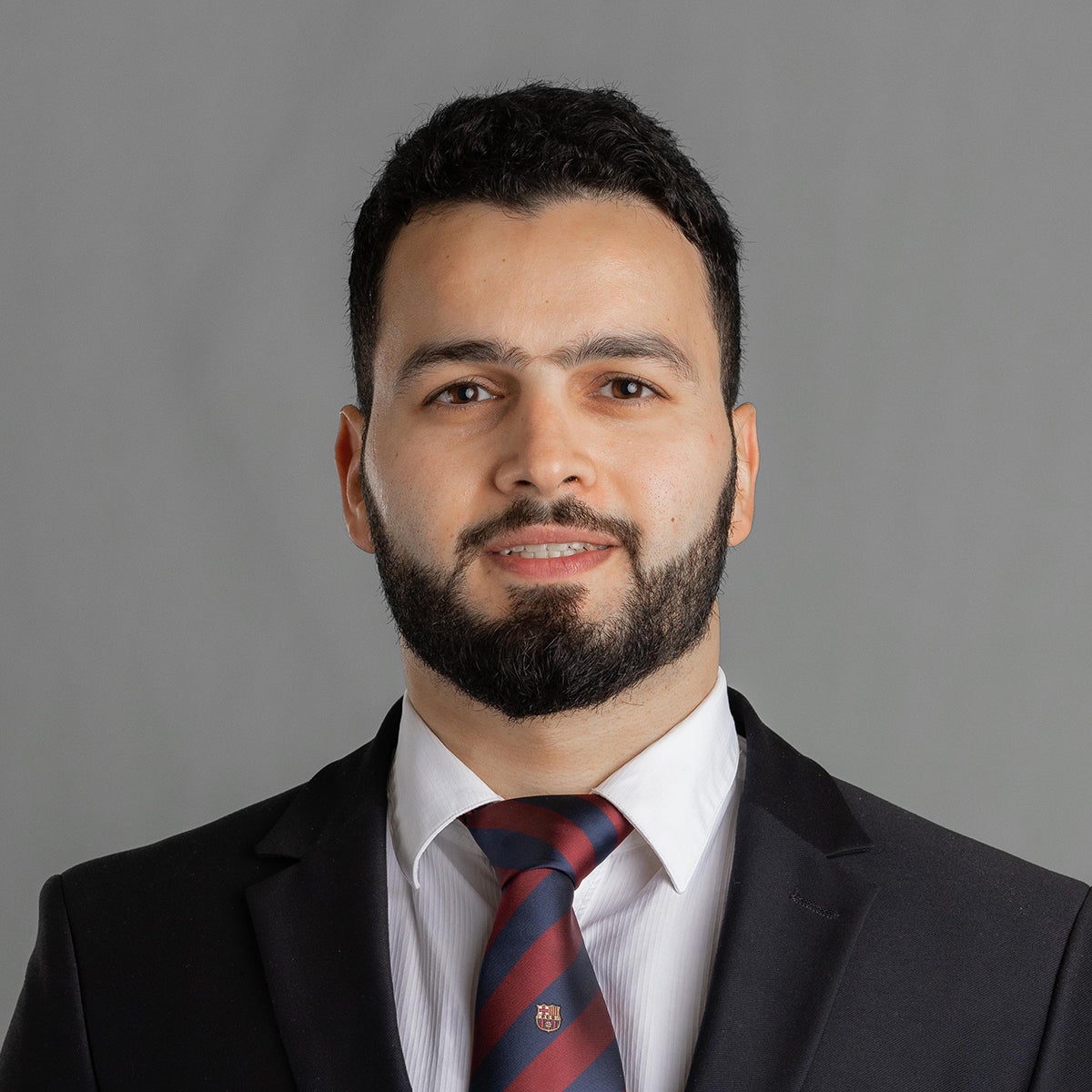
Dr. Yehia Manawi
Scientist
Educational Qualifications
BS in Chemical Engineering
MS in Environmental Engineering
Entity
Qatar Environment and Energy Research Institute
Biography
Yehia Manawi is a scientist at Qatar Environment and Energy Research Institute’s (QEERI’s) Water Center and Natural and Environmental Hazards Observatory (NEHO). He works on pressure-driven membrane processes at the Water Center and on monitoring naturally occurring radioactive materials (NORMs) in Qatar’s groundwater and seawater at NEHO.
BS in Chemical Engineering
MS in Environmental Engineering
Qatar University
PhD in Sustainable Environment
Hamad Bin Khalifa University
- Monitoring of NORMs in the vegetation
- groundwater and seawater of Qatar
- The development of atlas maps for the NORMs in Qatar
- Pressure-Driven Membrane Processes (MF
- UF
- NF and RO)
Scientist
Qatar Environment and Energy research Institute (QEERI) at the Water Center and Natural and Environmental Hazards Observatory (NEHO).
2019 - Present
Post-doc
Qatar Environment and Energy research Institute (QEERI) at the Water group.
2018 - 2019
Research Associate
QEERI at the Water group.
2013 - 2018
Research Engineer
Qatar University in a membrane distillation project in collaboration with ConocoPhillips.
2011 - 2013
Y Manawi. Scientific reports 7.1 (2017): 15831.
Yehia Manawi, Viktor Kochkodan, Ahmad Fauzi Ismail, Abdul Wahab Mohammad and Muataz Ali Atieh. Membranes 2019, 9(2), 30.
Yehia Manawi, Gordon McKay, Norafiqah Ismail, Ahmad Kayvani Fard, Viktor Kochkodan, Muataz Ali Atieh. Chemical Engineering Journal, Volume 352, 2018,(828-836).
Souhir Sabri, Ahmad Najjar, Yehia Manawi, Nahla Omer Eltai, Asma Al-Thani, Muataz Ali Atieh and Viktor Kochkodan. Membranes 2019, 9(2), 29.
Yehia M. Manawi, Kui Wang, Viktor Kochkodan, Daniel J. Johnson, Muataz A. Atieh and Marwan K. Khraisheh. Membranes 2018, 8(4), 106.
Ahmad Kayvani Fard, Tarik Rhadfi, Gordon McKay, Yehia Manawi, Viktor Kochkodan, One-Sun Lee, Muataz A. Atieh. Desalination and Water Treatment. 211 (2021) 280-295.
Y Manawi, A Samara, T Al-Ansari, MA Atieh. Materials 11 (5), 822.6. Characterization and Separation Performance of a Novel Polyethersulfone Membrane Blended with Acacia Gum. Y Manawi. Scientific reports 7.1 (2017): 15831.
Yehia Manawi, Victor Kochkodan, Muataz Hussein, Moe A. Khaleel, Marwan Kraisheh, Nidal Hilal, Desalination 391, 69-88 (2016).
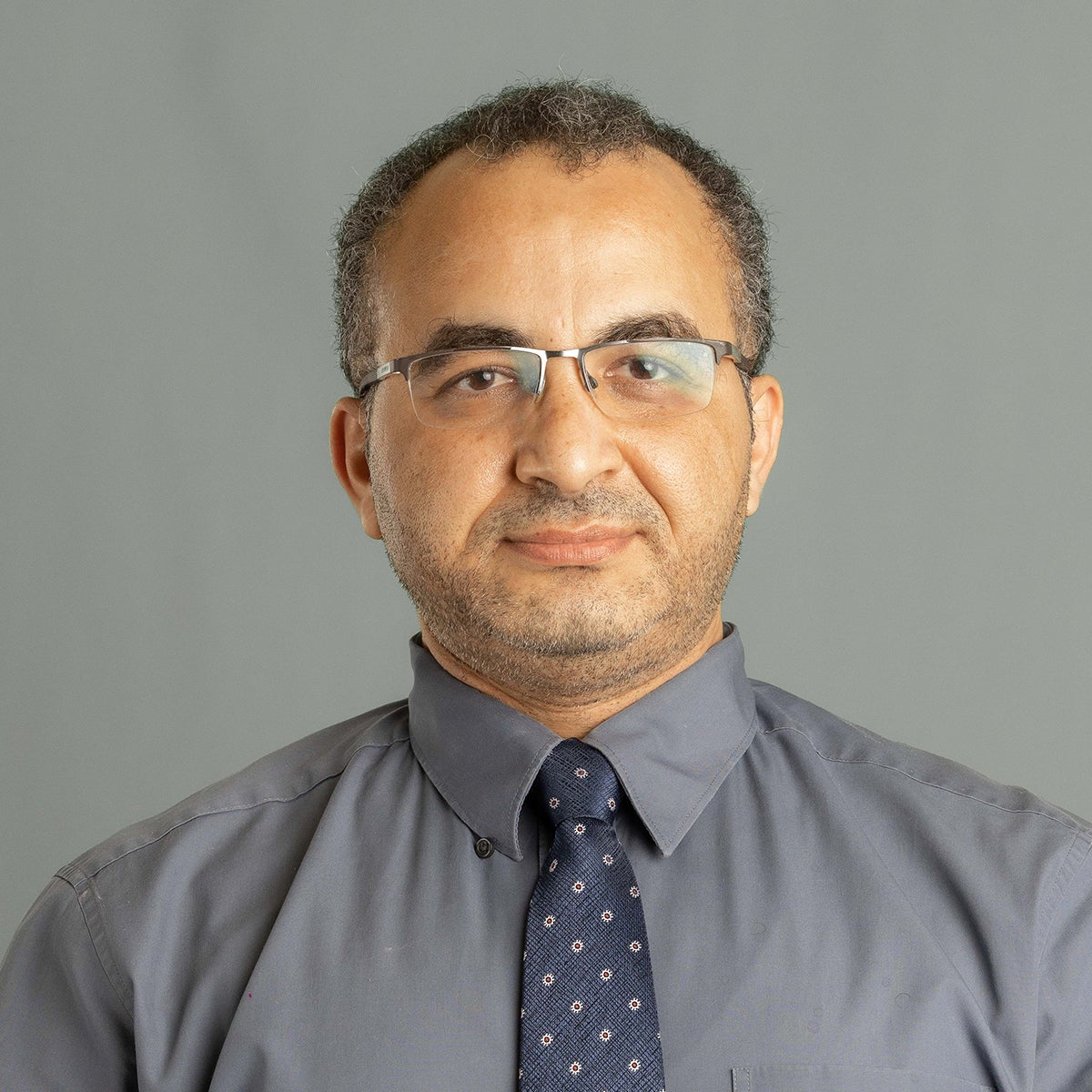
Dr. Khaled Mahmoud
Research Program Director
Phone
+974 4454 1694Office location
B2-0119, HBKU-RC, North Building, Seg. 5
Dr. Khaled Mahmoud
Research Program Director
Educational Qualifications
PhD.in Materials Science;
MSc.; in Analytical Chemistry;
Entity
Qatar Environment and Energy Research Institute
Division
Water science and technology
Biography
Dr. Khaled Mahmoud is Senior Scientist in Water Chemistry and Nanotechnology at the Qatar Environment and Energy Research Institute (QEERI). Prior joining QEERI, he worked as Research Officer in Biosensors and Nanobiotechnology at the Biotechnology Research Institute/National Research Council (CNRC), Montreal, Canada. He was the Director of Science & Technology at Bio Vision Technology Inc., Montreal, and an Assistant Professor at Faculty of Engineering, Port Said University. He obtained his PhD in Materials Science from University of Saskatchewan, Canada (2007) and MSc in Analytical Chemistry from Suez Canal University, Egypt (2003)
Dr Mahmoud research interest focus on the engineering and synthesis of functionalized nanomaterials for multidisciplinary applications including sustainable water treatment, energy storage, solar energy, environmental monitoring, nanocatalysis, and enhanced oil recovery applications. He is specialized in the synthesis and surface functionalization of 2D- carbon nanomaterials including MXene, graphenes, cellulose nanocrystals, and metal oxides.
Dr. Mahmoud is a member of the American Chemical Society (ACS), Canadian Society for Chemistry (CSC), Cellulose and Renewable Materials, ACS Colloids and Surface Sciences. He is co-author of 46 peer-reviewed papers, 5 book chapters, 2 patents, and 3 patent applications. He is recipient of The Excellence Award, NRC Montréal, Canada (2011); NSERC fellow, CNRC Canada.
PhD.in Materials Science;
University of Saskatchewan, Saskatoon, Canada.
2007
MSc.; in Analytical Chemistry;
Suez Canal University, Egypt.
2003
BSc., in Chemistry,
Suez Canal University, Egypt.
1996
- 2D metal carbides (MXenes) and graphene based membranes and adsorbents for water purification;
- Antimicrobial nanocomposites for seawater disinfection and antifouling coatings;
- “Green” biocides for sulphate reducing bacteria (SRB) and anti-microbial influenced corrosion (MIC);
- Nanomaterials for photovoltaic transparent electrodes and Li ion battery anode;
- Nanocomposites for EOR and oil/water separation applications;
- Electrochemical sensors for water pollutants.
Senior Scientist
Qatar Environment and Energy Research Institute (QEERI).
2012-current
Director of Science & Technology;
Bio Vision Technology Inc Montreal, Canada.
2011-2012
Visiting Professor
Énergie, Matériaux et Télécommunications (ÉMT), INRS, Varennes, Canada.
2011-2012
Research Officer
National Research Council (CNRC), Montreal, Canada.
2008-2011
NSERC post-doctoral fellow,
National Research Council (CNRC),Montreal, Canada.
2007-2008
Efficient Antibacterial Membrane based on Two-Dimensional Ti3C2Tx (MXene) Nanosheets” Scientific Reports 7
“Antibacterial Activity of Ti3C2Tx MXene” ACS nano 10, 3674-3684
“Effect of surface termination on ion intercalation selectivity of bilayer Ti3C2Tx (T= F, O and OH) MXene” Applied Surface Science 416, 725-730
S.V. Gaponenko “Nanoplasmonic Raman detection of bromate in water” Optics Express, 24, A174-179
“Transparent and conductive Ti3C2Tx (MXene) thin film fabrication by electrohydrodynamic atomization technique” Journal of Materials Science: Materials in Electronics, 27, 5440-5445
Charge-and size-selective ion sieving through Ti3C2Tx MXene membranes The Journal of Physical Chemistry Letters 6, 4026-4031
“Functional graphene nanosheets: the next generation membranes for water desalination” Desalination 356, 208-225
“Preparation of well-dispersed gold/magnetite nanoparticles embedded on cellulose nanocrystals for efficient immobilization of papain enzyme” ACS applied materials & interfaces 5, 4978-4985
“Fe3O4/Au nanoparticles/lignin modified microspheres as effectual surface enhanced Raman scattering (SERS) substrates for highly selective and sensitive detection of 2,4,6-trinitrotoluene (TNT)” Analyst 138, 2712-2719
“Effect of surface charge on the cellular uptake and cytotoxicity of fluorescent labeled cellulose nanocrystals” ACS applied materials & interfaces 2 (10), 2924-2932
JHT Luong Cellulose nanocrystal/gold nanoparticle composite as a matrix for enzyme immobilization ACS applied materials & interfaces 1, 1383-1386
“Impedance Method for Detecting HIV-1 Protease and Screening For Its Inhibitors Using Ferrocene− Peptide Conjugate/Au Nanoparticle/Single-Walled Carbon Nanotube Modified Electrode” Analytical chemistry 80, 7056-7062
“Picomolar detection of protease using peptide/single walled carbon nanotube/gold nanoparticle-modified electrode” Acs Nano 2, 1051-1057
“A bioorganometallic approach for the electrochemical detection of proteins: a study on the interaction of ferrocene–peptide conjugates with papain in solution and on Au surfaces” Chemistry-a European Journal 13, 5885-5895
- 2011; Excellence in Research Award, National Research Council CNRC Montréal/Canada
- 2007; NSERC Fellow; National Research Council CNRC; Canada.