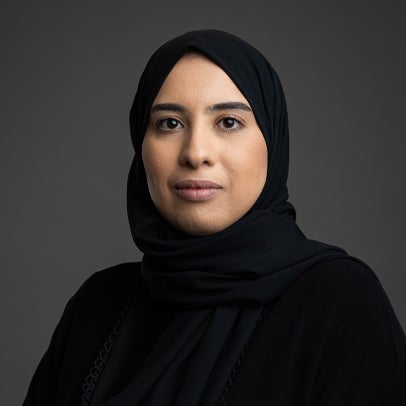
Dr. Kholoud K. Saleh
Research Associate
Educational Qualifications
PhD in Molecular, Cellular and Integrative Physiology
Bachelor’s degree in science, Biological Sciences
Entity
College of Health and Life Sciences
Biography
Dr. Saleh obtained her bachelor’s degree in Biological Sciences from Qatar University in 2014. She later joined the Ardehali Laboratory as a visiting scientist at David Geffen School of Medicine at University of California-Los Angeles (UCLA). She participated in the characterization of cardiovascular progenitor cells derived from human pluripotent stem cells. Dr. Saleh then joined Dr. Apil Pyle Laboratory as a Graduate Student Researcher; she investigated how Duchenne Muscular Dystrophy disease severity, in mouse models, impacts the systemic delivery of human skeletal muscle progenitor cells. She obtained her PhD in Molecular, Cellular and Integrative Physiology from UCLA in 2022.
PhD in Molecular, Cellular and Integrative Physiology
University of California Los Angeles, USA
2022
Bachelor’s degree in science, Biological Sciences
Qatar University, Qatar
2014
Pre-Medical Program
Weill Cornell Medical College, Qatar
2007 - 2010
- Human Pluripotent Stem Cells and their differentiation to Muscle Progenitor Cells
- Muscle Physiology
- Insulin Resistance
- Lipid metabolism
Graduate Student Researcher
Pyle Laboratory, UCLA
April 2017 - July 2022
UCLA Teaching Assistantship Physiology and Human Biology
UCLA
Spring 2018 and Spring 2019
Visiting Scholar Researcher
Ardehali Laboratory, UCLA
Nov 2014 - Dec 2016
Undergraduate Researcher
Qatar University
2013 - 2014
Summer Undergraduate Researcher
Kotter Laboratory at Anne McLaren Laboratory for Regenerative Medicine at Cambridge University
Summer 2013
- 2020, Biomedical, Life Sciences and Health Sciences Research Award, UCLA David Geffen School of Medicine, USA.
- 2016 - 2022, Qatar Research Leadership Program (QRLP) - Graduate Research Scholar Fellowship, QNRF, Qatar.
- 2014 - 2016, Qatar Research Leadership Program (QRLP) - Management Track Fellowship, QNRF, Qatar.
- 2013 - 2014, Qatar Science Leadership Program - Undergraduate Track Fellowship, QF, Qatar.
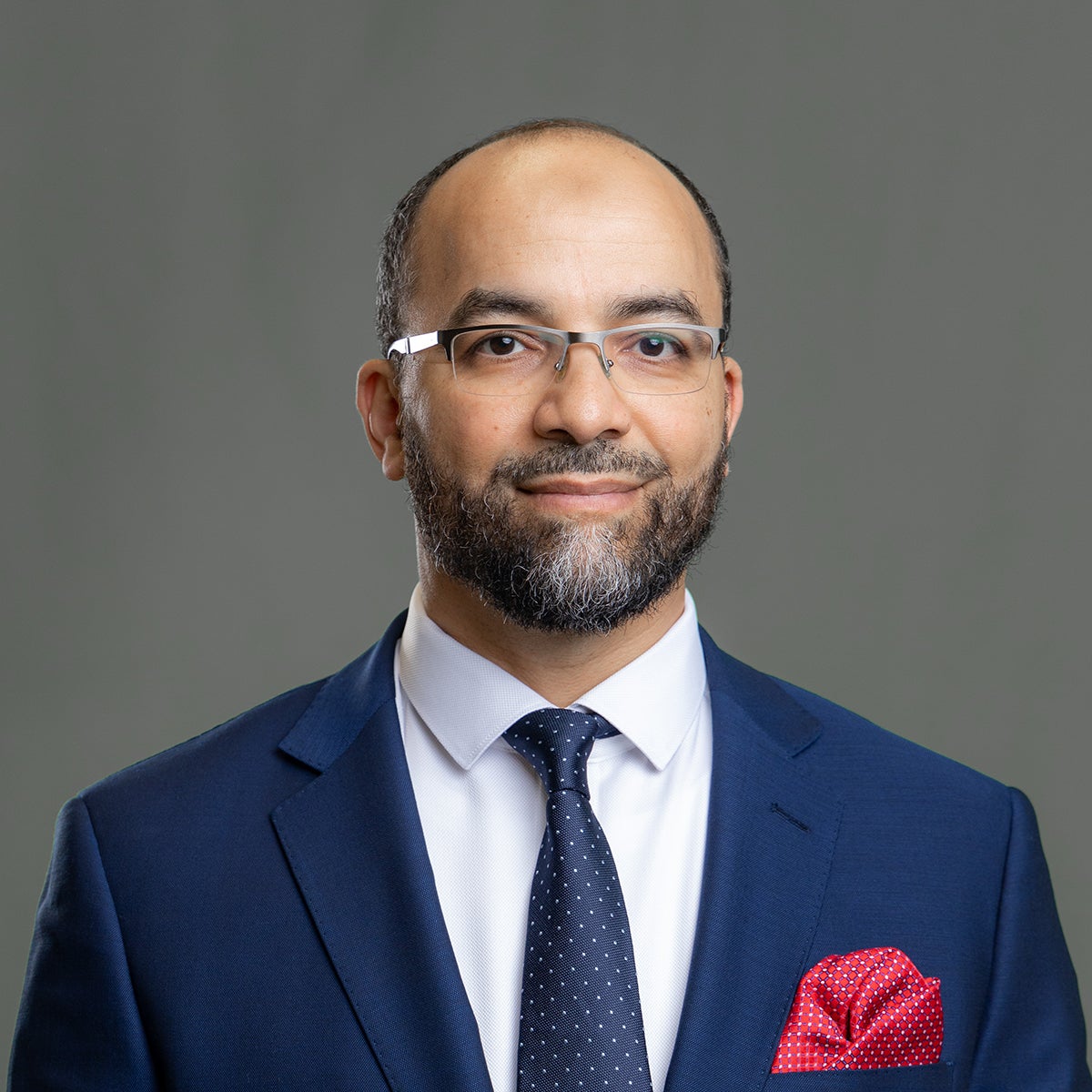
Dr. Ali Ait Hssain
Adjunct Clinical Associate Professor
Educational Qualifications
French Board of Clinical Nutrition(Diplôme d’Études Spécialisés Complémentaires de Nutrition Clinique)
Master of Science:Human Nutrition and Food Science
Entity
College of Health and Life Sciences
Biography
Dr. Ali Ait Hssain is a senior consultant intensivist and member of the ECMO Team at Hamad General Hospital, in Doha, Qatar. He has supervised PhD students at HBKU and is involved in clinical research including ICU patients with various diseases. He has also contributed to the Covid 19 diagnosis research with other colleagues at HBKU.
Alongside this, Dr. Hssain is an assistant Professor of Clinical Medicine at Weill Cornell Medical College. He received his medical degree and completed his residency of anesthesiology and critical care medicine in France.
Dr. Ali Ait Hssain has more than 20 years’ experience in Critical Care Medicine from different countries. He served as assistant clinical professor in university d’Auvergne in Clermont Ferrand, France. He was at the origin of the launch of the ECMO program in his center in 2007.
He is involved in several multicenter trials as investigator in international and multicenter collaborative projects with academic institutions. He is the author of more than 80 papers and book chapters. He is the actual lead for research at the medical intensive care unit. He is the lead for the ECMO Simulation Team of Doha (ECSiTeD) and therefore advocating for Simulation Based training for interprofessional development.
French Board of Clinical Nutrition(Diplôme d’Études Spécialisés Complémentaires de Nutrition Clinique)
Medicine Faculty of Clermont Ferrand Auvergne University, FRANCE
2012
Master of Science:Human Nutrition and Food Science
Auvergne University, FRANCE
2007
French Board of Intensive Care Medicine and Anesthesiology
Medicine Faculty of Limoges Limoges’ University, FRANCE
2006
- ExtraCorporeal Membrane Oxygenation (ECMO)
- Critical Care
- Sepsis
- Nutrition
Clinical Assistant Professor
Weil Cornell Medical College, Qatar
August 2020 - Present
Consultant Intensivist
Department of Nephrology, Hemodialysis, Transplantation and Intensive Care Medicine, Hospital Gabriel Montpied, Teaching Hospital, Clermont Ferrand, France
2006 - 2015
Senior Consultant Intensivist
Department of medicine - Medical Intensive Care Unit/ECMO Team Hamad General Hospital Doha, Qatar
December 2014 - Present
Clinical Assistant Professor of Medicine
Faculty of medicine of Clermont Ferrand, Université d’Auvergne, France
2006 - 2009
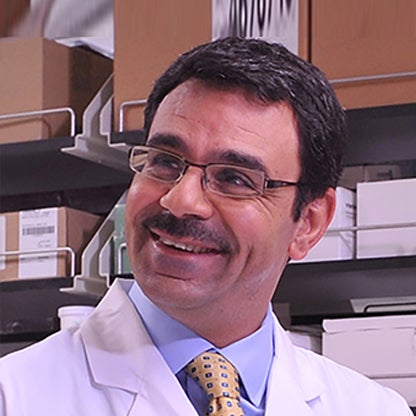
Dr. Khaled Machaca
Joint Professor
Dr. Khaled Machaca
Joint Professor
Educational Qualifications
Ph.D. Cell & Developmental Biology
M.S. Poultry Science
Entity
College of Health and Life Sciences
Biography
Khaled Machaca is Professor of Physiology and Biophysics. He has been training and supervision of Hamad Bin Khalifa University graduate students for the past 5 years. Alongside that, he is a professor at Weill Cornell Medicine and serves as the Senior Associate Dean for Research, Innovation and Commercialization for the Qatar campus. In that capacity he oversees the academic, financial, operational and compliance aspects of the research department, which currently encompasses about 200 researchers. Dr Machaca oversaw the establishment of the administrative and regulatory infrastructure, centralized core laboratories, and faculty recruitment.
The Machaca Lab is interested in intracellular signaling under physiological and pathological conditions with a focus on calcium signaling. Our goal is to better define these signaling pathways at the cellular and molecular levels to identify potential therapeutic targets in various disease states. We are particularly interested in the role of calcium in cancer, cardiovascular and immune disfunction, as well as in oocyte maturation in preparation for fertilization. Work from the Machaca Lab has been published in leading biomedical journals and garnered continuous extramural funding from NIH and the Qatar National Research Fund (QNRF). Khaled serves of several editorial boards, reviews widely for scientific journals and granting agencies, and has an extensive track record of training students and postdoctoral fellows.
Ph.D. Cell & Developmental Biology
Emory University
1992 - 1996
M.S. Poultry Science
University of Georgia
1990 - 1992
B.S. Agriculture & Diplome D’Ingenieur Agricole
American University of Beirut
1986 - 1990
- Signal transduction
- Oocyte maturation
- Ca2+ signaling
- Store operated Ca2+ entry
- Nongenomic progesterone signaling
- Cellular model for rare genetic disorders
Associate Dean of Research
Weill Cornell Medicine Qatar
2009 - Present
Professor
Department of Physiology & Biophysics, Weill Cornell Medicine
2009 - Present
Director Imaging Core
Weill Cornell Medicine Qatar
2009 - Present
Designated Institutional Official
Weill Cornell Medicine Qatar, Animal Research Program, Weill Cornell Medicine Qatar
2009 - Present
Organizational Official
Weill Cornell Medicine Qatar, Human Research Protection Program (HRPP)
2009 - 2017
Adjunct Professor
Hamad Bin Khalifa University
2016 - Present
Associate Dean for Basic Science Research
Weill Cornell Medicine Qatar
2008 - 2009
Associate Professor
Department of Physiology & Biophysics, University of Arkansas for Medical Sciences (UAMS)
2005 - 2008
Assistant Professor
Department of Physiology & Biophysics, University of Arkansas for Medical Sciences (UAMS)
1999 - 2004
- 2018, Named Distinguished Alumnus, Emory University Graduate School, Biological and Biomedical Sciences.
- 2020, Mentoring Award, WCMQ, Excellence in Mentoring in Area of Concentration Medical Student Training.
- 2022, Organizer and Session Chair, Science Summit at United Nations General Assembly 77 (UNGA77). Personalized Medicine, the Omics Revolution, and Effective Accessible Health Care.
- 2022, Member, Accreditation and Quality Assurance Committee. High Level committee officially formed in 2022 by the Prime Minister of Qatar through a formal decree to oversee the higher education sector in Qatar.
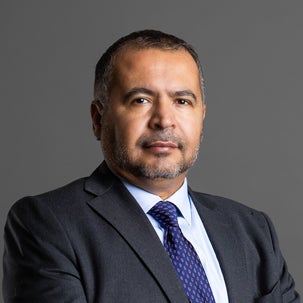
Dr. Nayef Mazloum
Adjunct Associate Professor
Dr. Nayef Mazloum
Adjunct Associate Professor
Educational Qualifications
PhD in Biochemistry and Molecular Biology
BS in Biology
Entity
College of Health and Life Sciences
Biography
Dr. Nayef A. Mazloum is an Adjunct Associate Professor at Hamad Bin Khalifa University. He graduated from the American University of Beirut in 1994 and completed his PhD in biochemistry and molecular biology at New York Medical College in Valhalla in 2003.
Dr. Nayef A. Mazloum worked as an instructor of microbiology and immunology at Weill Cornell Medical College in New York. He did his postdoctoral training at Memorial Sloan Kettering Cancer Center and worked at Weill Cornell Medicine-Qatar (WCM-Q).
Dr. Mazloum’s research focuses on the molecular aspects of DNA repair mechanisms, the stability of the genome, and how the dysfunction of these regulatory pathways could lead to cancer, age-related or metabolic diseases.
His lab employs cellular, molecular, and genetic tools to investigate altered molecular pathways in metabolic disorders and cancer. Dr. Mazloum actively collaborates with local stakeholders in Qatar, including Hamad Medical Corporation, Qatar University, Texas A&M University, Qatar Biomedical Research Institute, and Hamad Bin Khalifa University. He also collaborates with global investigators at Harvard Medical School, Mayo Clinic, Brown University, and the University of East Anglia.
PhD in Biochemistry and Molecular Biology
New York Medical College, Valhalla, United States
2003
BS in Biology
American University of Beirut, Lebanon
1994
- Function of Sirt1 in adipocyte proliferation and differentiation
- Molecular mechanisms regulated by the oncogene C-Myc
- Mechanisms of cellular senescence in Obesity and Diabetes
- Function of the E3 ubiquitin-protein Ligase UHRF1
Adjunct Associate Professor
College of Health and Life Sciences, Hamad Bin Khalifa University
2025 - Present
Associate Professor of Microbiology and Immunology
Research, Weill Cornell Medicine Qatar
2024 - Present
Assistant Professor
College of Health and Life Sciences, Hamad Bin Khalifa University
2015 - 2025
Assistant Dean for Student Research
Weill Cornell Medicine Qatar, Weill Cornell Medicine Qatar
2017 - Present
Assistant Professor of Microbiology and Immunology
Research, Weill Cornell Medicine Qatar
2011 - 2024
Instructor
Microbiology and Immunology, Weill Cornell Medicine New York, United States
2008 - 2010
Postdoctoral Research Associate
Microbiology and Immunology, Weill Cornell Medicine New York, United States
2004 - 2010
Complete Publication Listing(s): PubMed
- 2000; First Prize Winner, Annual Graduate Student Research Forum, NYMC.
- 1991; Harriri Foundation Scholarship Award, AUB.
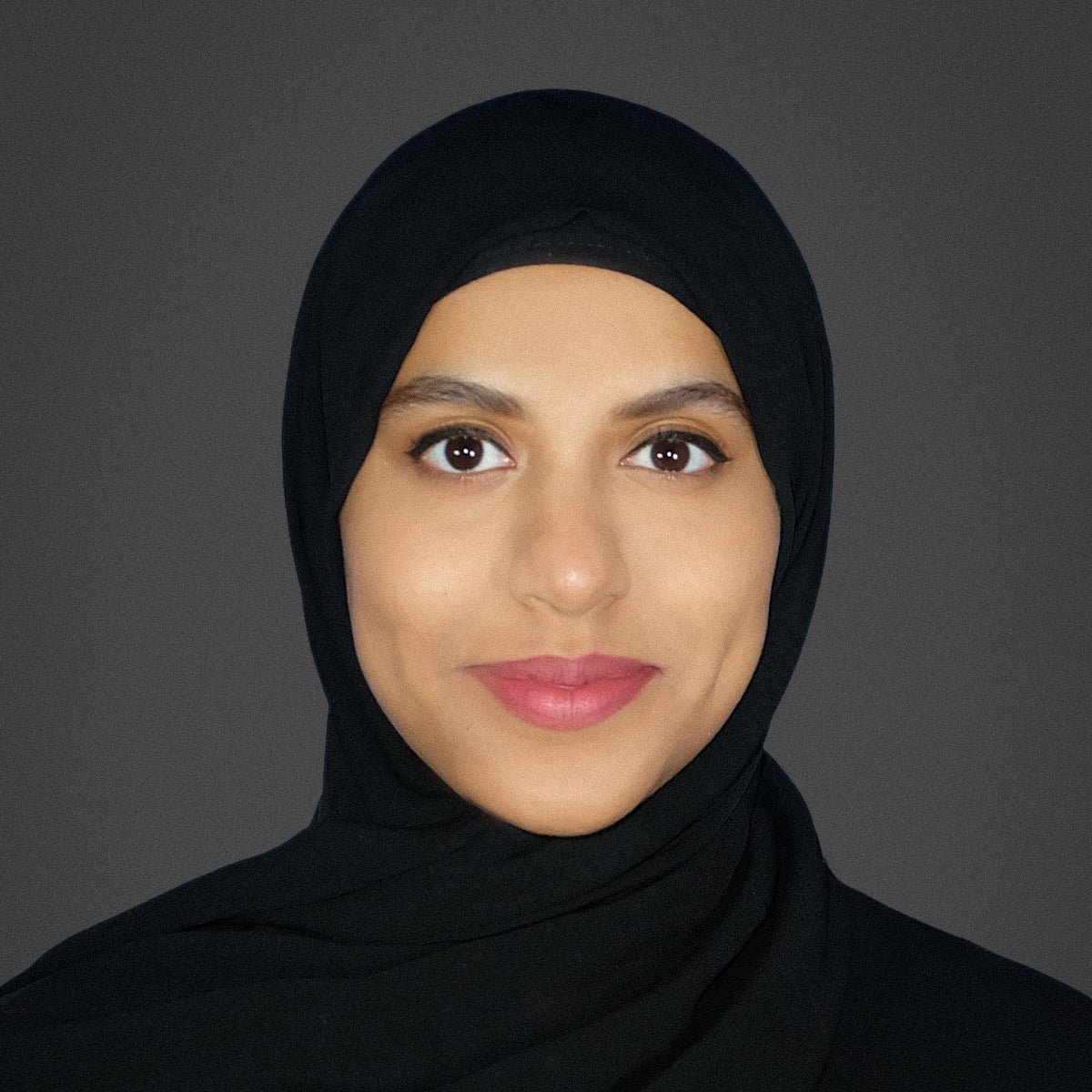
Dr. Umm-Kulthum Ismail Umlai
Post-doctoral Researcher
Educational Qualifications
PhD in Genomics and Precision Medicine
Master in Biomedical Research
Entity
College of Health and Life Sciences
Biography
Umm-Kulthum is an early career researcher with experience in genomics, metagenomics, biomedical research and metabolomics. She spent most of her life in Qatar where she also graduated with research honours from Carnegie Mellon University located at the prestigious Education City. Her postgraduate experience involved several biomedical research projects including metabolomics of Alzheimer’s disease and liver diseases at Imperial College of Science, Technology and Medicine in the UK. Her PhD research with Hamad Bin Khalifa University was a combination of clinical and genomics research, looking into the genetics underlying rare growth disorders in paediatric patients recruited from a hospital in Qatar. Currently, Umm-Kulthum is working as a post-doctoral researcher with Professor Omar Albagha where she is involved in numerous Genome-Wide Association Studies projects which utilize the Qatar Genome Programme data to investigate various traits.
PhD in Genomics and Precision Medicine
Hamad Bin Khalifa University (Doha, Qatar)
2022
Master in Biomedical Research
Imperial College of Science Technology and Medicine (London, England)
2017
Bachelor in Biological Sciences
Carnegie Mellon University (Doha, Qatar)
2016
Post-Doctoral Researcher
Hamad Bin Khalifa University (Doha, Qatar)
2022 - Present
Teaching Assistant Pharmacogenomics Course
Hamad Bin Khalifa University (Doha, Qatar)
2021 - 2021
Research Assistant
Queen Mary University of London, (London, England)
2016 - 2017
Research Student
Biological Sciences Department, Carnegie Mellon University (Doha, Qatar)
2014 - 2016
Summer Research Fellow
Mellon College of Science, Carnegie Mellon University (Pittsburgh, USA)
2013
- Hamad Bin Khalifa University sponsored PhD scholarship from Hamad Bin Khalifa University (Doha, Qatar), 2018 - 2022.
- Research Honors from Research Honors, 2016.
- Meeting of the Minds- 3rd place annual research showcase from Carnegie Mellon University (Doha, Qatar), 2015.
- Annual Research Award- 1st place student poster (Energy and Environment category) from Annual Research Conference Qatar Foundation, 2014.
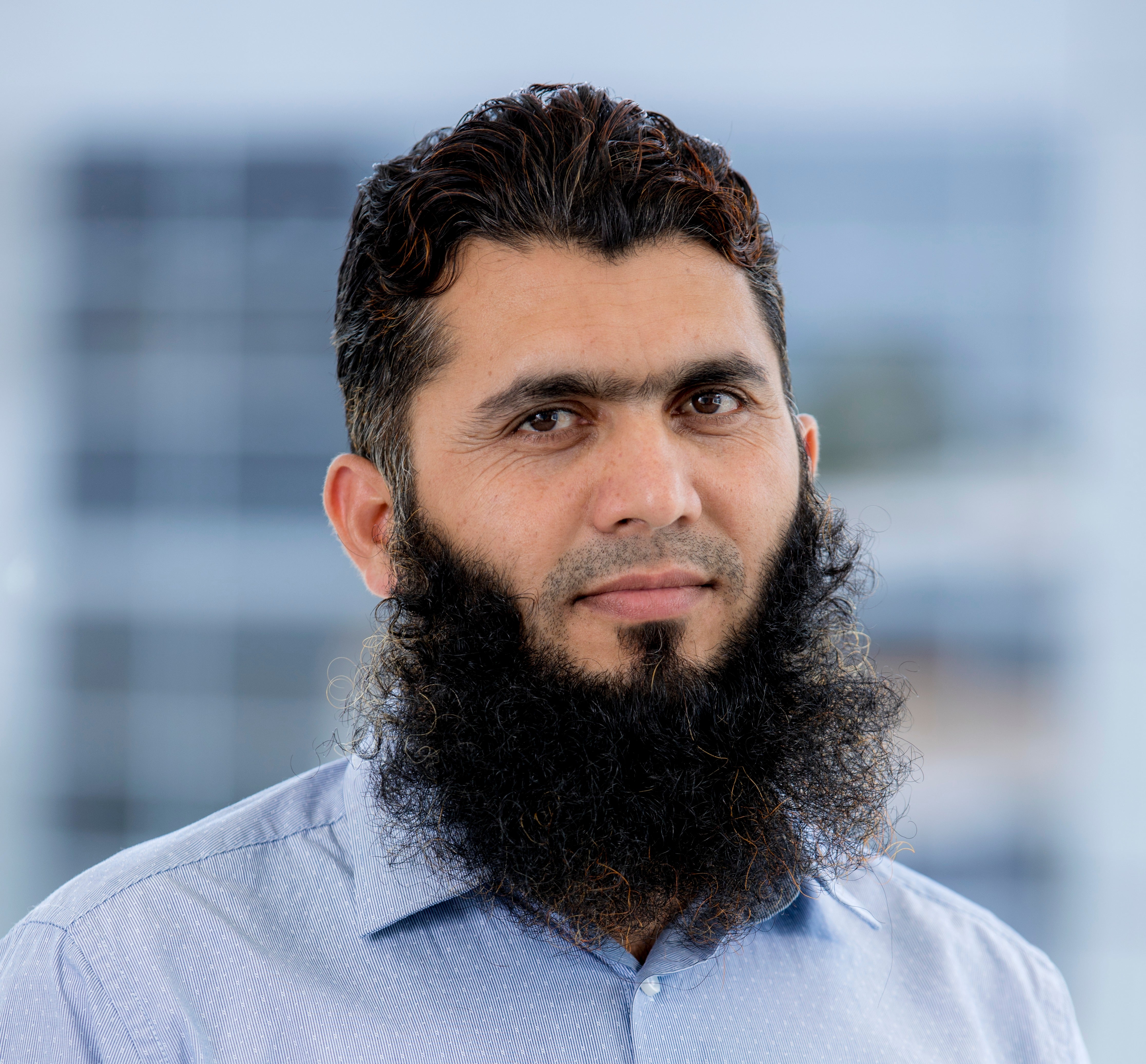
Dr. Zubair Shah
Assistant Professor
Dr. Zubair Shah
Assistant Professor
Educational Qualifications
PhD in Data Science
MSc in Computer System Engineering
Entity
College of Science and Engineering
Division
Information & Computing Technology
Biography
Dr. Zubair Shah is an Assistant Professor in the College of Science and Engineering specializing in artificial intelligence and big data analytics with a focus on health informatics. He holds an MS degree in Computer System Engineering from Politecnico di Milano, Italy, and a PhD from the University of New South Wales, Australia. Before joining HBKU, Dr. Shah was a Research Fellow at the Australian Institute of Health Innovation, Macquarie University, from 2017 to 2019.
Dr. Shah's research focuses on applying AI to healthcare, particularly in developing AI-driven applications that enhance disease diagnosis and prediction. He has secured critical funding from HBKU Innovation Center and QNRF to advance these efforts, including work on diabetes management and multimodal AI systems combining electronic health records (EHR), medical imaging, and multi-omics data. His team has developed innovative deep-learning techniques, including methods for identifying IDH mutations from histopathology slides and exploring the use of generative models like GANs and neural diffusion for medical data augmentation.
Dr. Shah has published extensively in leading international journals and conferences, and his research also explores the potential of foundation AI models in healthcare, contributing significantly to advancements in AI-powered medical diagnostics.
PhD in Data Science
University of New South Wales, Australia
2017
MSc in Computer System Engineering
Politecnico Di Milano, Italy
2011
BS in Computer Science
University of Peshawar, Pakistan
2005
- Digital Epidemiology and behavioral analysis of vaccination attitudes
- AI-driven healthcare applications
- Deep learning in medical imaging
- Generative models for medical data
Assistant Professor
College of Science and Engineering, Hamad Bin Khalifa University
2019 - Present
Research Fellow
Australian Institute of Health Innovation, Macquarie University, Australia
2017 - 2019
Lecturer
Computer Science, City University of Science and Information Technology, Pakistan
2012 - 2013
System Engineer
National Database and Registration Authority, Pakistan
2006 - 2009
Mohsen, F., Al-Absi, H. R. H., Yousri, N. A., El Hajj, N., & Shah, Z. (2023). A scoping review of artificial intelligence-based methods for diabetes risk prediction. NPJ Digital Medicine, 6(1), 197.
Mohsen, F., Ali, H., El Hajj, N., & Shah, Z. (2022). Artificial intelligence-based methods for fusion of electronic health records and imaging data. Scientific Reports, 12(1), 17981.
Ahmad, W., Ali, H., Shah, Z., & Azmat, S. (2022). A new generative adversarial network for medical images super resolution. Scientific Reports, 12(1), 1–20.
Shah, U., Biswas, M. R., Ali, R., Ali, H., & Shah, Z. (2022). Public attitudes on social media toward vaccination before and during the COVID-19 pandemic. Human Vaccines & Immunotherapeutics, 18(6), 2101835.
Liu, S., Shah, Z., Sav, A., Russo, C., Berkovsky, S., Qian, Y., Coiera, E., & Di Ieva, A. (2020). Isocitrate dehydrogenase (IDH) status prediction in histopathology images of gliomas using deep learning. Scientific Reports, 10(1), 7733.
- 2016 Postgraduate Research Student Support (PRSS), UNSW, Australia
- 2014 University College Postgraduate Research Scholarship (UCPRS), UNSW, Australia
- 2009 DSU-International Postgraduate Scholarship, Politecnico di Milano, Italy
- 2005 Distinction at Department of Computer Science, University of Peshawar, Pakistan
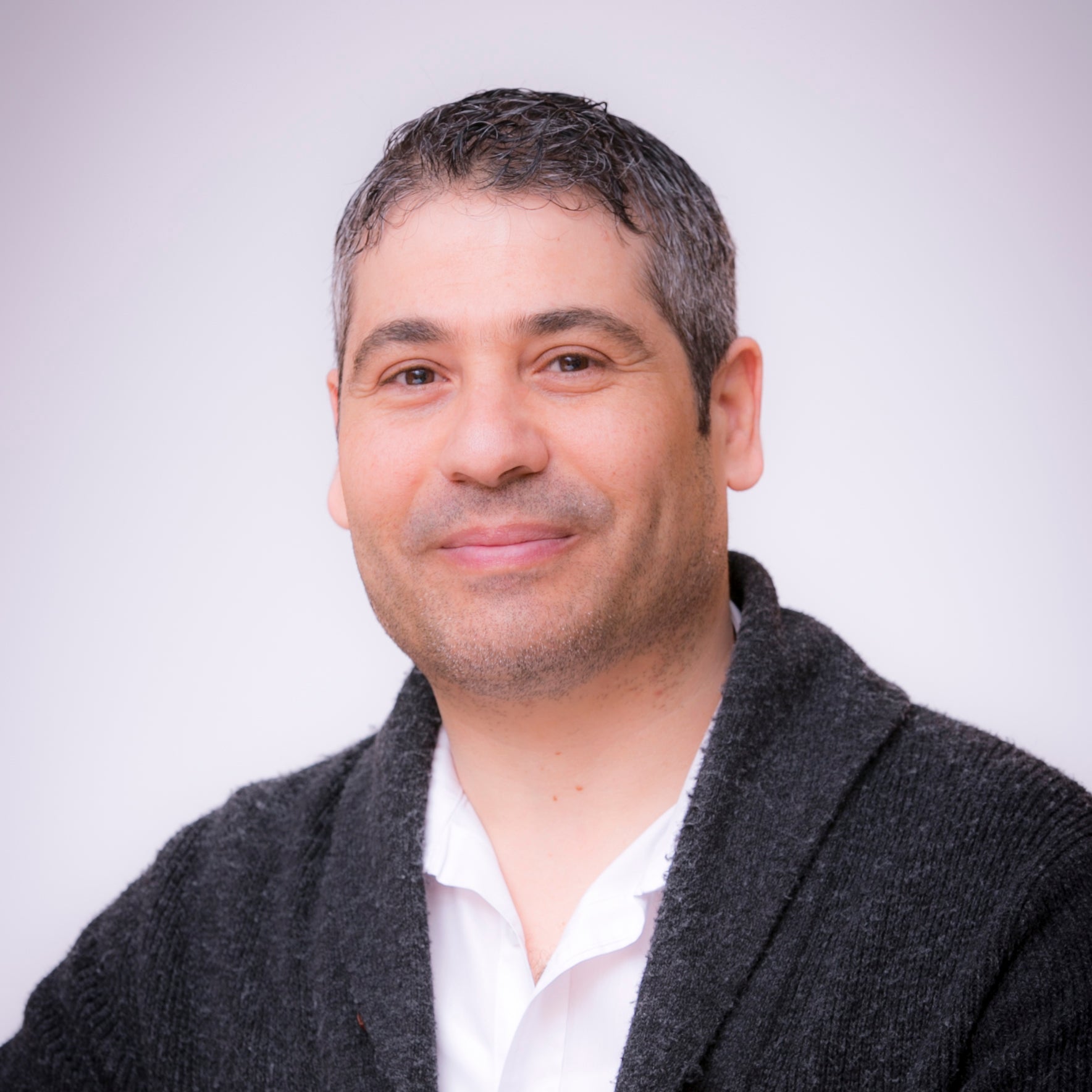
Dr. Afif Ben Mahmoud
Senior Research Associate
Dr. Afif Ben Mahmoud
Senior Research Associate
Educational Qualifications
PhD (Molecular and Human Genetics)
MSc in Genetics and Biodiversity
Entity
Qatar Biomedical Research Institute
Division
Neurological Disorders Research Center
Biography
Dr. Afif Ben Mahmoud is an accomplished geneticist and genome data analyst with extensive expertise in human molecular genetics. He earned an engineering degree in agriculture and animal production, a master's in genetics and biodiversity, and a PhD in molecular and human genetics. With over 12 years of experience in research and academia, Dr. Ben-Mahmoud has dedicated his work to elucidating cellular and molecular mechanisms underlying human genetic diseases, focusing on identifying disease genes and mutations responsible for rare recessive disorders, particularly in Arab populations.
His professional contributions in genetic pathology span from phenotypic and genotypic characterization of patients with monogenic diseases to functional studies aimed at demonstrating the pathogenicity of disease-causing novel genes and gene variations. He has also led numerous projects to decode rare human monogenic diseases, significantly advancing the field.
Dr. Afif Ben Mahmoud’s notable accomplishments include the first functional analysis of B3GALTL in Tunisian patients with Peters Plus Syndrome, the identification of MAST1 as a novel intellectual disability gene, and confirming the role of B3GALT6 in Al-Gazali Syndrome. Additionally, he has identified 16 autosomal dominant candidate genes in syndromic neurodevelopmental disorders and new candidate loci for intellectual disability and Kallmann syndrome. Dr. Ben-Mahmoud has published 25 high-quality articles in renowned international peer-reviewed journals, with over 500 citations and an h-index of 14.
PhD (Molecular and Human Genetics)
Sfax University, Tunisia
2015
MSc in Genetics and Biodiversity
Monastir University, Tunisia
2009
Engineering in Agriculture and Animal Production
Carthage University, Tunisia
2007
- Identification of novel disease genes and their pathogenic variants in autism and human monogenic diseases in Qatar.
- Investigation of genetic diversity and recessive disorders in Arab populations in Qatar.
- Functional validation of novel genes associated with intellectual disability and autism spectrum disorder in the Qatari population.
- Elucidation of cellular and molecular mechanisms in syndromic neurodevelopmental disorders in Qatar.
Senior Research Associate
Qatar Biomedical Research Institute, Hamad Bin Khalifa University
2019 - present
PostDoc Researcher
College of Medicine & Health Sciences, United Arab Emirates University, UAE
2016 - 2018
Ben-Mahmoud, A., Gupta, V., Kim, C.-H., Layman, L. C., & Kim, H.-G. (2023). Digenic or oligogenic mutations in presumed monogenic disorders: A review. Journal of Genetic Medicine, 20(1), 15–24.
- 2018; Researchers at UAEU develop cell lines with gene-editing technology CRISPR-Cas9 used to understand diseases
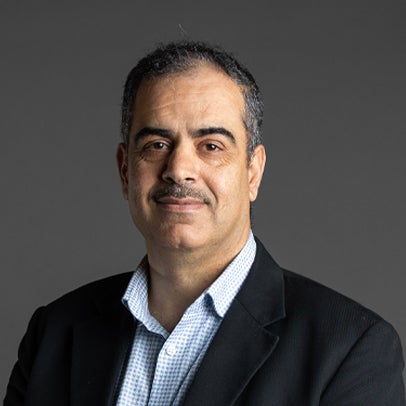
Dr. Nehad Alajez
Principal Investigator
Joint Professor
Educational Qualifications
PhD
MSc
Entity
Qatar Biomedical Research Institute
College of Health and Life Sciences
Division
Translational Oncology Research Center
Biography
Dr. Nehad Alajez earned his PhD in tumour immunology from the University of Pittsburgh School of Medicine in USA, and subsequently completed his post-doctoral training at the Princess Margaret Cancer Center (University Health Network), a premier cancer research institute in Canada. His main research interest is to investigate the role of the Polycomb gene family and non-coding microRNAs in driving cancer progression and their potential utilization for targeted therapies. Dr. Alajez is a recipient of several prestigious awards and has published more than 100 articles in top-tier ISI-indexed journals including Blood, Cancer Research, Cell Death and Differentiation, Cell Death and Disease, Signal Transduction and Targeted Therapy, Molecular Therapy (family journals), EMBO Molecular Medicine, and in Science Translational Medicine. Dr. Alajez currently has close to 5000 citations and an h-index of 35 and i10-index of 74.
Prior to his current appointment, Dr. Alajez was appointed as the Associate Professor at King Saud University College of Medicine, Kingdom of Saudi Arabia. Dr. Alajez’s main research interests are focused on ‘translational oncology research’ with main emphasis on novel biomarker discovery and targeted therapeutics for breast cancers. In particular, Dr. Alajez’s team is studying noncoding RNAs (micoRNAs and lncRNAs) as disease and predictive biomarkers for patients’ response to therapy. Dr. Alajez has strong expertise in transcriptome analysis, noncoding RNAs, and biomarker discovery field and is currently ranked among the top 2% most cited scientist globally. He is a recipient of several major grants, including funding from Qatar National Research Fund, in addition to his editorial roles on several journals.
PhD
University of Pittsburgh, USA
2003
MSc
San Francisco State University, USA
1999
BSc
Islamic University of Gaza, Palestine
1995
Dr. Alajez main research interests are focused on precision medicine aiming at the discovery of novel tumour and circulating biomarkers for breast cancer diagnosis, prognosis, and therapy. Additionally, Dr. Alajez’s group is conducting CRISPR-Cas9 genomic screens to elucidate the role of miRNAs and lncRNAs in driving breast cancer survival and resistance to standard therapies.
- Identification of molecular signatures predictive of pathological complete response to neoadjuvant therapy in breast cancer.
- Identification of circulating miRNAs as diagnostic and predictive biomarkers for breast cancer.
- Transcriptomic profiling of breast cancer for diagnostic
- prognostic
- and therapeutic applications.
- CRISPR-Cas9 genomic screen to identify novel therapeutic vulnerabilities in breast cancer.
Principal Investigator
Translational Oncology Research Center, Qatar Biomedical Research Institute
2022 - Present
Senior Scientist
Translational Cancer and Immunity Center, Qatar Biomedical Research Institute
2018 - 2022
Associate Professor
College of Medicine, King Saud University
2015 - 2018
Assistant Professor
College of Medicine, King Saud University
2011 - 2015
- 2022, Qatar Biomedical Research Institute top publishing.
- 2022, Qatar Biomedical Research Institute top external received funding.
- 2022, among top 2% most cited scientists worldwide.
- 2021, among top 2% most cited scientists worldwide.
- 2021, Qatar Biomedical Research Institute highest publication award.
- 2010, Scholar-in-Training Award, American Association of Cancer Research.
- 2007, Excellence in Radiation Research for the 21st Century Award, Canadian Institute for Health Research.
- 2004, Scholar-in-Training Award, American Association of cancer research.
- 2001, DOD pre-doctoral training Award on Breast Cancer Research.
- 1999, San Francisco State University distinguished achievement award for academic excellence.
- 1997, Fulbright Scholarship.
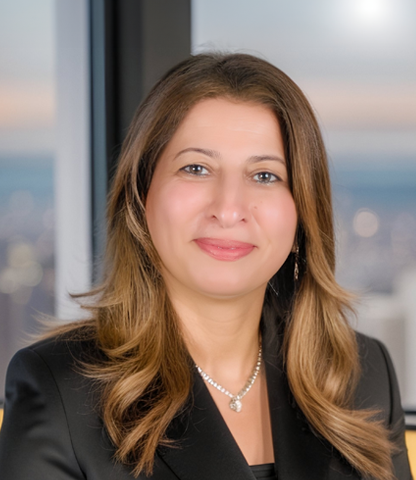
Dr. Esmat Zaidan
Associate Professor and Associate Dean for Academic Affairs
Dr. Esmat Zaidan
Associate Professor and Associate Dean for Academic Affairs
Educational Qualifications
PhD in Geography and Environmental Management - Planning and Development
Master in Economic Development
Entity
College of Public Policy
Biography
Dr. Esmat Zaidan is an Associate Professor at the College of Public Policy at Hamad Bin Khalifa University. She has 22 years of experience in academic institutions and international organizations like the World Bank, the Norwegian Agency for Development Cooperation (NORAD), and the United Nations Development Programme (UNDP). She has spent 13 years in academia, holding senior roles in administration, teaching, and research.
Her experience includes strategic planning, academic accreditation, and ranking, curriculum design and restructuring, the conceptualization of new academic initiatives, scientific research and evaluation, partnerships with stakeholders, as well as team leadership and capacity building. She is a strong advocate for excellence in teaching and research, teamwork and collaborative approaches, and the faculty's role in societal progress.
Her research primarily focuses on sustainable development policy and planning with an emphasis on sustainable urbanism and the complex interaction between humans and built environments. Her research portfolio extensively covers urban resilience and sustainability policies.
Dr. Esmat Zaidan’s approach is interdisciplinary, addressing dynamic models of socioeconomic and environmental systems to create simulations and predictive models to enhance understanding and forecasting of the complex interplays between urban and natural environments. This includes the policy pathway for energy-efficient buildings, sustainable, resilient, smart, and people-centric urban areas, as well as impacts of technological change in urban life including smart cities and net-zero carbon communities.
PhD in Geography and Environmental Management - Planning and Development
University of Waterloo, Canada
2011
Master in Economic Development
University of Waterloo, Canada
2008
Master in Urban Planning and Design
Birzeit University, Palestine
2006
- Sustainable development strategies and policy planning
- Human and built environment interaction
- Urban resilience
- climate adaptation
- smart cities
- and sustainability policies
- The dynamic interplay between technology
- human interaction
- and policy innovation
Associate Dean for Academic Affairs
Hamad Bin Khalifa University
2024 - Present
Associate Professor
College of Public Policy, Hamad Bin Khalifa University
2024 - Present
Director of Honors Program
Qatar University
2022
Academic Coordinator
College of Arts and Sciences, Qatar University
2017 - 2021
Associate Professor in Policy, Planning, and Development
College of Arts and Sciences, Qatar University
2015 - 2022
Assistant Professor in Urban Planning and Sustainability
College of Humanities and Social Sciences, United Arab Emirates University, UAE
2013 - 2015
Assistant Professor in Urban Planning
Faculty of Arts, Birzeit University, Palestine
2011 - 2013
Zaidan, E., & Ibrahim, I.A. (2024). AI governance in a complex and rapidly changing regulatory landscape: A global perspective. Humanities and Social Sciences Communications, 11(1), 1-18.
Complete Publication Listing(s): Google Scholar
- World Top 2% of Scientists as Ranked by Elsevier and Stanford University
- 2022, Research Excellence Award, Qatar University
Jasir Jawad
Research Engineer
Educational Qualifications
MS Chemical Engineering
BE Chemical Engineering
Entity
Qatar Environment and Energy Research Institute
Biography
Jasir Jawad is a Research Engineer at Qatar Environment and Energy Research Institute (QEERI) at Haman Bin Khalifa University, Qatar. His research at QEERI is focused on the operation and supporting maintenance at the advanced MED pilot plant. He is also involved in the operation, maintenance, mathematical modeling and analysis of the Linear Fresnel Collector and Organic Rankine Cycle (LFC-ORC) pilot power plant at the QEERI outside testing facility. Moreover, he is studying advanced water vapor compression using Computational Fluid Dynamics (CFD) tools.
He received his MS degree in Chemical Engineering from Texas A&M University at Qatar. He earned his bachelor's in Chemical Engineering from NED University of Engineering and Technology, Pakistan.
MS Chemical Engineering
Texas A&M University at Qatar Doha/Qatar
2018
BE Chemical Engineering
NED University of Engineering and Technology, Karachi/Pakistan
2016
- Desalination and Water Treatment
- Concentrating Solar Power Plant
- Organic Rankine Cycle
- Computational Fluid Dynamics
- Neural Network and Mathematical Modeling
- Process Safety
Research Engineer
Qatar Environment and Energy Research Institute (QEERI), HBKU
2021 - Present
Research Assistant
Center for Advanced Materials (CAM), Qatar University
2019 - 2021
Research Assistant
Mary Kay O'Connor Process Safety Center (MKOPSC-Qatar), TAMUQ
2017 - 2018