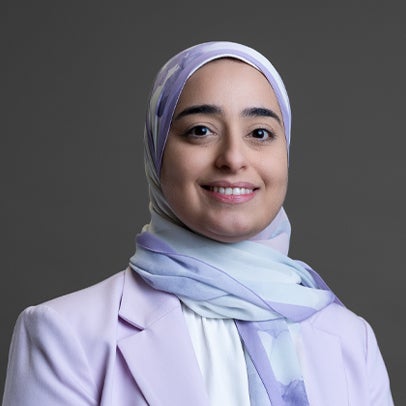
Dr. Marwa AbdelGawad
Assistant Professor of Practice
Dr. Marwa AbdelGawad
Assistant Professor of Practice
Educational Qualifications
Doctor of Philosophy
Master of Science
Entity
College of Science and Engineering
Biography
Dr. Marwa AbdelGawad joined HBKU as an Assistant Professor of Practice. She earned her Ph.D. in Mechanical Engineering from Texas A&M University, College Station, TX, where her research was focused on examining the impact of microstructure on the corrosion response and mechanical integrity of magnesium alloys used in biomedical applications, specifically orthopedic implants.
Dr. AbdelGawad's interests are centered around materials and manufacturing, with a strong focus on corrosion of light metal alloys. With an extensive teaching background spanning over 10 years, she has developed a keen interest in advancing innovation in engineering education. At present, she actively explores various methods to enhance student engagement and optimize their learning experiences through curriculum and course design.
Her primary teaching objective is to foster a lifelong learning mindset in her students by promoting critical thinking and problem-based learning. Dr. AbdelGawad’s teaching philosophy integrates real-life ethical dilemmas to encourage students to think deeply, challenge their opinions, and integrate ethics into their coursework to help shape them into successful, professional, and socially responsible engineers.
Doctor of Philosophy
Mechanical Engineering, Texas A&M University, USA
2022
Master of Science
Mechanical Engineering, Texas A&M University, USA
2012
Bachelor of Science
Mechanical Engineering, The American University in Cairo, Egypt
2008
- Corrosion behavior of light metal alloy systems
- Materials and manufacturing
- Course curriculum development
- Innovation in teaching and learning
Assistant Professor of Practice
Mechanical Engineering, Hamad Bin Khalifa University
2024 - Present
Instructional Assistant Professor
Mechanical Engineering, Texas A&M University at Qatar
2023 - 2024
Visiting Lecturer
Mechanical Engineering, Texas A&M University at Qatar
2022 - 2023
Physics Lab Coordinator
Science, Texas A&M University at Qatar
2020 - 2022
Graduate Research Assistant
Mechanical Engineering, Texas A&M University at Qatar
2017 - 2020
- Academy of Future Faculty Fellow, Texas A&M University
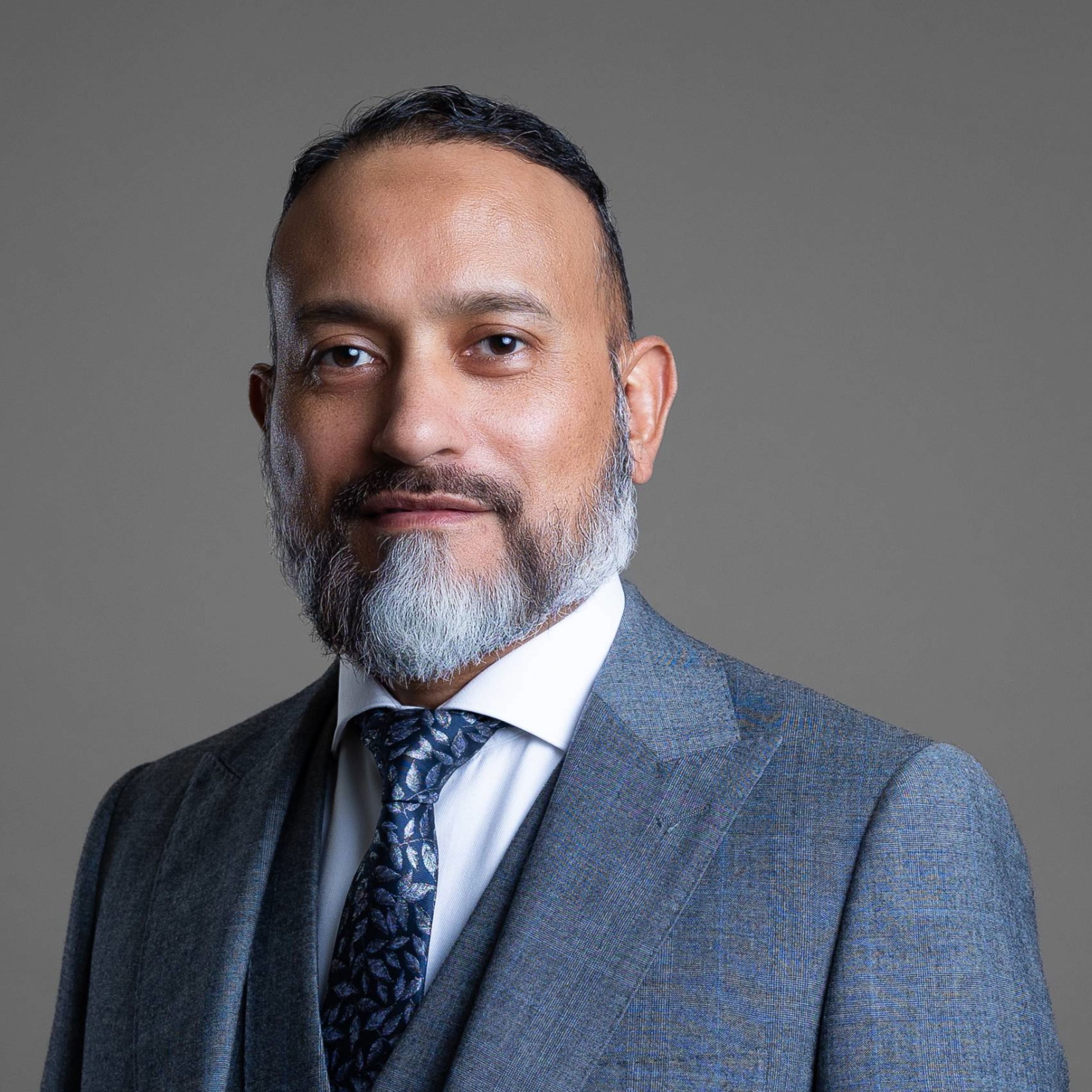
Dr. Omar Mendoza Mahmood
Clinical Director and Assistant Professor of Clinical and Counseling Psychology
Dr. Omar Mendoza Mahmood
Clinical Director and Assistant Professor of Clinical and Counseling Psychology
Educational Qualifications
Postdoctoral Fellowship in Neuropsychology
Ph.D. in Clinical Psychology (major) and Cognitive Neuroscience (minor)
Entity
College of Islamic Studies
Division
Islamic Psychology
Biography
Dr. Omar Mendoza Mahmood is the clinical director and assistant professor of clinical and counseling psychology at the College of Islamic Studies (CIS), Hamad Bin Khalifa University (HBKU). Previously, he was the acting clinical director of psychology and a neuropsychologist at Sidra Medicine. He is licensed to practice psychology in both California and Qatar. As a clinician, he has conducted numerous neuropsychological evaluations of children and adults. As a clinical supervisor, he focuses on developing the ethical and professional skills of mental health practitioners who are early in their careers.
Dr. Mahmood grew up in California and completed his undergraduate degree from UCLA with a double-major in Psychobiology and Arabic. He then studied Arabic and Islamic studies at Dar al-Mustafa in Hadramawt, Yemen. Dr. Mahmood earned his graduate degrees in clinical psychology from Wayne State University in Detroit, Michigan. He completed his internship and his postdoctoral neuropsychology fellowship at the University of California, San Diego. He frequently gives community lectures on topics of mental health, brain development, and psychology from an Islamic perspective. In addition, he serves as an ad-hoc reviewer for various peer-reviewed scientific journals in the fields of addiction, psychology, neuropsychology, and neuroimaging.
Postdoctoral Fellowship in Neuropsychology
University of California, San Diego, CA, USA
2010
Ph.D. in Clinical Psychology (major) and Cognitive Neuroscience (minor)
Wayne State University, Detroit, MI, USA
2008
M.A. in Clinical Psychology
Wayne State University, Detroit, MI, USA
2002
B.S. in Psychobiology and Arabic (double major)
University of California, Los Angeles, CA, USA
1999
- Culturally and linguistically appropriate cognitive and psychological testing
- Neuropsychological assessment in Arabic-speaking populations
- Muslim mental health in clinical settings
- Psychological coping strategies in Islamic spiritual practice
Clinical Director and Assistant Professor of Clinical and Counseling Psychology
College of Islamic Studies, Hamad Bin Khalifa University
2025 – Present
Visiting Professor of Islamic Chaplaincy
Bayan Islamic Graduate School, Chicago Theological Seminary, Chicago, USA
2017 – Present
Staff Neuropsychologist
Executive Mental Health, Los Angeles, USA
2023 – 2025 and 2013 – 2017
Assistant Professor of Psychology in Clinical Psychiatry
Department of Psychiatry, Weill Cornell Medical College, New York, USA
2018 – 2023
Clinical Director of Psychology (Acting)
Department of Psychiatry, Sidra Medicine
2017 – 2023
Nazeer, A., Mahmood, O. M, Dandan, A., Latid, F., & Azeem, M. W. (2023). Qatar and intellectual developmental disorders. In K. Munir, A. Roy, & A. Javed (Eds.), Global e-Handbook of intellectual developmental disorders. World Psychiatric Association Publications.
Adam, B., & Mahmood, O. M. (2021). The role of culture, stigma, and bias on the mental health of Arab American youth. In R. Parekh, C. Al-Mateen, M. Lisotto, & R. Carter (Eds.), Cultural psychiatry with children, adolescents, and families. American Psychiatric Association Publishing.
Mahmood, O. M. (2015). Neuropsychological assessment in the Arab world: Observations and challenges. INSNET: Bulletin of The International Liaison Committee of the International Neuropsychological Society, 35(1), 4–6.
- Sidra Internal Research Fund (SIRF) Grant, Sidra Medicine (2018)
- Junior Investigator Award, Research Society on Alcoholism, funded by National Institute on Alcohol Abuse and Alcoholism, USA (2010)
- National Research Service Award (NRSA), National Institute on Aging, USA (2005–2007)
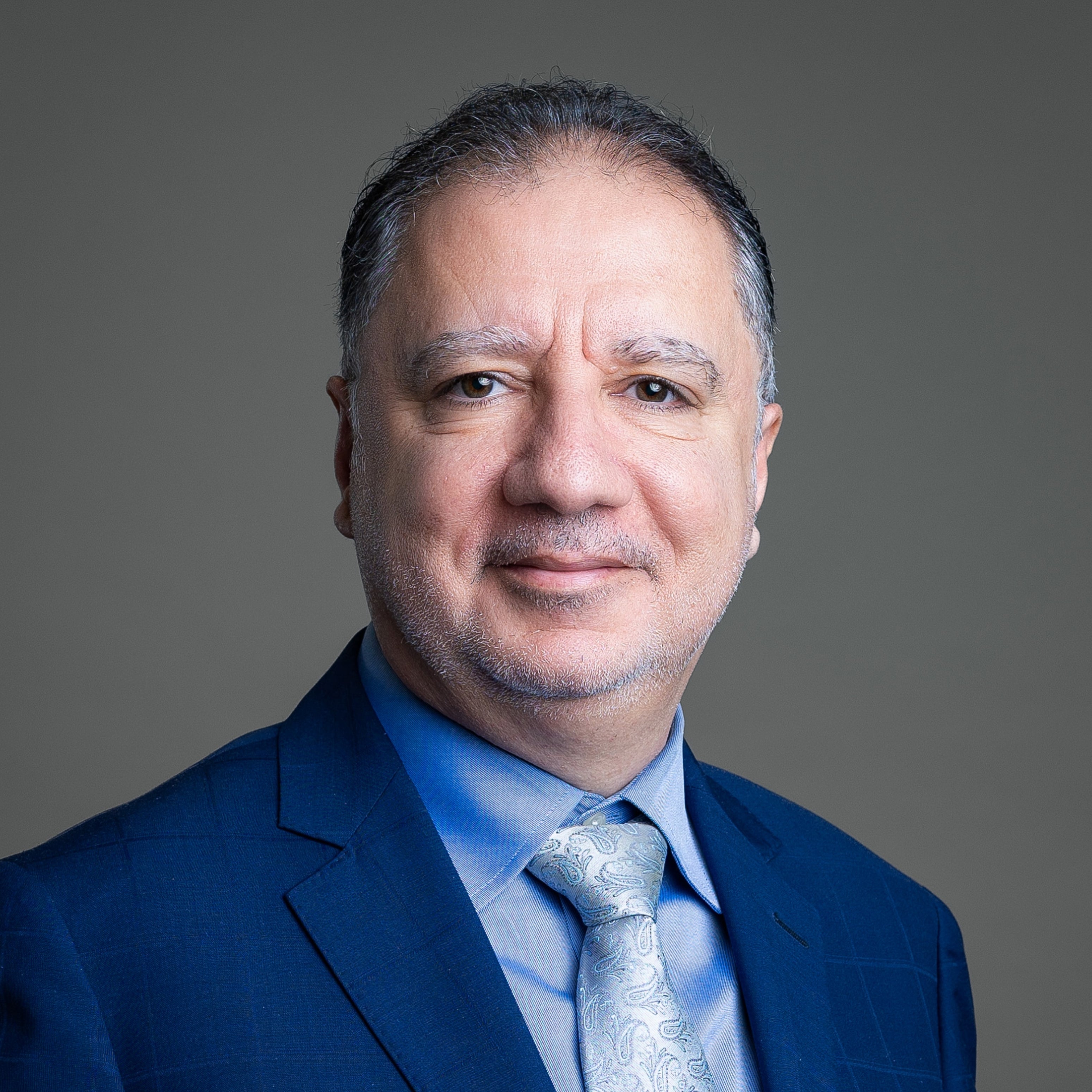
Dr. Rudwan Abdul-Al
Senior Consultant Psychiatrist and Adjunct Lecturer
Dr. Rudwan Abdul-Al
Senior Consultant Psychiatrist and Adjunct Lecturer
Educational Qualifications
Master of Fiqh and Usul Al Fiqh
Postgraduate Certificate in Medical Education
Entity
College of Islamic Studies
Division
Islamic Psychology
Biography
Dr. Rudwan Abdul-Al is a Senior Consultant Psychiatrist at Hamad Bin Khalifa University (HBKU) and Adjunct Lecturer in the Master of Arts program in Counseling Psychology at HBKU’s College of Islamic Studies (CIS). With over 25 years of clinical, academic, and leadership experience in the UK and Qatar, he is recognized for his contributions to psychiatry, medical education, and research innovation.
Dr. Abdul-Al trained extensively in the UK, where he held senior leadership roles, including Associate Medical Director and Director of Research and Innovation within the National Health Service (NHS). His early career featured significant contributions at Cambridge University through the landmark ÆSOP study on psychosis and ethnicity, alongside advanced psychotherapy training under leading Cambridge clinicians. He has also served as Honorary Clinical Teacher at the University of Sheffield and Senior Clinical Tutor at Hull York Medical School.
He is a member of the board of examiners for the Royal College of Psychiatrists and the Qatari Board of Medical Specialties (QBMS). Dr. Abdul-Al holds an MD from Damascus University, an MPH from the University of Nottingham, and a Master of Usul al-Fiqh from Qatar University. His research interests include cognitive styles in depression, eye movement studies, and integrating AI and virtual reality in mental health assessment. A recipient of multiple clinical excellence awards, he co-authored Qatar’s National Clinical Guidelines for Anxiety Disorders and Dementia and continues to advance mental health education through innovative projects.
Master of Fiqh and Usul Al Fiqh
Qatar University
2023
Postgraduate Certificate in Medical Education
Hull York Medical School, UK
2013
Postgraduate Certificate in Leadership and Service Improvement
Manchester Business School, UK
2012
Certificate of Completion of Training (CCT) in General Adult and Old Age Psychiatry
General Medical Council, UK
2010
MRCPsych (Membership Examination)
Royal College of Psychiatrists, UK
2006
Master of Public Health
University of Nottingham, UK
2001
MD
Damascus University Medical School, Syria
1997
- Cognitive style in depression and its relationship with eye movements
- Innovation in mental health screening and assessment
- Integration of artificial intelligence (AI) and virtual reality (VR) in psychiatric evaluations
- Aetiology and ethnicity in psychosis
- Clinical leadership and service improvement in mental health systems
Senior Consultant Psychiatrist and Adjunct Lecturer
Student Affairs and CIS, Hamad Bin Khalifa University
2023 – Present
Consultant Psychiatrist
Psychiatry, Al Ahli Hospital, Qatar
2013 – 2023
Consultant Psychiatrist and Associate Medical Director
Psychiatry, University of Sheffield/ Rotherham, Doncaster and South Humber NHS, UK
2010 – 2013
Honorary Senior Clinical Tutor and equivalent
Psychiatry, Universities of Sheffield, HYMS and Exeter, UK
2008 – 2023
Specialist Registrar
Psychiatry, University of Sheffield, UK
2006 – 2010
Senior House Officer Psychiatry
Psychiatry, University of Cambridge, UK
2001 – 2005
Ministry of Public Health. (2020). National clinical guidelines: The diagnosis and treatment of dementia. State of Qatar. [Guidelines development group member]
Ministry of Public Health. (2020). National clinical guidelines: The diagnosis and management of generalized anxiety disorder in adults. State of Qatar. [Guidelines development group member]
- NHS Clinical Leadership Fellow, NHS Leadership Academy, UK
- Member of the Faculty of Medical Leadership and Management, UK
- Fellow of Higher Education Academy, UK
- Clinical Excellence Award, Rotherham Doncaster and South Humber NHS Foundation Trust (RDASH), UK (2012)
- Governor, Board of Governors, Sheffield Health and Social Care NHS FT, UK (2009–2010)
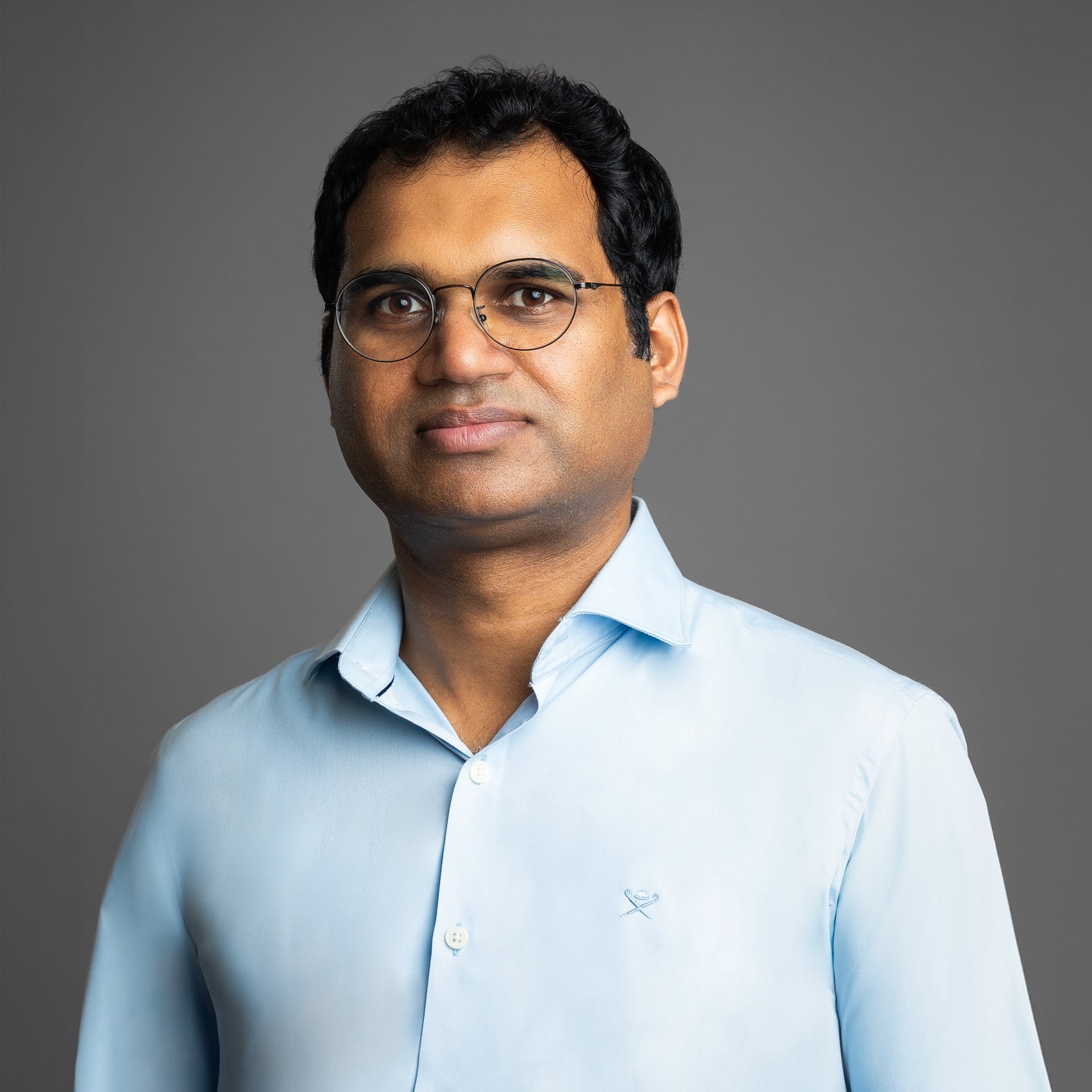
Dr. Renuka Prasad Gurunanjaiah
Post-doctoral researcher
Dr. Renuka Prasad Gurunanjaiah
Post-doctoral researcher
Educational Qualifications
PhD in Philosophy
MSc in Pharmacology
Entity
Qatar Biomedical Research Institute
Division
Neurological Disorders Research Center
Biography
Dr. Renuka Prasad Gurunanjaiah is a Post-doctoral researcher at the Neurological Disorders Research Center, Qatar Biomedical Research Institute (QBRI). He earned his PhD in Molecular Biology from the University of Seoul in 2020. He then joined the Korea University College of Medicine, where he investigated rare genetic disorders such as Cohen Syndrome using organoid-based models and functional implications of novel gene mutations.
Dr. Prasad’s research integrates patient-derived induced pluripotent stem cells with organoid platforms, focusing on neurodevelopmental disorders. He is proficient in neural organoid culture, genome editing, molecular biology, and confocal imaging, and has presented his work at international conferences such as ISSCR, ISN-APSN, KSBMB, and IFAA. His research aims to advance human brain disease modeling and develop safer therapeutic strategies using neural organoid systems.
PhD in Philosophy
University of Seoul
2020
MSc in Pharmacology
National Institute of Pharmaceutical Education and Research (NIPER)
2013
BSc in Pharmacy
Rajiv Gandhi University of Health Sciences
2010
- Neural organoid-based modeling of neurodevelopmental disorders.
- Study of prenatal effects of drugs on neurodevelopment using neural organoids.
- CRISPR/Cas9 genome editing in human induced pluripotent stem cells.
- Proteins affecting Golgi complex morphology and function.
Postdoctoral Research Fellow
Qatar Biomedical Research Institute, Hamad Bin Khalifa University
2025 – Present
Research Professor
College of Medicine, Korea University
2023 – 2025
Postdoctoral Research Fellow
College of Medicine, Korea University
2021 – 2023
Postdoctoral Research Fellow
Life Science, University of Seoul
2020 – 2021
- Meritorious Postdoctoral Fellowship (2023), Awarded by Korea University College of Medicine.
- Best Poster Award (2019), Awarded by the Korean Society for Stem Cell Research.
- Travel grant for attending the European Wnt Meeting in Germany (2018), awarded by University of Seoul.
- Scholarship for Foreign Students (2014-2016), Awarded by University of Seoul.
- Scholarship for Master’s studies (2010-2012), Awarded by the Pharmacy Council of India.
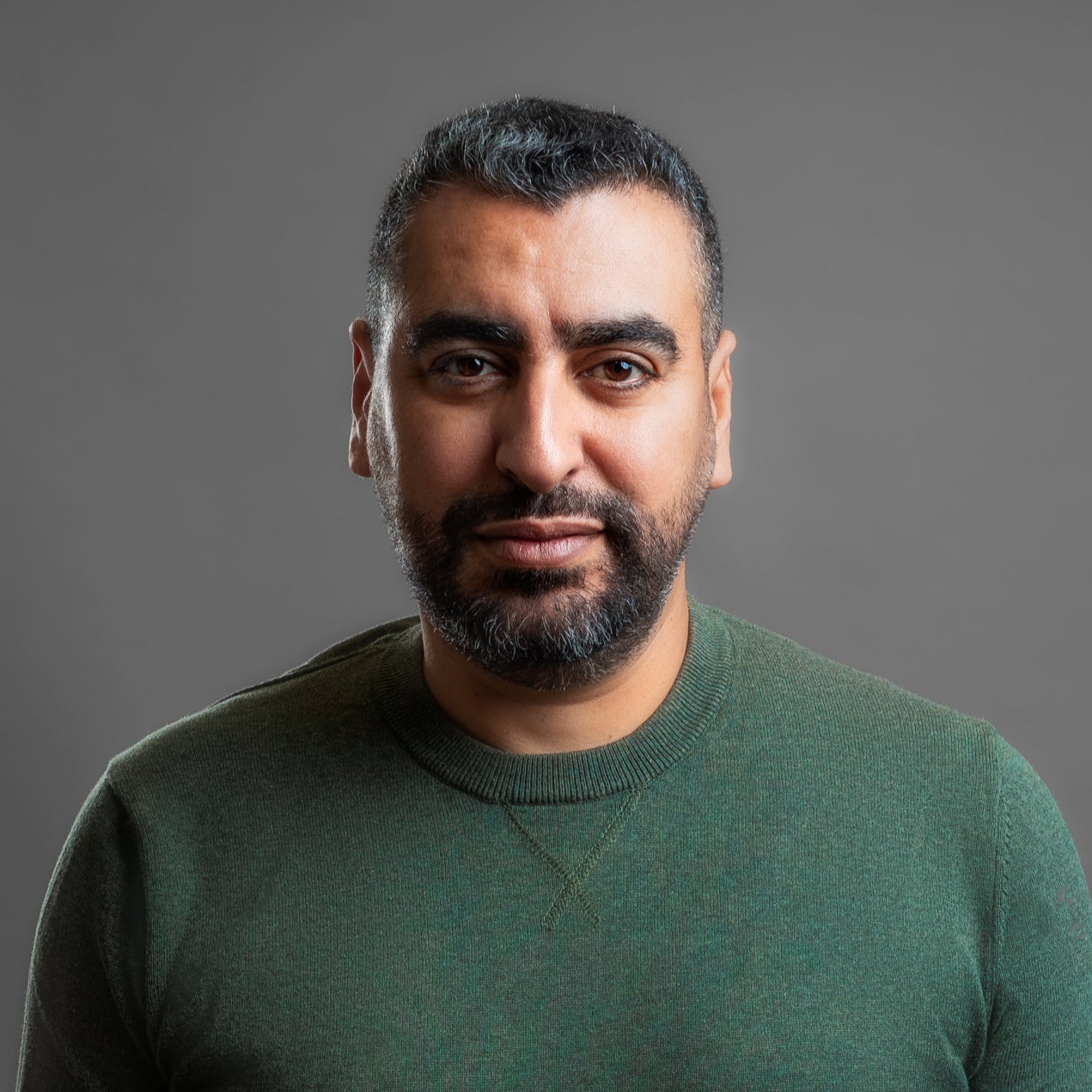
Dr. Salim Bougarn
Research Assistant
Educational Qualifications
PhD in Immunology
M.Sc. in Drug Toxicology
Entity
Qatar Biomedical Research Institute
Biography
Dr. Salim Bougarn is a multidisciplinary clinical and translational research scientist with over 15 years of experience in immunology, oncology, infectious diseases, and cellular therapy. He has led pioneering research at the intersection of cancer biology, immune engineering, and host-pathogen interactions.
From 2015 to 2023, Dr. Bougarn served as a staff scientist associate at Sidra Medicine, Doha, where he led projects on primary immunodeficiencies, pediatric infectious diseases, immune profiling in rare diseases, cancer stem cells, and cellular therapy. His work advanced functional genomics in neonates and children, and deepened understanding of genetic susceptibility to infections.
His oncology research includes adoptive cell therapy, CAR-T and CAR-NK engineering, microRNA roles in tumorigenesis, and cancer risk modeling in IBD. He previously held a postdoctoral position at Weill Cornell Medical College (Qatar and New York) and served as a research assistant/lecturer at the Universities of Amiens and Tours in France, contributing to vaccine development and innate immunity research.
Dr. Bougarn holds a Ph.D. in Immunology and Infectious Diseases from INRA, France, a Doctor of Veterinary Medicine (DVM), and a Master’s in Drug Toxicology.
His research interests include cancer immunotherapy, cancer stem cells, pediatric immunology, host-pathogen interactions, precision medicine, and functional genomics.
PhD in Immunology
Tours University
2011
M.Sc. in Drug Toxicology
Paris 5 University
2007
- Oncology
- Immunology
- Rare diseases
- Cancer therapy
Staff Scientist
Sidra Medicine
2015 - 2024
Postdoctoral Fellow
Genetic Medicine, Weill Cornell Medicine-Qatar
2013 - 2015
Assistant Professor/Lecturer
Laboratory of Cellular and Molecular Physiology, Amiens University
2011 - 2012
Assistant Professor/Lecturer
Inserm Unit U618, Proteases and pulmonary vectorization, Tours University
2010 - 2011
- 2nd and 3rd best Poster, Best of ASCO, 2024
- Best Oral communication, Rencontre du réseau IAD, 2010
- 1st place in doctoral competition in Region Centre, France, 2007
- Graduated within the top 10 of the class from the National Veterinary College

Dr. Omneya Abdelsalam
Professor and Program Coordinator
Educational Qualifications
PhD
Entity
School of Economics and Management
Biography
Professor Omneya Abdelsalam is a professor of ethical finance & sustainable Development, a certified educator accredited by the UK Chartered Association of Business Schools (CABS), and a fellow of the UK Higher Education Academy (Advance HE) since 2004. She obtained her PhD from Edinburgh Business School and held academic positions in triple-accredited UK business schools for 25 years. She has also assumed various academic leadership roles in top international universities over the last 15 years. She is the founding director of the International Research Centre “Ethical Finance, Accountability & Governance” (EFAG) at Durham University (top 100) and the founding and lead director of Durham University Sustainable Development Goals Implementation Network, funded by the British Council (Newton Fund). She received multiple awards and secured substantial research funding totalling £2.25 million from UK and international research councils and industry. She is currently working on two funded international research projects. She published her research in top international academic journals such as the Journal of Corporate Finance, British Accounting Review, Journal of Economic Behavior and Organization, Journal of Banking & Finance (All A* rated) as well as Journal of Business Ethics (Financial Times top 50), Journal of Financial Services Research, Journal of International Financial Markets, Institutions & Money, and Journal of Financial Stability (All A rated). She is a subject editor of the Journal of International Financial Markets Institutions & Money (A rated) and Emerging Markets Review (A rated). She supervised 126 Master's, MBA & PhD students up to successful completion, and her students have progressed well in academic, research, as well as professional careers in many countries around the world (UK, Qatar, Saudi Arabia, Malaysia, Egypt, Germany, UK, Morocco, etc).
PhD
Edinburgh Business School
1999
- Socially responsible investment
- Sustainable development goals implementation
- ESG Analytics
- Islamic banking and finance
- Impact assessment

Skander Charni
Research Assistant
Educational Qualifications
BSc. in Computer Science
Entity
Qatar Computing Research Institute
Biography
Skander Charni is a Research Assistant at Qatar Computing Research Institute and a master’s student in the College of Science and Engineering at Hamad Bin Khalifa University. He earned his bachelor’s degree in computer science with distinction from Qatar University. His current research centers on scalable particle-based variational inference.
BSc. in Computer Science
Qatar University
2023
- Variational inference for probabilistic models
- Deep learning architectures and applications
- Generative modeling techniques
Research Assistant
Qatar Computing Research Institute, Hamad Bin Khalifa University
2025 - Present
Research Assistant
Qatar Environment and Energy Research Institute, Hamad Bin Khalifa University
May 2024 - November 2024
- 2019: Recipient of Qatar University’s Outstanding Academic Performance Scholarship for International Students
Prof. Mohamed Chaker
Chair of Scientific Advisory Committee
Prof. Mohamed Chaker
Chair of Scientific Advisory Committee
Entity
Qatar Environment and Energy Research Institute
Biography
Mohamed Chaker received his Ph.D. in Physics from the Université de Montréal (Montreal, Quebec, Canada) in 1986. He has been a professor at the Institut National de la Recherche Scientifique (INRS) in Varennes, Quebec, since 1989. From 2003 to 2024, he held a Tier 1 Canada Research Chair in Plasmas Applied to Micro and Nanomanufacturing Technologies.
Professor Chaker has published more than 370 peer-reviewed journal articles (over 20,700 citations, H-index = 81, Google Scholar) in diverse research areas, including advanced plasma source characterization, such as high-density and laser-induced plasmas, and their applications to thin-film and nanomaterials synthesis, nanometer-scale pattern transfer, and device fabrication.
He served as Director of the Centre Énergie et Matériaux (1999–2002) and later as Director of the Centre Énergie Matériaux Télécommunications (EMT) (2002–2005) at INRS. Professor Chaker has played a key leadership role in developing major Quebec research consortia, such as Prompt-Québec and NanoQuébec. At the international level, he is frequently invited to participate in expert evaluation committees. Notably, he chaired the Scientific Committee of the Laboratory of Excellence SEAM – Pres Sorbonne Paris Cité (Science and Engineering for Advanced Materials and Devices) from 2011 to 2023. Since 2005, he has also served as Director of the Laboratory of Micro and Nanofabrication (LMN) at INRS.

Dr. Ghanimeh El-Taweel
Affliate Instructor
Educational Qualifications
PhD in Translation Studies: Media Accessibility
MA in Audiovisual Translation
Entity
College of Humanities and Social Sciences
Biography
Dr. Ghanimeh El-Taweel is an Affiliate Instructor at the College of Humanities and Social Sciences at Hamad Bin Khalifa University in Qatar. She is a disability advocate and activist whose work centers on media accessibility and inclusive communication in the Arab world. She holds a PhD in Translation Studies: Media Accessibility from the University of Antwerp. Ghanimeh teaches courses in Translation for Access, covering topics such as audio description, subtitling for deaf and hard-of-hearing audiences, and easy-to-understand language. Her research explores the intersection of disability, deafness, and accessibility within Arabic media and cultural contexts.
PhD in Translation Studies: Media Accessibility
University of Antwerp
2025
MA in Audiovisual Translation
Hamad bin Khalifa University
2016
- Media accessibility
- Disability studies
- Community-based research
- Participatory research
Affiliate Instructor
Language, Culture and Communication, College of Humanities and Social Sciences, HBKU
2022 - Present
Teacher’s Assistant (part-time)
Language, Culture and Communication, College of Humanities and Social Sciences, HBKU
2016 – 2021
Jimenez-Andres, M., & El-Taweel, G. (2024). Interculturality and access: Reflections from a community-based project in a higher education course in Qatar. In Teaching interculturally in Qatar (pp. 171–187). Routledge.
El-Taweel, G. (in press). Mapping subtitling services for deaf and hard-of-hearing audiences in the Arab world. Journal of Audiovisual Translation
El-Taweel, G., El-Taweel, N., Jimenez, M., & Hamouda, A. (in press). Standard vs. creative audio description in Arabic: A reception study on accessibility and engagement. EFIT: Estudis Filològics i de Traducció.
Hubail, F., & El-Taweel, G. (in press). “Have you tried olive oil?”: Navigating gender and disability across narratives and spaces in Qatar. In The myths that divide us. Nova Science Publishers.
Jimenez, M., El-Taweel, G., & Hijazi, N. (in press). Media accessibility of taboo in Arabic: The analysis of a political film. Journal of Audiovisual Translation.
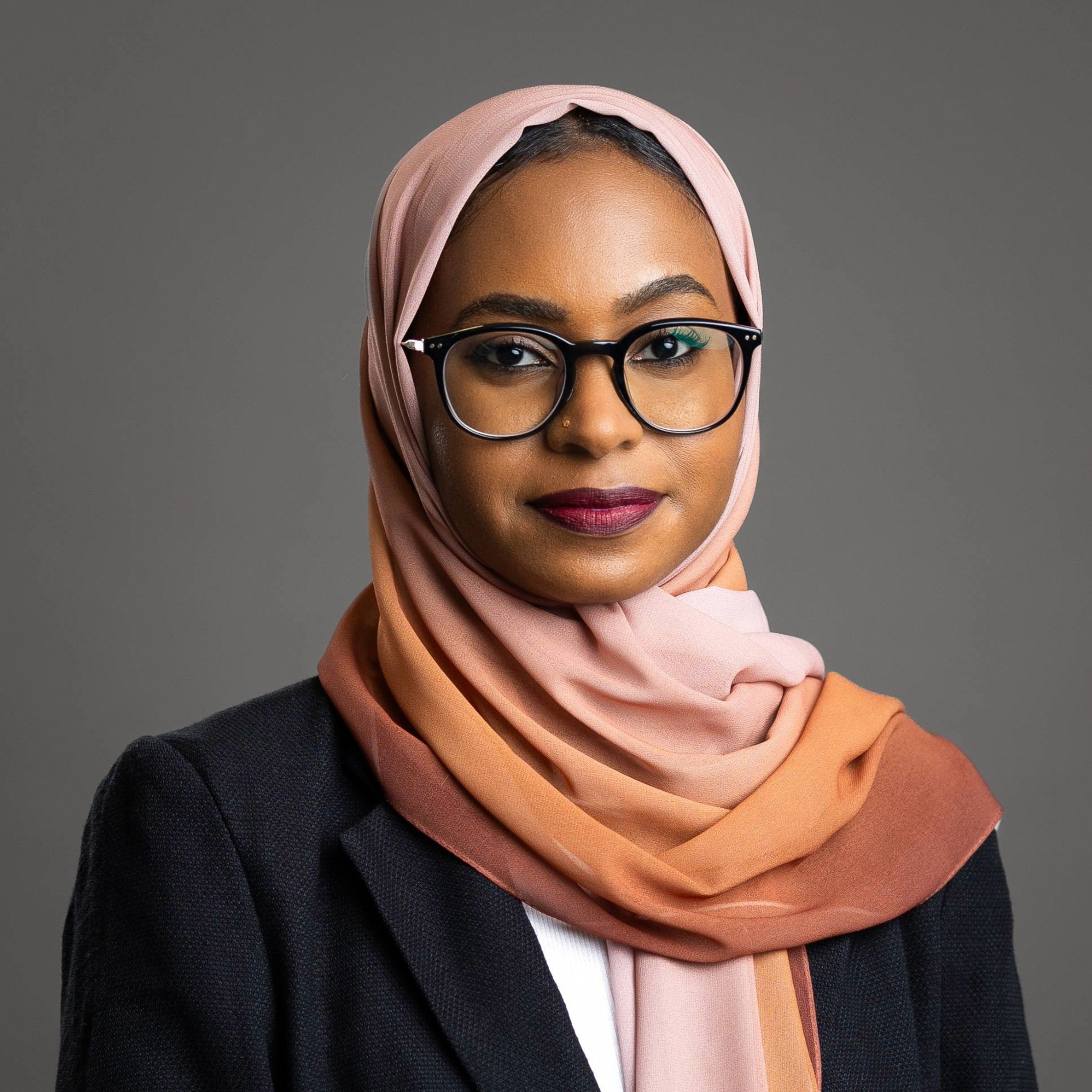
Rayan Khalil
Research Fellow
Educational Qualifications
Diploma in Fine Arts
Msc of Science in Architecture (Distinction)
Entity
College of Islamic Studies
Division
Islamic Art, Architecture and Urbanism
Administration
Biography
Rayan Khalil is an architect and architectural researcher with over five years of experience in academic research and an equal tenure as a lecturer and design studio instructor. She began her teaching career at the Faculty of Architecture, University of Khartoum, as a teaching assistant, later serving as a lecturer at the National University, which holds accreditation from the British Accreditation Board.
Alongside her academic career, Rayan has built a long, intermittent practice in architectural and interior design, with her most recent project completed in Cairo, Egypt, in July 2024. She has also contributed as a researcher and writer with Studio Urban, collaborating on multidisciplinary projects with the Goethe-Institut and the British Council.
In addition to her architectural work, Rayan is an accomplished visual artist, having participated in numerous regional and international exhibitions, most recently in Doha in 2024. Her professional journey reflects a commitment to bridging architectural practice, research, and creative expression across diverse cultural and disciplinary contexts, combining scholarly depth with practical design expertise.
Diploma in Fine Arts
Khartoum Arts Institute
2019
Msc of Science in Architecture (Distinction)
University of Khartoum
2017
BSc in Architecture
University of Khartoum
2012
- Architectural history and theory
- Architectural education
- Islamic art and architecture
- Architectural practices
- Decolonial studies
Research Fellow
College of Islamic Studies, Hamad Bin Khalifa University
2025 – Present
Researcher
Studio Urban
2021 – 2023
Visual Artist
2020 – 2024
Lecturer
Department of Architecture, Faculty of Engineering, National University, Sudan
2017 – 2022
Teaching Assistant
Faculty of Architecture, University of Khartoum
2015 – 2017
Architect
Design Team, Siraj Engineering Co.
2013 – 2015
Khalil, R. (Nov. 2024). On place(less)ness. The Muse Magazine, 2.
Khalil, R. (Ed.). (Dec. 2022). Art revolution. ثورة الفن. Sudan Moves. artxdialogue.org.
Khalil, R. (Ed.). (Jul. 2022). Right to public space. الحق في الفضاء العام. Sudan Moves. artxdialogue.org.
Khalil, R. (Ed.). (May 2021). Deathscapes. مساحات الموت. Sudan Moves. artxdialogue.org.
Khalil, R. (Sep. 2020). Omdurman through the times. أمُدرمان عبر الزمان. Sudan Moves. artxdialogue.org.
- Best Research Paper (master’s thesis), University of Khartoum (2017)