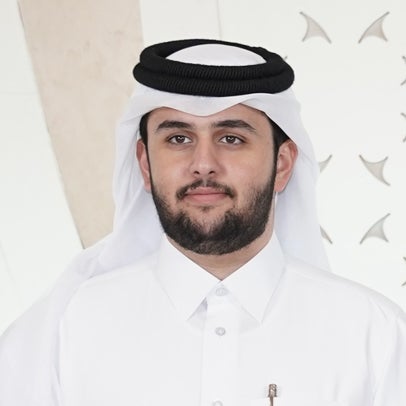
Turki Al-Marri
Master Student Quantum Communication
Educational Qualifications

Jaralla Al-Marri
Master Student Quantum Communication
Educational Qualifications

Hassan Al-Ansari
Master Student Quantum Communication
Educational Qualifications
Aisha Al-Suwaidi
Master Student Quantum Computing
Educational Qualifications

Abdulla Al-Kubaisi
Master Student Quantum Computing
Educational Qualifications
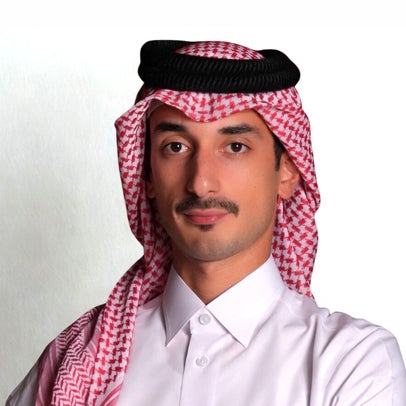
Mohammed Jassim Lari
Master Student Quantum Communication
Educational Qualifications
Roudha Al Rumaihi
Master Student Quantum Computing
Educational Qualifications
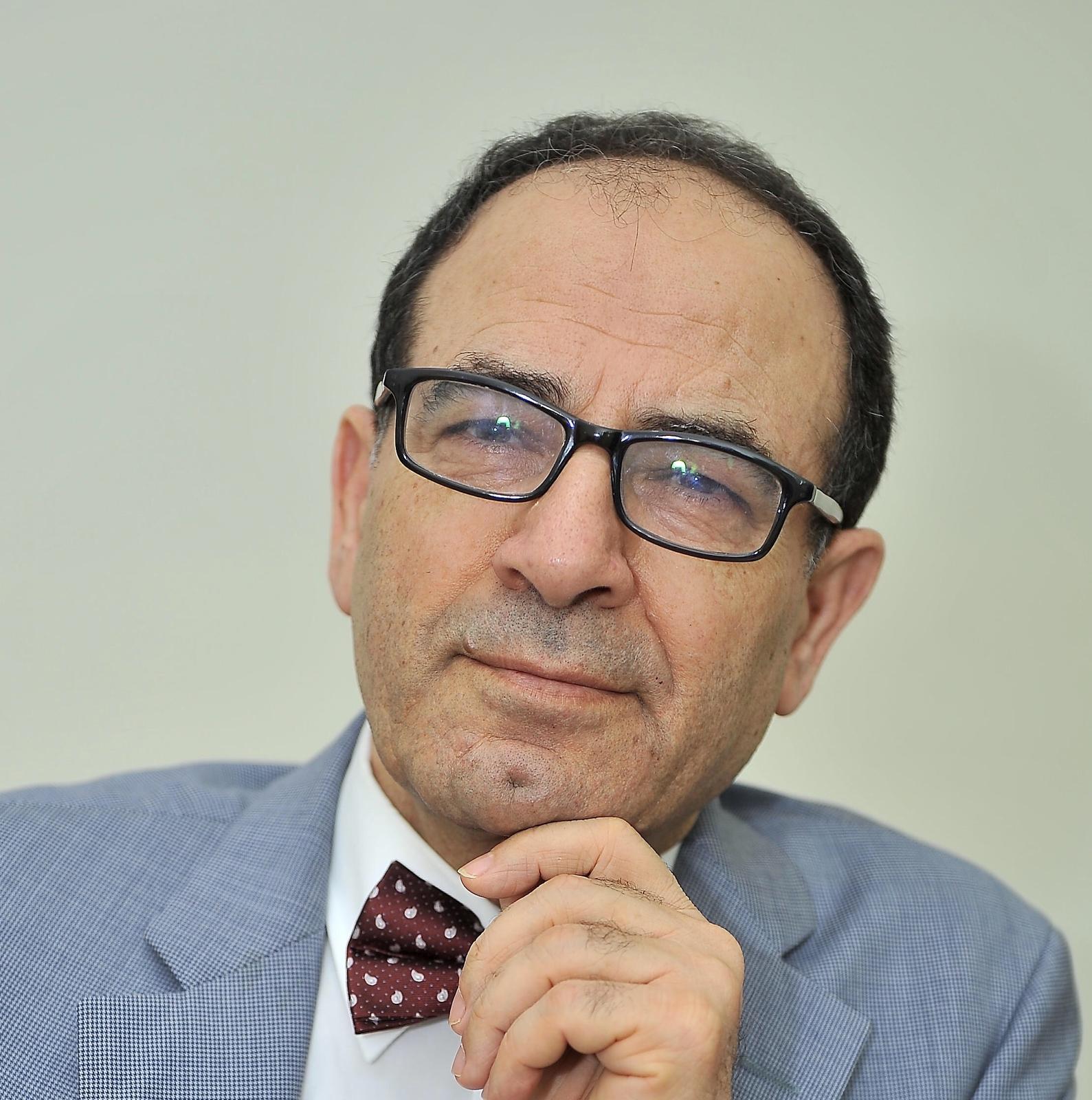
Dr. Yasir Suleiman-Malley
Dean of the College of Humanities and Social Sciences
Dr. Yasir Suleiman-Malley
Dean of the College of Humanities and Social Sciences
Educational Qualifications
PhD in Linguistics
MA
Entity
College of Humanities and Social Sciences
Biography
Professor Yasir Suleiman-Malley has vast academic leadership experience in the UK and the Arab World. He is Emeritus Professor of Modern Arabic Studies at the University of Cambridge, formerly His Majesty Sultan Qaboos Bin Said chair of Contemporary Arabic Studies at the University of Cambridge, and Iraq chair of Arabic Studies at the University of Edinburgh. He is Chair of the International Prize for Arabic Fiction (IPAF), Member of the Board of Trustees of the Gulf Research Centre-Cambridge, and a member of the Panel of Judges of the British Kuwaiti Friendship Society Book Prize for Middle Eastern Studies. Professor Suleiman-Malley is a former Vice President and Chair of Council of the British Society for Middle Eastern Studies, Former Chair of the British Kuwaiti Friendship Society Book Prize, and former member of the Board of Trustees of the University of Edinburgh. Professor Suleiman-Malley is an internationally leading scholar in Arabic sociolinguistics and Middle Eastern Studies. His edited book ‘Being Palestinian: Personal Reflections on Palestinian Identity in the Diaspora’ won the Palestine Book Award, Narrative Section in 2016. The Universities of Cambridge and Edinburgh set up graduate awards and prizes in his name in recognition of his significant contributions to both institutions.
PhD in Linguistics
University of St. Andrews, Scotland
1984
MA
University of Cambridge, UK
2010
BA in Classical Arabic and Syriac
University of Durham, UK
1986
BA in English Language and Literature
University of Jordan
1972
- Sociocultural linguistics
- Arabic literature
- Translation studies
- Diaspora studies
Dean
College of Humanities and Social Sciences, Hamad Bin Khalifa University
2025 - Present
Founding President, Acting President, and Provost
Doha Institute for Graduate Studies
2015 - 2020
Founding Director
Centre of Islamic Studies, University of Cambridge
2008 - 2017
Head of Department of Middle Eastern Studies
University of Cambridge
2007 - 2010
Chair of School of Languages, Literatures and Cultures
University of Edinburgh
2006 - 2007
- Commander of the Order of the British Empire, CBE (2011, Queen Elizabeth II)
- Fellow, Royal Society of Edinburgh, FRSE (2001, RSE Council and President)
- Fellow, Royal College of Physicians of Edinburgh, FRCPE (2016, College Council and President)
- Ambassador of the University of Sarajevo (2013, University Council and President)
- Emeritus Professor in Linguistics, University of Jordan (2024, University Deans Council and President)
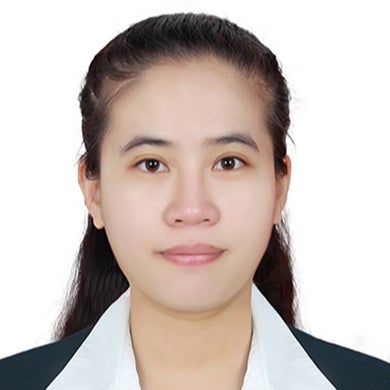
Dr. Chunliang Yang
Research Fellow
Educational Qualifications
PhD. In Basic Medical Sciences
M.S. in Immunology
Entity
Qatar Biomedical Research Institute
Division
Diabetes Research Center
Biography
Dr. Chunliang Yang is a Research Fellow in the Diabetes Research Center at the Qatar Biomedical Research Institute (QBRI). She earned her Ph.D. in Immunology from Huazhong University of Science and Technology (HUST), under the mentorship of Prof. Cong-Yi Wang, a leading expert in diabetes immunology. During her doctoral and master's training at HUST, Dr. Yang specialized in dissecting the immunometabolic mechanisms underlying type 1 and type 2 diabetes, with a particular focus on the pathogenic roles of T cells and macrophages in disease progression.
Dr. Yang is highly skilled in establishing murine models of diabetes and employing advanced techniques in cellular immunology and metabolic phenotyping to investigate disease pathogenesis. Her productive research has led to multiple first-author publications in high-impact journals, including Molecular Therapy, in which her work has elucidated novel mechanisms involving the PDIA3 chaperone function and interferon regulatory factors in diabetes.
At QBRI, Dr. Yang continues to pursue her research interests at the intersection of immunology and metabolic diseases. She aims to further unravel the cellular crosstalk and immunometabolic pathways that contribute to diabetes and related metabolic disorders, with the ultimate goal of identifying novel therapeutic strategies.
PhD. In Basic Medical Sciences
Huazhong University of Science and Technology, China
2025
M.S. in Immunology
Huazhong University of Science and Technology, China
2021
B.S. in Medical Laboratory Technology
University of South China
2018
- The genetic and epigenetic mechanisms underlying type 1 diabetes and related autoimmune disorders.
- Immunometabolic crosstalk between key cell types (e.g., T cells, macrophages) and metabolic organs in the pathogenesis of obesity and type 2 diabetes.
- Diet-derived metabolites or small molecules for the prevention and treatment of metabolic and autoimmune diseases.
- The cellular and molecular mechanisms driving the recurrence of metabolic disorders following therapeutic intervention.
Research Fellow
Diabetes Research Center, Qatar Biomedical Research Institute, Hamad Bin Khalifa University
2025 - Present
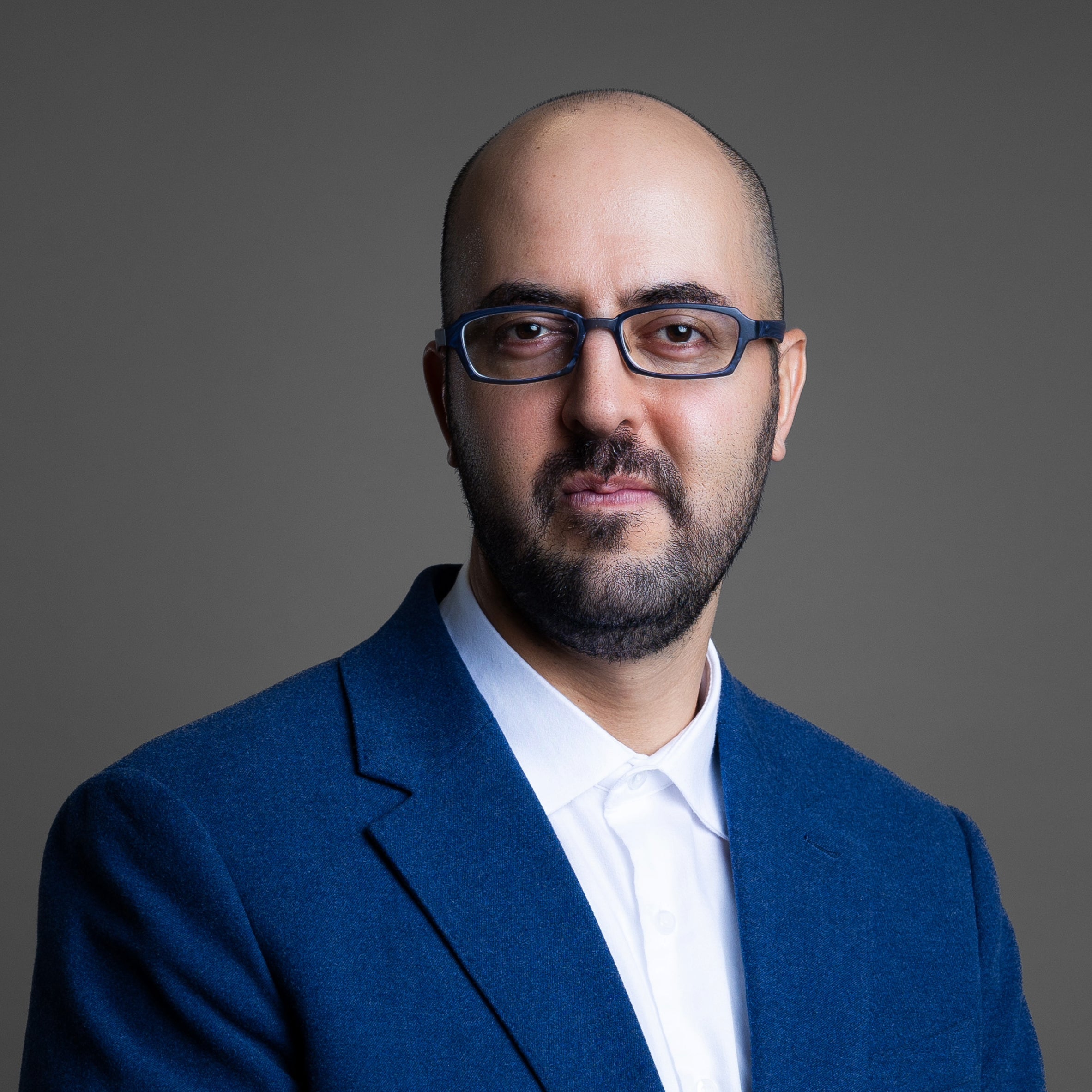
Dr. Alexei Sisulu Abrahams
Assistant Professor
Educational Qualifications
PhD in Economics
Master’s in Economics
Entity
College of Humanities and Social Sciences
Biography
Dr Alexei Abrahams blends social science and computer science methods to study asymmetric conflict and information warfare, with particular application to the Palestinian struggle. He is the author of Social Media Exposed, an upcoming book on how to archive and analyze social media data in the public interest. He is also the author of numerous research papers, published at outlets such as the Journal of Information Technology & Politics, Political Science Research & Methods, and the International Journal of Communications. Professor Abrahams holds a PhD in Economics from Brown University, and before joining HBKU was the digital research team lead at McGill University’s Canadian Media Ecosystem Observatory.
PhD in Economics
Brown University, US
2015
Master’s in Economics
Brown University, US
2010
B.S. in Mathematics & Economics
Syracuse University, US
2008
- Asymmetric conflict
- Information warfare
- The Palestinian struggle
- Adversarial archiving methods
Assistant Professor
College of Humanities and Social Sciences, Hamad Bin Khalifa University
2025 - Present
Digital Research Lead
Media Ecosystem Observatory, McGill University
2023 - 2025
Research Fellow
Technology and Social Change Project, Harvard Kennedy School
2020 - 2023
Research Fellow
Citizen Lab, University of Toronto
2018 - 2020
Postdoctoral Fellow
Niehaus Centre for Globalization and Governance, Princeton University
2017 - 2018
Postdoctoral Fellow
Middle East Initiative, Harvard University
2017 - 2018
Abrahams, A. S. (2022). Hard traveling: unemployment and road infrastructure in the shadow of political conflict. Political Science Research and Methods, 10(3), 545-566.
El Kurd, D., Abrahams, A., & Almasri, N. (2025). Moral Shocks and (De)mobilization: The Case of the Palestinian Liberation Movement. Contention, 13(1), 102-137.
Abrahams, A., & Maynier, E. (2022). Measuring the (in) security of Palestinian civil society websites. Middle East Law and Governance, 14(3), 305-330.
Maschmeyer, L., Abrahams, A., Pomerantsev, P., & Yermolenko, V. (2023). Donetsk don’t tell–‘hybrid war’in Ukraine and the limits of social media influence operations. Journal of Information Technology & Politics, 22(1), 49-64.
Abrahams, A., Oram, C., & Lozano-Gracia, N. (2018). Deblurring DMSP nighttime lights: A new method using Gaussian filters and frequencies of illumination. Remote Sensing of Environment, 210, 242-258.
- Best Paper of the Year (2022-2023) at the European Political Science Association’s flagship journal, Political Science Research & Methods.
- Admitted to the Tech For Palestine incubator as founder of SaltPillar, a project to archive the Gaza genocide on Instagram (2024).