
Dr. Christos Anagnostopoulos
Assistant Professor - UNESCO Chairholder on Governance and Social Responsibility in Sport
Associate Professor in Sports Management and the UNESCO Chair on Governance and Social Responsibility in Sports
Dr. Christos Anagnostopoulos
Assistant Professor - UNESCO Chairholder on Governance and Social Responsibility in Sport
Associate Professor in Sports Management and the UNESCO Chair on Governance and Social Responsibility in Sports
Educational Qualifications
Executive Certificate in Nonprofit Leadership
PhD in Sport Management
Entity
College of Science and Engineering
School of Economics and Management
Division
Engineering Management & Decision Sciences
Biography
Dr. Christos Anagnostopoulos is an Assistant Professor in Sport Management at the College of Science and Engineering, where he teaches the MSc in Sport and Entertainment Management program, a joint program with the University of South Carolina (USA). Prior to this, he was the Deputy Head of the School of Business and Management at UCLan Cyprus and an Associate Professor in Sport Management at Molde University College, Norway.
He is an editorial board member in nine international scientific journals related to sport management, and he has more than 120 scientific publications (books, articles, international conferences). Since 2017, he has secured more than three million euros from leading and/or participating in seven European research projects dealing with sport governance, social responsibility and entrepreneurship in sport. In 2018, he was commissioned by the highest authority of sport in the Republic of Cyprus to write the first ever Code of Good Governance for the national sport federations, while in 2021 he was appointed as the sole consultant for the development of a multi-criteria evaluation scheme that assesses the performance of the national sport federations. He recently established the UNESCO Chair on Governance and Social Responsibility in Sport at UCLan Cyprus where he serves as the Director and one of the two co-chair holders.
Executive Certificate in Nonprofit Leadership
Harvard Kennedy School, USA
2021
PhD in Sport Management
Coventry University, UK
2013
Postgraduate Certificate in Higher Education Professional Practice
Coventry University, UK
2012
MRes in Sport Management & the Business of Football
Birkbeck, University of London, UK
2008
BA Hons: Sport Management
University of Birmingham, UK
2006
- Sport governance
- Corporate social responsibility (CSR)
- Entrepreurship in sport
- Positive organizational behavior
UNESCO Chairholder on Governance and Social Responsibility in Sport
College of Science and Engineering, HBKU
2023 – Present
Assistant Professor
EMDS Division, College of Science and Engineering, HBKU
2022 – Present
Visiting Associate Professor in Sport Management
Faculty of Business Administration and Social Sciences, Molde University College, Norway
2014 – Present
Deputy Head of School and Assistant Professor in Management
Business & Management School, University Central Lancashire, Cyprus
2010 - 2018
Lecturer in Sport and Events Management
Coventry Business School, Coventry University, UK
2010 - 2014
Anagnostopoulos, C., Papadimitriou, D., Byers, T., & Botwina, G. (2023) Sport Governance Insights. Oxon: Routledge. ISBN: 978-1-00082-599-2
Winand, M. & Anagnostopoulos, C. (2019) Research Handbook on Sport Governance (Eds.). Cheltenham: Edward Elgar. ISBN 978-1-78643-481-4.
Complete Publication Listing(s): Google Scholar
- Best Paper Award at the ‘Managing Sport’ Special Interest Group
- 2013; New Researcher Award (NRA) winner at the 21st European Sport Management Association conference (Istanbul, Turkey)
- Runner up best paper award for the ‘Sports as a Business’ Special Interest Group
- Best Reviewer Award at the European Academy of Management Conference, Rotterdam.
Dr. Roberto Baldacci
Associate Professor
Professor in Operations Research
Dr. Roberto Baldacci
Associate Professor
Professor in Operations Research
Educational Qualifications
PhD in Operations Research
MSc in Computer Science with top honours
Entity
College of Science and Engineering
School of Economics and Management
Division
Engineering Management & Decision Sciences
Biography
Dr. Baldacci is an Associate Professor at the College of Science and Engineering. He holds a PhD in Operations Research from Imperial College London. Before joining HBKU, he was an Associate Professor at the University of Bologna, Italy (2005–2022), an Assistant Professor at the University of Modena and Reggio Emilia (2001–2005), and a Postdoctoral Research Associate at Imperial College London (2000–2001).
His research focuses on exact and heuristic algorithms for combinatorial optimization, particularly in transportation and logistics. His work includes dynamic programming, branch-and-bound, branch-and-cut, column generation, and metaheuristics. He has also conducted literature surveys on routing problems and is exploring stochastic and distributionally robust optimization.
Dr. Baldacci has over 25 years of teaching experience and has supervised numerous students at all levels. He serves on the editorial boards of Operations Research and Transportation Science. He has published over 90 papers in top journals, including about 30 papers in Mathematical Programming, INFORMS Journal on Computing, Transportation Science, and Operations Research.
PhD in Operations Research
Imperial College, University of London, United Kingdom
1998
MSc in Computer Science with top honours
University of Bologna, Italy
1994
- Operations Research
- Management Science
- Transportation
- Logistics
Associate Professor
College of Science and Engineering, Hamad Bin Khalifa University
2022 - Present
Associate Professor
Department of Electrical, Electronic, and Information Engineering “Guglielmo Marconi”, University of Bologna, Italy
2012 - 2022
Assistant Professor
Department of Electrical, Electronic, and Information Engineering “Guglielmo Marconi”, University of Bologna, Italy
2005 - 2012
Assistant Professor
Department of Engineering Sciences and Methods, University of Modena and Reggio Emilia, Italy
2001 - 2005
Postdoctoral Research
Centre for Quantitative Finance, Imperial College London, United Kingdom
2000 - 2001
Zhang, Y., Baldacci, R., Sim, M., & Tang, J. (2019). Routing optimization with time windows under uncertainty. Mathematical Programming, 175(1), 263–305.
Baldacci, R., Mingozzi, A., & Roberti, R. (2011). New route relaxation and pricing strategies for the vehicle routing problem. Operations Research, 59(5), 1269–1283.
Baldacci, R., & Mingozzi, A. (2009). A unified exact method for solving different classes of vehicle routing problems. Mathematical Programming, 120, 347–380.
Baldacci, R., Christofides, N., & Mingozzi, A. (2008). An exact algorithm for the vehicle routing problem based on the set partitioning formulation with additional cuts. Mathematical Programming, 115, 351–385.
Baldacci, R., Hadjiconstantinou, E., & Mingozzi, A. (2004). An exact algorithm for the capacitated vehicle routing problem based on a two-commodity network flow formulation. Operations Research, 52(5), 723–738.
Complete Publication Listing(s): Google Scholar | Scopus | dblp
- 2024, Ranked among the top 2% of the most cited scholars worldwide in the Stanford/Elsevier Top 2% Scientist Rankings (https://elsevier.digitalcommonsdata.com/datasets/btchxktzyw/7).
- 2024, Meritorious Service Award from Transportation Science. The award is conferred by Transportation Science to recognize Associate Editors and reviewers who have offered exceptional service to the journal in the review process. Transportation Science is the flagship journal of the Transportation Science and Logistics Society of INFORMS and is the foremost journal in the field of transportation analysis.
- 2023, Best Paper Award, 11th International Conference on Logistics and Maritime Systems, “LOGMS 2023, Optimizing Continuous-Time Service Network Design with Holding Costs”, Shengnan Shu, Zhou Xu, and Roberto Baldacci.
- 2023, Best Paper in the 2023 IISE Transactions Focus Issue on Supply Chain and Logistics, “Branch-price-and-cut for trucks and drones cooperative delivery,”Lu Zhen, Jiajing Gao, Zheyi Tan, Shuaian Wang and Roberto Baldacci, IISE Transactions, 55(3): 271-287, 2023.
- 2011, INFORMS Transportation Science and Logistics (TSL) Best Paper Award 2011 for the paper “A Unified Exact Method for Solving Different Classes of Vehicle Routing Problems”, Mathematical Programming Ser. A, 120(2):347– 380, 2009.
Dr. Khalid Mubarak Al Kuwari
Lecturer
Educational Qualifications
Executive Leadership
Doctor of Juridical Science(PhD in Law)
Entity
College of Law
Biography
Dr. Khalid is a highly accomplished individual with an impressive educational background. He earned his L.L.B degree from Durham University, L.L.M from Georgetown University, L.R from Harvard University and an E.M degree from HEC Paris. His pursuit of academic excellence culminated in the completion of an SJD from the University of Virginia.
In practice, Dr. Khalid is a corporate and commercial lawyer with extensive experience in the legal industry. He has spent the past 20 years working in some of the most prestigious entities in Qatar, providing expert legal advice and representation to a diverse range of clients. Throughout his career, Khalid has established himself as a highly skilled and knowledgeable legal professional, with a deep understanding of the complex legal issues that arise in the corporate and commercial sector. He is renowned for his analytical prowess, his ability to provide creative solutions to legal challenges, and his unwavering commitment to his clients.
With a keen eye for detail and a meticulous approach to his work, Khalid has successfully navigated a variety of complex legal matters, including litigation, corporate governance, commercial contracts, and regulatory compliance issues. He has also provided guidance on employment law matters, intellectual property rights and human rights.
Executive Leadership
HEC Paris; Doha/ Qatar
2020
Doctor of Juridical Science(PhD in Law)
Virginia University; Virginia/ The United States of America
2018
Legal Scholar
Harvard University; Cambridge/ Massachusetts
2012
Masters of International Economic Law and Trade (LLM)
Georgetown University: Washington DC, The United States of America
2010
Bachelor of Law (LLB)
Durham University; Durham County/The United Kingdom
2004
- Personal Data Protection
- Artificial Intelligence and Law
- Corporate Governance
- Development of the Legal Profession
HBKU Law School (Lecturer)
2022
Qatar Foundation (Deputy General Counsel)
2006 - 2021
Ministry of Foreign Affairs (Diplomat)
2004 - 2006

Dr. Sujitha Subash Padma Jeya
Postdoctoral Fellow
Educational Qualifications
PhD Vellore
Entity
Qatar Biomedical Research Institute
Division
Translational Oncology Research Center
Biography
Dr. Sujitha Subash Padma Jeya was awarded with the PhD in Biotechnology from VIT University, Vellore, Tamil Nadu, India. In her PhD project she investigated the genetic variants associated with Schizophrenia, with special reference to gene polymorphisms in the Serotoninergic system, ESR1 and DNA repair gene (XRCC1) in Tamil population (South India). This study was supported by the Department of Biotechnology (DBT) Ministry of Science & Technology, Government of India.
In 2018, Dr. Sujitha joined the Human Genetics Department, Precision Medicine Program, Sidra Medicine, Qatar, as a Research Specialist. Over there, she worked on several research projects funded by Qatar National Research Fund (QNRF). She was involved in validating the susceptible variants discovered through 'Whole Genome Sequencing in the Mendelian and Autism' disease subjects. But her special focus was finding the molecular biomarker for Diabetic retinopathy in Qatar's Population using multi-OMICS (circulating miRNA profiling, mRNA expression profiling, methylation profiling, proteomics profiling) approach. As part of the Diabetes Precision Medicine Program, she validated the hub of genes orchestrating the podocytes functions, which were discovered through the Geodata set analysis (retrospective analysis). She has demonstrated the involvement of susceptible transcription factors in pronephros development in Zebrafish hyperglycemic models. She also worked in the 'Qatar Genome Project' assessing the impact of amylase genes Copy Number Variation (Structural Variants) on adiposity in Qatar's Population.
Dr. Sujitha, joined Dr. Fares Al-Ejeh team as a Post-Doctoral Researcher in 2022, and is currently involved in finding clinically actionable potential biomarkers in Qatar's population for Cancer Precision Medicine.
PhD Vellore
Institute of Technology, Tamil Nadu, India
2015
Research Specialist
Sidra Medicine, Qatar
2018 - 2022
Ethnic-specific association of amylase gene copy number with adiposity traits in a large Middle Eastern biobank; NPJ genomic medicine 6 (1), 1-9.
Reading between the (Genetic) lines: How epigenetics is unlocking novel therapies for type 1 diabetes; Cells 9 (11), 2403.
The Qatari Mendelian program-A premium resource for gene discovery and data sharing for rare diseases from the greater Middle East; EUROPEAN JOURNAL OF HUMAN GENETICS 28 (SUPPL 1), 470-470.
DNA Repair Gene (XRCC1) Polymorphism (Arg399Gln) Associated with Schizophrenia in South Indian Population: A Genotypic and Molecular Dynamics Study; PLoS One 11 (1), e0147348.
5-Hydroxytryptamine (serotonin) 2A receptor gene polymorphism is associated with schizophrenia; The Indian journal of medical research 140 (6), 736.
- Junior Research Fellow; Department of Biotechnology, Government of India
Dr. Maisa Ismael Alkailani
Lecturer
Educational Qualifications
PhD in Cellular and Molecular Medicine
MSc in Experimental Medicine
Entity
College of Health and Life Sciences
Biography
Maisa Ismael Alkailani is a Lecturer at the College of Health and Life Sciences at Hamad Bin Khalifa University. She joined HBKU as a senior research associate at the College of Health and Life Sciences, exploring signaling pathways in glioma genesis.
Maisa attended high school in one of the Qatari public sector schools and earned the diploma as one of the outstanding students who sat for the Ministry of Education standardized exams that year. She earned an MSc degree in biomedical sciences with merit from the University College London, studying the role of VEGF-A in modulating detrusor smooth muscle cell differentiation during mouse bladder development.
She also earned an MSc in experimental medicine from McGill University, characterizing molecular mechanisms associated with metastasis signaling in inflammatory breast cancer. She worked on studying the causes and consequences of retrotransposon expression in ovarian and breast cancer to earn her PhD degree in Cellular and Molecular Medicine from the University of Ottawa.
After graduating on the Honor list from the biomedical sciences program at Qatar University, she was licensed as a medical laboratory scientist by the American Society for Clinical Pathology. Maisa also served as a teaching assistant at Qatar University for two years.
PhD in Cellular and Molecular Medicine
University of Ottawa, Canada
2021
MSc in Experimental Medicine
McGill University, Canada
2016
MSc in Biomedical Sciences
University College London, United Kingdom
2012
BSc in Biomedical Sciences
Qatar University
2006
- Understanding the molecular mechanisms underlying tumorigenesis.
- Characterizing molecular targets in cancer models.
- Designing tools to discover targets early to disease or alleviate cancer-related phenotype.
Lecturer
College of Health and Life Sciences, Hamad Bin Khalifa University
2024 - Present
Senior Research Associate
College of Health and Life Sciences, Hamad Bin Khalifa University
2022 - 2024
Teaching Assistant
Biomedical Sciences Program, Qatar University
2009 - 2011
Clinical Laboratory Trainee
Hamad Medical Corporation
2008 - 2009
Complete Publication Listing(s): Google Scholar
- 2023; Selected as a Young Leader from Qatar to participate in the Science and Technology in Society (STS) Forum in Kyoto- Japan; HBKU and QRDI.
- 2014; Al Thanaa Award to recognize excellent performance; Qatar Foundation.
- 2011-2021; Scholarship for Overseas Graduate Studies; Qatar Research Leadership Program (QRLP).
- 2010; Honored for being among the first batch of ASCP licensed MLS in Qatar and outside the U.S.; Qatar University and Hamad Medical Corporation.

Dr. Ghaneya Mesaad Alkhadairi
Research Fellow
Educational Qualifications
PhD in Biological and Biomedical Sciences
Master in Biological and Biomedical Sciences
Entity
Qatar Biomedical Research Institute
Biography
Ghaneya graduated from Qatar University with a Bachelor of Science in Biomedical Sciences in 2006. She received a Qatar Research Leadership Program (QRLP) scholarship from the Qatar National Research Fund (QNRF) in 2016 to pursue her postgraduate education. She holds a Master's and PhD in Biological and Biomedical Sciences from Hamad Bin Khalifa University. Her PhD project focused on exploring the role of cancer testis antigen PRAME in the oncogenesis and tumor progression of breast cancer. She joined Dr. Lawrence Stanton’s team in 2021 as a Senior Research Associate and she is involved in various projects exploring the molecular mechanisms and pathways underlying neurodevelopmental disorders, including Autism Spectrum Disorder (ASD).
PhD in Biological and Biomedical Sciences
College of Health and Life Sciences; Hamad Bin Khalifa University-Qatar Foundation; Doha-Qatar.
2021
Master in Biological and Biomedical Sciences
College of Health and Life Sciences; Hamad Bin Khalifa University-Qatar Foundation; Doha-Qatar.
2017
Bachelor of Science in Biomedical Sciences
Department of Health Sciences-College of Arts and Sciences; Qatar University; Doha-Qatar.
2006
- Patient-derived induced pluripotent cells (iPSCs) and embryonic stem cells (ESCs) models for Studying Autism Spectrum Disorder.
- CRISPR-Cas9 mediated genome editing and high throughput sequencing approaches.
- Identification of genes and the molecular mechanisms underlying neurodevelopmental disorders
- including autism.
Senior Research Associate
Neurological Disorders Research Center; Qatar Biomedical Research Institute-Research Development Center; HBKU.
2021 - Present
Graduate Scholar - Research Associate
Qatar Foundation Research and Development
2016 - 2021
Senior Microbiology Technologist
Department of Laboratory Medicine and Pathology; Hamad Medical Corporation.
2012 - 2016
Medical Microbiology Technologist
Department of Laboratory Medicine and Pathology; Hamad Medical Corporation.
2007 - 2012
PRAME promotes epithelial-to-mesenchymal transition in triple negative breast cancer. J Transl Med 17 (2019): 1–14.
Cancertestisantigensandimmunotherapy:Where do we stand in the targeting of PRAME? Cancers (Basel)11 (2019): 1–14.
Cancer testis antigen PRAME: an-anti cancer target with immunomodulatory potential. JCMM (2021).
Immune checkpoint inhibitors in triple negative breast cancer treatment: promising future prospects. Front. Oncol. 10 (2021).
NY-ESO-1 based immunotherapy of cancer: Current perspectives. Front. Immunol. 9 (2018).
- 2020; Poster Prize; HMC Virtual Immuno-Oncology Conference; Doha-Qatar.
- 2006; Gold Medal - Educational Excellence Award for Outstanding University Graduate; Doha- Qatar.
- 2001; Educational Excellence - High School; Her Highness Sheikha Moza bint Nasser Al-Missned; Doha-Qatar.

Abdullah A. Jabbar
Research Associate
Educational Qualifications
BEng in Electrical and Electronics Engineering
MSc in Sustainable Energy
Entity
Qatar Environment and Energy Research Institute
Biography
Abdullah works as a Research Associate at Qatar Environment and Energy Research Institute (QEERI) where he supports R&D activities related to renewable energy, grid integration & synchrophasor technology using measurement, control, and instrumentation techniques. Abdullah holds BEng in Electrical and Electronics Engineering from Heriot-Watt University and an MSc in Sustainable Energy from HBKU. Abdullah started his professional career in R&D where he joined Williams F1 as an Electronics Engineer in 2011 and supported activities in research and development of electro-mechanical Flywheel Energy Storage System (FESS). In 2014, he joined Engineering Solutions – QSTP as a Telecom Project Engineer and acted as a focal point in supervising electronics & telecommunications-related projects for O&G clients.
BEng in Electrical and Electronics Engineering
Heriot-Watt University
2012 - 2013
MSc in Sustainable Energy
HBKU
2015 - 2017
- Renewable Energy
- Grid Integration
- Power Electronics
- Syncrophasors
- Data Analytics and Visualization
- Fault Detection & Classification
Telecom Project Engineer - Engineering Solutions
QSTP
2014 - 2016
Electronics Engineer
Williams F1
2011 - 2014
“Development of hybrid AC/DC laboratory-scale smart microgrid testbed with control & monitoring system implementation in LabVIEW” IEEE PES Grand International Conference & Exposition Asia, 2019
“PMU Analytics for Power Fault Awareness and Prediction” IEEE International Conference on Smart Grid Synchronized Measurements and Analytics, 2019
- MIET Award
Ahmed Abotaleb
Research Associate
Educational Qualifications
Masters of Science: Chemical Engineering
Bachelor of Science, Chemical Engineering
Entity
Qatar Environment and Energy Research Institute
Biography
Ahmed Abotaleb is a Research Associate at Qatar Environment and Energy Research Institute. Previously, he worked for ThyssenKrupp Industrial Solutions as a process engineer and for COMSOL Multiphysics as a technical support engineer. His research interests include process optimization, gas conversion, CCU and Multiphysics computational modelling. He has authored and coauthored more than thirteen technical papers and holds seven patents. He holds an MS and a BS in chemical engineering.
Masters of Science: Chemical Engineering
Cairo University
2019
Bachelor of Science, Chemical Engineering
Cairo University
2013
- Process Optimization
- Gas Conversion
- Methane Valorization
- CCU and Multiphysics Computational Modelling
Research Associate
Qatar Environment and Energy Research Institute (QEERI), HKBU, Qatar Foundation, Doha, Qatar
2016 - Present
Process Engineer
Thyssenkrupp Industrial Solutions
2015 - 2016
Regional Technical Support & Application Engineer
COMSOL, Inc
2014 - 2015
Production Engineer
Cairo Co. for Oils & Soaps
2013 - 2014
CFD study of the impact of vapor box location on the performance of the multiple effect distillation technology. Desalination and Water Treatment, 216 (2021) 1–13 doi: 10.5004/dwt.2021.26821.
Novel AGR-EOR Compression Integration for Process Optimization. Society of Petroleum Engineers, (February 2019); https://doi.org/10.2118/195569-PA.
Performance of bifacial-silicon heterojunction modules under desert environment, Renewable Energy Volume 127, November 2018, Pages 94-101. https://doi.org/10.1016/j.renene.2018.04.050.
Novel integrated acid gas removal and forward osmosis draw solution regeneration system for saving energy and water treatment. J Oil Gas Petrochem Sci. (2018); 1(3):91-99. DOI: 10.30881/jogps.00017.
Enhancing gas loading and reducing energy consumption in acid gas removal systems: A simulation study based on real NGL plant data. Journal of Natural Gas Science and Engineering. September 2017, DOI: 10.1016/j.jngse.2017.08.011.
Novel Heat Harvesting for Low Energy Draw Solution Regeneration: Simulation Study, Journal of Chemical Engineering & Process Technology 2017 [DOI: 10.4172/2157-7048.1000358] (2017)]
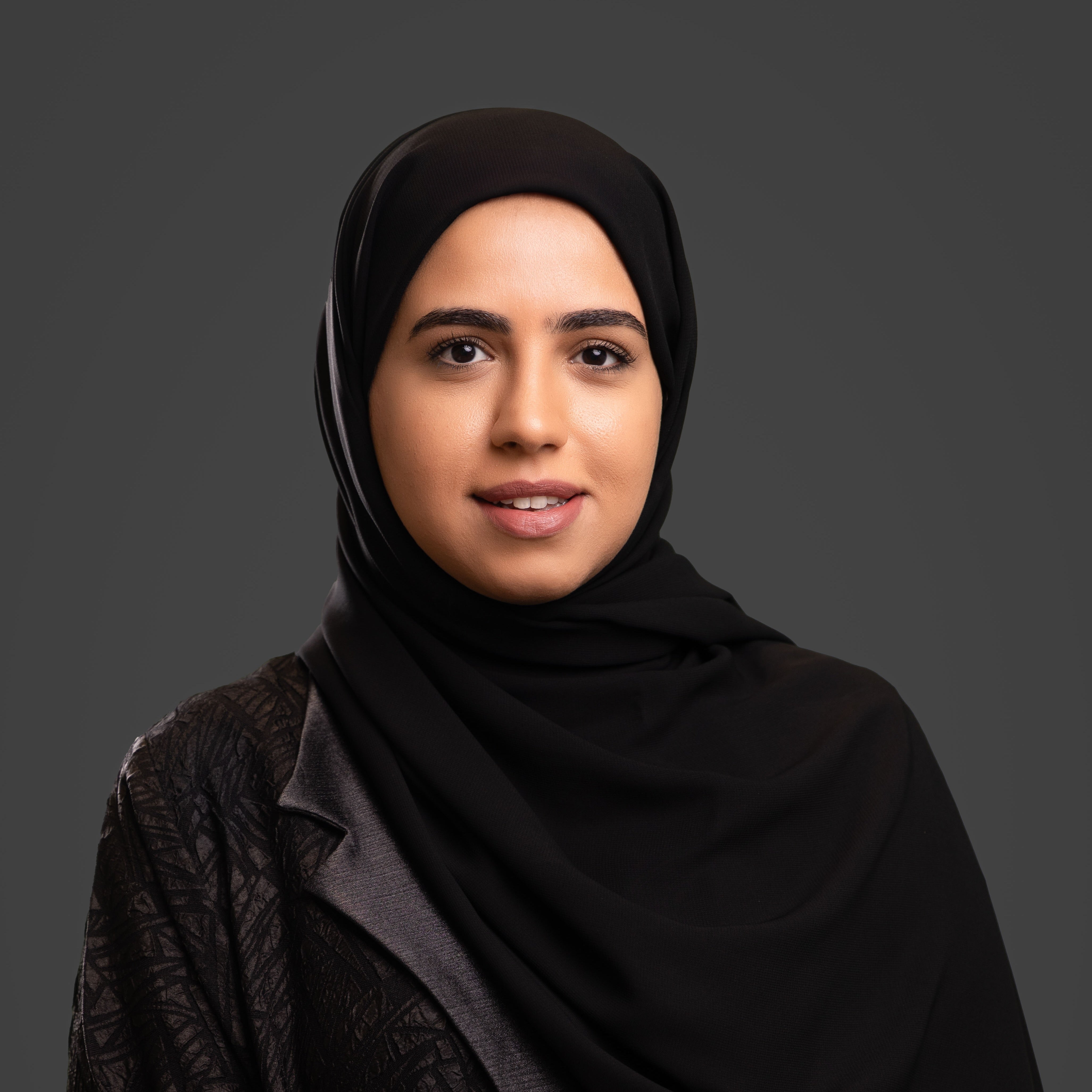
Dr. Sara A. Al-Emadi
Research Fellow
Educational Qualifications
PhD in Computer Science and Engineering
MSc in Computing (focus: Computer Engineering)
Entity
Qatar Computing Research Institute
Division
Qatar Center for Artificial Intelligence
Biography
Dr. Sara A. Al-Emadi is a Research Fellow at the Qatar Computing Research Institute (QCRI). Her research is focused on advancing robust generalisation in artificial intelligence (AI) to enable reliable deployment in complex, real-world environments. Her scholarly interests span computer vision, remote sensing, and artificial general intelligence (AGI), combining methodological development with practical application.
Dr. Al-Emadi’s research trajectory reflects a strong interdisciplinary orientation. She has led and contributed to projects involving unmanned aerial vehicle (UAV) technologies, anti-drone systems, network infrastructure, computer networks, and cybersecurity. This breadth of expertise enables her to approach research from both systems-level and algorithmic perspectives, fostering solutions that are technically rigorous and operationally viable.
Her professional trajectory uniquely combines academic scholarship with substantial industry leadership. Prior to her research career, she worked in the oil and gas sector as a Network Infrastructure Engineer and later as a Senior Engineer in IT Strategy and Enterprise Architecture. This experience informs her strategic approach to AI research, emphasising reliability, systems integration, and real-world deployment at scale.
Dr. Al-Emadi actively contributes to the research community through peer review and scholarly service. She serves as a reviewer for leading international conferences and journals in artificial intelligence and computer vision. In addition, she regularly presents her research at academic and professional venues, supporting knowledge dissemination and contributing to the advancement of the field.
Dr. Al-Emadi is a member of the Institute of Electrical and Electronics Engineers (IEEE) and the Association for Computing Machinery (ACM). Her recent scholarly contributions have been published in leading and highly selective venues, including the IEEE/CVF Conference on Computer Vision and Pattern Recognition (CVPR) and the International Journal of Computer Vision (IJCV), reflecting the impact and rigour of her research.
PhD in Computer Science and Engineering
Hamad Bin Khalifa University
2025
MSc in Computing (focus: Computer Engineering)
Qatar University
2020
BSc in Computer Engineering
Qatar University
2018
- Artificial intelligence and machine learning
- Computer vision
- Domain generalization
- UAV technologies
- Anti-drone systems
Research Associate
Qatar Computing Research Institute - Hamad Bin Khalifa University
2021 - 2025
Senior IT Engineer (ICT Strategy and Enterprise Architecture)
ICT Strategy and Enterprise Architecture, Qatar Petroleum.
2019 - 2020
Part-time Research Assistant
Qatar University
2018 - 2020
Network Infrastructure Engineer
Systems Engineer, Network Infrastructure, Qatar Petroleum.
2018 - 2019
- May 2017, Dean's List 2017, College of Engineering, Qatar University, Doha, Qatar
- Dec 2016, Grand Prize - Course Project Award, Department of CSE, College of Engineering, Qatar University, Doha, Qatar
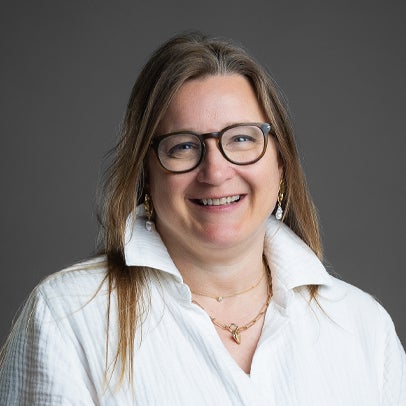
Dr. Kim Moloney
Associate Professor
Associate Professor in Public Administration
Dr. Kim Moloney
Associate Professor
Associate Professor in Public Administration
Educational Qualifications
PhD in Public Administration
MA in International Affairs
Entity
College of Public Policy
School of Economics and Management
Biography
Dr. Kim Moloney focuses on the intersection of the public administration discipline with international organizations, transnational administration, and good governance, and separately, intersections with the unique policy challenges of small states. She also engages in discussions of social equity and, separately, the intellectual history of public administration.
She has published in journals such as Public Administration Review, American Review of Public Administration, Perspectives on Public Management and Governance, Policy and Society, Review of Public Personnel Administration, Global Policy, and International Review of Administrative Sciences, among others.
Her book, “Who Matters at the World Bank”, was published by Oxford University Press in October 2022. Her co-edited books include the “Oxford Handbook on Global Policy and Transnational Administration” (Oxford University Press, 2019) and the “Routledge Handbook on Crisis, Polycrisis, and Public Administration” (Routledge, 2025).
Dr. Moloney is Co-Editor-in-Chief of the Australian Journal of Public Administration, Associate Editor of Public Administration Review, Associate Editor of Administrative Theory & Praxis, and Associate Editor of the Asia Pacific Journal on Public Administration. She is also a Co-Editor of the Book Series on Transnational Administration and Global Policy with Bristol University Press.
PhD in Public Administration
School of Public Affairs at American University; Washington DC, USA
2011
MA in International Affairs
School of Advanced International Studies (SAIS) at Johns Hopkins University; Washington DC, USA
2005
M.P.A
Maxwell School at Syracuse University; Syracuse NY, USA
2004
BSc in Economics and International Relations
University of Wisconsin-Madison; Madison WI, USA
1996
- Transnational administration / Global policy
- Small states
- International administrative law
- Multilateral development banks
Senior Lecturer
Murdoch University (Australia)
2017 - 2021
Visiting Assistant Professor
University of Miami (USA)
2014 - 2016
Assistant Professor
Kyung Hee University (South Korea)
2012 - 2014
Lecturer
The University of the West Indies at Mona (Jamaica)
2009 - 2012
Complete Publication Listing(s): Google Scholar
- 2024; Riccucci-O’Leary Award for “The Flawed Foundations of Social Equity in Public Administration: A Racial Contract Theory Critique” by the Public Management Research Association.
- 2024; Mary Hamilton Award for International Chapter Service from the American Society of Public Administration.
- 2023; Outstanding Reviewer Award, Public Administration and Development journal.
- 2021; Chester A. Newland Presidential Citation of Merit from the American Society of Public Administration.
- 2021; Jeanne-Marie Col Award for Section Service from the Section on International and Comparative Administration of the American Society of Public Administration.