 Apply Now
primary


Dr. Johan Ericsson
Associate Professor
Dr. Johan Ericsson
Associate Professor
Educational Qualifications
Postdoctoral Fellow
PhD
Entity
College of Health and Life Sciences
Biography
Dr. Ericsson attended both Uppsala and Stockholm University and obtained his PhD from Stockholm University in 1992. He then moved to the University of California-Los Angeles (UCLA), where he worked on the transcriptional regulation of cholesterol metabolism.
Dr. Ericsson established his own independent research group in 1998 at the Ludwig Institute for Cancer Research, focusing on the post-translational regulation of a family of transcription factors critical for cholesterol and lipid metabolism, i.e. the SREBP family of proteins. In 2009, Dr. Ericsson became an SFI Stokes Professor at University College Dublin, where his group continued their work on the transcriptional and post-translational regulation of lipid metabolism. Dr. Ericsson has been an Associate Professor at HBKU since May 2019.
Postdoctoral Fellow
Departments of Biological Chemistry and Medicine, University of California, Los Angeles, USA.
1993 - 1995
PhD
Stockholm University, Department of Biochemistry.
1992
Associate Professor
Hamad Bin Khalifa University, College of Medical and Life Sciences.
2019
SFI Stokes Professor
UCD Conway Institute, School of Medicine and Medical Science, University College Dublin.
2009 - 2019
Associate Member & Group Leader
Gene Expression Laboratory, Ludwig Institute for Cancer Research, Uppsala, Sweden.
2004 - 2008
Research Fellow
Royal Swedish Academy of Sciences.
2002 - 2007
Assistant Member & Group Leader
Gene Expression Laboratory, Ludwig Institute for Cancer Research, Uppsala, Sweden.
1998 - 2003
Assistant Research Professor
Department of Medicine, University of California, Los Angeles, USA.
1997 - 1998
Assistant Research Cardiologist
Department of Medicine, University of California, Los Angeles, USA.
1995 - 1997
Postdoctoral Fellow
Departments of Biological Chemistry and Medicine, University of California, Los Angeles, USA.
1993 - 1995
The phosphorylation-dependent regulation of nuclear SREBP1 during mitosis links lipid metabolism and cell growth. Cell Cycle. 15: 2753-2765.
Fbw7 dimerization determines the specificity and robustness of substrate degradation. Genes Dev. 27: 2531-2536.
The ubiquitin ligase Fbxw7 controls adipocyte differentiation by targeting C/EBPalpha for degradation. Proc. Natl. Acad. Sci. U.S.A. 107, 11817-22.
The tumor suppressor Fbxw7 regulates TGFβ signaling by targeting TGIF1 for degradation. Oncogene 29, 5322-8.
A phosphorylation cascade controls the degradation of active SREBP1. (2009) J. Biol. Chem. 284, 5885-5895.
Hyperphosphorylation regulates the activity of SREBP1 during mitosis. Proc. Natl. Acad. Sci. U.S.A. 102, 11681–11686.
Control of lipid metabolism by phosphorylation-dependent degradation of the SREBP family of transcription factors by SCFFbw7. Cell Metabolism 1, 379-391.
- 2009 - 2014 SFI Stokes Professor (salary support).
- 2002 - 2007 Research Fellow of the Royal Swedish Academy of Sciences (salary support).
- 2004 - Fernström Award for Young Scientists
- 1994 & 1995 - Named "The George and Edna Lievre Family Research Fellow" by the American Heart Association.
- 1995 - Named "The Wilfried Mommaerts Research Fellow" by the American Heart Association.
- 1994 - 1996 Postdoctoral Research Fellowship from the American Heart Association.
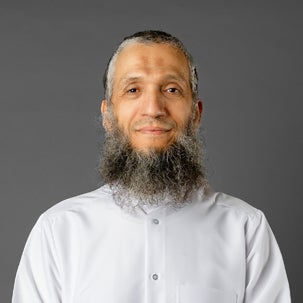
Dr. Mourad Ouzzani
Research Director
Dr. Mourad Ouzzani
Research Director
Educational Qualifications
Ph.D. in Computer Science
M.S. in Computer Science
Entity
Qatar Computing Research Institute
Biography
Mourad Ouzzani is the Research Director of the Research Engineering Group whose mission is to productize QCRI's research. The group has produced several products some of which have been commercialized through different channels. These include SIHA, a system for integrated health analytics, QARTA, an AI-enabled map engine, Zaman, a smart bilingual news app for the Arab world, SAQR a social media analytics platform with a focus on Arabic, Fehris, a powerful personal content management system, and NxPalin, a system for explainable, transparent, and Fair AI.
Mourad conducts research in data management and analytics with a focus on data integration, data cleaning, and more recently data-centric AI. Mourad has played a key role in establishing the data analytics group (now QCAI) within QCRI. He was the project lead of Rayyan, the leading systematic reviews web and mobile app, which is being used by more than 250K users worldwide. Rayyan has since graduated from QCRI to a startup, Rayyan Systems Inc. Mourad’s research work has led to numerous publications in top tier venues including PVLDB, TKDE, SIGMOD, and ICDE. Mourad has been PI or CoPI in more than 15 grant proposals funded by NSF, NIH, DHS, and other funding agencies.
Ph.D. in Computer Science
Virginia Tech; Virginia, USA
2004
M.S. in Computer Science
USTHB, Algiers, Algeria
1995
B.S. in Computer Science (summa cum laude)
USTHB, Algiers, Algeria
1991
- Data Management
- Data Integration
- Data Cleaning
- Data-Centric AI
Research Director
Qatar Computing Research Institute, HBKU
2022 - Present
Principal Scientist
Qatar Computing Research Institute
2015 - 2022
Senior Scientist
Qatar Computing Research Institute
2011 - 2015
Research Associate Professor
Cyber Center, Purdue University
2010 - 2011
Research Assistant Professor
Cyber Center, Purdue University
2006 - 2010
- VLDB Distinguished Reviewer Award 2020 and 2021.
- ACM SIGMOD 2020 Reproducibility Award.
- Best Demo Award (ICDE 2019 and SIGMOD 2015).
- Senior Member of the IEEE, 2019.
- Best of VLDB, Lightning Fast and Space E cient Inequality Joins, 2015.
- Best Paper Award, 7th Int’l Conf. on Similarity Search and Applications, 2014.
- Purdue Seeds of Success Award in 2009 and 2012
- Senior Member of the ACM, 2009.
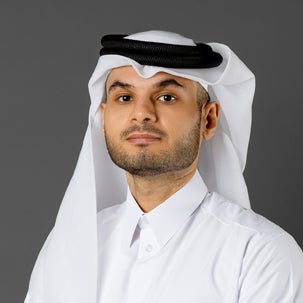
Abdulaziz Al-Homaid
Software Engineer
Abdulaziz Al-Homaid
Software Engineer
Educational Qualifications
MS in Data Science and Engineering
BS in Computer Science
Entity
Qatar Computing Research Institute
Biography
Abdulaziz Al-Homaid is a Software Engineer at Qatar Computing Research Institute of Hamad Bin Khalifa University. He has been working on leveraging insights from hospital health data. Specifically, he applied signal processing algorithms to detect abnormalities in electrocardiogram data during vigorous activity. He also worked on analyzing the relationship between exercise and glucose levels. He is experienced in utilizing libraries for large language models and training them on multi-GPU machines.
MS in Data Science and Engineering
Hamad Bin Khalifa University
2016 - 2018
BS in Computer Science
Carnegie Mellon University in Qatar
2010 - 2014
- Data Science
- Applied Machine Learning
- Software Engineering
Software Engineer
Qatar Computing Research Institute, Hamad Bin Khalifa University
2020 - Present
Research Associate
Qatar Computing Research Institute, Hamad Bin Khalifa University
2020 - 2018
Teaching Assistant
College of Science and Engineering, Hamad Bin Khalifa University
2017
Portal Analyst
Ooredoo
2014 - 2016

Priyanka G Dodia
Research Associate
Priyanka G Dodia
Research Associate
Educational Qualifications
MS Cybersecurity
BS Computer Science
Entity
Qatar Computing Research Institute
Division
Cybersecurity
Biography
Ms. Dodia has been a committed member of Qatar Foundation since 2012. She's been actively involved with several research groups in QCRI since 2014, currently serving as a full-time researcher for the cybersecurity group.
Her vision is to serve Qatar and fuel the country's cybersecurity intelligence and R&D advancements with the knowledge and skills she's acquired over the years.
MS Cybersecurity
Hamad Bin Khalifa University; Doha, Qatar
May 2018
BS Computer Science
Carnegie Mellon University, Doha, Qatar
May 2016
Higher Education
Central Board of Secondary Education (CBSE); MES Indian School, Doha, Qatar
May 2012
- Computer Networks Security
- Software Defined Networking
- Advanced Persistent Threats
- TOR Anonymity Networks
- VPN Security
Research Associate
Cybersecurity Group (Project: Detecting Malicious Squatting Domains); QCRI / Full Stack Developer - Sijil Enterprise Log Analytics Platform (March 2020- Oct 2020)
Dec 2018 - Current
Research Associate Intern
Cybersecurity Group (Project: QACIP); QCRI
Sept 2017 - May 2018
Research Associate Intern
Social Computing (Project: Health Recommendation System); QCRI
Feb 2017 - May 2017
Information Security Analyst Intern
Al Jazeera Media Network (AJN)
Feb 2016 - May 2016
Student Researcher
Network Security (Project: Analyzing DNS Data for Security Threats & Malware Detection); Carnegie Mellon University - Qatar (CMUQ)
May 2015 - June 2015
Research Assistant Intern
ALT Group (Project: IYAS); QCRI
May 2014 - July 2014
- May 2012; Computer Science Topper - CBSE 12th Board Examination; CBSE Board Delhi-India; MES Indian School, Doha, Qatar
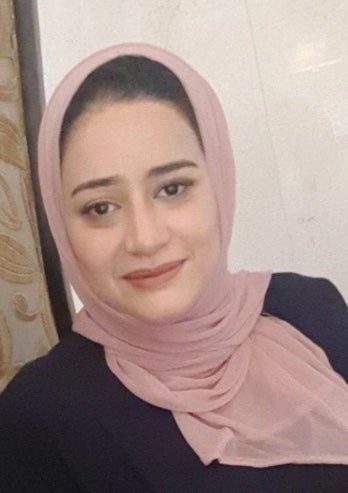
Sarah Khalaf
Master’s Student
Sarah Khalaf
Master’s Student

Dr. Mingzhan Xue
Postdoctoral Researcher
Educational Qualifications
PhD in Medicine
MSc in Medical Genetics
Entity
Qatar Biomedical Research Institute
Division
Translational Oncology Research Center
Biography
Dr. Mingzhan Xue obtained his Medical degree (Bachelor of Medicine), Master’s degree in Medical Genetics, and PhD in Medicine from the School of Medicine of Xi’an Jiaotong University (known as the Xi’an Medical University before 2000) in China. Between 1984 and 1999, he was appointed Assistant Professor, Lecturer, and Associate Professor in Medical Genetics at Xi’an Medical University, China. He also undertook postdoctoral positions at the University of Lausanne in Switzerland, and Newcastle University and Queen Mary University of London in the UK. From 2006 to 2018, he worked as a research fellow at the University of Warwick in the UK.
PhD in Medicine
Xi’an Medical University, China
1997
MSc in Medical Genetics
Xi’an Medical University, China
1989
Bachelor of Clinical Medicine
Xi’an Medical University, China
1984
- Precision Oncology
- Breast cancer therapy
- Cancer Epigenetics
Postdoc
Translational Oncology Research Center, Qatar Biomedical Research Institute (QBRI)
2019 - Present
Research Fellow
Warwick Medical School, University of Warwick, UK
2006 - 2018
Postdoc
Clinical Pharmacology and The Genome Centre, William Harvey Research Institute, Queen Mary University of London, UK
2003 – 2006
Postdoc
Institute of Pharmacology and Toxicology, University of Lausanne, Switzerland
2000 – 2002
Associate Professor
Medical Genetics, Xi’an Medical University, China
1984 – 1999
Complete Publication Listing(s): PubMed
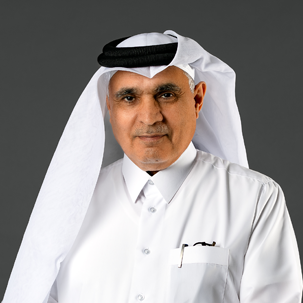
Dr. Ahmed Elmagarmid
Executive Director at Qatar Computing Research Institute
Dr. Ahmed Elmagarmid
Executive Director at Qatar Computing Research Institute
Entity
Qatar Computing Research Institute
Division
Management
Biography
Dr. Ahmed K. Elmagarmid founded the Qatar Computing Research Institute in 2010 and has served as its Executive Director since. Prior to joining Qatar Foundation, Dr. Elmagarmid served as a chief scientist in Hewlett-Packard and Professor of Computer Science at Purdue University.
Dr. Elmagarmid serves as the Vice Chair of the IT Executive Committee of Sidra Medical and Research Centre and is on the board of directors of MEEZA. He is a member of the Executive Committee of Kasra (formerly MENAPOST), the Qatar National Library, a member of the board of Governors of the Qatar Academy, a founding member of Qatar Genome Project National Committee and the Sidra External Scientific Advisory Council. Dr. Elmagarmid served on the Arab Expat Scientist Committee that laid the plans for the research programs at QF and started the three National Research Institutes: QCRI, QBRI and QEERI.
Dr. Elmagarmid is a recipient of the NSF Presidential Young Investigator (PYI) award from President Reagan in 1988. He is an IEEE Fellow, an ACM Fellow and an AAAS Fellow. The University of Dayton and Ohio State University have both named him among their distinguished alumni.
Dr. Elmagarmid received his B.S. in computer science from the University of Dayton (1977) and his M.S. (1981) and Ph.D. (1985) from Ohio State University.
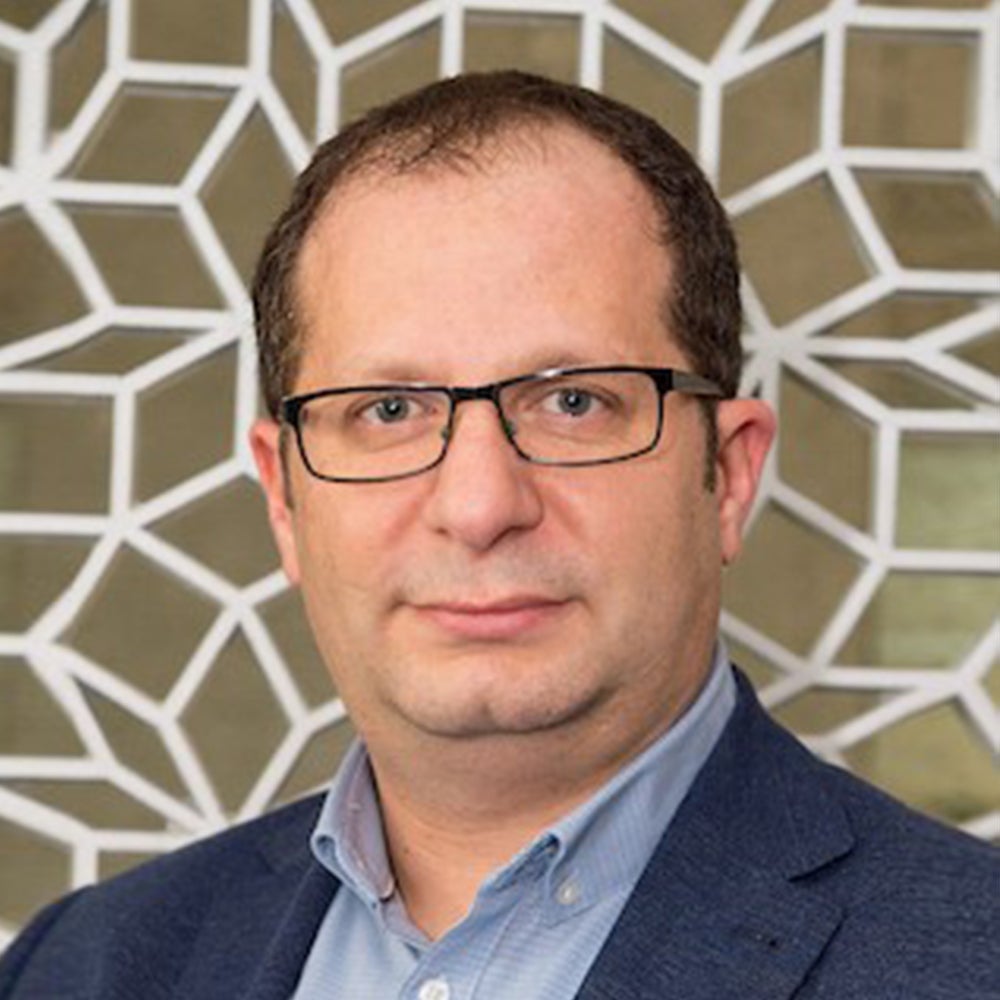
Dr. Ayman Al Haj Zen
Associate Professor
Dr. Ayman Al Haj Zen
Associate Professor
Educational Qualifications
PhD in Biology and Physiology of the Circulatory system
MSc in Cardiovascular Physiology
Entity
College of Health and Life Sciences
Division
Biological and Biomedical Sciences
Biography
Dr Ayman Al Haj Zen is an Associate Professor at the College of Health and Life Sciences at Hamad Bin Khalifa University. He obtained his PhD from the University of Paris VII, where he studied the role of small proteoglycans in regulating vascular repair and atherosclerosis. Afterward, he moved to England and worked as a Postdoctoral Researcher at various institutions, including the London Research Institute, the University of Bristol, and the University of Oxford. During this time, he focused on studying the role of cell-cell communication signaling in ischemia-induced angiogenesis and vascular regeneration.
In 2013, Dr. Al Haj Zen received an intermediate research fellowship from the British Heart Foundation (Oxford) Centre of Research Excellence allowing him to establish his independent research program in vascular biology and drug discovery at the University of Oxford. His research centered on identifying new therapeutic targets and strategies to modulate angiogenesis and vascular response in diseases such as ischemic vascular disease, atherosclerosis, vascular dementia, and cancer.
His lab develops 3D microfluidics organ-on-chip disease models combined with high throughput quantitative image-based approaches to conduct genetic and drug screens that have applications in understanding underlying disease mechanisms and developing new therapeutics and personalized medicines.
PhD in Biology and Physiology of the Circulatory system
University Denis Diderot, France
2006
MSc in Cardiovascular Physiology
University Denis Diderot, France
2001
Postgraduate Diploma in Biological and Medical Sciences
University Denis Diderot, France
2000
Doctor of Medicine (MD)
University of Aleppo, Syria
1998
- Functional characterization of GWAS candidate genes of coronary artery disease
- Target and drug discovery using a high-throughput phenotypic screening platform
- Advanced human disease modeling using 3D microfluidics organ-on-chip and bioprinting technologies
- Understanding the mechanisms of angiogenesis and microvasculature instability in diseases such as atherosclerosis
- peripheral artery disease
- diabetes
- and cancer metastasis
Associate Professor
College of Health and Life Sciences, Hamad Bin Khalifa University
2024 - Present
Assistant Professor
College of Health and Life Sciences, Hamad Bin Khalifa University
2019 - 2024
Independent Research Fellow
Division of Cardiovascular Medicine (RDM), University of Oxford, United Kingdom
2013 - 2019
Postdoctoral Research Fellow
Division of Cardiovascular Medicine, University of Oxford, United Kingdom
2010 - 2013
Postdoctoral Research Associate
Bristol Heart Institute, University of Bristol, United Kingdom
2008 - 2010
Postdoctoral Research Fellow
Vascular Morphogenesis Lab, London Research Institute, United Kingdom
2006 - 2008
Complete Publication Listing(s): PubMed
- 2021; Paul Dudley White International Scholar Award, American Heart Association; USA
- 2013; Intermediate Research Fellowship; British Heart Foundation (Oxford) Centre of Research Excellence; United Kingdom
- 2009; British Society for Cardiovascular Research Prize; BSCR; United Kingdom
- 2003; French Society of Cardiology Prize (CORDIS); French Society of Cardiology; France
Aisha Al Qahtani
Research Fellow
Educational Qualifications
PhD. In Biological and Biomedical Sciences
MSc. in Biological and Biomedical Sciences
Entity
Qatar Computing Research Institute
Division
Qatar Center for Artificial Intelligence
Biography
Aisha Al-Qahtani holds a B.S. degree in electrical and computer engineering from Texas A&M University, an M.S. degree in biological and biomedical science and Ph.D. in biological & biomedical science from (Hamad Bin Khalifa University (HBKU).
Her research focuses on applying electrical engineering in the biomedical field; she was among the team that worked on the biosensor design in smart sensor design at HBKU. She has recently expanded her scope of research to focus more on computational biology in the Center for Artificial Intelligence at Qatar Computing Research Institute.
PhD. In Biological and Biomedical Sciences
Hamad Bin Khalifa University
2022
MSc. in Biological and Biomedical Sciences
Hamad Bin Khalifa University
2017
BSc in Electrical & Computer Engineering
Texas A&M University
2014
- Genomic Data Science and engineering

Dr. Kabir Hassan Biswas
Associate Professor
Dr. Kabir Hassan Biswas
Associate Professor
Educational Qualifications
PhD in Biological Sciences
MS in Biological Sciences
Entity
College of Health and Life Sciences
Division
Biological and Biomedical Sciences
Biography
Dr. Kabir Hassan Biswas joined the College of Health and Life Sciences at Hamad Bin Khalifa University as an Assistant Professor in 2019 and was promoted to Associate Professor in 2025. He earned his Master's and PhD through the prestigious Integrated PhD program at the Indian Institute of Science in 2007 and 2011, respectively. He then conducted postdoctoral research at the National University of Singapore and Nanyang Technological University between 2011 and 2019.
Dr. Biswas’s laboratory takes an interdisciplinary approach, integrating computational methods such as AI/deep learning-based protein design, protein structure-function analysis and drug discovery and experimental techniques such as bioluminescence-based biosensors and biointerfaces with the aim to advance fundamental understanding and developing potential treatment for cancer metastasis, cardiovascular diseases, and infectious diseases. His group is also developing point-of-care tests for health and disease monitoring.
Dr. Biswas has received several competitive research grants, including Academic Research Grant, HBKU Thematic Research Grant, and Industrial Innovation Fund, and has published in high-impact journals such as Science, PNAS, The New England Journal of Medicine, and Nature Communications. He has delivered invited talks at major international conferences and received multiple awards, including the Yamaguchi Medal and the Mrs. C. V. Hanumantha Rao Medal.
PhD in Biological Sciences
Indian Institute of Science, India
2011
MS in Biological Sciences
Indian Institute of Science, India
2007
BSc in Biochemistry
Aligarh Muslim University, India
2004
- Therapeutic protein design and drug discovery using AI/deep learning-based and other computational methods
- Expanding capabilities of the BRET technology to engineer biosensors for biomolecule and protease activity detection
- Computational and experimental approaches for protein structure-function analysis including the effect of disease-causing mutations
- Supported lipid bilayer-based interface for reconstituting juxtacrine receptor-ligand signaling
Associate Professor
College of Health & Life Sciences, Hamad Bin Khalifa University
2025 - Present
Assistant Professor
College of Health and Life Sciences, Hamad Bin Khalifa University
2019 - 2025
Senior Research Fellow
NTU Institute of Health Technologies (HealthTech), Nanyang Technological University, Singapore
2018 - 2019
Senior Research Fellow
School of Materials Science and Engineering, Nanyang Technological University, Singapore
2017 – 2018
Senior Research Fellow
Mechanobiology Institute, National University of Singapore, Singapore
2016 – 2017
Research Fellow
Mechanobiology Institute, National University of Singapore, Singapore
2011 – 2016
Complete Publication Listing(s): Google Scholar
- Stanford/Elsevier's Top 2% Scientist Rankings (2025)
- Outstanding Faculty in Biosensors, Venus International Foundation, Chennai, India (2024)
- Yamaguchi Medal, Asian-Pacific Association for Biomechanics, Nagoya University, Japan (2017)
- Mrs. C V Hanumantha Rao Medal, Indian Institute of Science, Bangalore, India (2012)
- Senior Research Fellowship, Council of Scientific and Industrial Research (CSIR), Government of India (GoI) (2009)