 Apply Now
primary
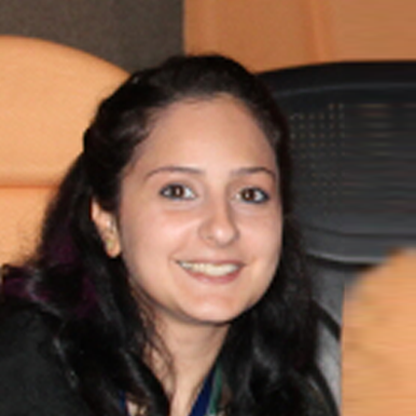
Rowaida Taha
Senior Research Associate
Entity
Qatar Biomedical Research Institute
Division
Neurological Disorders Research Center
Biography
Ms. Rowaida Ziad Taha earned her Bachelor’s degree in Genetic Engineering and Biotechnology from Jordan University of Science and Technology, College of Science (JUST). In 2008, she joined Weill Cornell Medical College, Doha, Qatar, as a Research Technician. Her work was mainly on projects related to stem cell and cancer biology research, those which included a variety of molecular and cellular biology techniques. In 2010, she worked at Shafallah Medical Genetics Center (SMGC) as a Research Assistant focusing on delineating the spectrum and distribution of Family Mediterranean Fever (FMF) among Arab patients and on mutation identification for MEFV, to assist research into the genotype-phenotype correlation of these patients. In 2014, Ms. Taha joined QBRI as a Research Associate. She has mainly contributed to several variation verifications and sequencing validation for genes pertaining to Autism Spectrum Disorders.
Family-Based Genome-Wide Association Study of Autism Spectrum Disorder in Middle Eastern Families. Genes (Basel). 2021 May 18;12(5):761. doi: 10.3390/genes12050761.
Transcriptome of Tumor-Infiltrating T Cells in Colorectal Cancer Patients Uncovered a Unique Gene Signature in CD4+ T Cells Associated with Poor Disease-Specific Survival. Vaccines (Basel). 2021 Apr 1;9(4):334. doi: 10.3390/vaccines9040334.
Differential gene expression of tumor-infiltrating CD33+ myeloid cells in advanced- versus early-stage colorectal cancer. Cancer Immunol Immunother. 2021 Mar;70(3):803-815. doi: 10.1007/s00262-020-02727-0.
T-cell responses and therapies against SARS-CoV-2 infection. Immunology. 2021 Jan;162(1):30-43. doi: 10.1111/imm.13262.
Expression of immune checkpoints and T cell exhaustion markers in early and advanced stages of colorectal cancer. Cancer Immunol Immunother. 2020 Oct;69(10):1989-1999. doi: 10.1007/s00262-020-02593-w.
Differential gene expression of tumor-infiltrating CD4+ T cells in advanced versus early stage colorectal cancer and identification of a gene signature of poor prognosis. Oncoimmunology. 2020 Sep 30;9(1):1825178. doi: 10.1080/2162402X.2020.1825178
Transcriptomic Profiling of Circulating HLA-DR- Myeloid Cells, Compared with HLA-DR+ Myeloid Antigen-presenting Cells. Immunol Invest. 2020 Jul 29:1-12. doi: 10.1080/08820139.2020.1795875
Differential gene expression of tumor-infiltrating CD33+ myeloid cells in advanced- versus early-stage colorectal cancer. Cancer Immunol Immunother. 2021 Mar;70(3):803-815. doi: 10.1007/s00262-020-02727-0.
PD-L1 Blockade by Atezolizumab Downregulates Signaling Pathways Associated with Tumor Growth, Metastasis, and Hypoxia in Human Triple Negative Breast Cancer. Cancers (Basel). 2019 Jul 25;11(8):1050. doi: 10.3390/cancers11081050.
Epigenetic modifications in the immune checkpoint genes PD-1, CTLA-4, TIM-3, LAG-3, PD-L1 and TIGIT in human breast tumor tissues (Submitted).
Multiplex epithelium dysfunction due to CLDN10 mutation: the HELIX syndrome. Genet Med. 2018 Feb;20(2):190-201.
Clin Case Rep. 2017 May 12;5(6):1013-1017.
Overlap of familial Mediterranean fever and hyper-IgD syndrome in an Arabic kindred. Journal of Clinical Immunology.;35(3):249-53.
Distal trisomy 10q syndrome, report of a patient with duplicated q24.31 - qter, autism spectrum disorder and unusual features. Clin Case Rep.; 2(5):201-5
The entire list of publications can be viewed here: https://www.ncbi.nlm.nih.gov/pubmed/?term=Taha%20RZ
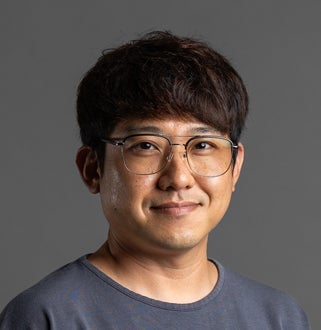
Dr. Kyung Chul Shin
Postdoctoral Researcher
Educational Qualifications
Ph.D
Bachelor's degree
Entity
Qatar Biomedical Research Institute
Division
Neurological Disorders Research Center
Biography
Dr. Kyung Chul Shin received his Bachelor's in Biotechnology from Konkuk University, South Korea, which was followed by his PhD in Cellular and Molecular Medicine. His research at Konkuk University mainly focused on researching new ion channels (especially Piezo ion channel) related to tactile sensations, and explored a deeper understanding of patch-clamp technology, calcium imaging technology, and new ion channels that have yet to be discovered.
Dr. Shin joined QBRI in 2020 as a post-doc at the Neurological Disorders Research Center. His current research aims to identify biomarkers in autism spectrum disorder with multifactor neurodevelopmental impairment.
Dr. Shin’s work has appeared in journals such as Scientific Reports, Free Radical Research, and Clinical and Experimental Hypertension.
Ph.D
Cellular & Molecular Medicine from the same university
2019
Bachelor's degree
Biotechnology at Konkuk University from Korea
2012
- MicroRNA Exocytosis and Ribomone: Novel neuromodulator
- Neurotransmitter
- and Cell-to-cell communicaton.
- Molecular Mechanisms of Vesicle Fusion: Biological
- Biophysical
- and Biochemical tools.
- Human induced pluripotent stem cells for autism.
- Mechanosensitive ion channel: Mechanisms & Functions.
Postdoc
Neurological Disorders Research Center, QBRI
2020 - present
Teaching assistant
Graduate School of Medicine
2018 - 2019
The Piezo2 ion channel is mechanically activated by low-threshold positive pressure. Scientific Reports (2019), 9(1):6446 (*, equal contribution)
Hydrogen peroxide constricts rat arteries by activating Na+-permeable and Ca2+-permeable cation channels. Free Radical Research (2019), 53(1):94-103 (*, equal contribution)
Effects of an ethanolic extract of mulberry fruit on blood pressure and vascular remodeling in spontaneous hypertensive rats. Clinical and Experimental Hypertension (2018), 41(3):280-286 (*, equal contribution)

Dr. Anupriya Madhukumar Geethakumari
Posdoc
Dr. Anupriya Madhukumar Geethakumari
Posdoc
Educational Qualifications
PhD in Biotechnology
Master of Philosophy in Biomedical Technology
Entity
College of Health and Life Sciences
Biography
Geethakumari joined the College of Health and Life Sciences (CHLS) as a postdoctoral fellow with Dr. Kabir Biswas in 2020. She completed her master's degree atAmrita Vishwa Vidyapeetham University, India, and a Master of Philosophy degree at Sree Chitra Tirunal Institute for Medical Sciences and Technology, India.
Shethen earned her PhD from Rajiv Gandhi Centre for Biotechnology, where her work focused on identifying the signaling pathways modulated due to dengue virus infection of microvascular endothelial cells.
PhD in Biotechnology
Rajiv Gandhi Centre for Biotechnology, University of Kerala, India
2018
Master of Philosophy in Biomedical Technology
Sree Chitra Tirunal Institute for Medical Sciences and Technology, India
2010
Master of Science in Biotechnology
Amrita Vishwa Vidyapeetham University, India
2009
Bachelor of Science in Biotechnology
University of Kerala, India
2007
- Molecular and Cell Biology
Postdoc
College of Health and Life Sciences, HBKU
2020 - present
Senior Research Fellow
Rajiv Gandhi Centre for Biotechnology, India
2018 - 2019
PhD
Rajiv Gandhi Centre for Biotechnology, India
2011 - 2018
Sphingolipid signaling modulates trans-endothelial cell permeability in dengue virus infected HMEC-1 cells. Prostaglandins Other Lipid Mediat 136, 44-54.
Dengue virus or NS1 protein induces trans-endothelial cell permeability associated with VE-Cadherin and RhoA phosphorylation in HMEC-1 cells preventable by Angiopoietin-1. J Gen Virol. 99(12), 1658-1670.
Comparative whole genome analysis of dengue virus serotype-2 strains differing in trans-endothelial cell leakage induction in vitro. Infect Genet Evol 52, 34-43. (*Equal Contribution)
Complete genome sequencing and evolutionary analysis of dengue virus serotype 1 isolates from an outbreak in Kerala, South India. Virus Genes 45(1), 1-13.
- 2010 - ICMR Fellowship, Indian Council for Medical Research, India

Dr. Fares Al-Ejeh
Senior Scientist
Educational Qualifications
Bachelor of Biotech (Honours)
Ph.D. (Cancer Biology)
Entity
Qatar Biomedical Research Institute
Division
Translational Oncology Research Center
Biography
Associate Professor Fares Al-Ejeh was awarded his Bachelor of Biotechnology degree, and his PhD from the University of Wollongong (NSW, Australia). His first post-doctoral position was industry-funded by Oncaidia Ltd at the Royal Adelaide Hospital/Hanson Institute. .
After five years in industry-oriented research, Dr. Al-Ejeh started his academic career at one of Australia's largest research institutes, the QIMR Berghofer Medical Research Institute. At QIMR, he established his own group, Personalised Medicine, in 2015. His track record includes two granted patents on Apomab and five submitted patent applications undergoing evaluation. He has more than 50 peer-reviewed publications focusing on cancer diagnostics and therapeutics with focus on translational medical research.
Dr. Al-Ejeh has contributed as a keynote speaker at several conferences and as a member of several panels for grant reviews in Australia and internationally. He is an Associate Member of the Australian Academy of Health and Medical Sciences (AAHMS) and an adjunct Associate Professor at the Faculty of Medicine, University of Queensland, Australia in recognition of his teaching and supervision of postgraduate students.
Bachelor of Biotech (Honours)
University of Wollongong (NSW/Australia)
2001
Ph.D. (Cancer Biology)
University of Wollongong (NSW/Australia)
2005
- Personalized/Precision Oncology
- Multi-omics
- Novel Biomarkers and Drug Targets
- Breast Cancer
Senior Scientist
Qatar Biomedical Research Institute/HBKU, Translational Oncology Research Center. Doha, Qatar.
2020 - present
Team Head (Faculty) and Senior Research Fellow
QIMR Berghhofer Medical Research Institute. Brisbane, Australia
2010 - 2019
Senior Researcher and Chief Scientific Officer
Oncaidia Ltd. and the Royal Adelaide Hospital, Hanson Institute. Adelaide, Australia
2005 - 2009
Prognostic tools and candidate drugs based on plasma proteomics of patients with severe COVID-19 complications. Nature Communications. 2022; 13, 946. https://doi.org/10.1038/s41467-022-28639-4 https://www.nature.com/articles/s41467-022-28639-4
Epigenome erosion and SOX10 drive neural crest phenotypic mimicry in triple-negative breast cancer. NPJ Breast Cancer. 2022;8(1):57. https://doi.org/10.1038/s41523-022-00425-x https://pubmed.ncbi.nlm.nih.gov/35501337/
G9a Inhibition Enhances Checkpoint Inhibitor Blockade Response in Melanoma. Clin Cancer Res. 2021;27(9):2624-2635. https://doi.org/10.1158/1078-0432.CCR-20-3463https://pubmed.ncbi.nlm.nih.gov/33589432/
A short ERK5 isoform modulates nucleocytoplasmic shuttling of active ERK5 and associates with poor survival in breast cancer. bioRxiv 2021.03.23.436061; https://doi.org/10.1101/2021.03.23.436061 https://www.biorxiv.org/content/10.1101/2021.03.23.436061v1.abstract
G9a-mediated repression of CDH10 in hypoxia enhances breast tumour cell motility and associates with poor survival outcome. Theranostics. 2020;10(10):4515-4529. Published 2020 Mar 15. https://doi.org/10.7150/thno.41453 https://pubmed.ncbi.nlm.nih.gov/32292512/
Differential gene expression of tumor-infiltrating CD8+ T cells in advanced versus early-stage colorectal cancer and identification of a gene signature of poor prognosis. J Immunother Cancer. 2020;8(2):e001294. https://doi.org/10.1136/jitc-2020-001294 https://pubmed.ncbi.nlm.nih.gov/32948653/
Differential gene expression of tumor-infiltrating CD4+ T cells in advanced versus early stage colorectal cancer and identification of a gene signature of poor prognosis. Oncoimmunology. 2020;9(1):1825178. Published 2020 Sep 30. https://doi.org/10.1080/2162402X.2020.1825178 https://pubmed.ncbi.nlm.nih.gov/33101776/
Clinicopathologic significance of nuclear HER4 and phospho-YAP(S127) in human breast cancers and matching brain metastases. Ther Adv Med Oncol. 2020;12:1758835920946259. https://doi.org/10.1177/1758835920946259 https://pubmed.ncbi.nlm.nih.gov/33014146/
Genome-wide association and transcriptome studies identify target genes and risk loci for breast cancer. Nature Communications, 2019;10(1):1741. https://www.ncbi.nlm.nih.gov/pubmed/30988301
Secreted cellular prion protein binds doxorubicin and correlates with anthracycline resistance in breast cancer. JCI Insight, 2019;5. pii: 124092. https://www.ncbi.nlm.nih.gov/pubmed/30830863
EphA3 Pay-Loaded Antibody Therapeutics for the Treatment of Glioblastoma. Cancers (Basel), 2018 ;10(12). pii: E519. https://www.ncbi.nlm.nih.gov/pubmed/30562956
A transcriptome-wide association study of 229,000 women identifies new candidate susceptibility genes for breast cancer. Nature Genetics, 2018; 50(7):968-978. https://www.ncbi.nlm.nih.gov/pubmed/29915430
Characterization of a novel breast cancer cell line derived from a metastatic bone lesion of a breast cancer patient. Breast Cancer Res Treat, 2018;170(1):179-188. https://www.ncbi.nlm.nih.gov/pubmed/29468485
Multidimensional phenotyping of breast cancer cell lines to guide preclinical research. Breast Cancer Res Treat, 2018;167(1):289-301. https://www.ncbi.nlm.nih.gov/pubmed/28889351
Long Noncoding RNAs CUPID1 and CUPID2 Mediate Breast Cancer Risk at 11q13 by Modulating the Response to DNA Damage. American Journal of Human Genetics, 2017;101(2):255-266. https://www.ncbi.nlm.nih.gov/pubmed/28777932
RAD51 inhibition in triple negative breast cancer cells is challenged by compensatory survival signaling and requires rational combination therapy. Oncotarget, 2016, 13;7(37):60087-60100. https://www.ncbi.nlm.nih.gov/pubmed/27507046
Meta-analysis of the global gene expression profile of triple-negative breast cancer identifies genes for the prognostication and treatment of aggressive breast cancer. Oncogenesis, 2014;3:e100. https://www.ncbi.nlm.nih.gov/pubmed/24752235
Gemcitabine and CHK1 inhibition potentiate EGFR-directed radioimmunotherapy against pancreatic ductal adenocarcinoma. Clinical Cancer Research, 2014;20(12):3187-97. https://www.ncbi.nlm.nih.gov/pubmed/24838526
Kinome profiling reveals breast cancer heterogeneity and identifies targeted therapeutic opportunities for triple negative breast cancer. Oncotarget, 2014;5(10):3145-58. https://www.ncbi.nlm.nih.gov/pubmed/24762669
Postchemotherapy and tumor-selective targeting with the La-specific DAB4 monoclonal antibody relates to apoptotic cell clearance. Journal of Nuclear Medicine, 2014;55(5):772-9. https://www.ncbi.nlm.nih.gov/pubmed/24676755
Treatment of triple-negative breast cancer using anti-EGFR-directed radioimmunotherapy combined with radiosensitizing chemotherapy and PARP inhibitor. Journal of Nuclear Medicine, 2013;54(6):913-21. https://www.ncbi.nlm.nih.gov/pubmed/23564760
All publications at https://www.ncbi.nlm.nih.gov/pubmed/?term=al-ejeh
- 2016 - Certificate of Excellence in Reviewing, Oncology Reports Journal - Spandidos Publications (Athens/Greece)
- 2016 - Commendation Letter for Outstanding Contribution to Institutional Animal Ethics Committee, QIMRB Medical Research Institute (Brisbane, Australia)
- 2016 - Outstanding External Assessor Contribution to NH&MRC Honour Roll 2016, Australian National Health & Medical Research Council (Canberra, Australia)
- 2014 - Commendation Letter for insightful oral presentation as a keynote speaker at the Australian and New Zealand Society of Nuclear Medicine, Australian and New Zealand Society of Nuclear Medicine (ANZSNM, Australia)
- 2008 - Asia-Pacific Frost & Sullivan Technology Innovation Award For APOMAB innovation in Oncaidia Ltd., Frost & Sullivan (Santa Clara, California)
- 2003 - ASMR Young Investigator Award, Australian Society for Medical Research (ASMR, Australia)
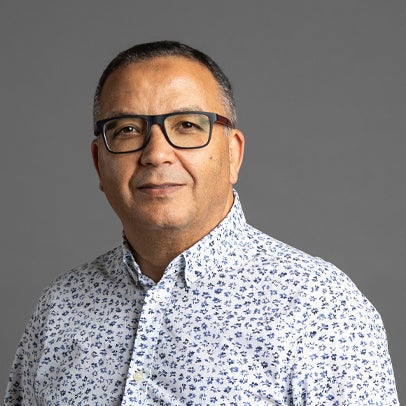
Dr. Mahmoud Naas
Research Grant Manager
Phone
66 980 238Office location
Office # 1360 Segment 6, Building 2 HBKU Research Complex
Dr. Mahmoud Naas
Research Grant Manager
Educational Qualifications
PhD
MSc
Entity
Qatar Biomedical Research Institute
Division
Management
Biography
Mahmoud Naas has been in the medical research field and academia for more than 30 years. .
He was previously an associate professor at Qatar University’sCollege of Health Sciences, where he developed and delivered a variety of courses.
As a scientist, Professor Naas’ research activity is an integral part of his academic role; his research has generated several peer reviewed publications, as well as poster presentations at national and international conferences.
PhD
Reading - United Kingdom
1992
MSc
Reading - United Kingdom
1986
BSc
The Higher Institute of Technology, Brack - Libya
1983
- The development of new method for Haemoglobinopathy Screening –all single
- Non-invasive early pregnancy screening for maternal and fetal wellbeing
- such as Preeclampsia
- Ectopic Pregnancy
- Gestational Diabetes and Fetal Aneuploidy T21 Down Syndrome.
- Cancer-Early diagnosis and monitoring.
Associate Professor
Community College Qatar (CCQ), Doha - Qatar
2018 - 2019
Project Manager
Map Sciences Ltd, Bedford - United Kingdom
2016 - 2018
Associate Professor
Qatar University, Doha - Qatar
2013 - 2016
Senior Lecturer
Middlesex University, London _ United Kingdom
2004 - 2013
Tissue Bank Manager
Queen Mary University, London – UK
2001 - 2004
Future Laboratory Medicine: Rapid, Efficient and Affordable Screening for Haemoglobinopathies by MALDI-ToF Mass Spectrometry. Adv Biochem Biotehcnol (in press)
Novel insights into the expression of CGB1 & 2 genes by epithelial cancer cell lines secreting ectopic free hCGβ. Anticancer Research 34:2239-2248
No evidence for the involvement of XMRV or MCV in the pathogenesis of breast cancer British Journal of Cancer 106:1166 – 1170
Human Papilloma Viruses Infections in Sporadic Benign Prostatic Hyperplasia and Prostate Cancer Journal of Pathology 226: S14-
GLI1 induces a basal-like phenotype that confers androgen independence upon LNCaP prostate cancer cells. PLoS One. ;6 (5)
Association between Large-scale Genomic Homozygosity without Chromosomal Loss and Nonseminomatous Germ Cell Tumor Development. Cancer Res 65: 9137-9141
- 1997; Research Fellowship; Joint Research Board, St Bartholomew’s Hospital; London – United Kingdom

Dr. Ramesh Elango
Postdoctoral Researcher
Dr. Ramesh Elango
Postdoctoral Researcher
Educational Qualifications
PhD in Biochemistry
MSc in Biochemistry
Entity
Qatar Biomedical Research Institute
Division
Translational Oncology Research Center
Biography
Dr. Ramesh Elango is a Postdoctoral Researcher at Qatar Biomedical Research Institute’s Translational Oncology Research Center. He earned his PhD from Bharathidasan University, India, where he researched the anti-atherogenic effects of epigallocatechin gallate from green tea. His work demonstrated that EGCG protects against oxidative damage, reduces inflammation, and regulates key genes involved in cholesterol metabolism. Dr. Ramesh Elango is an expert in advanced techniques such as CRISPR/Cas9-based functional genomics, RNA sequencing, and the profiling of microRNAs and long noncoding RNAs (lncRNAs).
He later completed postdoctoral studies at King Saud University, Saudi Arabia, where his work led to the discovery of a miRNA-based molecular signature associated with lymph node metastasis in breast cancer. His research focuses on pioneering cancer therapies and identifying novel molecular biomarkers. With over a decade of experience in cancer research, his contributions have been pivotal in identifying therapeutic targets in aggressive cancer subtypes, particularly triple-negative breast cancer (TNBC). He emphasizes the translation of molecular discoveries into clinical applications. Dr. Elango has published over 30 peer-reviewed research articles and book chapters, contributing significantly to the field of oncology.
PhD in Biochemistry
Bharathidasan University, India
2009
MSc in Biochemistry
Periyar University, India
2003
BSc in Biochemistry
Periyar University, India
2001
- Exploring molecular signatures for predicting pathological complete response to Neoadjuvant therapy in breast cancer
- Utilizing transcriptomic profiling for insights into breast cancer diagnosis
- prognosis
- and therapeutic approaches
- Applying CRISPR-Cas9 genomic screens to uncover novel therapeutic vulnerabilities and mechanisms of chemotherapy resistance in breast cancer
- Investigating miRNA and lncRNA signatures in triple-negative breast cancer (TNBC) for understanding treatment resistance and tumorigenicity
Postdoctoral Researcher
Qatar Biomedical Research Institute, Hamad Bin Khalifa University
2019 - Present
Assistant Research Professor
Stem Cell Unit, King Saud University, Saudi Arabia
2016 - 2019
Biotechnology Application Specialist
Asila-Riyadh Company, Saudi Arabia
2012 - 2016
Postdoctoral Researcher
Food Science and Nutrition, King Saud University, Saudi Arabia
2009 - 2012
Elango, R., Vishnubalaji, R., Rashid, S., Al-Sarraf, R., Akhtar, M., Ouararhni, K., & Alajez, N. M. (2024). Long noncoding RNA profiling unveils LINC00960 as an unfavorable prognostic biomarker promoting triple-negative breast cancer progression. Cell Death Discovery, 10(1), 333.
Elango, R., Rashid, S., Vishnubalaji, R., Al-Sarraf, R., Akhtar, M., Ouararhni, K., Decock, J., Albagha, O. M. E., & Alajez, N. M. (2023). Transcriptome profiling and network enrichment analyses identify subtype-specific therapeutic gene targets for breast cancer and their microRNA regulatory networks. Cell Death & Disease, 14(1), 415.
Elango, R., Vishnubalaji, R., Shaath, H., & Alajez, N. M. (2021). Transcriptional alterations of protein-coding and noncoding RNAs in triple-negative breast cancer in response to DNA methyltransferases inhibition. Cancer Cell International.
Elango, R., Vishnubalaji, R., Shaath, H., & Alajez, N. M. (2021). Molecular subtyping and functional validation of TTK, TPX2, UBE2C, and LRP8 in sensitivity of TNBC to paclitaxel. Molecular Therapy - Methods & Clinical Development, 20, 601–614.
Elango, R., Alsaleh, K. A., Vishnubalaji, R., Manikandan, M., Ali, A. M., Abd El-Aziz, N., Altheyab, A., Al-Rikabi, A., Alfayez, M., Aldahmash, A., & Alajez, N. M. (2020). MicroRNA expression profiling on paired primary and lymph node metastatic breast cancer revealed a distinct microRNA profile associated with LNM. Frontiers in Oncology.
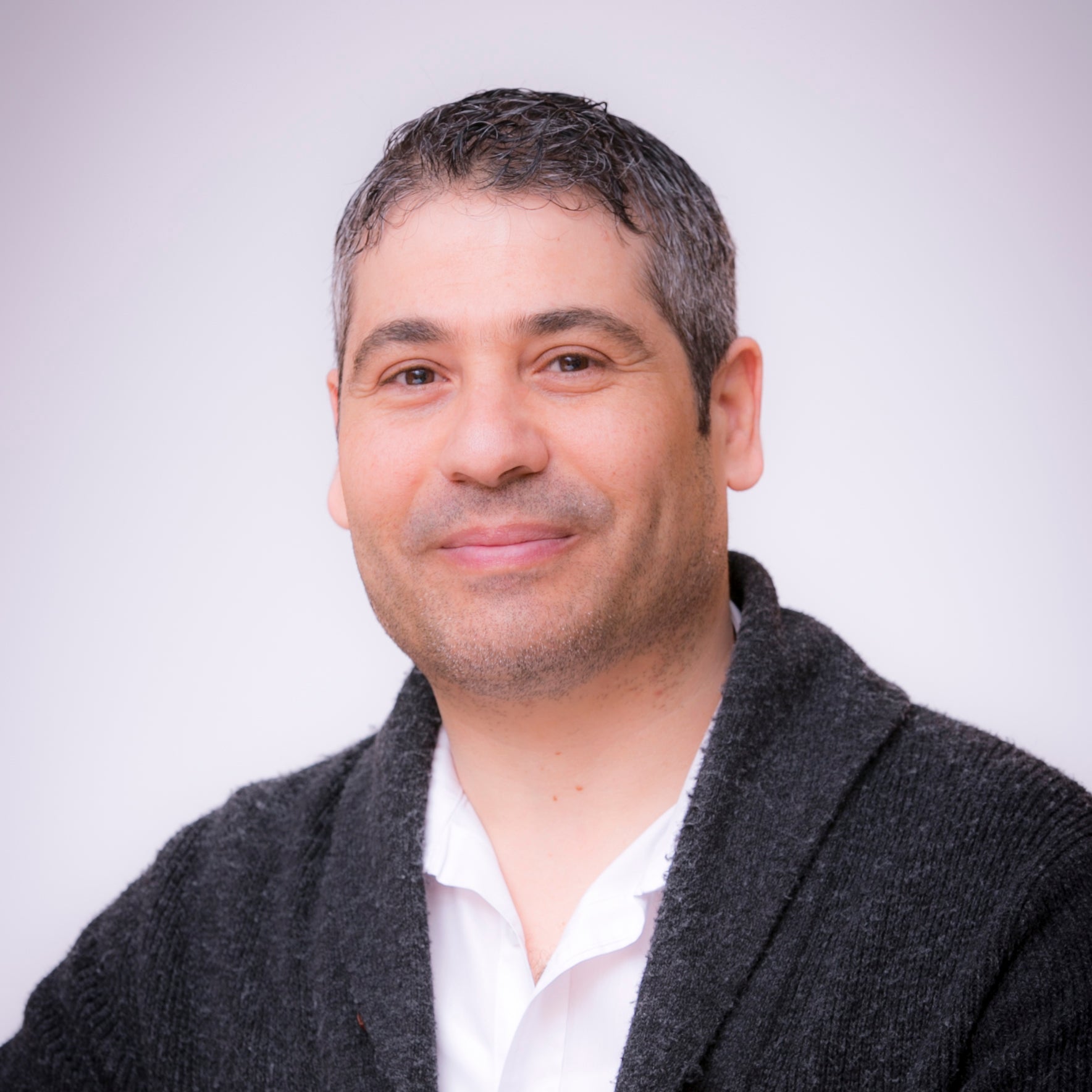
Dr. Afif Ben Mahmoud
Senior Research Associate
Dr. Afif Ben Mahmoud
Senior Research Associate
Educational Qualifications
PhD (Molecular and Human Genetics)
MSc in Genetics and Biodiversity
Entity
Qatar Biomedical Research Institute
Division
Neurological Disorders Research Center
Biography
Dr. Afif Ben Mahmoud is an accomplished geneticist and genome data analyst with extensive expertise in human molecular genetics. He earned an engineering degree in agriculture and animal production, a master's in genetics and biodiversity, and a PhD in molecular and human genetics. With over 12 years of experience in research and academia, Dr. Ben-Mahmoud has dedicated his work to elucidating cellular and molecular mechanisms underlying human genetic diseases, focusing on identifying disease genes and mutations responsible for rare recessive disorders, particularly in Arab populations.
His professional contributions in genetic pathology span from phenotypic and genotypic characterization of patients with monogenic diseases to functional studies aimed at demonstrating the pathogenicity of disease-causing novel genes and gene variations. He has also led numerous projects to decode rare human monogenic diseases, significantly advancing the field.
Dr. Afif Ben Mahmoud’s notable accomplishments include the first functional analysis of B3GALTL in Tunisian patients with Peters Plus Syndrome, the identification of MAST1 as a novel intellectual disability gene, and confirming the role of B3GALT6 in Al-Gazali Syndrome. Additionally, he has identified 16 autosomal dominant candidate genes in syndromic neurodevelopmental disorders and new candidate loci for intellectual disability and Kallmann syndrome. Dr. Ben-Mahmoud has published 25 high-quality articles in renowned international peer-reviewed journals, with over 500 citations and an h-index of 14.
PhD (Molecular and Human Genetics)
Sfax University, Tunisia
2015
MSc in Genetics and Biodiversity
Monastir University, Tunisia
2009
Engineering in Agriculture and Animal Production
Carthage University, Tunisia
2007
- Identification of novel disease genes and their pathogenic variants in autism and human monogenic diseases in Qatar.
- Investigation of genetic diversity and recessive disorders in Arab populations in Qatar.
- Functional validation of novel genes associated with intellectual disability and autism spectrum disorder in the Qatari population.
- Elucidation of cellular and molecular mechanisms in syndromic neurodevelopmental disorders in Qatar.
Senior Research Associate
Qatar Biomedical Research Institute, Hamad Bin Khalifa University
2019 - present
PostDoc Researcher
College of Medicine & Health Sciences, United Arab Emirates University, UAE
2016 - 2018
Ben-Mahmoud, A., Gupta, V., Kim, C.-H., Layman, L. C., & Kim, H.-G. (2023). Digenic or oligogenic mutations in presumed monogenic disorders: A review. Journal of Genetic Medicine, 20(1), 15–24.
- 2018; Researchers at UAEU develop cell lines with gene-editing technology CRISPR-Cas9 used to understand diseases
Suad Al-Dosari
Research Quality Assurance Manager
Phone
44 546 072Office location
Research Complex ,B2, Level 1,Ofiice no 1475
Suad Al-Dosari
Research Quality Assurance Manager
Educational Qualifications
B.Sc. degree in Medical Technology
Entity
Qatar Biomedical Research Institute
Division
Management
Biography
Suad Salem Al-Dosari obtained her Bachelor of Science in Medical Technology from Petra University in Amman, Jordan. She began her career at Hamad Medical Corporation in 2000, as a senior lab technologist at the Blood Bank. In 2014, she joined QBRI as Senior Research Associate with the Compliance Office. With 19 years of experience in both technical laboratory work and compliance work, she is currently a Quality Assurance Manager at QBRI.
B.Sc. degree in Medical Technology
Petra University in Amman-Jordan
2000
Senior Laboratories Technologist HMC
July 2000 - Sep 2009
Reserach Associate
Shafallah Medical Genetics Center
2010 - 2014
Senior Reserach associate
April 2014 - July2019
Qaulity Assurance Manager
Aug 2019 - Present
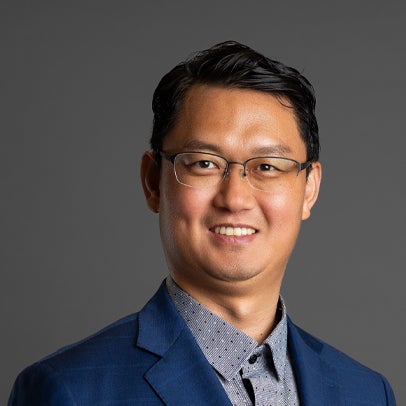
Dr. Yongsoo Park
Senior Scientist
Associate Professor
Dr. Yongsoo Park
Senior Scientist
Associate Professor
Educational Qualifications
PhD in Molecular Neurobiology
BS in Life Science
Entity
Qatar Biomedical Research Institute
College of Health and Life Sciences
Biography
Dr. Yongsoo Park is an Associate Professor at the College of Health and Life Sciences and a Senior Scientist at Qatar Biomedical Research Institute. He received PhD in investigating exocytosis and plasticity of vesicle fusion at the Pohang University of Science and Technology (POSTECH), South Korea.
After completing his PhD degree in 2009, he worked as a Postdoctoral Researcher at the Max Planck Institute for Biophysical Chemistry, Göttingen, Germany, being trained by a mentor Prof. Reinhard Jahn, a world-renowned scientist by his pioneering research into fusion and neurotransmitter release. In 2015, he was appointed as an Assistant Professor at the Izmir International Biomedicine and Genome Institute where he joined the Department of Molecular Biology and Genetics at the Koç University, Istanbul, Turkey.
In 2019 Dr. Park moved to the Qatar Biomedical Research Institute (QBRI) and is coaffiliated at the College of Health and Life Sciences aiming to model neurological disease with patient-specific hiPSC-derived neurons. His lab focuses on extracellular vesicle biomarkers for autism spectrum disorder (ASD), Parkinson’s disease, and Alzheimer's disease. He also studies lipid dysregulation in neurological disease conditions with a focus on calcium signaling and vesicle fusion. By applying interdisciplinary approaches, his team investigates molecular mechanisms of neurological disorders and the development of therapeutics.
PhD in Molecular Neurobiology
Pohang University of Science and Technology (POSTECH), South Korea
2002 - 2009
BS in Life Science
Handong Global University, South Korea
1996 - 2001
- Exosome and extracellular vesicle (EV) biomarkers for neurological disorders including autism spectrum disorder (ASD).
- Use of neuronal differentiation of human induced pluripotent stem cells (hiPSC) as a disease model of ASD
- Alzheimer's disease
- and Parkinson’s disease.
- Lipid dysregulation in neurological disease condition with a focus on vesicle fusion.
- Molecular mechanisms of neuronal degeneration in neurological disorders and microRNA exocytosis in health and disease.
Senior Scientist
Qatar Biomedical Research Institute, Hamad Bin Khalifa University
2024 - Present
Associate Professor
College of Health and Life Sciences, Hamad Bin Khalifa University
2024 - Present
Scientist
Qatar Biomedical Research Institute, Hamad Bin Khalifa University
2019 - 2024
Assistant Professor
College of Health and Life Sciences, Hamad Bin Khalifa University
2019 - 2024
Assistant Professor
Molecular Biology and Genetics, Koç University, Turkey
2017 - 2019
Assistant Professor
Izmir International Biomedicine and Genome Institute, Turkey
2015 - 2017
Postdoctoral Researcher
Max Planck Institute for Biophysical Chemistry, Germany
2009 - 2015
Ali Moussa, H. Y., Shin, K. C., & Park, Y. (2025). Ca2+/calmodulin and protein kinase C (PKC) reverse the vesicle fusion arrest by unmasking PIP2. Science Advances.
Shin, K. C., Ali Moussa, H. Y., & Park, Y. (2024). Cholesterol imbalance and neurotransmission defects in neurodegeneration. Experimental & Molecular Medicine, 56(8), 1685–1690.
Ali Moussa, H. Y., Shin, K. C., Ponraj, J., Park, S. H., Lee, O. S., Mansour, S., & Park, Y. (2024). PIP2 is an electrostatic catalyst for vesicle fusion by lowering the hydration energy: Arresting vesicle fusion by masking PIP2. ACS Nano, 18(20), 12737–12748.
Shin, K. C., Ali, G., Ali Moussa, H. Y., Gupta, V., de la Fuente, A., Kim, H. G., Stanton, L. W., & Park, Y. (2023). Deletion of TRPC6, an autism risk gene, induces hyperexcitability in cortical neurons derived from human pluripotent stem cells. Molecular Neurobiology, 60(12), 7297–7308.
Ali Moussa, H. Y., Shin, K. C., Ponraj, J., Kim, S. J., Ryu, J. K., Mansour, S., & Park, Y. (2023). Requirement of cholesterol for calcium-dependent vesicle fusion by strengthening synaptotagmin-1-induced membrane bending. Advanced Science, 10(15), e2206823.
Complete Publication Listing(s): NCBI
- Member, International Advisory Board of the International Symposium on Chromaffin Cell Biology (ISCCB) (2023).
- Best faculty/researcher poster award, second place, the 1st HBKU Research Day (7.Sep.2022).
- Member, EMBO Young Investigator Programme (YIP) as an EMBO Installation Grantee (2016-2020).
- Science Academy’s Young Scientist Awards Program (BAGEP), Bilim Akademisi, Turkey (27. 04. 2017).
- Research fellowship for post-doctoral researcher, Alexander von Humboldt Foundation (2010 – 2012).
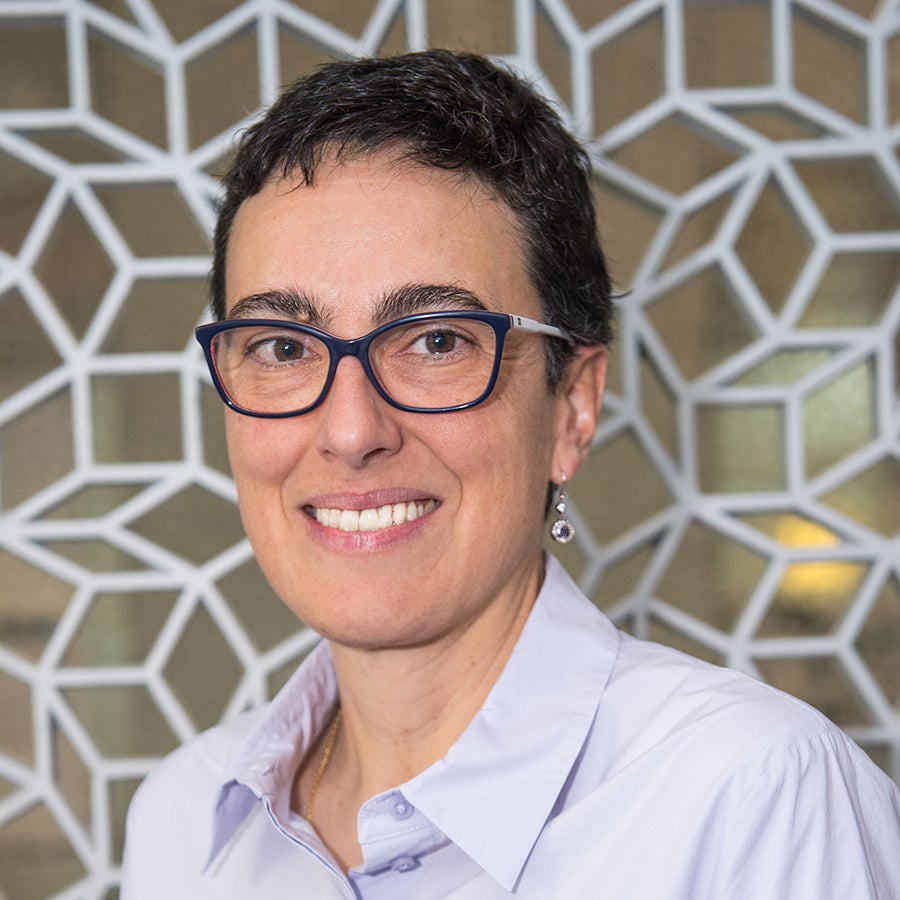
Dr. Maria teresa B Alonso
Postdoc
Dr. Maria teresa B Alonso
Postdoc
Educational Qualifications
PhD
Entity
College of Health and Life Sciences
PhD
Universidad de Navarra, Pamplona, Spain
1999
- Cancer Metabolism
- Transcriptional Regulation
- Lipid Metabolism
- Diabetes and Metabolic Disease
Research Fellow
UCD Conway Institute, School of Medicine and Medical Science, University College Dublin
2009 - 2018
Post-doctoral fellow
Ludwig Institute for Cancer Research Uppsala, Sweden
2002 - 2009
Post-doctoral fellow
University of Missouri-Kansas City, Kansas City, Missouri, USA
1999 - 2002
The phosphorylation-dependent regulation of nuclear SREBP1 during mitosis links lipid metabolism and cell growth. Cell Cycle. 15(20):2753-65.
The ubiquitin ligase Fbxw7 controls adipocyte differentiation by targeting C/EBPalpha for degradation. Proc. Natl. Acad. Sci. U.S.A. 107, 11817–11822.
A phosphorylation cascade controls the degradation of active SREBP1. J. Biol. Chem. 284(9): 5885-5895.
CDK1/Cyclin B-mediated phosphorylation stabilizes SREBP1 during mitosis. Cell Cycle. 5(15):1708-18.
Phosphorylation and ubiquitination of the transcription factor sterol regulatory element-binding protein-1 in response to DNA binding. J. Biol. Chem. 281(35): 25278-86.
Hyperphosphorylation regulates the activity of SREBP1 during mitosis. Proc. Natl. Acad. Sci. U.S.A. 102(33):11681-6
Control of lipid metabolism by phosphorylation-dependent degradation of the SREBP family of transcription factors by SCF(Fbw7). Cell Metab. 1(6):379-91. #These authors contributed equally to this work.