 Apply Now
primary

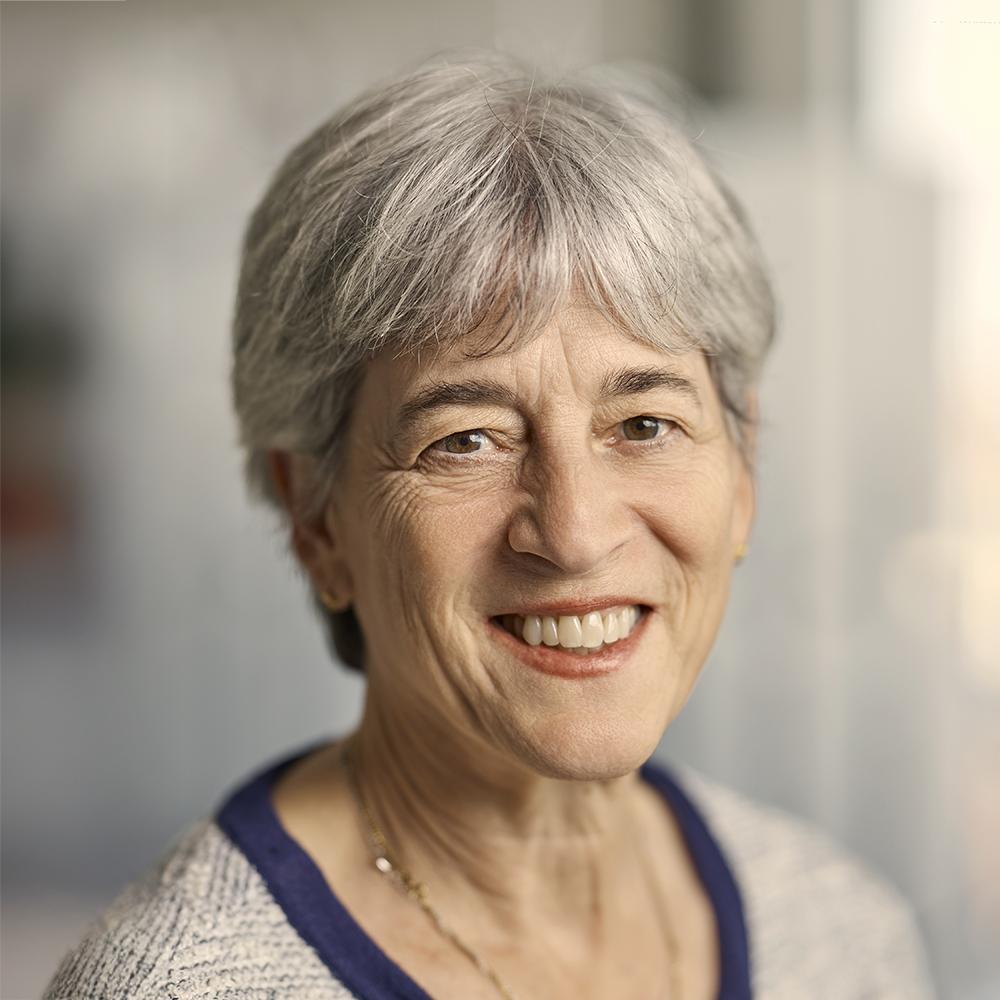
Prof. Juleen R. Zierath
Member of Scientific Advisory Committee
Prof. Juleen R. Zierath
Member of Scientific Advisory Committee
Entity
Qatar Biomedical Research Institute
Biography
Professor Juleen R. Zierath is a leading researcher in metabolic physiology, focusing on the cellular mechanisms underlying insulin resistance in Type 2 diabetes and the therapeutic potential of physical exercise. She holds dual professorships: Professor of Clinical Integrative Physiology and Head of the Section of Integrative Physiology in the Department of Molecular Medicine and Surgery at Karolinska Institutet, Stockholm, Sweden, and Professor of Integrative Physiology and Executive Director of the Novo Nordisk Foundation Center for Basic Metabolic Research at the University of Copenhagen, Denmark.
Professor Zierath's translational research program elucidates the molecular basis of insulin resistance in Type 2 diabetes. Her work has revealed impairments along the insulin signaling pathway in skeletal muscle from Type 2 diabetic patients and mapped the exercise-mediated signaling cascades that control glucose metabolism and gene expression, findings with clinical implications, as regular physical activity protects against insulin resistance and Type 2 diabetes.
Current research in her laboratory investigates the interactions between circadian rhythms and metabolism, particularly how the timing of exercise and nutrient intake affects metabolic health. Her work explores the temporal dynamics of skeletal muscle responses to exercise, mitochondrial function in diabetes, and how circadian biology can be leveraged for personalized exercise and dietary interventions The overarching goal of her work is to identify and validate molecular targets for pharmacological interventions and develop personalized exercise strategies that improve insulin sensitivity, ultimately alleviating complications and enhancing quality of life for people living with Type 2 diabetes.

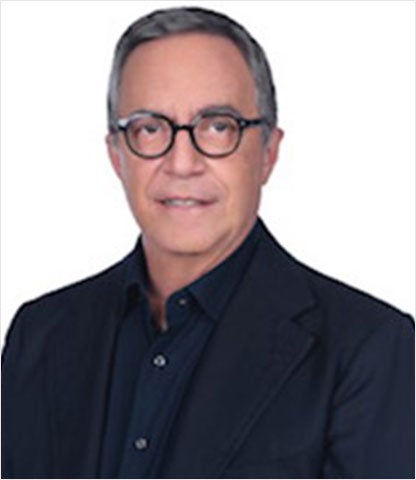
Dr. Camillo Ricordi, MD
Member of Scientific Advisory Committee
Dr. Camillo Ricordi, MD
Member of Scientific Advisory Committee
Entity
Qatar Biomedical Research Institute
Biography
Camillo Ricordi, MD, FNAI. Distinguished Professor of Medicine, Surgery, Biomedical Engineering, Microbiology and Immunology, Director of the Cell Transplant Center and Director Emeritus at the University of Miami, Diabetes Research Institute.
A leading scientist in diabetes cure-focused research, cell transplantation and regenerative medicine, Ricordi is well-known for inventing the method to isolate large numbers of pancreatic islets and for performing the first series of successful clinical islet allotransplants in diabetes. The procedure is now used worldwide. Ricordi led the team that performed the first successful extra-hepatic islet transplants, using a bioengineered endocrine pancreas implanted in the abdominal cavity of recipients with diabetes. He chaired for over a decade the consortium that successfully completed, the NIH-funded, FDA Phase 3 multicenter trials. He is currently the Principal Investigator of the stem cell-derived islet transplant trials (Vertex; VX-880), of the first trial (Vertex; VX-264) without any anti-rejection drug.
In addition to diabetes cure-focused research, Ricordi’s interests include the prevention and treatment of viral, autoimmune and chronic age-related diseases, to prolong a healthy lifespan (www.Fit4Healthspan.org).
He led the international team that successfully completed the first FDA-approved RCT to treat the most severe cases of COVID-19, with mesenchymal stromal cell infusions that resulted in 91% patient survival (100% in subjects with diabetes or with less than 85 years old) at one month, compared to 42% survival in the control group.
Over 100 honors and awards include the Nessim Habif World Prize in Surgery (University of Geneva) for developing a technology that significantly contributed to the advancement of a surgical field, and the Outstanding Scientific Achievement Award (ADA). In 2009, he was Knighted by the President of the Republic of Italy, and in 2018 he was inducted into the National Academy of Inventors USA for outstanding inventions that made a tangible impact on quality of life, economic development, and welfare of society. He served on the Italian Supreme Council of Health, and in 2023 he was awarded the TaoBuk Da Vinci Award (co-shared with Nobel Prize Yamanaka and Semenza) and the Venice Golden Lion Award.
Ricordi is also President of the Board of ISMETT (Mediterranean Institute of Transplantation and Advanced Therapies) since 2004 and was appointed President of Fondazione Ri.MED by the Italian Prime Minister, for the 2013-2017 term, successfully completing the partnership with ISMETT for the creation of an unprecedented biotechnology center linked to ISMETT, to foster clinical translation of novel therapies (http://www.fondazionerimed.eu/content/progetto-CBRB.aspx).
Founding president of The Cure Alliance and Chairman of the Diabetes Research Institute Federation, to promote cure-focused research at leading institutions worldwide, Ricordi serves as a consultant and/or on the board of advisors of several non-profit foundations, and government agencies, including the QBRI (Qatar Foundation), and on several venture capital, investment funds, pharmaceutical and biotechnology companies.
Ricordi contributed over 1,170 publications, that received over 54,000 citations, has 112 H-index and 28 patents awarded.
In 2022 he published the Oscar Bestseller Mondadori book “IL CODICE DELLA LONGEVITÀ SANA” now available also in its English edition: “THE HEALTHSPAN CODE” (Amazon.com).

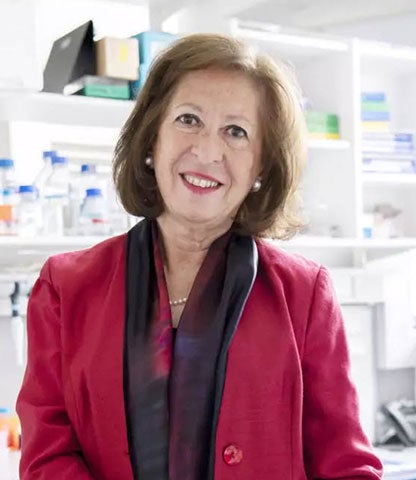
Prof. Maria Grazia Spillantini, FRS, FMedSci
Member of Scientific Advisory Committee
Prof. Maria Grazia Spillantini, FRS, FMedSci
Member of Scientific Advisory Committee
Entity
Qatar Biomedical Research Institute
Biography
Maria Grazia Spillantini is Professor of Molecular Neurology in the Clinical School of the University of Cambridge. Prof. Spillantini’s lab researches the cause of diseases like Parkinson's and Frontotemporal dementia, as well as Alzheimer's disease with the aim to identify targets for therapy.
After receiving a Laurea in Biological Sciences, summa cum Laude from the University of Florence, she pursued research at the Department of Clinical Pharmacology of the University of Florence, at the Unité de Neurobiologie of the INSERM in Paris and at the Molecular Neurobiology Unit of the Medical Research Council in Cambridge. In 1987, Prof. Spillantini moved to the Medical Research Council Laboratory of Molecular Biology, where she obtained a PhD in Molecular Biology from Cambridge University working with Michel Goedert and Sir Aaron Klug with whom later she continued research as a postdoctoral fellow.
In 1996, Prof. Spillantini moved to the Cambridge Centre for Brain Repair and in 2014 to the Clifford Allbutt Building, both in the Department of Clinical Neurosciences of the University of Cambridge. Her group worked on the molecular neuropathology of diseases characterized by tau and alpha-synuclein aggregates. She identified alpha-synuclein as the main component of the filaments that form the Lewy bodies in Parkinson’s disease and dementia with Lewy bodies and described one of the first mutations in the MAPT gene leading to frontotemporal dementia and Parkinsonism linked to chromosome 17.
Prof. Spillantini is a member of Scientific Advisory panels in institutions in Europe and USA and is Chair of the Clifford Allbutt Building of Cambridge University. Prof. Spillantini has been awarded several international prizes including the Potamkin Prize of the American Academy of Neurology, the Cotsias Prize of the Spanish Neurological Society, the Van Andel Prize for outstanding achievements in Parkinson’s disease research, and the 2017 Camillo Golgi Medal from the Camillo Golgi Foundation. In 2019, she received the honor of Officer of the Order of the Star of Italy (Ufficiale OSI), and, in 2020, she obtained the European Grand Prix de la Fondation Recherche Alzheimer, Paris.
Prof. Spillantini was elected Fellow of the Academy of Medical Sciences, London in 2010, Fellow of the Royal Society, London in 2013, and Fellow of the Royal Society of Biology in 2019. She is Professorial Fellow at Clare Hall and a life member of Peterhouse College, Cambridge.

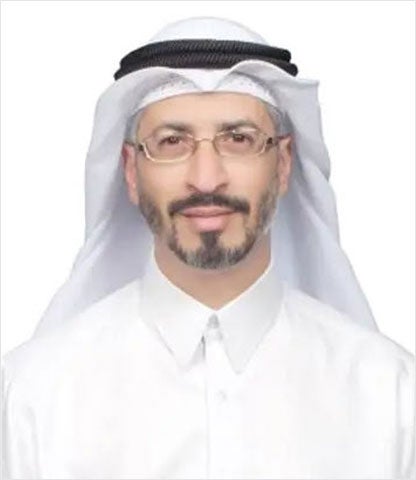
Dr. Al-Hareth M. Al-Khater
Member of Scientific Advisory Committee
Dr. Al-Hareth M. Al-Khater
Member of Scientific Advisory Committee
Entity
Qatar Biomedical Research Institute
Biography
Dr. Al-Hareth M. Al-Khater is a Senior Consultant Physician and the Deputy Medical Director for Clinical Affairs, National Center for Cancer Care and Research (NCCCR).
Dr. Al-Khater was granted a Qatari national medical scholarship and obtained his medical degree at the Royal College of Surgeons in Ireland. He then joined Hamad Medical Corporation (HMC), Doha, Qatar, where he did his internship and internal medicine residency training before obtaining a national medical sub-specialty scholarship. He completed his internal medicine residency, hematology, and medical oncology fellowship training at the University of Missouri-Columbia, working at the University Hospital, the Harry S. Truman Memorial Veterans’ Hospital and Ellis Fischel Cancer Center. He has obtained the American Board certification in internal medicine, hematology, and medical oncology.
Dr. Al-Khater is currently a Senior Consultant Medical Oncologist, Deputy Medical Director for Clinical Affairs at the NCCCR, and Chair of the Healthcare Ethics Committee at HMC, Doha, Qatar. He is also a Medical Advisor for the National Cancer Program in the Ministry of Public Health, Qatar, and he represents the State of Qatar as a member of the Governing Council for the International Agency for Research on Cancer (IARC), Lyon, France. He has participated in many institutional, national, and international committees including being a member of the Qatar National Research Ethics Committee, member of the Qatar State Awards Trustees' Committee, member of the Executive Committee for the Board of Regents of Qatar University, member of the Advisory Committee for the Gulf Center for Cancer Control and Prevention, Riyadh, Saudi Arabia, and a member of the Scientific Council for the IARC. His main interests are urological cancers and healthcare ethics at the end of life.

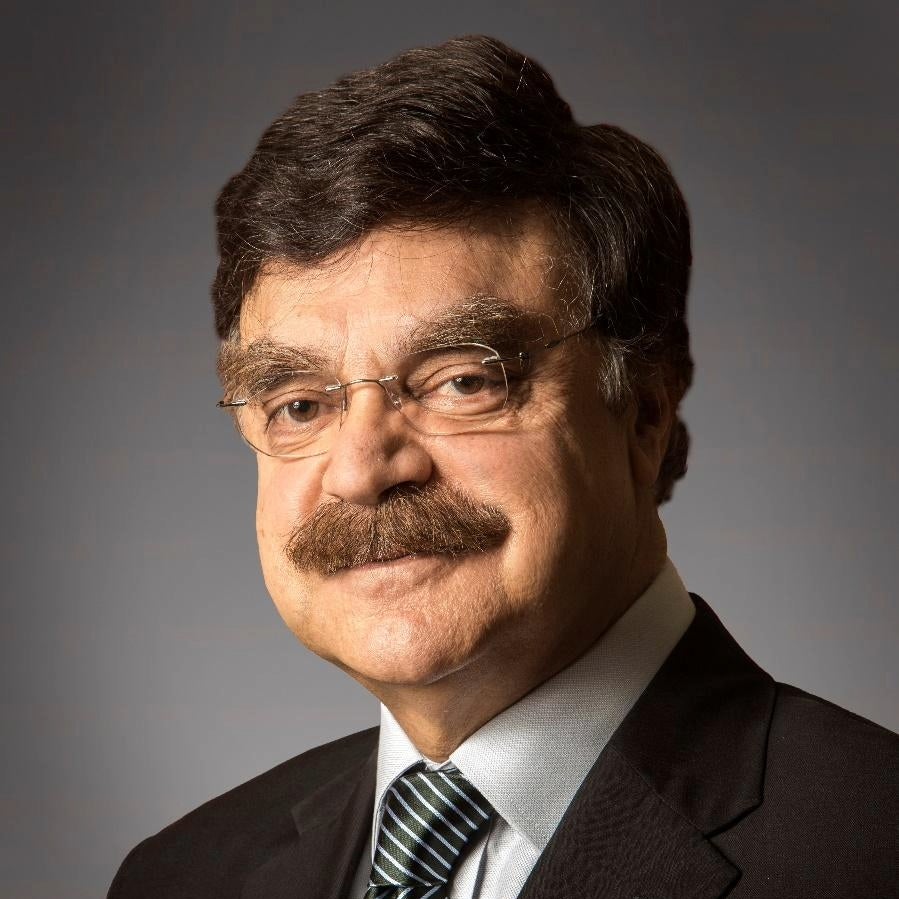
Dr. Javaid I. Sheikh
Member of Scientific Advisory Committee
Dr. Javaid I. Sheikh
Member of Scientific Advisory Committee
Entity
Qatar Biomedical Research Institute
Biography
Dr. Javaid I. Sheikh is the Dean and CEO of Weill Cornell Medicine-Qatar (WCMQ). He is an internationally renowned medical executive and creative thought leader in global academic medicine. Since beginning his tenure in 2010, Dr. Sheikh has pioneered several innovative biomedical research and education programs, enabling Weill Cornell Medicine-Qatar to become widely acknowledged as a leading institution preparing global physician-scientists for the 21st century.
Dr. Sheikh has led the establishment of a truly world-class research infrastructure at WCM-Q, equipped with core laboratories with advanced capabilities in genomics, proteomics, transcriptomics, and metabolomics, amongst others. These laboratories allow the institution to perform deep molecular phenotyping of the population, as well as apply personalized medicine approaches to cancer, diabetes, and other complex diseases. Discoveries based on cutting-edge research being done at WCMQ have paved the way for better diagnosis and more effective therapeutic interventions for cancer, diabetes, and many other complex illnesses.
Since 2012, Dr. Sheikh has led the conceptualization and implementation of comprehensive population health programs to advance health promotion and disease prevention for the Qatari population, beginning with “Sahtak Awalan” for school-age children. In early 2025, Dr. Sheikh launched a comprehensive Women’s Health program “Sehatuha,” that has galvanized both the community and the medical establishment to focus on this often neglected domain. Working closely with the Ministry of Population Health, Dr. Sheikh is transforming the health and wellness of the whole Qatari population, and getting them to actively participate in creating healthier lifespans and striving for peak functioning.
Dr. Sheikh has recently established the Artificial Intelligence Center for Precision Health at WCMQ, which is exploring the potential of artificial intelligence and wearable technologies for the early detection and prediction of diabetes, autism, anxiety/depression, and women’s health issues, such as gestational diabetes and postpartum depression. Broader aims of the Center are to mitigate health risks, enhance early intervention, and improve patient outcomes, ultimately driving proactive, personalized, and preventive care.
Before joining Weill Cornell Medicine-Qatar, Dr. Sheikh built a distinguished career at Stanford University School of Medicine in California. He was a tenured professor of psychiatry and behavioral sciences, associate dean for veterans’ affairs, and was board chair of the Palo Alto Institute for Research and Education. He is a professor emeritus in the Department of Psychiatry and Behavioral Sciences at Stanford.


Kimberly Mathern
Executive Secretary of Scientific Advisory Committee
Kimberly Mathern
Executive Secretary of Scientific Advisory Committee
Entity
Qatar Biomedical Research Institute
Biography
Kimberly is a dedicated management professional with more than 25 years of international business experience across several sectors including finance, investment, education, research and foundation. She has worked for large international entities including Morgan Stanley, Goldman Sachs, the New York Federal Reserve Bank, Qatar Foundation, and Weber Shandwick. She is a specialist in strategic communication with expertise in external and internal corporate communication, media relations, events management as well as strategic and business planning and financial reporting.
Currently based in France, Kimberly is a PR and communication specialist working with global investment management firms, financial institutions, exchanges, and insurance companies. She moved to France from Dubai where she was with Weber Shandwick’s financial services practice. Before joining Weber Shandwick, Kimberly worked as Communication Director and Strategic Planning and Performance Manager with Qatar Computing Research Institute (QCRI), a member of Qatar Foundation, where she developed and implemented a comprehensive integrated communication and marketing strategy and developed business plans for the institute’s long-term strategy.
Prior to QCRI, Kimberly was Vice President at BLJ Worldwide in Doha, Qatar where she was the lead specialist responsible for developing PR and communication strategies for several major clients in Qatar, including Qatar Foundation. Kimberly’s career started in the global financial services industry. Based in both New York and Hong Kong, she held senior management positions in Morgan Stanley and Goldman Sachs, where she was Operations and Business Officer and Client Relationship Manager for the investment research and equity divisions. Kimberly graduated from Wittenberg University in Ohio with a degree in Business Administration and a focus on operations management and economics. She is bilingual in English and French.

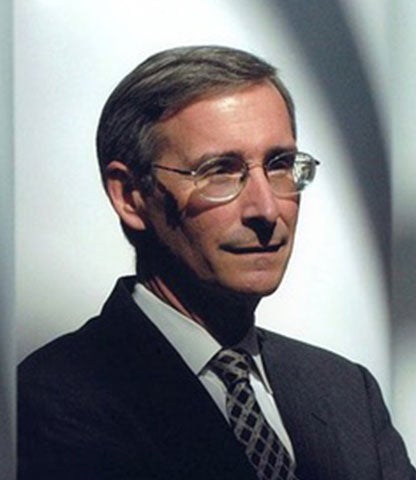
Dr. Robert R. Ruffolo, PhD, DSc (h.c.), DEng (h.c.), FCPP, FASPET
Chair of Scientific Advisory Committee
Dr. Robert R. Ruffolo, PhD, DSc (h.c.), DEng (h.c.), FCPP, FASPET
Chair of Scientific Advisory Committee
Entity
Qatar Biomedical Research Institute
Biography
Dr. Ruffolo is currently the Chairman of Aragen Biosciences, Inc. and Managing Director of Ruffolo Consulting, LLC, a consulting company for the pharmaceutical and biotechnology industries. He is the retired President of Research and Development for Wyeth Pharmaceuticals, and Corporate Senior Vice President of the Wyeth Corporation (now Pfizer). In that role, he managed an R&D organization of 9,000 scientists with an annual budget in excess of $5 billion. Prior to joining Wyeth, Dr. Ruffolo was Senior Vice President and Director of Drug Discovery Research Worldwide at SmithKline Beecham Pharmaceuticals (now GlaxoSmithKline) where he was responsible for approximately 1,700 scientists with an annual budget in excess of $1.2 billion. Prior to that, he was Chairman of the Cardiovascular Research Committee at Eli Lilly and Company.
During his career in the pharmaceutical industry, Dr. Ruffolo played a significant role in the discovery and development of a number of products that are marketed globally, including carvedilol (Coreg®, Dilatrend®, Kredex®, Dimitone®, Eucardia® and Cardiol®) for the treatment of congestive heart failure, ropinirole (Requip®) for Parkinson's disease, dobutamine (Dobutrex®) for the management of acute congestive heart failure and eprosartan (Teveten®) for hypertension. In addition, the research and development groups that Dr. Ruffolo supervised during his career brought 32 new medicines to the market.
Dr. Ruffolo has authored over 500 full-length publications and more than 200 abstracts, and he has edited 15 books. He was the Editor-in-Chief of four international pharmacology journals. He has received many honors throughout his career. Recently, the American Society for Pharmacology and Experimental Therapeutics (ASPET) elected Dr. Ruffolo as a Fellow of ASPET (FASPET), which is an honor bestowed only on its most distinguished members. In addition, ASPET established an annual award in Dr. Ruffolo’s name, the Robert R. Ruffolo Career Achievement in Pharmacology Award (Medal), to honor the contributions made by Dr. Ruffolo to biomedical research and to drug discovery and development. This Award is presented annually to the most prestigious scientists in the world at the height of their careers.
Dr. Ruffolo received two Lifetime Achievement Awards and two Honorary Doctorates. The Pharmaceutical Research and Manufacturers of America (PhRMA) awarded its most prestigious award, the Discoverer’s Award, to Dr. Ruffolo for the discovery of carvedilol (Coreg®) for the treatment of congestive heart failure. Carvedilol has saved the lives of tens of millions of patients around the world who suffer from this devastating disease. The American Society for Information Science and Technology designated Dr. Ruffolo as a Highly Cited Scientist for being among the top 100 most-cited pharmacologists in the world for over two decades.
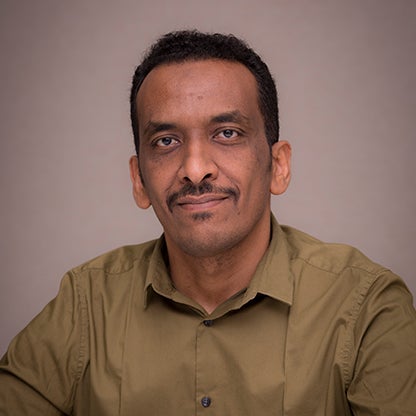
Dr. Amir Abdallah
Scientist
Dr. Amir Abdallah
Scientist
Educational Qualifications
PhD
MSc
Entity
Qatar Environment and Energy Research Institute
Biography
Dr. Amir Abdallah has academic and industrial experience in the development of solar cell efficiency and PV module technology. This includes fabrication of silicon solar cells, e.g., various process optimization and characterization to improve solar cell efficiency and PV module fabrication. At QEERI, Dr. Abdallah has contributed to the establishment and accreditation of the PV reliability lab. Further, as Lead Principle Investigator (LPI), he has secured two external funds with international collaborators - first project is to improve passivated contacts for PERC solar cell, and the second project is on technology development for PV module for desert climate.
PhD
Eindhoven University of Technology (Eindhoven, Netherlands)
2007
MSc
Delft University of Technology (Delft, Netherlands)
2002
- Improvement of solar cell and module efficiency
- PV module performance and reliability
- Standard testing of PV module
- Mechanical integrity of multi-material structures
Scientist
Qatar Environment and Energy Research Institute (QEERI), Doha, Qatar
2014 - present
Design Engineer
ASML, Eindhoven, Netherlands
2014
Process Engineer
Sulzer Turbo Services, Lomm, Netherlands
2011 - 2013
Research Engineer III
King Fahd University of Petroleum and Minerals, Dhahran, Saudi Arabia
2008 - 2011
Process Development Engineer
OTB Solar, Eindhoven, Netherlands
2007 - 2008
“Doped Nickel Oxide Carrier-Selective Contact for Silicon Solar Cells” IEEE JOURNAL OF PHOTOVOLTAICS (2021); doi: 10.1109/JPHOTOV.2021.3095458
“Optimized Ni1−xAlxO hole transport layer for silicon solar cells” RSC Advances 38 (2020) 22377-22386; doi.10.1039/d0ra02982c
“Record Efficiency N-type and High-efficiency P-type Mono-like Silicon Heterojunction Solar Cells with High Temperature Gettering Process” ACS Appl. Energy Mater. (2019) 4900-4906; doi.org/10.1021/acsaem.9b00608
“Annealing of silicon heterojunction solar cells: Interplay of solar cell and Indium-Tin-Oxide properties” IEEE Journal of Photovoltaics, Volume: 9, Issue: 5 (2019) 1202 - 1207; doi.10.1109/JPHOTOV.2019.2924389
Atomic layer deposited ZnxNi1-xO: A thermally stable hole selective contact for silicon solar cells, Appl. Phys. Lett. 113, 262102 (2018), doi.org/10.1063/1.5056223
Delamination of CIGS thin film photovoltaic module in desert climate. 35th European Photovoltaic Solar Energy Conference and Exhibition (2018), doi: 10.4229/35thEUPVSEC20182018-5BO.12.6
Performance of Silicon Heterojunction Photovoltaic modules in Qatar climatic conditions, Renewable Energy 97 (2016) 860-865, doi.org/10.1016/j.renene.2016.06.044
Structural origins of intrinsic stress in amorphous silicon thin films, PHYSICAL REVIEW B 85, (2012) 075202, doi: 10.1103/PhysRevB.85.075202
Buckle initiation of patterned ITO structures on a polymer substrate, Engineering Fracture Mechanics 78 (2011) 877–889, doi.org/10.1016/j.engfracmech.2011.01.013
Buckle initiation and delamination of patterned ITO layers on a polymer substrate, Surface & Coatings Technology 205 (2011) 3103–3111, doi.org/10.1016/j.surfcoat.2010.11.025
The impact of silicon solar cell architecture and cell interconnection on energy yield in hot & sunny climates, Energy Environ. Sci. (2017)
Performance of Silicon Heterojunction Photovoltaic modules in Qatar climatic conditions, Renewable Energy 97 (2016) 860-865
Structural and physical properties of the dust particles in Qatar and their influence on the PV panel performance, Nature Scientific Reports (2016).
Emerging frontiers of N-Type silicon material for photovoltaic applications: The impurity-defect interactions. Front Nanosci Nanotech, Volume 1 (2015) 2-12.
Performance improvement techniques for photovoltaic systems in Qatar: Results of first year of outdoor exposure, Energy Procedia 77 (2015) 386 – 396.
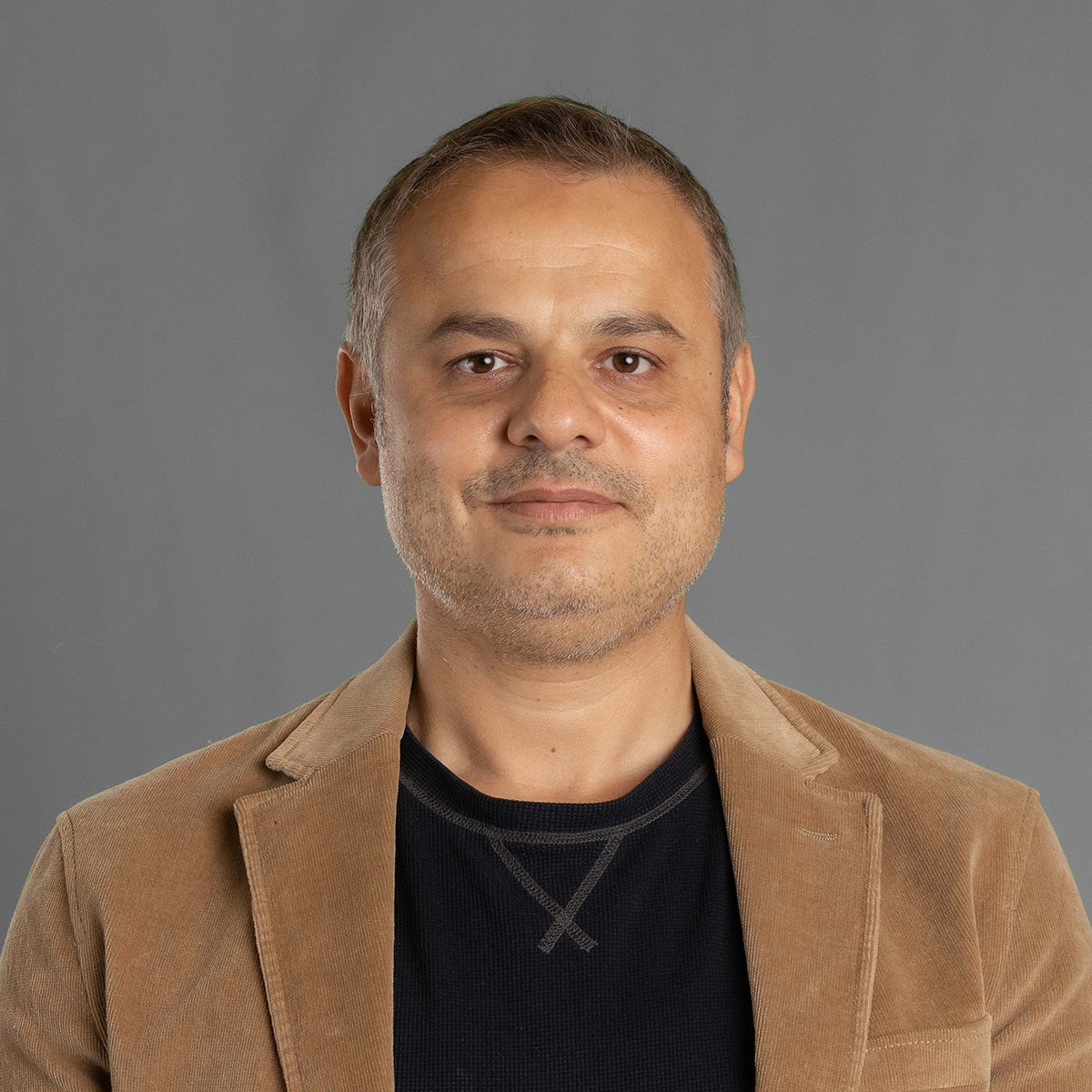
Ayman Samara
Senior Scientist
Educational Qualifications
PhD in Optical Science and Engineering
MSc in Applied Optics
Entity
Qatar Environment and Energy Research Institute
Biography
Dr. Ayman Samara joined Qatar Environment and Energy Research Institute (QEERI) Core Labs in 2015 as a Senior Scientist to help establish the optical microscopy lab, profilometry lab, thermal analysis lab, and thin film characterization. Dr. Samara is currently leading all analysis activities and manages the operations of these labs, supporting research at HBKU, local and global companies and educational institutes in Qatar. He obtained his MSc and PhD degrees in Optical Engineering and Science from the Center for Optoelectronics and Optical Communications at the University of North Carolina – Charlotte, and his BSc in Electrical Engineering from the University of Jordan. Dr. Samara started his career in the semiconductor industry in 2005 at Intel Corporation’s D1D Fab in Portland, OR, USA, as a Senior Process Development Engineer leading the development of metrology and defect detection capabilities for the Lithography process supporting manufacturing of the 65-32nm technology nodes. In 2009, Dr. Samara served as the Manager of the Dimensional Metrology and Defect Analysis facility in the assembly materials characterization division of Intel Corporation. Prior to Joining HBKU, Dr. Samara served as an Assistant Professor of Electrical Engineering at the American University of the Middle East in Kuwait, where he established the Optics Engineering lab and taught multiple EE courses.
PhD in Optical Science and Engineering
University of North Carolina - Charlotte; North Carolina, USA
2005
MSc in Applied Optics
University of North Carolina - Charlotte; North Carolina, USA
2002
BSc in Electrical Engineering
University of Jordan; Amman, Jordan
1999
- Material Characterization
- Metrology and Profilometry
- Optical Microscopy and Interferometry
- Thermal Analysis
- Thin Film Characterization
Assistant Professor of Electrical Engineering
College of Engineering, American University of the Middle East - Kuwait
2014 - 2015
Metrology Development and Operations Manager
Assembly Material Characterization Lab; Intel Corporation - Phoenix, AZ, USA
2009 - 2014
Senior Lithography Process Development Engineer
D1D Fab; Intel Corporation - Portland, OR, USA
2005 - 2009
A new approach for an ultra-thin piezoresistive sensor based on solidified carbon ink film; Journal of Materials Science
Controlling the biocorrosion of sulfate-reducing bacteria (SRB) on carbon steel using ZnO/chitosan nanocomposite as an eco-friendly biocide; Corrosion Science
Improved self-cleaning properties of an efficient and easy to scale up TiO2 thin films prepared by adsorptive self-assembly; Scientific reports
Aerial wetting contact angle measurement using confocal microscopy; Measurement Science and Technology
Three-dimensional inline inspection for substrate warpage and ball grid array coplanarity using stereo vision; Applied optics
Dynamic range enhancing technique for form, waviness and roughness measurements using fringe projection; Recent Developments in Traceable Dimensional Measurements
Traceable Radius Measurements of Micro-lensesTraceable Radius Measurements of Micro-lenses; Optical Fabrication and Testing
- 2007; Manufacturing Sustainability Excellence Award; Intel Corporation; Portland, OR, USA
- 2013; 6 Sigma Green Belt; Intel Corporation; Phoenix, AZ, USA
Karthik Somasundaram
Scientist
Educational Qualifications
PhD
Master of Science (Mechanical Engineering)
Entity
Qatar Environment and Energy Research Institute
Biography
Dr. Karthik Somasundaram joined Qatar Environment and Energy Research Institute (QEERI) in July 2022 as a Scientist at the Energy Center. He has nine years of experience in energy storage research especially in the field of Li-ion battery since his PhD. Dr. Karthik received his PhD from National University of Singapore (NUS) in November 2012. His research focused on modeling of transport phenomena in Li-ion batteries and supercapacitors. After his PhD, he spent several years in Singapore working on several research projects at NUS, NTU-Rolls Royce Electrical focusing on multi-scale, multi-physics modeling of
Li-ion batteries related to performance, safety and durability. He also worked as a Li-S cell modeler for Oxis Energy in UK on a joint research project with Imperial College, London and Cranfield University.
Before joining QEERI, Dr. Karthik worked as a Senior Engineer at Caterpillar India in the Advanced Power Products division focusing on development, parameterization, and utilization of mechanistic and empirical models for Li-ion battery cells to predict performance and aging under various operating conditions.
Prior to that, he worked for Renault-Nissan Technology Center in India focusing on optimizing battery cell designs using electrochemical-thermal models, developing machine learning models for process automation and shortlisting of materials.
PhD
National University of Singapore; Singapore
2012
Master of Science (Mechanical Engineering)
National University of Singapore; Singapore
2007
Bachelor of Engineering (Mechanical Engineering)
Madurai Kamaraj University; India
2003
- Li-ion battery modeling - Electrochemical-thermal models
- equivalent electrical circuit models to predict performance and durability
- Battery thermal management systems
- safety
- testing and characterization
- Electric vehicles and energy storage systems (ESS) modeling
- Machine learning models to predict ageing of batteries
- Advanced battery chemistries - ASSB
- Li-S and flow batteries
Senior Engineer
Advanced Power Products; Caterpillar India Engineering Solutions, India
2021 - 2022
Research Fellow
ERIAN-Rolls Royce Electrical; Nanyang Technological University, Singapore
2020
Deputy Manager
Research and Advanced Engineering (Materials); Renault Nissan Technology and Business Centre, India
2017 - 2020
Research Fellow
Cambridge C4T program and Mechanical Engineering; National University of Singapore, Singapore
2015 - 2017
Li-S Cell Modeler
Oxis Energy Ltd., UK
2014
Research Fellow
ME Department; National University of Singapore, Singapore
2012 - 2014
Thermal–electrochemical model for passive thermal management of a spiral-wound lithium-ion battery; Journal of Power Sources 203, 84-96; https://doi.org/10.1016/j.jpowsour.2011.11.075
Analysis of a model for an electrochemical capacitor; Journal of The Electrochemical Society 158 (11), A1220; https://doi.org/10.1149/2.062111jes
Electro-thermal analysis of Lithium Iron Phosphate battery for electric vehicles; Journal of Power Sources 249, 231-238; https://doi.org/10.1016/j.jpowsour.2013.10.052
Effect of thermal contact resistances on fast charging of large format lithium ion batteries; Electrochimica Acta 134, 327-337; https://doi.org/10.1016/j.electacta.2014.04.134
HVNguyen, A Fisher, AS Mujumdar; Scale analysis of electrochemical and thermal behaviour of a cylindrical spiral-wound lithium-ion battery; Electrochimica Acta 400, 139397; https://doi.org/10.1016/j.electacta.2021.139397
Hydrodynamic voltammetry at a rocking disc electrode: Theory versus experiment; Electrochimica Acta 188, 837-844; https://doi.org/10.1016/j.electacta.2015.11.143